Something changes at the 250 km mark that does not happen at 100 or 150. At this distance, a single destination becomes worth two full days. A river ghat you would have rushed through on a day trip becomes something you actually sit at and watch. A fort that takes 90 minutes to walk becomes a morning with a proper lunch on the other side of it. The places to visit near Delhi under 250 km in this range are not about fitting something into a Saturday. They are about deciding what kind of weekend you want and then driving toward it.
Places to Visit Near Delhi Under 250 km: Five Destinations Worth the Distance
The Ganga Corridor: Haridwar and Rishikesh
Haridwar and Rishikesh sit 20 km apart on the same highway and belong to the same drive. From Delhi, Haridwar is 220 km and Rishikesh 240 km, both via NH 58 through Meerut and Muzaffarnagar. Most people who travel this corridor visit both in one trip, arriving at one and moving to the other on the second day. That is the practical way to think about them, but it is also worth understanding how different they actually are.
Haridwar: Where the Ganga Hits the Plains
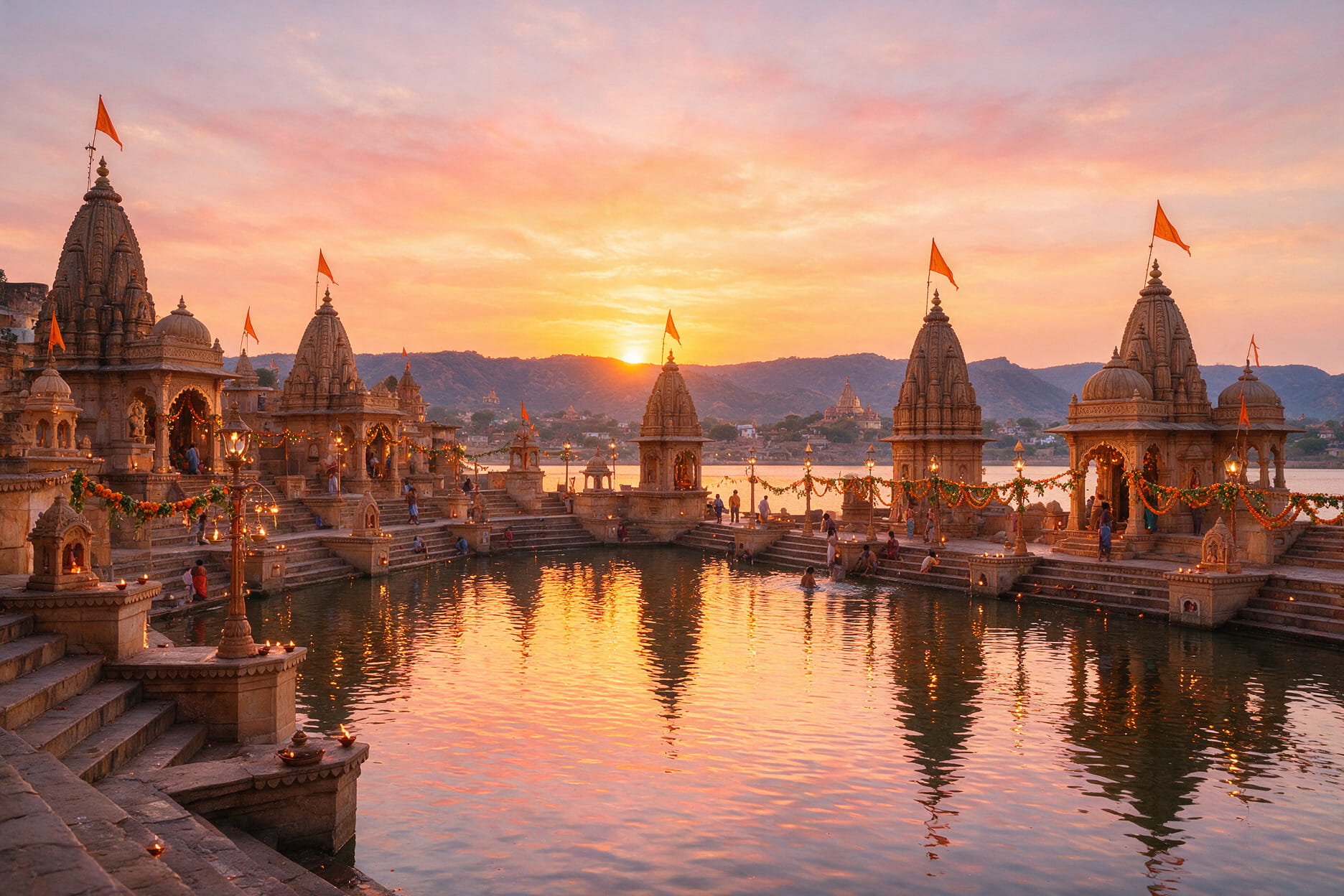
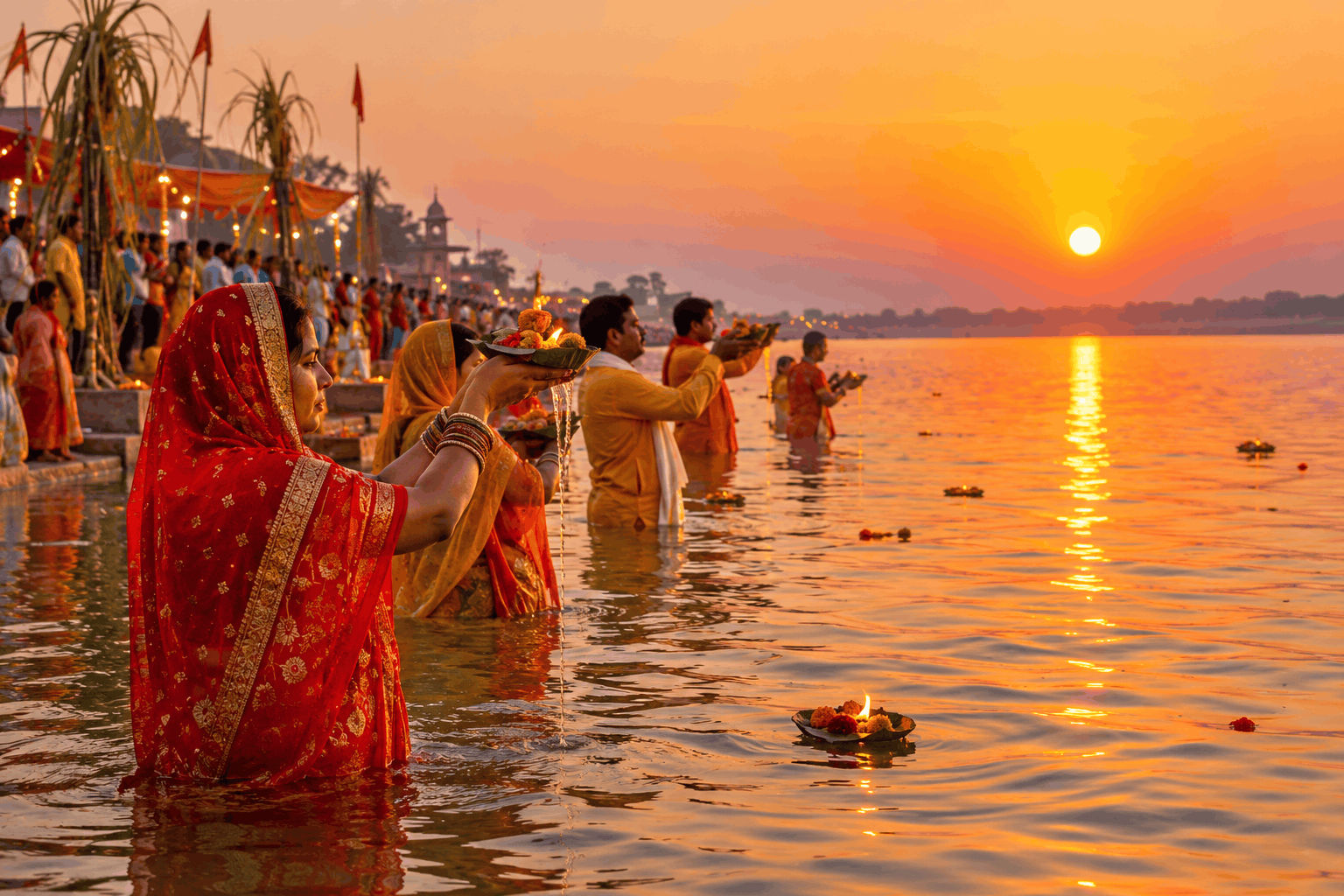
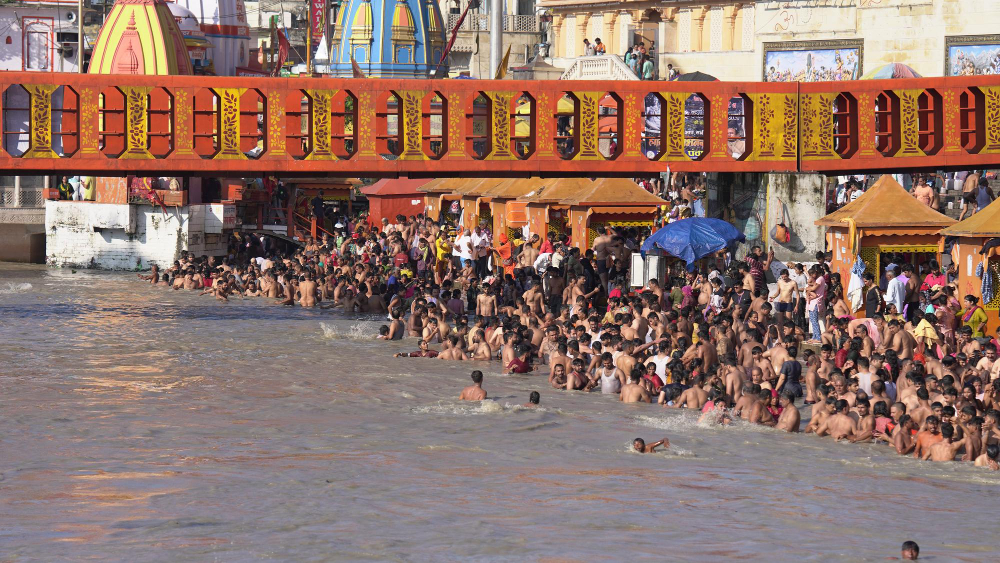
Haridwar is where the Ganges descends from the Himalayas to the plains, and the city has been built entirely around that one geographical fact. Har Ki Pauri is the central ghat, a wide stepped embankment with submerged chains that devotees hold while bathing in the current.
Haridwar works for every kind of traveller, but it rewards those who arrive the evening before, walk the ghat at dusk without any plan, eat at one of the vegetarian dhabas behind the main market, and return to the ghat again for the morning. The morning is quieter, the water is cleaner, and the crowd is smaller.
Mansa Devi and Chandi Devi temples are reachable by ropeway from the city and give a view over the entire Haridwar basin and the river bending south toward the plains. Both are worth the half-hour round trip.
Rishikesh: The Same River, A Different Life
Rishikesh is 20 km further into the foothills and operates at a completely different frequency. Where Haridwar is a city of pilgrimage crowds and religious commerce, Rishikesh has a quieter register, with ashrams, cafes, yoga studios, and a river that arrives here still fast and cold from the mountains.
Laxman Jhula, the iconic suspension bridge, is the visual centrepiece of the town. The lanes on either side of it rise up the hillside through guesthouses, cafes, and small shrines. Triveni Ghat is the main bathing ghat, and the evening aarti here is smaller than Haridwar’s but more intimate.
River rafting runs from the Shivpuri starting point, 16 km upstream, and covers a 16 km stretch of Grade 2 and 3 rapids ending at Rishikesh. The standard package takes about 3 hours including transport and costs approximately Rs 600 to Rs 900 per person depending on the operator and season.
Note: Prices are approximate and may vary based on season, demand, and availability.
The Beatles Ashram, officially Maharishi Mahesh Yogi’s Chaurasi Kutia, is a forest campus on the east bank of the river where the Beatles spent several weeks in 1968. The ashram is now open to visitors, the meditation domes are covered in painted murals, and the whole place has an unusual quality, equal parts decay and colour, that makes it unlike any other site in the region.
Buses from Delhi to Rishikesh on the Delhi to Rishikesh run overnight, making it practical to arrive in Rishikesh at dawn, spend a full day at the ghats and on the river, and use a second day for Haridwar or the ashram before returning.
Agra: The Drive India Does Not Let You Skip
Everyone who visits India visits Agra. That familiarity is both the problem and the point. The Taj Mahal is the most photographed building in the world, which means most people arrive with a complete visual expectation and leave having confirmed it.
What the photographs don’t prepare you for is the scale of the light. The white marble responds differently to every hour of the day. At 6 AM the surface has a warm orange tone. By 8 AM it has gone grey-blue. At noon it is almost blinding. At sunset the colour the stone takes on has no name in English.
Going early matters more at Agra than at almost any other heritage site in India. The East Gate opens at sunrise and the first hour sees a fraction of the crowd that arrives by 10 AM. Book tickets in advance through the Archaeological Survey of India website or at the booking counter the previous evening.
Agra Fort is 2 km from the Taj and is routinely the second stop on the same day, but it deserves more than the 90 minutes most visitors give it. The fort was a working royal city for three generations of Mughal emperors, and the Sheesh Mahal mirror palace, the Jahangiri Mahal, and the riverside pavilion where Shah Jahan is said to have spent his last years looking across at the Taj from imprisonment are all worth moving through slowly.
From Delhi, Agra is best reached by car via the Yamuna Expressway, a six-lane highway that covers 165 km of the distance in under 2 hours. Several trains including the Gatimaan Express, the fastest train on this route, cover the journey in 1.5 hours from Hazrat Nizamuddin station.
Fatehpur Sikri: Akbar’s Capital That Stood for 14 Years
Fatehpur Sikri is sometimes treated as an add-on to an Agra trip, which understates it. The city was built by Emperor Akbar between 1571 and 1573 to serve as the Mughal capital, and then abandoned in 1585 when the water supply failed. What remains is a complete royal city in red sandstone, standing in near-original form four centuries later.
The Buland Darwaza is the entry gate and one of the largest gateways ever built, commissioned to commemorate Akbar’s conquest of Gujarat. The Diwan-i-Khas, the hall of private audience, has a single central column with an elaborate corbelled capital that branches into walkways at the top. Jodha Bai’s Palace and the Panch Mahal give a picture of how the residential sections of a Mughal capital functioned.
The Dargah of Salim Chishti inside the complex is an active shrine. Women tie threads on the marble lattice screens that surround the tomb to mark their prayers, a practice that has continued since Akbar himself sought the saint’s blessing.
Fatehpur Sikri is 40 km before Agra on the Delhi route and works as either a mid-point stop or a separate day. It needs at least 2 to 3 hours to walk properly.
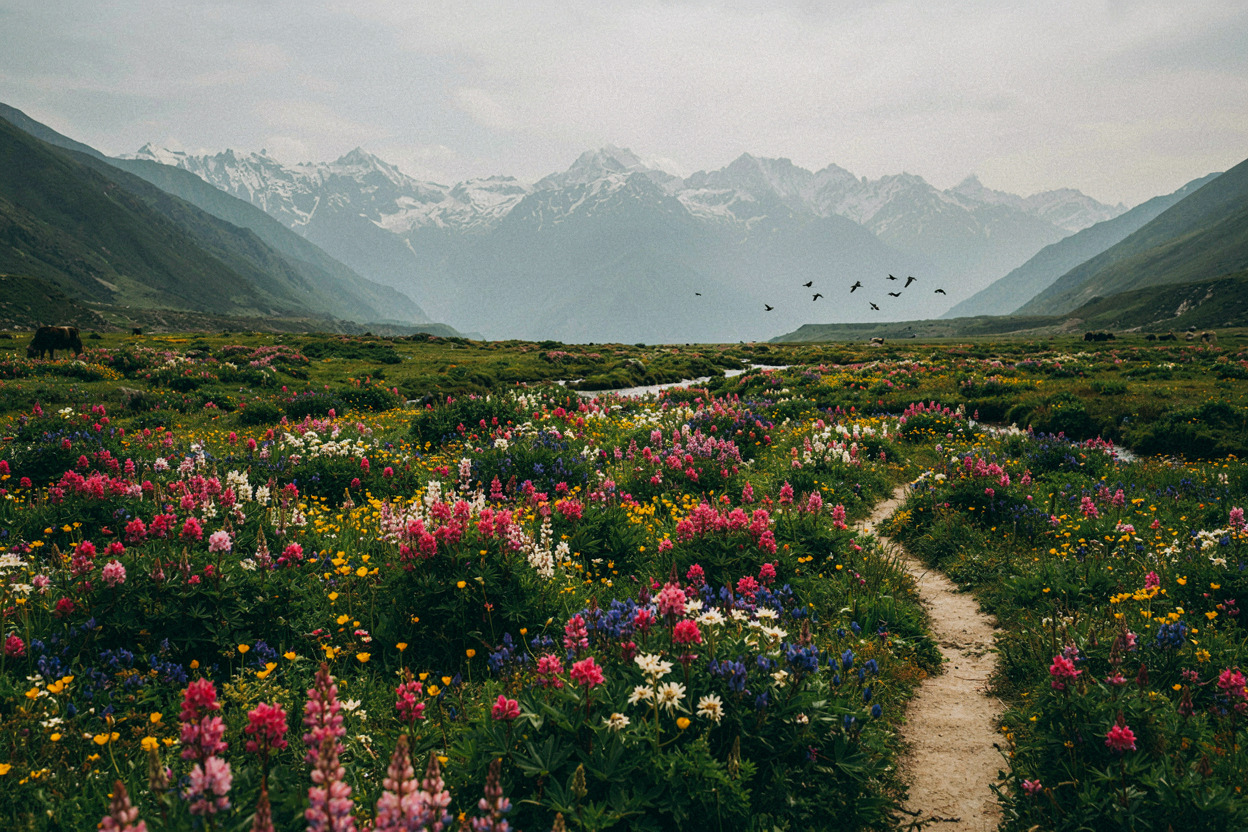
Lansdowne: The Hill Station Most Delhi Residents Have Not Discovered
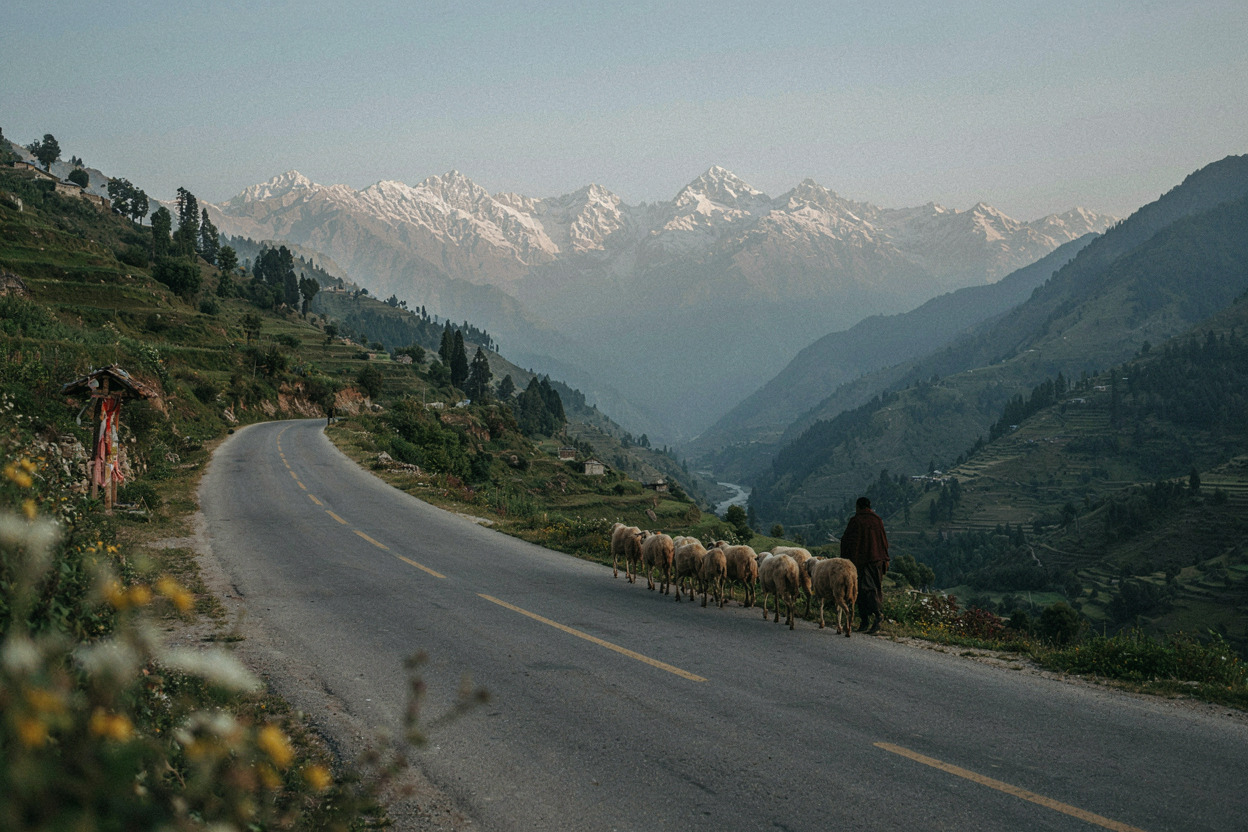
Lansdowne sits at 1706 metres in the Pauri Garhwal district of Uttarakhand, 247 km from Delhi. It is the current headquarters of the Garhwal Rifles regiment of the Indian Army, and the military presence has kept the town from developing into a commercial hill station in the usual sense.
There is no mall road with shops selling the same woolens and wooden toys. There is no cable car, no amusement park, no aggressive photography point. What there is instead: dense oak and pine forest, a walking road called Tip n Top that looks out over the Himalayas on a clear winter morning, a regimental war memorial and museum that is genuinely worth visiting, and a lake called Bhulla Tal at the edge of the cantonment.
The drive from Delhi takes about 6 hours via Kotdwar. The highway to Kotdwar is well-maintained; the final 40 km from Kotdwar into the hills is a state road with switchbacks and forest on both sides. Lansdowne is the right destination for anyone who wants a hill station that genuinely feels removed from Delhi rather than one that has transplanted Delhi’s weekend crowd to an altitude.
The Garhwal Rifles Regimental Museum is open to civilians on certain days and carries an unusual collection of war memorabilia from campaigns stretching back through the two World Wars and earlier British-era operations. St Mary’s Church, built in 1895, is standing and in regular use. The Tarkeshwar Mahadev Temple, 38 km from Lansdowne, is a forest clearing at 2092 metres with a Shiva shrine that has been a pilgrimage point for centuries.
October to February gives clear views of the snow-covered Himalayan ridgeline. Monsoon turns the forest intensely green but closes some of the mountain roads. May and June bring Delhi hill-seekers in numbers, but Lansdowne even at peak season is quieter than Mussoorie or Nainital on an ordinary weekend.
Planning the Drive
All five destinations in this guide are on two highway corridors from Delhi. The NH 58 running northeast through Ghaziabad, Meerut, and Muzaffarnagar covers the Haridwar and Rishikesh route. The Yamuna Expressway running southeast covers Agra and the Fatehpur Sikri turn-off. Lansdowne requires the NH 58 to Kotdwar and then a hill road.
For intercity buses, zingbus runs overnight and daytime services from Delhi on the Rishikesh corridor. The zingbus app shows current route availability, seat maps, and boarding point details before booking.
You Might Also Like
- Best Places to Visit Near Delhi Within 200 km
- Monsoon Treks Near Delhi by Bus
- Chandni Chowk Market Delhi
- Places to Visit in Rishikesh
Before the Highway Gets Busy
- Haridwar and Rishikesh roads from Meerut to Muzaffarnagar see heavy truck traffic at night. If driving, the clearest window is leaving Delhi before 5 AM or after 9 AM when the peak freight movement has settled.
- Book Taj Mahal entry in advance. The walk-in queue at the East Gate on weekends runs to 45 minutes or more. Entry tickets are available through the Archaeological Survey of India portal.
- Lansdowne is a cantonment town. The inner cantonment roads are restricted; check current visitor access before planning the drive into the core area.
- October to February is the most comfortable season for all five destinations. Rishikesh rafting season runs from mid-September to April, closing during monsoon when water levels are too high for safe rafting.
- Fatehpur Sikri has almost no shade on the main plaza. Plan the visit before 10 AM or after 4 PM between March and October to avoid midday heat.
250 km Is the Distance That Changes What a Weekend Means
The places to visit near Delhi under 250 km in this guide are not day trips dressed up as weekends. Haridwar earns a night. Rishikesh earns a full day and then a morning before you leave. Agra earns two days if you are doing it properly. Lansdowne earns a slow Saturday and a Sunday morning with the hills visible through the trees. The drive is longer than 150 km, which is precisely the point. Something worth two days is worth the extra hour on the road.
Frequently Asked Questions
What are the best places to visit near Delhi under 250 km?
The best places to visit near Delhi under 250 km are Haridwar at 220 km for the Ganga Aarti, Rishikesh at 240 km for rafting and the Beatles Ashram, Agra at 230 km for the Taj Mahal, and Lansdowne at 247 km for a quiet hill station escape.
How far is Rishikesh from Delhi?
Rishikesh is approximately 240 km from Delhi via NH 58, taking about 5 to 6 hours by road. Overnight buses from Delhi arrive in Rishikesh early morning, leaving a full day for the ghats and river activities.
How far is Haridwar from Delhi?
Haridwar is approximately 220 km from Delhi via NH 58 and takes about 5 hours by road. Haridwar and Rishikesh are 20 km apart on the same highway and are best visited together across two days.
Is Agra worth visiting from Delhi for a weekend?
Yes, Agra is absolutely worth visiting from Delhi for a weekend. Two days allow a sunrise visit to the Taj Mahal, Agra Fort in the afternoon, and a full morning at Fatehpur Sikri on the second day.
What is the best time to visit Haridwar and Rishikesh from Delhi?
The best time to visit Haridwar and Rishikesh from Delhi is October to April. Rafting at Rishikesh runs from mid-September to April. Monsoon from June to September sees heavy rainfall and high river levels that make water activities unsafe.
What is Lansdowne and is it worth visiting from Delhi?
Lansdowne is a quiet hill station at 1706 metres in Uttarakhand, 247 km from Delhi. It is the headquarters of the Garhwal Rifles regiment and has no commercial hill station development, making it one of the most peaceful weekend escapes in this range.
Is Fatehpur Sikri worth visiting separately from Agra?
Yes, Fatehpur Sikri is worth visiting on its own. It is the most completely preserved abandoned Mughal capital in India, dating to 1571 AD. It sits 40 km before Agra on the Delhi highway and needs a minimum of 2 to 3 hours.
Which places near Delhi under 250 km are best for adventure?
Rishikesh is the strongest adventure destination near Delhi under 250 km, offering white water rafting, bungee jumping, cliff jumping, and kayaking. Rafting on the Shivpuri to Rishikesh stretch is the most popular activity for first-time visitors.
What are the best places near Delhi under 250 km for couples?
The best places near Delhi under 250 km for couples are Agra for the Taj Mahal sunrise experience, Rishikesh for riverside camping and cafes along the Ganga, and Lansdowne for a quiet hill station with no tourist crowd.
Can I visit both Haridwar and Rishikesh in one trip from Delhi?
Yes, Haridwar and Rishikesh can easily be covered in one two-day trip from Delhi. Arrive in Haridwar on day one for the evening Ganga Aarti, drive 20 km to Rishikesh on day two, and return to Delhi in the evening.
How do I reach Rishikesh from Delhi by bus?
Rishikesh is reachable from Delhi by overnight bus on the Delhi to Rishikesh route. Overnight buses leave from Delhi in the evening and reach Rishikesh by early morning, making use of the full second day practical.
Is Dehradun within 250 km of Delhi?
No, Dehradun is approximately 255 km from Delhi, just beyond the 250 km limit. It is a natural extension of the Haridwar and Rishikesh corridor and can be added as a third day to a Ganga corridor trip.
What is the best hill station within 250 km of Delhi?
The best hill station within 250 km of Delhi is Lansdowne at 247 km. It is quieter than Mussoorie, has no commercial development, and is surrounded by oak and pine forest at 1706 metres with Himalayan views on clear mornings.
What are tourist places near Delhi within 250 km for families?
The best tourist places near Delhi within 250 km for families are Agra for the Taj Mahal and Agra Fort, Haridwar for the Ganga Aarti experience accessible to all ages, and Rishikesh for riverside walks and the Laxman Jhula bridge area.