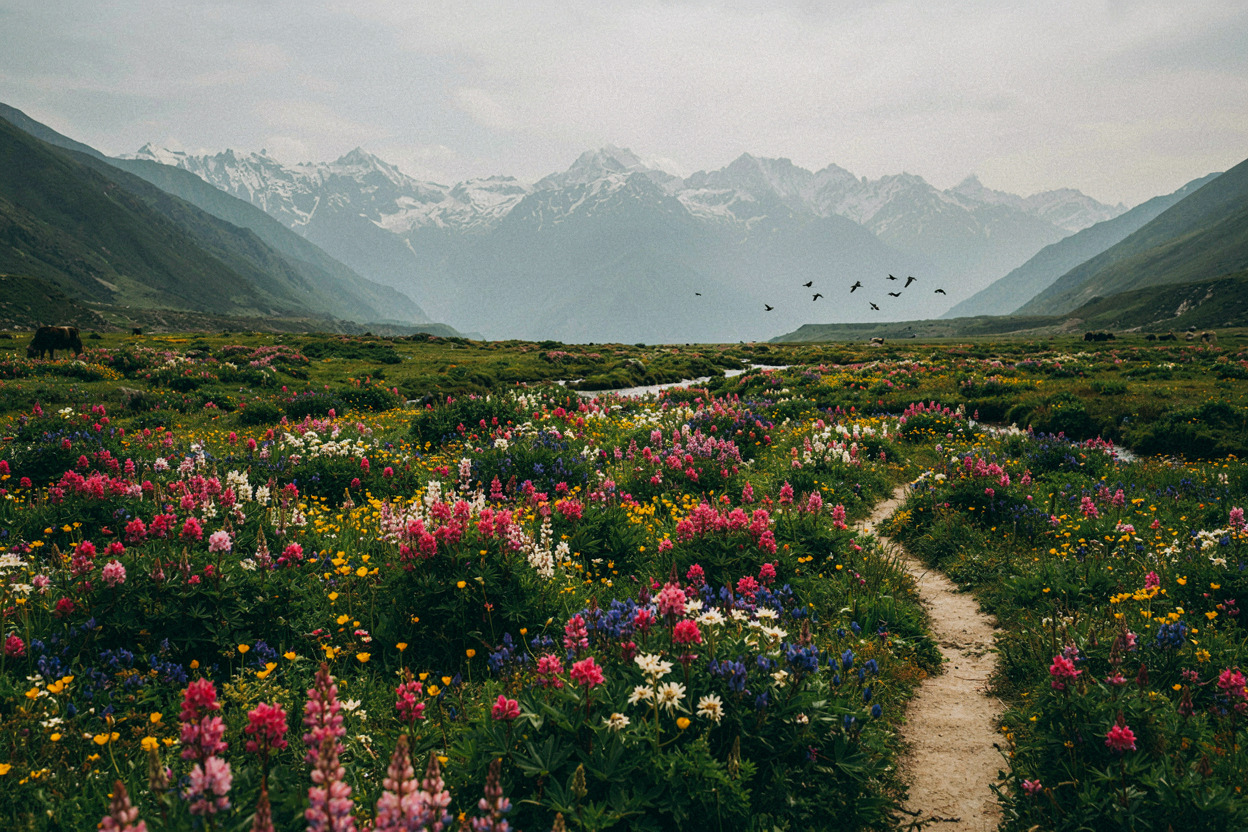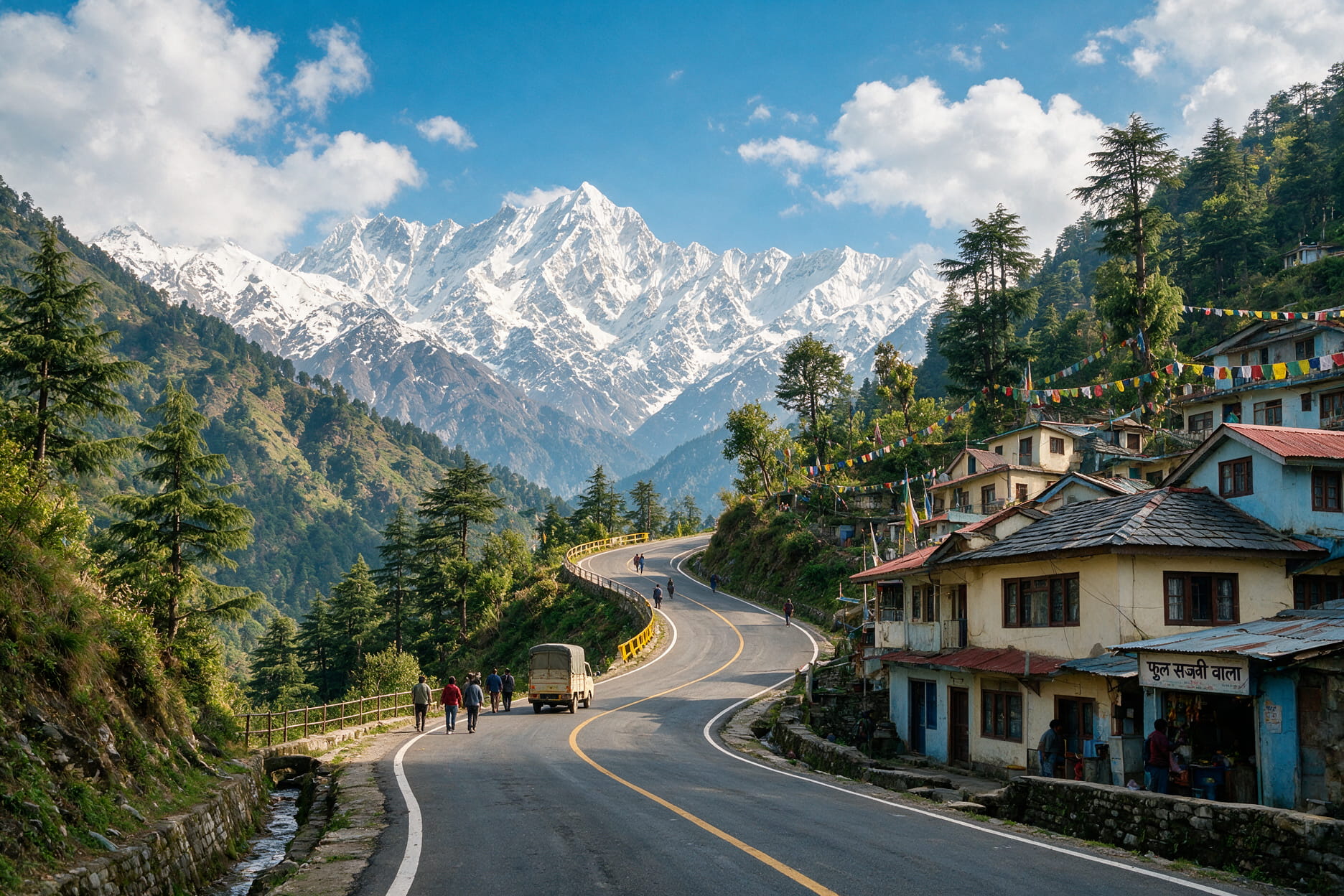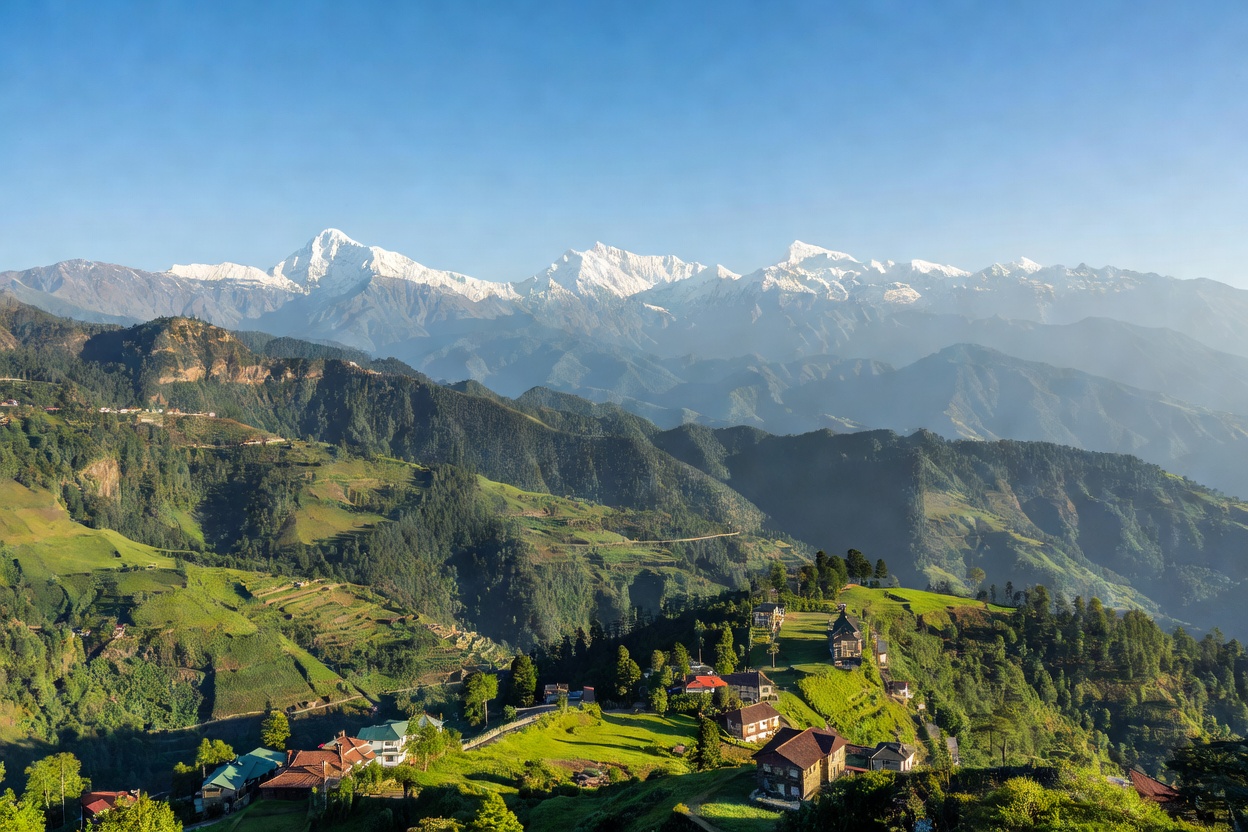
Morning mist can erase the Doon Valley within minutes, leaving only pine branches, sloping roofs, and the sound of footsteps along the ridge. The most memorable Places to Visit In Mussoorie are often experienced between these changing views rather than through a hurried sightseeing checklist.
A strong trip separates walkable town attractions from Landour, waterfalls, forest areas, and western viewpoints. This guide explains which locations belong together, what different travellers should prioritise, when weather changes the plan, and how many days Mussoorie genuinely deserves.
Places to Visit In Mussoorie for Views, Walks, Waterfalls, and Hill Heritage
Mussoorie sits along a ridge in the Garhwal Himalayan foothills above the Doon Valley. Uttarakhand Tourism identifies it as one of the state’s most popular hill stations, while Incredible India highlights its Himalayan viewpoints, colonial history, forests, waterfalls, and rare winterline phenomenon.
The town works best when understood as several connected experiences rather than one compact attraction cluster. Mall Road and Gun Hill occupy the central ridge. Landour rises above the main town, while Kempty Falls, Company Garden, George Everest, and forest areas require separate road journeys.
How to Choose Places to Visit In Mussoorie
The right selection depends on walking ability, available days, weather, crowd tolerance, and whether you prefer classic sightseeing or quieter mountain time. A first visit usually needs the central ridge, Landour, one western attraction, and enough unplanned time for changing views.
| Experience | Best Area or Attraction | Time to Keep | Most Suitable For |
| Classic hill-station evening | Mall Road | 2 to 3 hours | First-time visitors |
| Ropeway and broad views | Gun Hill | 1.5 to 2.5 hours | Families and couples |
| Quiet ridge walk | Camel’s Back Road | 1 to 2 hours | Walkers and photographers |
| Himalayan panorama | Lal Tibba | 1 to 2 hours | Clear-weather mornings |
| Heritage and cafés | Landour | Half day | Couples and slow travellers |
| Waterfall outing | Kempty Falls | Half day | Families and first-time visitors |
| History and open landscape | George Everest Estate | 2 to 4 hours | Walkers and history enthusiasts |
| Garden and children’s activities | Company Garden | 1.5 to 2.5 hours | Families |
| Nature and birdwatching | Benog Wildlife Sanctuary | Half day | Active travellers |
| Easy roadside family stop | Mussoorie Lake | 1 to 2 hours | Families arriving from Dehradun |
The most useful way to compare Places to Visit In Mussoorie is by geography. Combining nearby areas reduces repeated climbs through narrow roads and protects more of the day for walking, food, viewpoints, and rest.
Start With Mussoorie’s Central Ridge
The main ridge contains the most accessible Mussoorie tourist places and gives first-time visitors the quickest understanding of the town. Mall Road, Gun Hill, Camel’s Back Road, Library Chowk, Picture Palace, and Christ Church can be organised without a full-day taxi.
This is also where Mussoorie feels busiest. Visit popular viewpoints earlier, keep the late afternoon for walking, and avoid expecting Mall Road to provide the same quiet found in Landour or the forested western edge.
Mall Road Is the Social Centre of the Town
Mall Road Mussoorie stretches across the central commercial ridge between the Library side and Picture Palace side. Shops, cafés, bakeries, hotels, viewpoints, churches, and connecting lanes make it the natural orientation point for most first-time visitors.
Its strongest experience is not one monument but the changing valley view as you walk. Visit in the morning for quieter movement or return after sunset for shops, snacks, and the lights of Dehradun below.
Do not attempt to shop, eat, photograph, and reach every viewpoint in one rushed walk. Choose one section at a time, particularly when travelling with elderly family members or children who may find the slopes tiring.
Gun Hill Gives a Quick View Above the Main Town
Gun Hill is identified by Incredible India as Mussoorie’s second-highest point at approximately 2,122 metres. It can be reached by ropeway from the Mall Road area and provides views towards the Himalayan ranges, surrounding hills, town, and Doon Valley.
The hill’s name is linked with the former practice of firing a cannon to announce midday during the colonial period. The viewpoint now includes food stalls and visitor activities, so expect a commercial atmosphere rather than an isolated summit.
Ropeway hours and operations can change because of weather, maintenance, or crowd management. Check locally before building a tightly timed itinerary around the ride, especially during rain, high winds, or holiday weekends.
Camel’s Back Road Is Better for Walking Than Sightseeing
Camel’s Back Road follows the quieter side of Mussoorie’s ridge and takes its name from a natural rock formation resembling a camel’s back. The route is known for Doon Valley views and works best as a morning or late-afternoon walk.
Treat the road as time outdoors rather than another attraction to finish. Comfortable shoes, a light layer, and a slower pace make the experience more useful than moving between photo points in a vehicle.
Visibility can disappear quickly when cloud moves across the ridge. The walk can still be pleasant, but slippery surfaces and reduced visibility require extra care during rain and winter frost.
Christ Church Adds Context to the Colonial Ridge
Mussoorie’s Christ Church is associated with the town’s colonial-era development and remains one of its recognised heritage landmarks. It fits naturally into a Mall Road walk rather than requiring a separate vehicle or itinerary block.
Check current visitor access before entering because worship, private functions, maintenance, or local arrangements may affect opening. Remain quiet, dress respectfully, and avoid treating the interior solely as a photography location.
Landour Rewards Travellers Who Stop Counting Attractions
Landour lies above the central town and offers a noticeably different pace. Incredible India describes the cantonment as Mussoorie’s quieter colonial counterpart, with winding roads, pine trees, historic churches, Lal Tibba, Char Dukan, and Sisters’ Bazaar.
The appeal of Landour and Lal Tibba comes from walking, food, architecture, and changing Himalayan views. A taxi can solve the steep initial climb, but exploring every lane from inside a vehicle removes much of the reason for visiting.
Lal Tibba Is Best When the Sky Is Clear
Lal Tibba is recognised as the highest point in the Mussoorie area and is one of the most important Himalayan viewing locations in Landour. On clear days, the wider Garhwal ranges can be seen beyond the nearer forested ridges.
Cloud, haze, or rain can completely alter the experience. Check visibility before paying for a long taxi journey solely for the panorama, and prioritise an early morning visit after clear overnight weather.
The viewpoint area can become congested on weekends. Spend time on the surrounding Landour roads as well, rather than treating one telescope point as the complete reason for travelling uphill.
Char Dukan Is a Food Stop, Not a Four-Shop Mystery
Char Dukan developed around four adjoining refreshment shops near St Paul’s Church, although the area now contains additional businesses. Pancakes, omelettes, waffles, hot chocolate, Maggi, and other simple hill-station snacks remain strongly associated with the stop.
It is best used as a pause during the Landour walk rather than a destination requiring an entire afternoon. Weekday mornings generally provide more space than peak weekend lunch hours.
Food quality, queues, and seating vary between outlets. Choose according to current cleanliness, turnover, and waiting time rather than assuming that every shop provides an identical experience.
Sisters’ Bazaar Preserves Landour’s Small-Scale Character
Sisters’ Bazaar is a compact Landour area associated with old shops, baked goods, preserves, cafés, and heritage buildings. Incredible India places the well-known Landour Bakehouse and long-established local food stores within this walking zone.
The area is not a conventional market filled with hundreds of stalls. Its value lies in the road, architecture, food stops, and slower rhythm, so allow enough time to walk rather than arriving only to purchase one item.
St Paul’s Church Belongs to the Landour Walk
St Paul’s Church stands close to Char Dukan and forms part of Landour’s cantonment history. The surrounding roads also connect towards Kellogg Memorial Church and Sisters’ Bazaar, creating a coherent heritage circuit.
Access can depend on current church activity. Keep voices low, follow photography restrictions, and avoid blocking the narrow road outside while waiting for transport.
Follow the Western Road for Waterfalls, Gardens, and History
Among Places to Visit In Mussoorie, the western side requires the most careful route planning. Kempty Falls, Company Garden, George Everest Estate, Cloud’s End, and Benog lie in broadly similar directions but should not all be forced into one day.
Choose one major anchor and one nearby addition. The roads are slower than their map distance suggests, while parking, walking, queues, and changing weather can consume more time than expected.
Kempty Falls Is Famous, Busy, and Still Worth Understanding
Kempty Falls lies approximately 15 km from Mussoorie on the Yamunotri road. It remains one of the best-known waterfalls in the region and receives large visitor numbers, particularly during summer weekends and holiday periods.
The surrounding commercial development means the experience is no longer an untouched forest waterfall. Travellers seeking solitude may prefer Bhatta Falls or a forest walk, while families wanting the classic Mussoorie outing may still enjoy an early visit.
Reach as early as practical and confirm current water, weather, and access conditions. Avoid entering forceful water after heavy rain, keep children within reach, and do not step onto slippery rocks for photographs.
Monsoon can increase the waterfall’s volume but also raises the risk of slippery approaches, sudden weather changes, road disruption, and unsafe water movement. Local instructions should override any fixed itinerary.
Company Garden Works Best for Families
Company Garden, also commonly called Municipal Garden, is generally chosen for landscaped grounds, flowers, family activities, food stalls, and a less demanding outing than a long forest walk.
It is especially useful for Mussoorie with family when children or older travellers need seating, shorter walking segments, and basic visitor facilities. Current entry arrangements and activity availability should be checked locally.
The garden does not need to replace Lal Tibba or George Everest for travellers focused on mountain scenery. It serves a different purpose, offering a contained recreational stop rather than a remote viewpoint.
George Everest Estate Combines Science History and Open Views
Sir George Everest’s former house and laboratory, also known as Park Estate, date to the nineteenth century. Everest served as Surveyor General of India, and the estate now functions as a museum, historical site, picnic area, and starting point for nearby hill walks.
The location offers the Doon Valley on one side, the Aglar River valley on another, and Himalayan views towards the north during clear weather. The final approach can involve walking, uneven surfaces, and exposure to sun or wind.
Wear shoes with grip and carry water. The upper slopes and open edges require caution, particularly with children, strong winds, wet ground, or poor visibility.
Current museum access and opening hours should be confirmed before departure. A historical site can close for maintenance, weather, administrative activity, or private arrangements even when older listings show regular hours.
Cloud’s End Is for Forest Time Rather Than a Busy Viewpoint
Cloud’s End marks the forested western edge of Mussoorie and is associated with deodar woodland, walking, birdlife, and one of the town’s early colonial-era properties. It suits travellers who want distance from Mall Road’s commercial movement.
Access conditions can depend on the specific property, forest route, weather, and current local rules. Confirm whether your planned trail or viewpoint is publicly accessible before arranging transport.
Do not enter unmarked forest tracks alone. Mobile connectivity can weaken, mist can reduce orientation, and wet leaves can make apparently simple paths difficult.
Choose Quieter Nature Stops With Realistic Expectations
The best places in Mussoorie are not always the most widely photographed. Bhatta Falls, Mussoorie Lake, Benog Wildlife Sanctuary, and Happy Valley add variety, but each serves a different kind of visitor.
These locations should be selected because they fit your interests, not because a generic itinerary labels them mandatory. A quiet walker, family with children, and birdwatcher will reasonably choose different stops.
Bhatta Falls Can Be a Calmer Waterfall Alternative
Dehradun District Administration identifies Bhatta Falls as another scenic waterfall around Mussoorie and notes that it receives fewer visitors than Kempty Falls.
Lower crowds do not guarantee empty surroundings or easy access. Check the road, walking requirement, water flow, and current local conditions before leaving the main town.
It is a better choice for travellers willing to exchange the scale and visitor facilities of Kempty for a smaller, less formal waterfall experience.
Mussoorie Lake Suits a Short Family Stop
Mussoorie Lake lies on the approach between Dehradun and Mussoorie and is promoted as a family recreation stop with boating and views of the surrounding hills.
It works most efficiently on the arrival or departure day because visiting separately from central Mussoorie requires descending part of the road towards Dehradun.
Current boating, entry, and activity conditions can change. Check locally rather than promising children a particular activity before reaching the site.
Benog Wildlife Sanctuary Needs Time and Suitable Footwear
Benog Wildlife Sanctuary protects forest habitat near Mussoorie and is known for Himalayan flora, birdlife, and walking opportunities. Incredible India currently lists visitor hours but these should still be checked before travel because forest access can change.
This is not a zoo or guaranteed wildlife-sighting location. The experience depends on forest silence, patient observation, weather, season, and walking comfort.
Visit with proper shoes, water, sun protection, and a local guide when required. Avoid loud music, feeding wildlife, leaving marked routes, or carrying disposable waste into the forest.
Happy Valley Adds Tibetan History and Culture
Happy Valley is associated with Mussoorie’s Tibetan community, monastery spaces, prayer traditions, and the area around the Lal Bahadur Shastri National Academy of Administration. Uttarakhand Tourism includes it within the wider Kempty and Happy Valley sightseeing circuit.
Government academy areas are not ordinary tourist attractions, and access restrictions should be respected. Focus on publicly accessible cultural and religious spaces rather than expecting entry into institutional premises.
Food in Mussoorie Works Best as Three Different Experiences
Food is among the most enjoyable things to do in Mussoorie, but the town does not have one single food identity. Mall Road provides cafés, Tibetan dishes, bakeries, and quick snacks. Landour specialises in breakfast foods, preserves, baked goods, and longer café pauses.
The third experience is regional Uttarakhand food. Availability varies by restaurant, so ask what is being prepared fresh rather than expecting every menu to carry authentic Garhwali dishes.
Eat Momos or Thukpa When the Weather Turns Cold
Mussoorie’s Tibetan food culture includes momos, soups, noodles, steamed buns, thukpa, and butter tea at several established restaurants. Incredible India specifically highlights Tibetan, Chinese, and Thai menus within the town’s café and restaurant scene.
A hot soup or steamed dish makes practical sense after rain or an evening walk. Choose a busy restaurant with steady turnover, particularly when ordering meat dishes.
Keep the Bun Omelette for Landour
Char Dukan is strongly associated with bun omelettes, pancakes, waffles, Maggi, and hot chocolate. These foods are simple, filling, and well suited to a cold morning or a break during the Landour loop.
Do not arrive expecting a quiet table during peak weekend hours. Eat earlier, share dishes when trying several items, and avoid ordering more than you need simply because every shop appears popular.
Make Space for Mussoorie’s Bakeries
Landour and central Mussoorie contain bakeries serving breads, cakes, pastries, muffins, tarts, cookies, and hot drinks. The café culture is connected with the town’s colonial history and long-established hill-station institutions.
Freshness and quality vary, so choose what has been baked recently. Packaged preserves and baked products also make easier souvenirs than fragile decorative items.
Try Regional Food Without Forcing Authenticity Claims
Restaurants may offer Uttarakhand preparations such as lentil dishes, greens, local potatoes, millet breads, or seasonal thalis. Menus change, and some establishments adapt recipes for wider tourist preferences.
Ask the staff which regional dish is being cooked regularly that day. A freshly prepared local meal is more useful than ordering a rarely requested dish from a very large menu.
Match Mussoorie to the People Travelling With You
A single itinerary cannot serve honeymoon couples, families with toddlers, senior citizens, and active walkers equally. The destination is compact on a map but physically demanding because slopes, stairs, queues, weather, and traffic affect every day.
Mussoorie With Family Needs Fewer Road Crossings
Families can prioritise Mall Road, Gun Hill, Company Garden, Mussoorie Lake, and an early Kempty Falls visit. These provide variety without requiring long forest walks or repeated steep climbs.
Keep one major outing per half day. Children often enjoy the ropeway and waterfall but may have little patience left for a long Landour walk immediately afterwards.
Mussoorie for Couples Is Better Away From Peak Hours
Mussoorie for couples works best around Landour, Lal Tibba, Camel’s Back Road, George Everest, and quieter café hours. The experience depends more on unhurried time than collecting the greatest number of attractions.
Visit popular places early, keep one evening for Mall Road, and reserve another for a quieter viewpoint or long meal. Weekend congestion can quickly remove the privacy expected from famous couple locations.
Senior Travellers Need Location-Based Hotel Planning
Older travellers may manage Mall Road, selected viewpoints, cafés, and family gardens comfortably when the hotel minimises steep access. A room described as near Mall Road may still require stairs or an uphill lane.
Confirm vehicle access, lift availability, walking distance from the road, and whether the room is above or below reception. These details often matter more than the advertised valley view.
Solo Travellers Should Separate Walkable and Remote Areas
Solo travellers can comfortably explore Mall Road, Camel’s Back Road, Landour’s active lanes, and central heritage areas during normal visitor hours.
Remote forest paths, George Everest after dark, Cloud’s End, and unfamiliar waterfall approaches deserve more caution. Share plans, avoid isolated shortcuts, and return before poor visibility makes navigation difficult.
Best Time to Visit Mussoorie Depends on the Experience You Want
The best time to visit Mussoorie is not one universal month. Summer provides comfortable weather but heavy demand. Post-monsoon months offer clearer views. Winter brings cold conditions, possible snow, and the winterline, while monsoon provides greenery with greater road and trail risk.
March to June Is Pleasant but Crowded
March to June is the main family travel period because the hills provide relief from heat in the plains. School holidays and long weekends can create heavy traffic, limited parking, higher room demand, and crowded viewpoints.
Book transport and accommodation early. Start sightseeing before the main day-trip traffic reaches the town, particularly for Kempty Falls, Lal Tibba, and Gun Hill.
July to September Brings Mist and Road Uncertainty
Monsoon turns the hills green and often places Mussoorie inside low cloud. It also increases the chance of slippery paths, poor visibility, falling debris, road damage, and temporary travel disruption.
Recent monsoon incidents have demonstrated that the Dehradun to Mussoorie road can experience serious rain-related disruption. Check official weather and traffic advisories before travelling rather than relying on an evergreen itinerary.
October and November Offer Clearer Mountain Views
Post-monsoon autumn often provides a useful balance of clearer sight lines, cooler evenings, and less summer-holiday pressure. This period particularly suits Lal Tibba, George Everest, Camel’s Back Road, and Landour walks.
Carry layers because the temperature can fall quickly after sunset. Clear daytime weather does not guarantee a warm evening on an exposed ridge.
December to February Is for Cold Weather, Not Guaranteed Snow
Winter brings the winterline, cold mornings, shorter daylight, and occasional snowfall. Incredible India identifies October to February as the principal period for viewing the winterline from Mussoorie.
Snowfall is never guaranteed for a particular booking date. When it does occur, slippery roads, congestion, transport changes, and limited access can matter more than the photographs.
Build the Mussoorie Itinerary Around Zones
A Mussoorie itinerary becomes more efficient when each day stays within one part of the ridge. Crossing repeatedly between Kempty Falls, Landour, Dehradun Road, and Mall Road wastes time in traffic.
| Trip Length | Morning | Afternoon | Evening |
| One day | Mall Road and Gun Hill | Camel’s Back Road or Company Garden | Mall Road and valley views |
| Two days, Day 1 | Landour and Lal Tibba | Char Dukan and Sisters’ Bazaar | Mall Road |
| Two days, Day 2 | Kempty Falls or George Everest | Company Garden or hotel rest | Camel’s Back Road |
| Three days, Day 3 | Bhatta Falls, Benog, or Cloud’s End | Slow lunch and shopping | Departure or quiet viewpoint |
One day is enough only for the central town. Two days allow Landour and one western outing. Three days provide enough flexibility for nature, food, weather changes, and slower walking.
Avoid scheduling Kempty Falls, Lal Tibba, George Everest, Benog, and Gun Hill on the same day. The plan may look possible by distance but becomes unpleasant once queues, road movement, meals, and walking are included.
How to Reach Mussoorie
Mussoorie lies approximately 35 km above Dehradun, which provides the nearest major railway station and the main road gateway. Jolly Grant Airport near Dehradun is the closest airport, followed by a road transfer into the hills.
By Bus
Travellers from the capital can review the verified Delhi to Mussoorie bus route for current departure times, fares, coach types, boarding points, and arrival details. Live date-specific information should override figures quoted in older travel content.
Passengers beginning from NCR can also check the verified Gurgaon to Mussoorie bus route. The Mussoorie bus booking page lists current connections with Delhi, Gurgaon, Meerut, Haridwar, and other cities.
By Train
Dehradun Junction is the nearest major railway station. From Dehradun, travellers can continue by bus, shared taxi, or private cab through the hill road to Mussoorie.
Keep a transfer buffer because arrival traffic, rain, fog, or peak-season vehicle movement can extend the climb. Avoid booking a return train immediately after the shortest possible descent time.
By Air
Jolly Grant Airport near Dehradun is the closest airport. The airport lies outside central Dehradun, so the complete transfer to Mussoorie includes both valley traffic and the final mountain ascent.
Arrange the transfer before a late arrival. Night travel, weather, limited shared transport, and unfamiliar hotel access can make an apparently simple airport connection difficult.
Getting Around After Arrival
Mussoorie is a linear hill town with Mall Road running along the central ridge. Local taxis and shared vehicles connect Library Chowk, Picture Palace, Landour approaches, Kempty Road, and outer sightseeing areas.
Walk within the central ridge and hire transport for Landour, Kempty Falls, George Everest, Benog, and Cloud’s End. Confirm whether your hotel is closer to Library Chowk or Picture Palace before selecting the arrival point.
For a Dehradun connection, the verified Mussoorie to Dehradun bus route provides current schedule and pickup information.
You Might Also Like
- Hill Stations Near Delhi: Compare Mussoorie with Nainital, Shimla, Kasauli, Lansdowne, and other mountain options before choosing a weekend destination.
- Places to Visit Near Delhi Under 300 km: See how Mussoorie fits among the most practical hill, heritage, and nature breaks from Delhi NCR.
- Places to Visit Near Dehradun Under 100 km: Build a wider Uttarakhand trip involving Mussoorie, Rishikesh, Dhanaulti, Chakrata, and Dehradun.
Leave Room for the Ridge to Change
Mussoorie’s weather and traffic can reorganise a day without warning. A useful plan contains priorities, alternatives, and enough space to wait for cloud to clear rather than forcing every attraction into poor conditions.
- Start with visibility: Visit Lal Tibba, Gun Hill, and George Everest when the sky is clear.
- Group by direction: Keep Landour together and place western attractions on another day.
- Walk with practical shoes: Slopes, wet stones, stairs, and uneven paths are common.
- Carry layers: Sunshine on Mall Road can become cold wind or mist within a short period.
- Keep bags light: Ropeways, narrow markets, cafés, and walking roads become difficult with bulky luggage.
- Protect the return buffer: Mountain traffic and rain can extend the descent towards Dehradun.
- Respect forest limits: Stay on recognised routes and avoid loud music, litter, or wildlife feeding.
- Check hotel access: Confirm stairs, vehicle approach, lift availability, and distance from the main road.
- Skip without guilt: A clear Landour morning can be more rewarding than three rushed attractions in traffic.
Let Places to Visit In Mussoorie Match the Hill Station You Actually Want
Mussoorie can provide the familiar hill-station holiday of Mall Road, Gun Hill, cafés, and Kempty Falls. It can also provide the quieter version found in Landour walks, George Everest’s open slopes, Camel’s Back Road, forest edges, and clear post-monsoon mornings.
The better trip begins by choosing between those experiences rather than trying to complete both at maximum speed. Keep the central ridge walkable, give Landour half a day, select one western anchor, and protect enough empty time for weather, food, and the view.
Frequently Asked Questions
These questions reflect common searches around Mussoorie sightseeing, trip duration, Landour, Kempty Falls, family travel, couples, snow, weather, itineraries, local transport, and travelling from Delhi or Dehradun.
What Are the Best Places to Visit in Mussoorie?
The best Places to Visit In Mussoorie are Mall Road, Gun Hill, Camel’s Back Road, Lal Tibba, Landour, Kempty Falls, George Everest Estate, Company Garden, Mussoorie Lake, and Benog Wildlife Sanctuary.
How Many Days Are Enough for Mussoorie?
Two to three days are enough for Mussoorie. Two days cover the central ridge, Landour, and one outer attraction, while three days allow a waterfall, forest walk, food stops, and weather flexibility.
Is One Day Enough for Mussoorie?
One day is enough for central Mussoorie, including Mall Road, Gun Hill, Camel’s Back Road, and one short food stop. It is not enough for Landour, Kempty Falls, and George Everest together.
What Is the Best Time to Visit Mussoorie?
The best time to visit Mussoorie is March to June for pleasant weather or October to November for clearer views. Winter suits cold-weather travel, while monsoon requires current road and landslide checks.
Does Mussoorie Receive Snowfall?
Mussoorie receives occasional snowfall during winter, most commonly between late December and February. Snow is not guaranteed on any specific date, and heavy snowfall can disrupt roads, parking, and local transport.
Is Landour Different From Mussoorie?
Landour is different from central Mussoorie because it is a quieter cantonment area with historic churches, pine-lined roads, Lal Tibba, Char Dukan, and Sisters’ Bazaar. It is usually explored as a half-day extension.
Is Kempty Falls Worth Visiting?
Kempty Falls is worth visiting for first-time travellers and families who want the classic waterfall outing. Visit early, expect commercial development and crowds, and avoid entering strong water during or after heavy rain.
Which Is Better, Lal Tibba or Gun Hill?
Lal Tibba is better for quieter Himalayan views and a Landour walk, while Gun Hill is better for ropeway access and a quick panorama above central Mussoorie. Clear weather matters at both.
What Are the Best Places in Mussoorie for Couples?
The best places in Mussoorie for couples include Landour, Lal Tibba, Camel’s Back Road, George Everest Estate, quiet cafés, and post-monsoon viewpoints. Visit early or on weekdays for a calmer experience.
Is Mussoorie Suitable for a Family Trip?
Mussoorie is suitable for a family trip when the plan includes Mall Road, Gun Hill, Company Garden, Mussoorie Lake, and an early waterfall visit. Keep daily driving and steep walking realistic for children and seniors.
Which Area Is Best to Stay in Mussoorie?
The best area to stay in Mussoorie depends on your priorities. Mall Road suits first-time visitors, Library side suits western attractions, Picture Palace suits Landour access, and outer areas suit travellers seeking quieter views.
How Far Is Mussoorie From Dehradun?
Mussoorie is approximately 35 km from Dehradun. The road journey generally takes longer than the distance suggests because the final section climbs through narrow mountain roads with bends, traffic, and weather exposure.
Can Mussoorie and Rishikesh Be Covered Together?
Mussoorie and Rishikesh can be covered together over three to four days. Give Mussoorie at least two days and keep a separate day for Rishikesh rather than repeatedly crossing Dehradun.
What Should You Pack for Mussoorie?
You should pack layered clothing, shoes with grip, rain protection, medicines, sun protection, a power bank, and a compact day bag for Mussoorie. Winter requires heavier woollens, while monsoon requires waterproof protection.
What Should You Avoid in Mussoorie?
You should avoid overloading each day, entering unsafe waterfall water, using isolated forest shortcuts, assuming snowfall, and booking tight onward connections. Peak-season traffic and changing mountain weather require flexible timing.