Most visitors arrive in Agra with one sunrise photograph in mind, then leave before the city has explained itself. The best Places to Visit In Agra beyond the Taj Mahal reveal Mughal power, family histories, river gardens, sacred spaces, markets, and food.
A stronger plan gives Agra Fort several hours, keeps the east bank monuments together, reserves Sikandra for a separate corridor, and treats Fatehpur Sikri as a half day journey. This guide explains those choices while keeping heat, crowds, mobility, meals, and transport realistic.
Places to Visit In Agra That Explain the City Beyond One Monument
Agra served as a major Mughal capital and contains three UNESCO World Heritage Sites: the Taj Mahal, Agra Fort, and Fatehpur Sikri. The wider city also preserves river gardens, marble tombs, royal mausoleums, glazed tile decoration, sacred buildings, bazaars, and craft traditions.
The Taj Mahal deserves its own carefully timed visit, but it should not consume the entire itinerary. Agra Fort, Itimad-ud-Daulah, Sikandra, Mehtab Bagh, and Fatehpur Sikri reveal architectural ideas, political decisions, and family relationships that make the Taj easier to understand.
How to Choose Places to Visit In Agra
The correct route depends on whether you have one day, two days, or a longer Golden Triangle trip. First-time visitors should prioritise Agra Fort and the eastern riverbank, while history-focused travellers should add Sikandra and give Fatehpur Sikri a separate half day.
| Experience | Best Place | Time to Keep | Most Suitable For |
| Mughal political history | Agra Fort | 2.5 to 4 hours | First-time visitors |
| Marble inlay and tomb architecture | Itimad-ud-Daulah | 1 to 1.5 hours | Architecture travellers |
| Taj view across the Yamuna | Mehtab Bagh | 1 to 1.5 hours | Couples and photographers |
| Persian glazed tile work | Chini Ka Rauza | 30 to 60 minutes | Repeat visitors |
| Early Mughal garden design | Ram Bagh | 1 to 1.5 hours | Garden and history visitors |
| Akbar’s mausoleum | Sikandra | 1.5 to 2 hours | History enthusiasts |
| Quieter royal tomb | Mariam’s Tomb | 45 to 75 minutes | Slow travellers |
| Mughal planned capital | Fatehpur Sikri | 3 to 5 hours | Architecture and history visitors |
| Old-city shopping | Kinari Bazaar | 1.5 to 2 hours | Textiles, crafts, and food |
| Wildlife extension | Soor Sarovar | Half day | Birdwatchers and families |
The strongest Places to Visit In Agra can be grouped into four practical zones. Keep Agra Fort with the old city, combine the eastern Yamuna monuments, visit Sikandra as one road corridor, and avoid squeezing Fatehpur Sikri between several central attractions.
Begin With Agra Fort, Not Another Quick Photo Stop
Agra Fort is the most important monument in the city after the Taj Mahal and deserves more time than most day-trip schedules allow. It functioned as a fortified city, imperial residence, administrative centre, and setting for several generations of Mughal architectural change.
Agra Fort
Agra Fort stands on the right bank of the Yamuna, approximately 2.5 km from the Taj Mahal. The fort was developed extensively under Akbar and later altered by Jahangir and Shah Jahan, creating a mixture of red sandstone and white marble buildings.
Important surviving areas include Jahangiri Mahal, Diwan-i-Am, Diwan-i-Khas, Khas Mahal, Musamman Burj, and other palace or audience spaces. UP Tourism also identifies Moti Masjid, Sheesh Mahal, and Shah Jahan’s apartments among the fort’s significant structures.
Allow at least two and a half hours. The interior route covers long paved sections, ramps, courtyards, stairs, gates, and rooms where architectural details become easy to miss when a guide or group moves too quickly.
The fort also provides important views towards the Taj across the Yamuna. That sightline connects Shah Jahan’s later life with the monument he commissioned, although simplified stories about permanent imprisonment should be approached with historical caution.
ASI currently lists Agra Fort as open from sunrise to sunset. Entry fees and operational arrangements can change, so use the official ticketing system and confirm the current rate instead of relying on old screenshots or printed guides.
Wear shoes with grip and carry water, particularly outside winter. The stone surfaces hold heat, while several interior sections provide less shade than visitors expect from a fort containing multiple palace buildings.
Follow the Eastern Yamuna Bank as One Route
The monuments east and north of the Taj form a logical riverbank circuit. Itimad-ud-Daulah, Chini Ka Rauza, Ram Bagh, and Mehtab Bagh can be combined more efficiently than crossing Agra repeatedly between unrelated locations.
Start with the smaller tombs while your attention is fresh, then use Mehtab Bagh near the final daylight. Traffic and bridge movement can still extend the route, so keep a realistic buffer before sunset.
Itimad-ud-Daulah’s Tomb
Itimad-ud-Daulah’s Tomb was commissioned by Nur Jahan for her father, Mirza Ghiyas Beg, who served as a senior official under Emperor Jahangir. Its white marble, semi-precious stone inlay, carved screens, and detailed floral imagery mark an important development in Mughal tomb architecture.
The monument is frequently called the Baby Taj, but that nickname can reduce its independent importance. It predates the Taj Mahal and helps visitors recognise how marble surfaces, pietra dura decoration, fine lattice screens, and intimate garden planning evolved before Shah Jahan’s larger mausoleum.
Keep between 60 and 90 minutes. The building is smaller than Agra Fort, yet the decorative details deserve close observation. Morning light usually makes the marble and coloured inlay easier to see without the harsher contrast of midday.
The current Incredible India listing gives opening hours from 6:00 am to 6:00 pm. Seasonal daylight and official operating decisions may affect access, so confirm the same day rather than treating this timing as permanent.
Chini Ka Rauza
Chini Ka Rauza is the tomb of Afzal Khan, a Persian poet and scholar associated with the courts of Jahangir and Shah Jahan. The monument is known for glazed tile decoration, which explains the reference to chini, or porcelain, in its name.
The surviving decoration is fragile and weathered, so visitors expecting the polished restoration of a major ticketed monument may initially overlook its significance. Its value lies in the remaining Persian-influenced tile work and the contrast with Agra’s better-known sandstone and marble architecture.
Keep this as a short, focused stop near the Itimad-ud-Daulah side. Confirm local access and road conditions before travelling, since the final approach can feel less formal than the entrance to the city’s major monuments.
Ram Bagh
Ram Bagh is associated with Babur and is regarded as one of India’s earliest surviving Mughal gardens. Its original name is commonly linked with Araam Bagh, or garden of rest, while later interventions are associated with Nur Jahan.
The site helps explain why gardens mattered in Mughal architecture. Water channels, terraces, geometry, shade, and controlled views were not decorative additions but part of an idealised landscape influenced by Persian garden planning.
Ram Bagh suits travellers who enjoy history without large crowds. Do not expect the level of landscaping found in a modern botanical garden. Conservation conditions, water flow, planting, and access can change with season and maintenance.
Mehtab Bagh
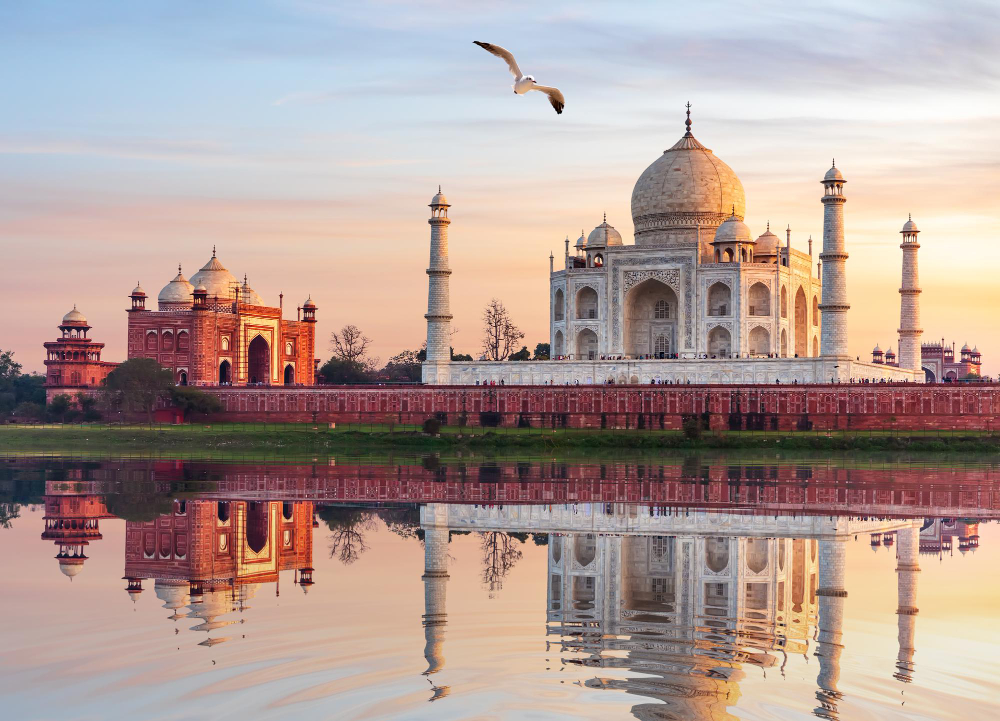
Mehtab Bagh is a Mughal garden complex on the opposite bank of the Yamuna from the Taj Mahal. It is one of the clearest places to understand the relationship between the mausoleum, river, gardens, and surrounding landscape.
The garden is particularly popular before sunset, but atmospheric conditions decide whether the view is clear. Haze, winter fog, dust, cloud, and river conditions can completely alter the expected photograph.
Reach early enough to enter, walk through the garden, and choose a lawful viewing position before the strongest light. Arriving during the final few minutes can leave you inside a ticket queue or walking from the gate while the colour changes.
Mehtab Bagh is not a substitute for entering the Taj Mahal. It provides an exterior river perspective and can work well on a Friday, when the main Taj complex is closed to general visitors. ASI confirms the Taj Mahal’s Friday closure.
Use the Sikandra Road for Royal Tombs and Faith
The Sikandra side lies away from the main Tajganj circuit and should be planned as a separate route. Akbar’s Tomb is the principal anchor, while Mariam’s Tomb and Soamibagh can add architectural and religious context without crossing the city again.
Akbar’s Tomb
Akbar’s Tomb at Sikandra stands within a large garden complex roughly 10 km from central Agra. Its red sandstone gateway, marble inlay, geometric decoration, open courtyards, and layered mausoleum design reflect architectural ideas associated with Akbar’s reign.
Akbar selected the site during his lifetime, while the complex was completed after his death under Jahangir. The building differs considerably from the white marble image many visitors associate with later Mughal tombs.
Keep between 90 minutes and two hours. The grounds are extensive, and the entrance gateway deserves as much attention as the main tomb. Wildlife, including monkeys or deer, may be present, so do not feed or approach animals.
This site is useful for understanding Akbar’s architectural identity before visiting Fatehpur Sikri. Both use red sandstone extensively, yet one is a mausoleum and the other an imperial city with religious, residential, and administrative complexes.
Mariam’s Tomb
Mariam’s Tomb is located near Sikandra and is associated with Mariam-uz-Zamani, the wife of Akbar and mother of Jahangir. The monument is smaller and quieter than Akbar’s Tomb, which makes it suitable for travellers who prefer less crowded heritage sites.
The architectural form differs from the more monumental royal tombs. Keep around 45 to 75 minutes and treat it as an extension of the Sikandra route rather than a separate cross-city journey.
Current access, grounds maintenance, and ticket arrangements should be checked before leaving Akbar’s Tomb. Smaller protected monuments can have fewer visitor services and less predictable local transport outside their entrances.
Soamibagh Temple
The Radhasoami Samadhi at Soamibagh is a major spiritual and architectural site associated with the Radhasoami faith. Incredible India describes it as a long-developed mausoleum complex set within the Soamibagh area outside the main tourist centre.
This remains an active religious space rather than only a monument. Dress respectfully, follow current photography rules, remain quiet around worshippers, and do not assume that every interior or construction area is open to visitors.
Combine it with Sikandra only when your group has enough time and genuine interest. A rushed visit between tombs can make the spiritual setting feel like another architectural checklist item.
Give Fatehpur Sikri Half a Day
Fatehpur Sikri lies outside central Agra and should not be squeezed into the final hours of a crowded city day. It was built under Akbar, served as an imperial capital for approximately thirteen years, and preserves a planned complex of courts, palaces, audience halls, religious structures, and water systems.
The site involves two connected but distinct experiences: the palace complex and the Jama Masjid area containing Buland Darwaza and the Tomb of Salim Chishti. Visitor movement, parking, shuttle transport, and local guiding can add time beyond the monument walk.
Fatehpur Sikri
Fatehpur Sikri was the first planned Mughal city and contains Diwan-i-Am, Diwan-i-Khas, Panch Mahal, Jodha Bai’s Palace, Anup Talao, royal residential areas, courtyards, and administrative buildings. ASI emphasises the city’s terraced planning and composite architectural influences.
Keep three to five hours, excluding the road journey from Agra. The site is exposed, and summer heat can become severe because large courtyards provide little continuous shade.
Licensed guides are available near official booking areas. Agree on the complete route and charge before starting. Avoid unauthorised intermediaries who claim that regular tickets, transport, or shrine access are unavailable without their assistance.
ASI currently lists the complex from sunrise to sunset and notes that the archaeological site museum operates separately, with a Friday closure. Check current tickets and museum access before departure.
Buland Darwaza
Buland Darwaza forms the monumental approach to the Jama Masjid area and is associated with Akbar’s Gujarat campaign. Its scale becomes clearer from the lower steps than from photographs taken only inside the courtyard.
The stairs can be demanding for senior travellers and people with knee pain. Footwear, heat, crowd movement, and sellers around the approach can also slow the visit.
Tomb of Salim Chishti
The Tomb of Salim Chishti is an active Sufi shrine within the Fatehpur Sikri mosque courtyard. Akbar’s relationship with the saint influenced the location and development of the imperial city.
Cover your head where requested, remove footwear correctly, and avoid interrupting prayer. Be cautious when anyone pressures you to purchase cloth, thread, offerings, or a paid ritual without clearly explaining the purpose and price.
The palace section and shrine section should be treated with different behaviour. One is primarily an archaeological and architectural complex, while the other continues to function as a place of worship.
Explore the Old City Without Treating It as a Shopping Mall
Agra’s older market and religious areas provide context that formal monuments cannot. Jama Masjid, Kinari Bazaar, spice lanes, textile shops, sweet counters, and craft stores show how the city continues beyond protected gates and ticketed compounds.
Jama Masjid
Agra’s Jama Masjid stands near the fort and old-city market area. It belongs to the Mughal-era religious landscape and remains an active mosque.
Check prayer times before visiting, dress modestly, remove footwear as directed, and avoid entering visitor areas during restricted worship periods. Photography should never interfere with prayer or personal religious activity.
Gurudwara Guru Ka Taal
Gurudwara Guru Ka Taal is associated with Guru Tegh Bahadur, the ninth Sikh Guru. Incredible India identifies it as a significant Sikh sanctuary connected with the Guru’s encounter with Mughal authority under Aurangzeb.
Cover your head, remove footwear, wash your hands where instructed, and observe langar etiquette. The site provides an important reminder that Agra’s religious heritage extends well beyond Mughal mosques and imperial tombs.
Kinari Bazaar
Kinari Bazaar is one of the best-known old-city shopping areas near Jama Masjid. Shoppers visit for wedding trims, fabrics, jewellery, decorative materials, spices, sweets, footwear, and small household goods.
The lanes are narrow and crowded. Visit without large luggage, keep valuables secure, and avoid expecting a vehicle to remain close to every shop.
Ask for material details before buying textiles or decorative work. A confident sales claim is not evidence that an item is handmade, antique, pure marble, or produced by a particular artisan family.
Sadar Bazaar
Sadar Bazaar offers a more open evening market experience with food, footwear, leather goods, clothes, and souvenir shops. It can suit families who find the old city lanes physically difficult.
Compare prices across several stores and retain bills for higher-value purchases. Leather, marble inlay, carpets, and jewellery require more verification than low-cost souvenirs.
Add Nature Only When the Trip Has Enough Time
Agra’s heritage sites can occupy two full days, but travellers staying longer can add a nature stop. This works best as an independent morning rather than another hurried activity after several monuments.
Soor Sarovar Bird Sanctuary
Soor Sarovar Bird Sanctuary lies outside the central monument circuit and is associated with Keetham Lake and wetland birdlife. Incredible India includes it among Agra’s surrounding attractions.
Winter is generally the stronger period for birdwatching, while heat, water levels, and seasonal conditions can change the experience. Confirm current opening, entry, trail, and local transport details before travelling.
Carry binoculars, water, sun protection, and closed footwear. Wildlife sightings are never guaranteed, and the sanctuary should not be approached like a zoo with predictable animal visibility.
Food Is Part of Understanding Places to Visit In Agra
The food in Agra reflects Mughal culinary influence, North Indian vegetarian traditions, Braj-region tastes, breakfast culture, sweets, fried snacks, and market eating. The city’s official tourism material highlights Mughlai dishes, parathas, bazaars, and food as part of the wider destination experience.
Bedai and Jalebi
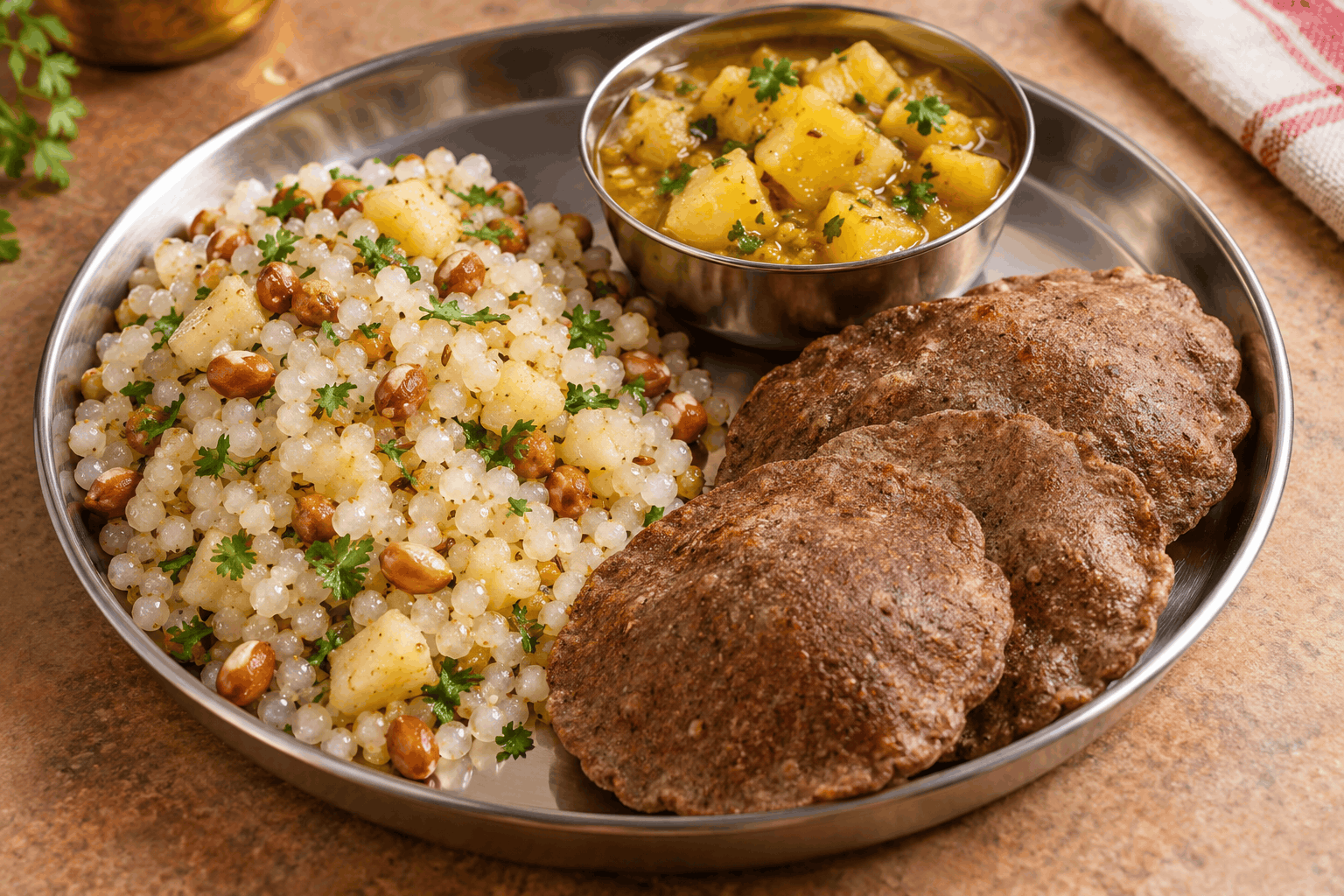
Bedai is a fried breakfast bread or kachori commonly served with a strongly spiced potato preparation, sometimes accompanied by pumpkin sabzi. Jalebi is frequently eaten afterwards as the sweet part of the morning meal.
Choose a busy shop preparing food continuously. The meal is filling, so avoid combining several plates with a long fort walk in hot weather.
Petha
Petha is the sweet most strongly associated with Agra. It is prepared from ash gourd and sold in plain, saffron, rose, paan, and several modern flavoured variations.
Buy sealed products from an established shop when carrying them during onward travel. Check the manufacturing date, ingredients, shelf life, and whether the selected variety requires refrigeration.
Avoid assuming that every shop using a familiar name belongs to the same business. Similar signage is common, so verify the address and packaging when a particular seller matters to you.
Dalmoth
Dalmoth is a savoury dry mixture generally made with fried lentils, nuts, spices, and other crunchy ingredients. It travels more easily than fresh sweets and works as a practical edible souvenir.
Check allergen information, oil freshness, and the sealed date. People limiting salt or fried foods should treat dalmoth as an occasional snack rather than a light everyday mixture.
Mughlai Food
Agra’s history as a Mughal capital supports a strong association with kebabs, meat curries, biryani, breads, slow-cooked gravies, and rich preparations. Incredible India specifically identifies Mughlai cuisine as a major part of the city’s food identity.
Choose a restaurant with reliable food handling and steady customer turnover. Ask about portion size because gravies, breads, kebabs, and rice can create a much heavier meal than expected.
Vegetarian travellers can still find paneer dishes, lentils, vegetable curries, breads, and North Indian thalis. A restaurant describing itself as Mughlai does not necessarily serve only meat.
Paratha
Agra is also associated with stuffed parathas served with curd, pickles, chutneys, or vegetables. The official Taj Mahal destination portal highlights established paratha points on the older Delhi to Agra road.
A paratha meal works better for lunch than immediately before a summer monument visit. Ask whether the bread is cooked with oil, butter, or ghee when dietary preference matters.
Match Agra to the Travellers in Your Group
The city can work for families, couples, solo travellers, senior citizens, architecture enthusiasts, and international visitors, but each group needs a different balance of monuments, heat exposure, walking, and food.
Agra With Family
Families should combine one large monument with one shorter stop in each half day. Agra Fort and Itimad-ud-Daulah make a better pairing than Agra Fort, Sikandra, Fatehpur Sikri, and Mehtab Bagh on the same day.
Children may respond better to forts, large gates, gardens, and animal sightings than repeated tomb interiors. Keep water, snacks, identification, and a rest period available.
Couples
Couples can prioritise early monument hours, Mehtab Bagh, quieter marble tombs, and one unhurried meal. Sunset should be assigned to one place instead of divided between the riverbank, a rooftop restaurant, and a long road transfer.
Agra’s romantic image should not reduce every site to a couple photograph. Tombs, shrines, and memorial buildings require respectful behaviour.
Senior Travellers
Senior travellers need stair count, walking distance, available seating, heat exposure, and vehicle access checked before each stop. Agra Fort and Fatehpur Sikri involve substantial walking across hard surfaces.
Keep one major site before lunch, return to the hotel during the strongest heat, and use a private vehicle when repeated autos would create unnecessary waiting.
Solo Travellers
Solo travellers can explore major monuments independently, but should use official ticket counters, licensed guides, recognised transport, and well-reviewed accommodation.
Avoid isolated riverbank areas after dark, keep the hotel address offline, and decline unsolicited shopping or guiding arrangements without hostility.
Best Time to Visit Agra Depends on Walking Comfort
The best time to visit Agra is generally October to March, when fort walks, gardens, market visits, and outdoor monuments are easier than during the intense summer. Winter mornings can still bring fog that reduces long-distance views.
October to March
October to March offers the most comfortable general conditions, although December and January mornings can be cold and foggy. The peak season also brings higher hotel demand and larger monument crowds.
Start early but check visibility before making Mehtab Bagh photography the main purpose of the morning.
April to June
April to June can bring extreme heat, with official destination data showing monthly maximums above 40°C during the hottest period. Outdoor stone complexes become physically demanding by late morning.
Visit the main monument early, spend midday indoors or at the hotel, and return for a short evening activity. Carry water, sunscreen, a cap, and oral rehydration support.
July to September
Monsoon brings humidity, intermittent rain, greener gardens, wet stone, and changing Yamuna conditions. Outdoor access usually continues, but rain can affect road speed, walking comfort, and sunset visibility.
Keep footwear with grip and protect phones, identification, and tickets from water. Do not cross barriers or enter river edges for photographs after rain.
Build the Agra Itinerary Around Separate Corridors
One day can cover the Taj Mahal and Agra Fort, but it cannot explain the city beyond them. Two days allow the east bank and Sikandra, while three days make Fatehpur Sikri possible without sacrificing food, markets, or rest.
| Trip Length | Morning | Afternoon | Evening |
| One day | Taj Mahal or Agra Fort | Agra Fort or Itimad-ud-Daulah | Mehtab Bagh |
| Two days, Day 1 | Taj Mahal and breakfast | Agra Fort | Sadar Bazaar |
| Two days, Day 2 | Sikandra and Mariam’s Tomb | Itimad-ud-Daulah and Chini Ka Rauza | Mehtab Bagh |
| Three days, Day 3 | Fatehpur Sikri | Return and hotel rest | Food or market walk |
Friday requires a different plan because the Taj Mahal is closed to general visitors. Use that day for Agra Fort, Itimad-ud-Daulah, Sikandra, Fatehpur Sikri, or the old city instead.
How to Reach Agra
How to reach Agra depends on whether the wider journey begins in Delhi, Jaipur, another Uttar Pradesh city, or an international airport. The city is connected through the Yamuna Expressway, rail services, regional roads, and Agra Airport.
By Bus
Travellers from Delhi can use the verified Delhi to Agra bus route. The current route page lists a road distance of approximately 227 km, although journey time, fare, departure count, and coach allocation should be checked for the actual date.
Travellers completing the Golden Triangle can check the verified Jaipur to Agra bus route. Current schedules and fares vary by travel date, demand, traffic, and available coach type.
The Agra bus booking page lists live routes and boarding information for services entering or leaving the city. Confirm the exact stop because an Agra drop point may still require local transport to Tajganj, Sikandra, Agra Cantt, or the old city.
For the return journey, use the separately verified Agra to Delhi bus route. Reverse timings and boarding points should not be assumed from the outbound service.
By Train
Agra Cantt is the principal railway station for many intercity services. Agra Fort station, Raja Ki Mandi, and other stations may appear on selected routes, so read the complete station name before arranging pickup.
Hotel transfers should be arranged in advance for very early or late arrivals. The railway station is not within comfortable walking distance of every tourist area.
By Air
Agra Airport operates a limited selection of services compared with Delhi. Travellers using Indira Gandhi International Airport can continue by road, rail, or the verified Delhi Airport to Agra bus route.
Check flight and bus timings independently and keep a large transfer buffer. Delhi traffic, baggage collection, terminal movement, and road conditions can make a tight connection unsafe.
Getting Around Agra
Autos, e-rickshaws, taxis, app-based cabs where available, hired cars, and local buses cover different parts of Agra. A hired car is more efficient for Sikandra, the east bank, and Fatehpur Sikri.
Agree on the route, waiting time, parking, tolls, and final price before starting a full-day vehicle booking. Monument parking areas may require a shuttle or additional walk to the entrance.
You Might Also Like
- Places to Visit Near Delhi Under 200 km: Compare Agra with other short heritage and weekend routes from Delhi NCR.
- Places to Visit Near Jaipur Under 300 km: Use this guide when Agra forms part of a Jaipur, Bharatpur, and Fatehpur Sikri road circuit.
- Famous Historical Monuments in India: Place Agra Fort, the Taj Mahal, and nearby Mughal architecture within India’s broader monument landscape.
- Best Places to Visit in India: Compare Agra with other major heritage, spiritual, coastal, and mountain destinations.
Keep the City From Becoming a Monument Race
Agra becomes tiring when every protected site is treated as a short stop between car rides. Prioritise architectural depth, separate distant corridors, and retain enough attention for food, local streets, and the changing river view.
- Start with one major monument: Give Agra Fort or Fatehpur Sikri the strongest part of the day.
- Group the riverbank: Keep Itimad-ud-Daulah, Chini Ka Rauza, Ram Bagh, and Mehtab Bagh in the same route.
- Protect against heat: Avoid exposed courtyards during the strongest summer afternoon.
- Use official tickets: Buy through recognised counters or authorised portals and reject guaranteed entry claims.
- Agree on transport: Confirm the route, total charge, waiting time, parking, and return before entering a vehicle.
- Respect worship: Follow dress, footwear, head-covering, prayer, and photography rules at mosques, gurudwaras, shrines, and temples.
- Verify expensive purchases: Ask for material details and a bill before buying marble, leather, carpets, textiles, jewellery, or artwork.
- Leave sunset flexible: Fog, haze, rain, and traffic can make Mehtab Bagh less suitable than an earlier visit.
- Keep Friday in mind: Do not build a one-day Agra plan around entering the Taj Mahal on Friday.
Let Places to Visit In Agra Build the Full Mughal Story
Agra Fort explains imperial power, Itimad-ud-Daulah reveals changing marble craftsmanship, Sikandra reflects Akbar’s architectural identity, and Fatehpur Sikri shows how an entire Mughal capital was planned. The gardens, markets, religious sites, and food connect those monuments with the living city around them.
A meaningful trip needs at least two days beyond a hurried Taj visit. Keep each corridor together, start before the heat, eat in stages, and leave enough time to notice the differences between sandstone, marble, tile, garden, palace, shrine, and street.
Frequently Asked Questions
These questions reflect common searches about sightseeing beyond the Taj Mahal, Agra Fort, Fatehpur Sikri, gardens, tombs, food, trip duration, family travel, transport, and seasonal planning.
What Are the Best Places to Visit in Agra Beyond the Taj Mahal?
The best Places to Visit In Agra beyond the Taj Mahal are Agra Fort, Itimad-ud-Daulah, Mehtab Bagh, Akbar’s Tomb, Mariam’s Tomb, Chini Ka Rauza, Ram Bagh, Fatehpur Sikri, Soamibagh, and Kinari Bazaar.
How Many Days Are Enough for Agra?
Two days are enough for the Taj Mahal, Agra Fort, the east-bank monuments, Sikandra, markets, and local food. Three days are better when Fatehpur Sikri deserves a separate half day.
Is One Day Enough for Agra?
One day is enough only for two or three major experiences, usually the Taj Mahal, Agra Fort, and Mehtab Bagh. It is not enough for Sikandra, Fatehpur Sikri, and smaller Mughal monuments.
Is Agra Fort Worth Visiting?
Agra Fort is worth visiting because it served as an imperial residence, administrative centre, and fortified city. Its red sandstone and marble buildings explain Mughal history beyond the Taj Mahal.
How Much Time Is Needed for Agra Fort?
Agra Fort needs approximately two and a half to four hours. The route includes gates, courtyards, audience halls, palaces, ramps, viewpoints, and architectural details that cannot be understood during a brief stop.
Is Itimad-ud-Daulah Worth Visiting?
Itimad-ud-Daulah is worth visiting for its marble surfaces, semi-precious stone inlay, carved lattice screens, garden plan, and important position in the development of Mughal tomb architecture before the Taj Mahal.
Is Mehtab Bagh Better at Sunrise or Sunset?
Mehtab Bagh is usually more popular before sunset because the garden faces the Taj across the Yamuna. Fog, haze, rain, dust, and seasonal light can still change the view.
Can Agra Fort and Fatehpur Sikri Be Covered in One Day?
Agra Fort and Fatehpur Sikri can be covered in one long day with an early start and private transport. The plan leaves limited time for smaller tombs, markets, food, or hotel rest.
How Far Is Fatehpur Sikri From Agra?
Fatehpur Sikri is roughly 40 km from central Agra by road. The complete excursion requires additional time for traffic, parking, local transport, tickets, the palace complex, and the shrine courtyard.
What Food Is Agra Famous For?
Agra is famous for petha, bedai with potato sabzi, jalebi, dalmoth, stuffed parathas, Mughlai curries, kebabs, biryani, breads, and North Indian vegetarian meals.
Is Agra Suitable for a Family Trip?
Agra is suitable for a family trip when the itinerary limits each half day to one major monument and one shorter activity. Heat, walking, meals, and rest should be planned around children and older relatives.
What Is the Best Time to Visit Agra?
The best time to visit Agra is generally October to March for comfortable outdoor sightseeing. Winter fog can reduce views, while April to June requires very early monument visits because of extreme heat.
Is the Taj Mahal Closed on Friday?
The Taj Mahal is closed to general visitors every Friday, although the mosque opens for traditional Friday prayers during a limited period. Confirm current official rules before planning the day.
Can Agra and Jaipur Be Covered Together?
Agra and Jaipur can be covered together as part of the Golden Triangle. Keep at least two days for Agra and two to three days for Jaipur, with separate travel time between them.
What Should You Avoid While Visiting Agra?
You should avoid unofficial ticket agents, guaranteed entry claims, unverified guides, midday summer sightseeing, rushed cross-city routes, expensive purchases without bills, and transport bookings without an agreed total price.