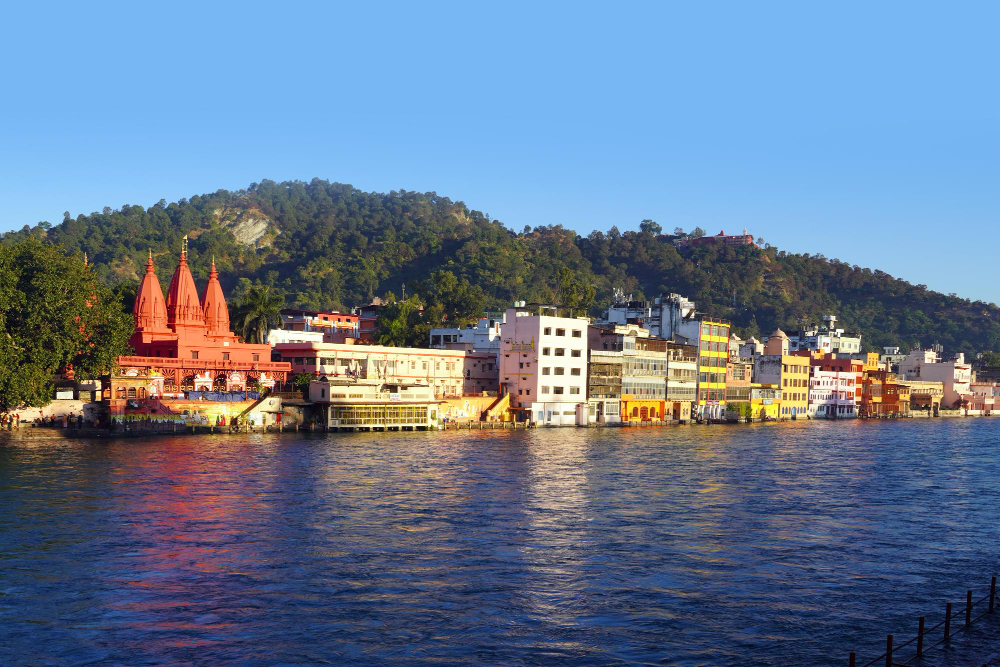
At dawn, Haridwar feels quieter than its reputation. Temple bells travel across the river, pilgrims descend carefully towards the water, and breakfast shops begin heating their first pans. The most rewarding places to visit in Haridwar reveal themselves when you follow this daily rhythm.
A useful trip needs more than a list of shrines. You need to know which areas belong together, when Har Ki Pauri becomes crowded, whether both hill temples are practical, where to find local food, and how much walking elderly travellers may face.
Places to Visit in Haridwar: Read the City Through Its River, Hills and Sacred Neighbourhoods
Haridwar is one of India’s major Hindu pilgrimage cities and an important gateway to Uttarakhand’s sacred routes. Its identity is centred on the Ganga, Har Ki Pauri, the hill shrines of Mansa Devi and Chandi Devi, Kankhal, and a wider network of temples and ashrams.
The city is easier to understand as three connected zones. The river and old market form the first zone. The hill temples form the second. Kankhal, Bhupatwala, Shantikunj, and the northern ashram belt form the third.
How to Choose Places to Visit in Haridwar
The right selection depends on time, mobility, crowd tolerance, and the purpose of your visit. First time travellers usually need Har Ki Pauri, one hill temple, Kankhal, and a proper food stop. Returning visitors can spend more time at quieter ghats and ashrams.
| Experience | Best Place | Approximate Time Needed | Most Suitable For |
| Main river experience | Har Ki Pauri | 1 to 2 hours | First time visitors |
| Evening ritual | Ganga Aarti | 1.5 to 2 hours including early arrival | Families and spiritual travellers |
| Accessible hill shrine | Mansa Devi | 2 to 3 hours | Pilgrims and city views |
| Longer hill temple visit | Chandi Devi | 3 to 4 hours | Devotees and active travellers |
| Old city temple | Maya Devi Temple | 45 to 75 minutes | Shakti tradition and short visits |
| Shiva pilgrimage | Daksh Mahadev Temple, Kankhal | 1 to 2 hours | Families and religious travellers |
| Reflective ashram visit | Shantikunj | 1 to 2 hours | Quiet spiritual travel |
| Cultural temple | Bharat Mata Mandir | 1 to 1.5 hours | Families and older children |
| Local breakfast | Upper Road and old city lanes | 45 to 90 minutes | Food focused travellers |
| Quieter river time | Vishnu Ghat or nearby secondary ghats | 30 to 60 minutes | Slow travel and reflection |
The places to visit in Haridwar become much easier to plan when geographically connected sites remain together. Har Ki Pauri, Upper Road, Maya Devi, and Moti Bazaar belong to one walkable circuit. Kankhal should be treated as a separate local drive.
Begin With the River Spine of Haridwar
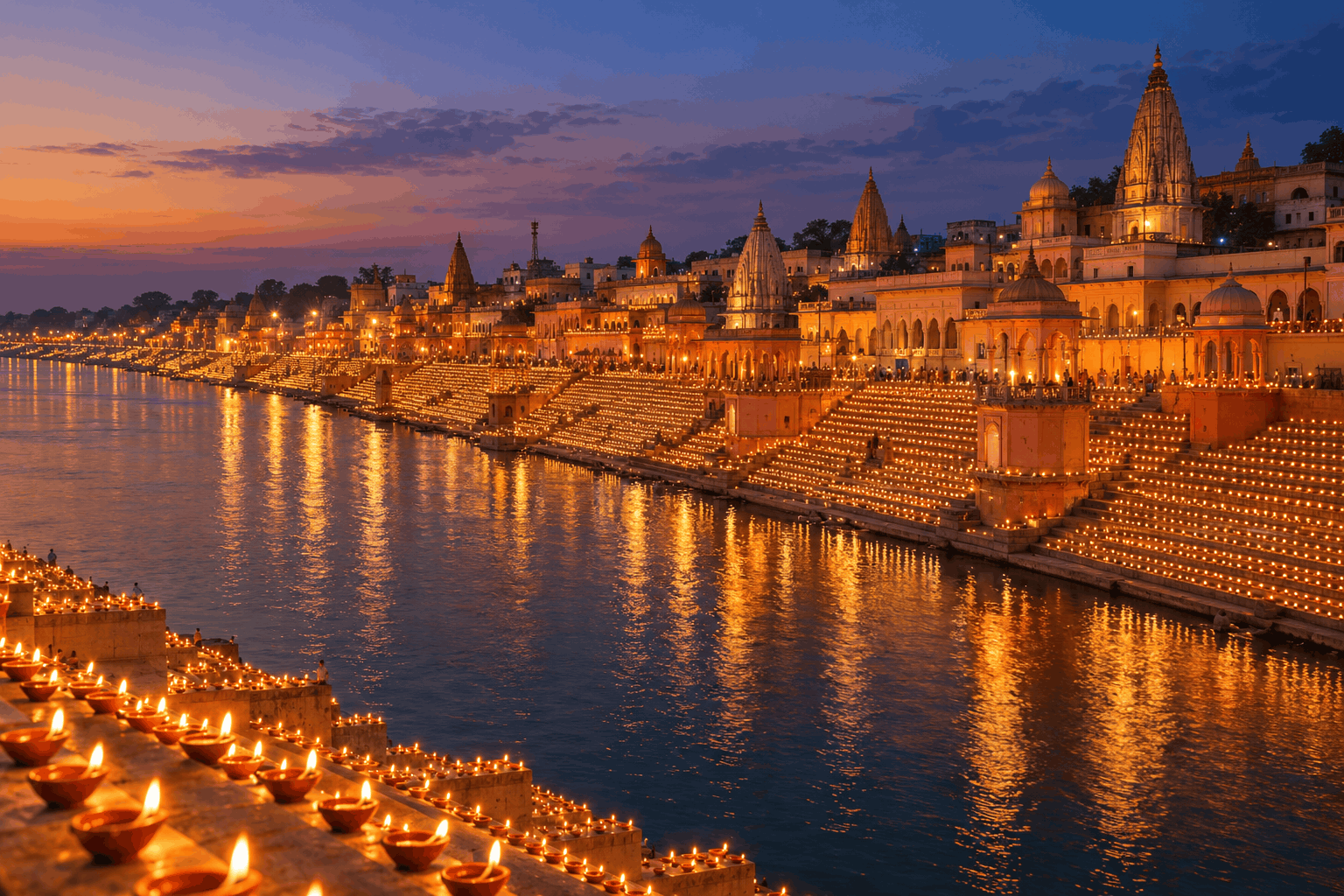
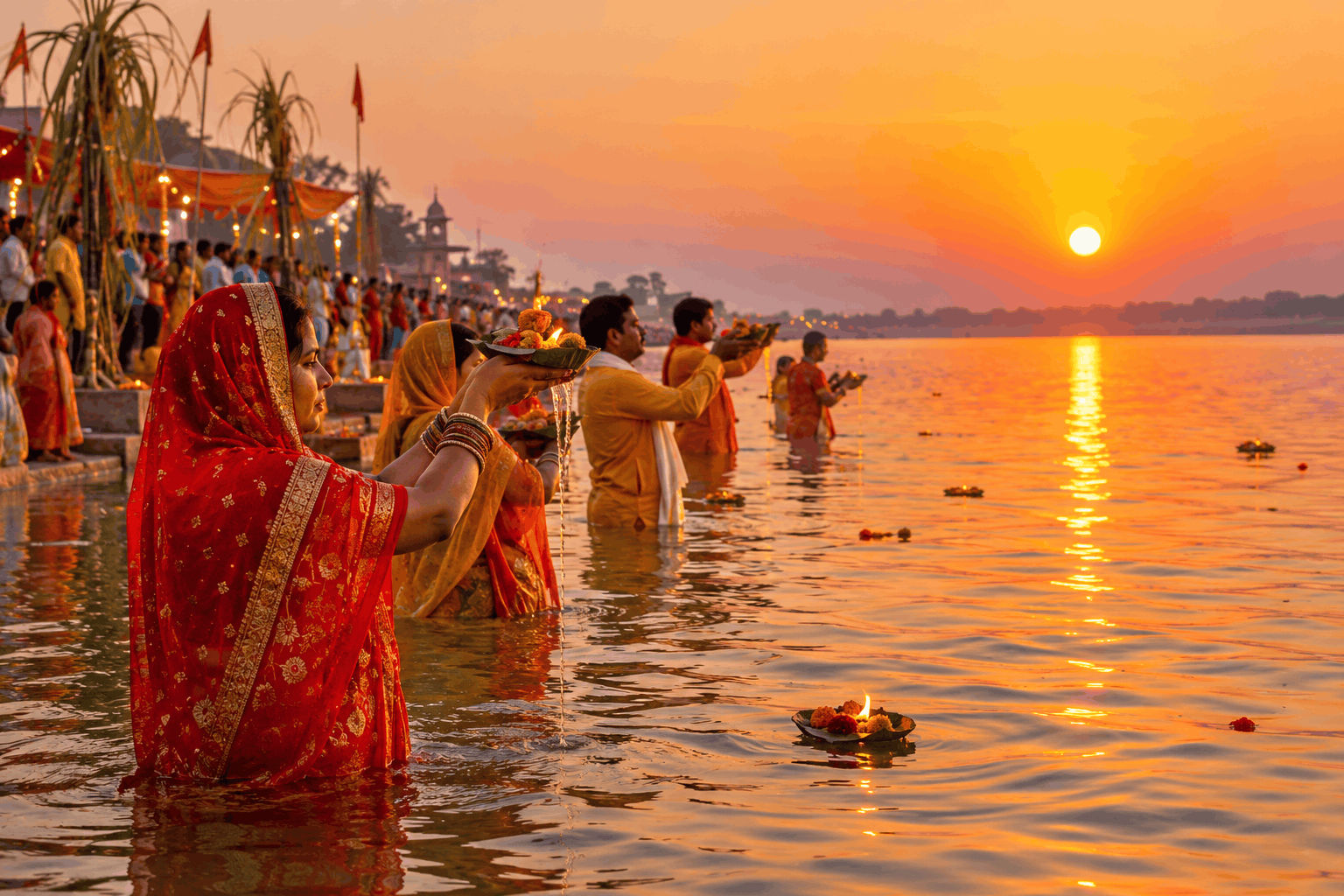
Haridwar’s riverfront is not a single sightseeing stop. It is an active religious space where bathing, prayer, memorial rituals, family ceremonies, commerce, and everyday movement happen side by side.
Start early if you want to observe the ghats without the evening crowd. Return before sunset for the Aarti rather than trying to remain in the same crowded area throughout the day.
Har Ki Pauri Is the Essential First Stop
Har Ki Pauri is the best known ghat on the Ganga in Haridwar. Haridwar District Administration classifies it as both a historic and religious site and attributes its construction to King Vikramaditya.
The morning experience is markedly different from the evening one. Early hours are better for sitting beside the river, watching local rituals, and understanding the physical layout before larger groups arrive.
Keep footwear, phones, wallets, and bags secure. Use designated bathing areas, hold the safety chains where provided, and never enter fast water merely because other visitors appear comfortable doing so.
Har Ki Pauri Ganga Aarti Needs an Early Arrival
Har Ki Pauri Ganga Aarti takes place around sunset, with the exact time moving through the year. Uttarakhand Tourism identifies the evening Aarti as one of Haridwar’s defining experiences, while current zingbus guidance recommends arriving well before the ceremony during busy periods.
Reach 45 to 60 minutes early on an ordinary weekday. Weekends, religious dates, summer pilgrimage periods, and major bathing occasions require a larger buffer.
Choose a lawful viewing area and follow police or volunteer instructions. Avoid forcing your way towards the central platform after the crowd has settled. A slightly distant but secure view is better than standing inside a compressed passage.
The ceremony is a religious offering, not a staged performance. Keep phone use restrained, avoid blocking seated devotees, and do not position cameras directly in front of people conducting personal rituals.
Subhash Ghat Adds Historical Context
Subhash Ghat lies close to Har Ki Pauri and is commonly associated with a statue of Subhas Chandra Bose. It works as a short extension rather than a separate half day attraction.
The practical benefit is location. You can include it while walking through the central riverfront without arranging another vehicle or altering the wider Haridwar itinerary.
Vishnu Ghat Suits a Quieter Pause
Vishnu Ghat is often considered by travellers seeking less intensity than the main Har Ki Pauri area. It remains a religious ghat, so quiet does not mean empty or recreational.
Use it for a short riverside pause, especially after the market or before returning to your hotel. Conditions and crowd levels can change around bathing dates and local ceremonies.
Kushavarta Ghat Matters to Pilgrimage Traditions
Kushavarta is traditionally included among Haridwar’s five sacred pilgrimage points, along with Gangadwar, Kankhal, Bilwa Tirth, and Neel Parvat. The existing zingbus Haridwar guide also identifies this Panch Tirth framework.
This is not necessarily a sightseeing stop for every leisure traveller. It has greater meaning for visitors following ritual, ancestral, or pilgrimage traditions.
The Hill Temples Need a Separate Plan
Mansa Devi and Chandi Devi are not quick extensions of Har Ki Pauri. Both involve reaching hilltop shrines, managing queues, and deciding between ropeway access and walking routes.
Attempt both on the same day only when your group is physically comfortable, starts early, and has confirmed current ropeway operations. Families with elderly members may find one hill temple enough.
Mansa Devi Temple Overlooks the Old City
Mansa Devi Temple stands on Bilwa Parvat and is one of Haridwar’s principal goddess shrines. Haridwar District Administration confirms its location, while the official ropeway operator identifies it as Bilwa Tirth within the traditional Panch Tirth.
The official operator provides online slot information and currently lists both ropeway access and an uphill walking route. Operations can be affected by maintenance, weather, crowd control, and administrative instructions, so verify the date before leaving your hotel.
The temple approach can become dense during Navratri, Shravan, weekends, and bathing festivals. Carry as little as possible, keep children close, and follow the designated direction of movement rather than attempting to reverse through an incoming queue.
Chandi Devi Temple Requires More Time
Chandi Devi Temple is situated on Neel Parvat and is dedicated to Goddess Chandi. The district tourism page identifies the location, while the official ropeway operator confirms ropeway and uphill access to the shrine.
The uphill journey generally demands more time than visitors initially expect. The operator describes the walking route as taking over an hour, while the ropeway ride itself is much shorter. Queue time remains separate from the ride.
Schedule Chandi Devi in the morning or early afternoon. Avoid placing it immediately before a tightly timed Ganga Aarti plan, especially when travelling with parents, children, or anyone uncomfortable with heat and long queues.
Maya Devi Temple Brings the Route Back Into the Old City
Maya Devi Temple is associated with the Shakti tradition and is recognised as a Shakti Peeth. Incredible India describes the shrine as dedicated to a three headed, four armed form of the goddess and links it with the mythology of Sati.
Unlike the hill temples, Maya Devi fits naturally into an old city circuit. It can be combined with Har Ki Pauri, Upper Road, and Moti Bazaar without committing several hours to ropeway transport.
Visit respectfully and avoid treating the smaller physical scale as evidence of lesser importance. For pilgrims, the shrine’s religious identity matters more than the size of the complex.
Kankhal Shows a Different Side of the City
Kankhal lies away from the central Har Ki Pauri crowd and deserves a dedicated local transport segment. Its lanes, temples, and residential character feel more rooted in everyday Haridwar than the heavily visited riverfront.
This zone is especially useful for families who want meaningful temples in Haridwar without spending the entire day in ropeway queues or tightly packed market lanes.
Daksh Mahadev Temple Is Kankhal’s Main Anchor
Daksh Mahadev Temple and Sati Kund form one of Kankhal’s most important religious complexes. Incredible India connects the site with the Shiva, Sati, and Daksha narrative and notes its particular importance during Maha Shivaratri.
The temple is also known as Daksheshwar Mahadev. Keep one to two hours for the complex, including local traffic, footwear storage, darshan, and time near Sati Kund.
Shravan and major Shiva festivals bring heavier crowds. A morning visit is generally easier for older travellers and families who want to avoid the afternoon heat.
Sati Kund Should Be Viewed as Part of the Same Visit
Sati Kund is closely connected with the religious narrative of Daksh Mahadev Temple. It should not be separated into another itinerary slot merely to increase the number of attractions.
Spend time understanding why the site matters before moving on. This makes the Kankhal visit more coherent than treating the temple and kund as two unrelated photo stops.
The Northern Ashram Belt Rewards Slower Travel
North of the busiest city centre, Haridwar opens into an ashram and temple corridor around Bhupatwala, Sapt Sarovar, and the road towards Rishikesh.
This area suits visitors seeking structured spiritual institutions, cultural interpretation, and less market noise. Local transport is useful because the sites are spread farther apart than the old city circuit.
Shantikunj Is a Working Spiritual Institution
Shantikunj is the headquarters of the All World Gayatri Pariwar. Its official organisation describes it as a spiritual and social centre founded by Pandit Shriram Sharma Acharya in 1971.
Visit with the understanding that this is an active institution rather than a conventional attraction. Observe current visitor procedures, remain quiet around prayer and study spaces, and check whether registration is required for your intended activity.
The official registration portal clarifies that visitor registration does not automatically reserve accommodation. Travellers hoping to stay must confirm lodging separately rather than assuming that an arrival form guarantees a room.
Bharat Mata Mandir Is Cultural Rather Than Conventional
Bharat Mata Mandir is known for presenting national, cultural, spiritual, and historical figures across a multilevel temple structure. It offers a different experience from deity centred shrines and can hold the attention of school age children and family groups.
Expect stairs and vertical movement. Check lift availability and current access before visiting with someone who has mobility limitations.
Sapt Rishi Ashram Suits Reflective Visitors
Sapt Rishi Ashram is associated with Haridwar’s wider spiritual geography and the traditional narrative of seven sages. It is better suited to quiet visitors than travellers looking for a highly visual attraction.
Keep voices low and avoid entering restricted residential or prayer areas. An ashram is not automatically open for unrestricted photography or casual wandering.
Famous Food in Haridwar Begins With Breakfast
Food is part of understanding the places to visit in Haridwar because the old city’s daily rhythm is built around morning puris, temple visits, afternoon thalis, sweets, and early dinners.
Haridwar District Administration lists puri with aloo sabzi, Vaishno thali, samosa, lassi, and chhole bhature among the city’s culinary offerings. Current destination guides also consistently identify kachori and jalebi with the local food circuit.
Aloo Puri Is the Classic Morning Meal
Aloo puri is the most practical first meal after an early ghat visit. Hot puris are served with a spiced potato preparation, sometimes with pickle or a second seasonal accompaniment.
Choose a shop with steady local turnover and freshly prepared food. Portions can be heavy, so one shared plate before a ropeway queue may be more comfortable than a large breakfast.
Kachori Sabzi Works as a Smaller Food Stop
Kachori with potato or chickpea based sabzi is another common morning choice. It is useful when you want something quicker than a full thali but still want a recognisable old city breakfast.
Freshness matters more than online fame. Choose a busy counter where food is being fried and served continuously rather than a quiet stall holding prepared items for long periods.
Jalebi Is Best Eaten Fresh
Jalebi is commonly paired with a savoury breakfast or eaten separately as a sweet stop. Its texture changes quickly after frying, so the experience is better at a shop preparing small, frequent batches.
A heavy combination of puri, kachori, jalebi, and lassi can become uncomfortable before temple walking. Split the food trail across the day rather than treating it as one oversized breakfast.
Lassi Helps in Warm Weather, With Some Caution
Lassi appears on the district’s official culinary list and is widely available across Haridwar. It can be filling, particularly when made with thick curd and topped with cream.
Choose a clean, busy outlet and consider a smaller serving during hot weather. People with sensitive digestion should avoid combining several rich dairy and fried foods before long travel.
Vaishno Thali Is Better for a Proper Lunch
A Vaishno thali usually provides a fuller vegetarian meal built around roti, rice, dal, vegetables, curd, and accompaniments, although the composition varies by restaurant.
This is a sensible lunch after a morning temple circuit. It is also easier for families who need a predictable sit down meal rather than repeated roadside snacks.
Chhole Bhature and Samosa Are Familiar but Filling
The district tourism page includes chhole bhature and samosa among Haridwar’s common dishes. Both are widely recognisable North Indian foods rather than dishes unique only to Haridwar.
Try them because they suit the city’s vegetarian food culture, not because they need to be presented as rare local discoveries. A destination guide becomes more trustworthy when it distinguishes local popularity from exclusivity.
Moti Bazaar Is Useful for Food and Pilgrimage Shopping
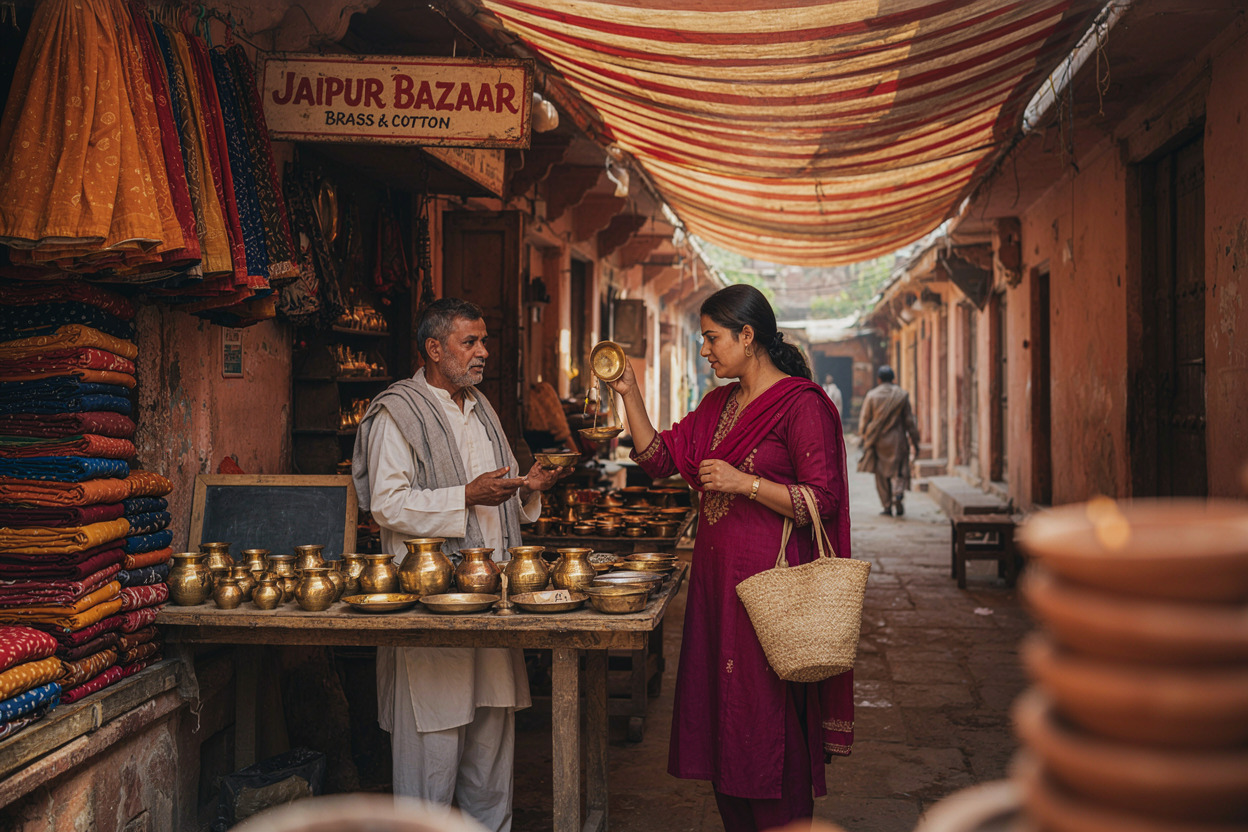
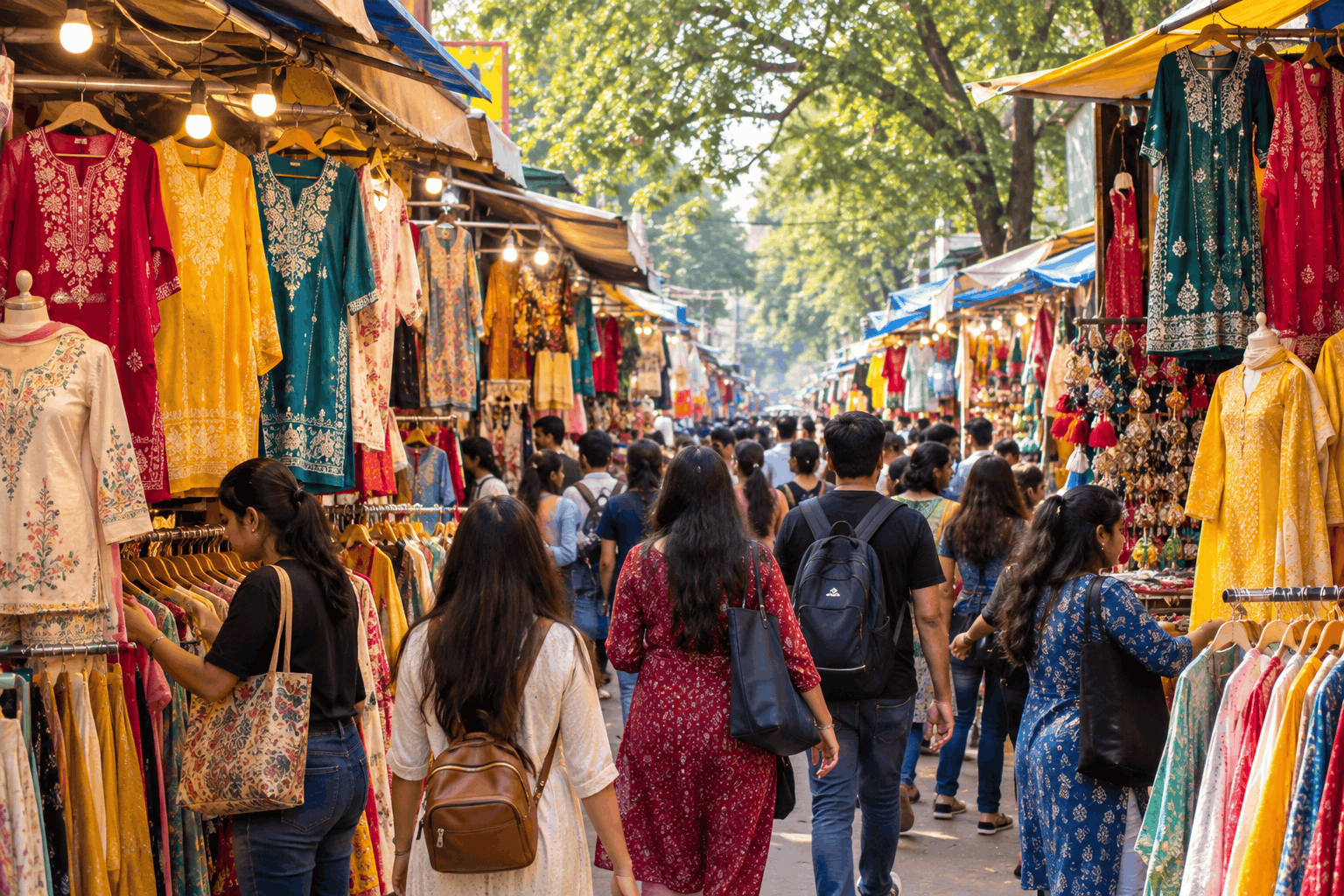
Moti Bazaar and the adjoining old city lanes connect food stalls with shops selling puja items, brass utensils, rudraksha beads, religious books, bangles, pickles, sweets, and small souvenirs.
The lanes become congested after the evening Aarti. Shop earlier when possible, compare prices politely, and avoid blocking narrow passages while examining merchandise.
Do not buy expensive stones, religious objects, or herbal products solely because a seller makes a spiritual or medical claim. Ask for proper information and retain a bill for higher value purchases.
Haridwar With Family Needs a Gentler Route
Haridwar with family is easiest when walking, meals, and queue exposure are treated as real constraints. A good family plan does not require both hill temples, every ghat, and Rishikesh on the same day.
Choose Har Ki Pauri in the morning, one hill temple, a proper lunch, rest at the hotel, and Ganga Aarti in the evening. Keep Kankhal or the ashram belt for the next morning.
For elderly travellers, confirm lift or ropeway access, keep medicines in a personal bag, and avoid long periods without seating. Book a hotel close to the area you will visit most rather than choosing only by room price.
Families with small children should carry identification, write a contact number on a card, and decide on a meeting point before entering a crowded temple or ghat.
Solo Travellers Should Keep the City Centre Simple
Solo travellers can explore the old city comfortably during active daytime and evening hours. Har Ki Pauri, Upper Road, Moti Bazaar, Maya Devi, and nearby ghats form the simplest walking circuit.
Avoid isolated river edges after dark and do not hand valuables to informal attendants. Use authorised storage where available and keep your accommodation details offline.
Solo women should choose a well reviewed stay on a well lit road, plan the return after Aarti in advance, and avoid arriving at an unfamiliar outer locality late at night.
Best Time to Visit Haridwar Depends on Crowd Tolerance
The best time to visit Haridwar for comfortable walking is generally October to March. Summer remains important for pilgrimage travel but can make afternoon temple queues tiring. Monsoon requires closer attention to road, river, and hill conditions.
October to March Is Comfortable for General Sightseeing
Cooler conditions support ghat walks, temple visits, local food, and evening Aarti. December and January mornings can feel cold near the river, so carry a warm layer.
Weekends remain busy even during comfortable weather. Choose weekdays when quiet access matters more than social energy.
April to June Requires Early Starts
Summer heat makes exposed queues and market walking harder. Visit ghats and hill temples early, rest during the afternoon, and return for the Aarti closer to sunset.
Carry water but respect temple restrictions on bottles and bags. Oral rehydration sachets can be useful for older travellers, children, and people unaccustomed to heat.
July Brings the Kanwar Yatra Period
Haridwar District Administration identifies the annual Kanwar Yatra with July. This period can bring major pilgrim movement, route regulation, crowd controls, and changes to ordinary city access.
Travellers not participating in the pilgrimage should check district advisories before booking. A normal ten minute local drive may take much longer when diversions are active.
Monsoon Demands River and Hill Caution
Heavy rain can affect visibility, hill approaches, ropeway operations, road movement, and conditions beside the Ganga. Keep the schedule flexible and follow current local instructions.
Do not attempt a hill walk merely because a ropeway is temporarily unavailable. Weather related closure may indicate that the walking route also requires caution.
One Day and Two Day Trip Patterns
A useful itinerary answers what to leave out, not only what to include. Haridwar can be seen briefly in one day, but two days allow the riverfront, a hill shrine, Kankhal, food, and quieter spiritual spaces to receive proper time.
| Trip Length | Morning | Afternoon | Evening |
| One day | Har Ki Pauri and old city breakfast | Mansa Devi or Kankhal | Ganga Aarti and Moti Bazaar |
| Two days, Day 1 | Har Ki Pauri and Maya Devi | One hill temple and lunch | Ganga Aarti |
| Two days, Day 2 | Daksh Mahadev and Kankhal | Shantikunj or Bharat Mata Mandir | Quiet ghat walk or departure |
The existing zingbus guide to exploring Haridwar in two days provides a detailed day wise itinerary. This destination guide intentionally uses geographic zones so travellers can build a route around mobility, interests, and crowd conditions.
How to Reach Haridwar
Haridwar District Administration states that the city is connected by road with Delhi, Haryana, Uttar Pradesh, Punjab, and other parts of Uttarakhand. Haridwar railway station has links to major Indian cities, while Jolly Grant Airport near Dehradun is the closest domestic airport.
By Bus
Travellers from Delhi can check the verified Delhi to Haridwar bus route for current departures, fares, coach details, boarding points, and arrival options. The live route page currently displays multiple daily services, but all figures should be rechecked for the selected date.
Travellers starting from Gurgaon can use the verified Gurgaon to Haridwar bus route. The Haridwar bus booking page also lists current connections from several cities.
By Train
Haridwar railway station is located within the main urban area and is convenient for travellers staying near the old city, Har Ki Pauri, or central bus stand.
Train availability tightens around long weekends, bathing dates, Kanwar Yatra, and Char Dham periods. Reserve early when travelling with family or when a particular arrival time matters.
By Air
Jolly Grant Airport near Dehradun is the nearest domestic airport, approximately 37 km from Haridwar according to the district’s current access page. The final road transfer depends on traffic and the location of your hotel.
Getting Around Haridwar
Auto rickshaws, e rickshaws, local taxis, walking, and shared local vehicles cover most visitor areas. The old city is easier on foot, while Kankhal, Chandi Devi, Shantikunj, and Bhupatwala generally require local transport.
Ask the fare before entering an unmetered vehicle. During regulated crowd periods, vehicles may stop outside pedestrian zones, leaving a longer walk than maps initially suggest.
You Might Also Like
- Exploring Haridwar in Two Days: Use the day wise itinerary when you need a ready sequence for a weekend visit.
- Delhi to Haridwar Bus Route Guide: Compare distance, boarding points, journey time, fares, and road planning from Delhi.
- Rishikesh Travel Guide: Read this before combining Haridwar’s pilgrimage circuit with Rishikesh’s ashrams, cafés, and adventure activities.
- Top Things to Do in Rishikesh: Use this experience based guide when the second half of the trip extends towards Rishikesh.
Protect the Quiet Parts of the Trip
Haridwar can become physically tiring before it feels emotionally complete. Build rest, meals, transport buffers, and crowd awareness into the schedule instead of treating them as problems to solve after exhaustion begins.
- Start before the crowd: Visit Har Ki Pauri and the old city early, then return for the evening Aarti.
- Choose one hill temple: Attempt both only when your group has enough time, energy, and confirmed access.
- Carry less: Large bags become difficult in queues, ropeway stations, markets, and ghat passages.
- Wear practical footwear: You will remove shoes repeatedly, so expensive or complicated footwear creates unnecessary concern.
- Keep modest clothing: Temples, ashrams, ghats, and ritual spaces require respectful dress and behaviour.
- Confirm the return: Arrange transport from Har Ki Pauri after Aarti before the crowd disperses.
- Respect river safety: Use designated areas and never step beyond barriers for a photograph.
- Avoid ritual pressure: Decline services politely when you do not understand the charge, purpose, or religious commitment involved.
- Verify current access: Ropeways, wildlife areas, temples, and traffic routes can change because of weather, maintenance, or crowd control.
Let Places to Visit in Haridwar Follow the City’s Rhythm
A strong Haridwar trip begins beside the river, rises towards one of the hill temples, moves through Kankhal or the ashram belt, and leaves enough space for food, rest, and an unhurried evening Aarti.
The city does not reward aggressive sightseeing. Har Ki Pauri deserves more than a quick photograph, Kankhal deserves context, and local food deserves better timing than a rushed snack between queues. Choose fewer places, understand why they matter, and let the journey remain respectful.
Frequently Asked Questions
These questions reflect common searches around Haridwar sightseeing, Ganga Aarti, temple planning, trip duration, family accessibility, local food, seasonal crowds, accommodation, Rishikesh combinations, and transport.
What Are the Best Places to Visit in Haridwar?
The best places to visit in Haridwar are Har Ki Pauri, Mansa Devi Temple, Chandi Devi Temple, Maya Devi Temple, Daksh Mahadev Temple, Shantikunj, Bharat Mata Mandir, Kankhal, and the quieter secondary ghats.
How Many Days Are Enough for Haridwar?
Two days are enough for Haridwar when you want Har Ki Pauri, Ganga Aarti, one hill temple, Kankhal, local food, and one quieter spiritual stop without turning the visit into a rushed checklist.
What Is the Best Time to Visit Haridwar?
The best time to visit Haridwar is generally October to March for comfortable walking and temple visits. Summer requires early starts, while monsoon and Kanwar Yatra periods need current road, river, and crowd checks.
What Time Does Ganga Aarti Start in Haridwar?
Ganga Aarti in Haridwar starts around sunset, and the exact time changes through the year. Reach Har Ki Pauri at least 45 to 60 minutes early and allow more time during busy dates.
Is Mansa Devi or Chandi Devi Better?
Mansa Devi or Chandi Devi is better according to your available time and mobility. Mansa Devi fits more easily with the old city, while Chandi Devi usually requires a longer, more independent temple visit.
Can Mansa Devi and Chandi Devi Be Visited in One Day?
Mansa Devi and Chandi Devi can be visited in one day when you start early, confirm both ropeways, travel light, and remain comfortable with queues. Families with elderly travellers may prefer choosing only one.
Which Ghat Is Less Crowded Than Har Ki Pauri?
Vishnu Ghat and some secondary riverfront areas may feel less crowded than Har Ki Pauri outside major religious dates. Crowd conditions change daily, and every ghat should still be treated as an active religious space.
What Food Is Haridwar Famous For?
Haridwar is famous for aloo puri, kachori sabzi, jalebi, lassi, samosa, chhole bhature, and vegetarian thalis. Choose busy shops preparing fresh food and divide richer dishes across the day.
Is Haridwar Suitable for a Family Trip?
Haridwar is suitable for a family trip when the itinerary includes rest, short transport segments, one hill temple, early meals, and a sensible crowd plan. Elderly travellers should avoid overloaded temple schedules.
Can Haridwar and Rishikesh Be Covered Together?
Haridwar and Rishikesh can be covered together over two or three days. Give Haridwar one full day for the ghats and temples, then use a separate day for Rishikesh rather than crossing repeatedly.
Is One Day Enough for Haridwar?
One day is enough for a brief Haridwar visit covering Har Ki Pauri, one temple, local food, and Ganga Aarti. It is not enough for both hill temples, Kankhal, ashrams, and relaxed market time.
How Do You Reach Haridwar From Delhi?
You reach Haridwar from Delhi by bus, train, taxi, or private vehicle. Direct buses use the Delhi to Haridwar corridor, while Haridwar railway station connects the city with major Indian destinations.
Where Should You Stay in Haridwar?
You should stay near Har Ki Pauri for walking access, near the railway station for transport convenience, or around Bhupatwala for a quieter ashram side location. Check vehicle access before booking inside narrow lanes.
What Should You Wear in Haridwar?
You should wear modest, breathable clothing in Haridwar, with a warmer layer during winter evenings. Choose footwear that is comfortable for walking and easy to remove repeatedly at temples and ashrams.
What Should You Avoid Doing in Haridwar?
You should avoid unsafe river access, intrusive photography, queue pushing, carrying large bags, accepting unexplained ritual services, and relying on old ropeway or Aarti timings without checking current local arrangements.