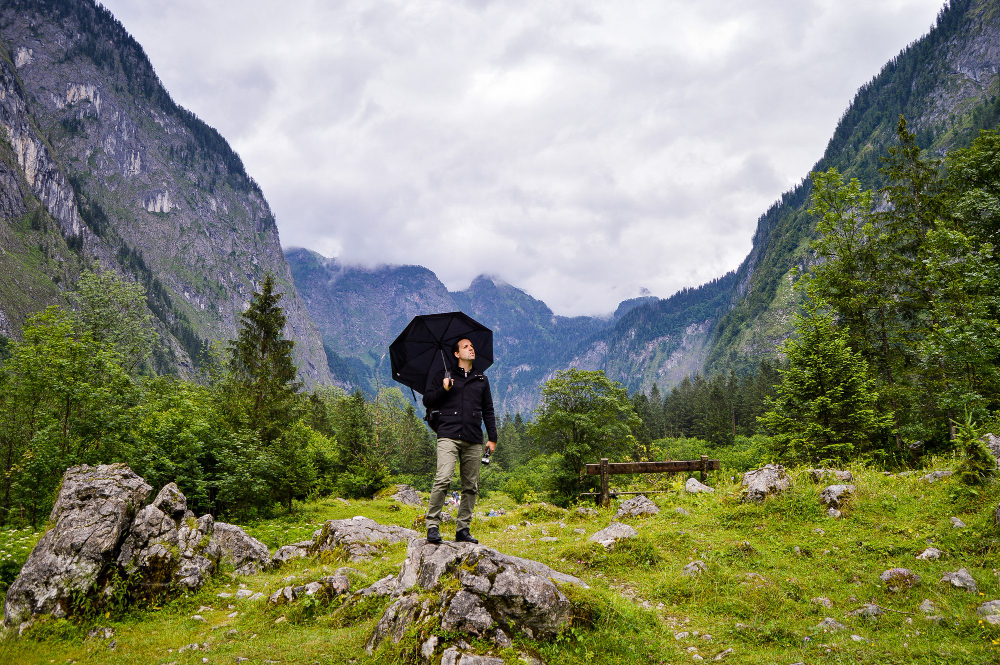
Most Delhi trekkers put their boots away the moment the rains begin. Landslide warnings, wet trails, and the fear of getting stranded convince them that July to September is the wrong season for the mountains. That assumption misses the real picture.
Monsoon Treks Near Delhi by Bus: Where to Start
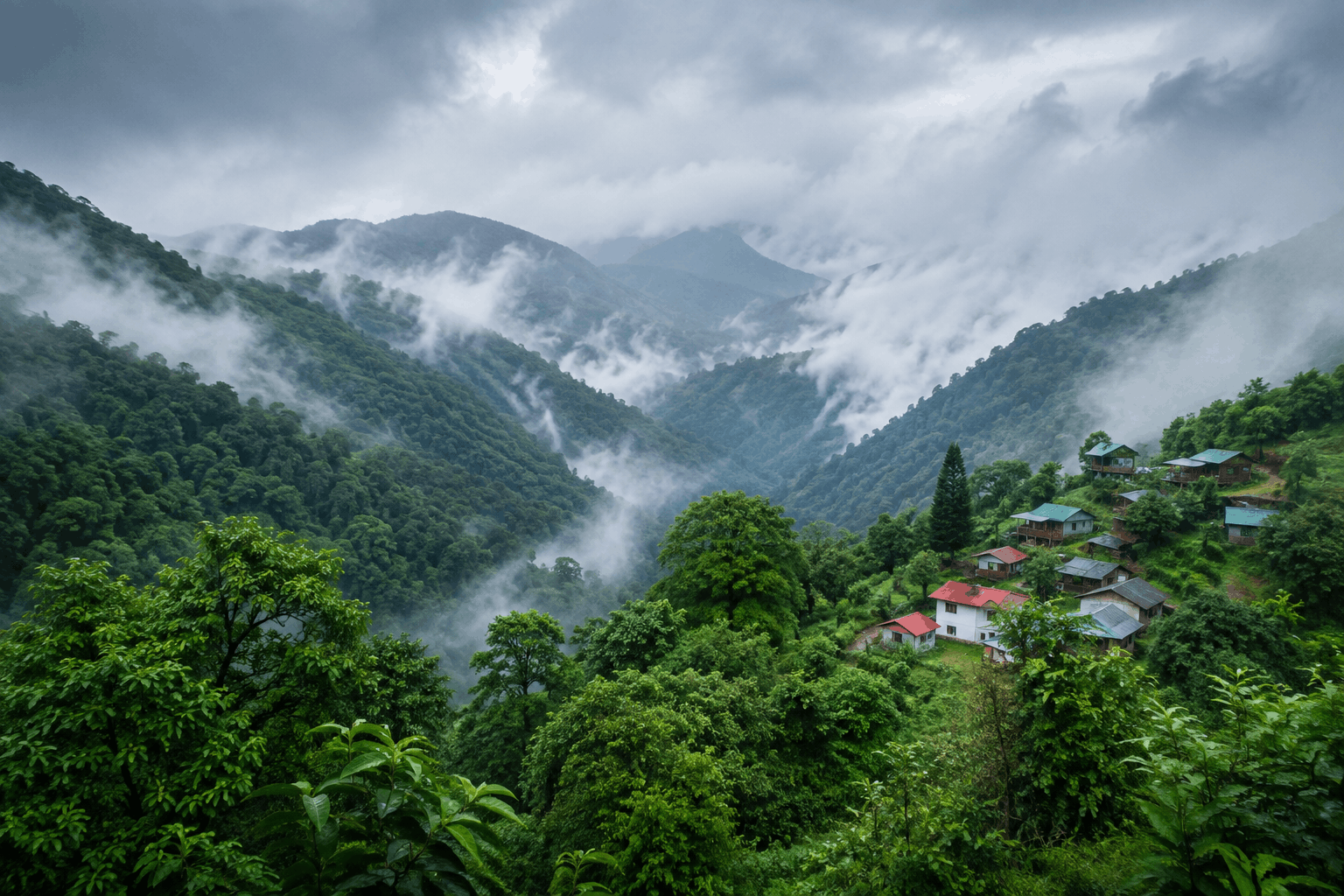
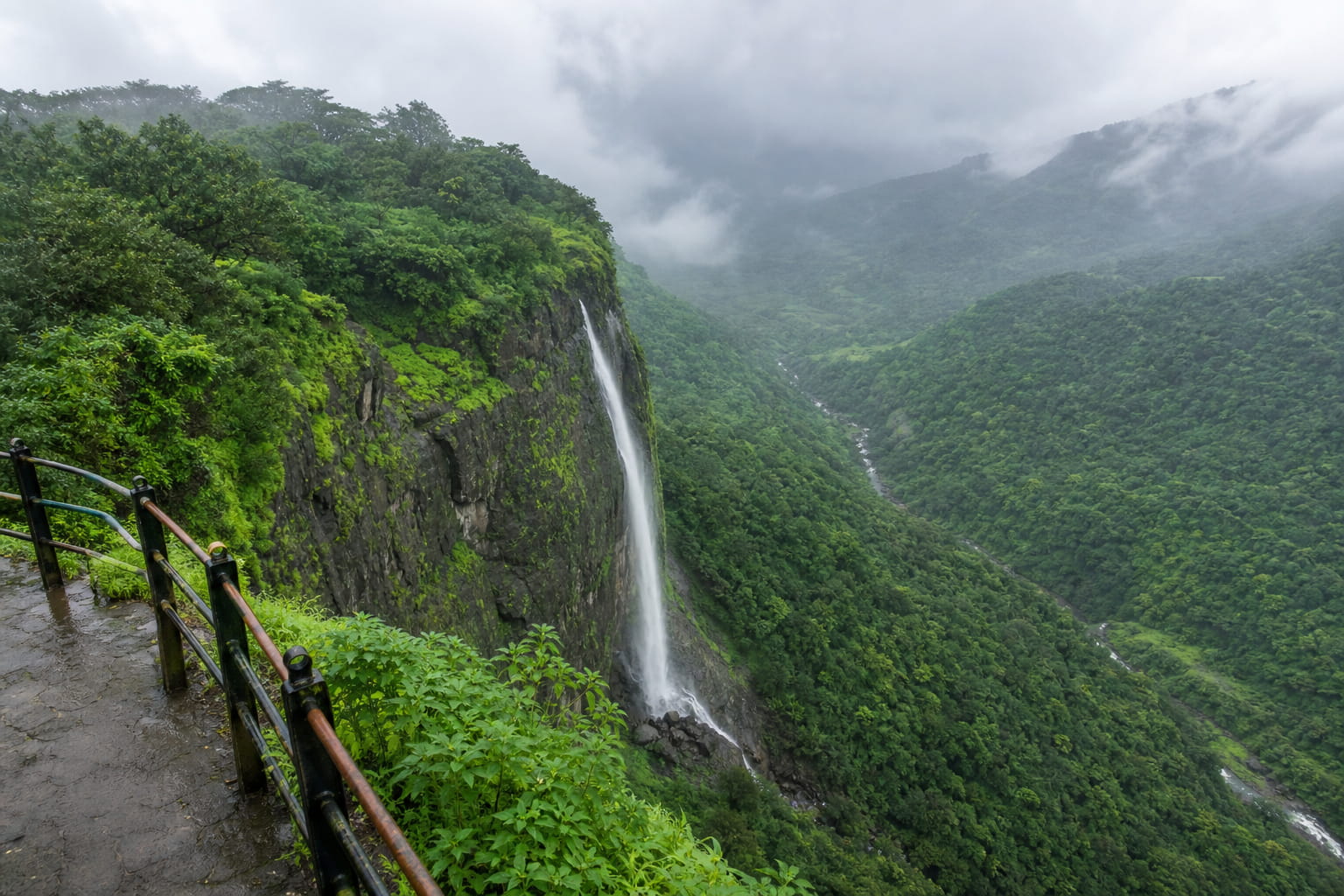
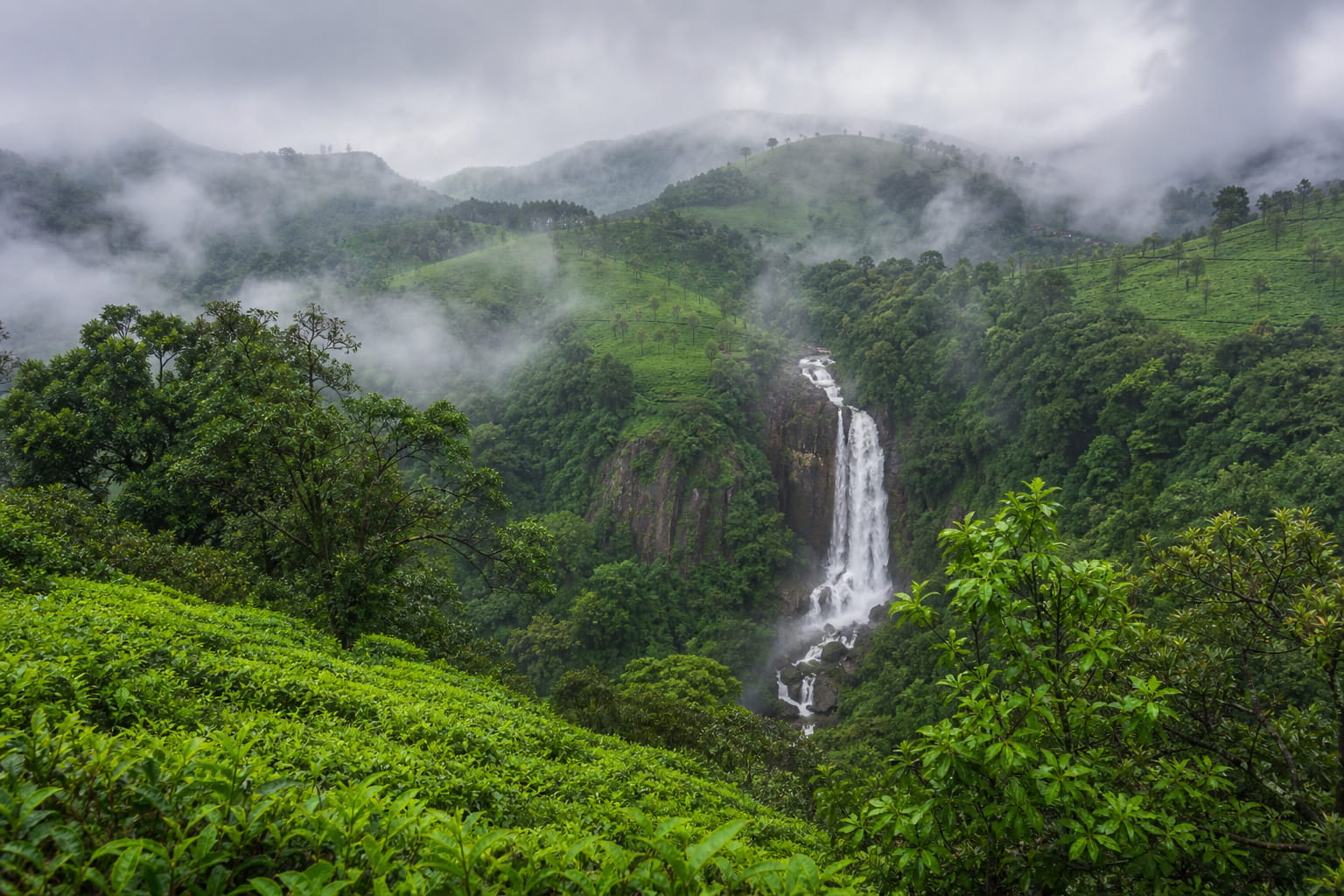
Monsoon is when parts of the Himalayas look their best. Meadows bloom in a way they never do in the dry months. Waterfalls run at full power. Lower valleys turn a shade of green that summer or winter cannot produce. Choosing the right trail is what separates a great monsoon trip from a risky one.
The best monsoon treks near delhi by bus fall into two categories. Rain tolerant trails built to handle wet weather, and rain shadow treks that stay dry even while the rest of the region gets drenched. Both categories are reachable from Delhi using overnight bus routes to base towns like Rishikesh, Manali, Dehradun, and Dharamshala.
This guide covers difficulty, altitude, base town, and how to travel to each trek from Delhi during the monsoon window.
Why Some Treks Work Better in Monsoon
The Himalayas do not follow one weather pattern during monsoon. The Uttarakhand foothills and the Kullu Manali belt receive heavy rain from mid July to early September. Some trails here handle the rain well. Others become unsafe.
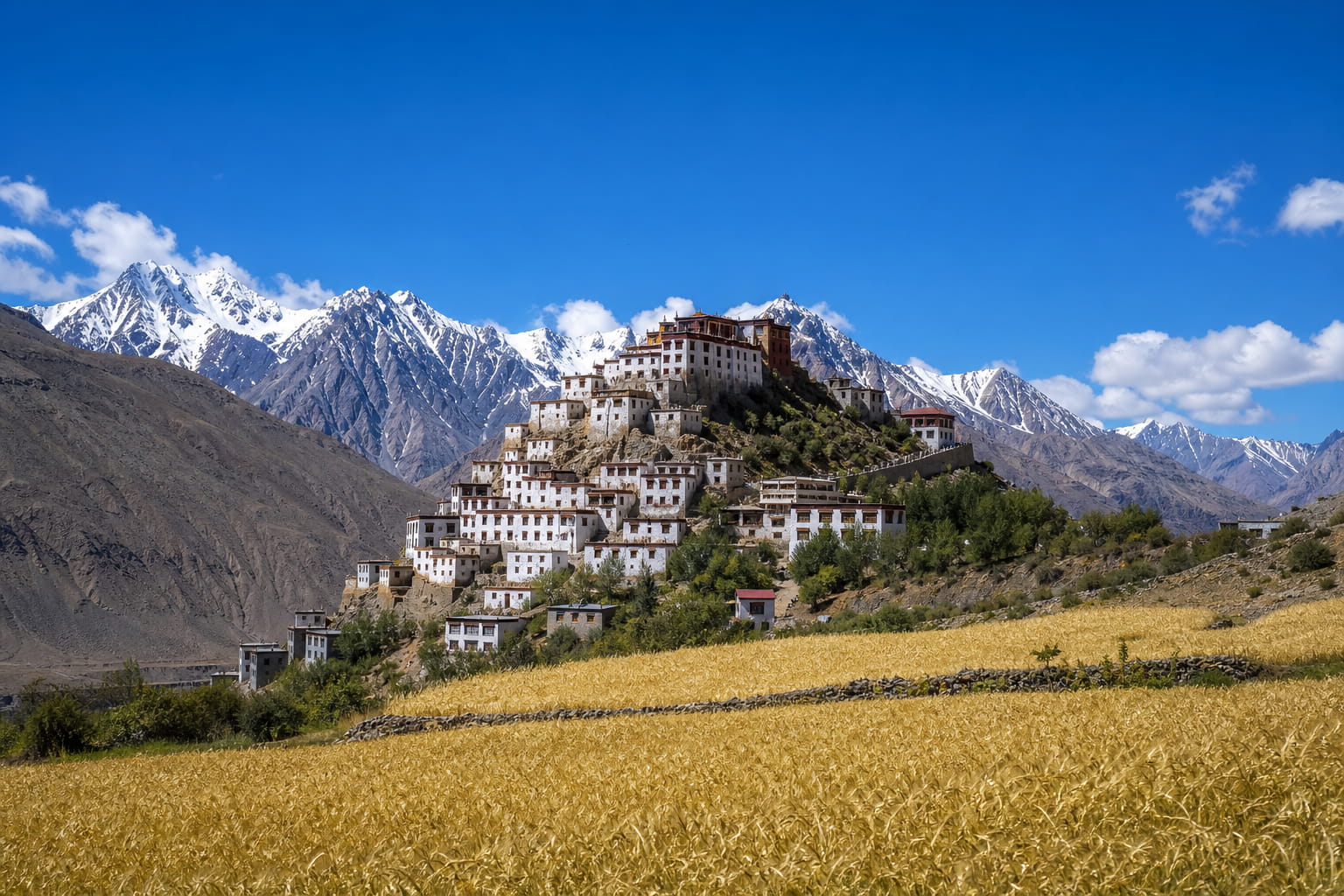
Cross over into Spiti, Ladakh, or Lahaul, and the pattern flips. These are rain shadow zones that receive very little rainfall all year. Clear skies and dry trails continue even when the rest of the region is flooded. This is exactly why crossover treks like Hampta Pass are so popular during monsoon.
Sticking to rain tolerant or rain shadow treks keeps monsoon treks near delhi by bus both scenic and manageable, rather than a gamble against the weather.
Quick Glance: Monsoon Treks Near Delhi by Bus
| Trek | State | Difficulty | Altitude | Base Town |
| Valley of Flowers | Uttarakhand | Easy to Moderate | 3,858 m | Govindghat |
| Hampta Pass | Himachal Pradesh | Moderate | 4,270 m | Manali |
| Kheerganga | Himachal Pradesh | Easy to Moderate | 2,960 m | Kasol |
| Triund | Himachal Pradesh | Easy | 2,850 m | McLeodganj |
| Nag Tibba | Uttarakhand | Easy | 3,022 m | Pantwari |
| Beas Kund | Himachal Pradesh | Moderate | 3,700 m | Manali |
| Chandrashila via Chopta | Uttarakhand | Easy to Moderate | 4,000 m | Chopta |
| Bhrigu Lake | Himachal Pradesh | Moderate | 4,300 m | Manali |
| Har Ki Dun | Uttarakhand | Moderate | 3,566 m | Sankri |
Rain Tolerant Monsoon Treks in Uttarakhand and Himachal
These trails are built for wet weather and look their best during the exact months most trekkers avoid.
Valley of Flowers, Uttarakhand
A UNESCO World Heritage Site in Chamoli district that blooms across 87 square kilometres from mid July to late August. Over 600 alpine flower species cover the valley floor during this window.
- Difficulty: Easy to moderate, suitable for first timers
- Altitude: 3,858 m
- Trek length: Around 38 km over 5 to 6 days
- How to reach: Take a bus on the Delhi to Rishikesh route, then continue by road to Govindghat and Pulna before the trek begins.
The trail is stone paved and gently graded, which makes it approachable even for first time monsoon trekkers.
Hampta Pass, Himachal Pradesh
A crossover trek that moves from the green, rain heavy Kullu Valley to the dry Lahaul Spiti side in a single route. The landscape shift at the pass is one of the most dramatic in Indian trekking.
- Difficulty: Moderate
- Altitude: 4,270 m
- Trek length: Around 35 km over 4 to 5 days
- How to reach: Take a bus on the Delhi to Manali route, then a short local ride to Jobra where the trek starts.
Most trekkers cross the pass before 9 AM to avoid afternoon cloud buildup.
Kheerganga, Himachal Pradesh
A 12 kilometre trail from Barshaini near Kasol leading to a natural hot spring at 2,960 m. One of the most accessible weekend treks from Delhi during monsoon.
- Difficulty: Easy to moderate
- Altitude: 2,960 m
- Trek length: 24 km round trip, usually done overnight
- How to reach: Take a bus on the Delhi to Manali route, then a local taxi to Barshaini.
Triund, Himachal Pradesh
The easiest overnight trek in this list. A 9 kilometre trail from Galu Devi above McLeodganj leads to a ridge facing the Dhauladhar range.
- Difficulty: Easy
- Altitude: 2,850 m
- Trek length: 18 km round trip
- How to reach: Take a bus on the Delhi to Dharamshala route, then a short drive to the trailhead near McLeodganj.
Nag Tibba, Uttarakhand
A short weekend summit trek near Dehradun that stays manageable through most of the monsoon.
- Difficulty: Easy
- Altitude: 3,022 m
- Trek length: Around 16 km round trip over 2 days
- How to reach: Take a bus on the Delhi to Dehradun route, then a local ride to Pantwari.
Rain Shadow Treks Reachable From the Same Bus Routes
These treks sit in zones that stay dry even during peak monsoon, and they use the same bus corridors as the rain tolerant treks above.
Beas Kund, Himachal Pradesh
A short high altitude trek to the source of the Beas River, passing through Solang Valley and Dhundi meadows.
- Difficulty: Moderate
- Altitude: 3,700 m
- Trek length: 16 km over 2 to 3 days
- How to reach: Take a bus on the Delhi to Manali route, then a taxi to Solang Valley.
Bhrigu Lake, Himachal Pradesh
An alpine lake trek from Gulaba through wide grasslands that bloom specifically during monsoon rains.
- Difficulty: Moderate
- Altitude: 4,300 m
- Trek length: Around 25 km over 3 to 4 days
- How to reach: Take a bus on the Delhi to Manali route, then a taxi to Gulaba or Vashisht.
Chandrashila via Chopta, Uttarakhand
A summit trek above Chopta that includes Tungnath, the highest Shiva temple in the world, before the final ridge push.
- Difficulty: Easy to moderate
- Altitude: 4,000 m at the summit
- Trek length: Around 9 km round trip from Chopta
- How to reach: Take a bus on the Delhi to Rishikesh route, then a road journey to Chopta.
Har Ki Dun, Uttarakhand
A long approach trek through the Govind Wildlife Sanctuary. Best attempted in early June or September rather than peak monsoon months.
- Difficulty: Moderate
- Altitude: 3,566 m
- Trek length: Around 47 km over 6 to 7 days
- How to reach: Take a bus on the Delhi to Dehradun route, then a long drive to Sankri.
How to Reach These Treks From Delhi
All the treks in this guide start from base towns that connect directly to Delhi through overnight bus routes. An overnight departure means arriving at the base town by morning, which saves both time and an extra night of stay.
By Bus
The main corridors used for monsoon treks near delhi by bus are Delhi to Rishikesh, Delhi to Manali, Delhi to Dharamshala, and Delhi to Dehradun. Each corridor connects to multiple treks listed above through short local taxi rides from the base town.
By Train
Dehradun and Haridwar have direct train connectivity from Delhi, which works well for Nag Tibba, Har Ki Dun, Valley of Flowers, and Chandrashila. Manali and Dharamshala do not have direct rail access, so the nearest stations require a long onward road journey.
By Road
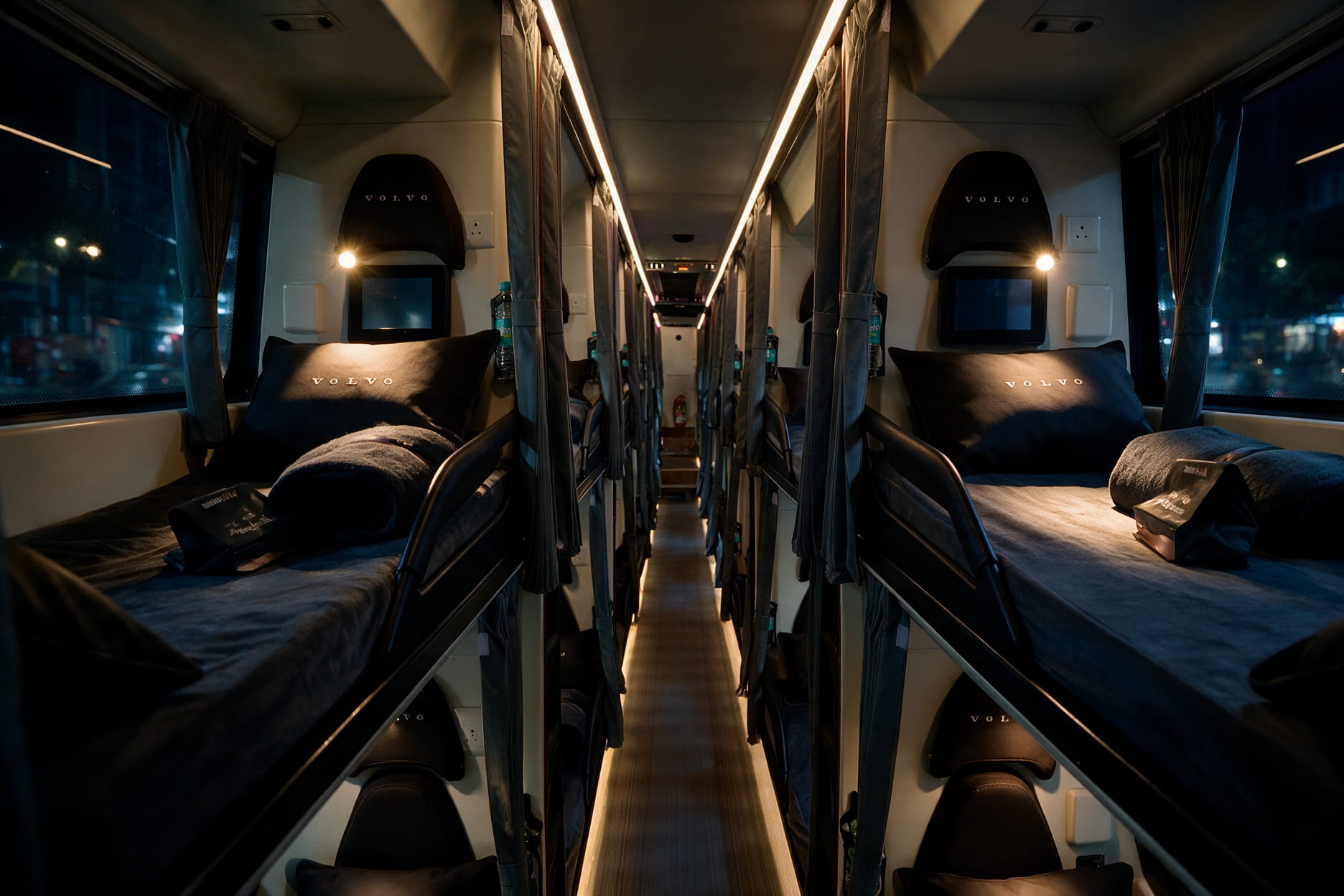
Self drive is an option for Manali and Dharamshala routes, though monsoon driving on hill roads needs caution. Overnight buses remove the fatigue of driving through the night on narrow ghat sections.
Monsoon Trekking Safety Tips
Every trek in this guide is safe when approached correctly. These points apply across all routes.
- Timing: Start early and aim to finish by early afternoon before clouds build up.
- River crossings: Cross in the morning since water levels rise through the day.
- Rain protection: Carry a rain cover, dry bags, and a spare set of clothes for essentials.
- Footing: Use trekking poles for grip on wet rock and mud sections.
- Lightning safety: Move away from ridgelines if you hear thunder nearby.
- Guided treks: Book with a certified trekking operator for altitude treks above 3,500 m.
- Routes to avoid: Skip deep forest routes such as Roopkund and Kuari Pass during peak monsoon months.
What to Pack for Monsoon Treks
A monsoon kit is different from a summer or winter kit. These items matter the most.
- Rain gear: Full jacket, pants, and a backpack cover
- Footwear: Waterproof trekking shoes with strong grip
- Clothing: Quick dry synthetic layers instead of cotton
- Socks: Extra pairs of trekking socks
- Protection for essentials: Ziplock bags for phone, ID, and cash
- Light source: A reliable headlamp with spare batteries
- Insect protection: Basic repellent for lower altitude forest sections
When to Book Your Monsoon Trek
Popular routes such as Valley of Flowers and Hampta Pass fill up early, often a month or two in advance. Bus tickets on the Delhi to Manali and Delhi to Rishikesh routes also get busy on weekends during July and August.
Booking your bus ticket and trek slot together at least two to three weeks ahead avoids last minute price increases and seat shortages on peak weekend departures.
Planning Monsoon Treks Near Delhi by Bus the Right Way
Choosing the correct trail is what makes monsoon treks near delhi by bus rewarding instead of risky. Rain tolerant routes like Valley of Flowers and Triund, along with rain shadow treks like Hampta Pass and Beas Kund, offer some of the best Himalayan views of the year. Pick a trek that matches your fitness level, book your bus route early, and travel prepared for wet trail conditions.
You Might Also Like
- Delhi to Manali Bus Trip Planning Guide
- Places to Visit Near Delhi Under 300 km
- zingPrime Membership
Tips Before You Go
- Weather checks: Check trail specific weather updates a day before departure, since Himalayan weather changes quickly.
- Cash on hand: Carry cash for small dhabas and local transport near base towns, as digital payments are not always reliable.
- Share your plan: Inform someone about your trek itinerary and expected return date before heading out.
- Group over solo: Avoid solo trekking on high altitude monsoon routes without a guide or group.
- Buffer days: Keep buffer days in your itinerary in case of weather related delays on the trail.
Frequently Asked Questions
Which Are the Best Monsoon Treks Near Delhi by Bus?
Valley of Flowers, Hampta Pass, Kheerganga, Triund, and Nag Tibba are among the best monsoon treks near delhi by bus, each reachable through Rishikesh, Manali, or Dehradun bus routes.
Is It Safe to Trek in the Himalayas During Monsoon?
It is safe on rain tolerant or rain shadow trails when planned correctly. Avoid deep forest routes prone to landslides and always check local weather before starting.
Which Trek Is Best for Monsoon Beginners?
Triund and Nag Tibba are considered the easiest monsoon treks near Delhi, both suitable for first time trekkers with basic fitness.
How Do I Reach Valley of Flowers From Delhi by Bus?
Take a bus on the Delhi to Rishikesh route, then continue by road to Govindghat and Pulna before starting the trek to Ghangaria and the valley.
What Is the Best Month for Hampta Pass Trek?
Mid June to early September works well, with July and August offering the most dramatic contrast between the green Kullu side and dry Spiti side.
Are Rain Shadow Treks Safer Than Regular Monsoon Treks?
Rain shadow treks such as Hampta Pass and Beas Kund receive far less rainfall, which makes trail conditions more predictable during monsoon months.
What Should I Carry for a Monsoon Trek?
Rain gear, waterproof shoes, quick dry clothing, trekking poles, dry bags for electronics, and a headlamp are essential for any monsoon trek.
How Early Should I Book Bus Tickets for These Treks?
Booking two to three weeks in advance is advisable, especially for weekend departures on the Delhi to Manali and Delhi to Rishikesh routes during July and August.
Is Kheerganga Trek Difficult During Monsoon?
Kheerganga remains easy to moderate during monsoon, though trail sections near waterfalls can get slippery, so proper footwear is important.
Which Treks Should Be Avoided During Peak Monsoon?
Roopkund, Kuari Pass, and other deep forest Uttarakhand routes carry higher landslide risk during July and August and are best attempted after the monsoon.