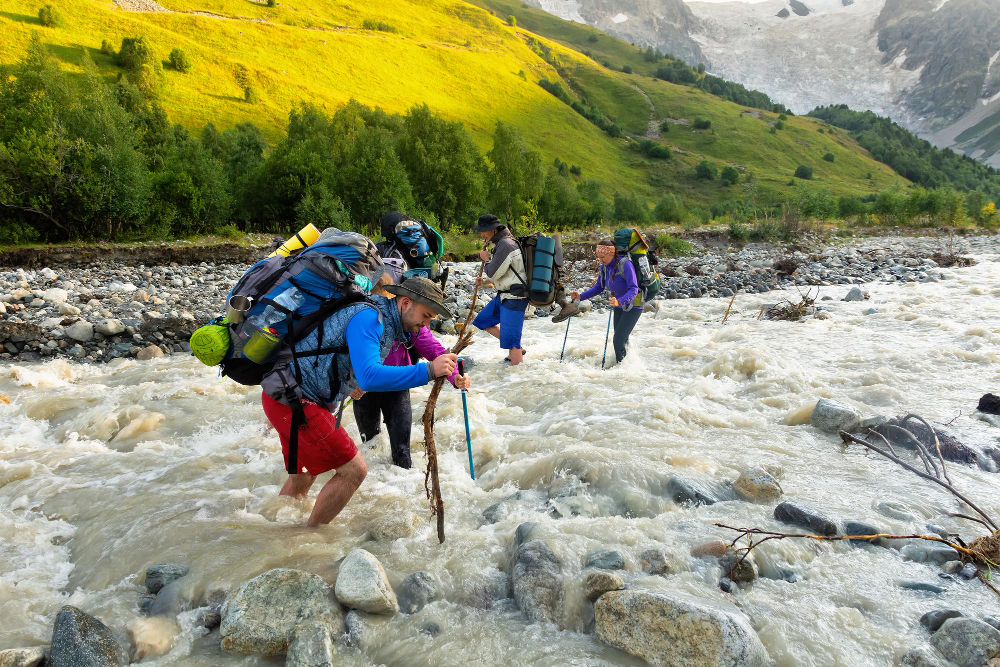
Kheerganga Trek is one of those Himalayan routes that looks simple on a map and still deserves proper planning. It begins in Barshaini, climbs through forested Parvati Valley terrain, and finishes with the hot springs that made the meadow famous in the first place.
This Kheerganga Trek guide is built for first time trekkers, Kasol travellers, and weekend adventure seekers who want a realistic plan. It covers the current trek status, route, distance, difficulty, budget, packing list, and how to move from Delhi or Kasol without wasting a day.
A Detailed Guide to Kheerganga Trek
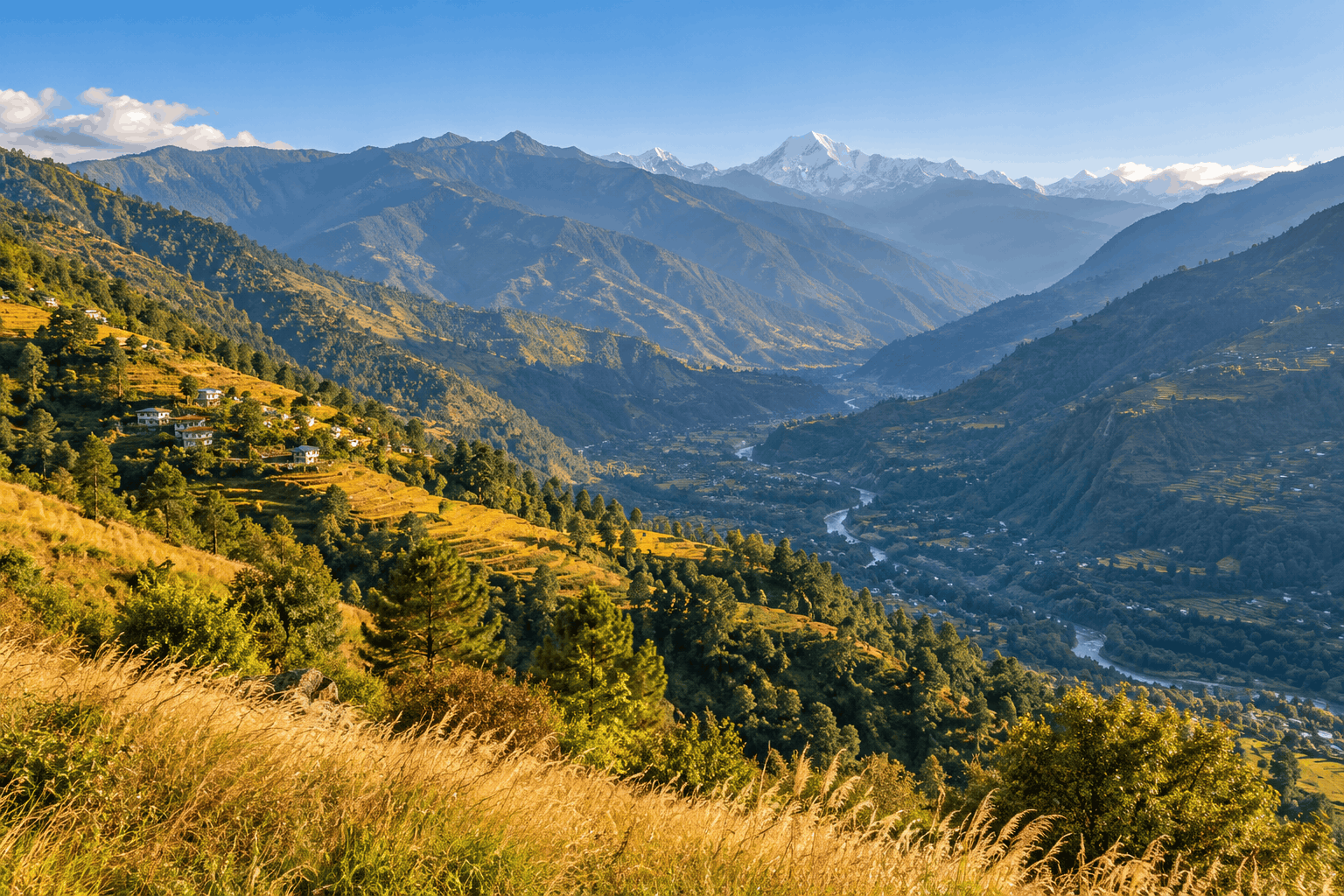
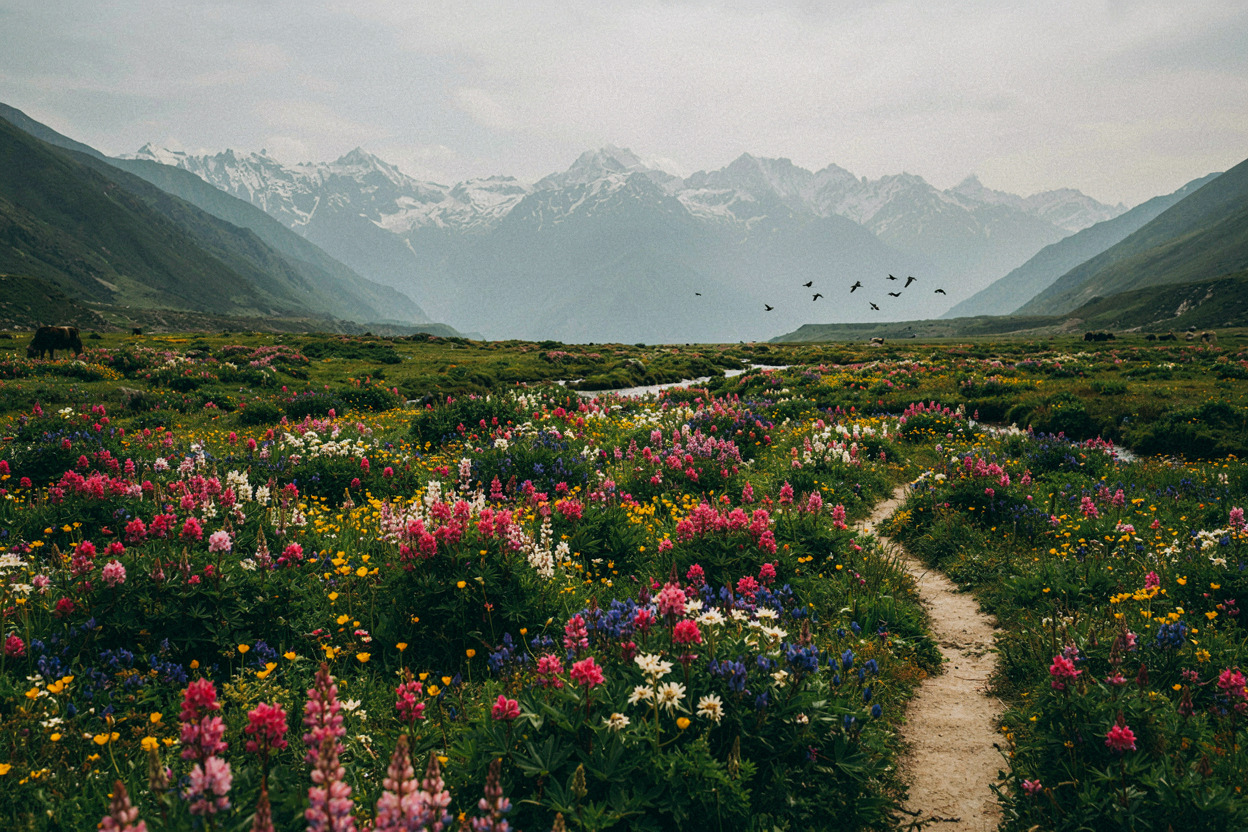
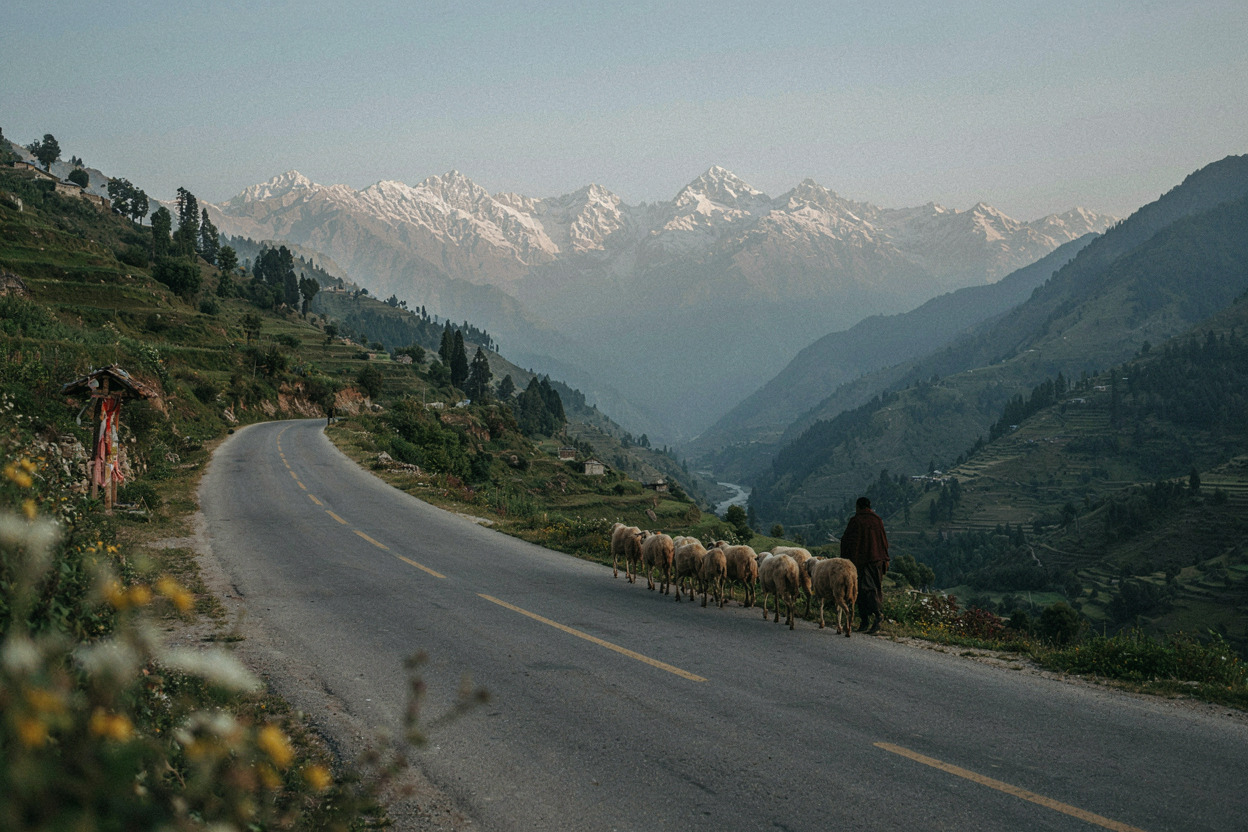
The Kheerganga Trek stands out because it gives you more than one kind of mountain experience in a single day. You get river views, forest sections, village trails, Rudra Nag, and finally the hot springs at the top, which remain the main draw for most visitors.
It also works well for people who do not want a technical or expedition style route. Current trek guides describe it as easy to moderate, which makes it one of the more approachable Parvati Valley treks for beginners who can handle a long uphill walk.
Current Access Status And Trek Rules
Recent reporting says the Forest Department banned overnight camping in the Kheerganga area in July 2024, and current trek guides continue to describe it as a day trek only. A July 2024 Tribune report also said trekkers should reach before 10 AM and return before 2 PM, so verify local rules again before you travel.
That means the Kheerganga Trek open now question should be read carefully. The route is open for daytime trekking according to current references, but the old camping led version of the trip is outdated. Plan for a same day return instead of treating the summit as an overnight stop.
Kheerganga Trek Route And Distance
The Kheerganga Trek route starts from Barshaini, which current references describe as the last motorable point in upper Parvati Valley. The trek distance is most commonly cited as 12 to 13 km one way, with a typical hiking time of about 4 to 6 hours uphill depending on pace and conditions.
The route usually splits into a few practical variations. The Nakthan and Rudra Nag side is the most common and scenic, the Kalga side is generally shorter but steeper, and the Tosh side joins the main trail near Nakthan according to trek route writeups.
Main Route Highlights
- Nakthan and Rudra Nag: The most popular walking line, with the waterfall stop that many trekkers remember most clearly.
- Kalga Route: A forest route that tends to feel steeper, so it suits trekkers who are comfortable with a stronger climb.
- Tosh Route: Useful if you are staying in Tosh and want to join the trek from that side of the valley.
Best Time To Visit
The Kheerganga Trek best time is usually March to June and September to November. Current trek guides keep returning to those months because the weather is steadier, the trail is easier to manage, and the mountain views are clearer than in the harsher season windows.
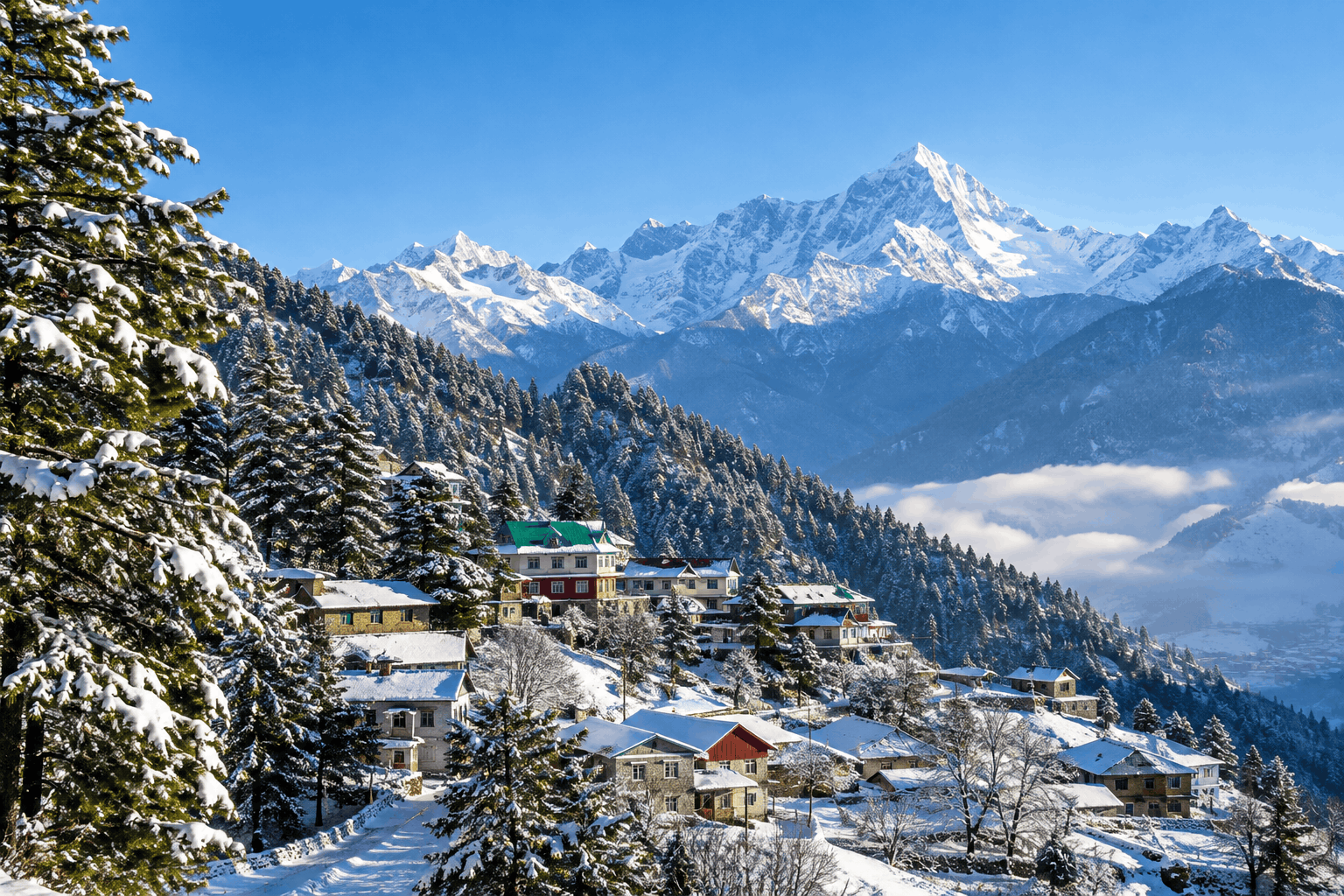
Winter can be beautiful, but it is less forgiving. Snow, slippery rocks, and colder trail conditions make the route harder for first timers, while monsoon season can make the path wetter and more uncertain. For a first visit, the shoulder seasons are the safest choice.
Kheerganga Trek Difficulty Level
The Kheerganga Trek difficulty is usually described as easy to moderate. That means you do not need mountaineering skills, but you do need basic fitness, a steady pace, and enough time to finish the climb and descend the same day.
For beginners, the trek feels manageable if you start early and avoid rushing the climb. The steepest parts still demand attention, especially near the Rudra Nag side and the upper forest stretches, where the trail can feel tiring after several hours on foot.
How To Reach Kheerganga From Delhi
If you are coming from Delhi, the most direct bus option is Delhi to Barshaini, which zingbus currently lists at about 10 hours 44 minutes with daily service. That is the cleanest route if you want to start the trek from the base without extra changes.
Another practical option is Delhi to Bhuntar first, then road transfer to Barshaini. zingbus currently lists Delhi to Bhuntar at about 10 hours 44 minutes, Bhuntar to Barshaini at about 2 hours 13 minutes, and Kasol to Bhuntar at about 57 to 59 minutes.
If you are coming from Kasol, current travel references place Barshaini about 20 to 22 km away by road, which makes it a short transfer before the trek starts. That is why many travellers base themselves in Kasol and leave for Barshaini early in the morning.
Sample Kheerganga Trek Itinerary
A practical Kheerganga Trek itinerary starts the night before. Stay in Kasol, Barshaini, Kalga, Tosh, or Nakthan, then wake up early and leave for Barshaini before the trail gets busy. That approach fits the current day trek style much better than a loose, flexible start.
A simple same day plan looks like this:
- Night Before: Sleep in Kasol if you want easy transport and cafés, or stay closer in Barshaini, Kalga, or Tosh if you want a faster trail start.
- Early Morning: Reach Barshaini early and begin the climb before the heat and crowd build up. Current reporting said 10 AM was the latest practical entry window when the ban was enforced.
- Mid Trek: Pause at Rudra Nag and nearby forest sections for water, rest, and photos.
- Summit Stop: Spend time at the hot springs, then begin the return well before evening.
Budget Breakdown
Note: Prices are approximate and may change based on season, demand, and availability.
For a solo day trek, the current Kheerganga Trek budget is usually around ₹1,500 to ₹2,500 per person in trek guides. If you book from Delhi, zingbus currently lists Delhi to Barshaini fares from ₹1,968 to ₹2,342, while Bhuntar to Barshaini is listed from ₹952 to ₹1,429.
If you are coming via Kasol instead, zingbus currently lists Kasol to Bhuntar at ₹571 one way. That makes a Kasol based plan useful for people who want a lower transfer cost and a little extra time for café stops before the trek.
Where To Stay Before The Trek
Since the Kheerganga camping ban is still being treated as active in current references, the summit should not be your overnight base. The better plan is to stay in Kasol for convenience, Barshaini for the earliest start, or Kalga and Tosh for quieter village stays.
If you want the calmest pre trek night, Kalga and Tosh usually feel more restful than the busier Kasol centre. If you want the shortest morning transfer, Barshaini is the most practical choice because the trek starts from there.
Hot Springs And Why People Visit
The Kheerganga hot springs are the reason many trekkers push through the long climb. At the summit, the warm water soak is the reward people remember most, and it is also the feature that makes the trek feel different from a normal mountain walk.
For many first timers, the hot springs are the point where the trek changes from effort to experience. The view, the pause, and the simple feeling of arriving on foot are what make the summit feel earned rather than just visited.
What To Pack
For the Kheerganga Trek, pack light but do not pack casually. Himachal Tourism advises mountain travellers to stay careful near riverbanks and hill roads, and current trek guides make it clear that the route is a real full day walk rather than a short sightseeing stop.
- Shoes: Use grip friendly trekking shoes, not smooth sneakers.
- Layers: Carry a light warm layer because the temperature can change fast.
- Water: Keep enough water for a long uphill climb.
- Rain cover: A compact rain shell helps if the weather shifts.
- ID and cash: Carry ID and some cash for remote valley stops.
- Power bank: Phone battery drains faster on mountain routes.
Travel Tips And Safety Notes
Start early, especially if you are doing Kheerganga Trek from Kasol on a same day plan. The current day trek framing leaves very little room for a late start, and official travel safety advice from Himachal Tourism also warns travellers to avoid night driving in the hills.
Keep your plan flexible around weather, road conditions, and local instructions. If the trail feels slower than expected, turn back on time rather than forcing the summit window. The safest trek is the one that respects the mountain schedule instead of fighting it.
You Might Also Like
- Best Places to Visit in Kasol: A useful companion guide if you are turning the trek into a longer Parvati Valley trip.
- Best Things to Do in Kasol, Himachal: Trekking, Cafés and More: Helpful for building a fuller Kasol itinerary around the trek day.
- Delhi to Manali by Bus: Route, Fare, Travel Tips and Boarding Points: Useful if you are arriving into Himachal by overnight bus before heading toward Kasol and Barshaini.
- Online Bus Booking Scams in India: How to Spot and Avoid Them: A smart read before booking mountain transport online for a trek trip.
Plan Your Kheerganga Trek Around Your Pace
The best way to plan Kheerganga Trek is to match the route to your time, fitness, and season. If you only have one day, keep it direct. If you have two or three days, add Kasol, Barshaini, Kalga, or Tosh and make the valley part of the trip, not just the climb.
The route rewards early starts, realistic pacing, and a simple plan. Choose the day trek version, treat the summit as a nature stop rather than a camping night, and build the rest of the trip around the kind of mountain experience you actually want.
Frequently Asked Questions
How Long Does The Kheerganga Trek Take?
The Kheerganga Trek usually takes 4 to 6 hours one way from Barshaini, so a same day return needs an early start and a steady walking pace.
Is Kheerganga Trek Open Now?
Kheerganga Trek is currently described by recent trek guides and reporting as open for daytime trekking, while overnight camping is banned. Verify the latest local rules before you go because mountain access rules can change.
What Is The Best Time For Kheerganga Trek?
The Kheerganga Trek best time is usually March to June and September to November because the trail is more comfortable, the weather is steadier, and the mountain views are clearer.
Is Kheerganga Trek Difficult For Beginners?
Kheerganga Trek difficulty is easy to moderate, so beginners with basic fitness can do it if they start early, pace themselves, and do not try to rush the entire climb.
Can You Camp Overnight At Kheerganga?
You cannot camp overnight at Kheerganga under the current camping ban, and recent reporting says trekkers are expected to return the same day.
What Is The Starting Point Of Kheerganga Trek?
The starting point of Kheerganga Trek is Barshaini, which current references describe as the last motorable point in upper Parvati Valley and the usual base for the trail.
How To Reach Kheerganga From Delhi?
How to reach Kheerganga from Delhi depends on your route, but the most direct bus option is Delhi to Barshaini. Another practical plan is Delhi to Bhuntar, then onward by road to Barshaini.
What Is The Kheerganga Trek Distance?
Kheerganga trek distance is usually cited as 12 to 13 km one way from Barshaini, with the climb passing through forests, village trails, and Rudra Nag before the summit meadow.
What Is The Kheerganga Trek Budget?
Kheerganga trek budget for a day trip is usually around ₹1,500 to ₹2,500 per person, while transport and any pre trek stay will add to the final cost. Prices are approximate and can change with season and demand.
Are The Hot Springs At Kheerganga Worth It?
The Kheerganga hot springs are worth it because they are the summit reward after a full uphill trek, and they are the main feature that gives the route its special identity.
Where Should You Stay Before The Trek?
You should stay in Kasol, Barshaini, Kalga, Tosh, or Nakthan before the trek, because current references describe Kheerganga as a day trek with no overnight camping at the top.
Is the Kheerganga Trek suitable for beginners?
Yes, the Kheerganga Trek is suitable for beginners if you have basic fitness, start early, and plan to return the same day. The route is generally considered easy to moderate.