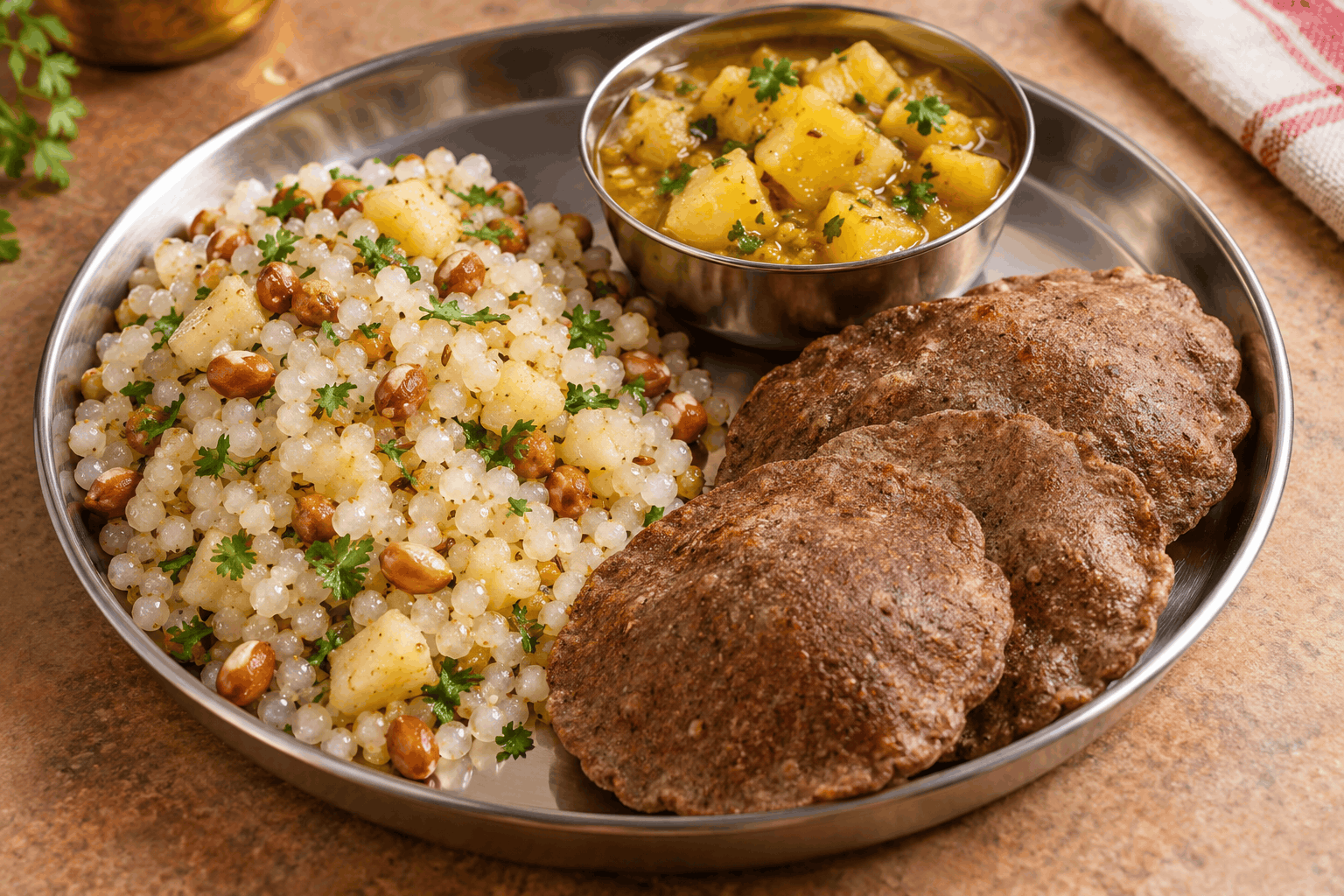
Navratri fasting follows a specific set of rules about what is permitted and what is not. The basics are consistent across most traditions: no grains, no onion, no garlic, no non-vegetarian food. Rice, wheat, regular salt and turmeric are typically avoided. What is allowed includes sabudana, kuttu ka atta (buckwheat flour), singhara atta (water chestnut flour), potatoes, fruits, milk products, sendha namak (rock salt) and selected spices.
But the way these rules translate into actual food varies enormously by city. What you eat during Navratri in Ahmedabad looks and tastes nothing like what you eat in Delhi, and both are different from what Navratri fasting looks like in Varanasi.
Why City Differences Matter
The navratri food guide below is organised by city rather than by recipe because the local food culture shapes the fasting menu more than the rules do. The rules set the boundaries. The city fills them.
Navratri Food Guide: What Each City Serves and Where to Find It
The cities are ordered from west to east, following the geography of where Navratri food traditions are most distinctive.
Ahmedabad: Fafda Jalebi Morning and Undhiyu
In Gujarat, Navratri fasting is observed selectively. Many people fast for the first two and last two days rather than all nine. On non-fasting days, the dominant food tradition is the fafda-jalebi breakfast. Shops across Ahmedabad serve fresh fafda (a crisp gram-flour snack) with jalebi from early morning, and the queues at the famous counters on CG Road and Maninagar run from 7 AM.
Undhiyu, a mixed vegetable dish cooked upside down in an earthen pot, is the centrepiece dish of the season. The winter-crop vegetables used in undhiyu, including surti papdi, purple yam, banana and brinjal, are at their freshest during the October Navratri window. The street food scene during Navratri also includes handvo, khaman, dhokla and gathiya, all grain-based and eaten on non-fasting days.
For the fasting days specifically, Gujarati households prepare sabudana khichdi, rajgira (amaranth) rotla, makhana (fox nut) preparations and fruit-based dishes.
Delhi: CR Park, Bengali Market and the Kuttu Puri Circuit
Delhi’s Navratri food runs on two parallel tracks. The North Indian fasting track produces kuttu ki puri, singhara atta pakodi, aloo ki sabzi made with rock salt, sabudana khichdi, and makhana kheer. These are available at dedicated vrat food stalls that appear outside temples and in market areas during the nine days.
The halwai shops along Chandni Chowk and Bengali Market serve specific Navratri mithai: makhana barfi, coconut laddu, and singhara halwa.
The Bengali community in CR Park celebrates Durga Puja simultaneously, and the pandal food scene there is an entirely different experience: bhog thali with khichuri, begun bhaja, labra and payesh. CR Park during Navratri is where Delhi’s Durga Puja and Navratri food traditions exist side by side within walking distance.
Mumbai: Rajbhog Thali and Dandiya Night Food
Mumbai’s Navratri food scene centres on the Rajbhog thali, a vrat-compliant meal served at restaurants across the city during the nine days. The thali typically includes kuttu ki puri, sabudana vada, shakarkandi (sweet potato) chaat, paneer preparations made with rock salt, and a dessert of makhana kheer or fruit cream.
Sabudana vada is arguably Mumbai’s signature Navratri snack. The deep-fried patty of soaked sago pearls, crushed peanuts and potato, served with green chutney, is available at street stalls across Dadar, Matunga and Girgaon during the festival.
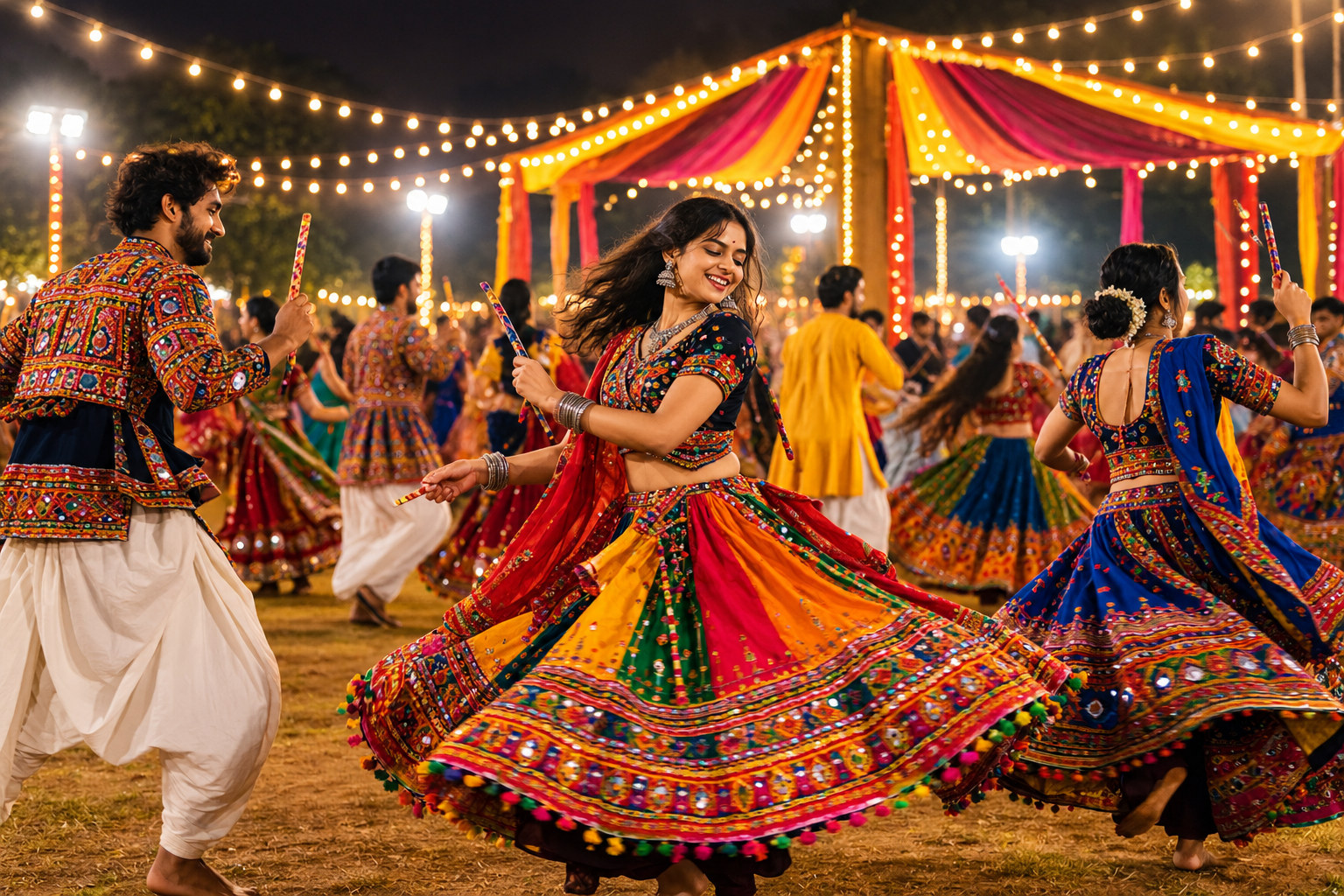
The dandiya night venues have their own food courts serving a mix of vrat food and regular Gujarati snacks: dal vada, pav bhaji, and Jain-friendly options that overlap with fasting rules.
Varanasi: Navratri in the Temple City
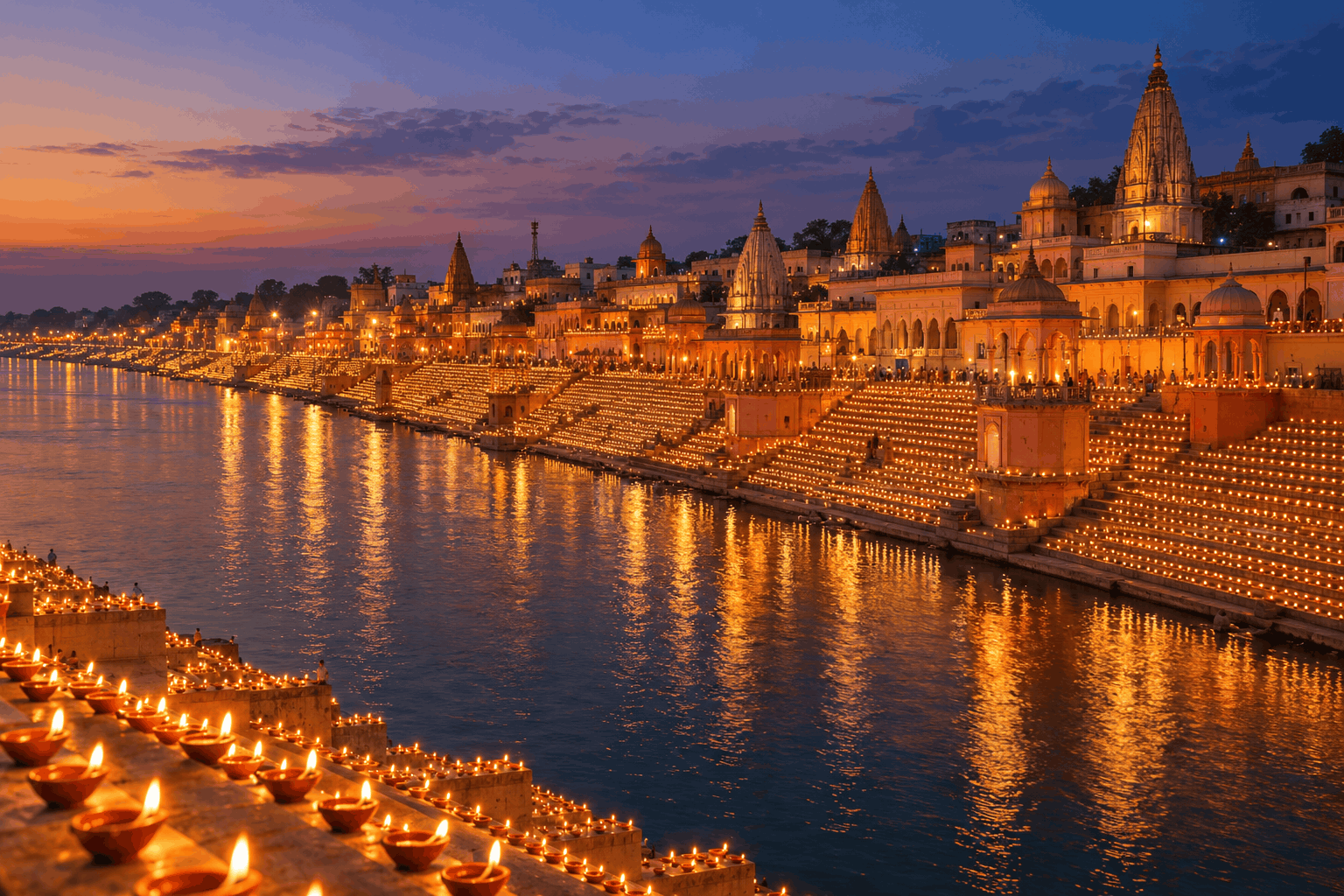
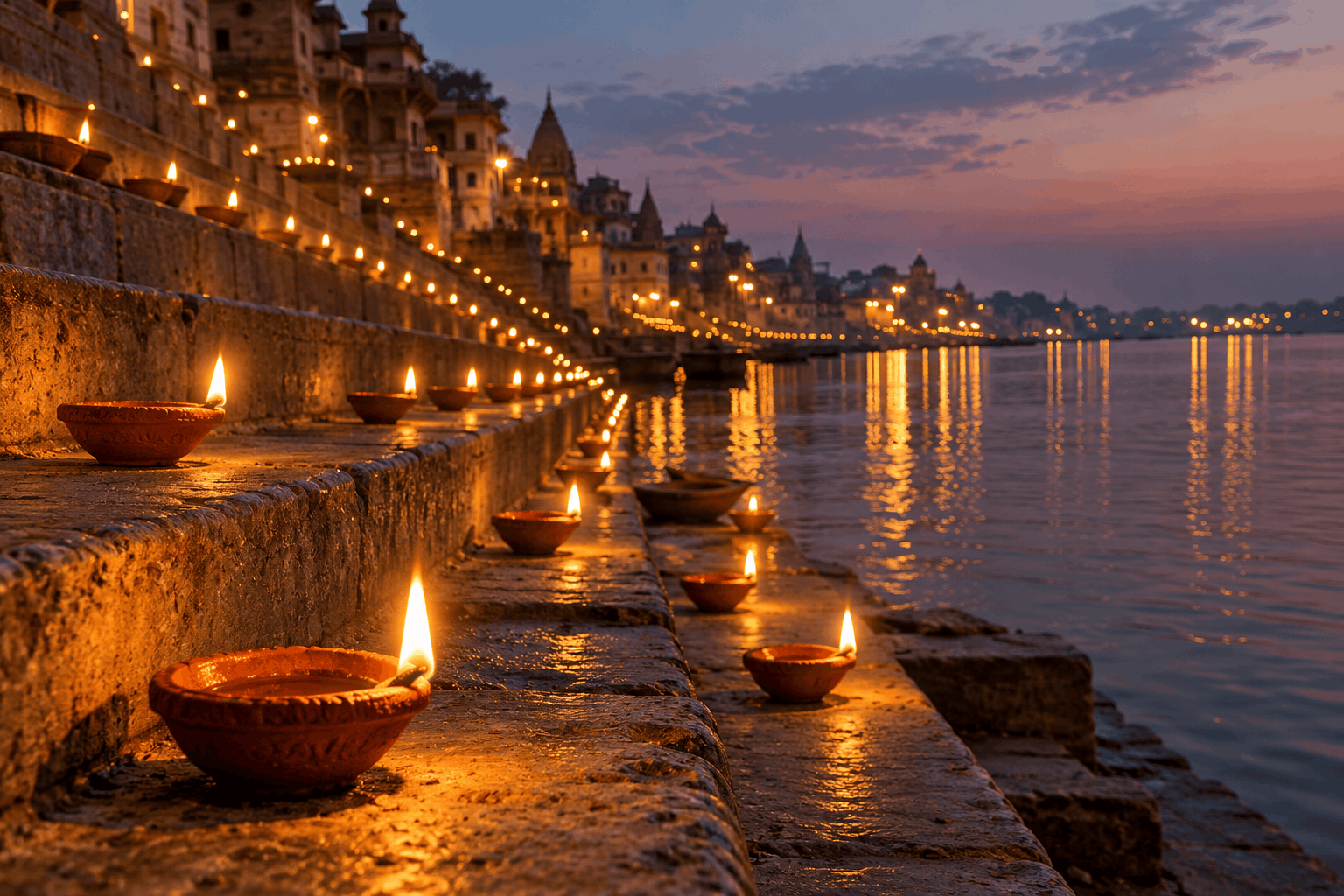
Varanasi’s Navratri food reflects the city’s year-round vegetarian street food culture taken to a more restricted level. The fasting versions of kachori (made with singhara atta), the chaat stalls near Dashashwamedh Ghat serving shakarkandi chaat, and the lassi shops offering plain lassi (no added sugar during the fast in some traditions) are the daily staples during the nine days.
The Vishwanath Gali area near the Kashi Vishwanath Temple sees a concentration of vrat food vendors during Navratri. The temple bhog served to devotees includes prasad items made strictly within the fasting rules.
Kolkata: Bhog and Pandal Food
Kolkata’s relationship with Navratri is through Durga Puja, and the food is entirely different from the rest of this list. The bhog served at major pandals is a community meal: khichuri (a rice-and-lentil preparation, which would not qualify as fasting food in North Indian traditions), labra (mixed vegetable curry), chutney, payesh (milk and rice pudding) and begun bhaja (fried aubergine).
The pandal-hopping food trail is a Kolkata institution. Street vendors around the largest pandals sell rolls, phuchka, jhalmuri and biryani through the five days of the festival. This is not fasting food; it is festival food in a city where the celebration is exuberant rather than austere.
What Is and Is Not Permitted: A Quick Reference
Generally permitted during Navratri fasting
Sabudana (sago), kuttu ka atta (buckwheat), singhara atta (water chestnut), rajgira (amaranth), potatoes, sweet potatoes, raw bananas, milk, curd, paneer, dry fruits, sendha namak (rock salt), green cardamom, black pepper, cumin, coriander leaves, ginger, lemon, coconut, ghee.
Generally not permitted
Rice, wheat, all pulses and lentils, regular salt, turmeric, onion, garlic, mustard seeds, fenugreek, asafoetida, any non-vegetarian food, alcohol.
The word “generally” is important. Specific traditions vary by family, region and the particular days of the nine-day cycle. Some families fast all nine days. Others fast on the first and last day only. Some permit certain items that others do not.
Practical Tips for Eating During Navratri While Travelling
Restaurants in North India typically add a separate Navratri menu during the festival. Ask for the vrat thali or vrat menu if the regular menu does not show fasting options.
In Gujarat, the distinction between fasting and non-fasting food is less prominent on the street because Gujarati cuisine is already largely vegetarian and many items overlap with the fasting rules.
If you are visiting a city specifically for Navratri food, the local sweet shops (halwai) and temple-adjacent food stalls offer the most authentic fasting preparations.
Note: Check current bus routes to your chosen Navratri destination on the Jaipur bus booking page for Rajasthan connections.
Common Questions About Navratri Food
What can you eat during Navratri fasting?
Sabudana, kuttu ka atta, singhara atta, potatoes, milk products, dry fruits and items made with sendha namak are generally permitted during fasting.
What is the most popular Navratri fasting dish in India?
Sabudana khichdi is the most widely eaten Navratri fasting dish across North and West India, followed by kuttu ki puri with aloo sabzi.
What is special about Navratri food in Ahmedabad?
Ahmedabad is known for its fafda-jalebi morning tradition on non-fasting days and the seasonal undhiyu dish made with winter-crop vegetables.
Where can I find vrat food stalls in Delhi during Navratri?
Dedicated vrat food stalls appear outside temples and in market areas like Chandni Chowk and Bengali Market during the nine days.
Is onion and garlic allowed during Navratri?
Onion and garlic are not permitted during Navratri fasting across most traditions. They are classified as tamasic foods in the fasting framework.
What is the difference between Navratri food and Durga Puja food?
Navratri fasting food avoids grains, while Durga Puja bhog in Kolkata includes khichuri, a rice preparation, reflecting a different festival tradition.
Can I find Navratri food at restaurants in India?
Most restaurants in North India add a separate Navratri menu or vrat thali during the festival. Ask for it if the regular menu does not list fasting options.
What is sabudana vada?
Sabudana vada is a deep-fried patty made from soaked sago pearls, crushed peanuts and potato, served with green chutney during Navratri.
Is regular salt allowed during Navratri fasting?
Regular table salt is typically avoided during Navratri. Sendha namak, or rock salt, is used instead across most fasting traditions.
What sweets are eaten during Navratri?
Makhana barfi, coconut laddu, singhara halwa and fruit cream are common Navratri sweets available at halwai shops during the festival.
You Might Also Like
- Chandni Chowk Market: Timings, What to Buy and How to Reach: The Chandni Chowk guide covering the halwai shops, spice lanes and festive food options in Old Delhi.
- Explore Upcoming Festivals in India 2026: Full Guide: The complete 2026 festival calendar with dates and travel context.