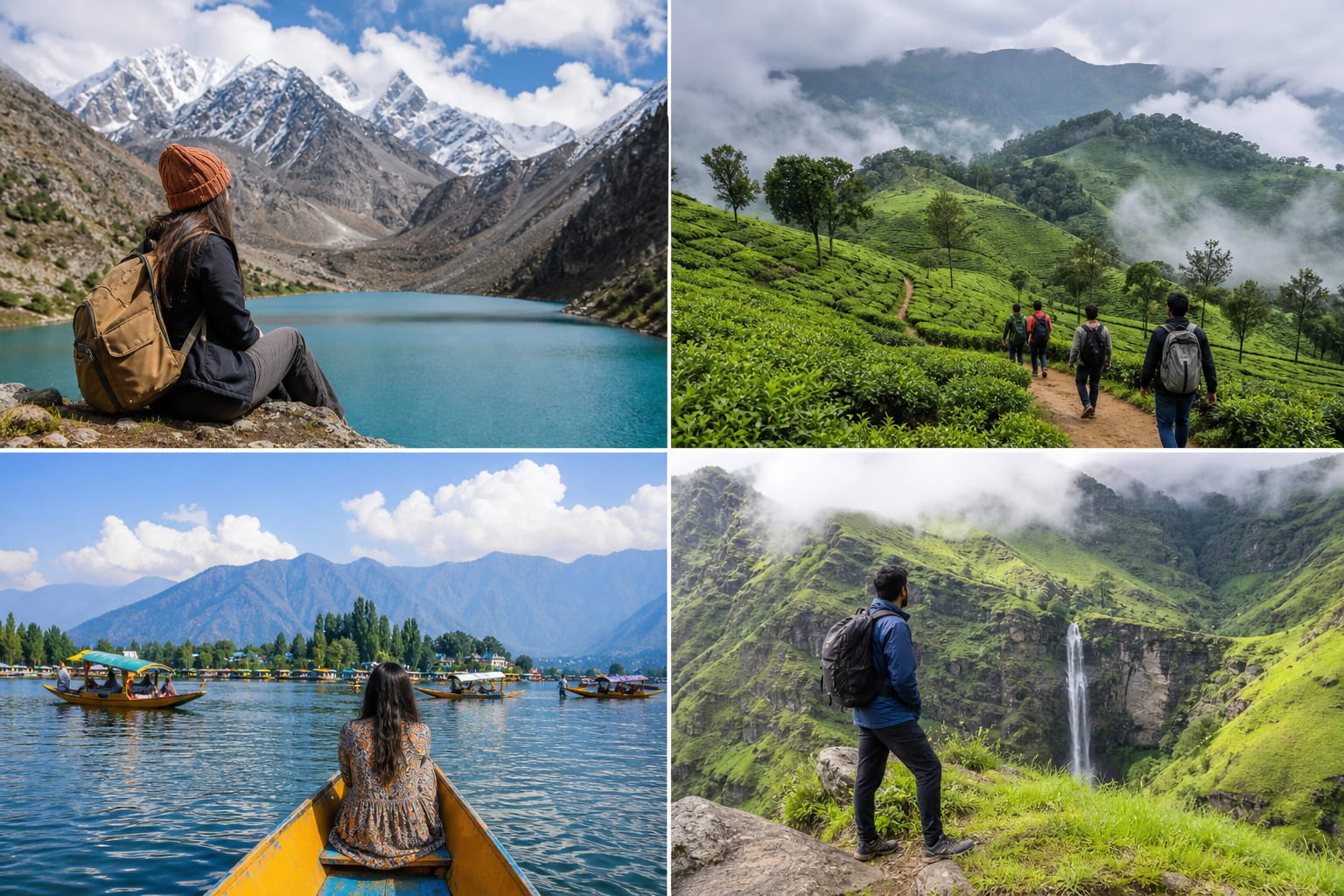
Most monsoon travel guides rotate through the same circuit: Coorg, Munnar, Lonavala, Ooty, and a Goa waterfall. These are good destinations. They are also extremely crowded from June to September. The offbeat monsoon destinations in this guide are not lesser versions of those places. They are genuinely different terrain, with fewer visitors, lower accommodation costs, and in most cases a more direct encounter with what the monsoon actually does to a landscape.
All six destinations here are reachable from major Indian cities by bus, with either a direct service or a short onward connection from the nearest hub. The travel times range from 90 minutes to around five hours from the relevant hub city.
Exploring The Best Offbeat Monsoon Destinations You Can Reach by Bus
The common thread across all six: Each destination is transformed specifically by monsoon in a way that other seasons cannot replicate. Agumbe becomes one of the wettest places on the subcontinent. Mandu’s ruins fill with green moss and the surrounding lakes rise to make a 15th century palace appear to float. Lansdowne disappears into Himalayan cloud. These are not places that tolerate the monsoon. They depend on it.
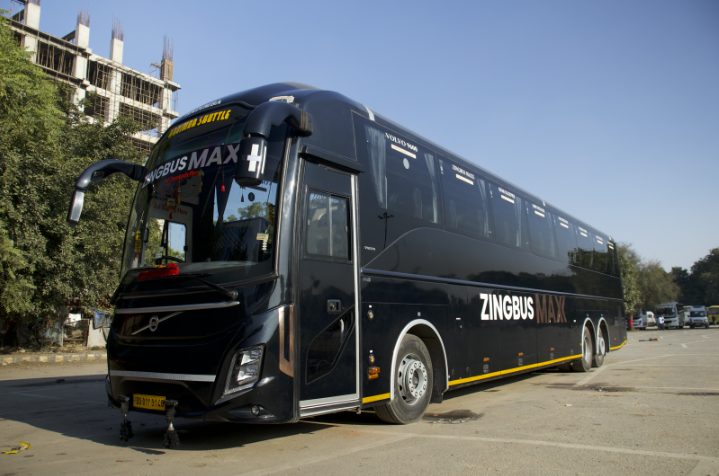
Finding and booking a trip to places like these usually means piecing together a hub-city bus and a separate local vehicle on your own. zingbus runs this as a single feature inside its app, called Offbeat Explorer, built specifically for reaching destinations that sit past the end of a direct bus route.
The model works in three steps: a zingbus service to a connecting hub, a shared cab onward to the offbeat location, and a drop directly at the destination, with the cab fare already bundled into the ticket price rather than charged separately. More than 40 offbeat locations are currently listed through the feature across states including Karnataka, Kerala, Tamil Nadu, Maharashtra, Madhya Pradesh, and Uttarakhand, with new ones added regularly.
Buses run with live tracking and reserved seating for women, and the connecting cabs are verified before they are added to the route, which matters when the last leg of a trip runs through a quiet forest town or an unfamiliar hill plateau.
Checking the Offbeat Explorer tab in the zingbus official App before booking is worth doing for any of the six destinations below, since coverage and connecting routes shift as the monsoon season progresses. For more seasonal picks beyond this list, zingbus also keeps a running blog archive of offbeat destinations across India.
Agumbe, Karnataka
Agumbe is a small village of roughly 600 people in the Thirthahalli taluk of Shivamogga district, sitting at 660 metres on the western edge of the Western Ghats. It has long been described as the Cherrapunji of the South, based on an average annual rainfall of approximately 7,620 mm, one of the highest figures recorded for any non-Himalayan location in India.
The village itself is the base rather than the attraction. What surrounds it is the Someshwara Wildlife Sanctuary, a dense section of the Western Ghats supporting king cobras, lion-tailed macaques, Malabar giant squirrels, and over 150 bird species. The Agumbe Rainforest Research Station, established by herpetologist Romulus Whitaker, is the primary long-term king cobra research site in India. The ghat road descending toward Udupi on the western side is one of the most dramatic stretches of road in Karnataka during heavy rain, with waterfalls running off the cliff faces on either side.
What to include on a visit:
- Jogigundi Falls and Barkana Falls, both within the surrounding forest
- The sunset from Agumbe Sunset Point, which featured prominently in the original Malgudi Days television series filmed here in the 1980s
- The Agumbe Rainforest Research Station, which accepts visitors on specific days
- Sringeri Sharada Peetham, an 8th-century temple complex 27 km from Agumbe founded by Adi Shankaracharya
Getting there by bus: The Agumbe ghat road restricts heavy vehicles, so large buses do not reach the village directly. The practical route is an overnight bus from Bangalore to Shivamogga (KSRTC, approximately 6 hours), then a local bus or hired vehicle for the remaining 95 km to Agumbe. Alternatively, reach Udupi from Mangalore by bus and hire a vehicle for the 54 km ghat road climb.
Best monsoon months: July and August, when rainfall is at peak and the forest trails are accessible. September is more manageable for walking.
Vagamon, Kerala
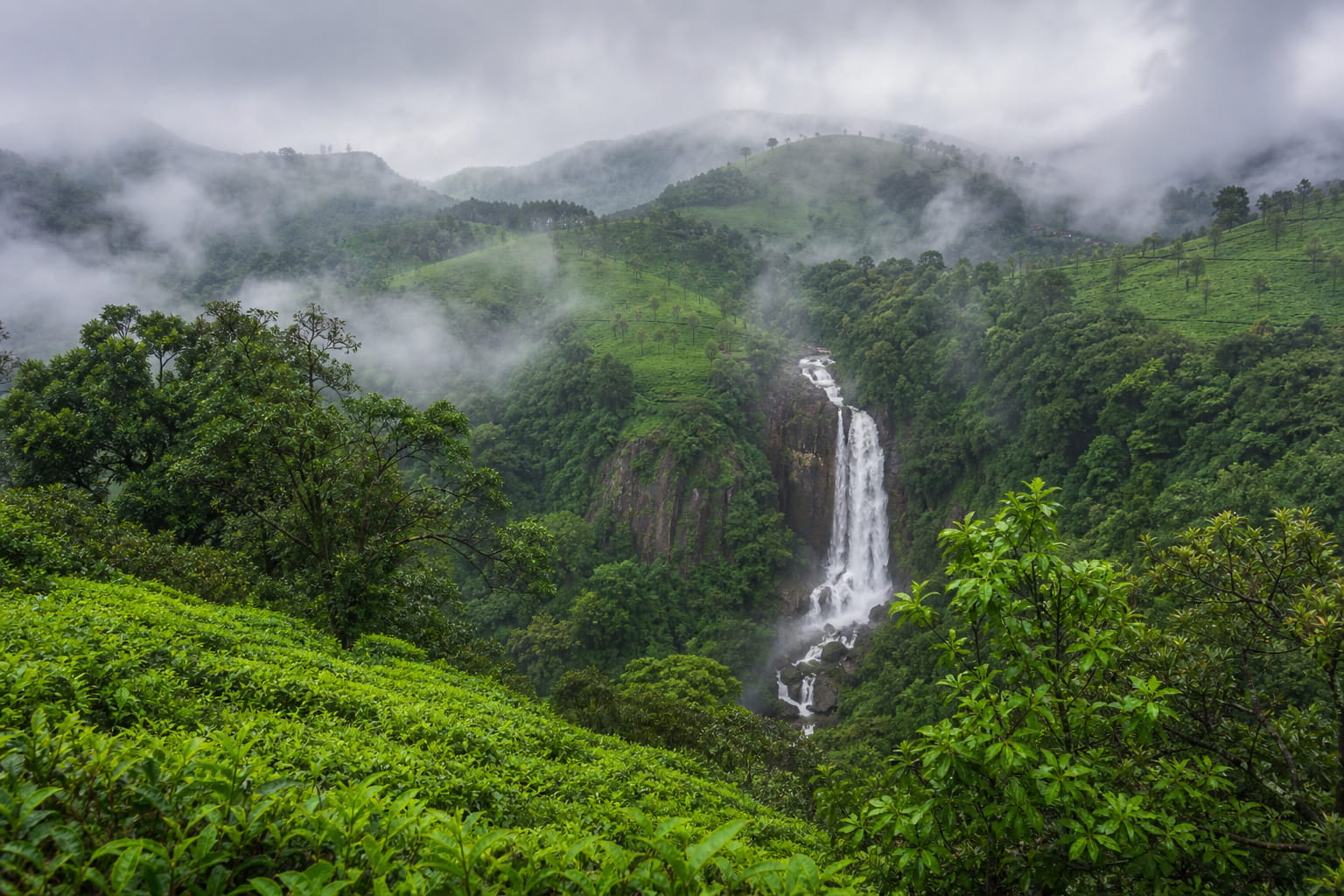
Vagamon sits at roughly 1,100 metres in the Idukki district of Kerala, about 75 km from Kottayam and around 90 km from Kochi. It is not a hill station in the commercial sense. There is no market strip, no row of souvenir shops, no Ooty-style tourist infrastructure. What exists is a plateau of pine forests, rolling tea estates, and open meadows that fill with ground mist every monsoon morning.
The landscape here shares geography with Munnar but operates at a fraction of the footfall. The specific areas that draw visitors are Thangal Para and Murugan Para, two open grassland meadows with views across the valley. Kurisumala Ashram, a Cistercian Christian monastery established in 1958 and built into the hillside, is accessible to visitors and adds a specific contemplative quality to the destination. The Vagamon Lake is small and manageable for boating.
Vagamon is also Kerala’s best-known paragliding location, with a natural launch site on the meadow ridge that operates through the post-monsoon window. In July and August, the flying season is closed but the meadows are at their most vivid green.
Getting there by bus: From Ernakulam (Kochi), take a bus to Kottayam (approximately 1.5 hours). From Kottayam, Kerala RTC buses run to Vagamon at around 75 km. Check the Ernakulam bus on zingbus for services connecting to Kerala’s central hub before planning the Vagamon leg.
Best monsoon months: June through September for the green landscape. Expect fog on most mornings.
Yelagiri, Tamil Nadu
Yelagiri is a plateau in the Javadi Hills of Tirupattur district, approximately 90 km from Bangalore and 160 km from Chennai. Fourteen villages are spread across the plateau at an elevation ranging from 1,100 to 1,410 metres. The total area of the plateau is around 30 square kilometres, which keeps the roads quiet and the accommodation genuinely uncrowded even in the July-August peak.
The Jalagamparai waterfall, roughly 5 km from the main market area on the plateau, drops about 20 metres through a forest ravine and runs at full force from July through September. It is the clearest indicator of the monsoon’s arrival. The Punganoor Lake at the centre of the plateau allows boating through the season. The Swamimalai Hills provide the best vantage for watching cloud move across the valley below.
Access is uncomplicated: Frequent Tamil Nadu State Transport Corporation (TNSTC) buses run from Salem to Yelagiri town (approximately 35 km). From Bangalore, buses on the NH-44 run to Hosur, Krishnagiri, and Vellore, with connections to Yelagiri from Krishnagiri or Salem. The ghat road into Yelagiri from the plains is 14 km with 14 hairpin bends.
Best monsoon months: July through September. No special permits or restrictions. Best suited for a 2-day trip from Bangalore or Chennai.
Amboli, Maharashtra
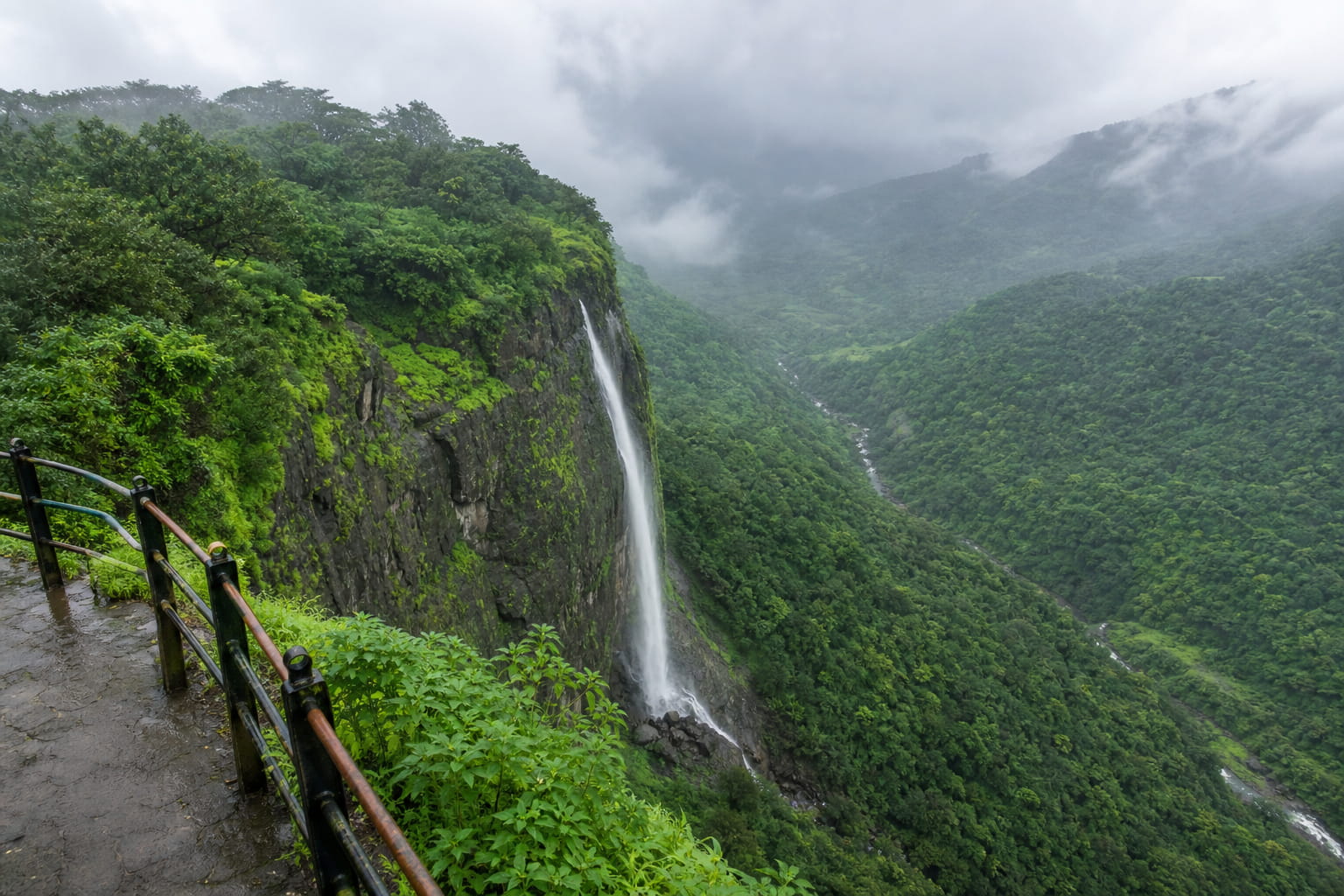
Amboli is a hill station in the Sawantwadi taluka of Sindhudurga district, positioned on the Western Ghats escarpment at the southern edge of Maharashtra. It is 31 km from Sawantwadi, 128 km from Kolhapur, and approximately 80 km from Panaji. The Konkan-facing slope it sits on receives the full force of the southwest monsoon from June onward.
The Hiranyakeshi River originates at Amboli. During monsoon, this origin point manifests as a series of cascades through the forested valley below the town, and the Hiranyakeshi waterfall itself, accessible by a short walk from the town centre, runs heavily from June through September. Nangarta Falls, about 4 km from town, involves a walk through dense forest and reaches peak flow in July and August.
Amboli is also notable for its biodiversity. The surrounding Western Ghats here support several endemic species including the Amboli toad (Xanthophryne tigerina), discovered in 2009. The forest is active with birdlife in the morning hours and the mist that settles over the plateau by afternoon gives the town its specific atmosphere.
Getting there by bus: Maharashtra State Road Transport Corporation (MSRTC) buses run from Kolhapur to Sawantwadi, passing through or near Amboli. From Pune, check available Pune city routes on zingbus for the Kolhapur connection. From Kolhapur to Amboli, local transport covers the remaining 128 km or a direct hire can be arranged.
Best monsoon months: June through September. Roads are generally passable. Amboli receives among the highest rainfall in Maharashtra during peak monsoon weeks.
Mandu, Madhya Pradesh
Mandu occupies a plateau in the Dhar district of Madhya Pradesh, approximately 90 to 95 km west of Indore. The plateau sits at around 634 metres and covers roughly 20 square kilometres of monuments: mosques, palaces, pavilions, and stepwells from the Malwa Sultanate period (14th to 16th centuries) and the earlier Paramara dynasty.
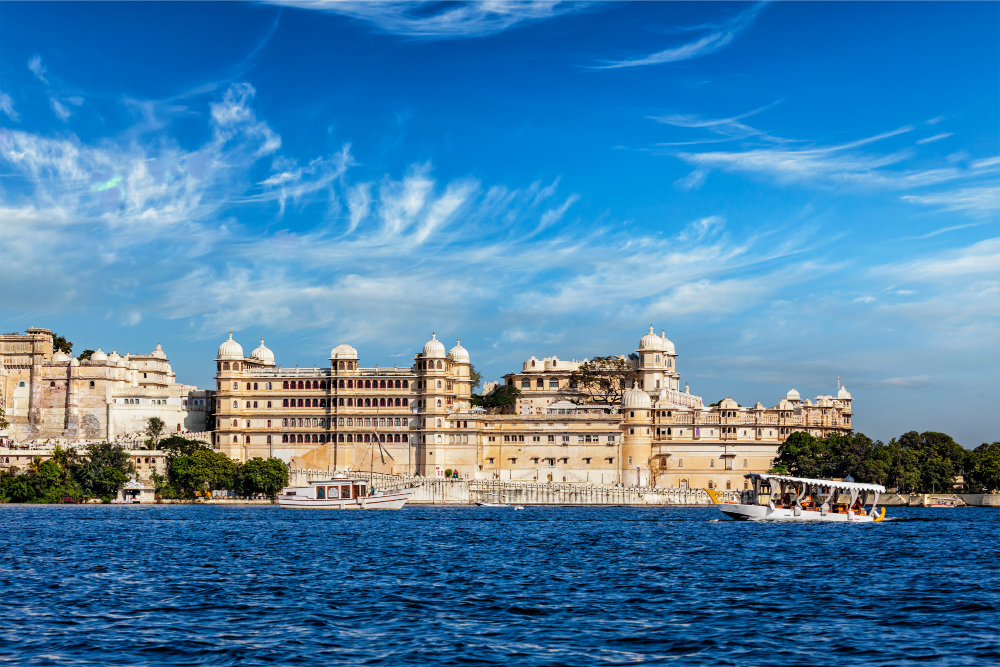
The Jahaz Mahal, or Ship Palace, is the most distinctive structure. Built in the late 15th century under Sultan Ghiyas-ud-din Khilji, it stands on a narrow strip of land between two artificial lakes, Munj Talao and Kapur Talao. When these lakes fill with monsoon rainfall, the palace appears to sit on water. The effect at dawn, with mist over the lakes and the palace emerging from it, is the specific reason Mandu rewards a monsoon visit.
Hoshang Shah’s Tomb, built in the early 15th century, is described in historical accounts as India’s first marble mausoleum. Court historians record that Shah Jahan sent architects to study it before beginning construction of the Taj Mahal. Whether or not the attribution holds as precisely as those accounts suggest, the tomb’s proportions and marble inlay work are genuinely striking.
The love story of Sultan Baz Bahadur and Rani Roopmati, the 16th-century poet-musician king and his consort who reportedly died rather than be captured by Akbar’s forces, gives Mandu its emotional reputation. Baz Bahadur’s Palace and Rani Roopmati’s Pavilion are both accessible, with the pavilion positioned at the plateau’s southern edge above a sheer drop into the Narmada valley.
Getting there by bus: Direct MSRTC and state buses run from Indore’s Gangwal Bus Stand and Sarwate Bus Stand to Mandu, approximately 3 hours covering 90 to 95 km. From Pune and Mumbai, the most practical route is an overnight bus or train to Indore, then a morning Mandu bus.
Best monsoon months: July and August for the lake effect and the greenery on the plateau.
Lansdowne, Uttarakhand
Lansdowne is a cantonment town at 1,700 metres in Pauri Garhwal district, Uttarakhand, approximately 260 to 280 km from Delhi. It was established in 1887 as a training base for the Garhwal Rifles regiment and named after Lord Lansdowne, then Viceroy of India. The regiment is still stationed here. That military presence has had the incidental effect of keeping the town from the commercial development that has altered most other Himalayan hill stations within a similar distance of Delhi.
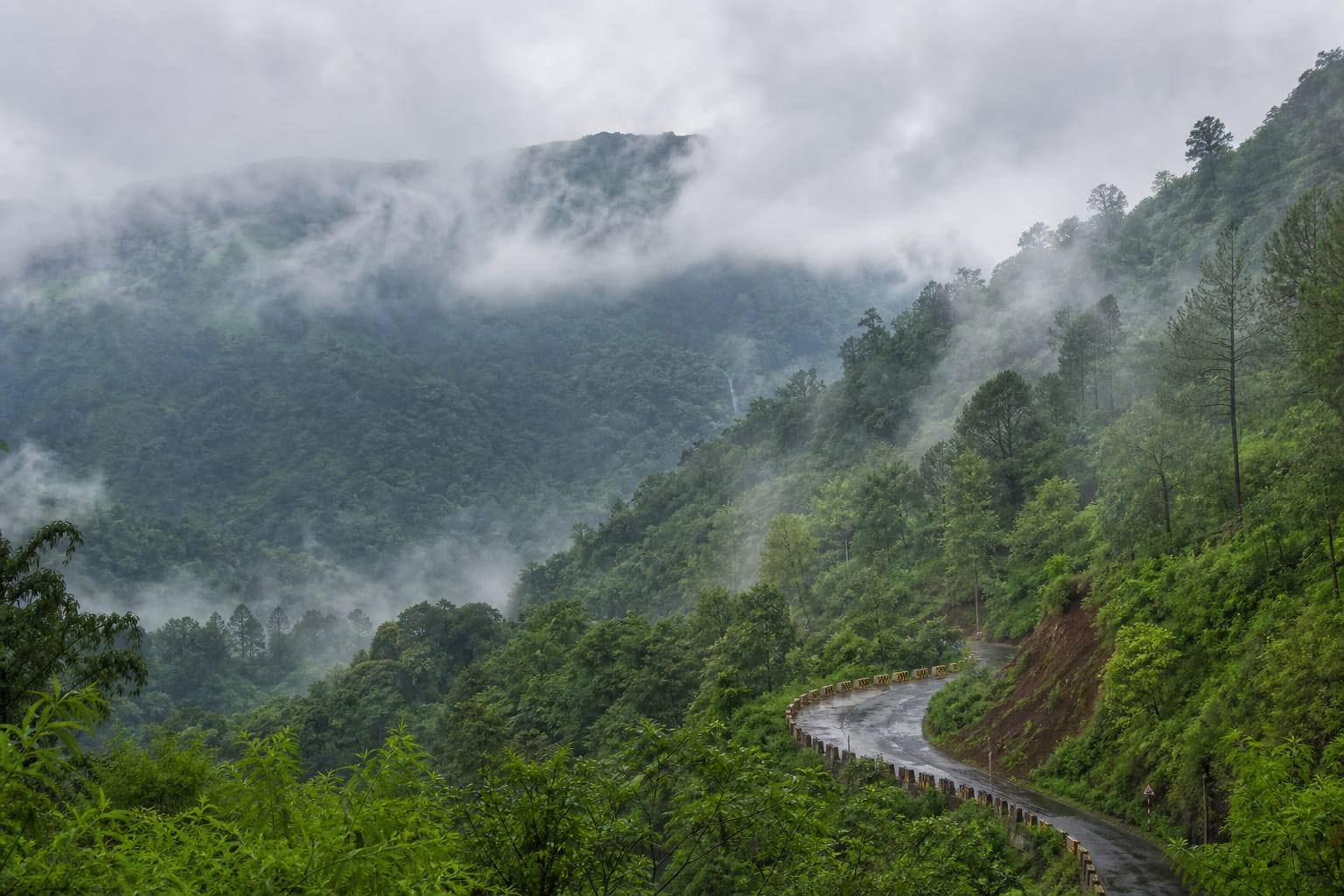
There is no nightclub strip, no neon-lit market, no four-story concrete guesthouse on the main road. The cantonment board maintains restrictions that have preserved the old oak and blue pine forests on the slopes above the town. In monsoon, these forests absorb the rainfall and release it as ground mist that rolls through the town from early morning.
Specific things in Lansdowne:
- Bhim Pakora: A natural formation of balancing rocks, the larger balanced on the smaller against intuitive physics
- Bhulla Lake: A small artificial lake within the cantonment, walkable from the town centre
- Tip N Top viewpoint: The highest accessible point in the immediate area, with views across the Shivalik range when clouds permit
- St. Mary’s Church, built in 1895: Still in regular use by the cantonment community
- War Memorial: Maintained by the Garhwal Rifles, open to visitors
The town receives moderate rainfall, quieter than the Western Ghats but enough to green the forest and keep the mornings cool through July and August.
Getting there by bus: Uttarakhand Roadways operates services from Kashmere Gate ISBT in Delhi to Kotdwar, approximately 200 km, with Kotdwar as the nearest major transit point for Lansdowne (40 km onward by local bus or taxi). Some direct services from Delhi to Lansdowne also operate. From Haridwar, the route via Kotdwar adds a brief change but is manageable in a day. Check Bangalore bus routes on zingbus if you are connecting from South India via a Delhi transit.
Best monsoon months: July and August for the mist and the green forest. Avoid the Badrinath-Kedarnath belt in heavy monsoon weeks, but Lansdowne itself is on the lower Shivalik range and road conditions are generally stable.
Planning Your Bus Trip to These Offbeat Monsoon Destinations
A few practical notes that apply across the list:
The offbeat destinations in this guide are not all at the end of a direct zingbus service. The model is hub-and-spoke: take a zingbus to the nearest major city, then connect by state bus, local transport, or a hired vehicle for the final leg.
- South India (Agumbe, Vagamon, Yelagiri): Hub cities are Bangalore, Kochi/Ernakulam, Mangalore, and Kottayam. Agumbe needs a vehicle for the last section from Shivamogga or Udupi.
- Maharashtra (Amboli): Hub city is Kolhapur, reached from Pune or Mumbai.
- Central India (Mandu): Hub city is Indore, reached from multiple cities with onward state bus to Mandu.
- North India (Lansdowne): Hub city is Kotdwar or Haridwar, reached from Delhi.
Book the hub-city leg first and confirm the onward local transport before committing to dates.
You Might Also Like
- Best Monsoon Destinations in South India to Travel by Bus: A broader monsoon travel reference covering South India destinations including Munnar, Wayanad, and Coorg for those who want options at different familiarity levels.
- Hidden and Unexplored Places in India to Visit in 2026: A national-level reference for less-visited destinations across India, several of which overlap with the monsoon window.
- How to Plan a Road Trip in India: Practical planning guidance for multi-stop itineraries that combine a hub city arrival with onward local travel.
Tips for Offbeat Monsoon Travel
- Research road conditions before leaving, particularly for ghat roads in the Western Ghats. Heavy monsoon spells can cause temporary closures that do not make it to national news but are reported on local district websites.
- Accommodation in genuinely offbeat destinations is limited. Book at least a week ahead for any July or August weekend. Some destinations like Agumbe have only a handful of homestays in the entire village.
- Carry cash. Many offbeat destinations have limited ATM coverage and card machines are not universal.
- Monsoon leeches are active in wet forest areas across the Western Ghats and Himalayan foothills. Salt, a leech sock, or DEET spray addresses this. It is not a reason to avoid these destinations, but it is worth knowing.
- The monsoon season is when some wildlife is most active and visible. Early morning walks in the forest around Agumbe and Vagamon are productive for birdwatching.
- Build buffer time into itineraries for offbeat destinations, particularly in the hills. A delayed onward bus or a blocked road does not have the same recovery options as a mainstream tourist circuit with multiple services per hour.
- Weekend pricing at some offbeat homestays can be significantly higher than weekday rates during monsoon. A Thursday-to-Sunday trip can save money over a Friday-to-Sunday one.
The Right Monsoon Is in Places Nobody Else Is Looking At
The offbeat monsoon destinations in this list are offbeat precisely because they have not been optimised for a tourist economy. Agumbe has 600 people and a rainforest research station. Lansdowne has an active army cantonment and an 1895 church. Mandu has 20 square kilometres of ruins that turn green in July. Vagamon has pine forests on a Kerala plateau that most people drive past on the way to Munnar.
None of these places are offbeat monsoon destinations by accident. They are what they are because they were not built around visitors. That is the specific quality the monsoon season reveals: a place that works on its own terms, in rain that nobody else chose to be in.
Frequently Asked Questions
What are offbeat monsoon destinations in India?
Offbeat monsoon destinations offer scenic, quieter experiences away from India’s popular tourist spots during the rainy season.
Which offbeat monsoon destination is best for a long weekend from Bangalore?
Agumbe and Yelagiri are practical choices for a three-day monsoon getaway from Bangalore.
Which offbeat monsoon destination is best from Delhi?
Lansdowne is a practical offbeat monsoon destination from Delhi, with road access through Kotdwar.
How do I reach Mandu from Indore by bus?
Buses from Indore’s Gangwal or Sarwate Bus Stand can reach Mandu in approximately three hours.
Is Agumbe accessible by bus?
You can take a bus to Shivamogga or Udupi, then continue to Agumbe by local transport.
What makes Amboli a good monsoon destination?
Amboli receives heavy monsoon rainfall, creating waterfalls, lush forests, and spectacular Western Ghats scenery.
Is Vagamon different from Munnar for a monsoon trip?
Yes, Vagamon offers quieter pine forests and open meadows compared with Munnar’s famous tea estates.
What is the best time to visit Yelagiri during monsoon?
Yelagiri is at its greenest from July through September, when the Jalagamparai waterfall runs at full force.
How far is Lansdowne from Delhi by road?
Lansdowne sits approximately 260 to 280 km from Delhi, reached via Kotdwar in around five to six hours.
What makes Mandu worth visiting specifically during monsoon?
Mandu’s lakes rise with monsoon rainfall until the 15th century Jahaz Mahal appears to float between them.
Are leeches a concern at these offbeat monsoon destinations?
Leeches are active in the wet forest areas around Agumbe, Vagamon, and Amboli, and are manageable with salt or a leech sock.
Is the zingbus Offbeat Explorer service safe for women travelling alone?
The zingbus Offbeat Explorer service includes live bus tracking, reserved women’s seating, and verified cab partners for the connecting leg.
How many offbeat destinations does zingbus cover through Offbeat Explorer?
zingbus currently lists more than 40 offbeat destinations through its Offbeat Explorer feature, with new locations added regularly.
Does the Offbeat Explorer service cost extra on top of the bus fare?
The Offbeat Explorer connecting cab fare is bundled into the ticket price at the time of booking, so there is no separate extra cost.