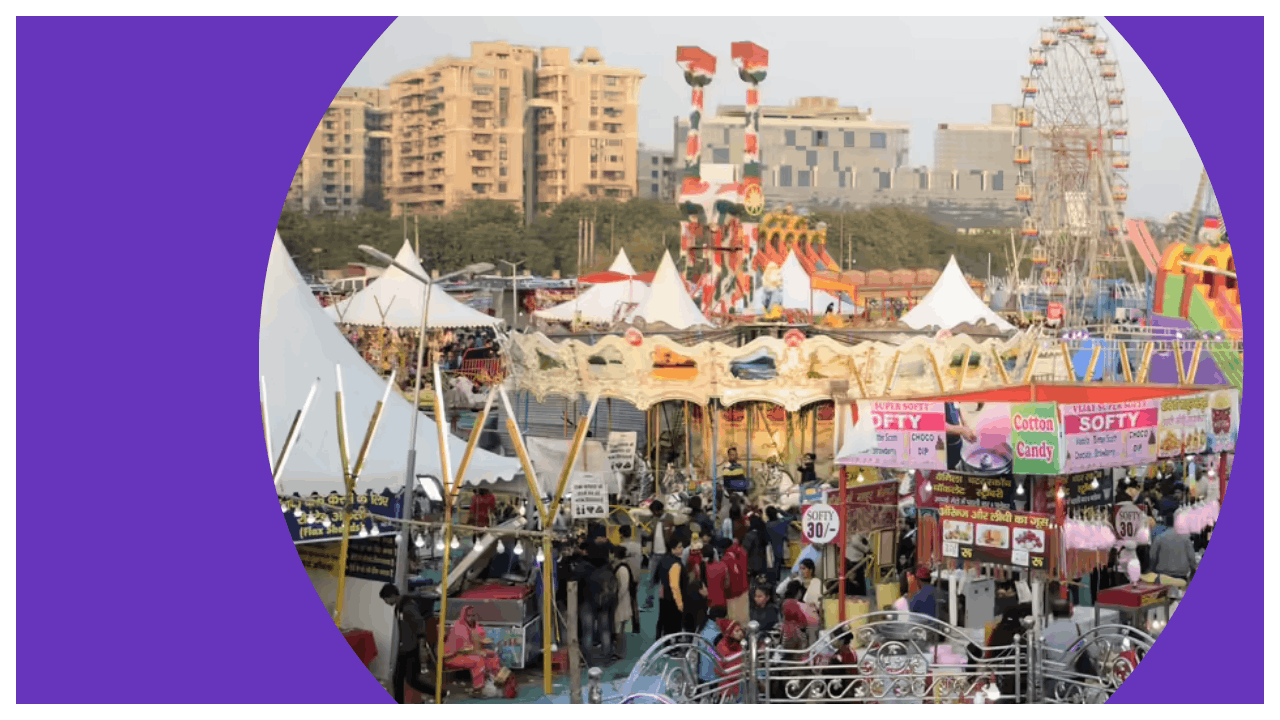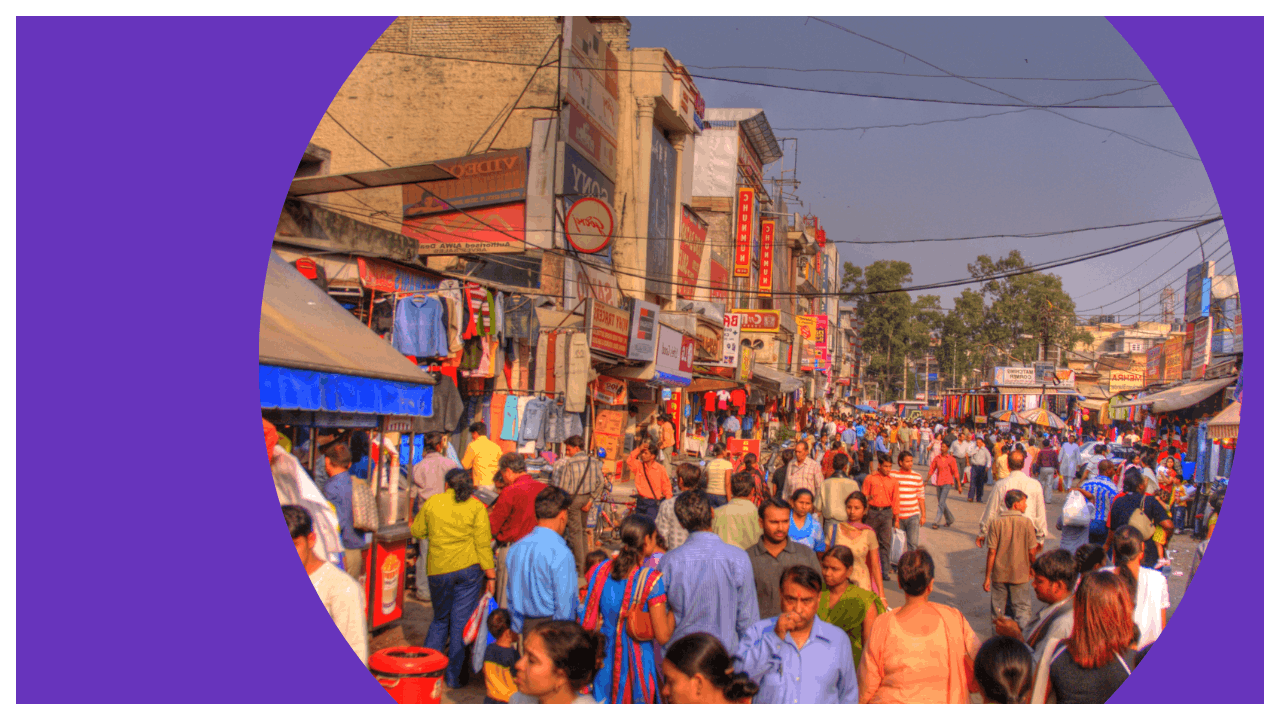
Lajpat Nagar Central Market operates as one of Delhi’s most reliable shopping destinations. The market opens Tuesday through Sunday with consistent timing, making it convenient for regular visitors and tourists planning trips strategically.
The market stays closed Mondays, so planning your visit for any other day ensures full access to all shops and vendors throughout the space.
Market Operating Hours
| Day | Hours | Status |
| Monday | CLOSED | Weekly off day |
| Tuesday | 10:00 AM – 9:00 PM | Fully operational |
| Wednesday | 10:00 AM – 9:00 PM | Fully operational |
| Thursday | 10:00 AM – 9:00 PM | Fully operational |
| Friday | 10:00 AM – 9:00 PM | Fully operational |
| Saturday | 10:00 AM – 9:00 PM | Fully operational |
| Sunday | 10:00 AM – 9:00 PM | Fully operational |
The market maintains uniform timing throughout operating days. Opening occurs at 10:00 AM when vendors arrange merchandise and prepare for shoppers arriving early.
- Opening Time Details
Vendors begin setup from 9:30 AM on most days. Early arrivals around 10:00-10:30 AM encounter sparse crowds and can inspect new stock arrivals systematically. This timing proves beneficial for those seeking negotiation advantages and undisturbed browsing.
- Closing Time Details
The market closes uniformly at 9:00 PM across all operating days. Shops gradually close between 8:30-9:00 PM as vendor interest decreases toward evening. Plan your arrival by 8:15 PM for adequate shopping time before final closures.
Weekly Off Day: Monday
Monday functions as the official weekly off day across Lajpat Nagar Central Market. Every shop remains closed completely throughout this day without exception.
Why Monday Closure Matters
Shop owners use Monday for multiple purposes including inventory management and restocking. Damaged or outdated merchandise gets removed from display areas. New supplier shipments arrive and get organized systematically. Staff members receive mandatory rest. Administrative tasks occur exclusively during this closure period.
Understanding this closure helps you plan visits appropriately avoiding wasted trips and disappointment.
Best Times to Visit
| Visit Type | Best Days | Best Hours | Expected Condition |
| Maximum Bargaining | Thursday | 10:30 AM – 1:00 PM | Fewer crowds, discount-minded vendors |
| Fresh Stock Browsing | Tuesday-Wednesday | 10:00-11:30 AM | New arrivals prominent, less crowded |
| Relaxed Shopping | Wednesday-Friday | 2:00-4:00 PM | Afternoon lull, less pressure |
| Weekend Shopping | Saturday Morning | 10:00-11:30 AM | Moderate crowds, manageable |
| Avoid Completely | Sunday | 5:00-9:00 PM | Peak chaos, overwhelming crowds |
Weekday mornings offer optimal shopping experiences with manageable crowds and attentive vendors. Early timing around 10:30 AM provides the best combination of available stock and negotiation flexibility.
How to Reach Lajpat Nagar Central Market
By Metro (Most Convenient)
Lajpat Nagar Metro Station serves as an interchange between Pink Line and Violet Line. Exit at Gate No. 2 or Gate No. 5 depending on your arrival line. The market sits approximately 350 meters away requiring just 2-3 minutes walking from the exit.
From different metro lines:
- Pink Line users: Exit at Lajpat Nagar Station Gate No. 5, walk directly toward market
- Violet Line users: Exit at Lajpat Nagar Station Gate No. 2, proceed eastward
- Other lines: Transfer to Pink or Violet Line at interchange stations
By Bus
Delhi Transport Corporation operates multiple bus routes serving the Lajpat Nagar area. Routes connect from Anand Vihar ISBT, Punjabi Bagh, and other major terminals. Bus travel provides economical alternatives to metro or cabs.
By Cab or Auto-Rickshaw
Cabs and auto-rickshaws provide direct access from across Delhi. Parking remains limited near the market, making ride-share services practical for minimizing hassle.
Distance references from major locations:
- From Defence Colony: 1.2 km (5 minutes by auto)
- From South Extension: 1.5 km (8 minutes)
- From India Gate: 6.5 km (18 minutes by metro)
- From New Delhi Railway Station: 9.2 km (20 minutes by metro)
Market Sections and Layout
The market features organized sections making navigation systematic. Each area specializes in specific product categories helping shoppers locate items efficiently.
Main Market Sections:
- Fabric and Textile Section: This area concentrates fabric shops throughout multiple lanes. Shops like KC Creations, Prakash Collections, and Meenakshi Fabrics operate here exclusively. Cotton prints start from ₹200 per meter, while premium designer silks reach ₹1,500+ per meter.
- Ethnic Wear District: Heavy bridal wear shops occupy this concentrated area. Lehengas, sarees, and festive outfits cluster in specific shop numbers. Shops like Shubham (Shop 108), Shakuntlam, and Om Sons Bridal Store specialize exclusively here.
- Casual Wear Stalls: Everyday clothing including kurtis, tunics, and casual suits spread throughout the market. Batla Fashion operates prominently in this category. Prices range ₹150 onwards for simple cotton designs.
- Accessories and Jewelry: Earrings, necklaces, bangles, and cosmetics occupy dedicated sections. These shops offer faux jewelry at budget rates starting ₹10-30 per piece.
What to Buy at Lajpat Nagar Central Market
Ethnic Wear – Main Attraction
Heavy ethnic wear represents the market’s primary strength. The market specializes in Indian traditional clothing for every occasion and budget level.
Bridal and Festive Wear:
Wedding season shoppers find extensive bridal collections. Lehengas start around ₹2,000 for basic designs extending to ₹5,000+ for elaborate embroidered pieces. Designer sarees feature embroidery styles from Surat, Jaipur, and Kolkata traditions. Gararas and sherwani fabrics available for custom tailoring.
Daily Wear and Casual Options:
Simple cotton kurtis begin at ₹150 and extend to ₹600 for printed designs. Salwar kameez sets range ₹300-800 depending on fabric and embroidery complexity. These pieces suit students, office workers, and homemakers with diverse preferences.
Fabrics and Textiles
This category dominates Lajpat Nagar’s inventory with dedicated shops lining entire sections. Shoppers find every conceivable fabric type for different purposes.
Fabric Varieties and Pricing:
Cotton prints start from ₹200 per meter for basic designs. Chiffon and georgette fabrics range ₹300-600 per meter. Premium silk fabrics reach ₹1,000-1,500+ per meter. Linen, lace, and embellishment materials available throughout the market. Bulk buyers access wholesale pricing for large purchases.
Accessories and Jewelry
Costume jewelry represents excellent value in this market. Faux jewelry shops cluster in specific areas offering dramatic variety at minimal prices.
Jewelry Pricing Structure:
Individual earrings cost ₹10-30 per piece. Necklace sets range ₹50-150 depending on material and design complexity. Bangles sell at ₹20-100 per set. Scarves and stoles priced ₹50-200 each. Hair accessories and decorative pieces cost ₹10-50. Statement jewelry pieces reach ₹100-300.
Home Décor Items
Furniture, decorative items, and household goods spread throughout market sections. Artisans also refurbish old furniture creating unique pieces. Items include vases, frames, cushions, and decorative showpieces at budget pricing.
Men’s Fashion
Menswear sections have expanded significantly in recent years. Wedding shopping for men improved through suits, blazers, and ethnic wear availability. Winter collections include hoodies, sweatshirts, jackets at competitive pricing.
Men’s wear price range:
Casual t-shirts cost ₹300-500. Formal shirts range ₹400-700. Winter jackets and sweaters available ₹500-1,200. Trousers available ₹350-600. Ethnic wear like kurta-pyjama sets ₹600-1,500.
Dining and Food Options
Shopping at Lajpat Nagar works best when combining merchandise exploration with meal breaks. Multiple food venues operate throughout and near the market offering diverse cuisines.
Street Food Vendors:
Shivam Suresh Chaat Vala serves authentic chaat and golgappas. Nagpal Chole Bhature offers classic Punjabi fare. Ram Laddu Food Corner specializes in sweet treats and snacks. These vendors provide quick refreshment without formal seating.
Established Eateries:
Golden Fiesta serves North Indian thalis. Bikanervala offers sweets and traditional snacks. QD’s Restaurant provides multi-cuisine quick bites. The Burger Club specializes in burgers and fast food. Biryani Blues serves Hyderabadi specialties. Firangi Bake offers breads and pastries.
Café Options:
Hira Sweets specializes in Punjabi sweets, particularly jalebi. Dolma Aunty Momos serves steamed Tibetan momos. These venues provide seated dining with varied menus satisfying different cravings and moods.
Smart Shopping Strategy and Tips
- Timing Your Visit
Arrive within 30 minutes of opening (10:00-10:30 AM) for maximum advantage. Early visits encounter sparse crowds allowing undisturbed inspection and comparison. Vendors show greater patience with morning customers compared to afternoon shoppers.
- Negotiation Approach
Bargaining represents standard market practice. Expect to negotiate 20-30% discounts off displayed prices. Remain calm and respectful maintaining composure throughout discussions. Knowledge of fair pricing strengthens your negotiating position.
- Product Inspection
Examine fabric quality, seams, and embroidery carefully before purchase. Check for color consistency and material texture. Ask vendors specifically about fabric content and care instructions. Compare similar items across multiple shops before final decisions.
- Cash Management
Many vendors prefer cash transactions though digital payments increasingly get accepted. Carry sufficient cash avoiding excessive ATM visits during peak hours. Keep valuables secure and monitor belongings throughout shopping.
- Dress Code Considerations
Modest clothing helps create positive vendor impressions. Appearing too flashy sometimes prompts higher initial pricing. Simple, professional appearance demonstrates serious buying intent without excessive emphasis.
- Comfort Preparation
Wear comfortable shoes for navigating market lanes. Carry a reusable bag for purchases reducing plastic waste. Bring a water bottle maintaining hydration throughout your shopping. Rest periodically at café venues preventing fatigue.
Seasonal Shopping Insights
Best Shopping Seasons:
October through March offers pleasant weather ideal for extended market exploration. Winter season (January-February) features heavy discounts on winter wear including sweaters and jackets. Festive seasons (October-November, December-January) bring new wedding and celebration collections.
Seasonal Product Rotation:
Winter months showcase pherans, thermal wear, and heavy jackets at steep discounts. Spring (March-April) brings lightweight fabrics and summer clothing. Monsoon availability decreases as fewer shoppers visit. Summer months (May-June) become challenging due to intense heat.
Frequently Asked Questions
Q: What products does Lajpat Nagar Central Market specialize in?
Ans: The market specializes primarily in ethnic wear including sarees, lehengas, salwar kameez, and fabric for custom tailoring. Additionally, jewelry, accessories, home décor, and casual clothing fill the market sections comprehensively.
Q: Is Lajpat Nagar Central Market open on Mondays?
Ans: No, Lajpat Nagar Central Market remains completely closed every Monday. This closure applies to all shops uniformly without exceptions throughout the market.
Q: What are the exact opening and closing times?
Ans: Market opens at 10:00 AM and closes at 9:00 PM from Tuesday through Sunday. Closing time remains consistent across all operating days throughout the year without seasonal variations.
Q: How much time should I allocate for shopping?
Ans: Plan 3-4 hours for thorough browsing and negotiation. Quick shopping trips take 1-2 hours. Extended exploration with multiple purchases requires 4-5 hours depending on items needed.
Q: Can I bargain for prices at Lajpat Nagar?
Ans: Yes, bargaining represents standard market practice. Vendors expect negotiations as integral shopping culture. Aim for 20-30% discount off displayed prices through polite, confident discussion.
Q: What is the best day to visit Lajpat Nagar?
Ans: Thursday offers maximum discount opportunities. Tuesday-Wednesday feature fresh stock arrivals. Weekday mornings generally provide optimal conditions with manageable crowds and attentive vendors.
Q: How do I reach the market from Lajpat Nagar Metro Station?
Ans: Exit at Gate No. 2 or Gate No. 5 depending on your arrival line. The market sits 350 meters away requiring 2-3 minutes walking directly toward the market entrance.
Q: Are clothes at Lajpat Nagar new or used?
Ans: All merchandise consists of brand new items. Fabrics are fresh stock. Some seasonal inventory may show minimal display wear but remain unworn. Quality proves reliable for daily wear purposes.
Q: What is the price range for ethnic wear?
Ans: Daily wear kurtis start ₹150-600. Salwar kameez sets range ₹300-800. Sarees cost ₹500-2,000+. Bridal lehengas begin ₹2,000 extending to ₹5,000+ for elaborate designs.
Q: Is solo female shopping safe at Lajpat Nagar?
Ans: Yes, the market caters extensively to female shoppers. Visit during day hours and avoid late evening visits. Stick to main market sections with consistent crowds. Hundreds of women shop solo safely daily.
Q: What payment methods are accepted?
Ans: Cash dominates transactions with better discounts for cash payments. Digital payments (Google Pay, PhonePe) increasingly accepted. Some vendors may offer 2-5% discounts specifically for cash transactions.
Q: How do fabric prices compare across the market?
Ans: Cotton prints start ₹200 per meter. Chiffon ranges ₹300-600 per meter. Silk fabrics cost ₹1,000-1,500+ per meter. Price variations depend on quality, origin, and shop location within market.
Q: When is the peak shopping season?
Ans: October-March experiences peak shopping with pleasant weather. December-January brings festive collections and wedding shopping rush. Summer (May-June) sees reduced crowds but challenging heat conditions.
Q: Do shops offer exchange or return policies?
Ans: Exchange policies vary by individual vendor. Some allow exchange within 1-2 weeks. Return policies differ significantly. Always confirm policies before finalizing purchases.
Q: Can I find size variations for different body types?
Ans: Yes, sizes range broadly accommodating diverse body types. Women’s sizes typically range 2-20 depending on shop. Men’s wear offers standard Indian sizing. Always measure items before purchase due to sizing variations.
Q: Are there trial rooms available?
Ans: Trial room availability varies by shop. Many vendors allow trying in-store. Some shops provide fitting assistance. Always ask permission before attempting to try items in designated areas.
Q: How often does inventory change?
Ans: Stock rotates continuously based on supplier deliveries. Fresh arrivals appear Tuesday-Thursday. Seasonal changes happen spring and winter transitions. Popular items sell quickly requiring repeat visits.
Q: Is parking available near the market?
Ans: Parking remains limited near the market entrance. Ride-share services provide practical alternatives. Some nearby areas offer limited parking spaces on busy days.
Q: What should I avoid wearing while shopping?
Ans: Avoid excessive jewelry and brand name display. Wear modest clothing covering legs and shoulders appropriately. Flashy appearance sometimes prompts higher vendor pricing. Professional, simple clothing helps blend in with regular shoppers.
Q: Can I shop online from Lajpat Nagar vendors?
Ans: Some vendors accept WhatsApp orders for fabric bulk purchases. Online transactions remain limited compared to in-store shopping. Most vendors prefer direct negotiations and cash payments in person.
An Ideal Shopping Timeline For You
- 10:00-10:30 AM: Market entry, browsing fabric sections, inspecting new arrivals
- 10:30-11:45 AM: Targeted shopping for specific ethnic wear, price comparing across shops
- 11:45 AM-12:15 PM: Negotiation and purchase decisions on selected items
- 12:15-1:00 PM: Break at nearby café, refreshment, rest period
- 1:00-2:15 PM: Resume shopping in less crowded post-lunch period
- 2:15-2:45 PM: Final purchases, payment finalization, bag packing
This timeline optimizes crowds, vendor attention, and personal comfort systematically.
Make the Most of Your Visit
Lajpat Nagar Central Market delivers reliable shopping experiences with extensive product variety and competitive pricing. Understanding operating hours, weekly closures, and optimal timing significantly enhances your market experience.
Visit Tuesday-Sunday between 10:00 AM-9:00 PM consistently. Monday closure requires advance planning. Fresh stock arrives Tuesday-Thursday. Bargaining culture remains integral to transactions. Early morning visits ensure manageable crowds and attentive vendors. Carry cash and inspect merchandise carefully before payment. Dress modestly and demonstrate confidence while shopping.
Whether seeking festival clothing, custom fabrics, or budget accessories, Lajpat Nagar Central Market delivers exceptional value and authentic Delhi shopping experiences that justify return visits repeatedly.