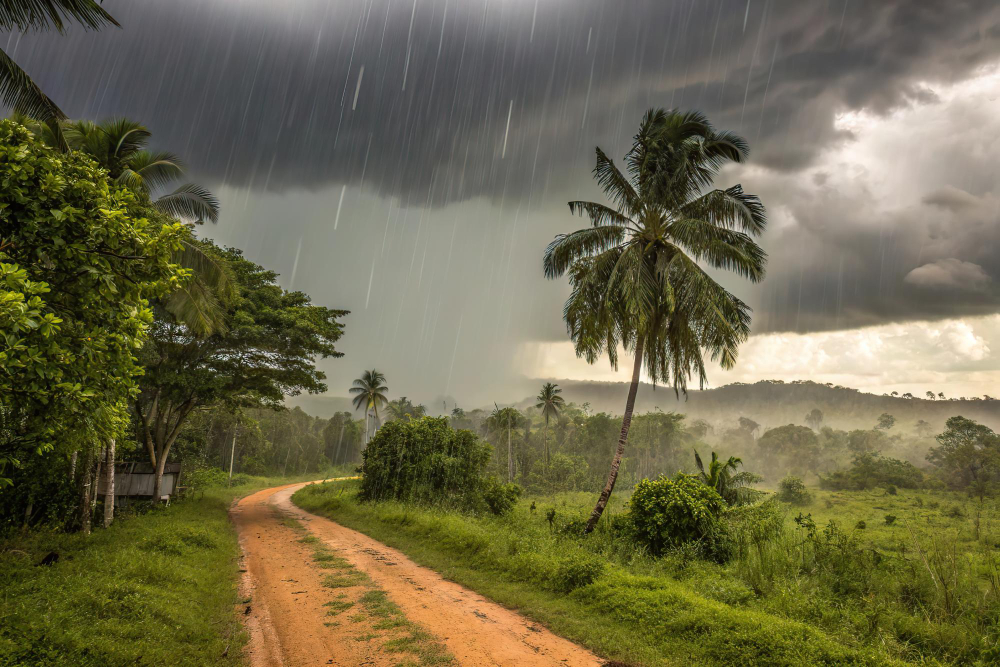
Monsoon does not make bus travel dangerous by default. It makes certain decisions matter more than they do the rest of the year, and most problems travellers run into come from skipping those decisions rather than from the rain itself.
Bus Travel in Monsoon Tips: Why This Season Needs a Different Approach
Good bus travel in monsoon tips are less about umbrellas and rain covers and more about timing, route awareness, and knowing when a plan needs to change. The same overnight bus that feels completely routine in February can turn into a genuinely risky choice in August if the route passes through a landslide prone stretch or a chronically waterlogged city section.
This guide is built around the decisions that actually matter: what to check before booking, what to verify the morning of departure, what changes once you are on the road, and which specific stretches of highway in India carry real monsoon risk this year. It closes with a full packing and readiness checklist so you can confirm every box is ticked before you leave.
Before You Book: Choosing the Right Route and Timing
The single biggest safety decision in monsoon travel happens before the journey even starts, at the point where you pick a route and a departure time.
Understand What Kind of Rain Risk Your Route Carries
Not all monsoon routes carry the same risk. Highway stretches through the plains, like Delhi to Jaipur or Hyderabad to Vijayawada, mostly deal with waterlogging and reduced visibility. Hill and ghat routes, like Chandigarh to Manali or Mumbai to Pune via the old highway, carry landslide risk in addition to waterlogging, and this distinction should shape how you plan.
- Plains routes: Main risks are waterlogged underpasses, slower traffic, and delayed arrival times rather than structural road damage.
- Ghat and hill routes: Main risks include landslides, rockfall, and temporary road closures, particularly on stretches like Mandi to Manali, the Mumbai-Pune old highway through Bhor and Tamhini ghats, and sections of the Shimla-Manali corridor.
- Coastal and Western Ghats routes: Heavy, sustained rainfall is normal here, but well maintained highways like the Mumbai-Pune Expressway handle it better than older hill roads.
Book Daytime Departures on Hill Routes Where Possible
Visibility drops sharply after dark during heavy monsoon spells, and night driving on unfamiliar ghat sections compounds that risk. For routes through the Himalayan foothills or the Western Ghats, a daytime departure gives the driver far better visibility for negotiating landslide-prone curves and waterlogged low points.
Check the Season’s Rainfall Pattern for Your Specific Route
Monsoon intensity varies significantly by year and by region, and blanket assumptions from a previous season can be misleading.
For 2026 specifically, IMD forecasts for Himachal Pradesh point to a below normal overall season, but officials have been clear that this does not rule out sudden, intense, localised spells that can still trigger flash floods and landslides with very little warning.
Checking route specific forecasts a day or two before travel, rather than relying on a general seasonal outlook, gives a far more accurate picture.
Before You Leave: What to Verify on Departure Day
A few checks on the morning of travel can save hours of uncertainty later, particularly on routes with known monsoon vulnerabilities.
- Live route status: Check whether your specific route has any active landslide alerts, road closures, or diversions before leaving home, rather than relying only on the ticket confirmation.
- Boarding point conditions: Low lying boarding points in cities prone to waterlogging, such as parts of Mumbai and Chennai, can become inaccessible during heavy downpours, so having a backup plan to reach the boarding point matters.
- Bus operator communication channels: Confirm you have the operator’s support number saved before you leave, not after a delay has already started.
- Buffer time for connections: If your monsoon trip involves connecting to another bus, train, or flight, monsoon delays make tight connections considerably riskier than they would be in dry weather.
During the Journey: What Changes Once You Are on the Road
Once travel begins, a different set of habits becomes useful, particularly on longer or hill bound routes.
Keep Essentials Within Reach, Not in the Luggage Hold
Rain increases the chances of a delay, a rest stop change, or an unplanned halt, and having your phone, charger, ID, and any medication in a small bag with you rather than in the stored luggage means you are not caught without them if the journey runs longer than planned.
Stay Alert During Ghat Sections Rather Than Sleeping Through Them
On hill routes, sleeping through the ghat section might feel like the natural thing to do on an overnight bus, but staying awake and alert during the most technical stretches, particularly on unfamiliar routes, means you notice early signs of trouble faster, whether that is a sudden stop, a diversion, or visible debris on the road ahead.
Recognise the Signs That a Route Has Become Unsafe
A few signals are worth taking seriously if you notice them during travel: recently disturbed soil or mud across the road surface, a sudden smell of wet earth where there should not be any, multiple vehicles stopped ahead without visible cause, or a driver visibly slowing to assess conditions rather than continuing at normal speed. None of these guarantee danger, but together they are worth paying attention to.
Know When to Support a Delay Instead of Pushing Through
If a bus operator chooses to pause at a rest stop during an intense spell of rain, or waits before entering a known landslide stretch, that decision is almost always about safety margin rather than inefficiency. Pushing an operator to continue in worsening conditions rarely saves meaningful time and meaningfully increases risk.
Region Specific Risk Zones to Know Before You Travel
Certain stretches of highway carry consistent monsoon risk year after year, and knowing them in advance helps set the right expectations for a trip.
| Region | Known Risk Factors | What to Expect |
| Chandigarh to Manali corridor | Landslides near Mandi and along the Beas riverbank | Possible diversions, temporary closures during heavy spells |
| Mumbai-Pune old highway | Rockfall risk through Bhor and Tamhini ghats | Slower speeds, active monitoring by highway authorities |
| Shimla and surrounding hill roads | Waterlogging on Mall Road approach, landslide-prone retaining walls | Increased travel time, possible short closures |
| Manali-Leh and Rohtang stretch | Frequent landslides, occasional multi-day roadblocks | High risk during peak monsoon, best avoided in July-August |
| Mumbai city roads and Konkan belt | Severe urban waterlogging, subway and underpass flooding | Major delays within city limits even when highway conditions are fine |
This table reflects recurring seasonal patterns rather than a guarantee for any specific date, and current advisories should always take priority over historical patterns.
What to Do If Your Bus Journey Gets Delayed or Rerouted
Delays during monsoon are common enough that having a plan for them matters as much as preparing for the journey itself.
- Stay in contact with the operator: Most operators, including zingbus, provide live GPS tracking through their app, which gives a far clearer picture of an actual delay than guesswork.
- Avoid rescheduling connecting plans too tightly: If a hotel check in or a connecting journey depends on an exact arrival time, build in at least a two to three hour buffer during monsoon months.
- Trust rerouting decisions: If a bus is redirected away from a known risk stretch, the alternate route is almost always the safer choice even if it adds travel time.
- Keep family informed: Sharing a live tracking link with someone at home means they are not left guessing during a longer than expected delay.
Packing for Monsoon Bus Travel
A monsoon specific bag makes a noticeable difference on any journey longer than a couple of hours.
- Rain protection: A compact poncho or rain jacket works better than an umbrella at boarding points and rest stops.
- Waterproof pouch: For phone, wallet, and ID, since boarding points during heavy rain rarely stay fully dry.
- Quick dry clothing: Synthetic fabrics handle sudden dampness far better than cotton on a long journey.
- Extra layer: AC buses run cold regardless of season, and monsoon humidity makes damp clothing feel colder than usual.
- Fully charged power bank: Network coverage drops on hill and rural stretches, and navigation or communication apps drain battery faster during active use.
- Snacks and water: Rest stop options can be limited or closed during heavy rain, so carrying enough for the journey avoids relying entirely on stops.
How zingbus Supports Safer Monsoon Journeys
A few structural features matter more during monsoon than at any other time of year.
- GPS live tracking through the zingbus app lets both the traveller and family members follow the journey in real time, which is particularly useful during weather related delays.
- The two driver rotation policy on routes exceeding 6 hours reduces fatigue risk on longer hill journeys where alertness matters most.
- CCTV on board and 24/7 WhatsApp support at +91 82870 09889 give travellers a direct channel if anything needs attention during the trip.
For travellers on routes through the Himalayan foothills, the Delhi to Manali and Chandigarh to Manali corridors pass through some of the more closely monitored ghat sections during monsoon, and checking current road status before booking these specific routes is particularly worthwhile in July and August.
You Might Also Like
For travellers looking for the practical checklist side of monsoon travel, and other seasonal guides on the zingbus blog.
- 10 Essential Bus Travel Tips for Monsoon Season in India
- Monsoon Treks Near Delhi by Bus
- zingPrime Membership
A Few Small Decisions Make the Biggest Difference
Bus travel in monsoon tips ultimately come down to a small number of decisions repeated consistently: checking the specific route rather than a general forecast, favouring daytime travel on hill sections, keeping essentials within reach, and trusting delays or reroutes when an operator makes that call.
None of this requires cancelling monsoon travel altogether. It simply means treating the season as one that rewards a bit more attention than usual, in exchange for genuinely spectacular scenery that only exists for these few months of the year.
Frequently Asked Questions
What Are the Most Important Bus Travel in Monsoon Tips for Hill Routes?
Booking daytime departures, staying alert during ghat sections, and checking current landslide advisories before travel are the most important bus travel in monsoon tips for hill routes specifically.
Which Highway Routes in India Carry the Highest Monsoon Risk?
The Chandigarh to Manali corridor, the Mumbai-Pune old highway through Bhor and Tamhini ghats, and the Manali-Leh stretch through Rohtang are among the routes with the most consistent monsoon related risk.
Is Night Travel Safe on Hill Roads During Monsoon?
Night travel on hill roads carries higher risk during monsoon due to reduced visibility, and daytime departures are generally the safer choice for routes through the Himalayan foothills or Western Ghats.
What Should I Pack Specifically for Monsoon Bus Travel?
A rain poncho, a waterproof pouch for electronics, quick dry clothing, a power bank, and enough snacks and water for the journey are the essentials for monsoon bus travel.
How Do I Know If My Bus Route Has an Active Landslide Risk?
Checking state disaster management authority advisories and current highway status a day before travel, rather than relying on last season’s pattern, gives the most accurate picture of active risk.
What Should I Do If My Bus Gets Delayed Due to Rain?
Use the operator’s live tracking feature to monitor progress, avoid pressuring the driver to continue through worsening conditions, and build buffer time into any onward connections during monsoon months.
Are Plains Routes Safer Than Hill Routes During Monsoon?
Plains routes generally carry lower risk overall, though they can still face significant delays from waterlogging, particularly around major cities like Mumbai and Chennai.
Should I Cancel My Trip If Heavy Rain Is Forecast?
Not necessarily. Checking the specific route’s current status and the operator’s own decision on departure is more useful than cancelling based on a general forecast alone.
Does zingbus Operate on Known Landslide Prone Routes During Monsoon?
Yes, on routes such as Delhi to Manali and Chandigarh to Manali, with GPS tracking, a two driver policy on longer stretches, and route monitoring that accounts for current road conditions.
How Can My Family Track My Bus During a Monsoon Journey?
Most operators, including zingbus, offer live GPS tracking through their app, which can be shared as a link so family members can follow the journey in real time.
What Is the Safest Time of Day to Travel on Hill Routes in Monsoon?
Daytime hours generally offer better visibility and driver alertness compared to late night or early morning hours, which is why daytime departures are recommended for ghat sections.
Why Do Buses Sometimes Pause or Reroute During Heavy Rain?
Operators pause or reroute primarily to avoid entering stretches with active landslide risk or severe waterlogging, and these decisions typically favour passenger safety over maintaining schedule.