Bus travel in India is going through one of its biggest safety upgrades in years. New government regulations, smarter bus designs, and a growing demand from travellers for transparency are pushing the industry to do better.
And at the heart of this shift is something most passengers never paid attention to before: the bus safety exit.
It’s a small feature that plays a massive role during emergencies. Whether you’re a weekend traveller, a working professional on overnight routes, or a student heading home for the holidays, knowing what a bus safety exit is and how to spot one before you board could genuinely matter someday. Here’s everything you should know.
At a Glance: Bus Safety Features You Should Know
| Safety Feature | What It Does | Required by Law? | Common on Buses? |
| Main Entry Door | Primary boarding and exit | Yes | Yes |
| Rear Emergency Door | Secondary exit at the back | Yes | Often blocked |
| Roof Escape Hatches | Overhead exits for emergencies | Yes (minimum 2) | Improving |
| Side Safety Exit Door | Dedicated evacuation door on bus body | Recommended | Not commonly seen yet |
| Window Hammers | Glass breakers at each berth | Yes | Improving after 2025 rules |
| Fire Detection System (FDSS) | Automatic smoke and fire alerts | Yes (new buses) | Being rolled out |
Note: Safety standards and compliance vary across operators, routes, and bus types. Always verify features before booking. Check the zingbus app or website for detailed safety information on specific buses.
What Is a Bus Safety Exit and Why It Deserves Your Attention
A bus safety exit is any designated point on the vehicle that lets passengers evacuate quickly during an emergency. Think of it as your backup plan, something you hope you never need but absolutely want to have.
These exits come in different forms:
- Main entry door at the front of the bus.
- Rear emergency door at the back, separate from the main entrance.
- Roof escape hatches on the ceiling, designed to open from inside.
- Side safety exit door built into the bus body with collapsible steps.
- Breakable windows with glass hammers placed within reach of each berth.
On a flight, the crew walks you through every exit before takeoff. That same level of awareness is now starting to enter the bus travel space. And honestly? It was overdue.
Why 2025 Became a Turning Point for Bus Safety in India
The Indian bus industry has been growing rapidly, but safety infrastructure hadn’t always kept pace. In 2025, a series of unfortunate sleeper bus fire incidents brought passenger safety into sharp national focus.
Six major incidents in six months led to significant loss of life, and investigations consistently pointed to the same root causes:
- Emergency exits that were non functional or jammed due to faulty locks.
- Buses reportedly built by unauthorised body builders with flammable interior materials.
- Missing window hammers and blocked rear doors.
- Lack of passenger awareness about exit locations.
The positive outcome?
It triggered the most significant regulatory overhaul the industry has seen in years. Union Minister Nitin Gadkari announced strict new safety rules in January 2026, and the NHRC directed all state governments to enforce compliance. The industry is moving in the right direction.
The question is: how fast?
What the Regulations Now Require: A Quick Summary
India’s AIS 119 standard for sleeper coaches lays out clear safety requirements. Here’s what every sleeper bus is supposed to have:
| Requirement | Details |
| Minimum emergency exits | 4 per bus: 1 emergency door + 2 roof hatches + 1 additional exit |
| Fire extinguishers | Minimum 10 kg, easily accessible and regularly inspected |
| Interior materials | Must be fire retardant (cushions, upholstery, panels) |
| Fire detection system | FDSS mandatory on all sleeper buses, including existing ones |
| Coach body builder | Only accredited manufacturers allowed since September 2025 |
| Emergency door placement | Opposite side of the main entry door, or at the rear |
These are solid regulations. The challenge has been enforcement. According to Motor India, roughly 60 to 70 percent of bus body building in India still happens in the unorganised sector. That’s changing, but it will take time.
In a January 2026 inspection in Anantnag, authorities still found seats installed over emergency exit doors on two buses, which were immediately flagged for fitness suspension.
The takeaway for you as a traveller? Regulations are stronger than ever, but verification still matters at the individual booking level.
How zingbus Is Approaching Safety Differently
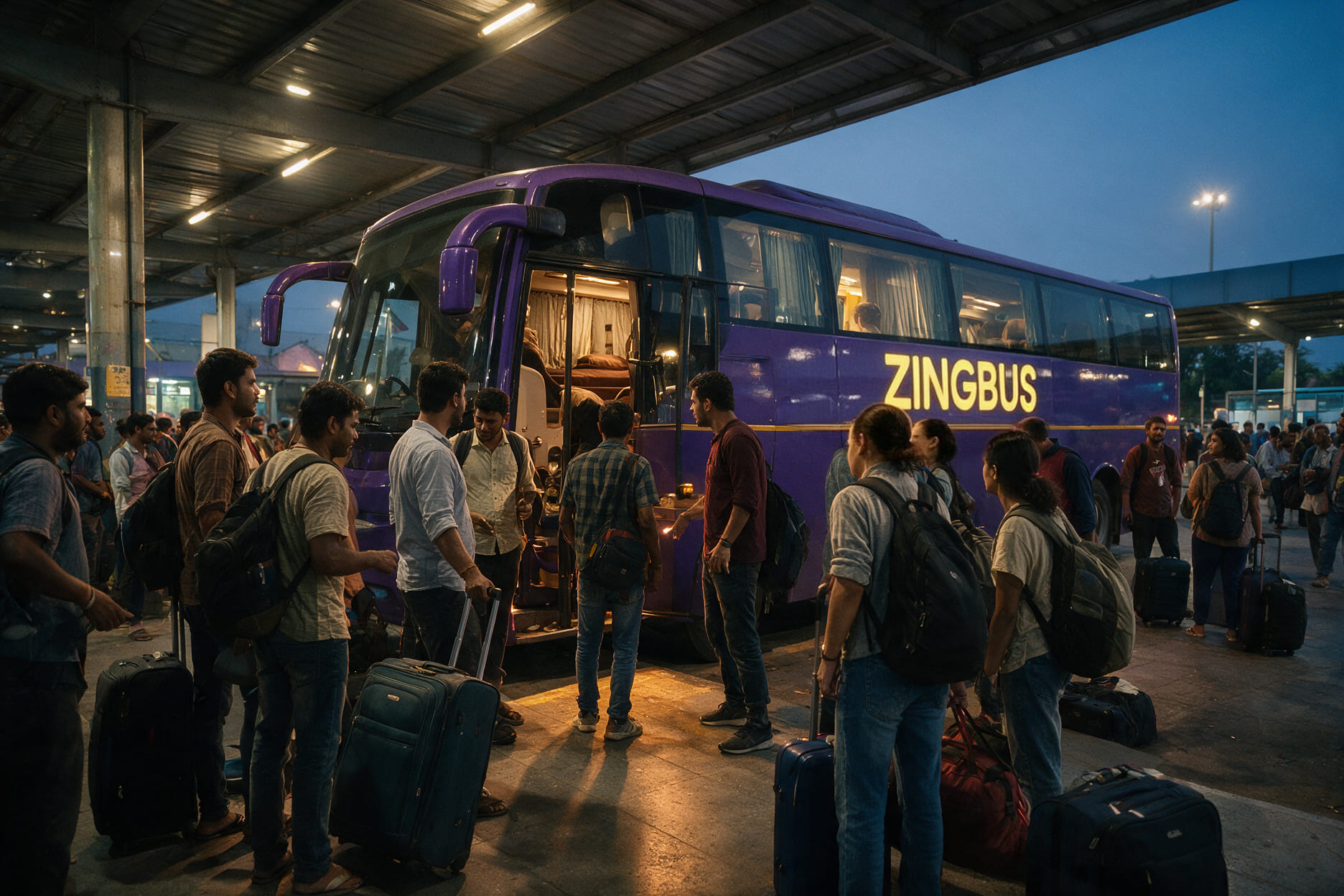
zingbus operates its own fleet of 350+ buses across 500+ cities. Fleet ownership means the company directly controls how each bus is built, what safety features are installed, and how they’re maintained. There’s no dependency on third party body builders or random workshop modifications.
Here’s what zingbus has been rolling out across its fleet:
- Dedicated Side Safety Exit Door
A proper evacuation door built into the bus body with collapsible steps, positioned on the opposite side from the main entry. This is exactly what AIS 052 recommends but very few operators have implemented so far. Several routes and buses already have this in place, and the rollout continues across the wider fleet. You can spot it on the zingbus app seat map, clearly marked as “Safety Exit.”
- Dual Roof Escape Hatches
Two functional roof exits per bus, one near the front and one mid bus. Visible on the seat selection screen before you book.
- Safety Transparency Before Boarding
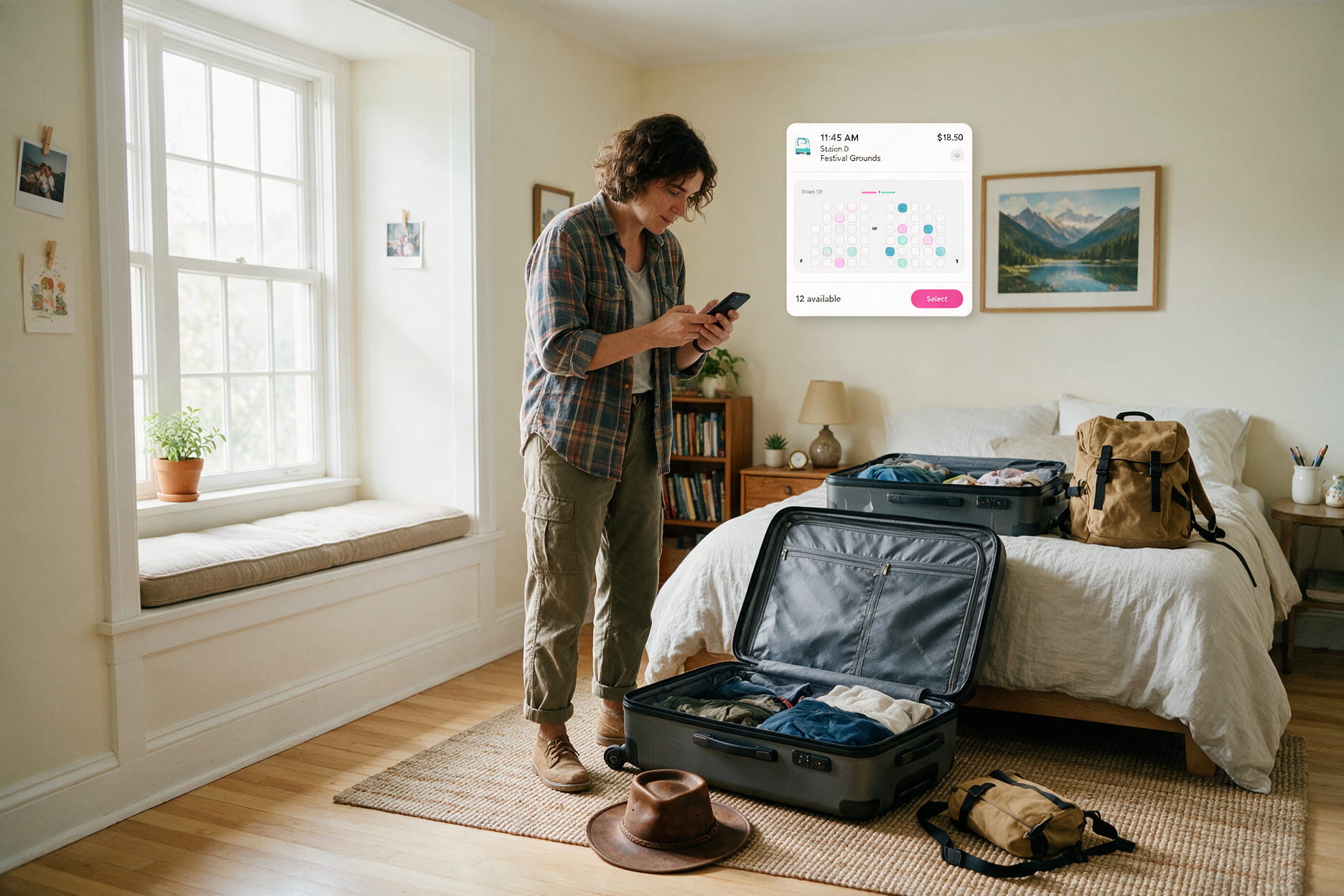
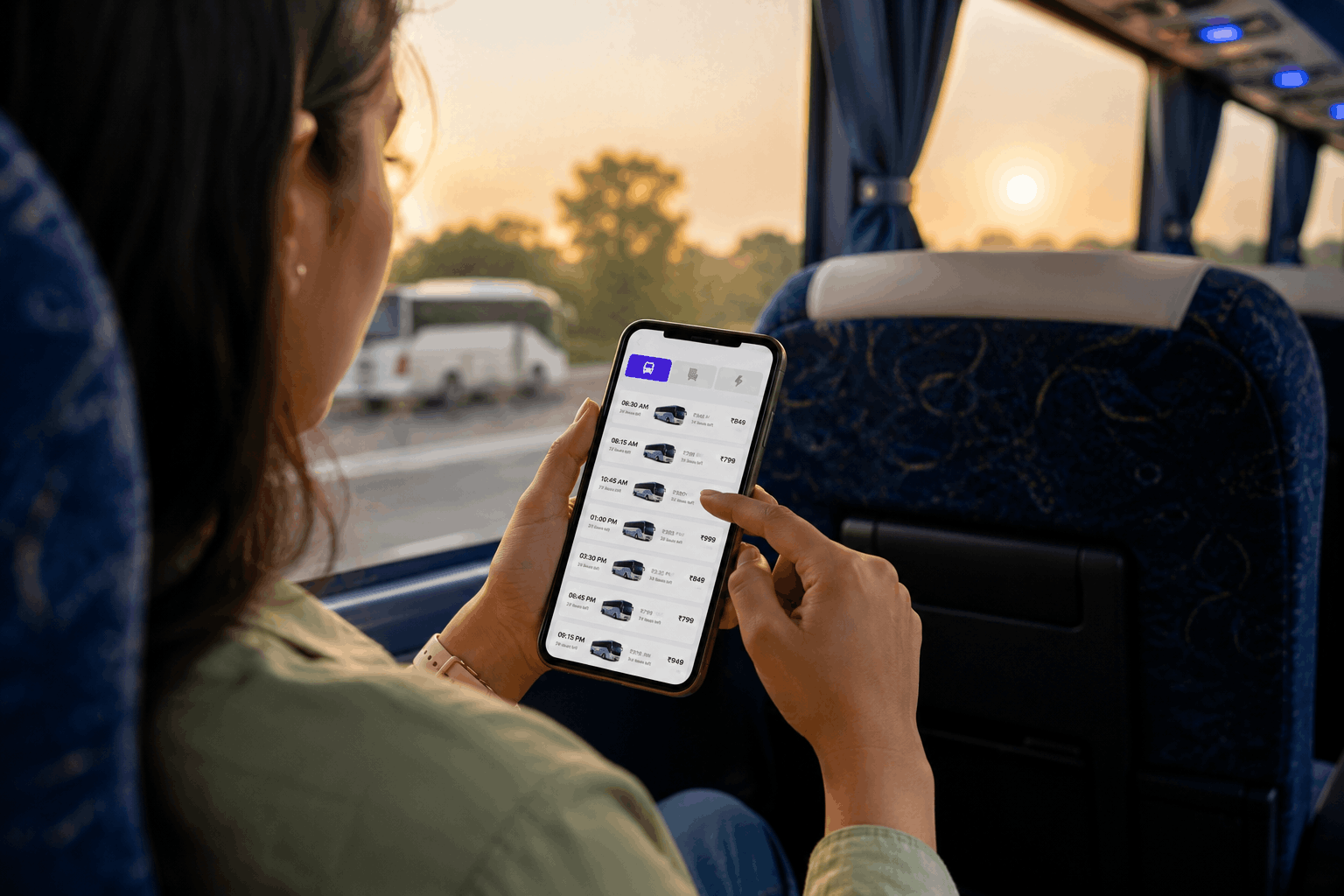
This is a significant differentiator. zingbus shows you where every bus safety exit is on the seat map before you even pay. Very few operators currently offer this level of visibility. Think of it as the airline approach applied to bus travel.
- CCTV, GPS, and Two Driver Policy
Real time GPS tracking your family can follow, CCTV on all buses, mandatory two driver rotation on routes exceeding 6 hours, verified drivers, and 24/7 WhatsApp support at +91 82870 09889.
Whether you’re booking a Delhi to Manali overnight, a Delhi to Varanasi route, or any other long haul journey, this is the kind of safety infrastructure worth looking for.
zingbus Safety vs Typical Industry Practice
| Feature | zingbus | Typical Industry Practice |
| Fleet ownership | Own fleet of 350+ buses | Often third party or aggregated |
| Side safety exit door | Being implemented fleet wide | Rarely seen |
| Roof escape hatches | 2 per bus, clearly marked | Often present but not always functional |
| Safety exit visibility at booking | Shown on seat map in the app | Almost never shown before boarding |
| Fire detection and suppression | Equipped across fleet | Inconsistent, especially on older buses |
| CCTV and GPS tracking | On every bus, live tracking available | Available on some premium services |
| Two driver policy (6+ hour routes) | Mandatory | Not universally followed |
| 24/7 support | WhatsApp at +91 82870 09889 | Call centres with limited hours |
Note: This comparison reflects general industry trends based on publicly available information. Individual operators may vary. zingbus does not claim to be the only operator investing in safety.
- For the premium end, zingbus Maxx adds Volvo B8R 9600 coaches, Gold Star Crew, 5 course gourmet meals, and 135 degree reclining sleeper seats to the safety foundation.
- Frequent travellers can also look into zingPrime membership for flat 5% discounts and travel insurance up to Rs 7.5 lakhs on every booking.
Note: Prices are approximate and may change based on season, demand, and availability. Check the zingbus app or website for current fares and offers.
You Might Also Like
Planning your next trip? These might help:
- How to Choose the Best Seat in a Bus for a Safe and Comfortable Journey
- Why Overnight Sleeper Buses Are a Great Way to Travel in India
- 7 Star Sleeper Bus vs First Class Flight
Tips Before You Travel
- Before you board, take 30 seconds to spot the exits. Main door, rear door, roof hatches, side exit. It becomes second nature once you start doing it.
- Check for window hammers near your berth. If they’re missing, let the marshal know right away.
- Carry a small personal safety hammer. Around Rs 100 to Rs 200 at any hardware shop. Fits in your bag and can break tempered glass in one strike.
Wear cotton or other non synthetic clothes for your overnight yatra. Synthetic fabrics can melt under heat and cause burns. Cotton is always the safer choice for long journeys.
- Share your live tracking link with family before the bus leaves. Even a quick chai break is a good time to confirm it’s active.
- Sit close to an emergency exit when possible, especially on overnight routes. A few rows can make a real difference during evacuation.
- Choose operators who show you the bus layout and safety features before booking. If the app doesn’t give you that visibility, it’s worth asking why.
Wrapping Up
The bus safety exit conversation is no longer a niche concern. It’s becoming a genuine factor in how travellers pick their buses. And that’s a good thing. The regulations are stronger than they’ve ever been. Operators are being held accountable. And companies like zingbus are making safety visible and verifiable at the booking stage itself. All you need to do is pay attention for 30 seconds before you settle into your seat. Check the exits. Confirm the features. Travel with confidence.
Disclaimer: The facts, figures, and regulatory details in this blog are sourced from official government announcements, published news reports, and publicly available regulatory documents (AIS 052, AIS 119). zingbus does not claim to be the only operator with safety exits. Safety features and compliance standards vary by operator, route, and bus type. Passengers are advised to verify safety features independently before boarding. Prices, routes, and features mentioned are subject to change.
Frequently Asked Questions
Ques: How Many Emergency Exits Should a Sleeper Bus Have in India?
Ans: As per AIS 119, every sleeper bus needs a minimum of four emergency exits: one emergency door, two roof escape hatches, and one additional window or door. If your bus has fewer, it may not meet the current legal standard.
Ques: Why Do Bus Doors Sometimes Jam During Fires?
Ans: According to a Deccan Chronicle report, many buses use aluminium doors with PVC coated seals. At around 150 degrees Celsius, the frame can warp and the seal melts, locking the latch from inside. A separate side bus safety exit provides an alternative escape route that avoids this single point of failure.
Ques: Does zingbus Have Safety Exits on Its Buses?
Ans: Yes. zingbus has been rolling out dedicated side safety exit doors, dual roof escape hatches, and clearly marked exit points across its fleet. Several routes already have full implementation, with the rest in progress. You can check the seat map on the zingbus app before booking to see exit locations.
Ques: Are Sleeper Buses Banned in Other Countries?
Ans: According to Punjab Kesari, China phased out sleeper buses by 2018, Germany banned them in 2006, and Vietnam has also prohibited them. India hasn’t taken that route but has introduced its strongest set of regulations yet after 2025.
Ques: How Can You Check Bus Safety Features Before Booking?
Ans: Open the operator’s app and look at the seat map. Operators like zingbus mark safety exits, female reserved seats, and layout details right on the booking screen. If an operator doesn’t offer this visibility, consider it a reason to explore other options.
Ques: What Should You Do If You Notice Missing Safety Features?
Ans: Inform the operator or the onboard marshal right away. You can also flag it with the Regional Transport Office (RTO) or share your experience on social media. Traveller awareness is one of the most powerful forces pushing the industry to improve.