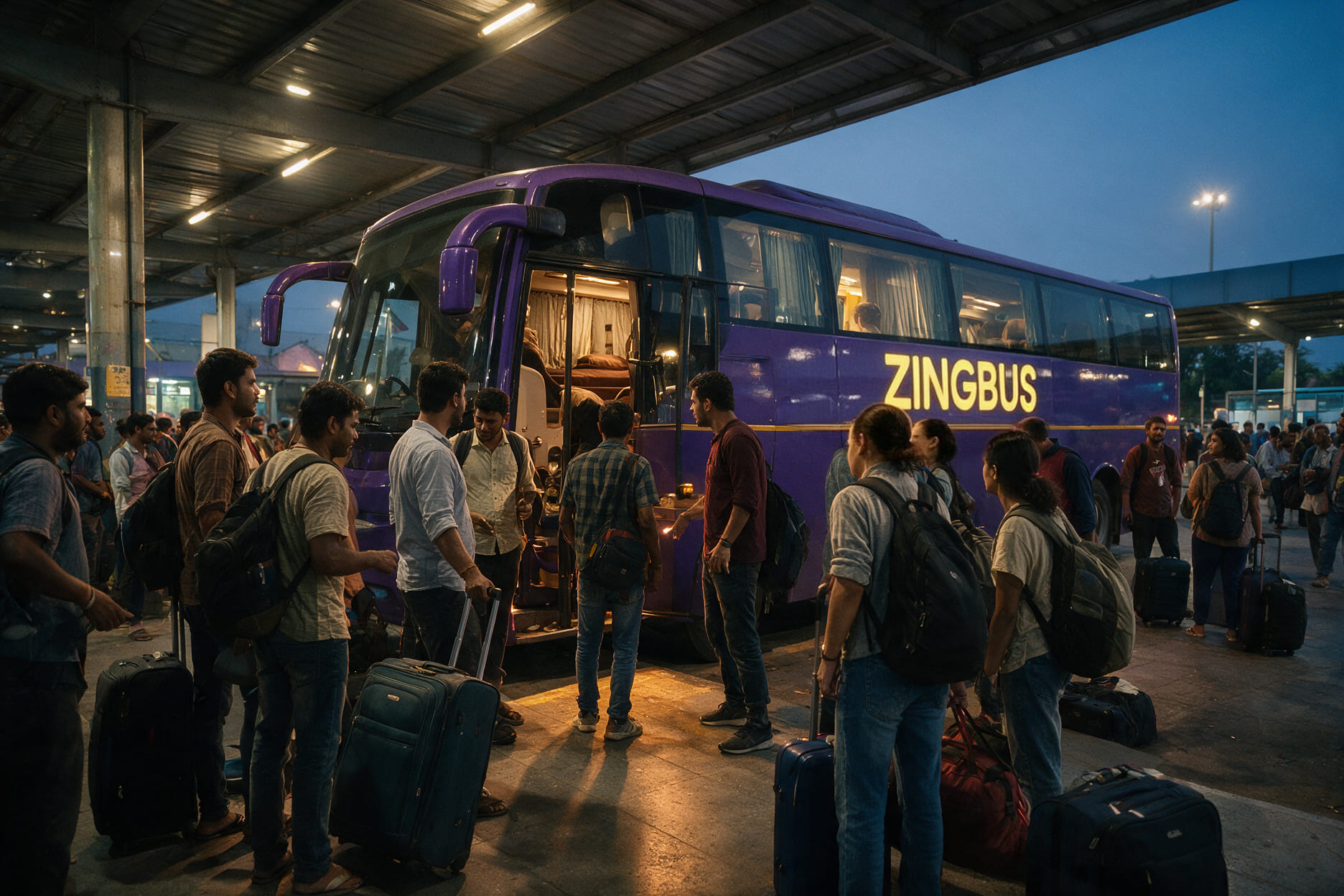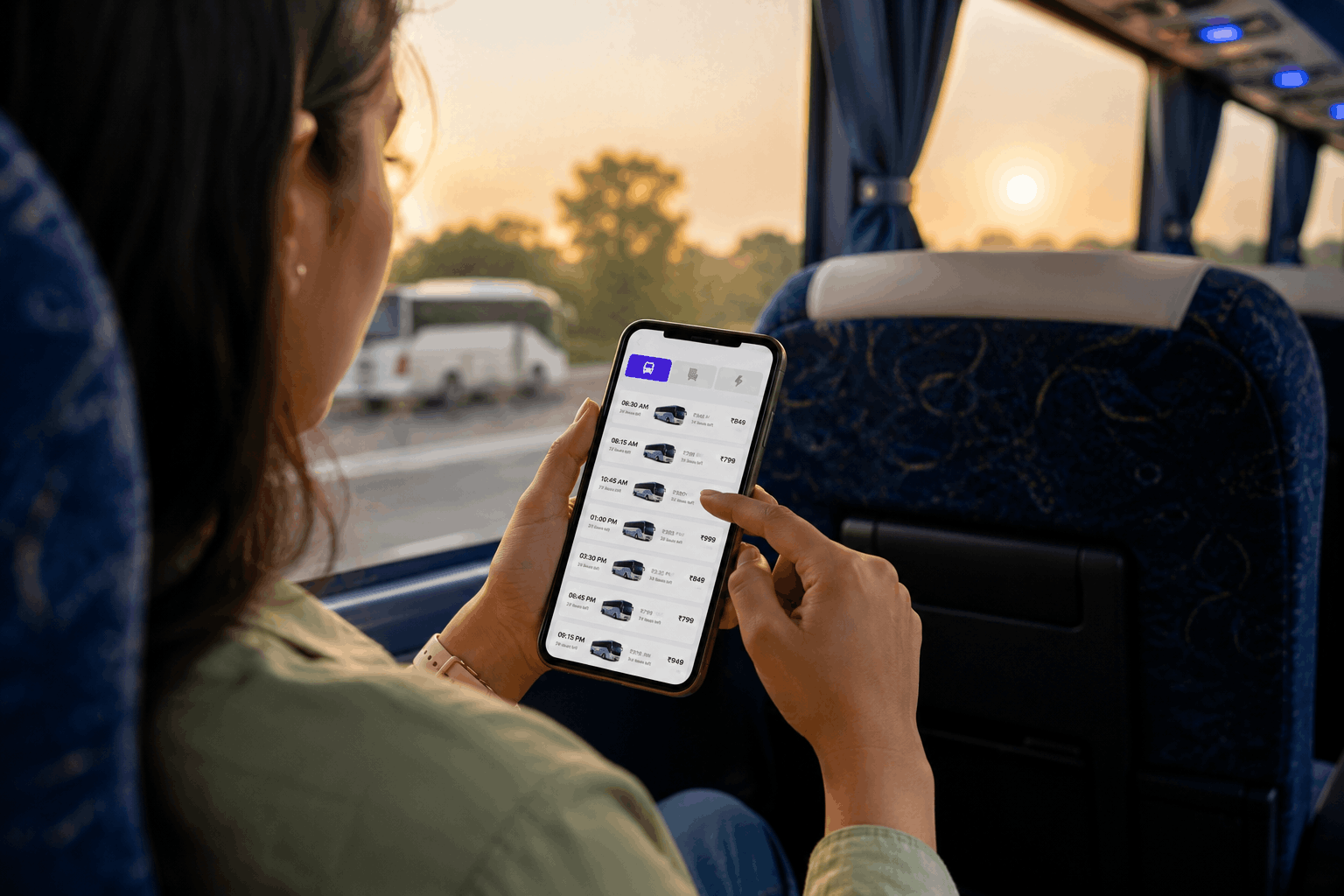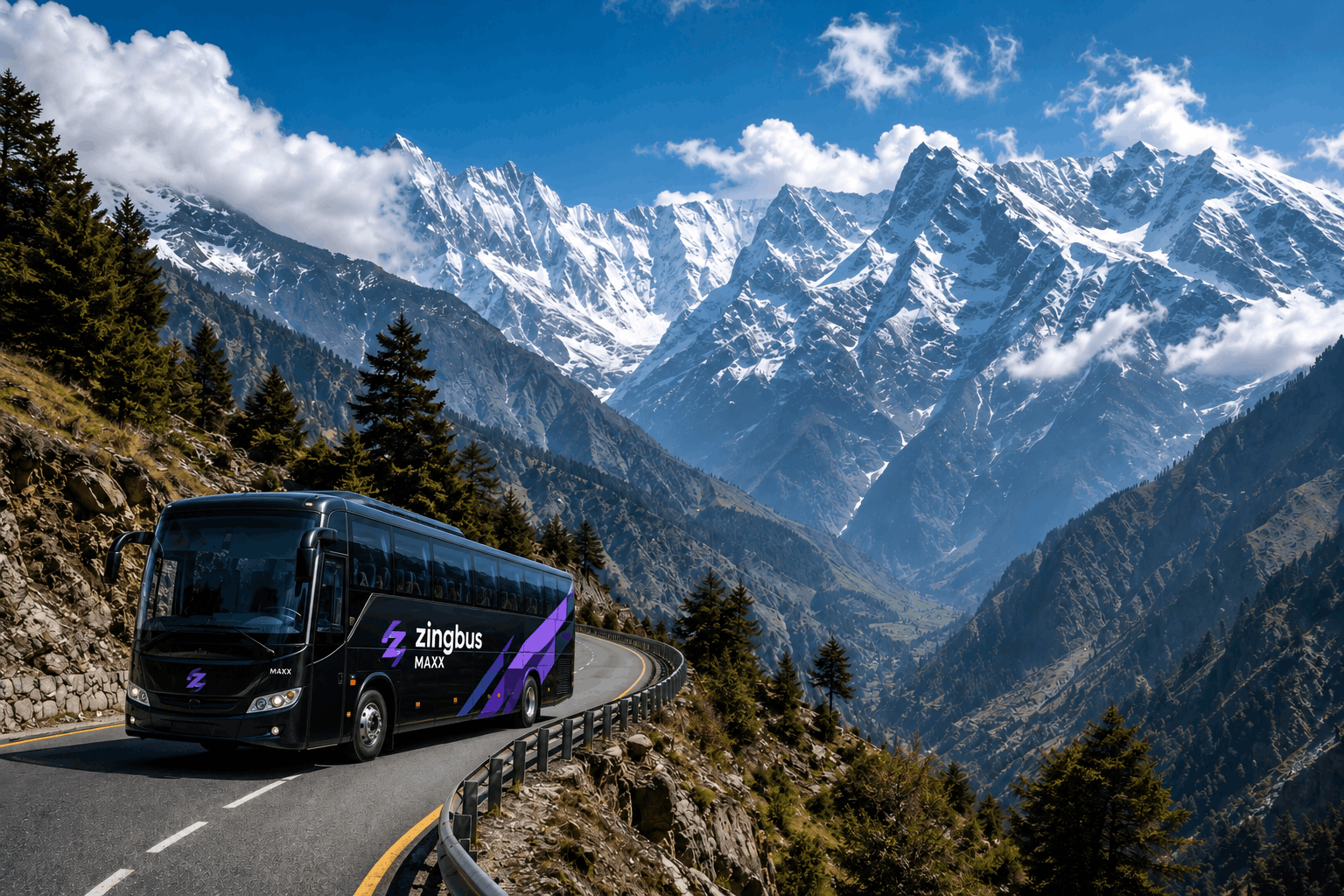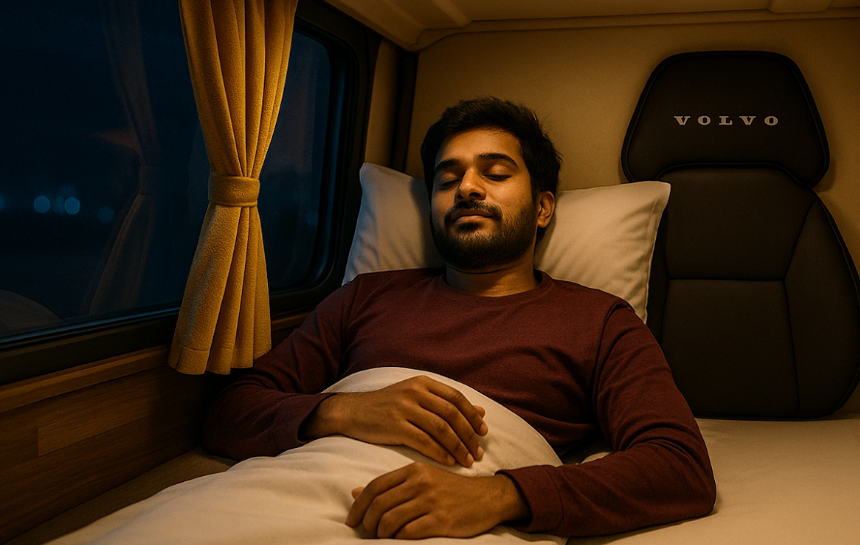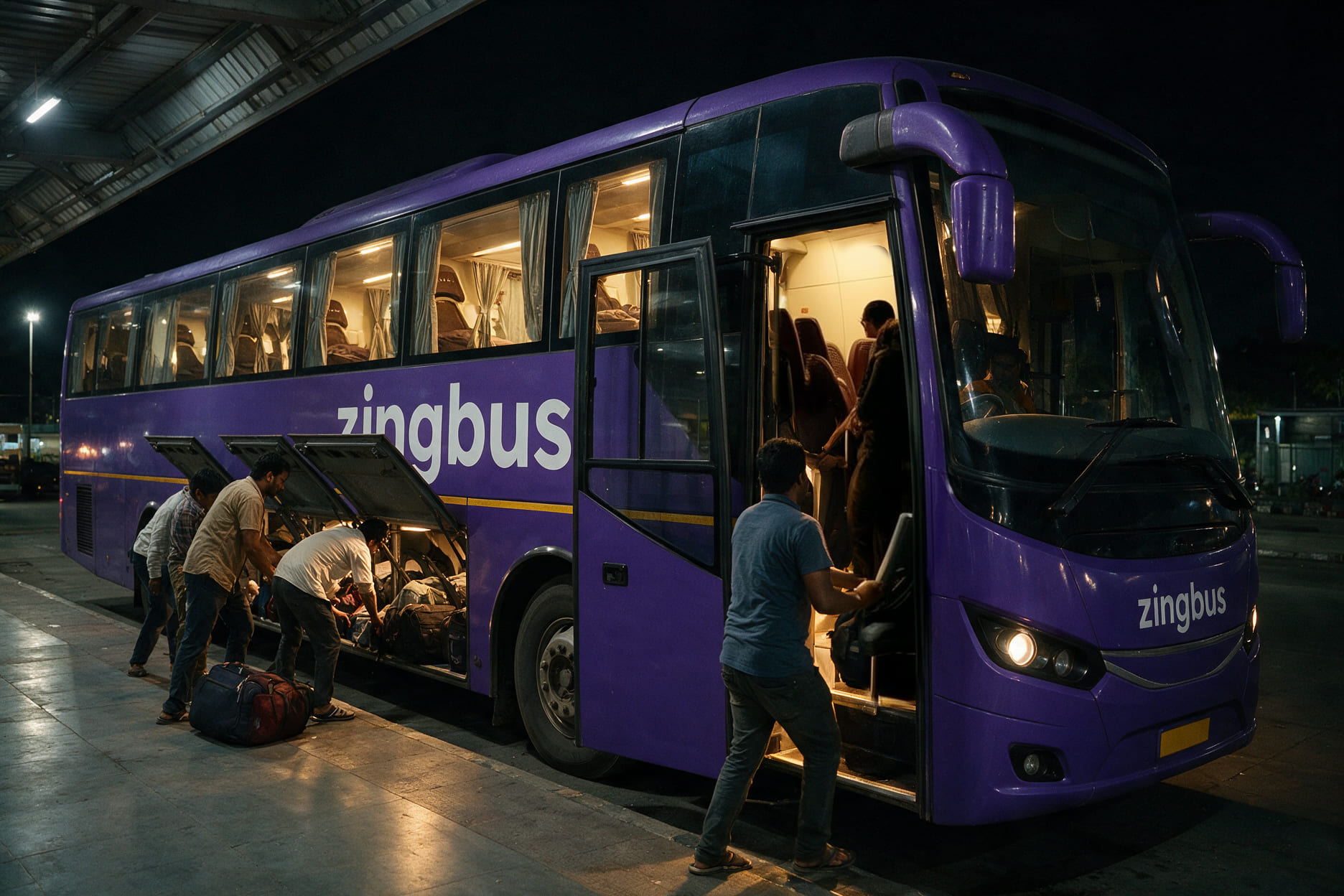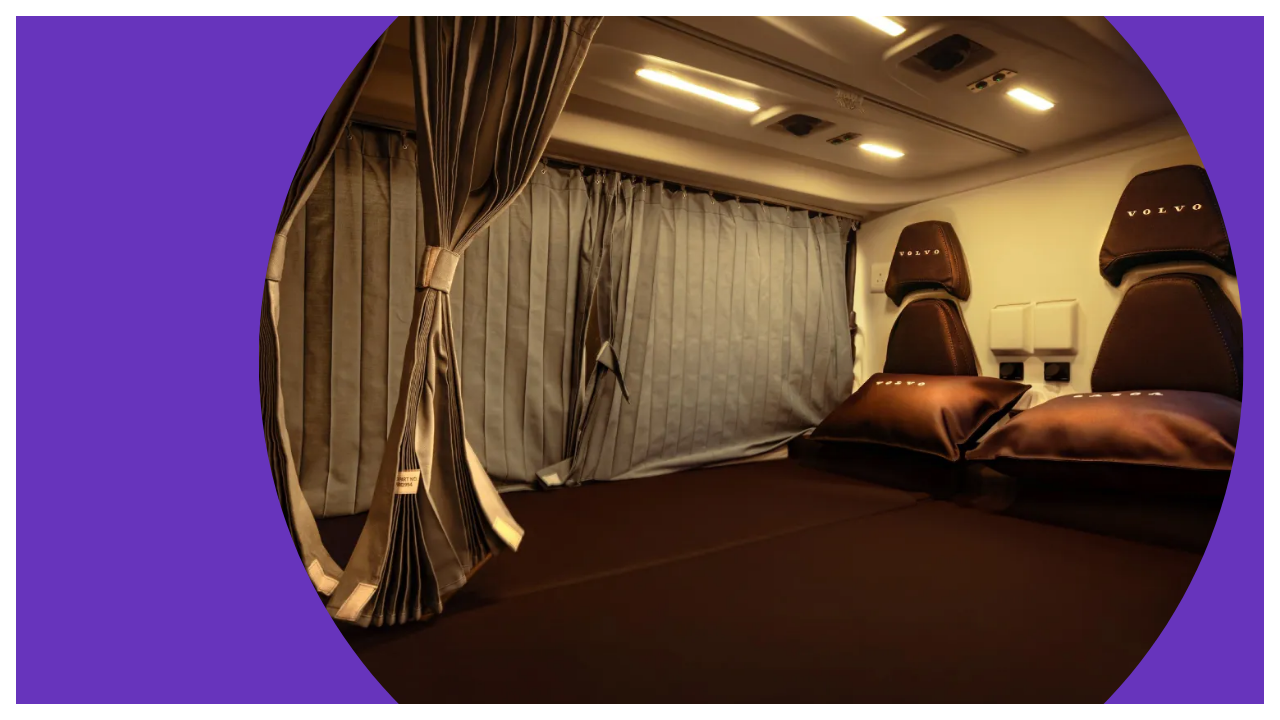
You boarded at 10 PM. You arrive at 6 AM. The question is: do you step off the bus feeling like you slept, or feeling like you survived?
That’s the difference between a good overnight journey and a bad one. And it almost never comes down to the bus itself. The same sleeper bus that one passenger calls “the best sleep I’ve had on the road” gets a one star review from someone else who spent 8 hours staring at the ceiling. The variable isn’t the vehicle. It’s the planning.
The right overnight bus travel tips don’t just help you sleep. They help you arrive fresh enough to start your day without needing three hours and two coffees to recover. Whether you are heading from Delhi to Manali, Bangalore to Goa, or any other overnight route across India, these are the things that actually make a difference.
Before You Board: The Planning That Makes or Breaks Your Sleep (Overnight Bus Travel Tips)
Pick the Right Bus Type
Not all overnight buses are the same. The type you choose directly affects how well you sleep.
| Bus Type | Sleep Comfort | Best For |
| AC Sleeper (2+1) | Flat berth, privacy curtain, most space | Routes over 8 hours. Best overnight option. |
| AC Semi Sleeper (Volvo) | Reclines to 140°, not fully flat | Routes 5 to 8 hours. Decent sleep. |
| Non AC Sleeper | Flat berth, no climate control | Winter travel or budget travel only. |
| Seater (any type) | Upright or slight recline | Not recommended for overnight routes. |
For any overnight journey over 6 hours, a sleeper bus with a 2+1 layout is the correct choice. The single berth on the “1” side gives you the most privacy and width. If those are sold out, a lower berth on the “2” side is the next best option.
Choose the Right Departure Time
The sweet spot for overnight buses is between 8:30 PM and 10:30 PM. Board too early (before 7 PM) and you end up trying to sleep at 8 PM while still alert. Board too late (after 11 PM) and you barely get 5 hours before arrival.
The 9:00 PM to 10:00 PM window works best. You have time for dinner, reach the boarding point relaxed, and the bus hits the highway by the time you are ready to sleep.
Book Your Seat Strategically
Where you sit on the bus matters more than most people realise.
- Lower berths have less vibration and are easier to get in and out of during rest stops.
- The middle of the bus is the smoothest ride. The rear bounces more on bad roads. The front gets engine noise and headlight glare.
- Single berths (1 side in 2+1) give the most width and privacy.
Booking early gives you the pick of the best positions. Last minute bookings push you to whatever is left, usually upper rear berths that vibrate and sway.
What to Pack: The Overnight Bus Travel Tips Kit
You don’t need a full suitcase of accessories. You need five specific things that solve the five biggest sleep problems on a bus.
Neck Pillow or Travel Pillow
The bus blanket and the thin pillow provided are functional but not enough for proper neck support. A compact inflatable travel pillow or a memory foam neck pillow keeps your head from rolling to the side every time the bus takes a curve.
Honestly, a Rs 300 neck pillow is the single highest return investment in overnight travel comfort. It changes everything.
Eye Mask
Street lights, toll plaza lights, oncoming headlights, and the phone screen of the person in the next berth. An eye mask blocks all of it. A basic one costs under Rs 150 and fits in your pocket. Sleep quality improves dramatically.
Earplugs or Noise Cancelling Earbuds
Engine hum is fine. The co passenger’s alarm at 4:30 AM is not. Foam earplugs work. Noise cancelling earbuds work better. If you have sleep tips, music playlists (white noise, rain sounds, lo fi beats), queue them before boarding and set a timer.
A Light Layer or Personal Shawl
AC sleeper buses run cold. The bus blanket provided is often thin. Carrying your own shawl or hoodie gives you control over your temperature without depending on the onboard blanket. Layering lets you adjust as the bus temperature shifts between city stops and highway stretches.
Portable Charger and Cable
Most modern sleeper buses have a charging port at each berth. But ports can be loose or dead. A power bank ensures your phone, earbuds, and alarm all work through the night. Charge everything fully before boarding, use the onboard port as primary, and keep the power bank as backup.
During the Journey: How to Actually Sleep on a Bus
Eat Light Before Boarding
A heavy biryani at 9 PM and a bumpy highway at 10 PM is a combination that guarantees discomfort. Eat 2 to 3 hours before boarding. Keep it light. Idli, a sandwich, a parantha with curd. Avoid anything deep fried, excessively spicy, or heavy on dairy.
Carry a small bottle of water. Sip, don’t gulp. Too much liquid means waking up for the washroom at 2 AM on a bus with no onboard toilet.
Set Up Your Sleep Zone in the First 10 Minutes
The moment you settle into your berth, make it yours.
- Pull the privacy curtain shut.
- Put on the eye mask and earplugs.
- Arrange the pillow and blanket the way you sleep at home (on your back, on your side, whatever works).
- Set your phone to Do Not Disturb.
- Keep your alarm set for 30 minutes before estimated arrival.
Don’t scroll your phone for an hour after boarding. The screen light resets your brain. If you need entertainment, listen to a podcast or an audiobook with eyes closed. Let the sound carry you to sleep instead of a screen.
Use the Rest Stop Wisely
Most overnight buses make one rest stop approximately 2 to 3 hours into the journey. Use it. Go to the washroom. Stretch your legs for 3 minutes. Have a chai if you want. Then get back in and that’s your last conscious moment until morning.
After the rest stop, the highway clears, the bus speeds up, and the road noise becomes a steady hum. That’s the golden window for falling asleep.
Temperature Control
AC buses default to cold. If you are a light sleeper who wakes up shivering at 3 AM, the personal layer you packed becomes essential. Socks help more than most people expect. Cold feet are the number one reason people wake up on overnight buses.
Overnight Bus Travel Tips vs Flight and Train: A Comparison
| Factor | Overnight Bus | Flight | Train |
| Cost (Delhi to Manali, approx) | Rs 800 to Rs 2,500 | Rs 4,000 to Rs 8,000 | Rs 600 to Rs 1,800 |
| Hotel night saved | Yes | No | Depends on departure time |
| Sleep quality | Good with proper prep | Minimal (short flight) | Decent but noisy |
| Last minute availability | High | Expensive if last minute | Often waitlisted |
| Door to destination time | 10 to 14 hours (overnight) | 4 to 6 hours (including airport) | 10 to 16 hours |
| Luggage limit | Generous, no extra fee | Restricted and charged | Reasonable |
The comparison is clear. For routes between 6 and 14 hours, overnight bus travel wins on budget travel value, convenience, and the simple fact that you convert travel time into sleep time. Flights are faster but cost more and waste half a day at the airport. Trains work but confirmed berths are hard to get at the last minute.
Bus travel india has improved dramatically. Modern operators run GPS tracked, AC sleeper buses with charging ports, CCTV, blankets, and privacy curtains. The experience on a well chosen bus in 2026 is closer to a budget hotel room than the cramped coach ride people imagine.
Best Overnight Routes Where These Tips Matter Most
| Route | Distance | Duration | Why These Tips Help |
| Delhi to Manali | 540 km | 12 to 14 hours | Long mountain route, cold AC, bumpy ghat section |
| Bangalore to Goa | 560 km | 10 to 12 hours | Ghat bends need lower berth, late night arrival |
| Delhi to Jaipur | 280 km | 5 to 6 hours | Short but tight sleep window, eat early |
| Hyderabad to Bangalore | 570 km | 9 to 11 hours | Perfect overnight length, arrive fresh for meetings |
| Pune to Goa | 460 km | 8 to 10 hours | Konkan ghat curves need earplugs and stable berth |
The Delhi to Manali bus route is one of the longest overnight routes from delhi ncr. Every tip in this guide becomes critical on this 12 to 14 hour journey through the plains and into the Himalayas.
The Bangalore to Goa bus route involves ghat sections that sway the bus. A lower berth, a neck pillow, and earplugs make the difference between sleeping through it and feeling every curve.
How zingbus Makes Overnight Travel Better
zingbus operates AC sleeper buses across multiple zingbus routes with features designed specifically for overnight comfort.
- Charging port at every berth: Phone, earbuds, and power bank stay topped up.
- GPS live tracking: Your family can track the bus in real time. You can check your ETA without asking the driver.
- CCTV on all buses: Safety on every overnight journey.
- Two driver rotation on routes over 6 hours: No fatigued driver on long mountain or highway stretches.
- Bus blanket provided: Basic layer included. Bring your own for extra warmth.
For frequent travellers on routes from delhi, gurgaon, or new delhi, zingPrime membership adds a flat 5% off on every booking and one free cancellation per month. Worth it if you travel overnight more than twice a quarter.
You Might Also Like
- How to Sleep Better in Sleeper Buses and Work the Next Day
- How to Choose the Best Seat in a Bus for a Safe and Comfortable Journey
- Overnight Sleeper Buses in India: Benefits and Booking Guide
Tips Before You Go
- Test your sleep accessories before the trip. An eye mask that slips off or earplugs that feel uncomfortable need replacing before you are on the bus, not during.
- Download offline entertainment. Network drops on mountain routes and rural highway stretches between delhi and north india destinations. Podcasts, audiobooks, and music should be downloaded before boarding.
- Set two alarms. One 30 minutes before arrival. One at arrival time. Missing your drop point means staying on the bus until the next stop.
- Carry a ziplock bag for valuables. Phone, wallet, earbuds, and charger go in the bag. The bag goes inside your blanket area or under your pillow. Simple, secure, accessible.
- For travel 2026, book 3 to 5 days early for weekend departures. Friday and Sunday nights are the busiest. Midweek travel (Tuesday, Wednesday) gives you better berth choices and lower fares.
The Highway Does the Driving. Your Job Is to Sleep.
Every experienced overnight bus traveller will tell you the same thing: the first trip is the hardest. You don’t know what to expect, you overpack, you underprepare, and you stare at the ceiling for the first three hours wondering if you made a mistake.
By the third trip, you have your overnight bus travel tips routine. Eye mask on. Earbuds in. Pillow adjusted. Curtains shut. Alarm set. Asleep before the first toll plaza. That’s how to do overnight bus travel: build a system, stick to it, and let the road do the rest.
For India travel in 2026, the overnight bus is no longer the backup plan. It’s a smart plan. A single ticket saves you a hotel night, a day of driving, and the stress of airport logistics. And with the right preparation, you don’t just arrive. You arrive fresh. That is the only overnight bus travel tips guide you need.
Frequently Asked Questions
Ques. How Do I Sleep Better on an Overnight Bus?
Ans. Use an eye mask, earplugs, a travel pillow, eat light before boarding, and choose a lower mid bus berth for the smoothest ride.
Ques. What Should I Pack for an Overnight Bus Journey?
Ans. Eye mask, neck pillow, earplugs or earbuds, a light shawl, charger, water bottle, and a ziplock bag for valuables.
Ques. Is a Sleeper Bus Better Than a Semi Sleeper for Overnight Travel?
Ans. Yes. A sleeper bus gives a flat berth to lie down on. A semi sleeper only reclines. For routes over 6 hours, always choose the sleeper.
Ques. What Is the Best Seat Position on an Overnight Bus?
Ans. Lower berth, middle section of the bus, on the single side (1 side in 2+1 layout) for minimum vibration and maximum privacy.
Ques. Do Overnight Buses Have Charging Ports?
Ans. Most modern AC sleeper buses have a charging port at each berth. Carry a power bank as backup in case the port is not functional.
Ques. How Do I Avoid Motion Sickness on an Overnight Bus?
Ans. Eat light, avoid screens during the journey, choose a lower berth, and take a mild motion sickness tablet 30 minutes before boarding.
Ques. Are Overnight Buses Safe in India?
Ans. Yes, with reputed operators. zingbus buses have CCTV, GPS tracking, verified drivers, and two driver rotations on long overnight routes.
Ques. Is Overnight Bus Travel Cheaper Than Flights?
Ans. Significantly. Bus fares are 60 to 70% less than flights on most routes. You also save one hotel night, making the total cost even lower.
Ques. What Should I Eat Before Boarding an Overnight Bus?
Ans. Light meals 2 to 3 hours before departure. Avoid heavy, spicy, or fried food. Carry a small water bottle for the journey.
Ques. What Is the Best Departure Time for Overnight Travel?
Ans. Between 8:30 PM and 10:30 PM. This window gives you enough sleep hours and a morning arrival between 6:00 and 8:00 AM.
Ques. Can I Work the Next Day After an Overnight Bus?
Ans. Yes, with proper overnight bus travel tips. The right sleep accessories and berth choice let you arrive rested enough for a full workday.