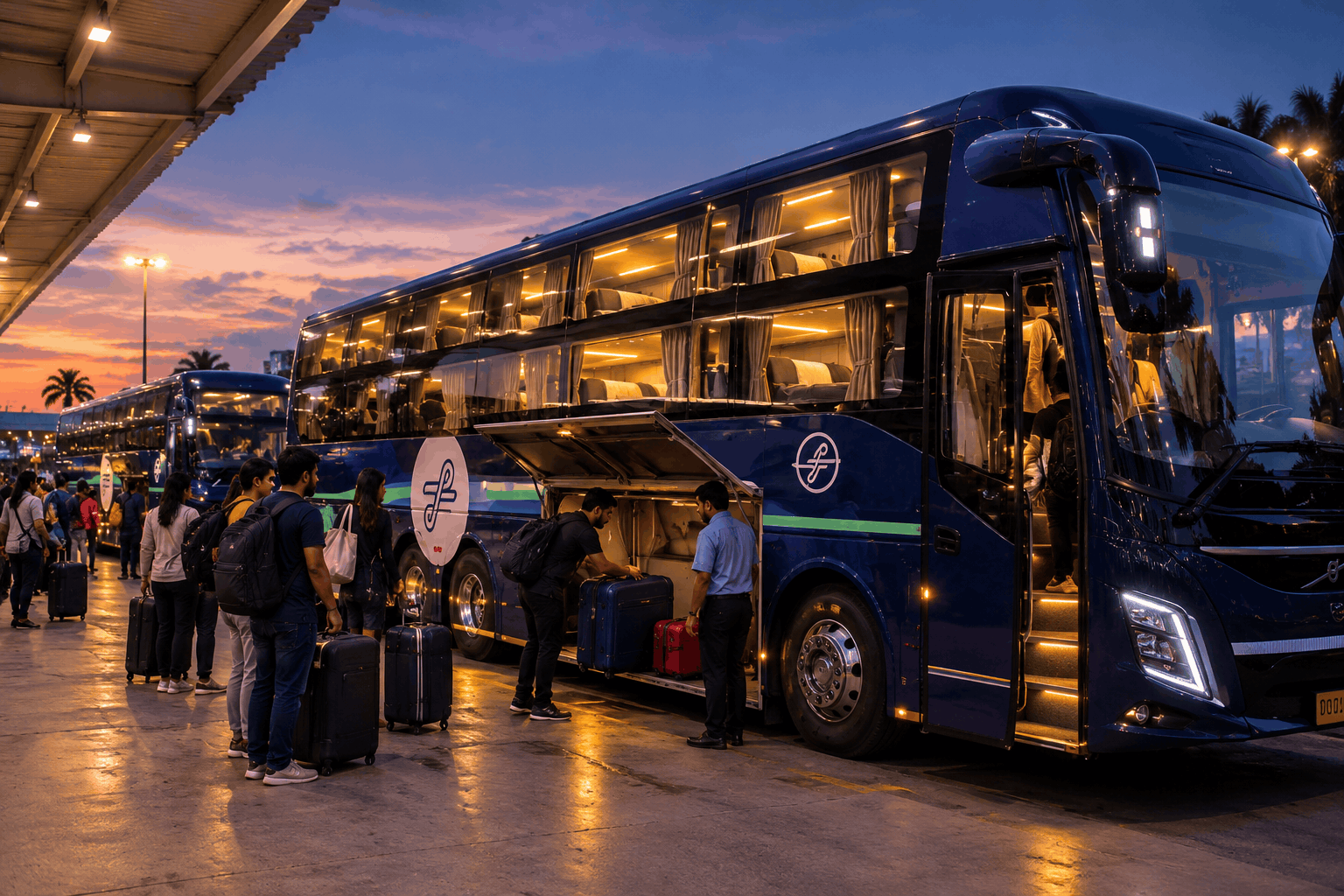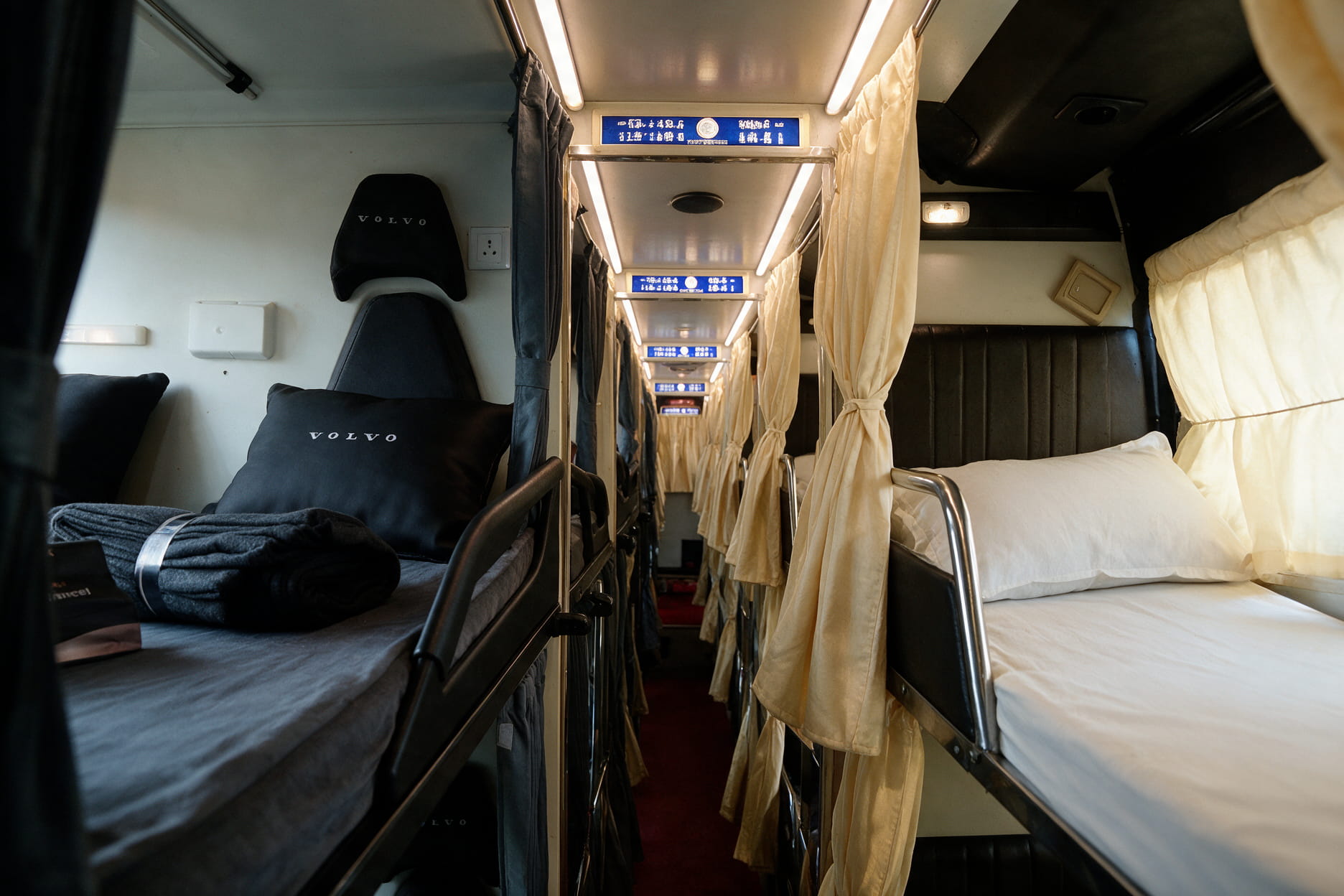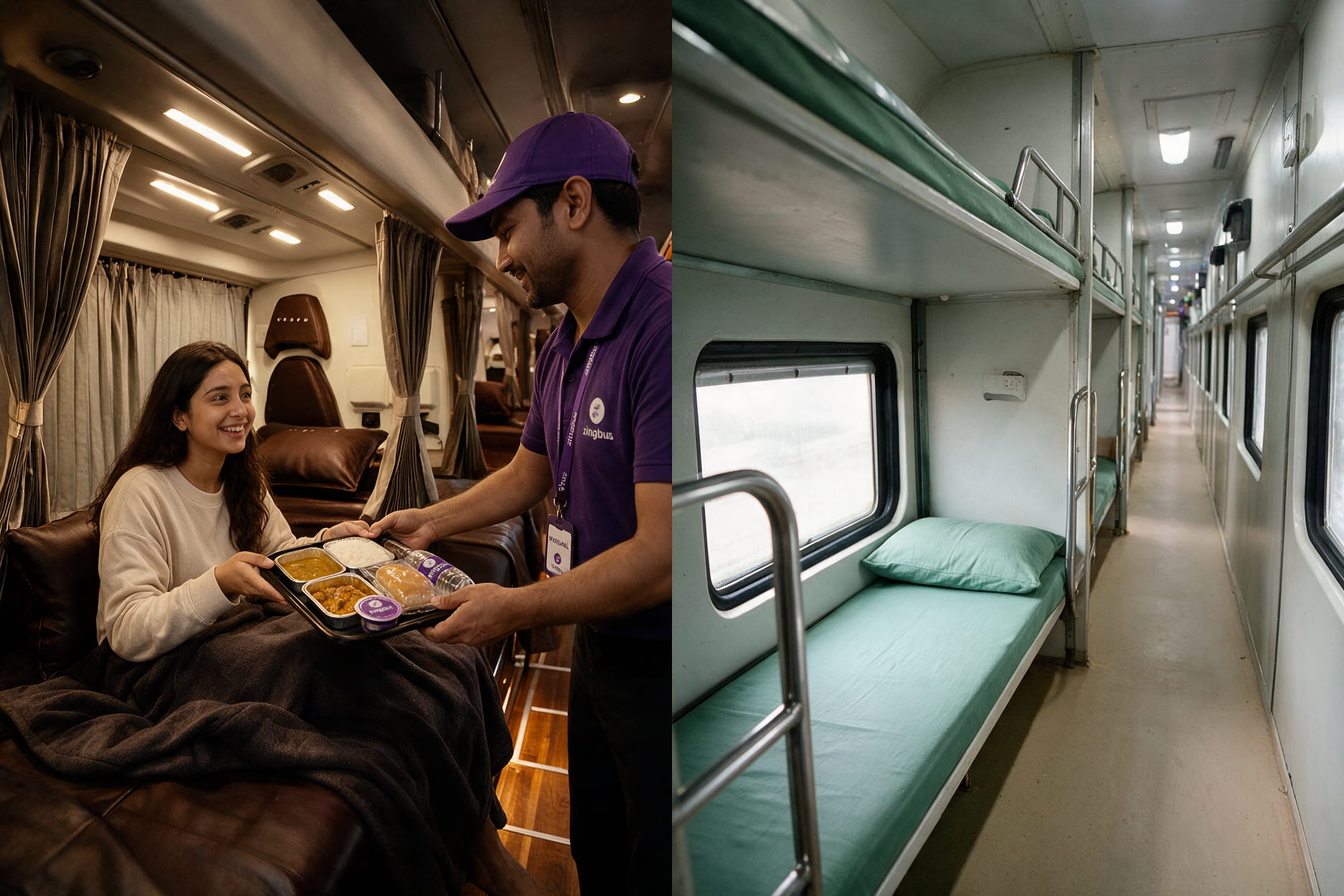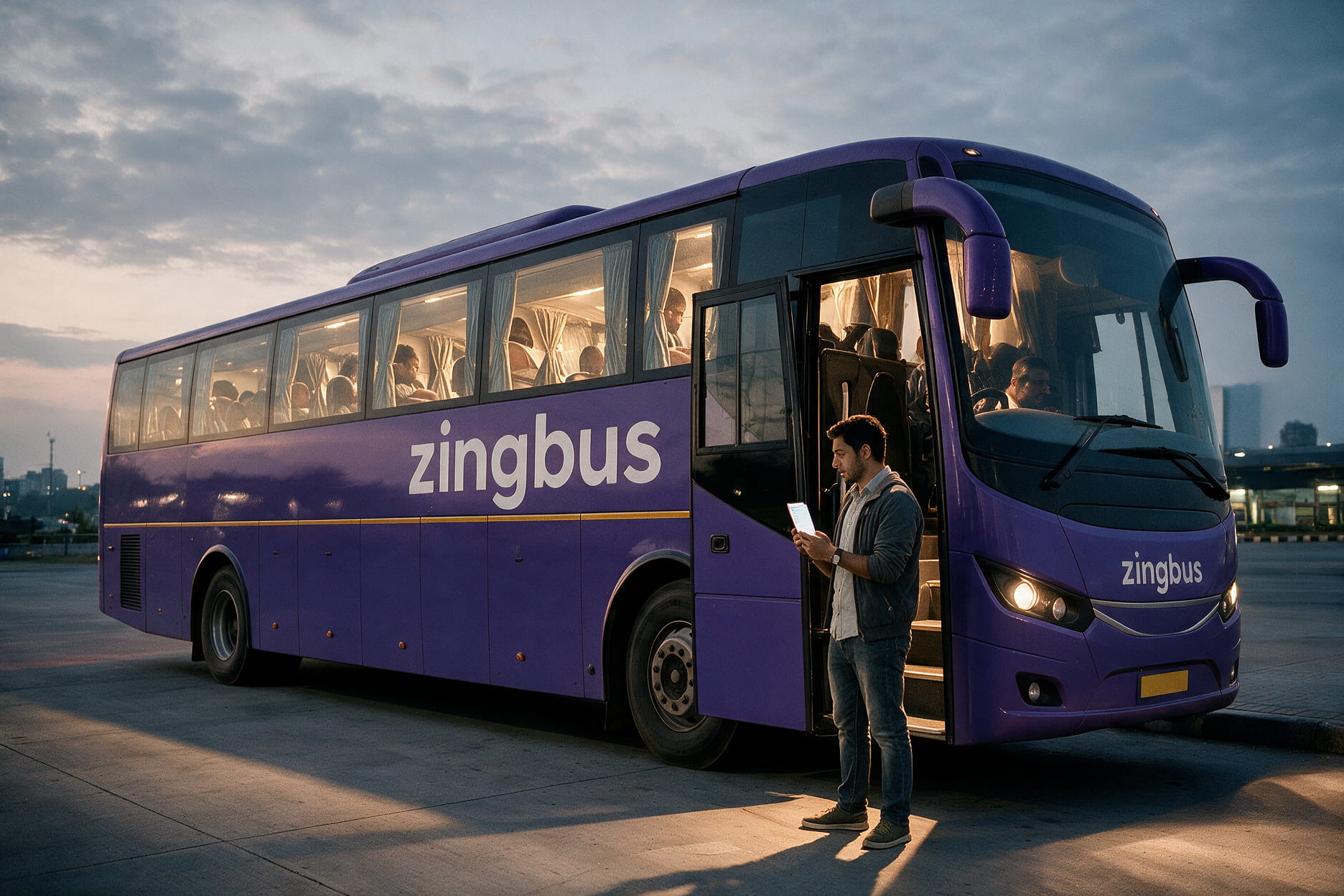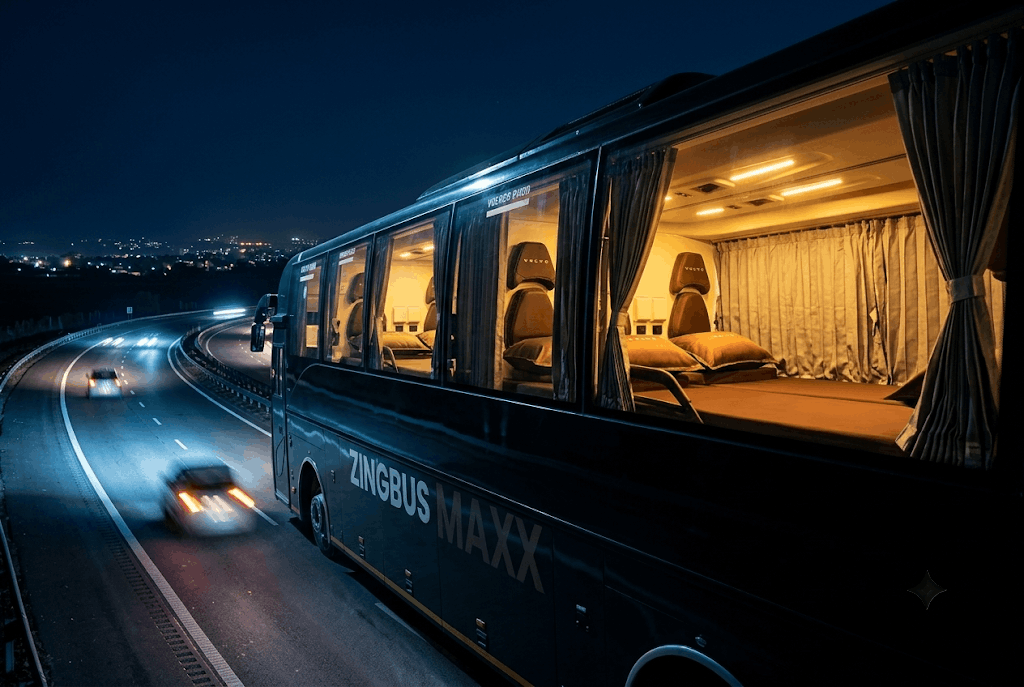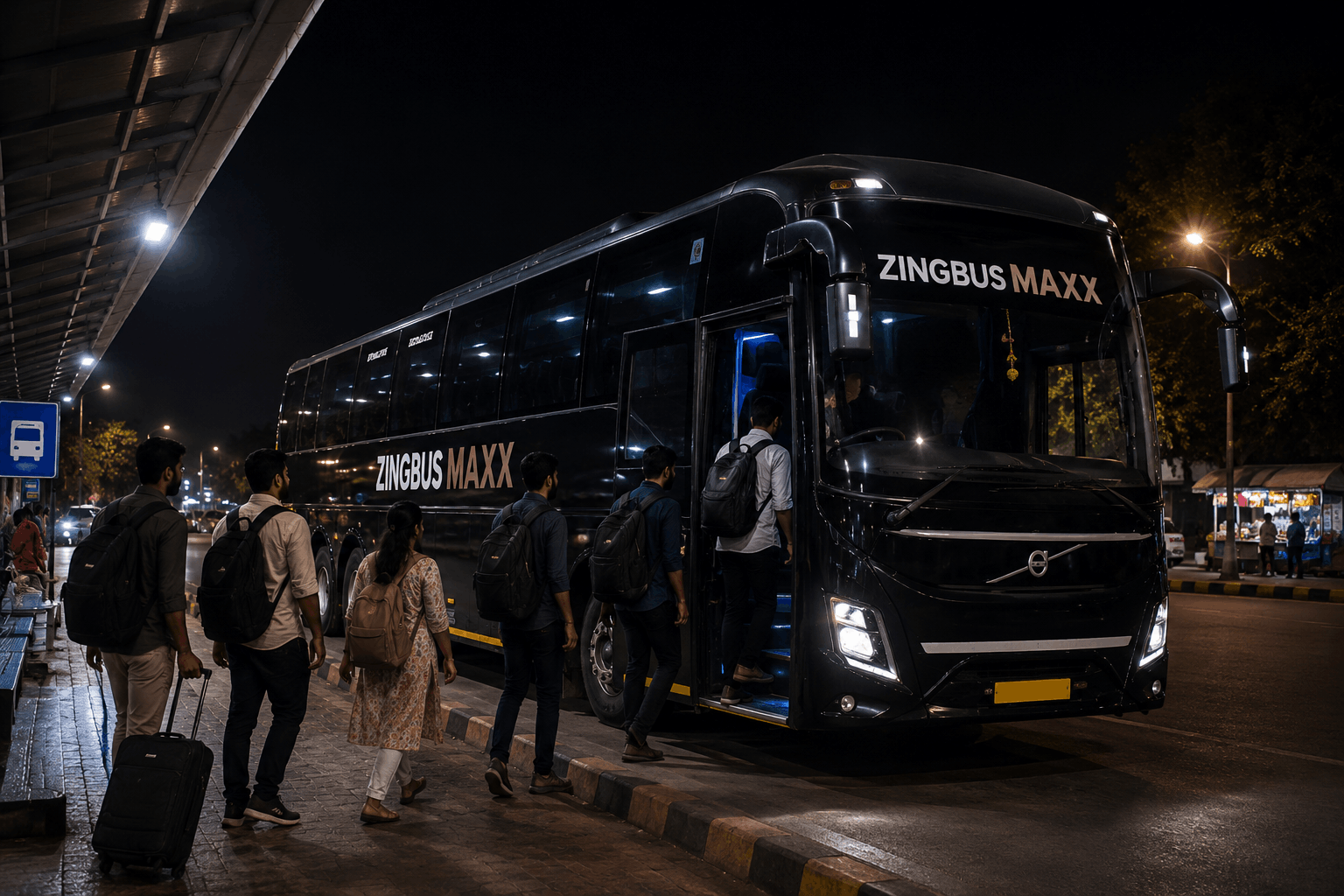
Electric vehicles are no longer limited to private cars or city transport. Electric buses are beginning to change how people think about longer intercity journeys, bringing quieter rides, zero tailpipe emissions and a different approach to sustainable road travel.
For Indian travellers, this shift matters because buses remain one of the most practical ways to move between cities. The bigger question now is how that network can become cleaner without compromising reliability, comfort or everyday convenience.
What Is World EV Day 2026?
World EV Day is observed every year on September 9 as a global celebration of electric mobility. The 2026 edition carries the theme “Switching Electric: driving down the cost of motoring.” The campaign brings attention to EV adoption through education, events, discussions and wider awareness around electric mobility.
The conversation has also moved beyond individual car ownership. Electric mobility now includes buses, commercial vehicles, shared transport and the infrastructure required to support them.
That makes intercity buses an important part of the discussion. A single electric bus can carry many passengers on the same journey, making electrification relevant not only to individual mobility but also to shared public transport.
Why Does Electric Mobility Matter for Intercity Bus Travel?
Most conversations around electric mobility naturally focus on cars. Intercity buses present a different opportunity because they combine high passenger capacity with repeated journeys along established corridors.
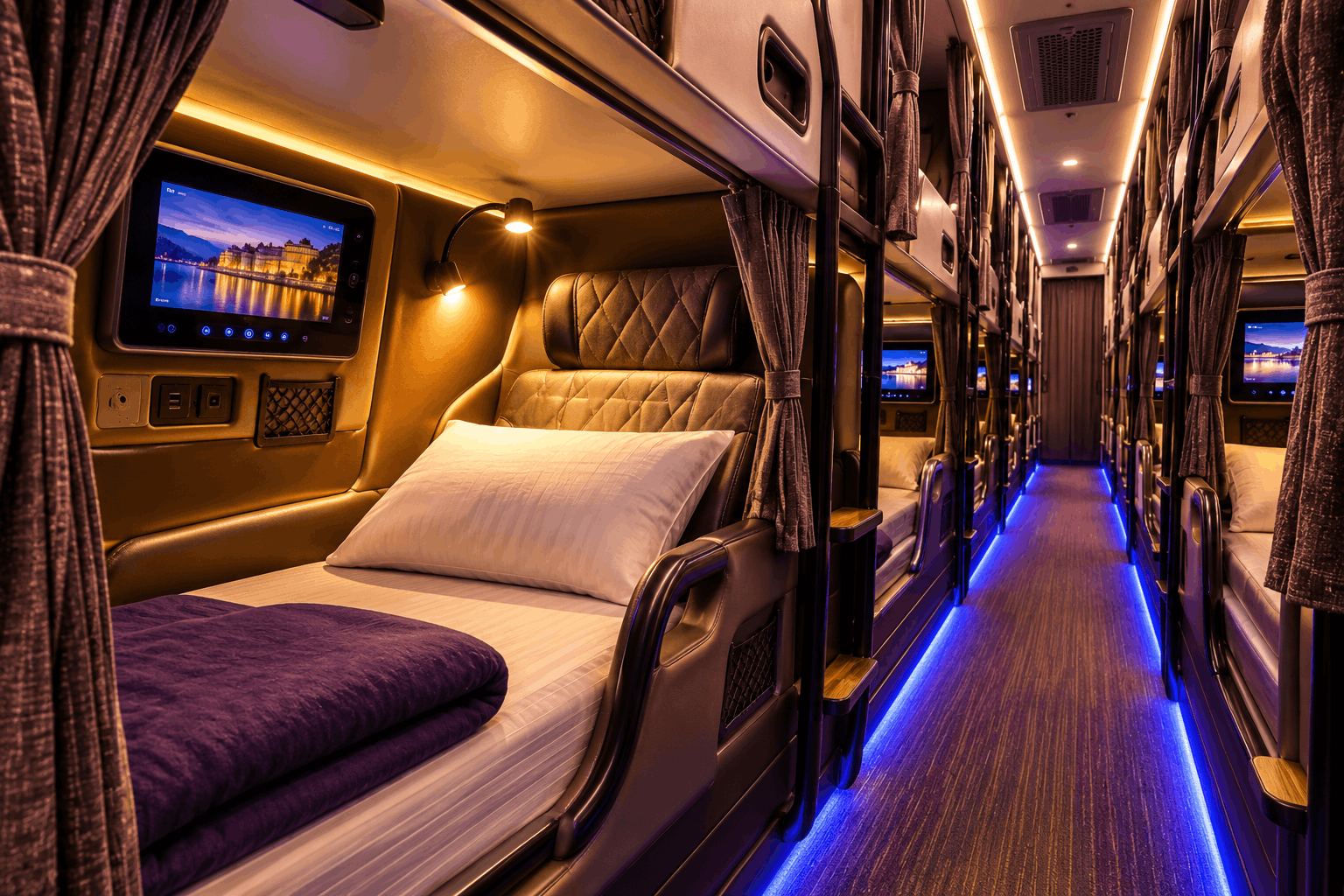
For a traveller, the most noticeable difference may simply be the experience inside the bus. Electric drivetrains can deliver quieter operation, smoother acceleration and lower cabin vibration, characteristics that can make a meaningful difference during long or overnight journeys.
There is another important consideration. Electric buses produce zero tailpipe emissions while operating, unlike conventional diesel buses. That does not mean the entire lifecycle of an electric vehicle has zero environmental impact, but removing tailpipe emissions from busy travel corridors is still a significant part of the transition.
This is where electric intercity transport becomes more than a technology story. It becomes a question of how millions of everyday journeys can gradually become more sustainable.
How Is zingbus Bringing Electric Buses to Intercity Routes?
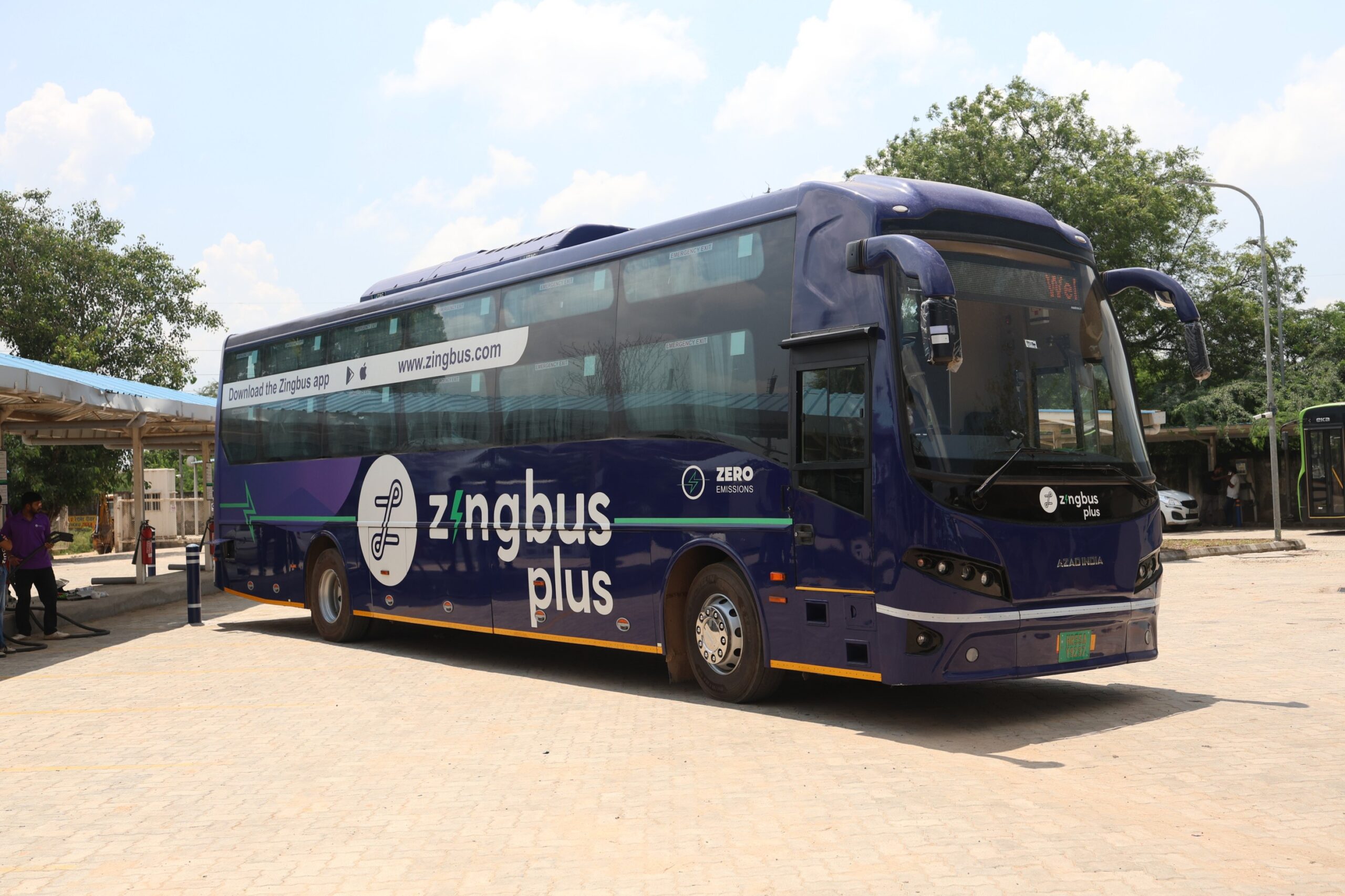
zingbus has already moved beyond the pilot stage with electric buses operating on two intercity corridors.
As of September 2026, the currently serviceable electric routes are:
- Delhi to Dehradun and Dehradun to Delhi
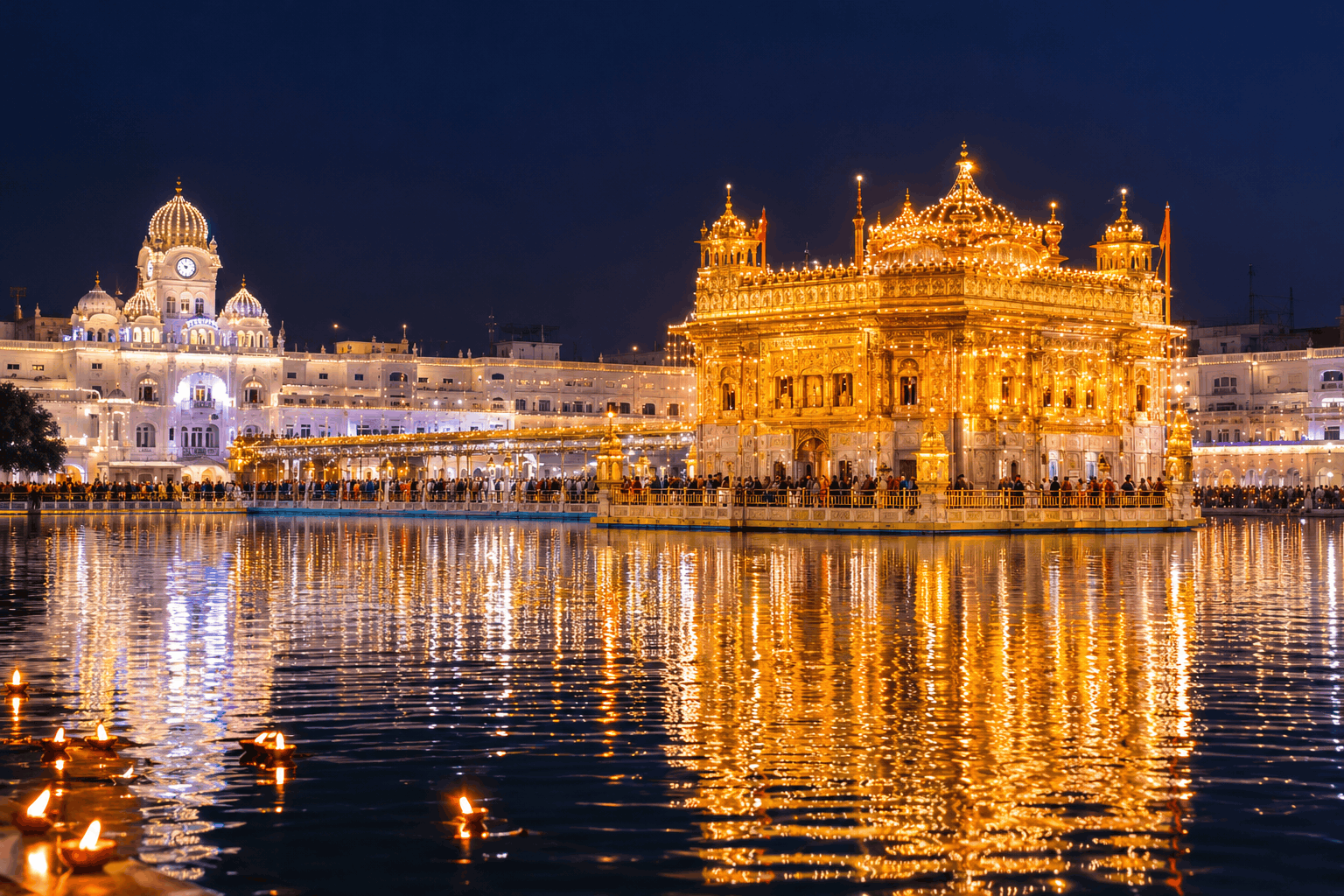
- Delhi to Amritsar and Amritsar to Delhi
These corridors demonstrate an important point about electric intercity travel. The objective is not simply to put an electric bus on any available route. The route needs sufficient passenger demand, suitable charging infrastructure and an operating model that can maintain service reliability.
zingbus has therefore focused its existing electric operations on selected corridors where the infrastructure and travel demand can support the service.
Travellers can check the available Delhi to Dehradun bus services while planning their journey.
The zingbus Electric Bus Roadmap: 50+ in 2026 and 1,000 by 2030
The current network may be limited to two operational corridors, but the larger electric mobility roadmap is considerably broader.
According to zingbus’s published 2026 roadmap, the company is inducting more than 50 electric buses during 2026 and has a stated target of reaching 1,000 electric buses by 2030.
This distinction matters. The roadmap represents planned fleet expansion, while the currently operational electric network remains focused on Delhi to Dehradun and Delhi to Amritsar.
The strategy is also deliberately infrastructure led. zingbus has stated that charging access, passenger demand and corridor feasibility are key considerations when selecting routes for electric deployment.
A partnership with Jio BP supports access to charging infrastructure along selected corridors. The model is designed around charging where highway infrastructure is sufficiently mature, while gradually expanding as more charging points become available.
That approach is particularly relevant to intercity travel because an electric bus cannot be evaluated only by its battery capacity. The entire route ecosystem matters.
Why Charging Infrastructure Is Critical for Electric Buses
An electric bus travelling between cities needs more than a suitable vehicle. It needs a dependable charging network positioned around the realities of the journey.
For intercity operators, charging decisions involve several practical considerations:
- Distance covered between charging points
- Passenger demand on the corridor
- Availability of suitable highway charging infrastructure
- Charging time and vehicle scheduling
- Access to reliable charging locations
- Opportunities to charge around planned rest stops
zingbus has described its approach as placing charging infrastructure at strategic highway locations, including points where passengers may already stop for meals or restrooms.
This is one reason electric bus deployment cannot happen everywhere at once. A corridor with strong demand but inadequate charging infrastructure may not yet be suitable for reliable electric operations.
The smarter approach is to build the network where the operational conditions already make sense and then expand from there.
Delhi to Dehradun: One of zingbus’s Active Electric Corridors
Delhi to Dehradun is one of the clearest examples of electric intercity travel currently available through zingbus.
The route connects the national capital with Uttarakhand’s capital and is short enough to demonstrate how electric buses can work effectively on a defined highway corridor.
The current zingbus route page lists electric bus options on the Delhi to Dehradun corridor, including electric seater and electric bus services.
For passengers, the appeal is not simply that the bus uses an electric drivetrain. The quieter cabin and smoother movement can make the journey more comfortable, particularly when travelling for several hours.
Travellers heading beyond Dehradun can also explore the broader Dehradun bus booking options available through zingbus.
Delhi to Amritsar: Taking Electric Travel Further
Delhi to Amritsar represents a longer intercity corridor where electric bus operations demonstrate another side of the transition.
zingbus identifies Delhi to Amritsar as one of its operational electric corridors, connecting the capital with Amritsar through the established Punjab travel network.
The corridor is particularly relevant to the electric bus conversation because longer journeys place greater importance on charging planning, vehicle utilisation and operational scheduling.
For passengers, the difference can be felt less as a dramatic change and more as an improvement in the overall travel environment. Electric drivetrains can reduce engine noise and vibration, creating a calmer cabin during extended journeys.
Travellers planning this route can check the available Delhi to Amritsar bus services and verify the bus type listed for their specific departure.
Passengers should check the available bus type for their specific travel date because not every departure on a route is necessarily an electric service.
What Does an Electric Bus Feel Like for a Passenger?
The technology underneath the bus matters, but passengers experience the change through relatively simple things.
A Quieter Cabin
Electric drivetrains generally produce less mechanical noise than conventional diesel powertrains. On a long journey, that can make the cabin feel noticeably calmer.
For overnight travel, lower noise can be particularly useful because the passenger experience is not only about reaching the destination. It is also about how comfortably the journey is spent.
Smoother Acceleration
Electric motors can deliver power differently from conventional diesel engines. The resulting acceleration can feel smoother, particularly during starts and stops.
zingbus’s electric mobility content highlights smoother rides, quieter operation and reduced cabin vibration as passenger benefits of its electric buses.
Zero Tailpipe Emissions
An electric bus does not produce tailpipe emissions while operating.
This distinction is important. Electric vehicles still involve manufacturing, battery production, electricity generation and other lifecycle impacts. However, removing direct exhaust emissions from the vehicle itself is an important part of cleaner transport.
Electric Buses Are About More Than the Vehicle
A common mistake is to think of electric mobility as simply replacing a diesel bus with an electric one.
The larger transition involves several connected systems:
- Vehicles need suitable range, performance and reliability.
- Charging infrastructure needs to support the routes consistently.
- Operators need schedules that account for charging requirements.
- Technology needs to monitor vehicles and journeys.
- Passengers need a service that remains dependable.
- Infrastructure partners need to support charging availability along the network.
This is why the growth of electric intercity buses depends on ecosystem development as much as vehicle procurement.
zingbus has described partnerships involving charging point operators, vehicle manufacturers, financing partners and Jio BP infrastructure as part of its broader electric mobility approach.
Why Electric Buses Can Improve the Travel Experience
Sustainability is an important reason to electrify transport, but it is not the only reason passengers may prefer an electric bus.
The passenger experience can benefit through:
- Lower drivetrain noise
- Reduced cabin vibration
- Smoother acceleration
- Modern vehicle interiors
- A calmer environment during longer journeys
- Zero tailpipe emissions during operation
These advantages become especially relevant on overnight or longer intercity routes, where passengers spend several hours inside the vehicle.
The best electric transport experience, however, is still one where the passenger does not have to think about the technology at all. The bus arrives, the journey works as planned and the passenger reaches the destination comfortably.
That is ultimately the benchmark that matters.
How Does zing Electric Fit Into the Larger Picture?
Electric buses are only one part of zingbus’s electric mobility approach.
The brand also operates zing Electric, a shared intercity electric cab service designed to connect travellers with bus hubs and final destinations. It works as an extension of the main intercity journey rather than as a standalone replacement for the bus.
The model is straightforward.
First Mile
A passenger travelling from an offbeat location can use a shared electric cab to reach the main bus hub.
Intercity Journey
The passenger then continues the longer portion of the journey by zingbus.
Last Mile
After reaching the destination city or hub, the passenger can use the shared electric cab service for the final connection where available.
The concept is particularly useful in places where a conventional bus cannot conveniently reach every neighbourhood, hill station or smaller destination.
You can read the zing Electric shared cab guide to understand how this first mile and last mile model works.
What Makes the Two Electric Services Different?
It is useful to distinguish between the two parts of the ecosystem.
| Service | Primary Role |
| zingbus electric buses | Intercity travel between major cities and established corridors |
| zing Electric | Shared first mile and last mile connections where available |
The electric bus handles the longer intercity journey. zing Electric can help connect that journey with locations that sit beyond the main bus corridor.
Together, they show how electric mobility can be designed as a journey rather than simply a vehicle.
What Is the Future of Electric Intercity Travel in India?
India’s electric mobility transition is becoming increasingly relevant to shared and commercial transport.
The global electric vehicle market is also expanding rapidly. The International Energy Agency’s 2026 outlook projects global electric car sales of around 23 million in 2026, representing approximately 28 percent of total car sales.
Buses are a different category, but the broader trend matters. As electric vehicles become more common, charging networks, batteries, vehicle technology and operating expertise are developing alongside them.
For intercity buses, the next stage will likely depend on how effectively these elements come together on real travel corridors.
That is why zingbus’s current approach is worth watching. The company is not presenting every route as electric today. Instead, it has operational electric services on two confirmed corridors while working towards a larger fleet and network roadmap.
From Two Electric Corridors to a Larger Network
The present electric network is intentionally simple.
Currently serviceable:
- Delhi ↔ Dehradun
- Delhi ↔ Amritsar
Published roadmap:
- More than 50 electric buses being inducted during 2026
- A stated target of 1,000 electric buses by 2030
- Gradual expansion based on charging infrastructure and route feasibility
zingbus has also previously identified additional corridors for evaluation as part of its electric expansion plans. These should be understood as future possibilities rather than currently operational electric routes.
This distinction is important for travellers. Electric mobility is expanding, but the transition will happen corridor by corridor rather than overnight.
Why World EV Day 2026 Matters to Bus Travellers
World EV Day is not only relevant to someone considering an electric car.
For a traveller who regularly uses buses, the shift towards electric public transport can influence the journey in practical ways.
It can mean:
- Cleaner transport without requiring private vehicle ownership
- Quieter and smoother intercity journeys
- Greater use of shared electric mobility
- More investment in highway charging infrastructure
- A gradual reduction in dependence on fossil fuel based transport
- New possibilities for connecting cities through electric bus networks
This makes electric mobility a shared responsibility rather than a private ownership decision.
You do not necessarily need to buy an electric vehicle to participate in the transition. Choosing shared electric transport can also be part of it.
What Should Travellers Check Before Booking an Electric Bus?
Electric availability should not be assumed simply because a route is associated with zingbus electric.
Before booking, check:
- Bus type: Confirm that the specific departure is listed as an electric service.
- Travel date: Availability can vary between departures.
- Route direction: Both Delhi to Dehradun and Dehradun to Delhi, as well as Delhi to Amritsar and Amritsar to Delhi bus, are part of the current operational network.
- Departure details: Check the boarding point and timing before travelling.
- Live availability: Use the current booking information rather than relying only on general route information.
This is particularly important as the electric fleet continues to expand.
For current options, travellers can visit the zingbus bus booking platform and check the available bus type for their selected route and date.
A More Practical Way to Think About Electric Travel
The electric mobility transition does not have to be presented as a futuristic concept.
For a passenger boarding an electric bus in Delhi, the experience is remarkably ordinary. You book a seat, reach the boarding point, get on the bus and continue towards your destination.
The difference is happening underneath that familiar journey.
The vehicle is powered differently. The route requires a different charging strategy. The operator needs different fleet planning. The infrastructure supporting the journey is evolving.
That is what makes intercity electrification significant. It takes a technology that can sometimes feel distant and turns it into something people can experience during an ordinary trip.
Where Does zingbus Go From Here?
The next stage is about scale.
zingbus’s published roadmap points towards more than 50 electric buses being inducted during 2026 and a longer term target of 1,000 electric buses by 2030.
But fleet numbers alone will not determine the success of electric intercity travel.
The real measure will be whether electric buses can continue delivering what passengers already expect from intercity transport: dependable schedules, comfortable journeys, practical boarding points, reliable charging and consistent service.
If those pieces continue coming together, the electric bus can become less of a special category and more of a normal part of India’s intercity travel network.
Plan Your Next Electric Journey With zingbus
World EV Day 2026 arrives at a time when electric mobility is moving from discussion towards everyday use.
For intercity travellers, that transition is already visible on two zingbus corridors: Delhi to Dehradun and Delhi to Amritsar, in both directions.
The current network is still only a starting point. With a stated roadmap of more than 50 electric buses in 2026 and a target of 1,000 electric buses by 2030, the larger story is about how electric mobility can gradually become part of India’s everyday intercity transport system.
For now, travellers can experience that transition directly by checking the available electric services on the operational corridors.
Explore the zingbus electric bus resources, check the available routes, or use the zingbus bus booking platform to plan your next journey.
Frequently Asked Questions
1. What is World EV Day 2026?
World EV Day is an annual global celebration of electric mobility held on September 9. The 2026 theme is “Switching Electric: driving down the cost of motoring.”
2. Does zingbus currently operate electric buses?
Yes. The current serviceable electric network includes two corridors: Delhi to Dehradun and Delhi to Amritsar, along with their respective return directions.
3. Are all zingbus buses electric?
No. Electric buses currently operate only on selected services and corridors. Travellers should check the bus type for their specific departure before booking.
4. What are the current zingbus electric bus routes?
The currently serviceable electric corridors are Delhi to Dehradun and Dehradun to Delhi, along with Delhi to Amritsar and Amritsar to Delhi.
5. What are the benefits of travelling by an electric bus?
Electric buses can offer a quieter cabin, smoother acceleration and reduced cabin vibration. They also produce zero tailpipe emissions while operating.
6. Why is charging infrastructure important for electric buses?
Electric buses need dependable charging access along their operating corridors. Charging availability influences route selection, scheduling, vehicle utilisation and overall service reliability.
7. How many electric buses is zingbus planning to add?
zingbus has stated that it is inducting more than 50 electric buses during 2026 and has a target of reaching 1,000 electric buses by 2030. These figures represent the published roadmap, not the current operational fleet.
8. Does zingbus use Jio BP charging infrastructure?
zingbus has stated that its electric mobility programme uses a partnership with Jio BP to support access to charging infrastructure along selected routes.
9. What is zing Electric?
zing Electric is a shared intercity electric cab service designed to provide first mile and last mile connections around zingbus journeys where the service is available.
10. Can electric buses be used for overnight travel?
Yes, where an electric service is available. The quieter operation and reduced cabin vibration can make electric buses particularly relevant to longer and overnight journeys. Actual availability depends on the route and departure.
11. How can I check whether my zingbus is electric?
Check the bus type shown for your selected departure while booking. Do not assume that every departure on an electric corridor is operated by an electric bus.