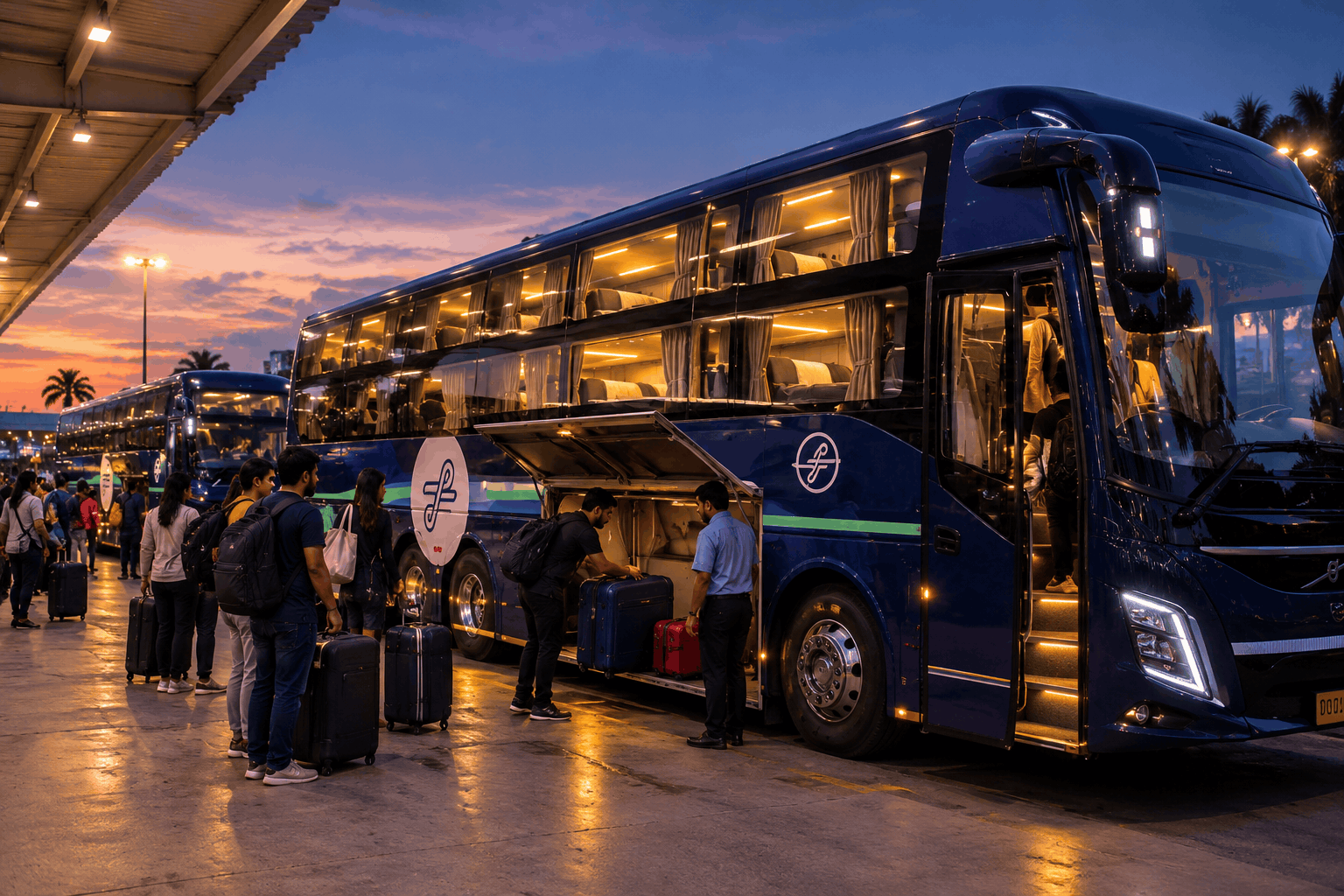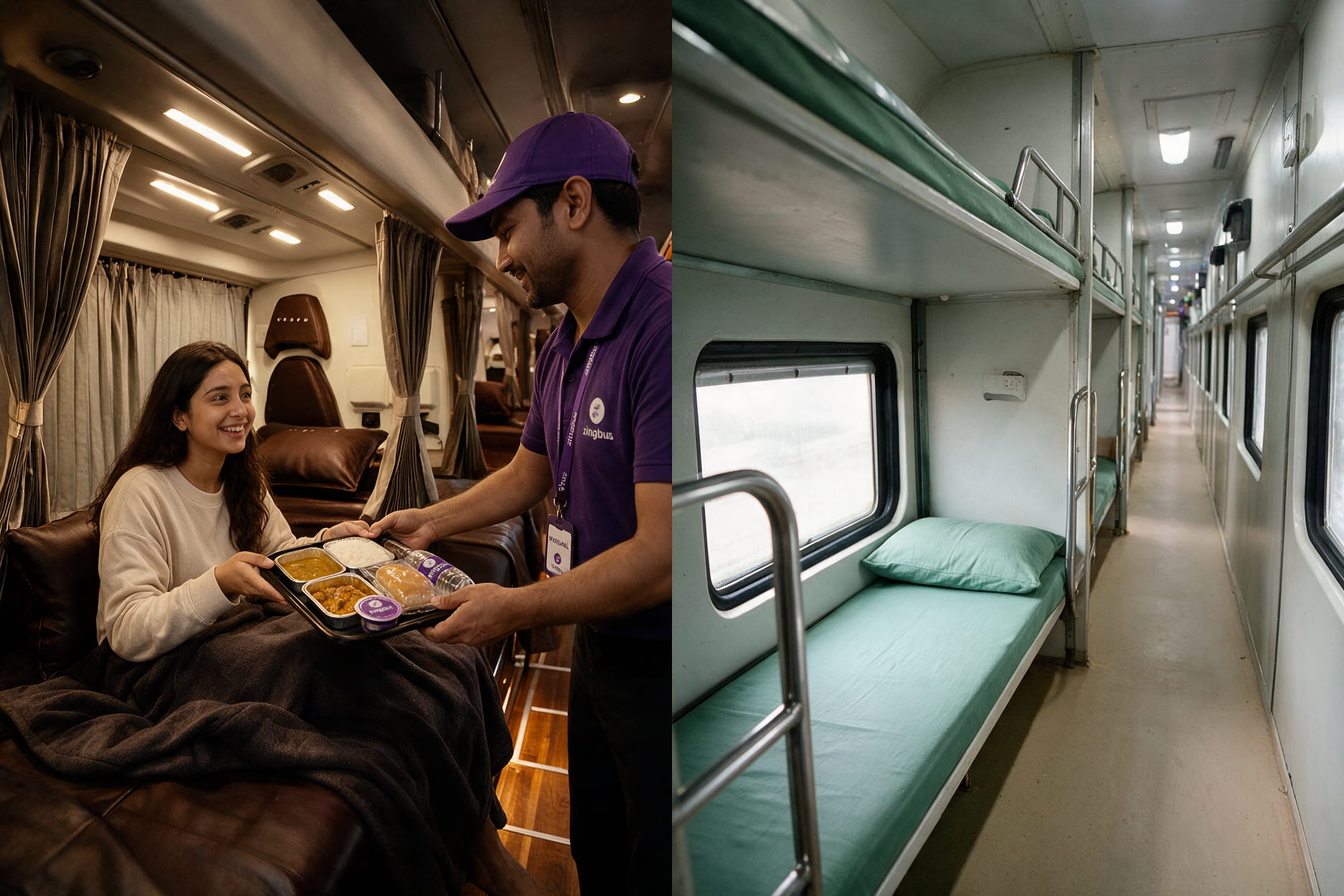
A long bus journey and the question of clean toilet facilities have always been uncomfortable companions. The standard arrangement in Indian intercity bus travel has traditionally been a roadside stop, a highway service station, or simply hoping the journey is short enough to avoid the matter entirely. Bio-toilet buses change this equation in a specific and practical way: the toilet is inside the bus, the waste is handled by a contained biological system, and no discharge happens on the road or in the environment.
Bio-Toilet Bus Meaning: A Complete Overview
A bio-toilet bus is an intercity coach fitted with a self-contained biological toilet system that uses anaerobic bacteria to process human waste inside a sealed digester tank. The system converts waste into water and gases without requiring connection to a sewage network, making it practical for a moving vehicle on a highway route.
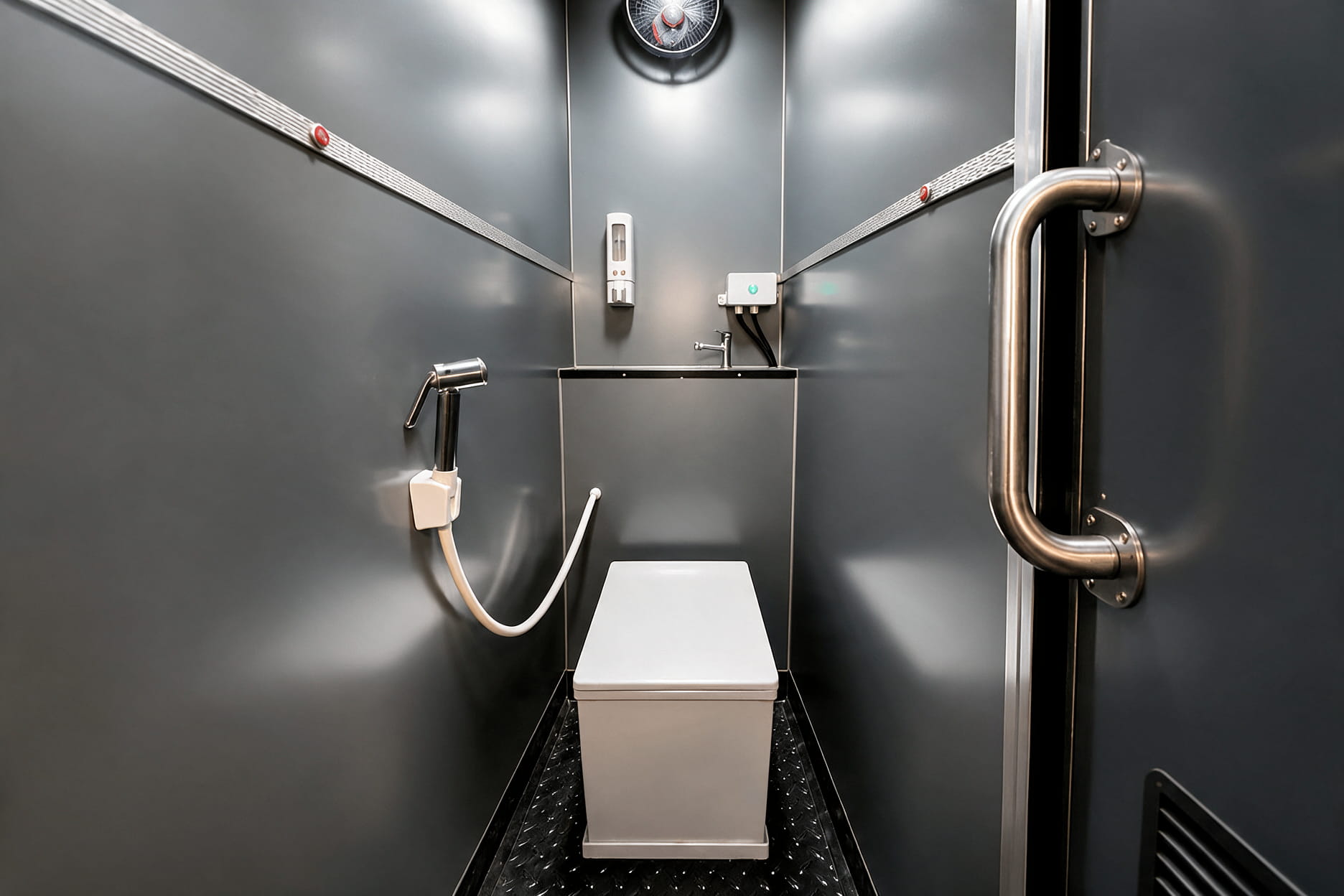
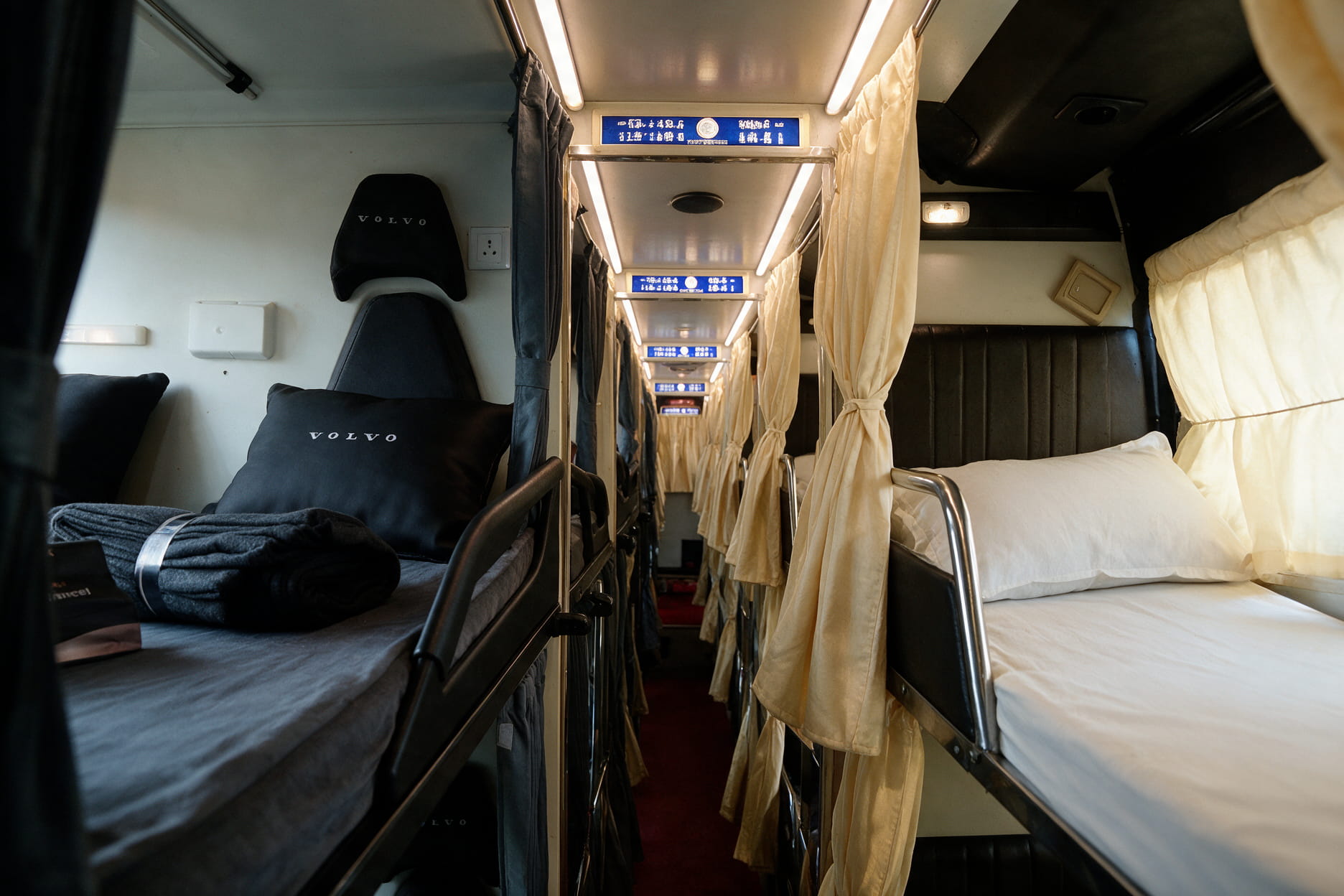
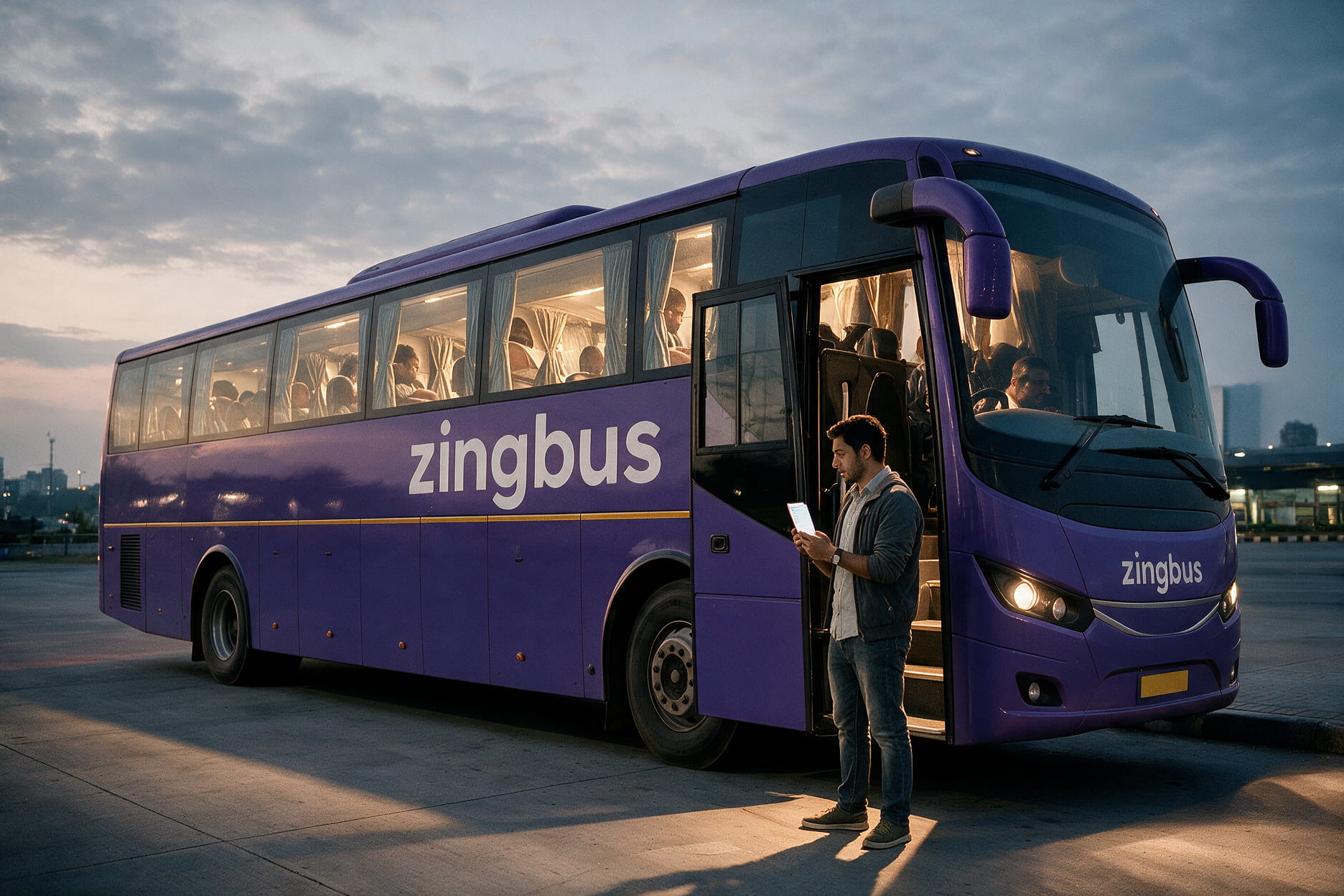
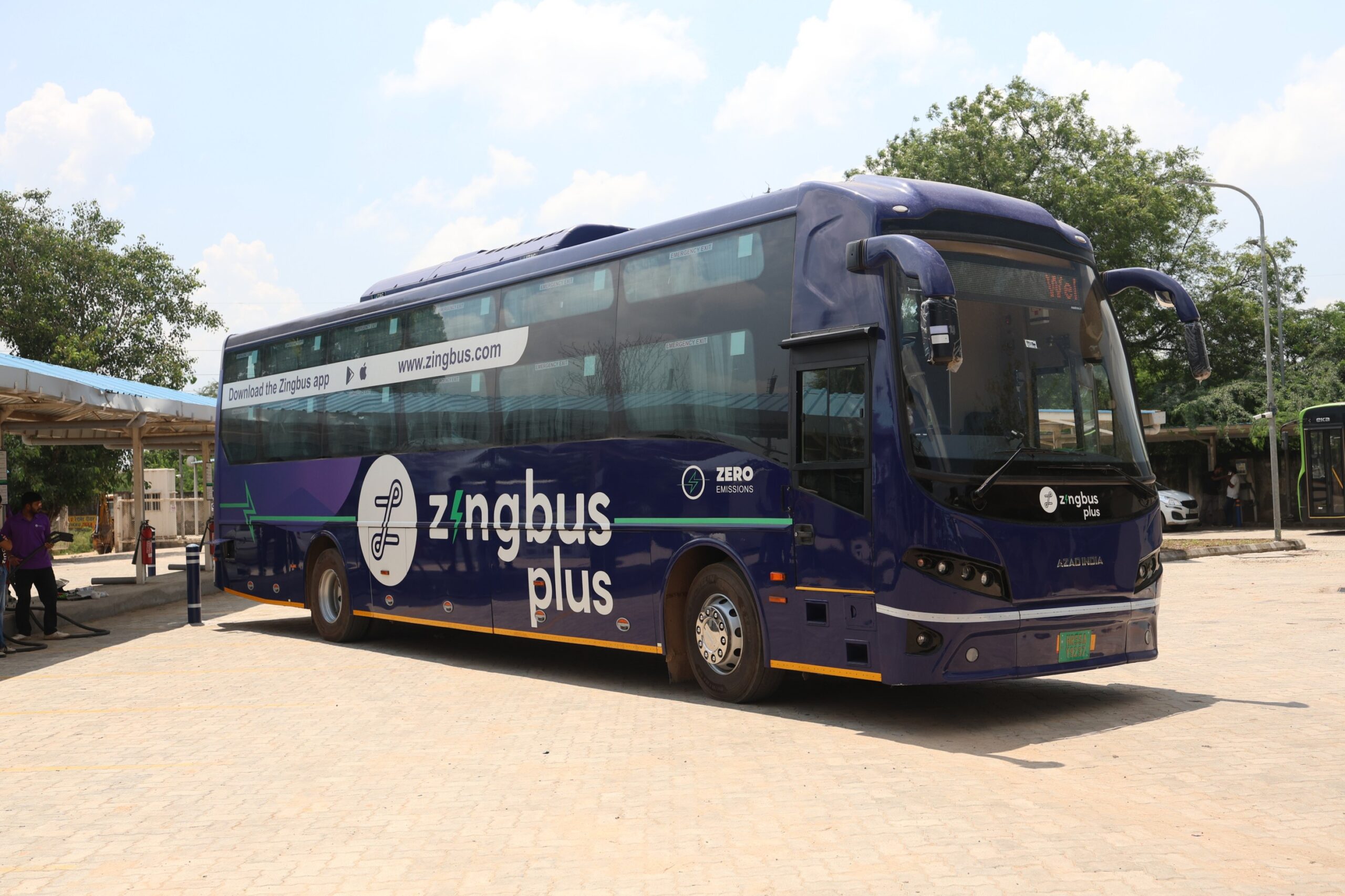
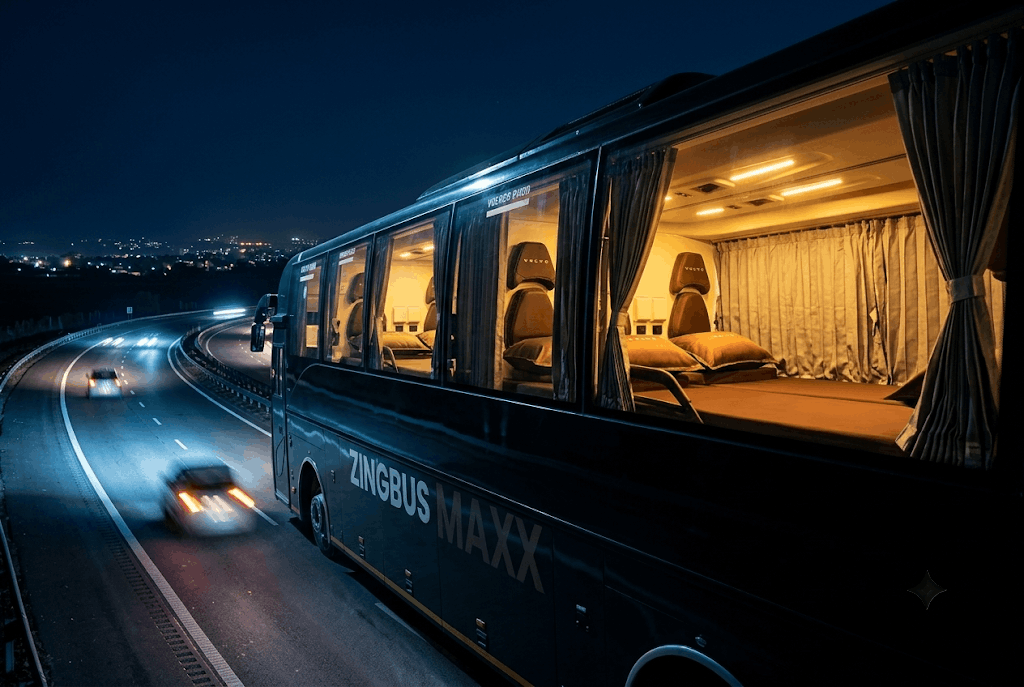
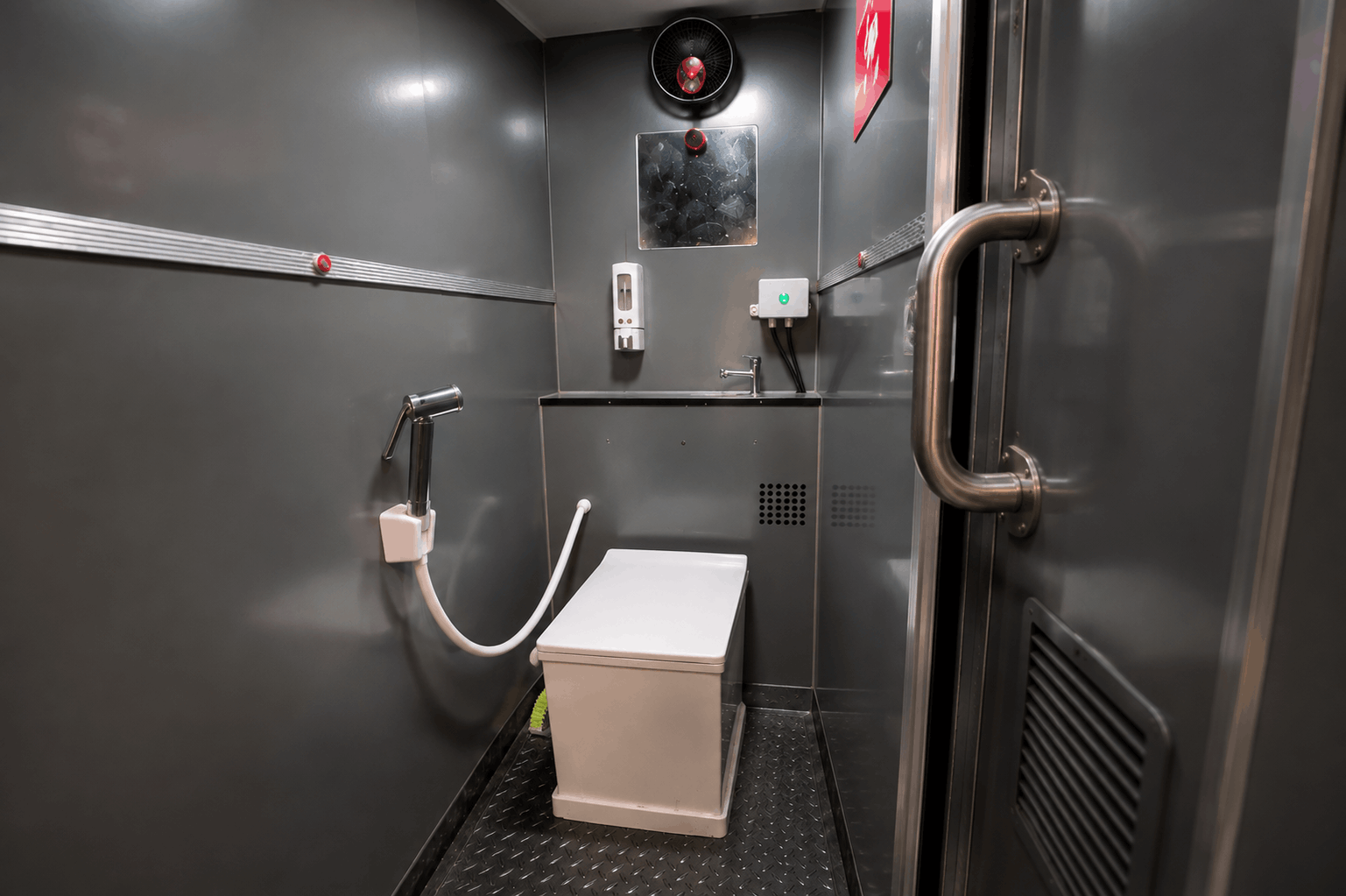
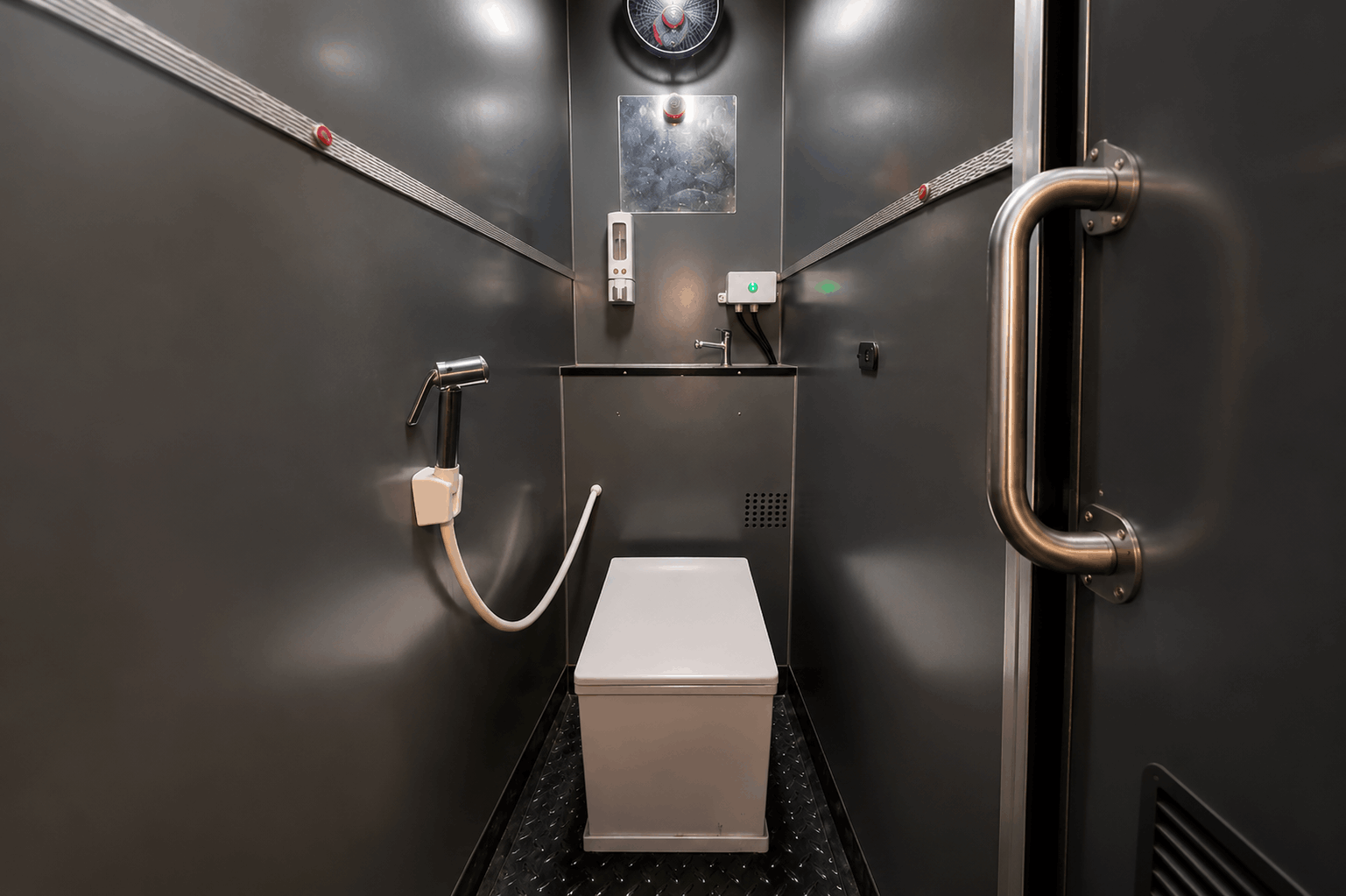
zingbus has integrated bio-washrooms across its fleet as part of a broader passenger comfort initiative. The bio-washrooms on zingbus buses include anti-skid flooring, handle bars, and exhaust fan ventilation alongside the bio-digester system, covering both the hygiene and the physical safety dimensions of an onboard washroom. Details on the full suite of onboard features are available in the zingbus Maxx amenities guide.
Bio-Toilet Bus Meaning: What the Technology Is and What It Means for Your Journey
For most passengers, “bio-toilet bus” is a phrase that appears in a route description or a booking feature list without a clear explanation of what it actually involves. This guide covers the meaning from the ground up: what the system is, how it works, why it matters in a bus context specifically, and what zingbus is doing with it.
What Is a Bio-Toilet?
A bio-toilet is a sanitation system that processes human waste using biological agents, specifically anaerobic bacteria, rather than flushing waste into a sewage network or discharging it onto the ground. The technology for bus and rail use in India was developed jointly by Indian Railways and the Defence Research and Development Organisation (DRDO), which adapted and refined the anaerobic digestion process for deployment in moving vehicles.
The bio-toilet bus meaning, in practical terms, is a bus that can carry a functional, hygienic toilet onboard without needing infrastructure access at every stop. The waste handling happens inside the vehicle’s bio digester system, independently of external sewage or disposal facilities.
Why This Matters More in a Bus Than in a Fixed Building
A fixed building bio-toilet is useful. A bio-toilet in a moving bus is transformative. The reason is access: a bus on a 10 or 12-hour overnight route cannot stop at a sewage treatment facility. A highway dhaba toilet is inconsistent at best and absent at worst. For families, elderly passengers, women, and children on long-distance overnight routes, the practical absence of a reliable onboard toilet is one of the most significant comfort gaps in Indian intercity bus travel.
The bio-toilet removes that gap by bringing the solution inside the vehicle itself.
How Does a Bio-Toilet Work on a Bus?
The bio-toilet system on a bus has two physical components and a biological process that connects them.
The Two-Part Physical System
Every bio-toilet installation has two main parts: the toilet cabin visible to the passenger, and the bio digester tank mounted below, out of sight. The toilet outlet is directly connected to the digester tank. When a passenger uses the toilet, waste passes through the outlet into the sealed digester tank below the coach.
The bio digester tank is not a simple holding tank. It is divided into multiple internal sections that process the waste in stages, moving it progressively through the biological treatment process.
The Anaerobic Process: What Happens Inside the Tank
The biological treatment relies on anaerobic bacteria, which are micro-organisms that break down organic matter in the absence of oxygen. The specific anaerobic bacterial consortium used in these systems was developed and refined by DRDO for Indian conditions.
These bacteria are capable of functioning across a very wide temperature range, from as low as -55 degrees Celsius to as high as 60 degrees Celsius. This range ensures the system remains functional in Himalayan winter conditions as well as in the heat of the Deccan plateau in summer, which makes it genuinely practical for a national bus fleet.
The bacteria digest the human waste and convert it into two outputs: methane gas and water. The methane is released safely through a ventilation pipe. The liquid portion of the processed waste goes through a chlorination stage that disinfects it before final handling.
The Output: What Comes Out of the System
The bio-toilet system produces three outputs:
- Methane gas, which is vented out through the exhaust pipe and dissipates safely.
- Carbon dioxide, a minor by-product of the bacterial process.
- Treated liquid, which has been chlorinated and disinfected. Unlike conventional toilet systems that discharge waste directly onto roads, the bio-toilet system ensures no untreated waste reaches the road or open environment.
By-products including biogas and treated water can be captured and reused, reducing the system’s overall resource consumption further.
Bio-Toilet vs Regular Bus Toilet: The Key Differences
Understanding the bio-toilet bus meaning is clearer when compared to what it replaces.
| Feature | Bio-Toilet Bus | Conventional Approach |
| Toilet location | Onboard, in the coach | None, or roadside stop |
| Water per flush | 0.5 to 1 litre | Standard toilet uses up to 10 litres |
| Waste handling | Treated inside the digester tank | No system, reliant on external infrastructure |
| Discharge | None on roads or open areas | Discharge risk at stops |
| Odour | Controlled by anaerobic process | Dependent on stop quality and timing |
| Maintenance | Low; no sewage pipe connection needed | Variable; dependent on external facilities |
| Availability during journey | Always accessible | Depends on driver’s stop timing and location |
| Suitable for overnight journeys | Yes | Impractical without multiple planned stops |
The water consumption difference is the most striking practical comparison. A conventional toilet uses up to 10 litres per flush. A bio-toilet uses between 0.5 and 1 litre. On a coach carrying multiple passengers over a 10-hour overnight journey, this difference has a meaningful environmental impact beyond the waste management benefit.
Why Bio-Toilets Matter Specifically for Intercity Bus Travel
The case for bio-toilets in any fixed building is straightforward: better hygiene, less water, no sewage infrastructure needed. The case for bio-toilets specifically in intercity buses has additional dimensions.
For passengers on overnight routes: The most obvious benefit is availability. A bio-toilet that functions throughout the night without requiring a driver’s decision about when and where to stop removes the uncertainty that currently forces passengers on overnight routes to either restrict what they eat or drink, or plan their journey around a highway dhaba stop at an inconvenient hour.
For families and women travellers: A hygienic, enclosed, accessible onboard toilet changes the comfort calculation for travel with children and for women on overnight journeys. The alternative, a night-time roadside stop at a highway location, is both less hygienic and less safe.
For elderly passengers: The physical accessibility of an onboard toilet, with anti-skid flooring and handrails, is more practical than managing a roadside stop in the dark.
For the environment: Every overnight bus journey on a major corridor involves multiple driver stops for passenger facility needs. Each of those stops typically involves the discharge of toilet waste at or near the stop location, with no treatment. Bio-toilet buses eliminate this entirely.
What zingbus Is Solving Through Bio-Washrooms
The bio-washroom installation on zingbus buses addresses several distinct problems simultaneously, not just the waste handling question.
- Passenger Safety inside the Washroom: The zingbus bio-washroom uses anti-skid flooring to prevent slipping in a moving vehicle and handle bars positioned for grip, particularly for elderly passengers and children. A moving bus creates lateral forces that a standard washroom floor does not account for. Anti-skid flooring and handle bars address this directly.
- Ventilation and Air Quality: Exhaust fans fitted inside the washroom cabin create active air circulation, addressing the odour concern that passengers associate with enclosed toilet spaces on vehicles. Passive ventilation is insufficient in a sealed cabin on a moving vehicle; active ventilation through a fan ensures the environment inside the washroom remains usable throughout the journey.
- Environmental Responsibility: No discharge on roads or open areas is a core requirement of the zingbus bio-washroom specification. The contained treatment system means the vehicle completes its route without depositing untreated waste at any point along the highway.
- Operational Efficiency: Bio-toilet systems reduce the mechanical issues associated with conventional waste handling at rest stops. Quicker cleaning at rest stops and fewer blockage issues downstream translate into more reliable vehicle performance and less maintenance intervention over the operational life of the coach.
What This Means for Your Next Journey on a Bio-Toilet Bus
From a passenger perspective, the bio-toilet bus meaning comes down to a few practical changes to how the journey feels.
You do not have to plan your food and water consumption around the driver’s stop timing. The toilet is inside the bus and accessible whenever you need it. This changes the calculus for overnight journeys particularly: you can eat and drink normally, sleep when you want to, and use the washroom at a time and pace of your choosing.
The system is clean in a way that highway dhabas are not, and it is there when you need it in a way that a rest stop is not. The anti-skid flooring and handle bars inside the zingbus bio-washroom mean the physical experience of using a toilet on a moving coach is safer than it might otherwise be.
For passengers who have avoided overnight bus travel specifically because of the toilet question, a bio-toilet bus removes that reason.
You Might Also Like
- A Complete Guide to zingbus Maxx Amenities and Premium Features: The full breakdown of onboard features on zingbus Maxx, including the washroom and cabin experience on the premium tier.
- zingbus Maxx: Your 7-Star Travel Experience: What makes zingbus Maxx different from a standard sleeper, including all the onboard features that elevate the overnight journey.
- Women’s Bus Travel Safety in India: Real Tips for Solo Travellers: Practical guidance for women on overnight routes, covering the onboard environment, safety features, and how to plan for a comfortable journey.
Quick Tips for Using a Bio-Washroom on Your Bus
- Use the handle bars when entering and exiting the washroom while the bus is moving. Lateral forces on a highway can be stronger than expected, particularly on curved roads.
- The water per flush is limited by design (0.5 to 1 litre). This is intentional; the system is optimised for this low-water flush and works best when used as designed.
- Report any odour or maintenance concerns to the marshal or driver immediately. The bio-washroom is designed to function odour-free when maintained correctly; any persistent odour indicates a servicing requirement.
- The washroom is designed for all passengers throughout the journey, not just at rest stops. Use it whenever needed rather than waiting for a scheduled halt.
Frequently Asked Questions
These questions reflect what passengers most commonly ask about bio-toilet buses and what the technology means in practice.
What is the meaning of a bio-toilet bus?
A bio-toilet bus is an intercity coach fitted with a self-contained biological toilet system that uses anaerobic bacteria to treat human waste inside a sealed digester tank onboard, with no discharge on roads or open areas.
How does a bio-toilet work on a bus?
Human waste passes from the toilet cabin into a bio digester tank beneath the coach, where anaerobic bacteria break down the waste into methane gas and water; the gas is vented safely and the liquid is chlorinated before being contained or discharged at designated service points.
Why does a bio-toilet bus use less water than a regular toilet?
A bio-toilet uses 0.5 to 1 litre of water per flush because the bacterial digestion system does not require large volumes of water to move waste through a sewage pipe; conventional toilets use up to 10 litres per flush because they rely on water pressure to flush waste to an external system.
Are bio-toilets hygienic on a bus?
Yes, the anaerobic process actively controls odour and waste accumulation, and the sealed system ensures no untreated waste is exposed inside the cabin; zingbus bio-washrooms also include exhaust fans for active air circulation and anti-skid flooring for physical safety.
Which buses in India have bio-toilets?
zingbus has integrated bio-washrooms into its intercity fleet; Indian Railways has also installed bio-toilets across a significant portion of its passenger coaches following the DRDO-developed technology rollout.
Does a bio-toilet bus smell bad?
When functioning correctly, bio-toilets do not produce significant odour because the anaerobic bacterial process actively breaks down waste rather than letting it accumulate; active ventilation through exhaust fans, as installed in zingbus bio-washrooms, further prevents odour in the cabin.
What happens to the waste in a bus bio-toilet?
Waste is broken down by anaerobic bacteria into methane gas, which is vented safely, and treated liquid, which is disinfected through chlorination; no untreated waste is discharged onto roads or the open environment at any point.
Is a bio-toilet in a bus different from the one in an Indian Railways train?
The core technology is the same, developed by DRDO and Indian Railways; the specific implementation for buses includes adaptations for road vehicle use, including the sealed tank design and the active ventilation system, as well as passenger-facing additions like anti-skid flooring and handle bars for safety on a moving road vehicle.