Delhi in August runs between 34 degrees and 90 percent humidity. The air feels heavy, the metro platforms smell like wet concrete, and the weekend forecast reads “partly cloudy with thunderstorms” for the fourth consecutive Saturday. The fix sits 4 to 7 hours away by bus, where the same monsoon that makes Delhi uncomfortable makes hill stations, river towns, and fort cities genuinely spectacular. A well-timed 2 day trip from delhi in august costs less than two restaurant dinners and returns you to Monday with functioning lungs.
This guide covers eight destinations, each with a specific Day 1 and Day 2 itinerary built around what August adds to the place. Every activity listed is monsoon-verified: no suspended rafting, no closed national park zones, no “best visited in winter” disclaimers hidden in the third paragraph.
2 Day Trip from Delhi in August: 8 Monsoon Itineraries That Actually Work
Each destination below follows the same practical format. The bus departure from Delhi, what to do on Day 1 (arrival day), where to stay, what to do on Day 2 (departure day), what August specifically adds to the experience, and an estimated cost per person. Every activity is operational in August. If rafting shuts down or a park zone closes during monsoon, it is not listed.
Mussoorie: Mist, Waterfalls, and Landour Bakeries
- Distance: 280 km
- Bus time: 6 to 7 hours (overnight)
- Why August: Kempty Falls at peak flow, Mussoorie wrapped in monsoon clouds, Landour’s colonial-era streets under mist
Day 1 (Saturday): Arrive by early morning from the overnight bus. Check into your stay. Walk to Kempty Falls (7 km from Mall Road, auto Rs 50 to Rs 100), which runs at full volume in August. Return to town for lunch. Afternoon: walk Camel’s Back Road (3 km loop, flat, paved), which in August means walking through shifting clouds with valley views appearing and disappearing. Evening: Mall Road walk, window shopping, chai at a roadside stall.
Day 2 (Sunday): Early morning drive or shared taxi to Lal Tibba, the highest point in Mussoorie (2,275 m), for Himalayan views if the clouds clear. Return to Landour for breakfast at a bakery (Landour Bakehouse or Char Dukan). Explore the Tibetan Buddhist Temple and Happy Valley. Afternoon: Gun Hill by cable car (Rs 75 per person each way) for panoramic views. Evening bus back to Delhi.
What August adds: Monsoon mist transforms Mussoorie from a touristy hill station into something quieter and more atmospheric. The waterfalls run 3 to 4 times stronger than winter. Cloud-walking on Camel’s Back Road is an August-exclusive experience. The places to visit near Delhi within 300 km guide covers Mussoorie alongside other 2-day options.
Cost per person: Rs 3,000 to Rs 6,000 (bus Rs 500 to Rs 1,200, stay Rs 1,000 to Rs 2,500, food Rs 600 to Rs 1,000, activities Rs 200 to Rs 500)
Lansdowne: The Quietest 2 Day Trip from Delhi in August
- Distance: 250 km
- Bus time: 5 to 6 hours
- Why August: Deodar and oak forests in peak monsoon green, fog-draped mornings, virtually zero tourist crowds
Day 1 (Saturday): Arrive by afternoon from a morning bus. Check into GMVN (Garhwal Mandal Vikas Nigam) guesthouse or a private hotel. Walk to Tip-N-Top viewpoint (2 km from the main market) for a valley view under cloud cover. Visit Bhulla Tal lake for a short boat ride (Rs 50 to Rs 100). Evening: walk the quiet cantonment roads lined with colonial-era bungalows.
Day 2 (Sunday): Morning walk through the Garhwali Museum for regional history and military artefacts. Visit St. Mary’s Church (1895, one of the oldest churches in the Garhwal hills). Walk the forest trail toward Kaleshwar Mahadev Temple (3 km round trip through dense deodar forest). The trail in August is wet, green, and completely silent. Afternoon bus back to Delhi.
What August adds: Lansdowne in August is Lansdowne at its quietest. The cantonment town receives fewer visitors in monsoon than any other season, and the fog that sits between the deodar trees in the morning creates a visual density that clear winter skies do not offer. This is the 2 day trip from delhi in august for travellers who want 48 hours of genuine silence.
Cost per person: Rs 2,000 to Rs 4,000 (bus Rs 300 to Rs 600, stay Rs 800 to Rs 1,500, food Rs 500 to Rs 800, activities Rs 100 to Rs 200)
Rishikesh: River Views, Yoga, and Cafe Culture Without the Rafting
- Distance: 230 km
- Bus time: 5 to 6 hours
- Why August: Ganga at full monsoon flow (visually dramatic), yoga ashrams at off-peak occupancy, cafe culture uninterrupted
Important note: White-water rafting on the Ganga is typically suspended from July to September when monsoon water levels make the rapids unsafe. This itinerary deliberately excludes rafting and focuses on what Rishikesh offers in August without it.
Day 1 (Saturday): Arrive early morning from overnight bus. Check into Tapovan or Laxman Jhula area. Morning yoga class at Parmarth Niketan or a private yoga school (Rs 200 to Rs 500 per session). Walk across Ram Jhula. The Ganga in August is visually different from any other month: higher, faster, louder, and a deep grey-green that reflects the monsoon sky. Afternoon: Cafe hopping on Laxman Jhula road. Evening: Ganga Aarti at Triveni Ghat. The camping near Delhi guide covers Rishikesh riverside camping for future non-monsoon trips.
Day 2 (Sunday): Morning walk to Neer Garh Waterfall (1.5 km trek from Laxman Jhula road). The waterfall runs at its strongest in August and the trek through wet forest takes about 30 minutes. Return for brunch at one of the backpacker cafes. Visit the Beatles Ashram (Rs 150 entry). The abandoned ashram in monsoon mist, with moss growing on the meditation pods, is a photographer’s dream. Afternoon bus back to Delhi.
What August adds: Rishikesh without rafting is Rishikesh stripped to its core: the river, the yoga, the cafes, and the spiritual infrastructure. August gives you the loudest Ganga, the lushest Neer Garh trek, and the emptiest ashrams.
Cost per person: Rs 2,500 to Rs 5,000 (bus Rs 400 to Rs 700, stay Rs 600 to Rs 1,200, food Rs 500 to Rs 800, activities Rs 200 to Rs 500)
Nainital: Monsoon Lake and Cloud-Level Walks
- Distance: 300 km
- Bus time: 7 to 8 hours (overnight)
- Why August: Naini Lake at maximum water level, clouds sitting at street level, monsoon-green seven hills
Day 1 (Saturday): Arrive early morning. Check in near Mall Road. Walk to Naina Devi Temple at the lake’s northern edge. Morning paddleboat on Naini Lake (Rs 200 to Rs 300 per hour). In August, the lake water level is at its highest, and the boat ride feels closer to the surrounding hills. Afternoon: Cable car to Snow View Point (Rs 300 return), where August means looking at clouds from inside them rather than from below. Evening: Mall Road walk, shopping at Tibetan Market, and local food.
Day 2 (Sunday): Morning walk to Tiffin Top (Dorothy’s Seat), a 4 km moderate trek through monsoon-green forest. The viewpoint may be cloud-covered in August, which makes the walk itself the experience rather than the destination view. Return for breakfast. Visit the Nainital Flats (the cricket ground at lake level, one of the highest cricket grounds in India). Afternoon bus back to Delhi.
What August adds: Nainital in August operates at cloud altitude. The town sits at 1,938 metres, and monsoon clouds frequently drop to street level, which means walking through the bazaar feels like walking through a slowly moving fog. The lake, the forests, and the trekking trails are all at their greenest and most atmospheric.
Cost per person: Rs 3,000 to Rs 6,000 (bus Rs 500 to Rs 1,200, stay Rs 1,000 to Rs 2,000, food Rs 600 to Rs 1,000, activities Rs 300 to Rs 500)
Kasauli: 48 Hours of Doing Nothing in Cool Air
- Distance: 290 km
- Bus time: 5 to 7 hours
- Why August: Pine and deodar scent intensified by rain, cantonment quiet, Christ Church in monsoon light
Day 1 (Saturday): Arrive by afternoon. Check into a heritage guesthouse or boutique stay. Walk to the Upper Mall and Lower Mall (combined 3 km loop). Visit Christ Church (1853), which photographs best under grey monsoon sky with wet stone walls. Evening: walk the cantonment roads. Kasauli has no commercial nightlife, no crowded bazaar, no adventure park. The activity is the absence of activity.
Day 2 (Sunday): Morning walk to Monkey Point (the highest point in Kasauli, 4 km round trip through pine forest). The trail in August smells of wet pine resin and wild herbs. Visit the Kasauli Brewery (one of India’s oldest, established 1820s) if open for visits. Afternoon: Gilbert Trail nature walk. Evening bus back via Chandigarh.
What August adds: The pine forests around Kasauli release a sharper, more concentrated scent after rain, which is something Kasauli veterans mention repeatedly. The cantonment rules keep the town quiet in every season, but August adds the sound of rain on tin roofs and the visual of clouds moving through the bazaar.
Cost per person: Rs 3,000 to Rs 5,000 (bus Rs 400 to Rs 800, stay Rs 1,200 to Rs 2,000, food Rs 500 to Rs 800, activities free to Rs 200)
Jaipur: Forts in Monsoon Green
- Distance: 280 km
- Bus time: 5 to 6 hours
- Why August: Aravalli hills turn green, Nahargarh Fort in rain, Amer Fort reflection in Maota Lake
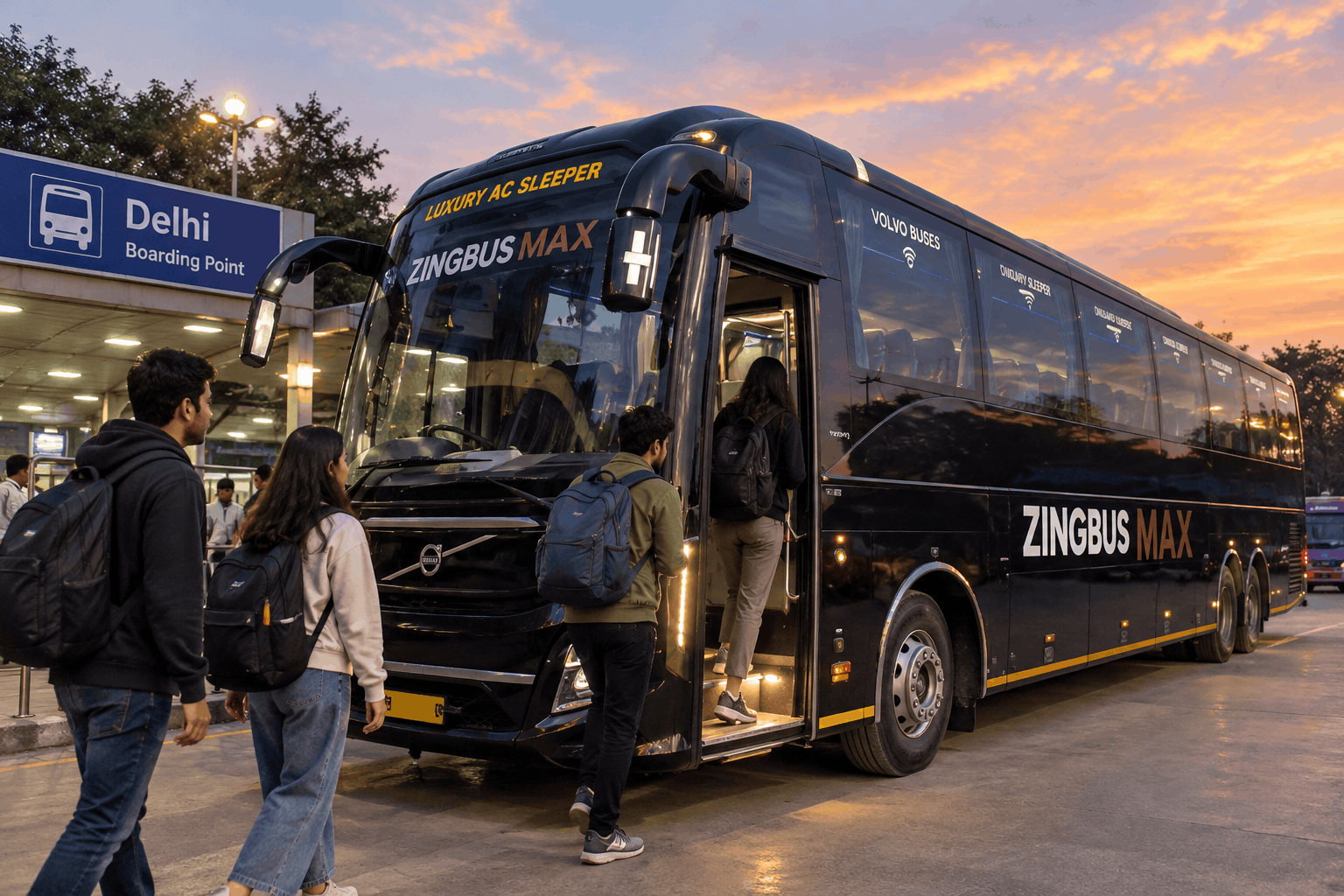
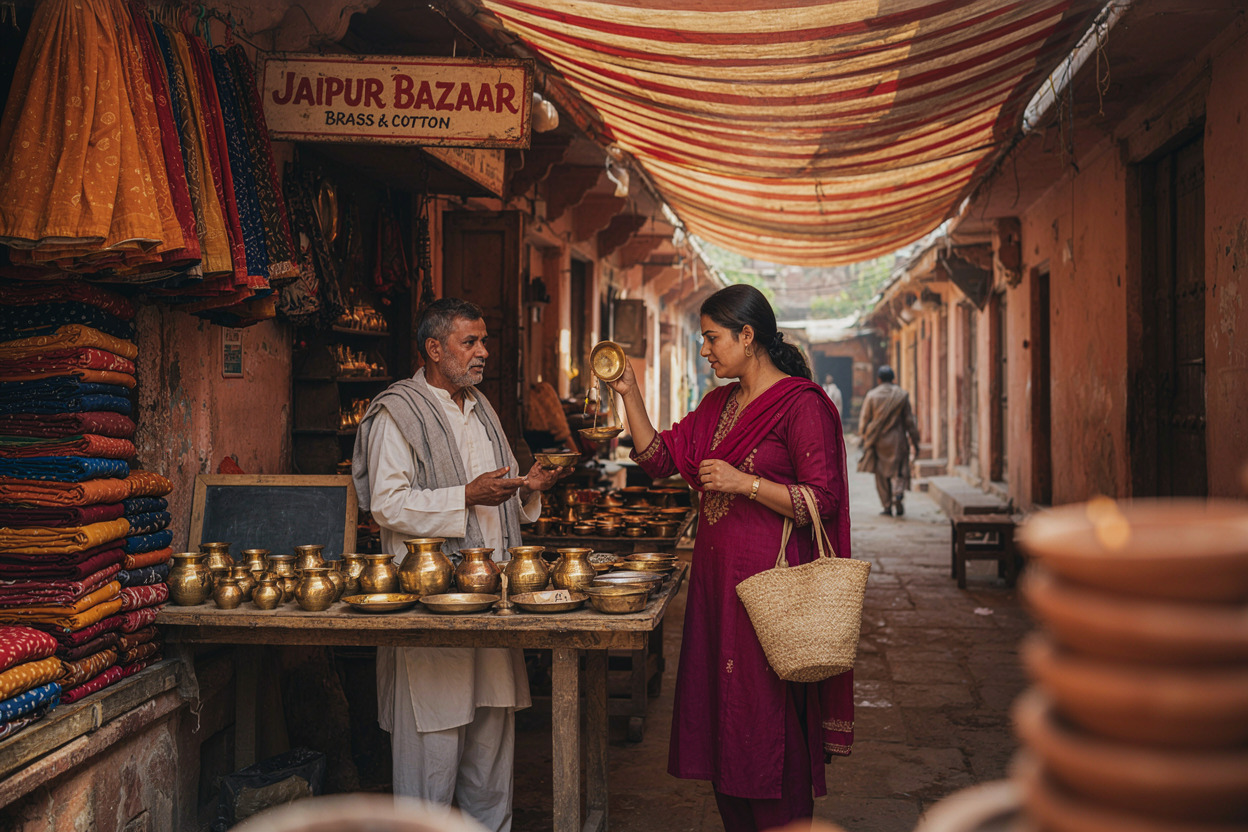
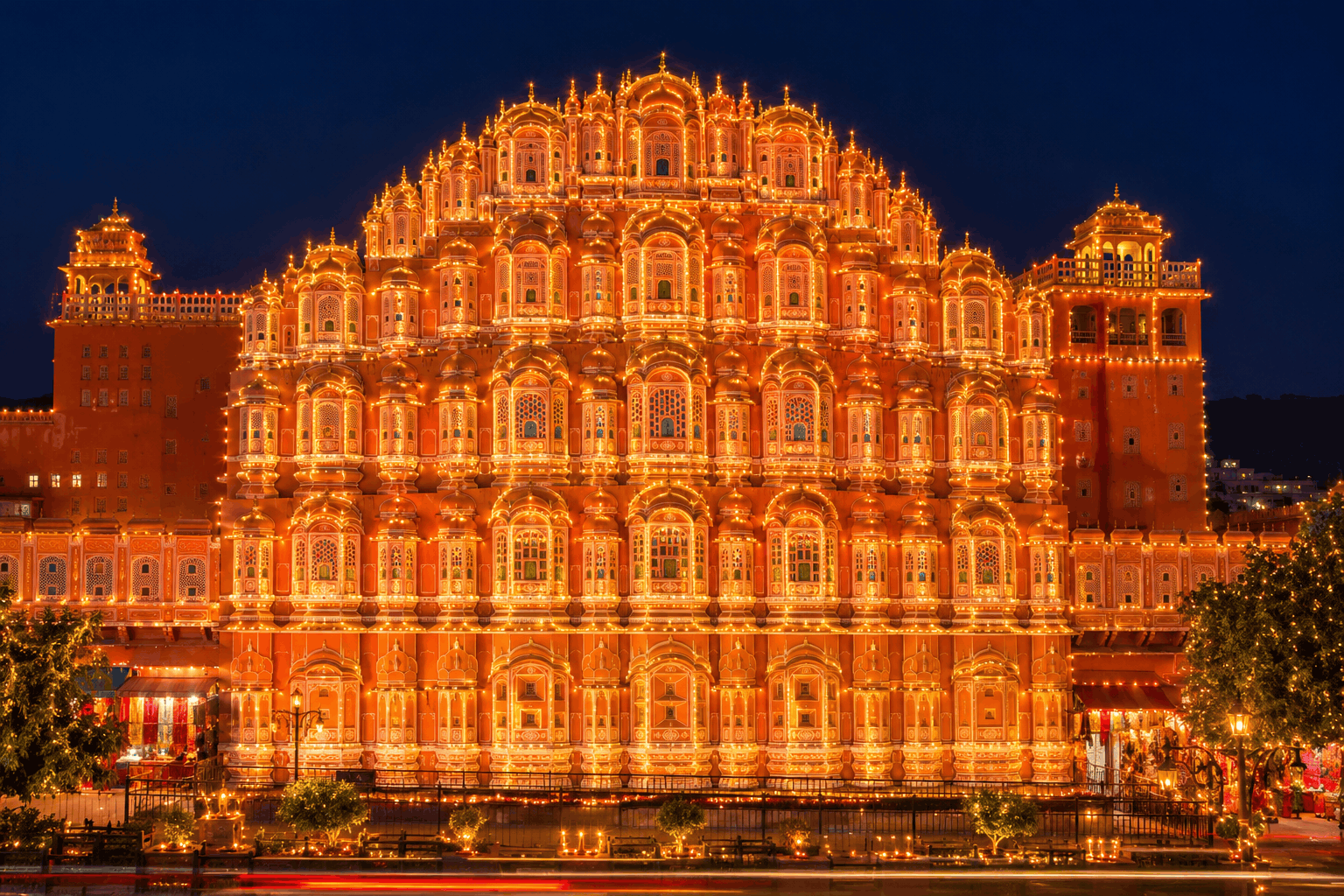
Day 1 (Saturday): Arrive by afternoon from a morning bus (zingbus operates Delhi to Jaipur with fares starting from approximately Rs 270). Head directly to Nahargarh Fort for the late afternoon. The Aravalli ridge around Nahargarh turns green in August, and the city view from the fort walls under cloudy monsoon sky is visually different from the same view in October. Evening: walk through the old city bazaars. Dinner at a rooftop restaurant in the Hawa Mahal area.
Day 2 (Sunday): Morning visit to Amer Fort (8 AM opening, before crowds). The Maota Lake below the fort fills during monsoon, and the reflection of the fort in monsoon-grey water is the August-specific photograph. Walk through the Sheesh Mahal (Mirror Palace) inside. Return to the city for brunch. Visit Anokhi Museum of Hand Printing in Amber (for a monsoon-afternoon indoor activity). Afternoon bus back to Delhi.
What August adds: Jaipur in August is Jaipur at its least crowded and most visually transformed. The pink city against green Aravalli hills and grey monsoon sky creates a colour palette that does not exist in any other season. Hotel rates are 30 to 40 percent lower than peak season.
Cost per person: Rs 2,500 to Rs 5,000 (bus Rs 270 to Rs 700, stay Rs 800 to Rs 2,000, food Rs 500 to Rs 800, activities Rs 200 to Rs 500)
Agra: The Taj Under Monsoon Cloud
- Distance: 210 km
- Bus time: 3 to 4 hours
- Why August: Taj Mahal marble changes colour under overcast sky, Mehtab Bagh in green, Yamuna at high water
Day 1 (Saturday): Morning bus from Delhi (3 to 4 hours via Yamuna Expressway). Arrive by noon. Check in. Afternoon: Agra Fort (Rs 50 entry for Indians), where the monsoon view from Musamman Burj, the octagonal tower where Shah Jahan was imprisoned and could see the Taj Mahal, carries a different emotional weight under rain clouds. Evening: Mehtab Bagh (Rs 50 entry), the garden across the Yamuna from the Taj. The Yamuna is at high water in August, and the Taj reflection works differently: the water is wider, murkier, and the reflection has a painterly quality rather than a mirror one.
Day 2 (Sunday): Sunrise at Taj Mahal (gates open 6:00 AM, entry Rs 50 for Indians). Under August overcast sky, the white marble takes on subtle grey and blue tones that clear winter sky does not produce. The crowds are significantly thinner than October to March. Allow 2 to 3 hours. Late morning: return to hotel. Afternoon bus back to Delhi.
What August adds: The Taj Mahal under monsoon cloud is a different monument from the Taj under clear sky. The marble surface absorbs and reflects the overcast light, shifting between white, grey, and pale blue. Mehtab Bagh in green and the Yamuna at high water complete a Taj visit that most travellers never see because they only come in winter.
Cost per person: Rs 2,000 to Rs 4,500 (bus Rs 200 to Rs 500, stay Rs 800 to Rs 1,500, food Rs 400 to Rs 700, Taj + Fort entry Rs 100 to Rs 200)
Mathura and Vrindavan: Janmashtami in August
- Distance: 160 km
- Bus time: 3 to 4 hours
- Why August: Janmashtami (Lord Krishna’s birthday, typically mid to late August) transforms both towns into a festival
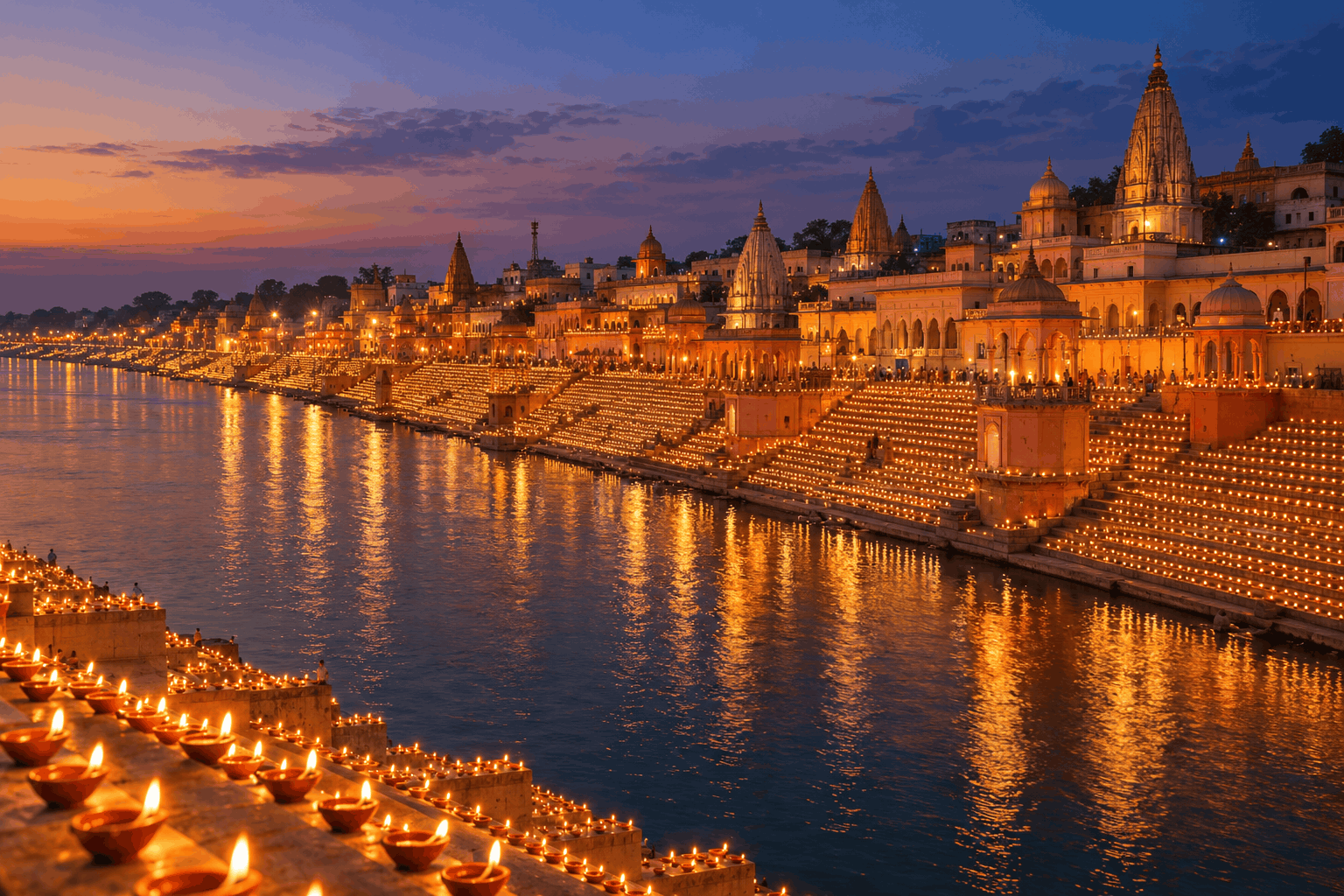
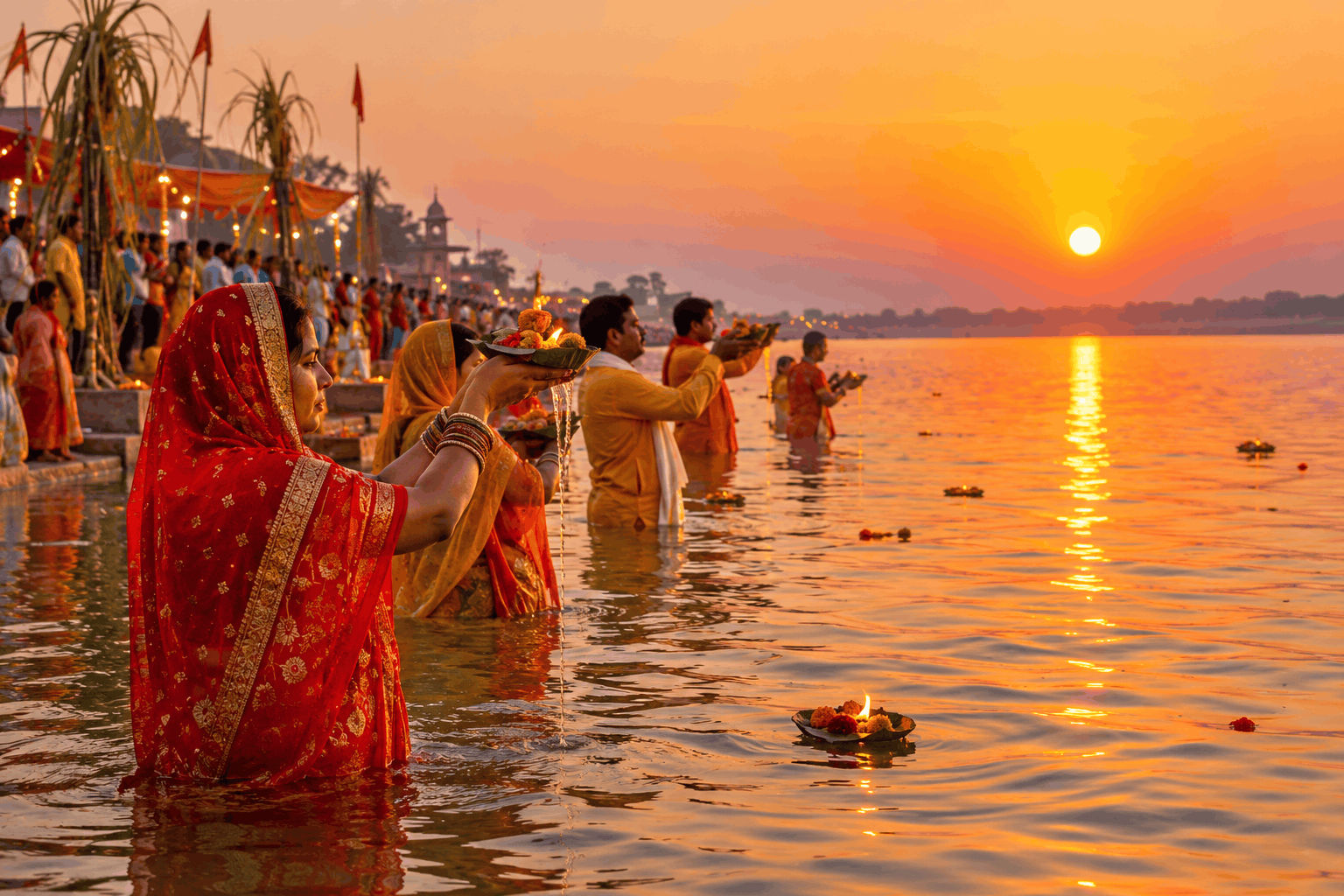
Day 1 (Saturday): Arrive by noon. Check in at Vrindavan. Afternoon: Banke Bihari Temple (expect long queues during Janmashtami week). Walk through Vrindavan’s temple lane, which in festival season fills with flower garlands, bhajan groups, and street food vendors selling malpua and peda. Evening: Kesi Ghat sunset on the Yamuna. The river is at high water in August, and the ghat steps descend closer to the waterline.
Day 2 (Sunday): Morning: drive to Mathura (15 km). Visit Krishna Janmabhoomi Temple (the birth site). Walk through Holi Gate market. If the trip coincides with Janmashtami itself, the midnight celebration at Banke Bihari Temple and across Vrindavan is the headline experience: Dahi Handi events, reenactments of Krishna’s life, temple decorations at their most elaborate, and a city-wide energy that peaks between midnight and 3 AM. Afternoon return to Delhi.
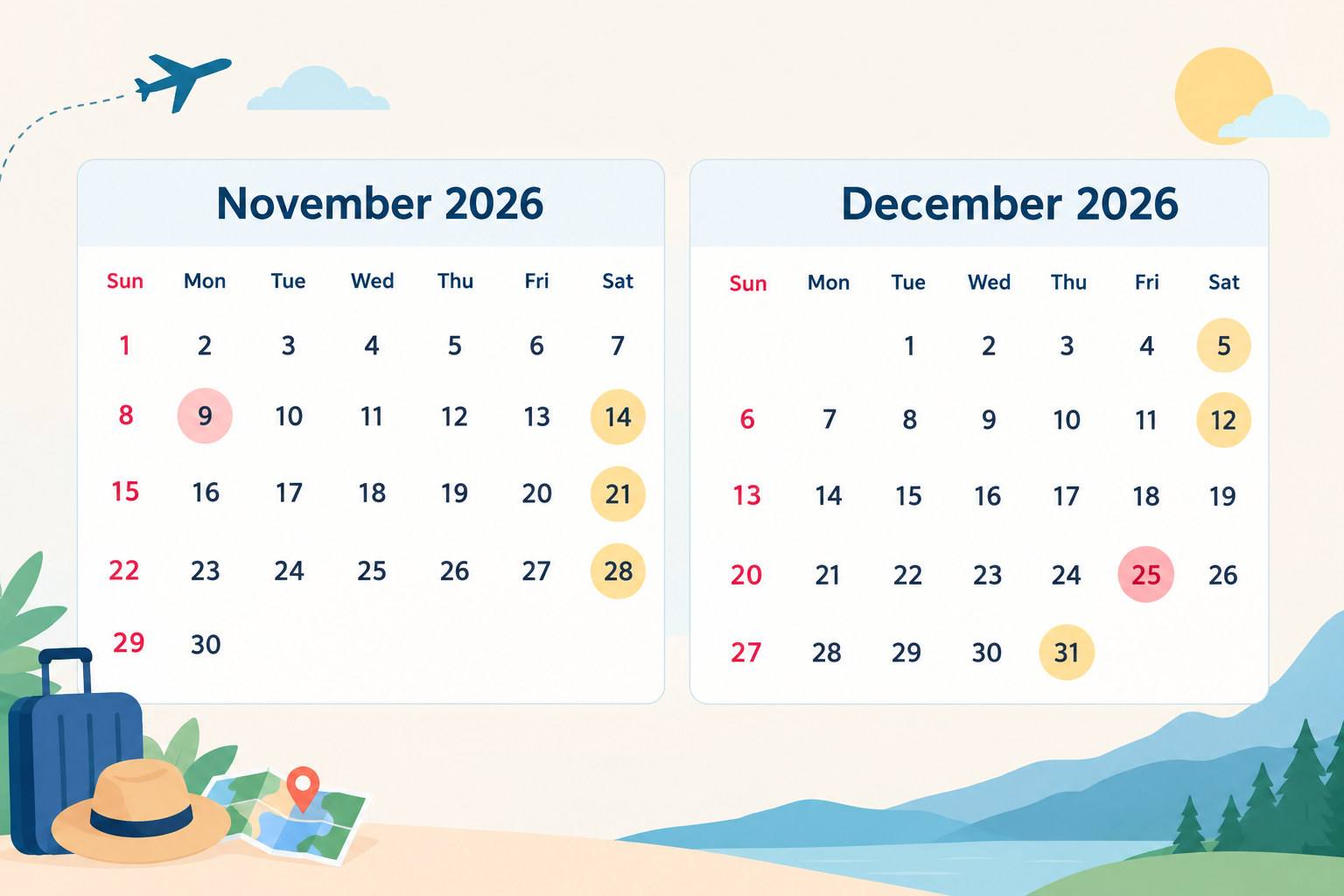
What August adds: Janmashtami in 2026 falls in August. This festival is not a general recommendation; it is a specific date-dependent event that transforms both towns from regular temple visits into a 72-hour cultural immersion. Check the exact date before booking (based on the Hindu lunar calendar). This is the most culturally specific 2 day trip from delhi in august on this list.
Cost per person: Rs 1,500 to Rs 3,500 (bus Rs 150 to Rs 300, stay Rs 500 to Rs 1,200, food Rs 300 to Rs 600, activities Rs 50 to Rs 200)
You Might Also Like
- Places to Visit Near Delhi Within 300 km for 2 Days — The full 300 km radius guide including non-monsoon destinations and practical 2-day trip planning.
- Camping Near Delhi: Best Sites for Weekend Getaway — Riverside camping at Rishikesh and Kanatal for future non-monsoon weekend plans.
- Valentine’s Day Getaways from Delhi — The couple-specific version of the Delhi weekend guide for planning romantic off-season trips.
The Monsoon Packing List That Actually Matters
A waterproof phone pouch.
This costs Rs 100 to Rs 200 and saves a Rs 20,000 phone. Hill station walks in August guarantee rain at unpredictable intervals, and pulling your phone out for a photo in a downpour without protection is how most monsoon phone deaths happen.
Quick-dry shoes, not leather.
Leather shoes absorb water and take 12 hours to dry. Synthetic trekking sandals or quick-dry sneakers work for every destination on this list. Carry a pair of dry socks in a ziplock bag for the bus ride home.
Layers, not bulk.
Hill stations in August swing between 12 and 25 degrees within the same day. A light fleece under a rain jacket covers the full range without weighing down your bag. Jaipur and Agra stay humid at 30 to 35 degrees but cool sharply after rain.
Offline everything.
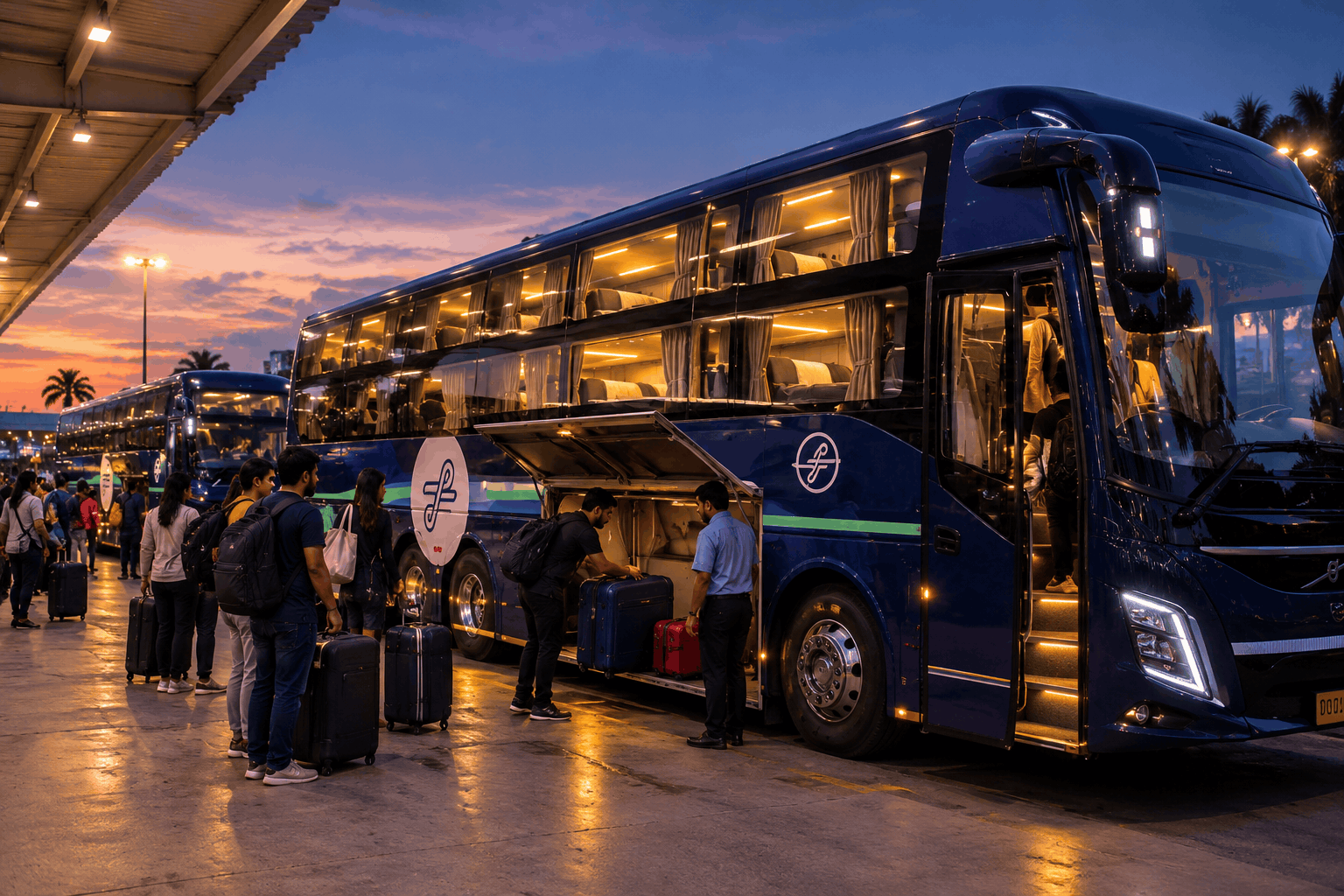
Download Google Maps for the destination area, screenshot bus tickets, save hotel confirmations as PDFs. Network drops in Lansdowne, Kasauli, and parts of Mussoorie during heavy rain. The zingbus app provides GPS tracking on every departure, which works independently of the passenger’s phone signal.
A dry bag inside your main bag.
Rs 200. Keeps clothes, electronics, and documents dry even if the outer bag gets soaked during a bus stand wait or an unexpected downpour between the auto and the hotel entrance.
Note: Prices, timings, and conditions are approximate and may change based on season, demand, weather, and local regulations.
Forty-Eight Hours of Rain That Feel Nothing Like Delhi Rain
The 2 day trip from delhi in august is not about escaping rain. It is about reaching a place where rain does something beautiful instead of something inconvenient. In Delhi, monsoon means traffic jams, waterlogged intersections, and humidity that makes a 200 metre walk feel like exercise. In Mussoorie, the same monsoon puts clouds at walking height.
In Lansdowne, it turns a silent forest into a forest that smells like the inside of a spice box. In Agra, it shifts the Taj Mahal from postcard white to a colour between silver and blue that nobody ever photographs because nobody ever goes in August. The bus leaves Friday night. The transformation starts 280 km later.
Frequently Asked Questions
What Is the Best 2 Day Trip from Delhi in August?
The best 2 day trip from delhi in august depends on what you want from the monsoon. Mussoorie for waterfalls and cloud-walking, Lansdowne for silence and forest green, Rishikesh for yoga and river views, Nainital for lake-level clouds, Jaipur for monsoon-green forts, and Mathura for Janmashtami festival are all strong choices within bus range.
Is Mussoorie Good to Visit in August?
Mussoorie is excellent in August. The hill station receives consistent monsoon rainfall, which puts Kempty Falls at peak flow, wraps the town in atmospheric mist, and turns Camel’s Back Road into a cloud-level walk. Hotel rates are lower than summer peak, and tourist crowds thin significantly.
Is Rafting Available in Rishikesh in August?
No, white-water rafting in Rishikesh is typically suspended from July to September when monsoon raises the Ganga water level beyond safe limits. August trips to Rishikesh should focus on yoga, cafes, the Beatles Ashram, waterfall treks (Neer Garh), and the evening Ganga Aarti.
How Do You Reach Mussoorie from Delhi by Bus?
Overnight buses from Delhi to Mussoorie (via Dehradun) take 6 to 7 hours and cost Rs 500 to Rs 1,200 for AC options. zingbus operates on the Delhi to Dehradun corridor. From Dehradun, Mussoorie is a 35 km uphill drive (1 to 1.5 hours by shared taxi or local bus).
What Should You Pack for a 2 Day August Trip from Delhi?
Pack a waterproof phone pouch, a light rain jacket, a fleece layer for hill stations, quick-dry shoes, a dry bag for electronics, offline maps, a power bank, and a change of clothes in a ziplock bag. Avoid heavy cotton and leather shoes, which absorb water and stay wet.
Is Nainital Crowded in August?
Nainital is less crowded in August than during the April to June summer rush. Monsoon deters some families, which means shorter queues at the lake boats, the cable car, and on Mall Road. Weekdays in August are significantly quieter than weekends.
Is Jaipur Worth Visiting in Monsoon?
Jaipur in monsoon is one of the most underrated versions of the city. The Aravalli hills turn green, Nahargarh Fort views become dramatically different under monsoon cloud, Amer Fort reflects in a full Maota Lake, and hotel rates drop 30 to 40 percent. Temperatures remain warm (30 to 35 degrees) but cooler than the 45-degree summer peak.
When Is Janmashtami 2026?
Janmashtami in 2026 falls in August, based on the Hindu lunar calendar. The exact date varies year to year and is confirmed closer to the month. Mathura and Vrindavan host the largest celebrations, with midnight temple events, Dahi Handi competitions, and city-wide festivities lasting 2 to 3 days.
Can You Do a 2 Day Agra Trip in August from Delhi?
Yes, a 2 day Agra trip in August from Delhi works well because the distance is only 210 km (3 to 4 hours by bus). The Taj Mahal under monsoon cloud offers unique marble colour shifts, Mehtab Bagh is green, and crowds are significantly thinner than winter. Sunrise visits (6:00 AM gate opening) are recommended.
Are Bus Roads to Hill Stations Safe in August?
Bus roads to Mussoorie, Nainital, Lansdowne, and Kasauli are generally safe in August, with occasional delays due to landslides on specific stretches. Operators like zingbus provide GPS tracking on every departure. Checking BRO road condition updates 24 to 48 hours before departure and keeping a buffer day in the return schedule are practical precautions.
What Is the Cheapest 2 Day Trip from Delhi in August?
The cheapest 2 day trip from delhi in august is Mathura and Vrindavan at 160 km, with a total cost of Rs 1,500 to Rs 3,500 per person. Lansdowne follows at Rs 2,000 to Rs 4,000. Both are under 250 km, have affordable accommodation, and offer free or low-cost activities (temple visits, nature walks).
Is Lansdowne Accessible in Monsoon?
Yes, Lansdowne is accessible during monsoon. The road from Kotdwar to Lansdowne (40 km) is well-maintained, and buses from Delhi operate year-round. August rainfall is moderate compared to other Uttarakhand hill stations, and the town’s cantonment infrastructure keeps roads functional even during heavy rain days.