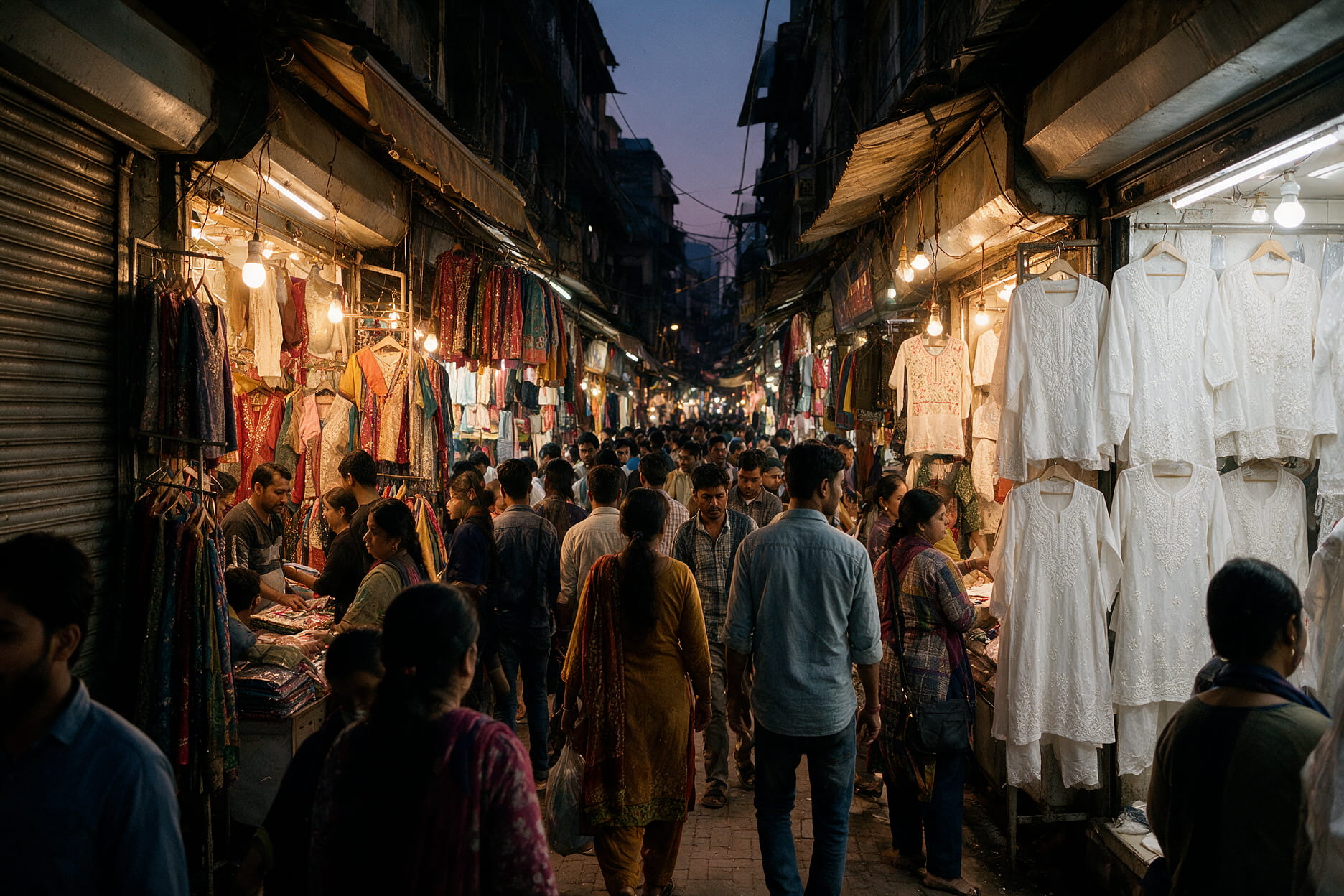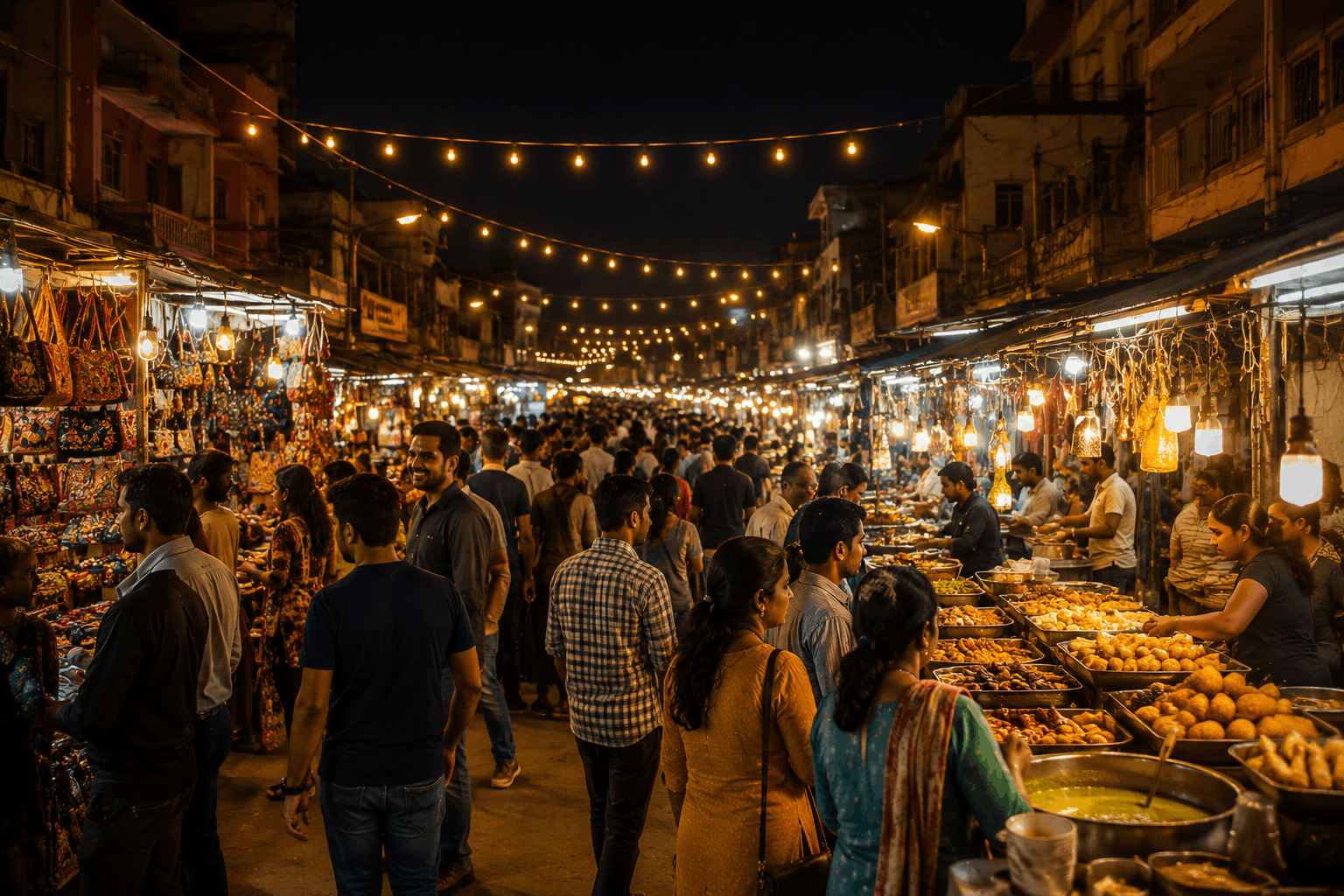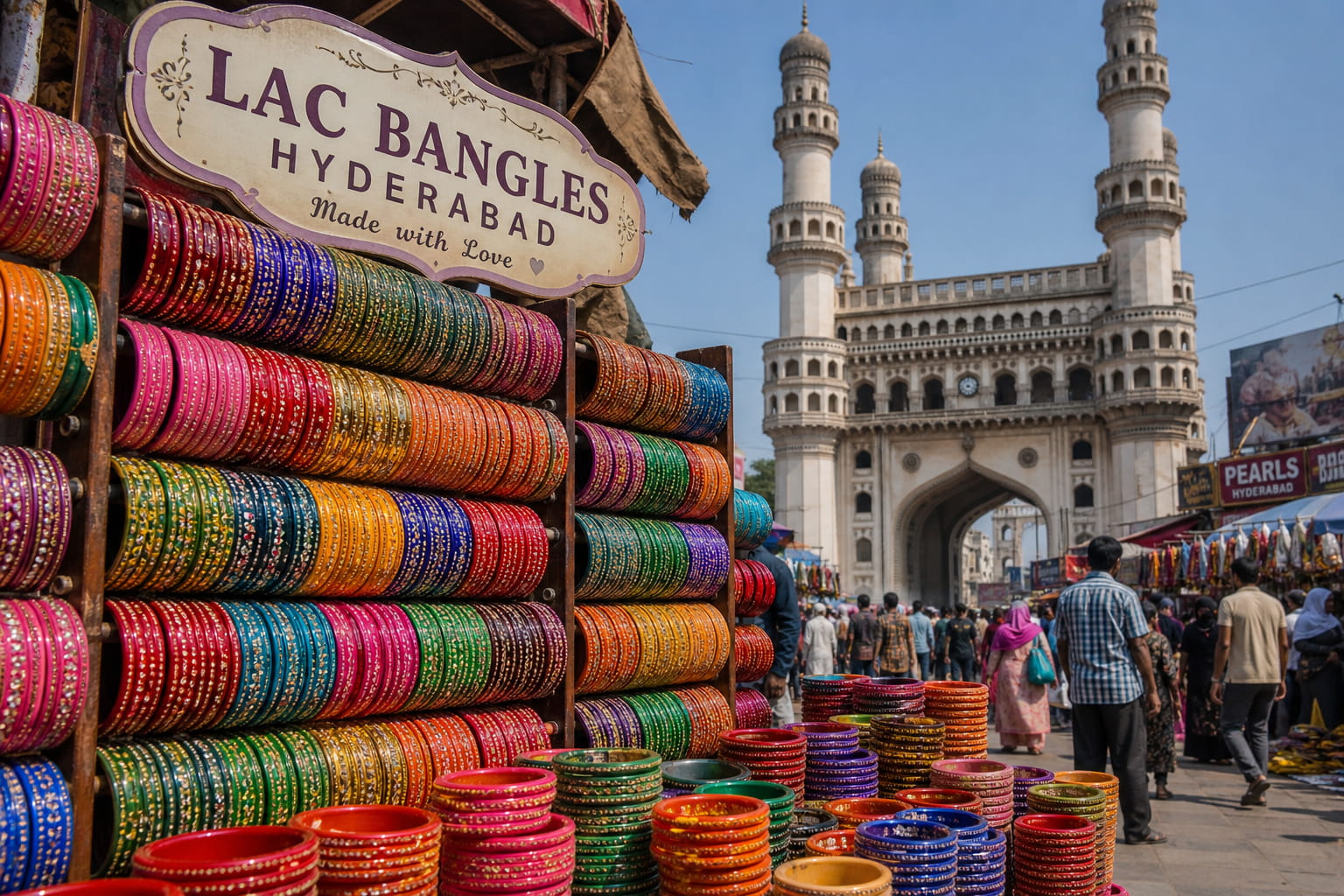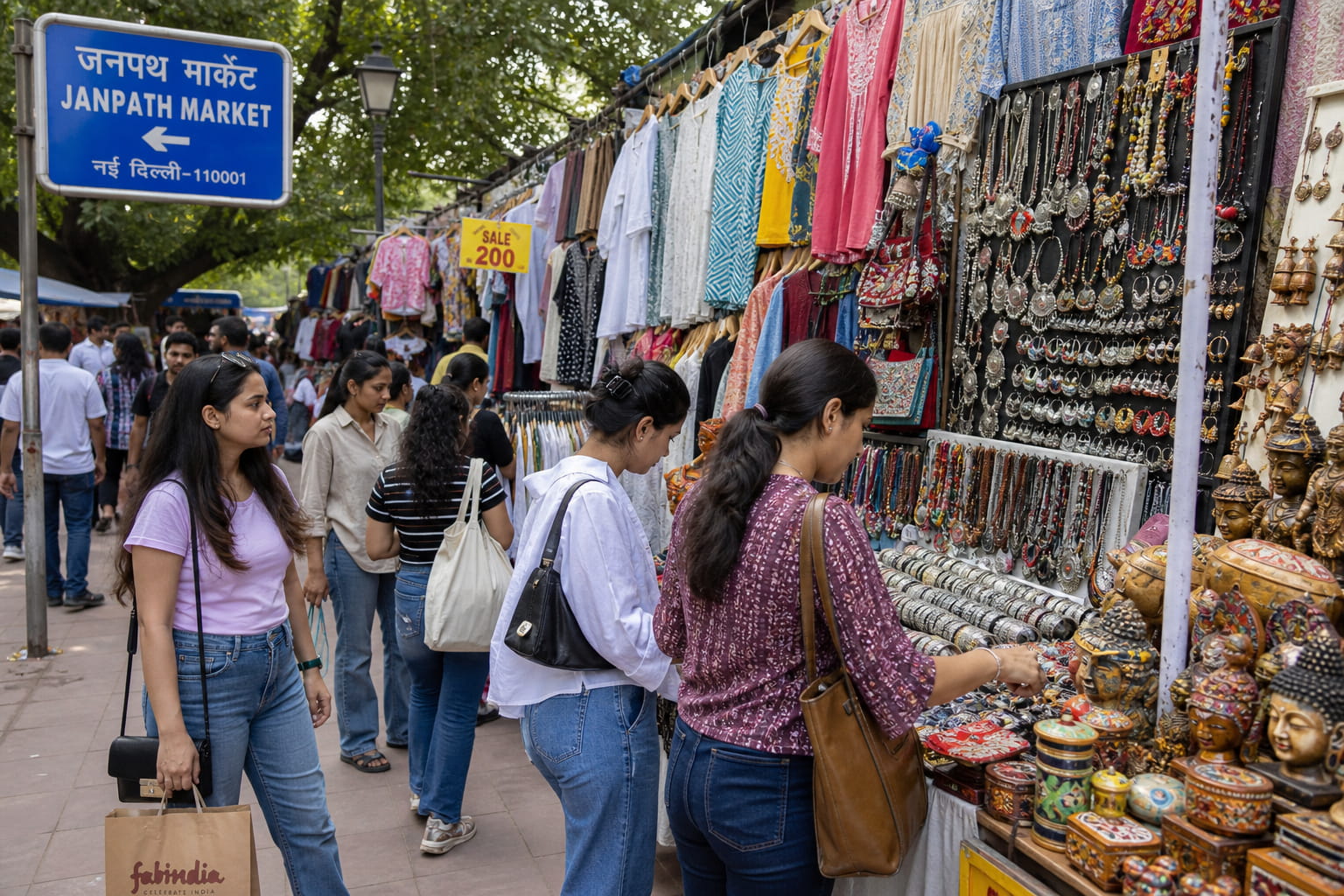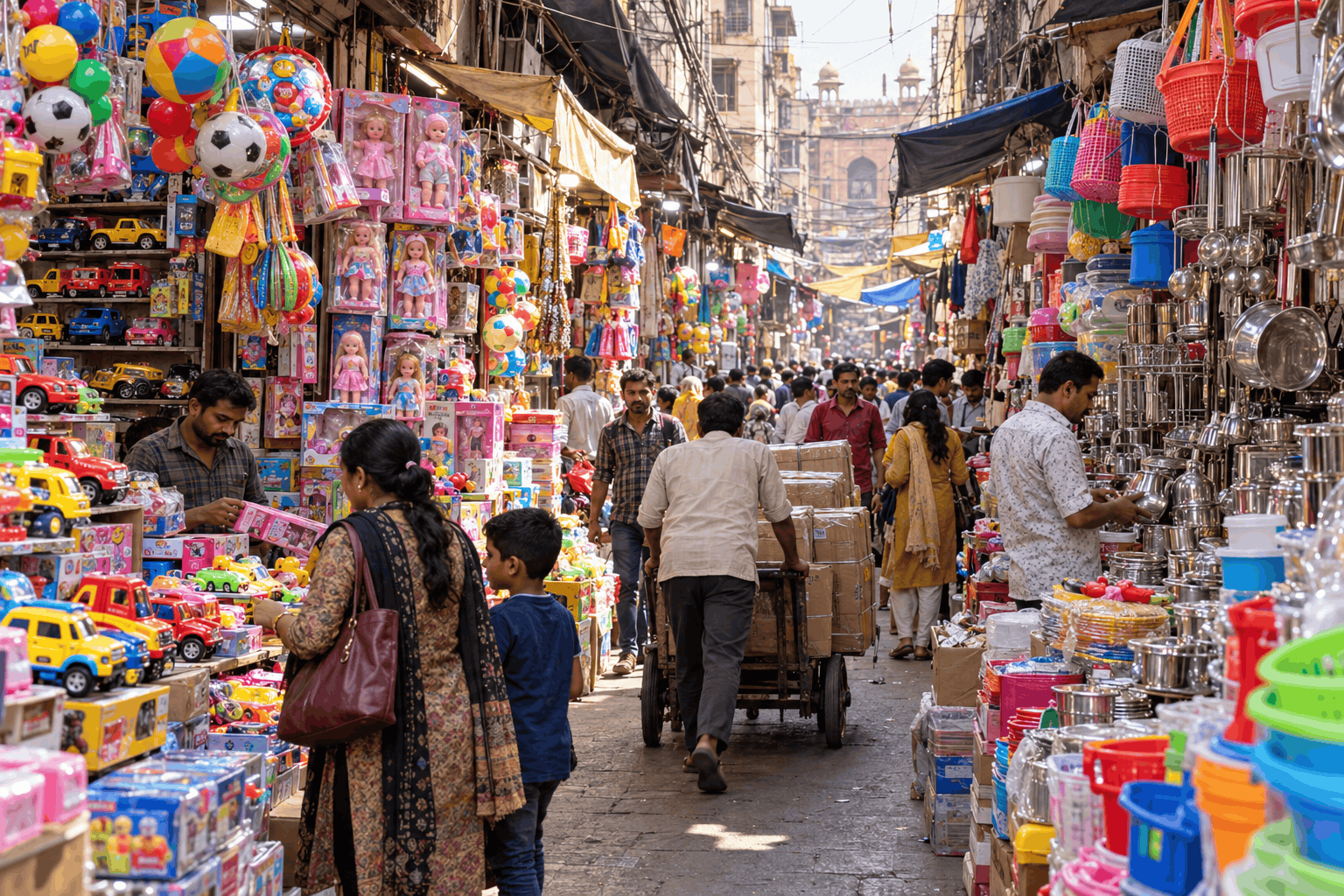
Sadar Bazaar is not a single shop or a single lane. It is a wholesale district spread across several interconnected markets, each specialising in a different product category. Pratap Market handles cosmetics. Swadeshi Market handles artificial jewellery, toys and gift items. Narain Market handles crockery and kitchenware. Teliwara handles timber. The lanes between them carry everything from stationery to festive decorations to plastic household goods at prices that retail shops across Delhi source their own stock from.
The market opens at 10:00 AM and closes by 7:00 PM, Monday through Saturday. It is closed on Sundays. The nearest metro station is Pulbangash on the Red Line, about a 10-minute walk from the main market entrance.
What Makes Sadar Bazaar Different From Other Delhi Markets
This is a wholesale market first. Retail buyers are welcome and most shops will sell single pieces, but the pricing structure is built around bulk. A box of 50 diyas at sadar bazaar delhi costs less than a packet of 10 at a neighbourhood store. That gap is what brings small shopkeepers, event planners, school supply buyers and festival decorators here from across Delhi and neighbouring states.
Sadar Bazaar Delhi: Zone by Zone Guide to What Each Section Sells
The market is easier to navigate when you know which section carries what. Walking in without a plan means getting pulled in multiple directions by the sheer density of shops.
Swadeshi Market: Toys, Gifts and Artificial Jewellery
Swadeshi Market sits inside the Sadar Bazaar complex and is the section most retail visitors gravitate towards. The toy shops here carry everything from imported action figures to traditional Indian board games. During Diwali, the gift item section expands with decorative candle sets, photo frames, gift hampers and corporate gift packaging.
Artificial jewellery shops along the Swadeshi lanes stock oxidised sets, kundan imitations and fashion jewellery at wholesale rates. For Navratri and wedding season, these shops carry full sets including earrings, necklaces, bangles and hair accessories.
Narain Market and Crockery Market: Kitchenware and Household
Narain Market is the crockery and kitchenware section. Steel utensils, ceramic dinner sets, non-stick cookware, pressure cookers and kitchen tools are the primary stock. During Dhanteras, this section sees its highest footfall of the year as buying metal utensils on Dhanteras is considered auspicious.
The crockery section extends into several lanes with shops carrying branded and unbranded items side by side. Prices on branded items are typically 15 to 25 percent below MRP.
Diwali Decorations and Festive Items
This is the category that makes Sadar Bazaar the default Diwali shopping destination for half of Delhi. The decoration stock includes earthen diyas (from Rs 1 per piece in bulk), electric LED string lights, decorative torans, bandhanwar, artificial flower garlands, rangoli stencils and colours, wall hangings, and door hangings.
Bhagirath Palace, which sits adjacent to the Sadar Bazaar area in Chandni Chowk, is technically a separate market but is often visited in the same trip for wholesale electrical lighting: LED strips, fairy lights, decorative bulbs and festival illumination at prices that are a fraction of what retail electrical shops charge.
Stationery and Office Supplies
The stationery section carries notebooks, registers, pens, files, art supplies and office materials at wholesale rates. Schools, offices and coaching centres across Delhi NCR source their annual supplies from this section.
Practical Information for Visiting
Timings: 10:00 AM to 7:00 PM, Monday to Saturday.
Weekly off: Sunday.
Festival exception: During Diwali week and other major festivals, many shops remain open on Sundays and extend their hours.
Nearest Metro: Pulbangash (Red Line), approximately 10 minutes on foot.
Parking: Extremely limited. Street parking is difficult during peak hours. Metro or auto-rickshaw from the metro station is the practical approach.
Bargaining: Expected, particularly for non-branded items and bulk purchases. Start at 30 to 40 percent below the quoted price for decorative and gift items.
Cash: Many wholesale shops prefer cash. UPI is increasingly accepted at the larger establishments, but smaller stalls may not have it.
When to Visit for Diwali Shopping
The Diwali decoration stock begins appearing in Sadar Bazaar from roughly two weeks before the festival. The widest selection is available 10 to 14 days before Diwali. By the final three days, the most popular items sell out at the busy shops, and the remaining stock commands firmer pricing with less room for negotiation.
For Dhanteras utensil shopping, arrive early in the day. Narain Market on Dhanteras day itself sees queues that extend into the lanes.
Weekday mornings between 10:00 AM and 12:00 PM offer the least crowded shopping experience. Saturday afternoons are the worst time to visit.
What Not to Expect
Sadar Bazaar is not an air-conditioned shopping experience. The lanes are narrow, crowded and hot during the warmer months. Porter carts move through the same lanes as shoppers. Carry a bag rather than expecting packaging, and wear comfortable shoes.
The market is also not the place for branded electronics, clothing or footwear. For those categories, Karol Bagh, Chandni Chowk and Lajpat Nagar serve different purposes.
Check the Jaipur bus booking page for current schedules if you are visiting Delhi from Rajasthan for wholesale or Diwali shopping.
Note: Prices are approximate and may vary based on season, demand, and availability.
Common Questions About Sadar Bazaar Delhi
What is sadar bazaar delhi famous for?
Sadar Bazaar is Delhi’s largest wholesale market, famous for toys, household items, stationery, cosmetics, festive decorations and gift items at bulk pricing.
What are the timings of Sadar Bazaar Delhi?
Sadar Bazaar opens at 10:00 AM and closes by 7:00 PM, Monday through Saturday. The market is closed on Sundays.
Is Sadar Bazaar open on Sunday?
Sadar Bazaar is closed on Sundays. During Diwali week, some shops may open on Sunday but this is not guaranteed.
Which metro station is nearest to Sadar Bazaar?
Pulbangash metro station on the Red Line is the nearest, approximately 10 minutes on foot from the main market entrance.
Is Sadar Bazaar good for Diwali shopping?
Sadar Bazaar is the default Diwali decoration market in Delhi, offering diyas, LED lights, torans, rangoli colours and decorative items at wholesale prices.
Can I buy single items at Sadar Bazaar or only in bulk?
Most shops sell single items to retail buyers, though the pricing is structured for wholesale and bulk purchases offer significantly better rates.
What is the difference between Sadar Bazaar and Chandni Chowk?
Sadar Bazaar specialises in wholesale household goods, toys and decorations. Chandni Chowk covers textiles, jewellery, wedding trims and food.
When is the best time to visit Sadar Bazaar for Diwali items?
Visit 10 to 14 days before Diwali for the widest selection. The last 3 days see sellouts and firmer pricing.
Is Bhagirath Palace near Sadar Bazaar?
Bhagirath Palace is adjacent in the Chandni Chowk area and is often visited in the same trip for wholesale electrical and LED lighting.
What should I carry when visiting Sadar Bazaar?
Carry cash for smaller shops, wear comfortable shoes, bring your own bags, and arrive on a weekday morning for the least crowded experience.
You Might Also Like
- 15 Cheapest Markets in Delhi for Shopping: The complete guide to Delhi’s most affordable shopping markets across every product category.
- Chandni Chowk Market: Timings, What to Buy and How to Reach: The full Chandni Chowk guide covering textiles, jewellery, food and wedding trims in the adjacent market district.
- Karol Bagh Market: Timings, Shopping and Complete Guide: The Karol Bagh guide for electronics, wedding shopping and branded retail at mid-range prices.