Rs 200 for an embroidered bag. Rs 150 for oxidised earrings. Rs 80 for a cold coffee that has tasted the same since 1952.
That is janpath market delhi in three purchases. A street market where every sale starts with a negotiation, every lane belongs to a different culture, and every visit ends with at least three things you never planned to buy.
The market sits on Janpath Road, less than 2 minutes from Connaught Place. It pulls in tourists from dozens of countries, college students hunting for budget fashion, and families looking for handicrafts and gifts. The entire place runs on one simple rule: the price you see is never the price you pay.
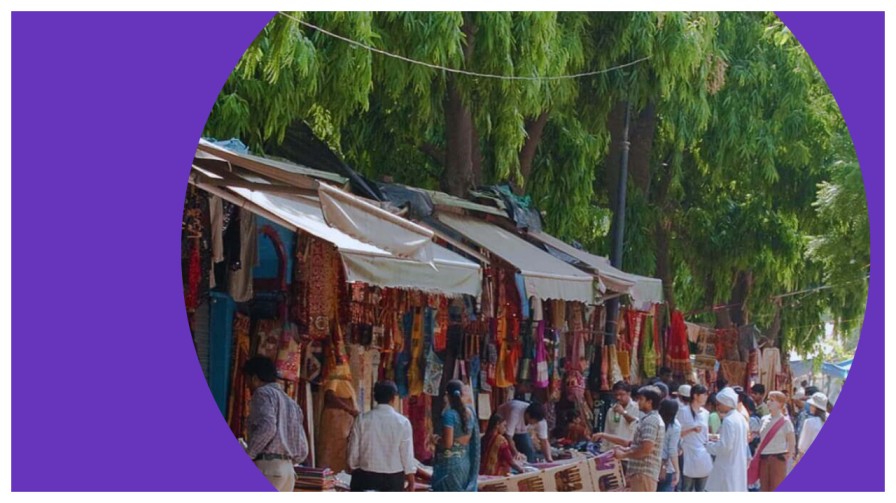
Janpath means “people’s path” in Hindi. The name fits. This is not a curated mall or a government emporium. It is a loud, colourful, open air road where a Tibetan prayer flag hangs next to a rack of denim jackets. Where the smell of momos drifts from one end and fresh leather from the other. Where a stall selling Rs 100 earrings sits 10 steps from a shop selling Rs 3,000 singing bowls.
This shopping guide covers what you need before your first visit: timings, closed day, nearest metro, what the market is famous for, and the exact lanes worth your money.
Janpath Market Delhi: Timings and Practical Details
| Detail | Info |
| Opening time | 11:00 AM |
| Closing time | 8:00 PM (some stalls stay until 9:00 PM) |
| Closed day | Sunday (most shops shut). A few individual stalls may also close on Monday. |
| Nearest metro | Janpath Station (Violet Line), Gate No. 2. Market starts within 30 seconds of the exit. |
| Alternate metro | Rajiv Chowk Station (Yellow and Blue Lines), 5 to 10 minute walk through Connaught Place. |
| Entry fee | Free |
| Time needed | 2 to 4 hours for a full visit |
| Payment | Cash strongly preferred. Some shops accept UPI. Carry Rs 1,500 to Rs 2,000 in small notes. |
Best Time to Visit
Weekday mornings between 11 AM and 1 PM are the calmest. Shopkeepers have time to show you their stock. The lanes are walkable without bumping into strangers every 3 seconds.
Saturday afternoons are the busiest. Avoid unless you enjoy crowd pressure with your shopping.
October to March is the best season. Delhi summers make open air shopping uncomfortable between 1 PM and 5 PM from April to June. If you visit in summer, go early or go after 5 PM.
A Note on the Closed Day
Most reliable sources and regular visitors confirm Sunday as the primary closed day for janpath market delhi. However, a small number of stalls (especially in the Tibetan section) may also close on Monday. If your trip depends on a specific section being open, check before leaving. The main flea market is most reliably open Tuesday through Saturday.
How to Reach Janpath Market
By Metro
The fastest route. Take the Violet Line to Janpath Metro Station. Exit Gate No. 2. The Gujarati lane stalls start within 30 seconds of walking out. No auto needed. No navigation confusion.
If you are coming via the Yellow or Blue Line, get off at Rajiv Chowk. Walk south from Connaught place’s inner circle toward Jantar Mantar Road. Janpath Market begins on your left. It takes about 5 to 10 minutes on foot.
By Auto or Cab
Autos from anywhere in delhi ncr drop you at Janpath. Ola and Uber work for the ride in. For the ride back, walk to CP’s outer circle. The one way road and auto congestion near Janpath make pickups easier from the main circle.
For Visitors from Other Cities
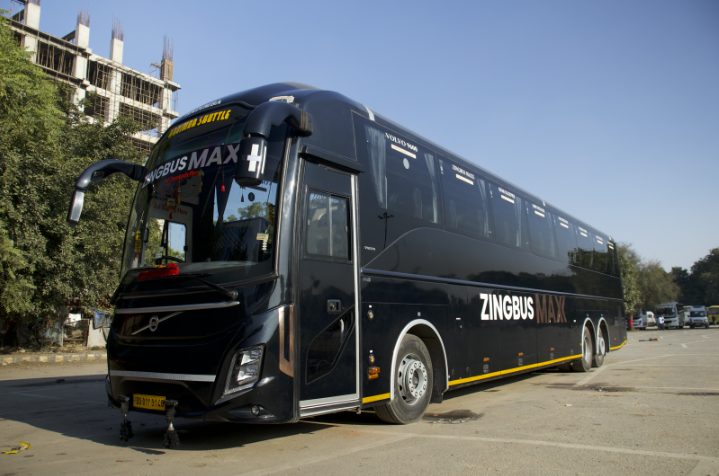
Bus travel india connections bring you into delhi at Kashmiri Gate ISBT. From there, the Yellow Line metro to Rajiv Chowk is just 3 stops. zingbus routes from Jaipur, Manali, Chandigarh, and Lucknow arrive at Kashmiri Gate or nearby terminals by early morning. You can reach janpath market delhi by the time shops open at 11 AM.
What Is Janpath Market Famous For
Janpath is not one market. It is three distinct sections on the same road. Each has its own products, its own sellers, and its own pricing culture. Knowing which section sells what saves time and money.
The Tibetan Market
Near Gate No. 2 of Janpath Metro. Small stalls packed tight together selling silver jewellery, semi precious stone necklaces, singing bowls, prayer flags, brass Buddha statues, Thangka paintings, incense holders, and bead bracelets.
The jewellery is oxidised metal with stone inlays. Not fake. Not fine silver either. Somewhere in between, and the look is distinctly Himalayan. Prices start at Rs 100 for simple bracelets. Heavy necklaces go up to Rs 3,000. Singing bowls range from Rs 500 to Rs 5,000 depending on size and thickness.
Many stall owners are from Tibetan refugee communities and can explain the cultural significance of items like prayer wheels and Thangka paintings. This section draws a high number of foreign tourists. If you want something genuinely Tibetan from Delhi, this is the most authentic source outside Majnu Ka Tila.
The Gujarati Market
Step past the Tibetan section and the colour palette shifts completely. Mirror work bags, embroidered kurtas, cushion covers with Kutchi patterns, bed sheets, dupattas, and lehenga sets fill every shop front.
Everything is hand embroidered. Thread work, mirror discs, beadwork. The craftsmanship is real, done by Gujarati artisans who have been selling on this lane for decades. Bags start at Rs 150. Kurtas from Rs 300. Cushion covers from Rs 100.
During Navratri, this section comes alive. Chaniya choli sets and dandiya accessories fill the stalls. But even on a regular Wednesday in February, the gujarati market is one of the most photogenic lanes in new delhi.
The Main Flea Market
This is the section people mean when they say “Janpath shopping.” The roadside stalls sell trendy clothes, denim, jumpsuits, printed palazzos, boho dresses, scarves, bags, wallets, and casual tees.
The stock changes with the season. Summer brings cotton dresses and linen. Winter brings jackets and woollen stoles. The styles track what is trending online, sometimes within weeks of a fashion cycle.
Specific shops that regular visitors recommend: Sood Garments (Shop No. 8) for casual wear, Vagale Gift House (Shop No. 9) for handicraft gifts, and Amar Garments (Shop No. 16) for seasonal fashion.
Bargaining is mandatory here. The opening price at the flea market is always 2 to 3 times the expected selling price. More on that below.
Oxidised Jewellery
Janpath is one of the best street shopping destinations in Delhi for oxidised jewellery. Heavy chokers with coin detailing. Layered necklaces with turquoise stones. Oversized jhumkas. Nose rings. Tribal bangles. Afghani and Kashmiri inspired designs that look expensive but cost between Rs 50 and Rs 1,500.
Check the clasp and finishing before buying. Quality varies between stalls. The heavier the piece, the better the metal quality tends to be.
Chaandi (Shop No. 10) sells genuine silver pieces at slightly higher prices but with reliable quality. Worth it if you want something that lasts beyond one season.
Leather and Footwear
Kolhapuri chappals, embroidered juttis, leather wallets, and sling bags. Metro Poles Footwear (Shop No. 62) is the most recommended stall for juttis and Kolhapuris. Prices start around Rs 400. Leather Smith (Shop No. 77) sells bags and wallets with better stitching than most flea market options.
Try footwear on before buying. Sizes are inconsistent across stalls. What is labelled 7 at one shop may fit like a 6 at another.
Handicrafts and Home Décor
Dreamcatchers, macramé wall hangings, mandala tapestries, incense holders, scented candles, and small wooden carvings. This section sits between the main market stalls and the Tibetan market lane. Prices are low and the products work as souvenirs, dorm room décor, and gifts.
Janpath Market Price Guide
These are realistic prices after reasonable bargaining. First quoted prices will be higher.
| Item | Price After Bargaining |
| Embroidered bag (Gujarati) | Rs 150 to Rs 400 |
| Oxidised earrings | Rs 50 to Rs 200 |
| Statement necklace (Afghani style) | Rs 300 to Rs 1,500 |
| Tibetan singing bowl (small) | Rs 500 to Rs 1,500 |
| Printed palazzo or skirt | Rs 200 to Rs 500 |
| Denim jacket | Rs 400 to Rs 800 |
| Juttis or Kolhapuris | Rs 400 to Rs 800 |
| Dreamcatcher | Rs 100 to Rs 500 |
| Pashmina style stole | Rs 200 to Rs 800 |
| Mirror work cushion cover | Rs 100 to Rs 300 |
Note: Prices are approximate and may change based on season, demand, and availability. Prices listed assume polite but firm bargaining. Without bargaining, expect to pay 50 to 100% more.
Food at and Near Janpath Market
The food inside the market is limited to stalls and carts. The real food options sit within a 5 minute walk.
Inside the Market
- Momos near the Tibetan section. Steamed and fried, with spicy red chutney. Rs 40 to Rs 80 per plate. The stalls closest to the Tibetan market use better filling than the ones near the flea market.
- Fresh lime soda and sugarcane juice from carts along the main road. Under Rs 50. Essential in summer.
Walking Distance (Under 5 Minutes)
Depaul’s: Open since 1952. The cold coffee here is a Janpath ritual. Caramel, Hazelnut, and Irish Cream flavours. Cheeseballs and sandwiches on the side. Under Rs 200 for a full snack. The shop is small. The queue is part of the charm.
Saravana Bhavan (CP): Reliable South Indian food. Dosa, thali, filter coffee. Rs 200 to Rs 400 per person. A proper sit down meal after 2 hours of walking and bargaining.
Wenger’s (CP): Baking since 1926. Chicken patties, pastries, and cakes. Rs 100 to Rs 300. The afternoon crowd has been coming here for generations.
Prince Chaat Corner: Papdi chaat, aloo tikki, gol gappe. Under Rs 80. Located near Jantar Mantar. The tamarind chutney is the reason people return.
How to Bargain at Janpath Market Delhi
Bargaining here is not rude. It is expected. The entire pricing system is built around it. Here is how it actually works.
Step 1: The vendor quotes a price. It is always 2 to 3 times the real selling price. This is not dishonesty. It is the starting point of a conversation both sides understand.
Step 2: You counter at 40% of the quoted price. Say it calmly. Smile. Don’t argue.
Step 3: The vendor acts surprised. This is performance. Both of you know the drill.
Step 4: You move toward the door slowly. If your offer was reasonable, the vendor calls you back within 5 steps.
Step 5: You settle at 50 to 60% of the original quote. Both sides are satisfied.
Three Rules That Save Money
- Never react before asking the price. The moment you say “this is beautiful,” the price goes up. Ask first. React later.
- Check the same item at 3 stalls. Identical products sell at different prices across the market. A 2 minute walk can save Rs 200.
- Pay cash. Vendors lose a small cut on UPI. Cash payments get Rs 20 to Rs 50 knocked off without asking.
What to Combine with a Janpath Visit
Janpath sits in the centre of Delhi’s most walkable tourist zone. These attractions are all within 15 minutes on foot.
| Place | Walk Time | Why Visit |
| Connaught Place | 5 min | Shopping, restaurants, CP’s colonial architecture |
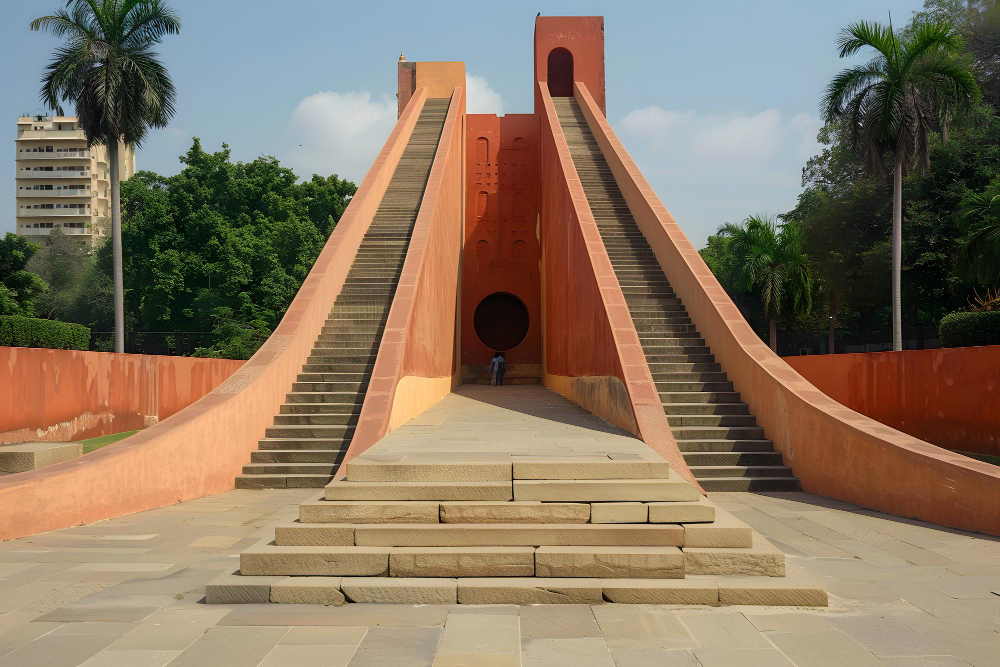
| Jantar Mantar | 3 min | 18th century stone astronomical instruments. Rs 25 entry. |
| Agrasen Ki Baoli | 10 min | 14th century stepwell hidden in commercial delhi. Free. |
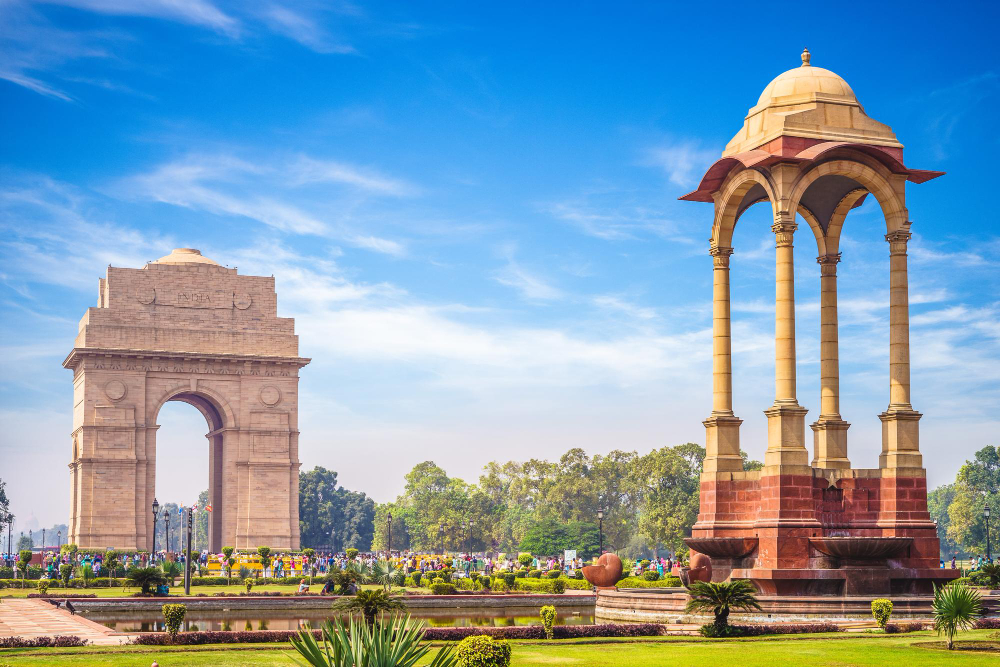
| India Gate | 15 min (or short auto) | War memorial, evening lawns, ice cream carts |
| National Museum | 5 min | Indian art and history collection. Rs 20 entry. |
| Palika Bazaar | 5 min | Underground market for electronics and accessories |
A solid day plan: Janpath from 11 AM to 1 PM. Lunch at Saravana Bhavan or Wenger’s. Jantar Mantar or Agrasen Ki Baoli after lunch. Back to CP for evening coffee. Total cost: under Rs 1,500 including food, entry, and metro fare.
A Short History of Janpath Market
The road was called Queensway during British rule. After Independence in 1947, it was renamed Janpath.
The market started forming in the 1950s. Street vendors set up stalls on the footpath near Connaught Place, selling affordable goods to government workers and students. There was no master plan. No architect. Just demand and pavement.
Over the decades, Tibetan refugee communities established a dedicated section for Himalayan handicrafts. Gujarati craftsmen brought embroidery traditions from Kutch and Saurashtra. And the main road evolved into a fashion strip that now competes with Sarojini Nagar for the title of Delhi’s best budget shopping destination.
For Delhi tourism, Janpath represents something specific: a market that nobody designed. It grew stall by stall, seller by seller, decade by decade. That organic growth is exactly why it still feels alive when so many planned markets feel like they are trying too hard.
Janpath vs Sarojini Nagar: Which Is Better?
This question comes up constantly. Here is an honest answer.
| Factor | Janpath Market | Sarojini Nagar |
| Clothes variety | Good, but smaller selection | Much larger. Export surplus, branded rejects. |
| Clothes prices | Slightly higher than Sarojini | Lower on average. |
| Jewellery | Excellent. Oxidised, Tibetan, Afghani. | Limited. |
| Handicrafts | Strong. Tibetan and Gujarati sections. | Minimal. |
| Footwear | Good. Juttis, Kolhapuris, leather. | Good but different range. |
| Crowd level | Manageable on weekdays | Packed almost every day |
| Metro access | Janpath Station, directly at the market | Sarojini Nagar Station, 3 min walk |
| Food nearby | CP cafés and restaurants within 5 min | Limited to street food stalls |
The short version: Go to Sarojini for clothes. Go to Janpath for jewellery, handicrafts, and a calmer experience. Go to both if you have a full day and good walking shoes.
You Might Also Like
Tips Before You Go
- Wear flat, comfortable shoes. The market is an open road with uneven footpaths. Two hours of walking in heels or sandals will end the trip early.
- Carry your own cloth bag or tote. The plastic bags vendors give are thin and tear. Your own bag keeps purchases safe and hands free.
- Visit on a Tuesday, Wednesday, or Thursday for the best experience. Saturday is crowded. Sunday is the closed day. Monday is open but some stalls may shut.
- For travel 2026, the Violet Line metro makes Janpath the easiest market to reach in all of Delhi. Gate No. 2 at Janpath station puts you at the market entrance in 30 seconds flat.
- Leave the backpack at the hotel. The lanes are narrow. A backpack bumps stalls and people. A cross body sling or small bag works better and keeps your hands free for browsing.
- If you are visiting from gurgaon or new delhi suburbs, take the metro. Driving to Janpath and finding parking near CP is more stressful than the entire shopping trip.
The Path Belongs to the People. The Price Belongs to Whoever Bargains Better.
Janpath market delhi is 70 years old. It started as a few stalls on a footpath. It is now one of the most visited street shopping destinations in the capital. And the reason it still works is simple: it sells what people actually want, at prices people can actually negotiate, in a setting that feels nothing like a mall.
The Tibetan shopkeeper who shows you how a singing bowl resonates. The Gujarati artisan whose mirror work bag catches every ray of sunlight at once. The cold coffee at Depaul’s that has not changed its recipe since Nehru was Prime Minister. These are small things. But they are the things you remember.
For India travel visitors experiencing Delhi for the first time, Janpath is the fastest introduction to the city’s real energy. For north india residents who pass through delhi regularly, it is the market that always has something new even though nothing about it has fundamentally changed.
Take the Violet Line. Exit Gate 2. Walk 30 seconds. And let the oldest people’s path in Delhi do what it has done since the 1950s: sell you something you didn’t know you wanted, at a price you had to earn.
Frequently Asked Questions
Ques. What Are the Timings for Janpath Market?
Ans. Shops open at 11:00 AM and close by 8:00 PM. Some flea market stalls stay open until 9:00 PM on busy days.
Ques. Which Day Is Janpath Market Closed?
Ans. Sunday is the main closed day. Most shops shut. Some individual stalls may also close on Monday. Tuesday to Saturday is reliable.
Ques. What Is the Nearest Metro to Janpath Market?
Ans. Janpath Station on the Violet Line, Gate No. 2. The market entrance is 30 seconds from the exit. Rajiv Chowk is 5 to 10 minutes away on foot.
Ques. What Is Janpath Market Famous For?
Ans. Oxidised jewellery, Tibetan handicrafts, Gujarati embroidered items, street fashion, leather juttis, singing bowls, and strong bargaining culture.
Ques. Is Bargaining Expected at Janpath?
Ans. Yes. Always. The opening price is 2 to 3 times the real value. Start at 40% and settle around 50 to 60%. Cash gets better prices.
Ques. Is Janpath Better Than Sarojini Nagar?
Ans. Different strengths. Sarojini wins on clothes variety and low prices. Janpath wins on jewellery, handicrafts, Tibetan items, and a calmer crowd.
Ques. What Food Is Available at Janpath Market?
Ans. Momos and juice inside the market. Depaul’s cold coffee, Saravana Bhavan, Wenger’s, and Prince Chaat Corner within a 5 minute walk.
Ques. Is Janpath Market Safe for Solo Visitors?
Ans. Yes during market hours. The area is busy, well visited, and close to CP and metro stations. Keep belongings in a front pocket or cross body bag.
Ques. What Should I Carry to Janpath Market?
Ans. Cash in small notes (Rs 1,500 to Rs 2,000), a cloth tote bag, comfortable flat shoes, water bottle in summer, and a cross body bag for valuables.
Ques. Can I Reach Janpath Market from Kashmiri Gate ISBT?
Ans. Yes. Yellow Line metro from Kashmiri Gate to Rajiv Chowk is 3 stops. Walk 5 to 10 minutes to Janpath. Or take the Violet Line to Janpath Station directly.
Ques. What Attractions Are Near Janpath Market?
Ans. Connaught Place, Jantar Mantar, Agrasen Ki Baoli, India Gate, National Museum, and Palika Bazaar are all within a 15 minute walk.