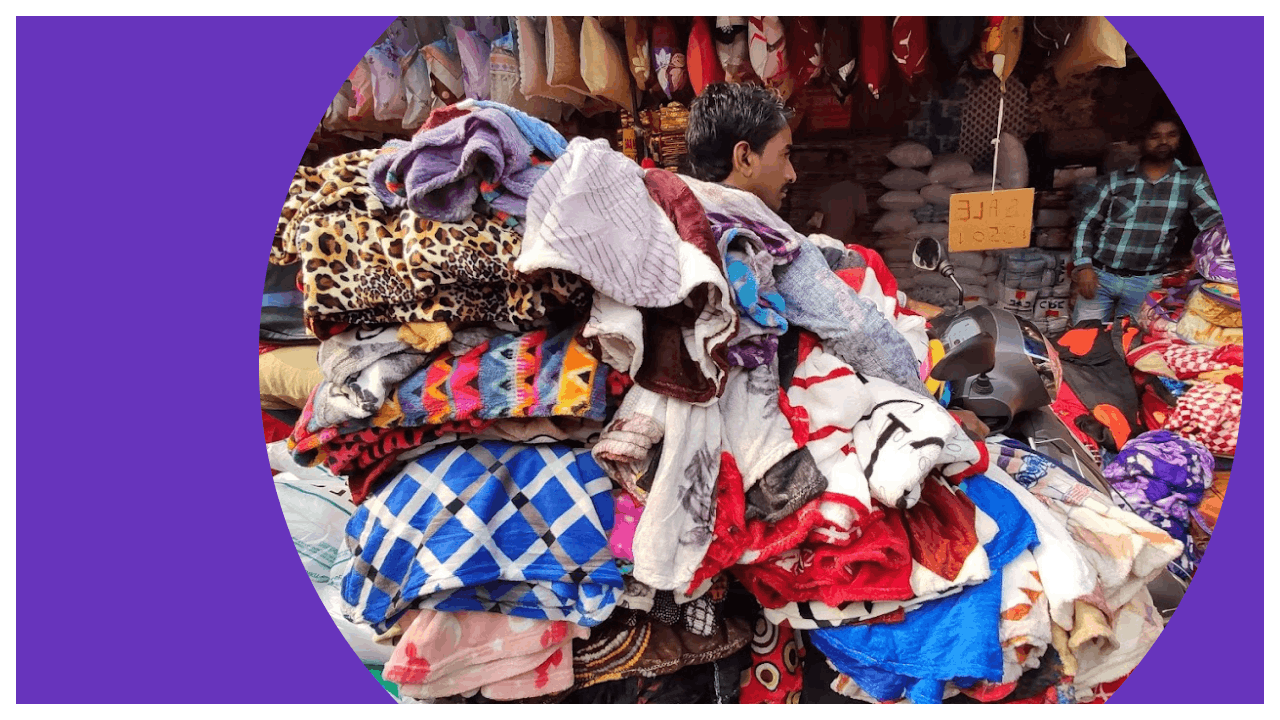
Delhi offers exceptional budget shopping opportunities across multiple dedicated markets. These markets specialize in wholesale pricing, export merchandise, and factory overstock creating unmatched affordability throughout the city.
Budget shoppers save 40-70% compared to retail mall pricing when shopping strategically at these locations. Understanding market-specific focus areas and timing significantly optimizes your shopping success.
Top 10 Cheapest Markets in Delhi
Key budget hubs include Sarojini Nagar, Janpath, Chandni Chowk, Lajpat Nagar and Palika Bazaar; all regularly cited as Delhi’s top cheap markets. Local guides and traveller writeups confirm bargaining culture, export surplus stock and strong metro access at these markets.
Sarojini Nagar Market – Export Surplus Champion
Sarojini Nagar leads Delhi’s budget shopping destinations. This market specializes exclusively in export surplus and factory rejected merchandise from international brands. Branded clothing that costs ₹400-600 in malls sells here for ₹100-250. Winter jackets priced ₹1,500-3,000 retail for ₹300-850 at Sarojini Nagar.
- What to Buy: Branded t-shirts, jeans, winter wear, accessories, handbags, home décor items
- Price Range: ₹50-1,500 for most items
- Best Time to Visit: Tuesday-Friday mornings (10:30 AM-1:00 PM)
- Metro Access: Pink Line, Sarojini Nagar Station, 5-minute walk
- Weekly Off: Monday
Locate Sarojini Nagar Market Here.
Janpath Market – Fashion and Jewelry Hub
Janpath Market nestles in Connaught Place offering boho styles, handicrafts, and costume jewelry at negotiable prices. The market attracts style enthusiasts seeking unique clothing items not found in mainstream retail.
- What to Buy: Fashionable apparel, costume jewelry, books, handicrafts, accessories
- Price Range: ₹500-1,500 for typical items
- Best Time to Visit: Weekdays avoid Sunday closures
- Metro Access: Rajiv Chowk or Janpath Metro Station
- Weekly Off: Sunday
Locate Janpath Market Here.
Chandni Chowk – Historical Wholesale Hub
Chandni Chowk represents Delhi’s oldest and largest wholesale market. Multiple specialized sections distribute throughout Old Delhi streets—Nai Sadak handles books, Dariba Kalan features jewelry, Chawri Bazar stocks electronics, Moti Bazaar sells wedding clothes.
- What to Buy: Books, wedding lehengas, sarees, gowns, electronics, jewelry
- Price Range: ₹500-1,500 for small items, lehengas ₹3,000+
- Best Time to Visit: Weekday mornings before noon
- Metro Access: Chandni Chowk Metro Station (Red Line)
- Weekly Off: Sunday (most shops)
Locate Chandni Chowk Here.
Lajpat Nagar Central Market – Ethnic Wear Specialist
Lajpat Nagar specializes in Indian ethnic wear with dedicated fabric sections. Shoppers find extensive sarees, lehengas, salwar kameez, and custom tailoring fabrics throughout the market sections.
- What to Buy: Ethnic wear, fabrics, casual kurtis, bridal clothing, accessories
- Price Range: ₹150-3,000+ depending on category
- Best Time to Visit: Thursday for discounts, Tuesday-Wednesday for fresh stock
- Metro Access: Lajpat Nagar Metro Station (Pink/Violet Line intersection)
- Weekly Off: Monday
Locate Lajpat Nagar Central Market Here.
Palika Bazaar – Air-Conditioned Underground Market
Palika Bazaar operates as an air-conditioned underground market in Connaught Place. This climate-controlled option attracts summer shoppers and those preferring comfortable shopping environments. Electronics and gadgets concentrate here with an aggressive bargaining culture expected.
- What to Buy: Electronics, clothing, footwear, accessories, gadgets
- Price Range: Highly negotiable, 30-50% discounts common
- Best Time to Visit: Weekdays, early morning
- Metro Access: Rajiv Chowk or Central Secretariat Metro Station
- Weekly Off: None (open daily)
Locate Palika Bazaar Here.
Karol Bagh Market – Wholesale and Bulk Shopping
Karol Bagh combines wholesale and retail shopping for bulk buyers and individual shoppers. The market accommodates diverse preferences through different shop types serving various budgets.
- What to Buy: Traditional wear, ethnic apparel, gadgets, books, electronics, bridal wear
- Price Range: ₹200-2,000+ depending on items
- Best Time to Visit: Weekday mornings
- Metro Access: Karol Bagh Metro Station (Blue Line)
- Weekly Off: Varies by individual shops
Locate Karol Bagh Market Here.
Paharganj Market – Wholesale and Backpacker Hub
Paharganj operates as a famous wholesale market near New Delhi Railway Station. The market attracts backpackers and bulk buyers through extremely competitive pricing and foreign item availability.
- What to Buy: Textiles, clothes (wholesale rates), handicrafts, foreign items, accessories
- Price Range: Below-wholesale pricing for bulk purchases
- Best Time to Visit: Weekdays for less crowding
- Metro Access: New Delhi Metro Station, 5-minute walk
- Weekly Off: Varies by shop
Locate Paharganj Market Here.
Dilli Haat – Cultural Handicraft Market
Dilli Haat operates as a permanent government-supported marketplace connecting Indian craftspeople directly with customers. The market’s thatched hut design creates cultural ambiance while supporting artisans nationwide.
- What to Buy: Handicrafts, pottery, artwork, ethnic items, food from Indian states
- Price Range: ₹100-5,000+ depending on items
- Hours: 11:00 AM – 10:00 PM daily
- Metro Access: INA Metro Station, 1.5 km away
- Weekly Off: None (open daily)
Locate Dilli Haat Market Here.
Gaffar Market – Electronics and Grey Market
Gaffar Market earns a reputation as Delhi’s “grey market” for electronics. Shoppers find imported devices, second-hand electronics, and competitive gadget pricing throughout the market.
- What to Buy: Mobile phones, electronics, gadgets, accessories, clothing
- Price Range: ₹8,000+ for second-hand mobiles, negotiable electronics
- Best Time to Visit: Weekday mornings
- Metro Access: Karol Bagh Metro Station
- Weekly Off: Varies by shop
Locate Gaffar Market Here.
Kamla Nagar Market – Student Fashion Paradise
Kamla Nagar near North Campus Delhi University serves as the primary student shopping hub. The market floods with latest fashion pieces at throwaway prices attracting a college crowd consistently.
- What to Buy: Latest fashion trends, trendy clothing, casual wear, accessories
- Price Range: ₹150+ for trendy pieces
- Best Time to Visit: Afternoon when students shop
- Metro Access: Delhi University North Campus Metro Station
- Weekly Off: Varies by shop
Locate Kamla Nagar Market Here.
Secondary Budget Shopping Markets
| Market Name | Speciality | Price Range | Best Items |
| Tibetan Market | Handicrafts, jewelry, carpets | ₹200-5,000 | Tibetan goods, jewelry |
| Shankar Market | Stationery, art materials | ₹50-500 | Art supplies, handicrafts |
| Nehru Place | Electronics, hardware | ₹1,000-10,000+ | Computer parts, gadgets |
| Sadar Bazaar | Wholesale, bulk items | ₹100-2,000 | Clothing, household goods |
| Kirti Nagar | Furniture, home décor | ₹500-5,000+ | Furniture pieces, decorative items |
| Tank Road | Denim, casual wear | ₹200-600 | Jeans, casual clothing |
| South Extension | High-street on budget | ₹500-3,000 | Designer pieces, fashion |
| Meena Bazaar | Traditional jewelry | ₹300-5,000+ | Ethnic jewelry, traditional wear |
Understanding Price Variations Across Markets
Fabric Pricing Comparison
- Cotton Prints: ₹200-400 per meter at wholesale markets vs ₹600-800 retail
- Silk and Chiffon: ₹1,000-1,500 per meter at Lajpat Nagar vs ₹2,000-3,000 retail
- Embellished Fabrics: ₹400-800 per meter wholesale vs ₹1,200-2,000 retail
Clothing Price Breakdown
| Item | Wholesale/Market Price | Typical Retail | Savings |
| Branded T-Shirt | ₹100-250 | ₹400-600 | 60-75% |
| Jeans | ₹200-500 | ₹800-1,200 | 60-75% |
| Winter Jacket | ₹300-800 | ₹1,500-3,000 | 70-80% |
| Kurta | ₹150-400 | ₹600-1,000 | 60-75% |
| Saree | ₹500-1,500 | ₹1,500-3,000 | 50-70% |
| Lehenga | ₹2,000-3,500 | ₹5,000-8,000 | 60-70% |
| Casual Accessories | ₹20-100 | ₹200-500 | 80-95% |
Metro Accessibility Guide
Markets with Direct Metro Access
- Sarojini Nagar Market: Pink Line – Sarojini Nagar Station
- Janpath Market: Yellow/Blue Lines – Rajiv Chowk; Red Line – Janpath Station
- Chandni Chowk: Red Line – Chandni Chowk Station
- Lajpat Nagar Central Market: Pink/Violet Lines – Lajpat Nagar Station (intersection)
- Palika Bazaar: Yellow/Blue Lines – Rajiv Chowk; Blue Line – Central Secretariat
- Karol Bagh Market: Blue Line – Karol Bagh Station
- Dilli Haat (INA): Yellow/Violet Lines – INA Station, 1.5 km walk
- Nehru Place: Yellow Line – Nehru Place Station
Markets Requiring Short Travel
- Paharganj Market: New Delhi Railway Station, 5-minute walk
- Gaffar Market: Karol Bagh Metro Station, 10-minute auto ride
- Kamla Nagar: University area, Delhi University Metro Station proximity
Bargaining Strategy and Tips
- Effective Negotiation Approach
Start negotiations at 30-40% below asking prices. Vendors expect this practice as standard market culture. Maintain calm, respectful demeanor throughout discussions. Knowledge of fair pricing strengthens your position significantly.
Negotiation Success Factors:
Bargain more aggressively on bulk purchases. Weekday shopping allows better negotiation compared to weekends. Less enthusiastic demeanor sometimes prompts better offers. Cash transactions often attract small discounts (2-5%).
- What Not to Do
Avoid showing excessive excitement about specific items. Never reveal your maximum budget willingly. Don’t appear too flashy through excessive jewelry or brand display. Refrain from comparing unfavorably with other shops in vendor presence. Maintain composure avoiding aggressive tactics.
Shopping Timing Strategy
| Visit Type | Best Days | Best Hours | Expected Savings |
| Maximum Bargaining | Wednesday-Thursday | 10:30 AM-1:00 PM | 30-50% off |
| Fresh Stock | Tuesday-Wednesday | 10:00-11:30 AM | Best selection |
| Relaxed Shopping | Wednesday-Friday | 2:00-4:00 PM | Good discounts |
| Bulk Buying | Weekdays | 10:00-11:30 AM | Additional bulk discount |
| Avoid Completely | Sunday | Afternoon-evening | Peak chaos, tough negotiations |
Early Morning Advantage: Arrive within 30 minutes of opening time. Vendors show greater patience with early shoppers. Crowds remain minimal enabling undisturbed inspection and comparison shopping.
Money-Saving Practical Tips
- Before Shopping
Research specific item requirements beforehand. Identify store locations within markets to optimize routes. Check opening hours avoiding Monday closures at applicable markets. Carry sufficient cash reducing ATM dependency during peak hours.
- During Shopping
Wear comfortable shoes for extended market navigation. Carry reusable bag minimizing plastic waste. Bring a water bottle to maintain hydration throughout shopping. Inspect merchandise thoroughly before purchase—don’t rely on vendor assurances. Compare items across minimum 3-4 shops before finalizing decisions.
- Cash Management
Many vendors prefer cash offering marginal discounts. Carry exact denominations reducing unnecessary change. Keep valuables secure throughout shopping. Budget cash beforehand preventing excessive spending. Monitor daily spending preventing budget overruns.
- Product Quality Inspection
Examine seams, zippers, buttons, and fabric quality carefully. Check for color consistency across similar items. Verify care labels and authenticity tags present. Test all mechanical functions (zippers, buttons, closures). Ask specifically about return/exchange policies before purchase.
Seasonal Shopping Insights
Best Shopping Seasons:
October-March provides pleasant weather ideal for extended market exploration. January-February features steep discounts on winter wear. December brings festive collections and wedding shopping rush. March-April marks spring transition with summer clothing discounts.
Seasonal Product Availability:
- Winter months (Jan-Feb): Heavy jackets, sweaters, thermal wear at maximum discounts
- Spring (Mar-Apr): Lightweight fabrics, summer clothing clearance sales
- Summer (May-Jun): Reduced crowds but challenging heat conditions
- Monsoon (Jul-Sep): Reduced market activity and accessibility challenges
Inventory Rotation Pattern:
Fresh stock arrives Tuesday-Thursday across most markets. Post-season clearances happen March-April and August-September. Popular items sell quickly requiring repeat visits. Festival seasons introduce limited-edition collections temporarily.
Market-Specific Shopping Strategies
- For Ethnic Wear Shoppers
Visit Lajpat Nagar Central Market and Meena Bazaar. Thursday offers additional discounts. Allocate 3-4 hours for thorough browsing. Bargain targets reach 20-30% for premium pieces. Ask about custom tailoring services available on-site.
- For Electronics Buyers
Explore Gaffar Market and Nehru Place. Weekday mornings provide best negotiation leverage. Verify product warranties and authenticity before purchase. Purchase from established shops recognizing quality issues more readily. Expect 30-50% discounts through negotiation.
- For Fabric Enthusiasts
Chandni Chowk and Lajpat Nagar offer widest selections. Compare prices across minimum 5-6 shops. Bulk purchases unlock wholesale pricing. Cotton prices range ₹200-400 per meter, silks ₹1,000-1,500 per meter. Carry measurement tape for accuracy.
- For Budget Fashion
Sarojini Nagar and Kamla Nagar deliver exceptional value. Allocate 2-3 hours for browsing. Accept minor export surplus imperfections for steeper discounts. Staff provides little assistance—inspect independently. Early visits ensure best selection availability.
Dining Options During Market Visits
Most markets concentrate food vendors and small restaurants throughout lanes. Street food from vendors offers authentic experiences at minimal costs. DTC bus terminals and nearby shopping malls provide formal dining alternatives.
Street Food Available:
- Chaat vendors (gol gappas, bhel puri): ₹20-50
- Chai and coffee stalls: ₹10-30
- Samosas and pakoras: ₹10-30
- Fresh fruit juice vendors: ₹30-50
- Kulfi and traditional sweets: ₹20-50
Established Eateries Near Markets:
Most markets have dedicated eating areas. Karol Bagh surrounds with multiple restaurants. Chandni Chowk offers Jain restaurants alongside traditional shops. Paharganj provides diverse international food options serving backpacker crowds.
Safety and Practical Considerations
- General Safety
Visit during daylight hours consistently. Avoid displaying excessive cash publicly. Keep valuables secure in dedicated bags. Stick to main market sections during peak hours. Inform someone about your shopping plans and expected return time.
- For Solo Female Shoppers
Visit during established shopping hours (10 AM-5 PM). Dress modestly covering legs and shoulders. Avoid late evening visits after 7:00 PM. Stick to busy market sections with consistent crowds. Be assertive and confident rather than hesitant. Trust your instincts about uncomfortable situations.
- For Group Shopping
Market visits prove more enjoyable in groups of 2-3. Assign specific item hunters for efficiency. Establish meeting points for regrouping. Designate one person for valuables management. Plan rest breaks at nearby cafés preventing fatigue.
Frequently Asked Questions About Cheapest Markets In Delhi
Q: What makes these markets cheapest in Delhi?
Ans: These markets operate wholesale-focused supply chains eliminating middlemen and retail markups. Export surplus, factory rejects, and bulk inventory create direct manufacturer-to-customer pricing. Competition among vendors drives prices lower through aggressive competition.
Q: Which market offers best bargaining opportunities?
Ans: Sarojini Nagar, Janpath, and Chandni Chowk offer maximum bargaining flexibility. Vendors expect negotiations as standard practice. Aim for 20-30% initial price reductions through confident discussions. Thursday shopping yields additional discount enthusiasm from vendors.
Q: Are items at these markets authentic or counterfeit?
Ans: Export surplus items are completely authentic brand merchandise. Factory rejects remain genuine products with minor imperfections. Some “first copy” items exist at certain markets like Janpath. Always inspect merchandise carefully and purchase from established shops recognizing quality.
Q: How much time should I allocate for market shopping?
Ans: Plan 2-3 hours for casual shopping. Thorough browsing with price comparison requires 3-4 hours. Extended exploration across multiple sections needs 4-5 hours. Quick shopping trips take 1-2 hours for specific item purchases.
Q: What should I wear while shopping at these markets?
Ans: Wear comfortable, modest clothing covering legs and shoulders appropriately. Avoid excessive jewelry and brand name display. Simple, professional appearance demonstrates serious shopping intent. Wear comfortable shoes for navigating crowded lanes—fashion takes secondary priority.
Q: Is it safe to carry cash at these markets?
Ans: Yes, with precautions. Carry minimum required cash avoiding excessive amounts. Keep valuables in dedicated secure bags. Monitor surroundings maintaining situational awareness. Avoid displaying cash openly or discussing financial details. Use ATMs before peak hours when manageable.
Q: Can I find size variety for different body types?
Ans: Yes, markets stock diverse sizing accommodating various body types. Women’s sizes typically range 2-20 depending on shop focus. Men’s wear offers standard Indian sizing. Always measure items before purchase due to brand variation. Trial facilities availability varies by individual shops.
Q: Do markets offer return or exchange policies?
Ans: Exchange policies vary significantly by individual vendor. Some shops allow exchange within 1-2 weeks. Return policies differ—often only exchange permitted. Always confirm policies before finalizing purchases. Keep receipts as proof of purchase.
Q: Which market is best for complete outfit shopping?
Ans: Sarojini Nagar delivers complete outfit solutions from clothing to accessories. Lajpat Nagar specializes in ethnic complete looks. Karol Bagh combines traditional and modern options. Janpath offers trendy coordinated pieces. Budget ₹500-1,500 for complete outfits at these markets.
Q: Are there online shopping options from these markets?
Ans: Some vendors accept WhatsApp orders for bulk fabric purchases. Online transactions remain limited compared to in-person shopping. Most vendors prefer direct negotiations and cash payments in person. Best shopping experience requires physical market visits for inspection and bargaining.
Q: What payment methods do markets accept?
Ans: Cash dominates with better pricing for cash transactions. Digital payments (Google Pay, PhonePe) increasingly accepted. Credit/debit cards accepted at formal shop chains only. Carry sufficient cash avoiding excessive ATM visits. Some vendors offer 2-5% discounts specifically for cash.
Q: When is peak shopping season at these markets?
Ans: October-March experiences peak shopping with pleasant weather. December-January brings festive collections and crowds. Summer (May-June) sees reduced crowds but challenging heat. Monsoon (July-September) experiences minimal activity. Weekdays remain quieter than weekends throughout year.
Q: Can I negotiate in group purchases?
Ans: Yes, bulk buying unlocks significant discounts. Vendors appreciate larger transactions offering additional reductions. Negotiate collectively for better leverage. Purchase coordination reduces final costs. Wholesale pricing applies to group bulk purchases frequently.
Q: Which market has best shoe and footwear options?
Ans: Tank Road specializes exclusively in jeans and casual wear. Sarojini Nagar carries diverse footwear brands. Karol Bagh stocks all footwear categories. Janpath offers trendy shoe selections. Prices range ₹200-600 for quality footwear across these markets.
Q: Do markets offer alterations and tailoring services?
Ans: Yes, multiple tailoring services operate throughout markets. Ethnic wear shops provide extensive alteration options. General tailors offer basic adjustments. Turnaround time typically 2-7 days depending on complexity. Charges range ₹100-500 for most alterations.
Final Shopping Recommendations
Delhi’s cheapest markets deliver exceptional value through direct manufacturer connections and inventory liquidation. Strategic timing, negotiation skills, and thorough inspection prevent regrets ensuring successful shopping experiences.
Visit weekday mornings (Tuesday-Friday, 10:00-11:30 AM) for optimal conditions. Bargain confidently targeting 20-30% price reductions. Inspect merchandise thoroughly before finalizing purchases. Carry cash and water bottle. Allocate 3-4 hours for unhurried shopping. Compare items across multiple shops before decisions.
Whether seeking ethnic wear, electronics, fabrics, or fashion accessories, Delhi’s cheapest markets offer unmatched affordability. Plan your visit strategically and experience why millions choose these destinations for budget-conscious shopping annually.