Janmashtami marks the birth of Lord Krishna, and the celebration begins at midnight. This is not a metaphor or a tradition that has softened over time: Krishna is believed to have been born at midnight, in a prison cell, during a dark and stormy night in Mathura. The midnight celebration that devotees hold across India and the world is a re-enactment of that specific moment. What happens on the night of Janmashtami, where the most significant celebrations take place, and what the tradition involves from start to finish is what this guide covers.
Janmashtami 2026: A Complete Overview
Janmashtami 2026 falls on Friday, September 4. The midnight birth celebration (Nishita Puja) takes place in the hours between late September 4 and early September 5. ISKCON temples, which follow a slightly different calendar, observe the festival on September 5, 2026.
The guide below covers the date, the traditions, the fasting customs, the Dahi Handi celebration the following morning, and the destinations across India where Janmashtami is experienced at its most significant scale. For travellers connecting to Mathura or Vrindavan by bus, check current schedules on the zingbus Delhi city page for routes in that direction.
Janmashtami 2026: Date, Traditions, and the Best Places to Celebrate
Janmashtami is observed on the Ashtami (eighth day) of Krishna Paksha in the month of Bhadrapada according to the Hindu lunar calendar. In 2026, this falls on September 4.
When Is Janmashtami 2026?
Janmashtami 2026 is on Friday, September 4, 2026.
The midnight puja, which is the focal point of the celebration, takes place in the small hours of the night transitioning from September 4 to September 5. Devotees keep a vigil through the evening and perform the formal birth ceremony at the designated Nishita Kaal (midnight moment), which falls around 12:26 AM on September 5 for most locations in India.
ISKCON temples and some traditions observe the festival on September 5, 2026, based on a slightly different tithi calculation. If you are planning to attend an ISKCON celebration specifically, confirm the date with the temple directly.
Dahi Handi, the human pyramid celebration associated with Krishna’s love of butter, takes place on the day following Janmashtami: September 5, 2026 in Maharashtra and parts of North India.
The Traditions of Janmashtami: What Happens and Why
Fasting Through the Day
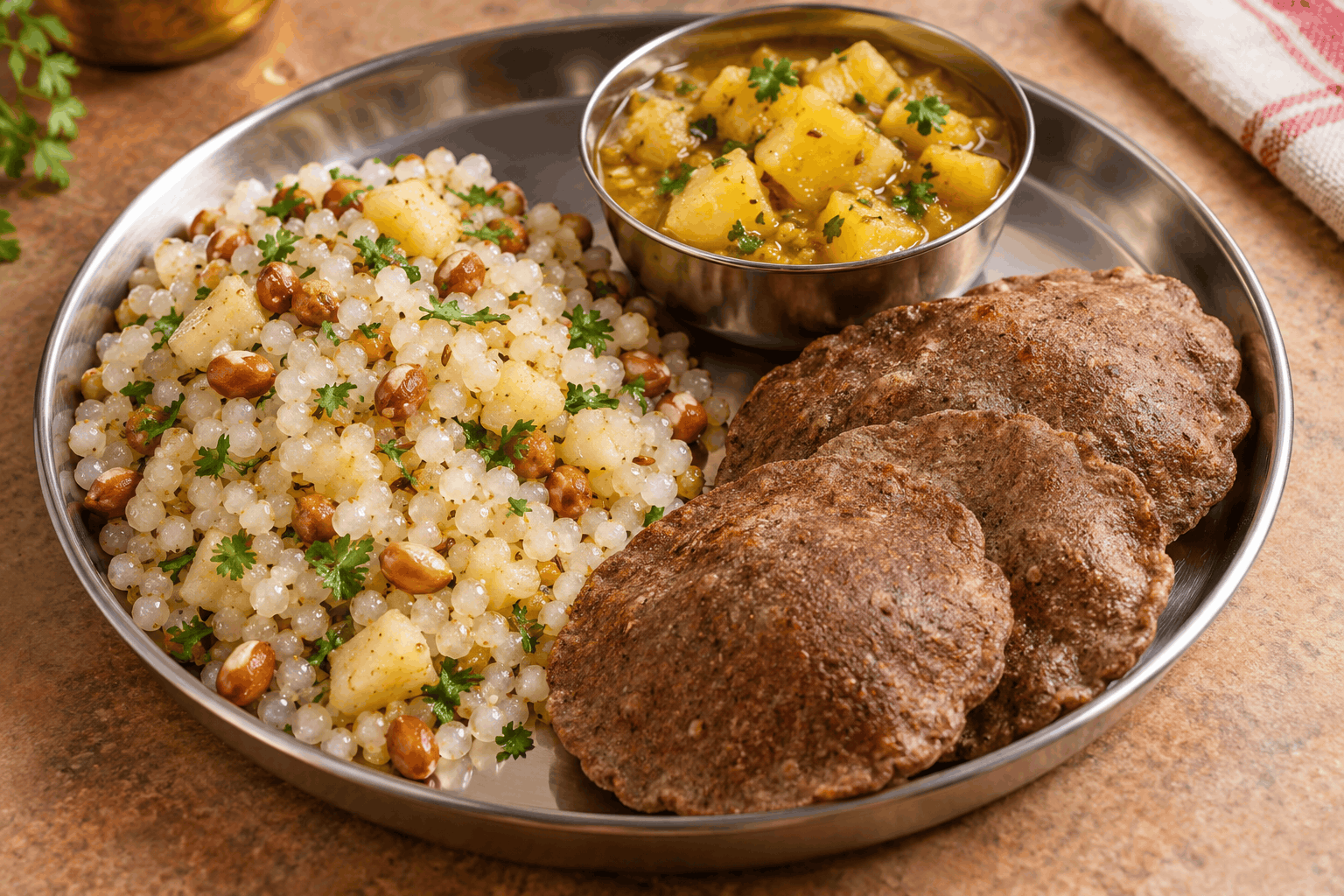
Devotees observe a fast from sunrise on Ashtami (September 4) until after the midnight puja. The fast can be nirjala (no water or food at all) or phalahari (fruits, milk, nuts, and water only, no grains). The fast is broken after completing the midnight birth ceremony.
The reasoning behind the daytime fast is that Krishna’s birth happened at midnight, and the vigil and fast through the day prepare the devotee for the birth moment.
The Midnight Puja and Birth Ceremony
The Nishita Puja is performed when the midnight moment arrives. In homes and temples, this involves:
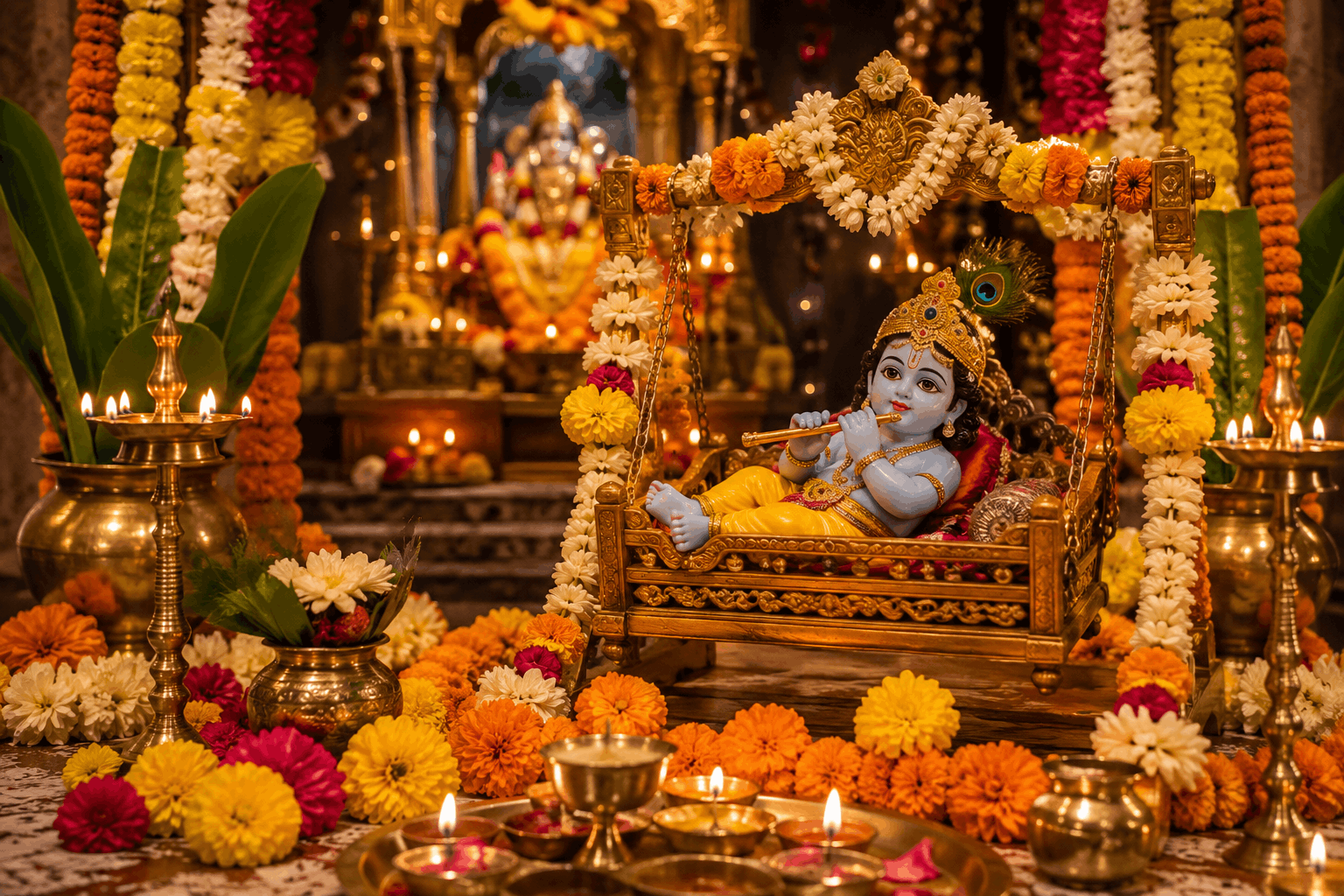
- Bathing the idol of infant Krishna (Laddoo Gopal) with panchamrit (a mixture of milk, curd, honey, sugar, and ghee)
- Placing the bathed idol in a decorated cradle and rocking it
- Singing lullabies and bhajans (devotional songs) to the infant Krishna
- Offering tulsi leaves, flowers, and sweets
- Breaking the fast after the puja with prasad
In large temples, this sequence is accompanied by aarti, conch blowing, and the ringing of bells. The Mathura and Vrindavan temples perform the ritual in a form that draws thousands of devotees for the specific midnight moment.
Ras Lila: The Dance of Krishna
Ras Lila performances, re-enacting scenes from Krishna’s youth in Vrindavan, are staged in temples and open-air venues across North India throughout the Janmashtami period. Vrindavan itself hosts continuous Ras Lila performances in the days surrounding the festival.
Dahi Handi: The Day After
The morning of September 5 brings Dahi Handi in Maharashtra and parts of Karnataka and Gujarat. Teams of young men (Govindas) form human pyramids to reach and break a clay pot filled with curd or buttermilk, suspended at height. This re-enacts Krishna’s childhood habit of stealing butter from high-hanging pots.
In Mumbai and Pune, Dahi Handi events are organised at scale with significant prize money for the team that breaks the highest-hung pot. The spectacle draws large crowds and significant media coverage.
Best Places to Experience Janmashtami 2026
The character of Janmashtami celebrations differs significantly by location. The destinations below are the ones where the festival is most significant or most visually distinctive.
Mathura: The Birthplace of Krishna
Mathura in Uttar Pradesh is where Krishna was born, and the Janmashtami celebrations here are the most directly connected to the festival’s spiritual origin. The Krishna Janmabhoomi Temple, built at the site believed to be the prison cell where Krishna was born, is the centre of the Mathura celebration.
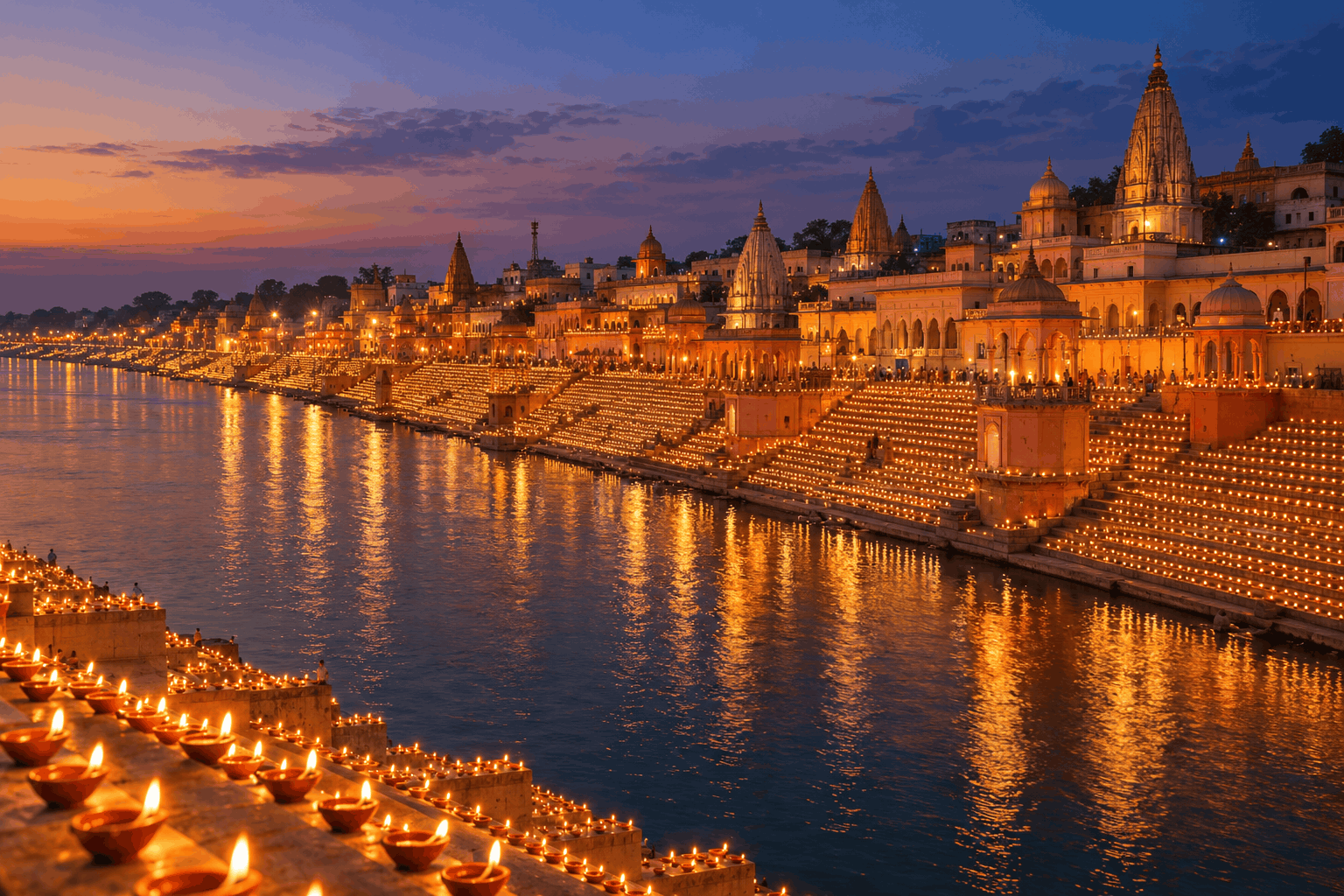
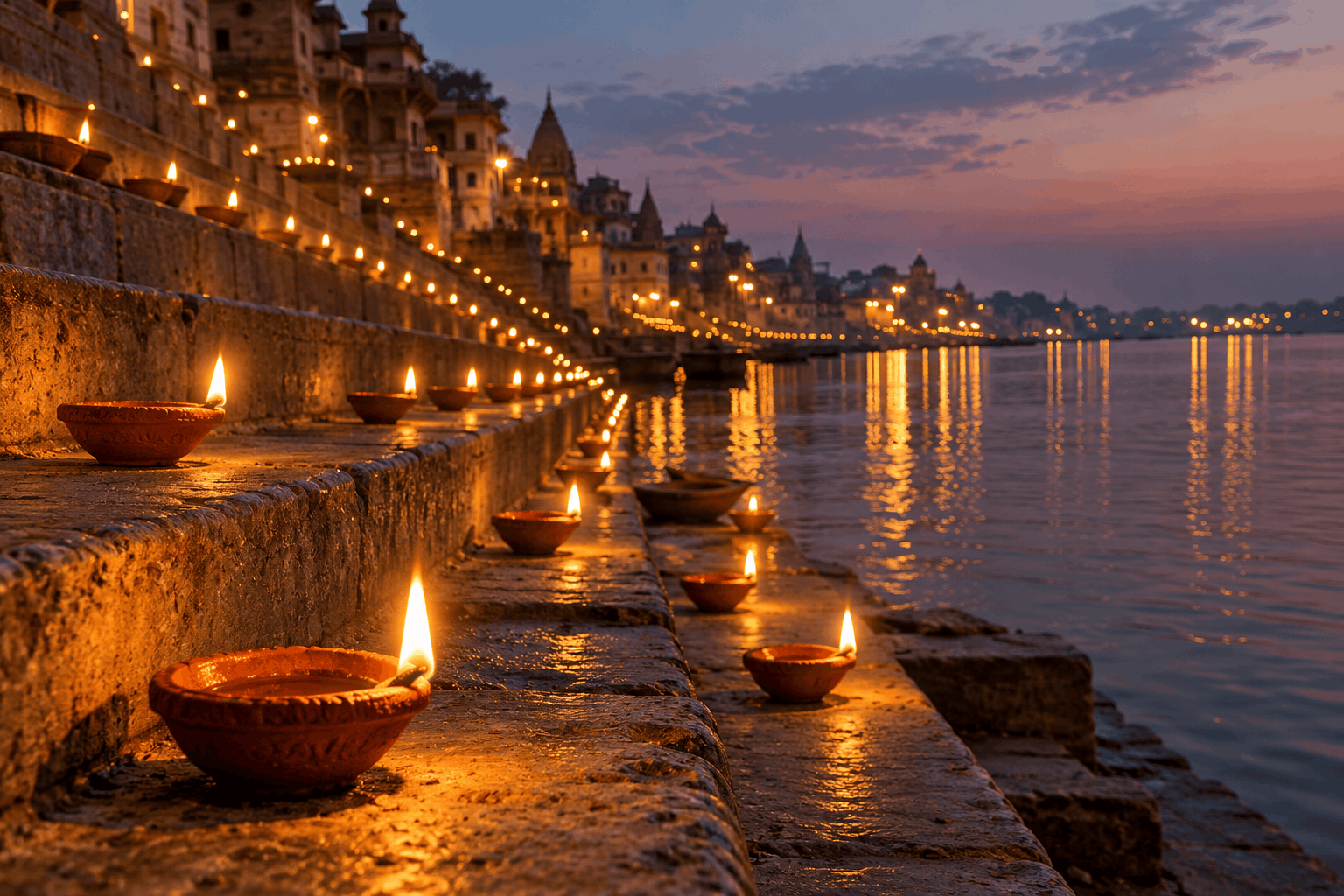
The midnight puja at the Janmabhoomi Temple draws enormous crowds, and the surrounding temples and ghats of Mathura are decorated and illuminated throughout the festival period. The scale and sincerity of the Mathura celebration reflect what the festival means at its source: not just a commemoration but a re-enactment of a specific moment in a specific place.
From Delhi, Mathura is approximately 140 to 150 km, about 2.5 to 3 hours by road.
Vrindavan: The Town of a Thousand Temples
Vrindavan, 15 km from Mathura, is where Krishna spent his childhood and adolescence. The town has over 5,000 temples, and Janmashtami here extends into a multi-day celebration. The ISKCON temple in Vrindavan observes Janmashtami on September 5 with elaborate midnight ceremonies open to visitors. The Banke Bihari Temple and Radha Raman Temple are among the most significant for the main Janmashtami observance.
What makes Vrindavan different from Mathura during Janmashtami is the community atmosphere: the entire town is in festival mode for several days, with flower decorations, continuous bhajan singing, and Ras Lila performances at multiple venues simultaneously.
Mumbai: Dahi Handi at Its Largest
Mumbai does not have the spiritual depth of the Braj region for Janmashtami, but it has the most spectacular Dahi Handi celebration in India. On September 5, hundreds of Govinda teams compete across the city, with the highest pots sometimes suspended 40 to 50 feet above street level. The prize money for the highest-tier pots runs into several lakhs of rupees.
If the specific draw is the Dahi Handi spectacle, Mumbai on September 5 is the right destination. The Mumbai bus booking page covers intercity connections into Mumbai from Pune, Nashik, and other western India cities.
Udupi: The Krishna Temple Town of Karnataka
Udupi in coastal Karnataka holds the Krishna Temple that was established by the philosopher-saint Madhvacharya in the 13th century. The temple is one of the most important Vaishnavite shrines in South India and observes Janmashtami with ceremonies that have been continuous for over 700 years.
The Udupi Janmashtami is less crowded than the Braj region celebrations but carries its own significance. The eight mutts (monasteries) surrounding the temple take turns managing the worship in a tradition called Paryaya, making Udupi’s religious life unusually structured and historically documented.
Guruvayur: Janmashtami in Kerala
The Guruvayur Sri Krishna Temple in Kerala, one of the most visited temples in South India, celebrates Janmashtami with its own distinct Kerala-specific character. The Ottanthullal (satirical dance), Sopana Sangeetham (temple music), and the decorated elephant procession add a cultural layer to the midnight celebration that is specific to this temple’s tradition.
Practical Planning for Janmashtami 2026
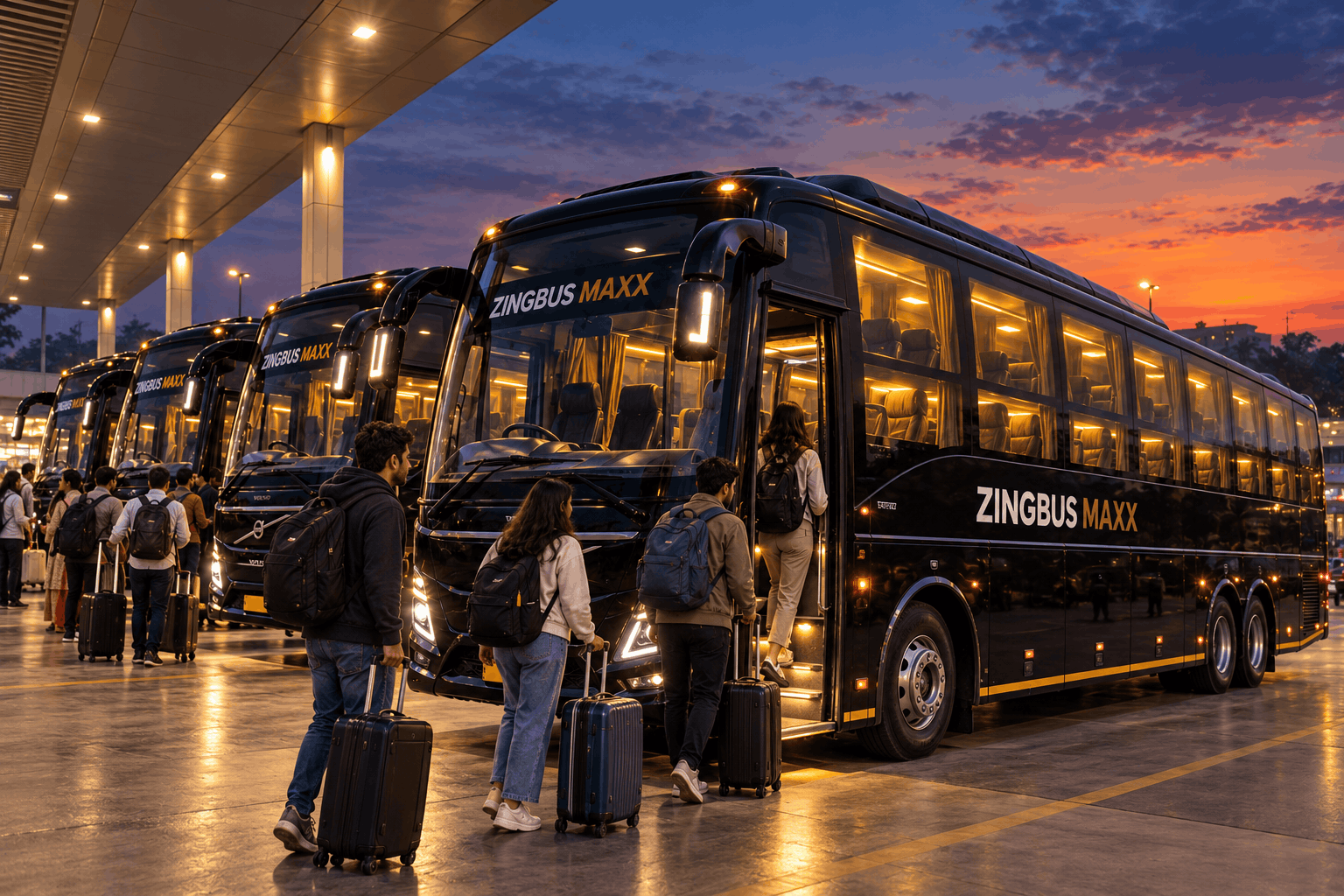
For travelling to Mathura and Vrindavan from Delhi, buses cover the approximately 150 km distance in 2.5 to 3 hours. Expect high demand on the nights of September 3-4 and the morning of September 4-5 on the Delhi-Mathura corridor; book transportation in advance.
For Udupi and Guruvayur, both require prior accommodation booking made well in advance of the festival period. These temple towns have limited accommodation and Janmashtami is their peak demand date.
Visiting the Janmabhoomi Temple in Mathura at midnight on September 4-5 requires patience with crowds. The most recommended approach is arriving in the Mathura-Vrindavan area by afternoon on September 4 and attending the evening aarti before the midnight ceremony. Returning the next morning avoids the immediate post-midnight crowd crunch.
You Might Also Like
- Mathura Vrindavan Janmashtami Guide: A detailed guide to planning a Janmashtami visit specifically to the Braj region, with travel details, temple information, and timing guidance.
- Places to Visit in India in August 2026: The August festivals and destinations that precede the Janmashtami season.
- Best Places to Visit in September in India: Janmashtami falls within September’s broader festival calendar; this guide covers the full range of September travel options.
Frequently Asked Questions
When is Janmashtami 2026?
Janmashtami 2026 falls on Friday, September 4, 2026, with the midnight birth ceremony taking place in the early hours of September 5; ISKCON temples observe the festival on September 5.
What time is the midnight puja on Janmashtami 2026?
The Nishita Kaal (midnight moment) for Janmashtami 2026 falls around 12:26 AM on September 5, 2026 for most locations in India; the exact timing varies slightly by location.
What is Dahi Handi and when does it happen in 2026?
Dahi Handi is the human pyramid celebration where teams break a suspended clay pot of curd re-enacting Krishna’s butter-stealing; in 2026 it takes place on September 5, the day after Janmashtami, particularly in Maharashtra.
Which is the best place to celebrate Janmashtami in India?
Mathura and Vrindavan in Uttar Pradesh are the most spiritually significant Janmashtami celebrations as they are the birthplace and childhood home of Lord Krishna; the Janmabhoomi Temple in Mathura attracts the largest midnight puja gathering in India.
How far is Mathura from Delhi for Janmashtami?
Mathura is approximately 140 to 150 km from Delhi, about 2.5 to 3 hours by road; buses and trains connect the two cities, with high demand expected on September 3-4 and 4-5 in 2026.
Can I attend Janmashtami at ISKCON?
Yes, ISKCON temples across India hold elaborate Janmashtami celebrations; in 2026 ISKCON observes the festival on September 5 rather than September 4, so attending an ISKCON celebration requires confirming the specific temple’s schedule.