Every long-distance traveller in India eventually faces the same decision. The journey is too long for a day trip, the destination is hours away, and the choice comes down to two options that have been competing for the same passengers for decades.
Bus vs train overnight travel in India isn’t a question with one universal answer, because the right choice depends on what you’re optimising for on that particular trip.
This comparison breaks the decision down by the factors that actually matter, cost, comfort, time, booking flexibility, safety, and route coverage, with an honest look at where each option genuinely wins. By the end, you should have a clearer sense of which one fits your next overnight journey, rather than a generic answer that ignores your specific situation.
Bus vs Train Overnight Travel India: Quick Comparison
| Factor | Overnight Bus | Overnight Train |
| Typical Cost | Lower for AC sleeper, varies by operator | Often cheaper in Sleeper Class, pricier in AC tiers |
| Booking Flexibility | High, last-minute booking usually possible | Lower, popular routes need advance booking |
| Comfort | Reclining or flat berths, varies by bus type | Wider berths, more stable ride on most routes |
| Route Reach | Reaches towns without rail connectivity | Limited to stations on the rail network |
| Journey Time | Can be faster on highway-heavy routes | Can be faster on long-distance trunk routes |
| Cancellation Ease | Generally simpler and faster | Refund process can take longer |
Note: Costs and timings are approximate and vary by route, operator, and season.
Each of these factors deserves a closer look, since the right answer changes depending on what matters most for your specific trip.
Cost: Train or Bus Which Is Cheaper
For pure budget travel, the train’s Sleeper Class is usually the cheapest way to cover long distances, especially on well-connected trunk routes. It is often the most economical overnight option in absolute rupee terms.
That said, buses can work out cheaper once you start comparing equivalent comfort levels. An AC sleeper bus berth frequently costs less than an AC 2-tier or AC 3-tier train berth covering the same distance, particularly when train AC tickets are booked close to the travel date and prices rise.
For travellers who specifically want air conditioning and a flat berth, buses tend to offer that combination at a lower price point than the equivalent train class.
The honest answer here depends on which class you’re comparing. Non-AC train sleeper against AC bus isn’t a fair comparison, and most cost debates online miss this distinction.
Comfort: Which Wins on the Actual Ride
Trains generally offer a smoother, more stable ride, since they aren’t affected by traffic, sudden braking, or road surface changes the way buses are. Berths on trains also tend to be slightly wider, which matters over an 8 to 12 hour journey.
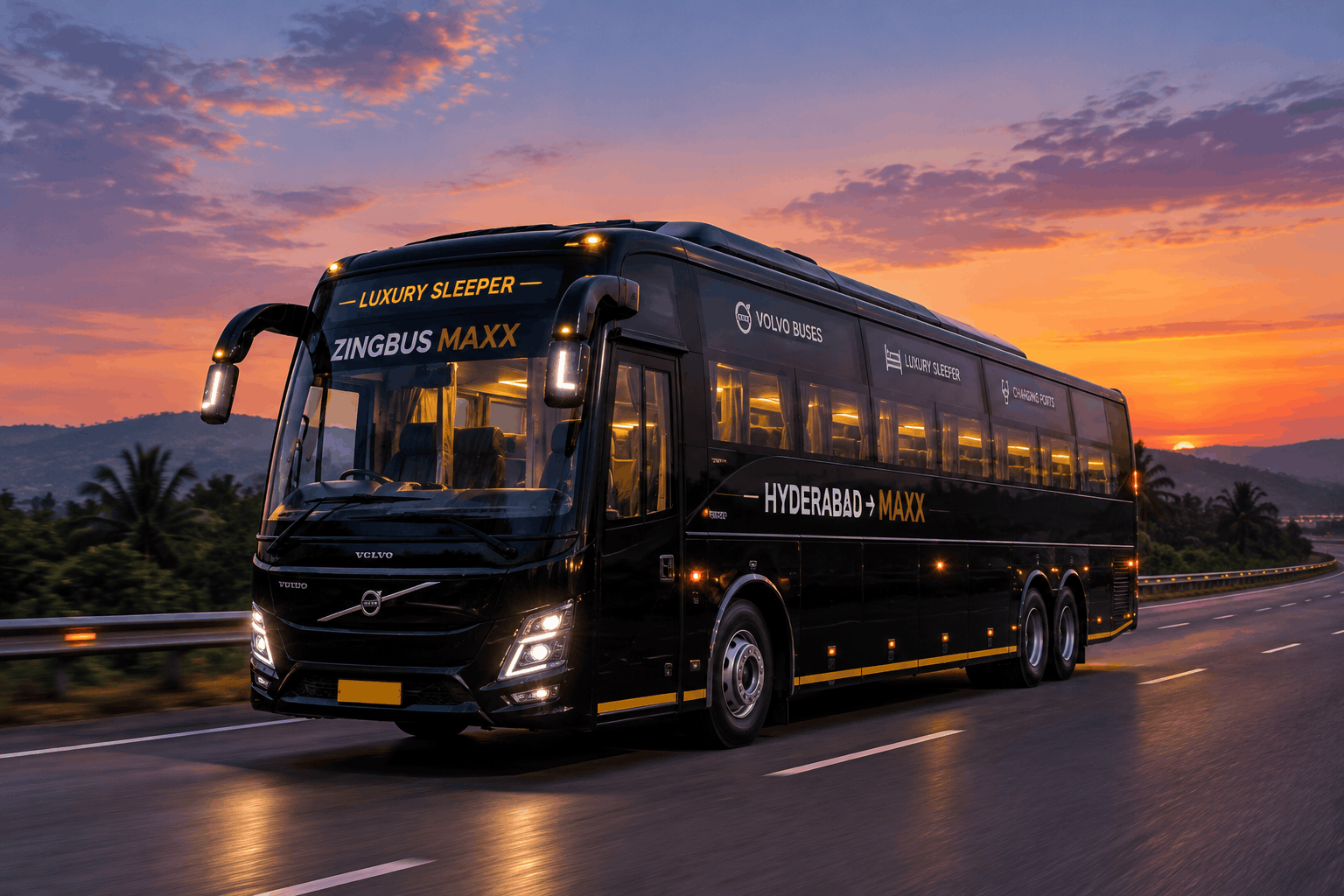
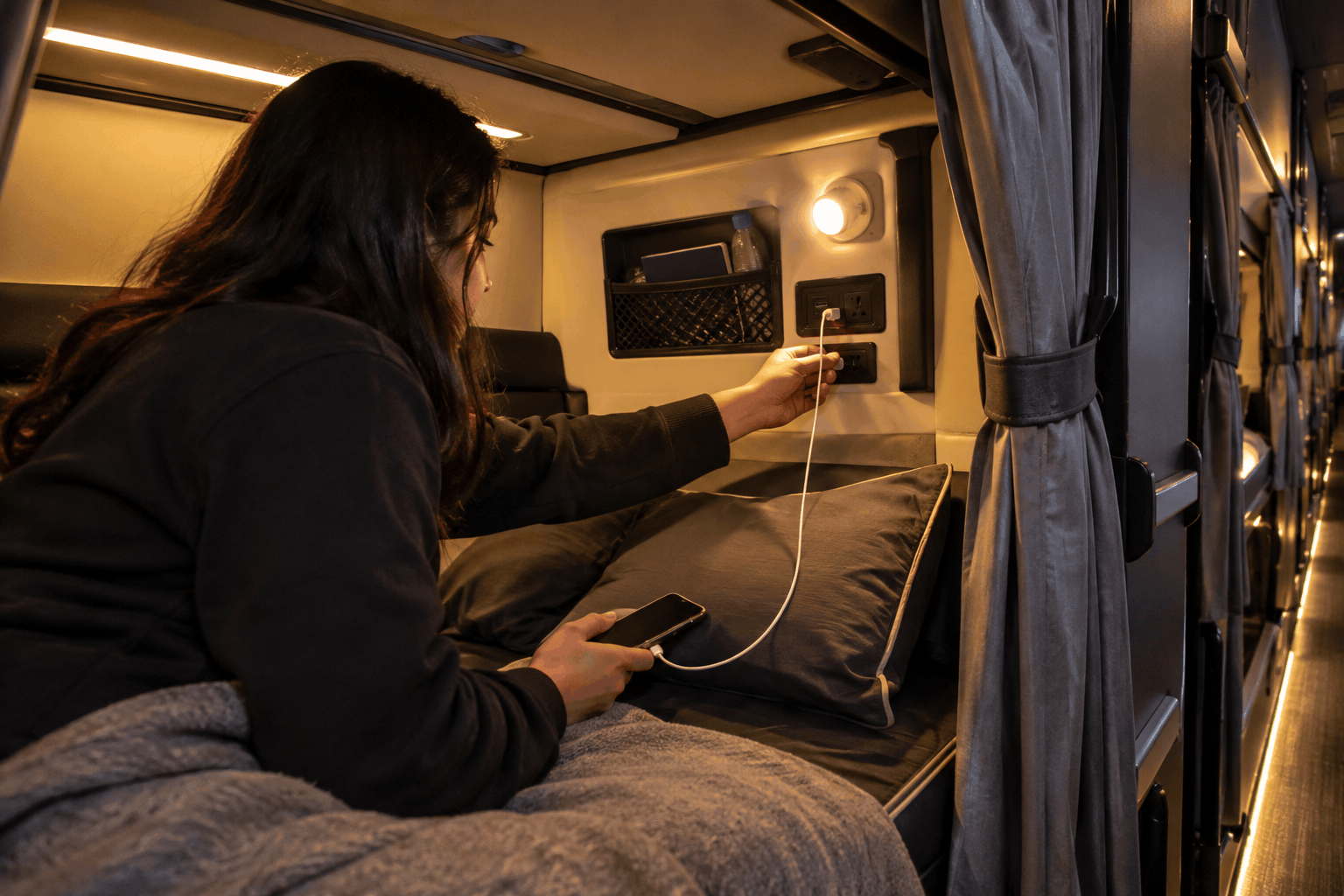
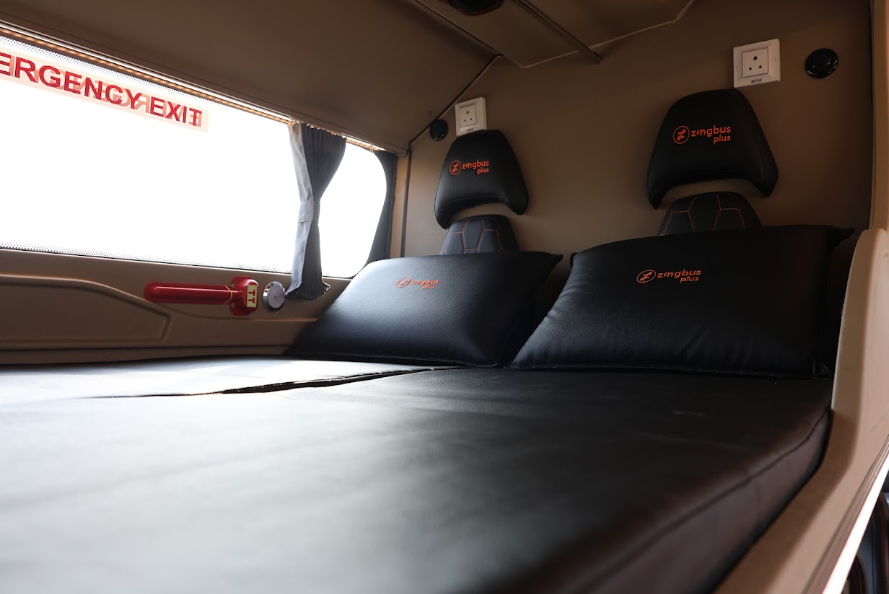
Buses have closed the gap considerably with modern AC sleeper configurations. A 2+1 layout sleeper bus gives solo travellers a private single berth option that trains don’t typically offer outside of higher AC classes, and individual reading lights, charging points, and privacy curtains are now standard on most quality overnight bus services.
The trade-off is road movement. Hill routes and stretches with sharp turns will always feel less stable on a bus than a train running on fixed tracks.
For most flat highway routes, the comfort difference has narrowed enough that personal preference matters more than any objective gap between the two.
Time and Connectivity: Train or Bus Which Is Faster
Neither mode wins this outright, because it depends entirely on the route. On long trunk lines connecting major cities with direct rail links, trains can often be faster since they aren’t subject to highway traffic or toll stops. On routes where the rail line takes an indirect path or requires a change, a direct overnight bus frequently arrives sooner.
Connectivity is where buses have a clear structural advantage. Buses can reach hill towns, smaller pilgrimage centres, and destinations entirely off the rail network, since they aren’t limited to fixed station infrastructure. If your destination doesn’t have a railway station, this question answers itself.
Booking Flexibility and Last-Minute Travel
This is one of the more decisive factors for spontaneous travel. Train tickets, especially in AC classes on popular routes, often need to be booked well in advance, and waitlists during festival seasons or long weekends can make last-minute travel genuinely difficult.
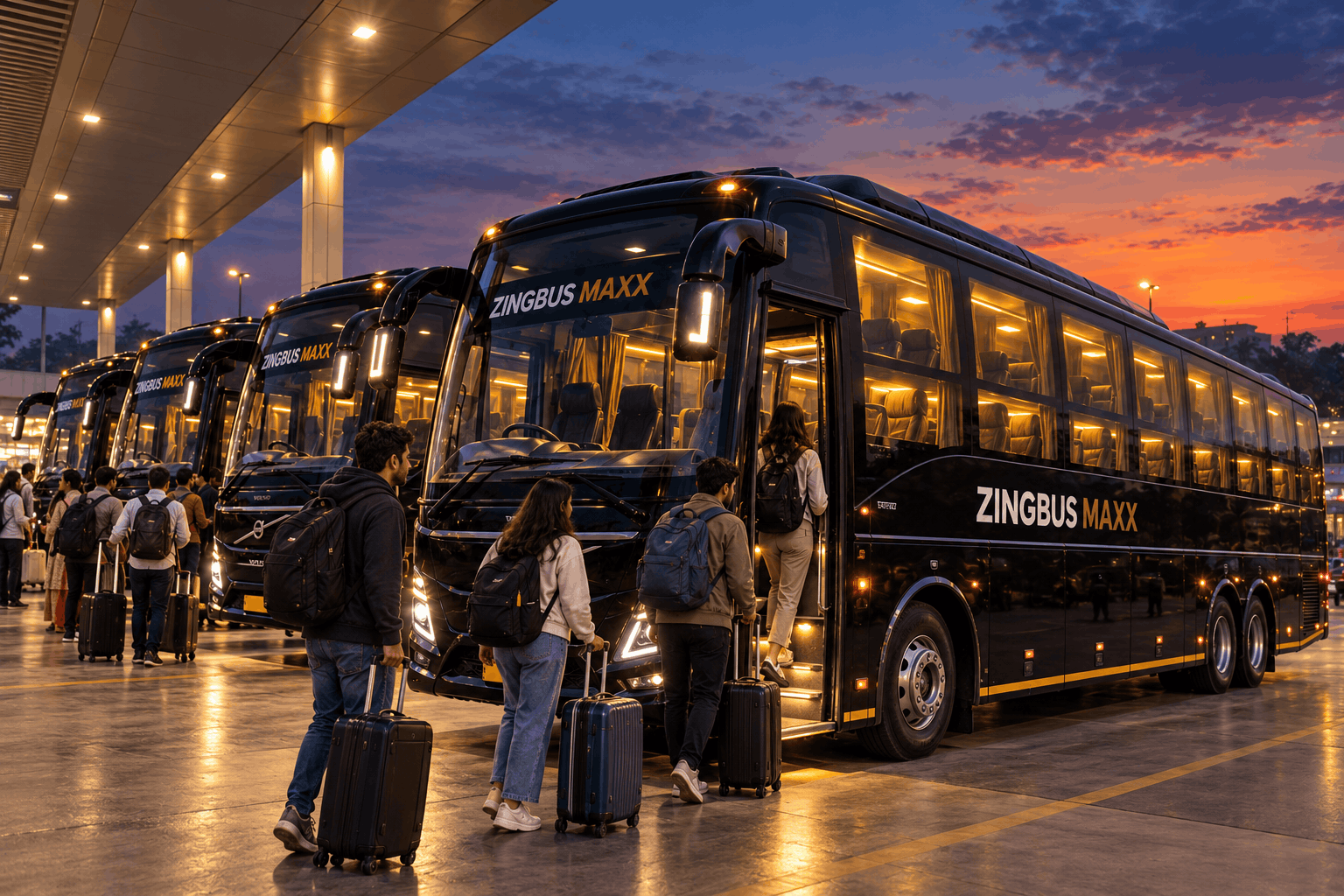
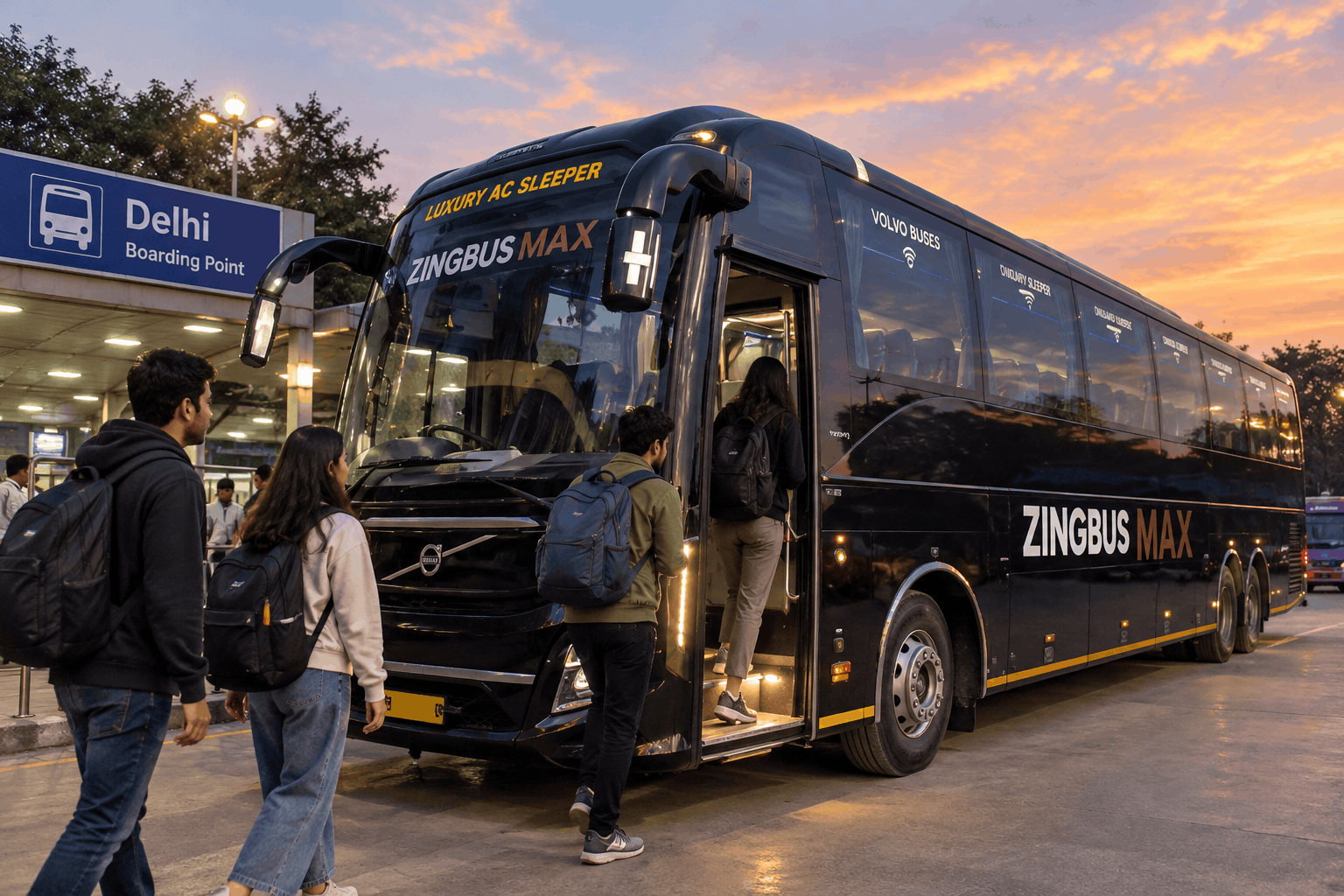
Buses are considerably more forgiving here. Most overnight bus operators, including zingbus, allow booking close to the departure date, with seat maps showing real-time availability rather than a waitlist system.
Cancellation and rebooking also tend to be simpler on bus platforms, with quicker refund processing in most cases compared to railway refund timelines.
Safety: Train or Bus Which Is Safe
Both modes carry their own safety considerations, and the honest answer is that safety depends far more on the specific operator or train class than on the mode itself.
Trains benefit from fixed infrastructure and an absence of road-related risk factors like traffic accidents or driver fatigue. Established railway safety protocols and decades of infrastructure investment support this.
Buses depend more directly on the operator’s standards. GPS tracking, verified driver backgrounds, two-driver rotation on routes exceeding six hours, and CCTV onboard have become baseline expectations for quality operators, and these features genuinely close the safety gap when present.
Route Reach: Where Each Option Genuinely Wins
If your destination sits on a major rail corridor, both options are usually viable, and the decision comes down to cost, comfort, and timing preference.
If your destination is a smaller town, a hill station, or anywhere without direct rail access, the bus is often the only practical overnight option without a multi-leg journey involving a train followed by a long road transfer.
Bus or Train: Which Should You Choose for Your Trip
Choose the Bus If
- Your destination doesn’t have direct rail connectivity, or the nearest station requires a long onward journey.
- You’re booking on short notice and need guaranteed seat availability rather than a waitlist.
- You want a private single berth without paying for the highest AC train classes.
- Your route involves hill terrain where direct point-to-point bus service skips a station transfer.
Choose the Train If
- You’re travelling on a major trunk route with strong rail connectivity in both directions.
- A wider, more stable berth matters more to you than private single-seat configurations.
- You’ve booked well in advance and secured a confirmed AC berth at a reasonable fare.
- You’re carrying heavier luggage that benefits from train style storage rather than bus overhead racks.
Booking Either Option for Your Next Trip
Whichever mode fits your trip, booking ahead matters more than the mode itself when it comes to avoiding last-minute stress. For bus travel, checking real-time seat availability on the zingbus app ahead of a weekend or festival period makes a noticeable difference, since popular overnight routes fill up days in advance just like trains do.
Tips for a Comfortable Overnight Journey, Either Way
- Choose a lower berth on both buses and trains if you’re prone to motion discomfort or want easier access during the night.
- Carry earplugs and an eye mask regardless of which mode you choose, since both involve shared spaces with varying noise levels.
- Check seasonal weather advisories before booking either option on hill routes, since fog and snow affect both road and rail schedules in winter.
- Keep valuables in a small bag close to you rather than in overhead storage in either mode.
- Build in buffer time after arrival before any early morning plans, since both buses and trains can run later than scheduled during peak travel periods.
Explore More
- Overnight Sleeper Buses in India: Benefits and Booking Guide: A closer look at sleeper bus configurations, berth types, and what to expect on a modern AC sleeper bus.
- Best Overnight Bus Routes in India 2026: A route-by-route breakdown of the overnight bus corridors covered in this comparison.
- Trusted Bus Service in India: 10 Things Smart Travellers Check Before Booking: Useful if safety and operator reliability are the deciding factor in your choice.
- Overnight Bus Travel Tips: Sleep Better and Arrive Fresh: Practical preparation tips if you’ve decided the bus is the better fit for your trip.
Making the Right Call for Your Journey
There’s no single winner in the bus vs train overnight travel India debate, only a better fit for the specific trip in front of you.
Trains hold the edge on long trunk routes and wider berths, while buses win on flexibility, last-minute booking, and reaching places no railway line touches.
Look at your route, your timeline, and what you actually need from the night, and the right choice usually becomes obvious.
Frequently Asked Questions
Which Is Better, Sleeper Train or Sleeper Bus?
Neither is universally better. Sleeper trains offer wider, more stable berths, while sleeper buses offer private single berth options and reach destinations without rail connectivity.
Which Is Better, Bus or Train in India?
It depends on the route and priority. Trains generally win on cost for long trunk routes, while buses win on booking flexibility and reaching towns without direct rail access.
Which Is the Best Overnight Train in India?
There’s no single official best, but premium overnight trains with AC 1-tier and AC 2-tier classes on major routes like Rajdhani and Duronto services are generally considered the most comfortable.
Are Overnight Buses Worth It?
Yes, particularly for routes without strong rail connectivity, last-minute travel, or when a private single berth at a reasonable price matters more than train class upgrades.
Train or Bus Which Is Faster?
It depends entirely on the specific route. Direct trunk route trains can be faster than buses, while buses are often quicker on routes where the rail line takes an indirect path.
Train or Bus Which Is Cheaper?
Train Sleeper Class is usually the cheapest overnight option overall, but AC sleeper buses often cost less than equivalent AC train classes on the same route.
Train or Bus Which Is Safe?
Both are generally safe with established operators. Trains benefit from fixed infrastructure, while buses depend more on operator standards like GPS tracking and verified drivers.
Is It Better to Book a Bus or Train for Last-Minute Travel?
Buses are generally easier to book last minute, since most operators show real-time seat availability rather than the waitlist system common on popular train routes.
Can I Get a Single Berth on an Overnight Bus?
Yes. Most AC sleeper buses follow a 2+1 layout, giving solo travellers a private single berth without needing to book the highest train AC classes.
Do Overnight Buses Reach Places Trains Don’t?
Yes. Buses can reach hill towns, smaller pilgrimage centres, and destinations off the rail network, making them the more practical option for many overnight routes.
Which Option Is Better for Families Travelling Overnight?
Both work well for families, though trains offer more space for groups travelling together, while buses offer more flexible boarding points across a city.
Is Cancellation Easier on a Bus or a Train?
Bus cancellations are generally simpler and process faster, while train refunds, particularly for AC classes booked through IRCTC, can take longer to settle.