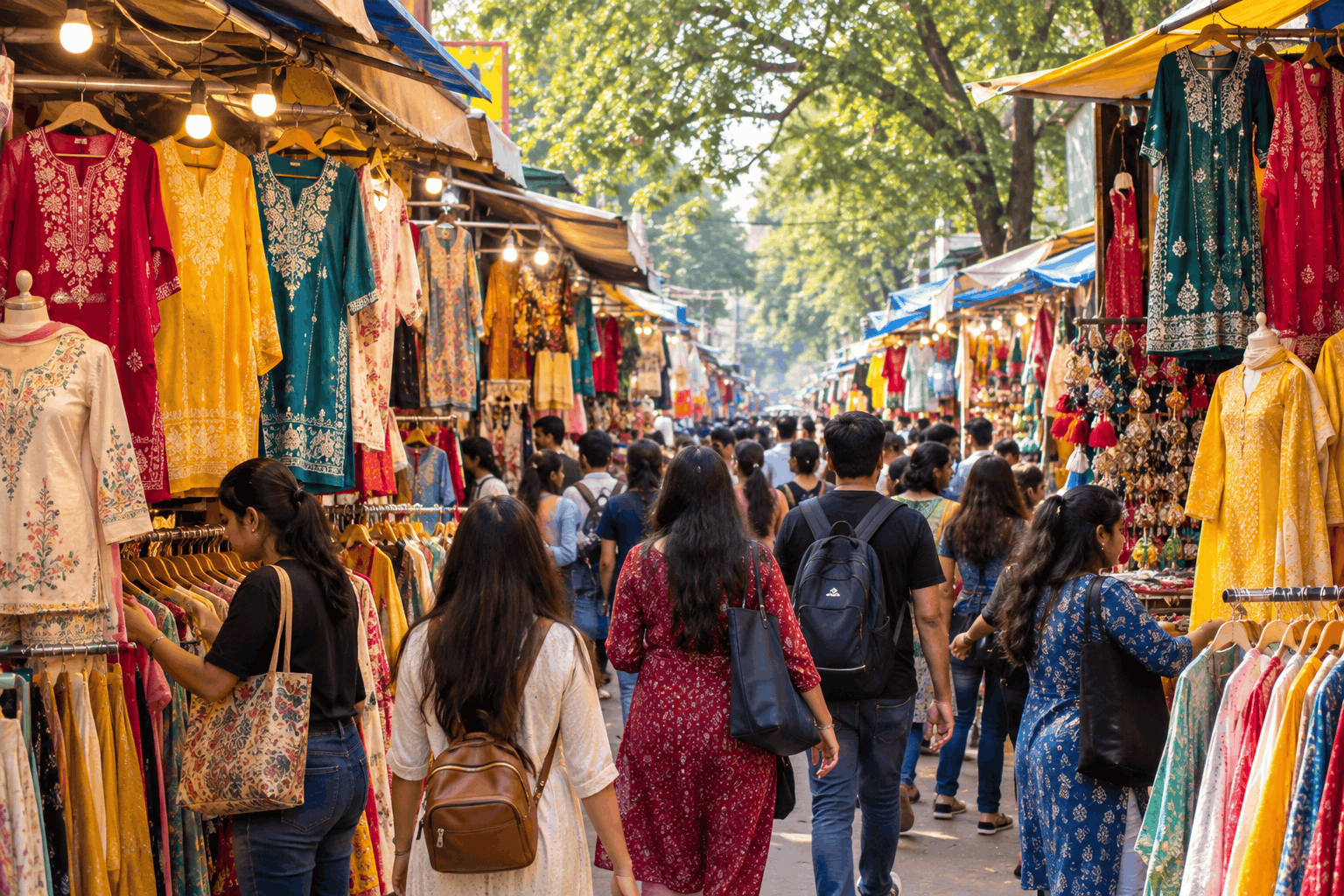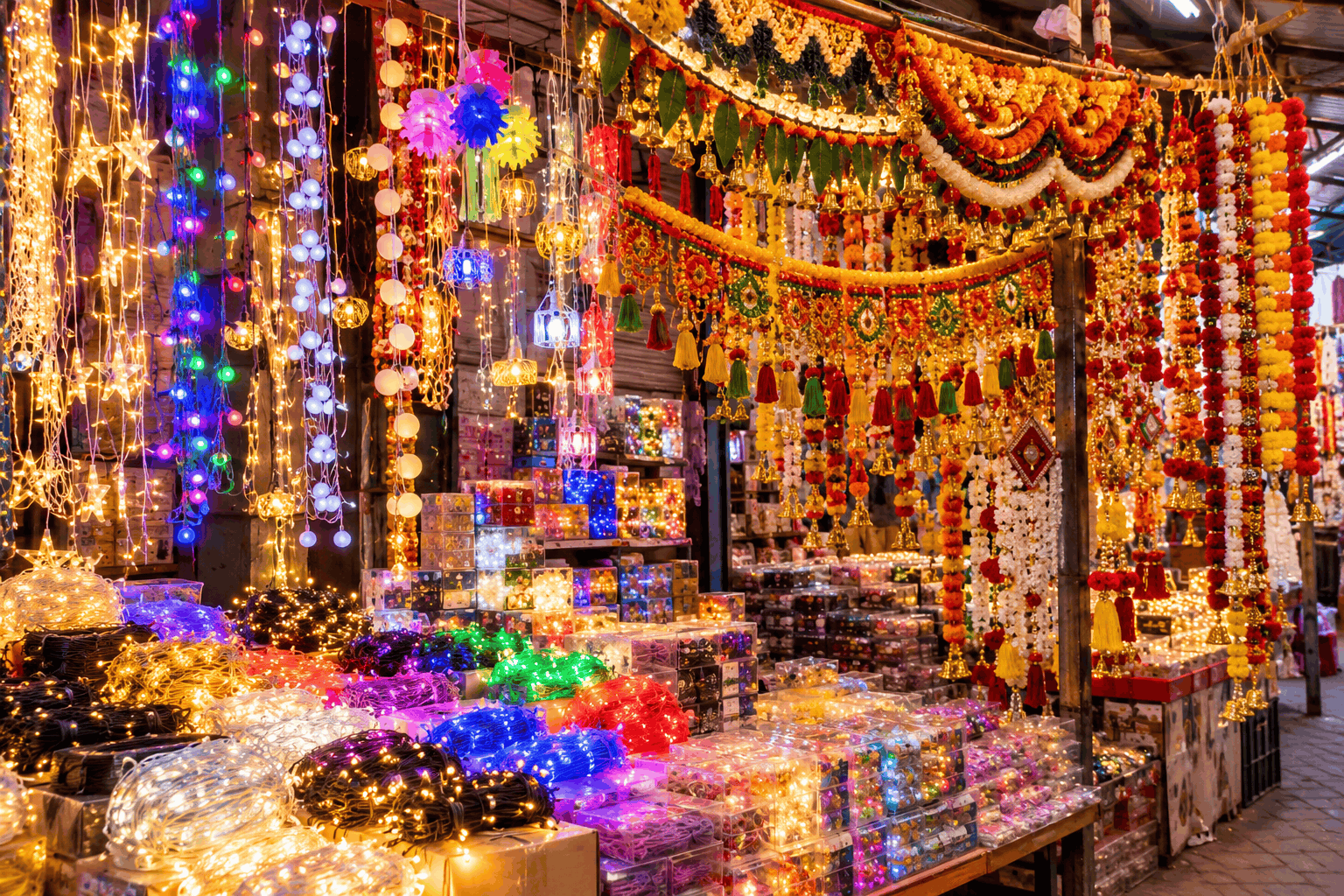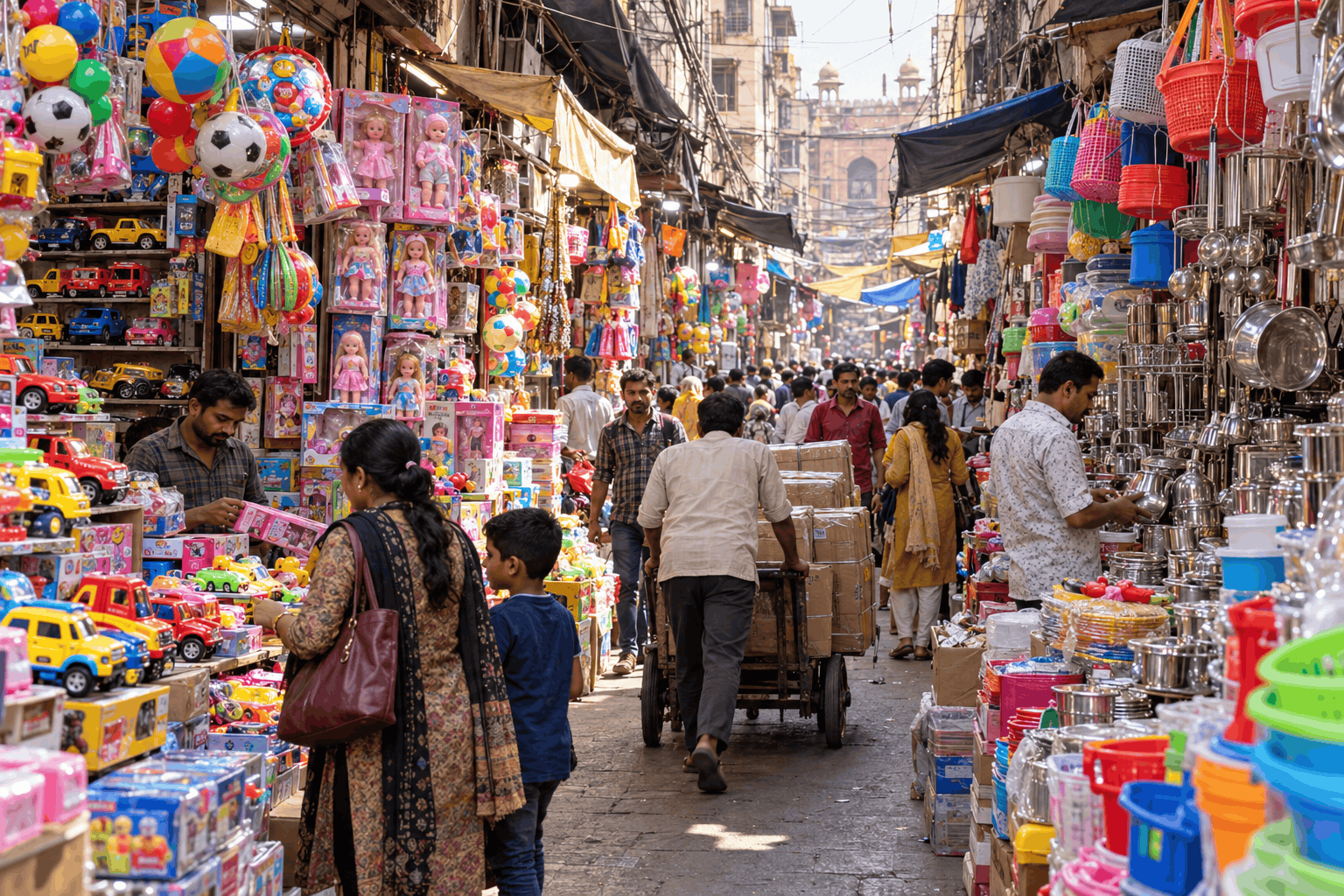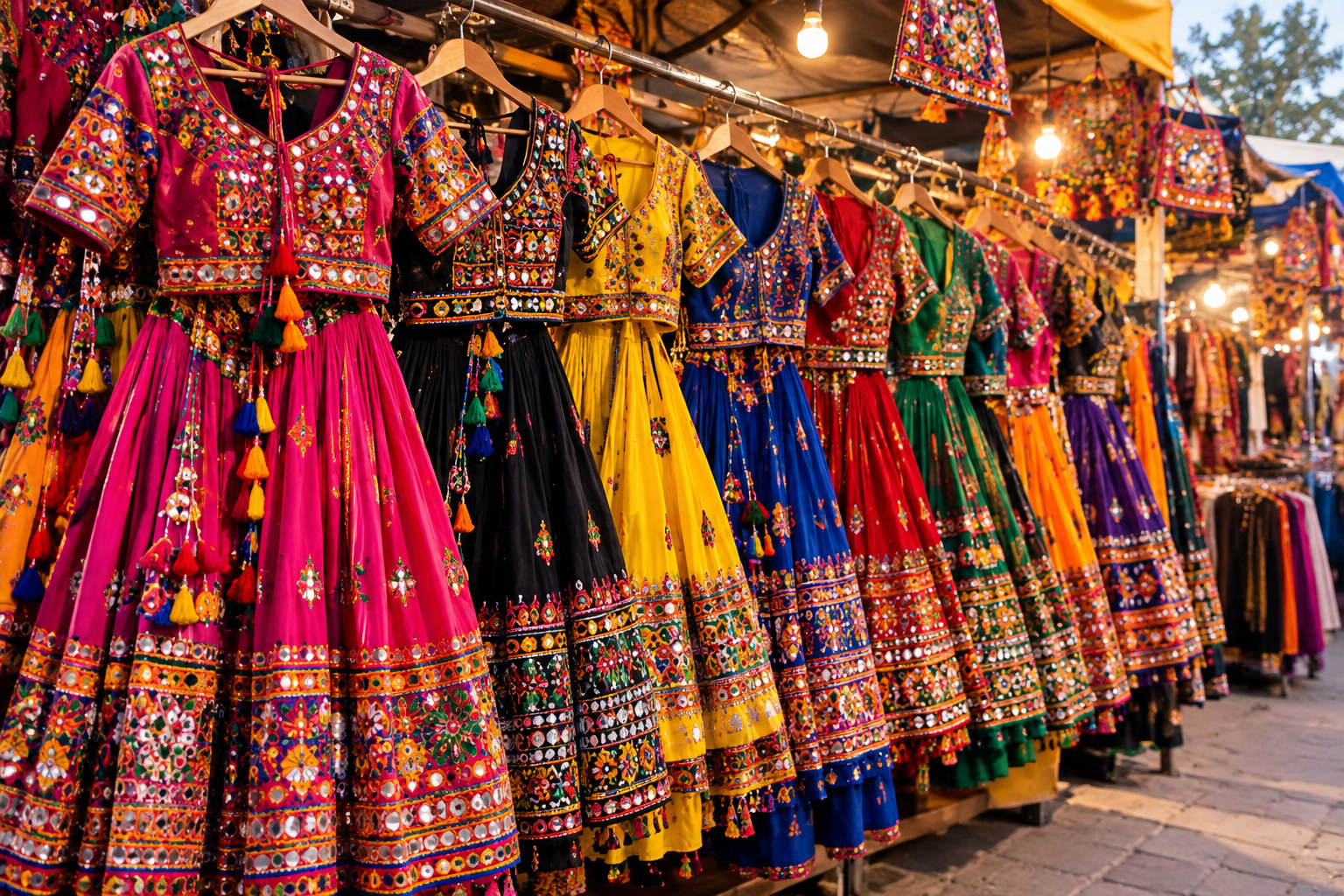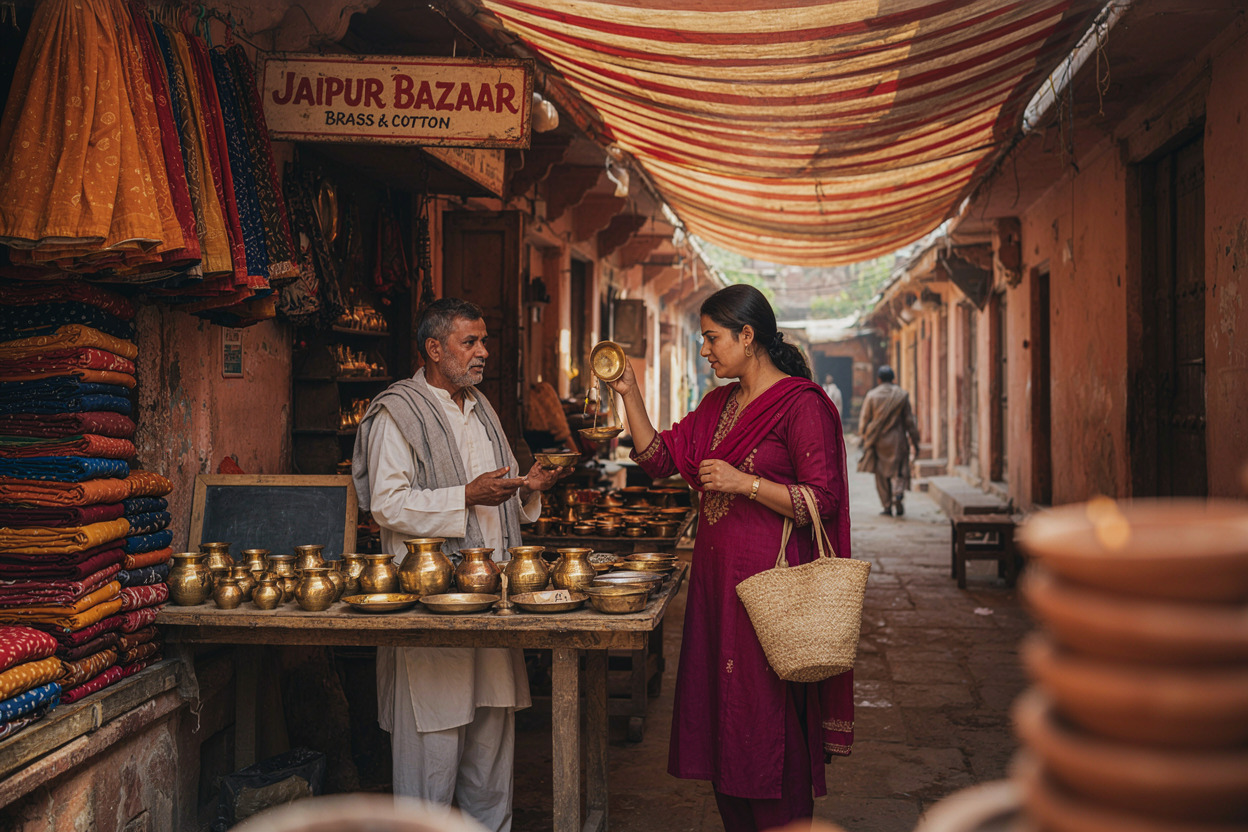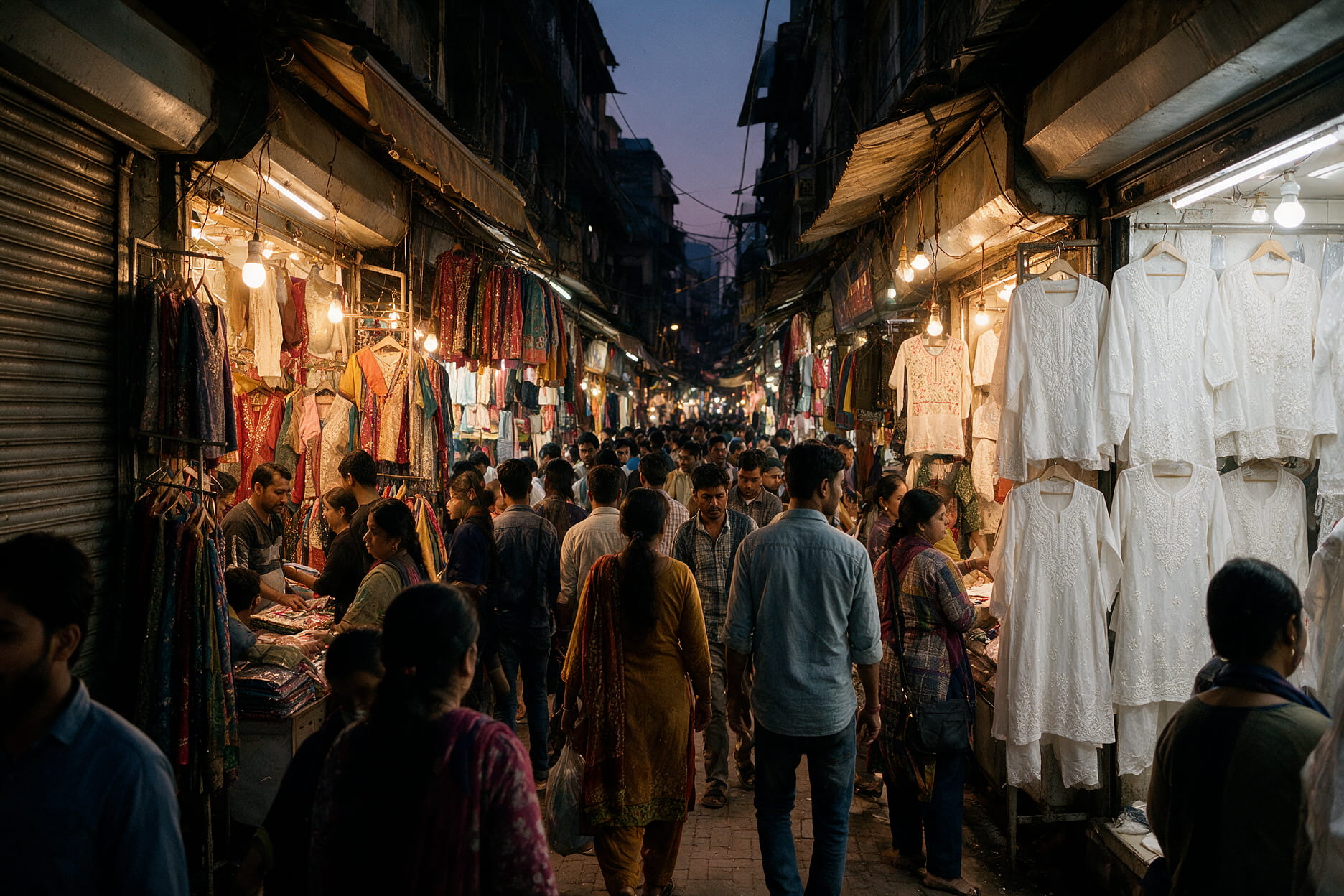
Rows of pink painted shops. Stacks of embroidered juttis arranged by colour. Lac bangles spread across a velvet board while the shopkeeper quotes a price that both of you know is just the starting point. That scene sits inside Bapu Bazaar, and knowing the bapu bazaar jaipur timings before you show up is what separates a productive shopping trip from a wasted autorickshaw fare on a Tuesday afternoon.
This guide covers the real opening and closing hours, the weekly off most visitors miss, a product by product breakdown of what to buy and what to skip, working price ranges, and the fastest routes from every major transport point in the city. Whether you are visiting Jaipur for the first time or returning for a focused shopping run, every section here is built to save you time and money.
Bapu Bazaar Jaipur Timings, Weekly Off, Location and Complete Shopping Guide
Bapu Bazaar sits inside the old walled city of Jaipur, running along Chaura Raasta between Sanganeri Gate on the south end and New Gate on the north end. The market is named after Mahatma Gandhi, commonly called Bapu, and falls within the original city grid that Maharaja Sawai Jai Singh II designed in the early 18th century.
The stretch is roughly 1 km long. Hawa Mahal stands approximately 700 metres from the central section of the market, and City Palace is about 1 km away. Johari Bazaar, famous for gold and gemstone jewellery, runs parallel on the eastern side. Nehru Bazaar extends westward from Bapu Bazaar all the way to Ajmeri Gate and sells shoes, fabric, and trinkets at even lower price points.
This location matters for planning because it places the market within walking distance of three of Jaipur’s most visited heritage sites. You can combine shopping with sightseeing in a single half day outing without needing a cab between stops.
Opening Hours, Closing Time and the Weekly Off You Cannot Ignore
Getting bapu bazaar jaipur timings right is the single most important step before heading out. The market runs on a predictable daily cycle, but the weekly closure catches out of town visitors constantly.
Opening time: Most shops begin opening between 10:30 AM and 11:00 AM. A few textile wholesale shops near Sanganeri Gate open closer to 10:00 AM, but the full stretch becomes active only by 11:00 AM.
Closing time: Shops along the main road typically wind down between 8:00 PM and 9:00 PM. During the October to March tourist season and festival periods around Diwali, a few shops stay open until 9:30 PM. Street food carts at the New Gate end stay active a little longer.
Weekly off: Tuesday. This is the day the majority of shops at Bapu Bazaar remain shut. Nehru Bazaar, which shares the western boundary, also closes on Tuesday. Showing up on a Tuesday means shuttered fronts and locked grilles across most of the stretch. If your Jaipur schedule is tight, plan around this day.
Entry fee: None. The bazaar is an open public market. You walk in, shop, eat, and leave.
| Detail | Information |
| Opening Time | 10:30 AM to 11:00 AM |
| Closing Time | 8:00 PM to 9:00 PM |
| Weekly Off | Tuesday |
| Entry Fee | Free |
| Best Shopping Hours | 5:00 PM to 8:00 PM |
| Best Season | October to March |
The best window for shopping is late afternoon into the evening, between 5:00 PM and 8:00 PM. By then all shops are fully open, the summer heat drops, and the market lanes light up. Avoid going between 12:00 PM and 3:00 PM during the April to June months. There is limited shade on the main stretch, and the heat makes browsing unpleasant.
What to Buy at Bapu Bazaar Jaipur
Bapu Bazaar is not a single category market. The product range runs from traditional Rajasthani textiles to camel leather footwear, brass showpieces, handcrafted jewellery, and block printed home furnishings. Each product category has specific shops that do it well and tourist traps that overcharge for inferior quality. Here is a category by category breakdown.
Mojari and Jaipuri Juttis
This is what Bapu Bazaar is most famous for. Mojari shoes are traditionally crafted from camel leather and feature hand embroidery in bright thread, mirrors, and beadwork. Styles range from flat juttis for daily wear to heavily embellished pairs meant for weddings. Prices for a decent pair start around Rs 300 for simple designs and go up to Rs 1,500 or more for detailed handwork. Harleen Chappal Store and Relax Nagra Store are two names that come up repeatedly among regular buyers for fair pricing and reliable stitching. Check the sole flexibility and the embroidery anchoring before paying. Loose stitching at the toe or heel means the pair will not last beyond a few uses.
Bandhej, Leheriya and Sanganeri Textiles
The textile section of Bapu Bazaar is its second biggest draw. Bandhej (tie and dye) sarees, Leheriya (wave pattern) dupattas, and Sanganeri (block printed) dress materials are available across dozens of shops. Ratan Textiles on the main stretch is known for its fabric variety. Prices vary heavily by fabric quality and print complexity. A Bandhej dupatta can start at Rs 150, while a fully worked saree runs from Rs 800 to Rs 3,000 and beyond. Touch the fabric before buying. Pure cotton Sanganeri prints feel soft and absorbent. Synthetic blends have a slight sheen and feel stiffer. Both are sold here, and both are priced differently.
Lac Bangles
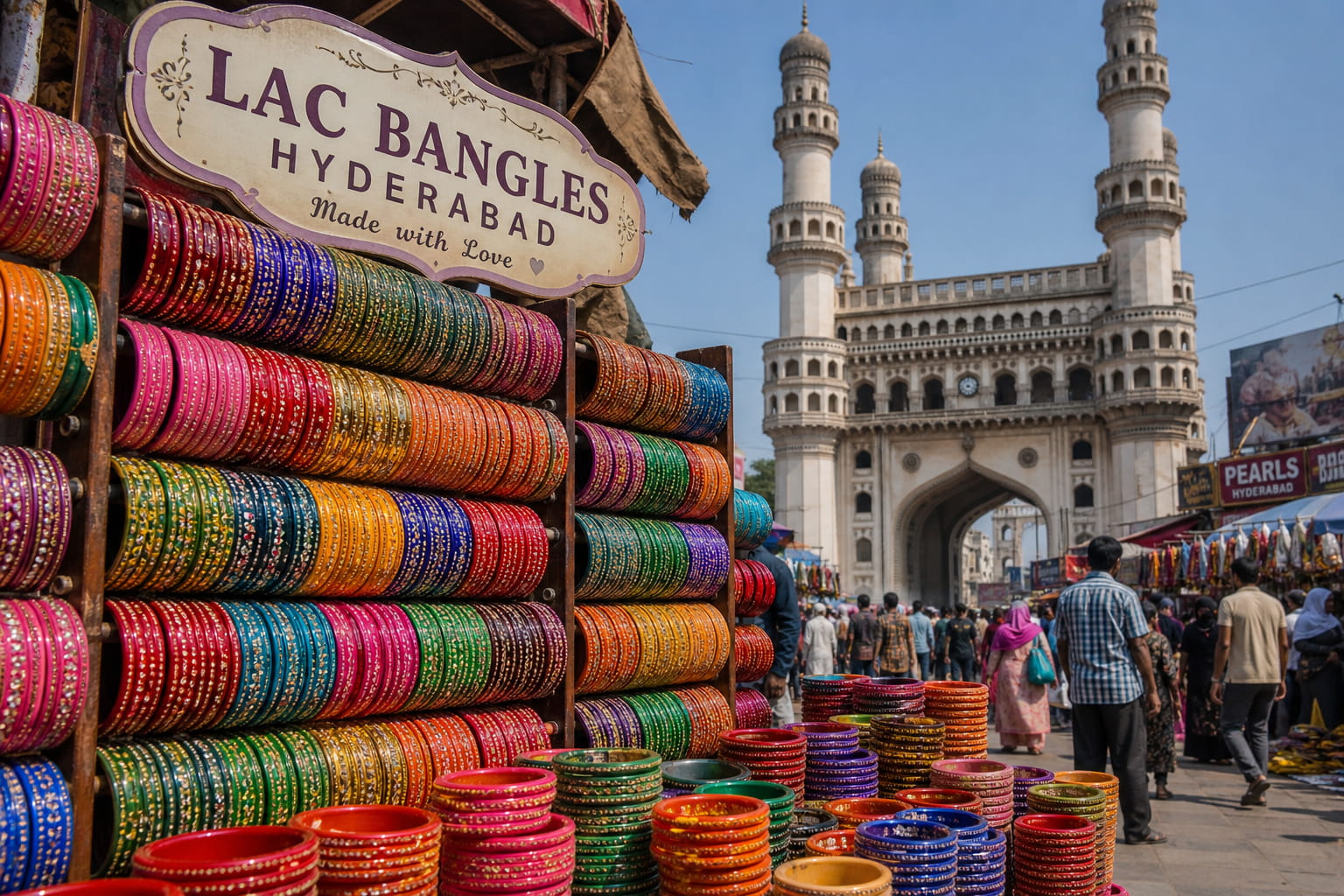
Lac bangles are made from a natural resin, shaped by hand over a small flame, and studded with coloured glass, beads, or small mirrors. The process is traditional to Jaipur, and Bapu Bazaar has one of the highest concentrations of lac bangle sellers in the city. A set of four to six bangles typically costs between Rs 100 and Rs 400 depending on the design and stone work. These make popular gifts and souvenirs because they pack flat, weigh almost nothing, and look distinctly Rajasthani.
Jaipuri Razai (Quilts)
Jaipuri razais are lightweight handwoven cotton quilts with block printed covers. They fold small enough to fit inside a backpack and provide genuine warmth despite their thin profile. The craft goes back to the era of Maharaja Sawai Jai Singh II, who brought quilt makers to the city. Prices start around Rs 500 for a single bed size and go up to Rs 2,000 for king size with finer cotton and detailed prints. These are among the most practical souvenirs from Jaipur because they work as actual bedding, not just decorative items.
Handicrafts, Puppets and Decorative Items
Small souvenir shops scattered across the bazaar sell wooden puppets in traditional Rajasthani dress, miniature brass camels and elephants, marble figurines, sandalwood carvings, and hand painted pen stands and key chains. Puppetry has a long history in Rajasthan, and the Kathputli (string puppet) tradition is closely tied to Jaipur’s cultural identity. A pair of well made puppets costs between Rs 150 and Rs 500. Smaller souvenir items like keychains and fridge magnets fall in the Rs 30 to Rs 100 range.
Artificial and Ethnic Jewellery
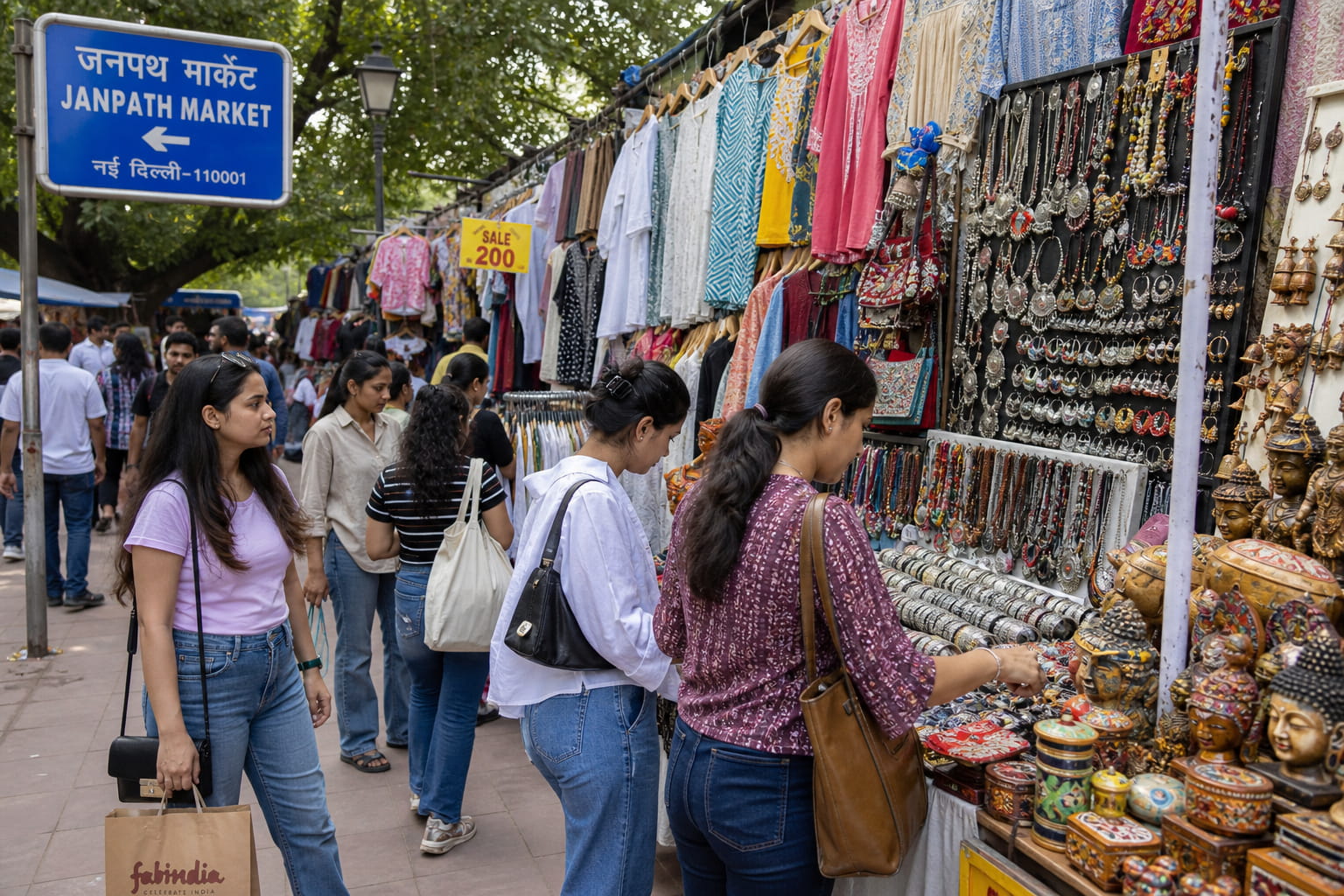
The street shops at Bapu Bazaar carry ethnic neckpieces, oxidised silver earrings, glass studded finger rings, beaded anklets, and Kundan style sets designed for festive wear. These are fashion jewellery, not precious metals, so the pricing is affordable and the designs are bold. A statement neckpiece sits between Rs 200 and Rs 800. Earrings range from Rs 50 to Rs 300. The jewellery works well for matching with traditional outfits bought at the same market.
Attar and Fragrances
A smaller but notable section of Bapu Bazaar sells traditional attar (natural oil based perfume), incense sticks, and dried flower sachets. Rose and sandalwood attars are the most popular scents. Small bottles start at Rs 100 and go up with concentration and quantity. These are sold by weight or by bottle size, so clarify which measure applies before finalising a price.
Note: Prices are approximate and may change based on season, demand, and availability.
Street Food Worth a Stop Between Shops
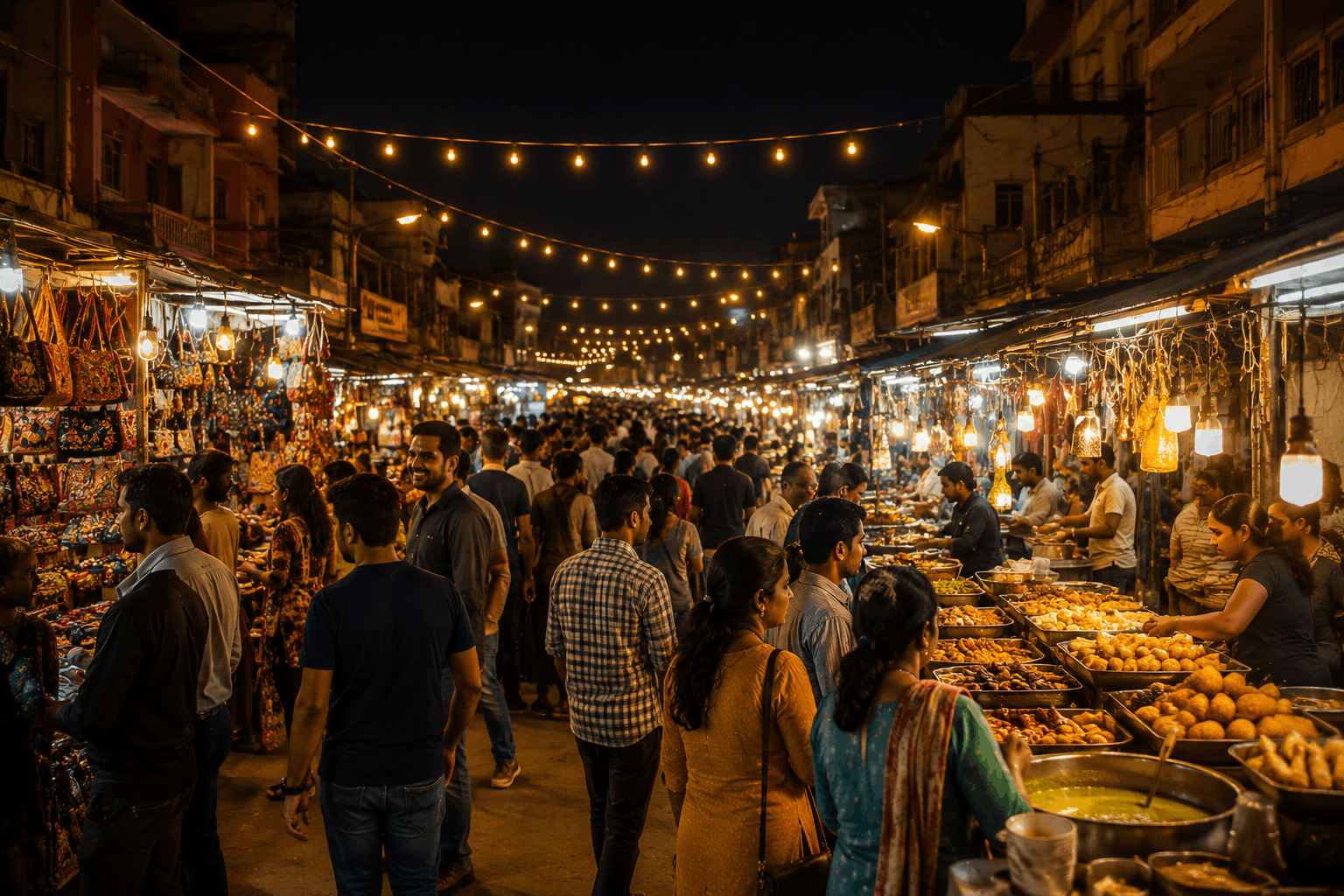
Shopping at Bapu Bazaar on an empty stomach is not recommended, partly because the lanes are long and partly because the food options near New Gate make stopping easy. Kulfi Falooda is the signature street food of this stretch. It is a cold dessert made from dense milk kulfi, rose syrup, vermicelli, and sweet basil seeds. Portions cost between Rs 40 and Rs 80.
Chaat stalls near the Sanganeri Gate end serve gol gappas, aloo tikki, and dahi bhalla. Kachori from nearby shops on MI Road, especially pyaaz kachori from Rawat Mishthan Bhandar (a 10 minute walk from the market), is a Jaipur institution. If you are spending the evening at the bazaar, eating before the final round of shopping works better than rushing through on a full stomach at the end.
How Bargaining Actually Works Here
Bapu Bazaar is a bargaining market. Fixed price labels exist only in a handful of larger showrooms that display “Fixed Price” signage. Everywhere else, the shopkeeper quotes an opening price, you counter, and you meet in the middle. The part most people miss is that this is not confrontational. It is transactional. Shopkeepers expect it.
Start by offering approximately 40 to 50 percent of the quoted price and negotiate upward from there. If you are buying multiple items from the same shop, your bargaining position improves significantly. Buying two pairs of juttis and a stack of dupattas from one seller gives you room to ask for a combined discount that feels fair to both sides.
A few practical pointers that help. Ask the price of similar items at two or three shops before committing. Walk away politely if the price feels inflated. If the shopkeeper calls you back with a lower number, you are in the right range. UPI payments through Google Pay and PhonePe are accepted at most shops now, but smaller pavement vendors and street food carts still prefer cash. Carry Rs 500 and Rs 100 notes for smoother transactions.
How to Reach Bapu Bazaar Jaipur
Bapu Bazaar is centrally located, and every major transport hub in Jaipur connects to it within 15 to 25 minutes. Below are the practical routes from each arrival point.
From Sindhi Camp Bus Stand
Sindhi Camp ISBT is approximately 3.3 km from Bapu Bazaar. An autorickshaw from the bus stand takes about 10 to 15 minutes and costs around Rs 50 to Rs 80. If you are arriving in Jaipur by bus from Delhi, Agra, or any North India city, Sindhi Camp is the primary drop point for most operators. Travellers arriving via the Delhi to Jaipur bus route can reach the bazaar directly from here.
From Jaipur Junction Railway Station
The railway station is roughly 4 to 5 km from the market. Autorickshaws charge around Rs 80 to Rs 120 depending on traffic and time of day. Prepaid auto counters inside the station offer fixed rates and eliminate the need to negotiate.
From Jaipur International Airport
The airport sits approximately 11 km south of the bazaar. A cab or app based ride takes 25 to 40 minutes and costs between Rs 300 and Rs 500. Airport to city cabs are available on meter or through Uber and Ola.
By Metro
Chandpole Metro Station is the closest metro stop to Bapu Bazaar. From the station, the market is about a 10 to 12 minute walk or a short autorickshaw ride. The Jaipur Metro Pink Line connects Chandpole to Mansarovar and other parts of the city.
By Auto or Cab from Anywhere in Jaipur
If you are already in the city, simply ask for “Bapu Bazaar” or “New Gate” as your drop point. Both are well known landmarks, and any auto or cab driver in Jaipur will know the route. Traffic in the walled city area can be dense, especially after 5:00 PM, so factor in an extra 10 to 15 minutes during peak evening hours.
What to See Near Bapu Bazaar After Shopping
The old city area around Bapu Bazaar holds some of Jaipur’s most photographed and visited heritage sites. Because these are within walking distance, combining them with a shopping trip makes for a well packed half day itinerary.
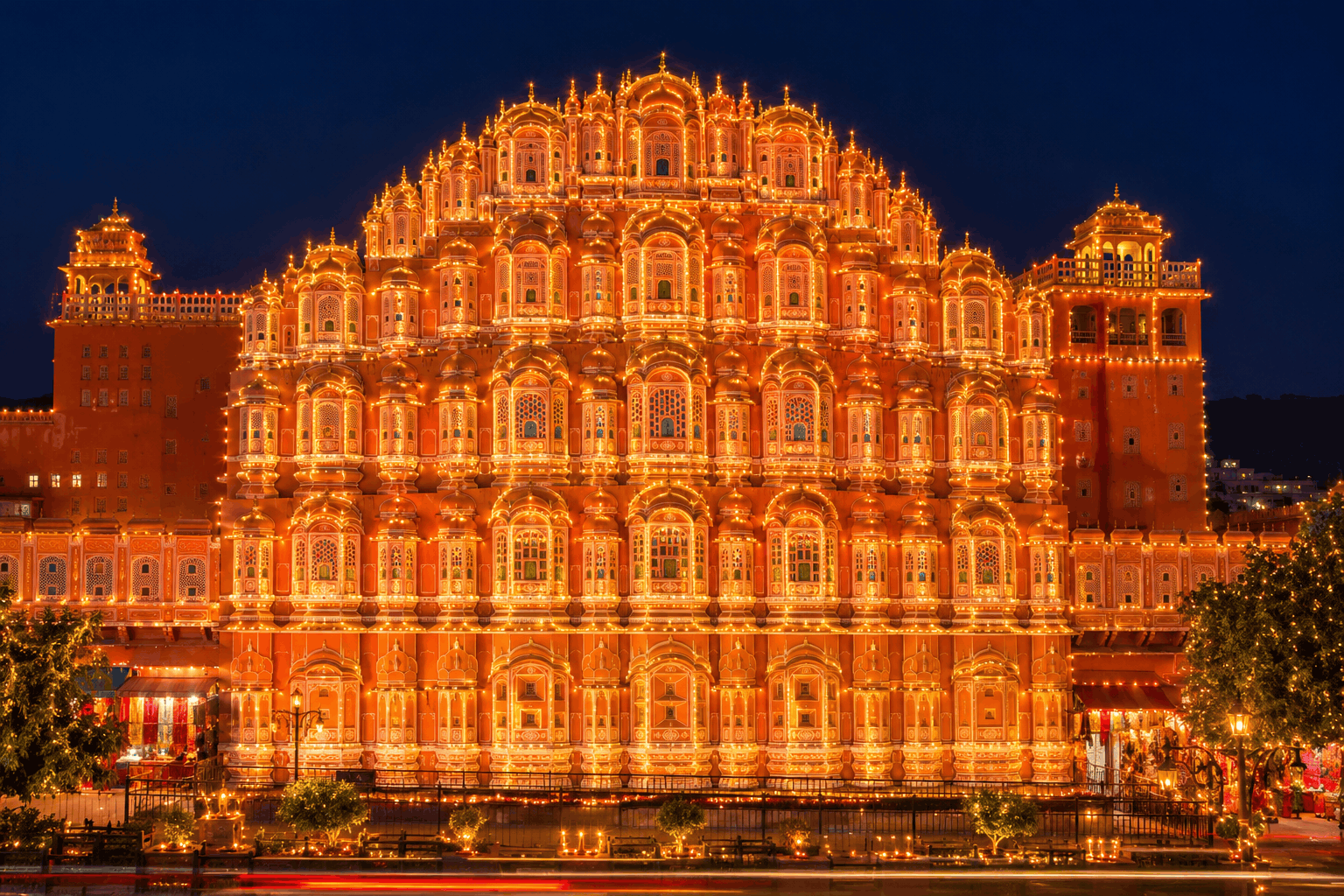
- Hawa Mahal: The five storey sandstone facade with 953 small windows is roughly a 10 minute walk from the central stretch of Bapu Bazaar. Early morning light hits the front face best for photos.
- City Palace: About 1 km from the market, the palace complex includes museums, courtyards, and the Mubarak Mahal textile gallery, which adds context to the fabrics you just saw at the bazaar.
- Jantar Mantar: The UNESCO listed astronomical observatory sits adjacent to City Palace. It takes about 30 to 45 minutes to walk through.
- Johari Bazaar: If Bapu Bazaar covers textiles and leather, Johari Bazaar, running parallel on the east, covers gold, silver, Kundan jewellery, and gemstones. It is a natural extension of the same walking route.
- Nahargarh Fort: Visible from parts of the walled city, the fort sits on the Aravalli ridge above Jaipur. Sunset views from the top are worth the 12 km drive. Combine it with an evening at the bazaar, where you shop first and then take a cab up to the fort.
You Might Also Like
- Delhi to Jaipur by Bus: Route, Fare, Timings and Travel Guide 2026 — Covers the full Delhi to Jaipur bus corridor including fares, departure times, highway conditions, and seat type options for planning your Jaipur trip.
- Places to Visit Near Jaipur Under 100 km — Day trips from Jaipur to Bhangarh Fort, Sariska Tiger Reserve, Sambhar Lake, and Chand Baori that pair well with a city shopping day.
- Places to Visit Near Jaipur Under 200 km — Weekend getaways to Ajmer, Pushkar, Ranthambore, and Shekhawati for travellers extending their Rajasthan trip beyond the city.
- Chandni Chowk Market Timings and Shopping Guide — If you enjoy bazaar culture, this guide covers Delhi’s oldest and largest market with the same zone by zone detail.
What Catches Visitors Off Guard at Bapu Bazaar
A few patterns trip up first time shoppers at this market, and knowing them beforehand removes most of the friction from the experience.
Tuesday closures are not partial.
The entire main stretch shuts down, not just a few shops. Travellers on tight schedules sometimes assume a weekly off means reduced activity. At Bapu Bazaar, it means closed gates and empty lanes. Plan your visit for any other day of the week.
The first quoted price is always negotiable.
If you pay the asking price without countering, you have almost certainly overpaid. Shopkeepers build negotiation rooms into their opening number. This is standard practice here, not a sign of dishonesty.
Afternoons during summer are punishing.
April through June temperatures in Jaipur regularly cross 42 degrees Celsius. The main road of Bapu Bazaar has limited tree cover or shade structures. Carry water, wear light clothing, and time your visit for after 5:00 PM if you are shopping in the summer months.
Check mojari stitching before leaving the shop.
Camel leather footwear is handmade, and quality varies between stalls. Press the sole, check the toe stitching, and flex the shoe gently. Loose thread at the seam means it will come apart within weeks.
Carry your own shopping bags.
Most small shops at the bazaar provide thin plastic bags that tear easily. If you are buying glass bangles, fragile showpieces, or attar bottles, having a cloth tote or a padded bag prevents breakage on the walk back.
The Bazaar That Gives You Rajasthan Without the Resort Price Tag
Bapu Bazaar is not a curated tourist experience. It is a working market where locals buy wedding textiles, students pick up college accessories, and wholesale buyers load fabric bales into tempos. That is exactly why bapu bazaar jaipur timings matter as much as they do.
Show up at the right hour, on the right day, and the market gives you an unfiltered look at Jaipur’s craft economy alongside some of the best value shopping in Rajasthan. Travellers heading to Jaipur from Delhi or other cities can check the Jaipur bus booking page for current departure schedules and seat availability through the zingbus app.
Frequently Asked Questions
What Are the Bapu Bazaar Jaipur Timings for 2026?
The bapu bazaar jaipur timings for 2026 are approximately 10:30 AM to 9:00 PM on all days except Tuesday. Most shops open by 11:00 AM and begin closing by 8:30 PM. During festival season, some shops stay open slightly later.
Is Bapu Bazaar Open on Sunday?
Yes, Bapu Bazaar is open on Sunday. The market operates on all days of the week except Tuesday, which is the fixed weekly off. Sunday tends to be busier than weekdays due to local family shoppers.
Which Day Is Bapu Bazaar Closed?
Bapu Bazaar is closed on Tuesday. This weekly off applies to the majority of shops across the full stretch between Sanganeri Gate and New Gate. Nehru Bazaar, which connects on the western side, also closes on Tuesday.
What Is Bapu Bazaar Jaipur Famous For?
Bapu Bazaar Jaipur is famous for Mojari shoes made from camel leather, Bandhej and Leheriya textiles, lac bangles, Jaipuri razais (lightweight cotton quilts), handcrafted puppets, ethnic jewellery, and Sanganeri block printed fabrics. The market is one of the largest retail and wholesale destinations in the old city.
Is Bargaining Expected at Bapu Bazaar?
Yes, bargaining is expected at Bapu Bazaar. Most shops do not display fixed prices, and the initial quote from the shopkeeper typically includes room for negotiation. Starting at 40 to 50 percent of the quoted price and meeting in the middle is standard practice here.
How Far Is Bapu Bazaar from Jaipur Railway Station?
Bapu Bazaar is approximately 4 to 5 km from Jaipur Junction Railway Station. An autorickshaw covers the distance in about 15 minutes. Prepaid auto counters at the station provide fixed fare options.
How Far Is Bapu Bazaar from Sindhi Camp Bus Stand?
Bapu Bazaar is roughly 3.3 km from Sindhi Camp ISBT. The ride by autorickshaw takes about 10 to 15 minutes depending on traffic conditions in the walled city area.
What Is the Best Time to Visit Bapu Bazaar?
The best time to visit Bapu Bazaar is between 5:00 PM and 8:00 PM, when all shops are fully open and the temperature drops. Seasonally, October to March offers the most comfortable weather for walking through the open air market.
Is Bapu Bazaar Near Hawa Mahal?
Yes, Bapu Bazaar is located approximately 700 metres from Hawa Mahal. The two can be combined into a single outing on foot, making it easy to fit heritage sightseeing and traditional shopping into the same half day plan.
Do Shops at Bapu Bazaar Accept UPI Payments?
Most established shops at Bapu Bazaar accept UPI payments through Google Pay and PhonePe. Smaller pavement vendors, street food carts, and bangle sellers on the footpath often prefer cash. Carrying Rs 500 and Rs 100 denomination notes is advisable.
What Should You Avoid Buying at Bapu Bazaar?
Avoid buying precious stones or gems from unverified street vendors at Bapu Bazaar. The market sells fashion jewellery and semi precious items, but claims of genuine rubies or emeralds from small roadside stalls should be treated with caution. Stick to textiles, leather goods, bangles, handicrafts, and quilts, which represent the market’s genuine strengths.
Can You Visit Bapu Bazaar and Johari Bazaar on the Same Day?
Yes, you can visit both Bapu Bazaar and Johari Bazaar on the same day since the two run almost parallel within the walled city. Walking from one to the other takes about 5 to 10 minutes. Johari Bazaar specialises in gold, silver, and Kundan jewellery, while Bapu Bazaar covers textiles, leather, and handicrafts.
How Do You Reach Bapu Bazaar from Jaipur Airport?
Reaching Bapu Bazaar from Jaipur International Airport takes approximately 25 to 40 minutes by taxi or cab, covering a distance of about 11 km. App based cabs through Uber and Ola are available at the airport terminal. Prepaid taxi counters also operate at the arrivals exit.
Is Bapu Bazaar Safe for Solo Travellers?
Bapu Bazaar is generally safe for solo travellers, including solo female visitors. The market stays crowded and active throughout its operating hours, with a visible local presence at all times. Standard precautions apply: keep belongings secure, stay on the main road after dark, and avoid isolated side lanes late in the evening.
What Is the Nearest Metro Station to Bapu Bazaar?
The nearest metro station to Bapu Bazaar is Chandpole Metro Station on the Jaipur Metro Pink Line. From the metro exit, the market is a 10 to 12 minute walk. Autorickshaws are available outside the station for a quicker connection.