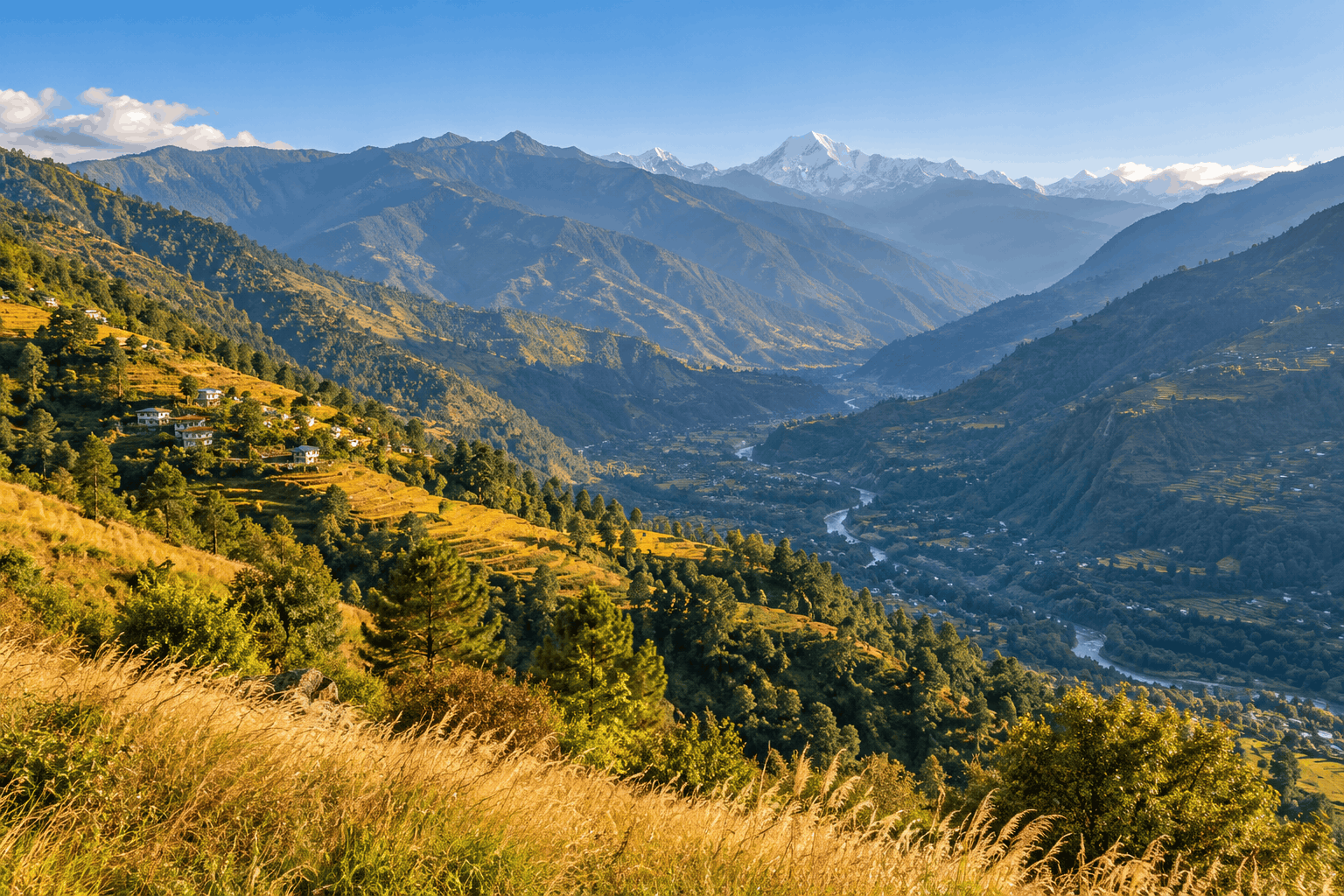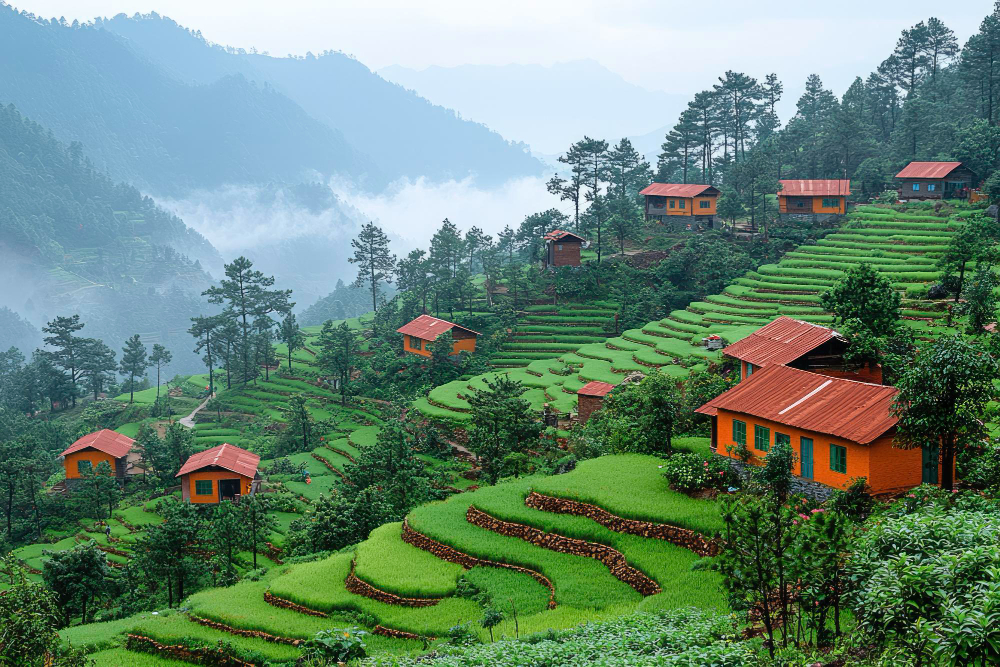
The first thing Ooty does is lower the temperature by about 15 degrees. At 2,240 metres in the Nilgiri Hills, the hill station operates on a different calendar from the rest of Tamil Nadu. When Chennai is sweltering through April and May, Ooty is at its most crowded and most alive, with the Botanical Garden in full bloom and the toy train booked weeks in advance.
When the rest of South India settles into a comfortable October, Ooty’s mornings turn genuinely cold and the mist sits on the tea gardens until mid-morning. The places to visit in Ooty are well-documented, but how to visit them, in what order, and with how many days, is where most trips go either right or significantly wrong.
Places to Visit in Ooty: The Essential Guide to the Queen of Hill Stations
Ooty’s main attractions sit in a compact zone around the town itself, with the more interesting alternatives radiating outward toward Coonoor, Avalanche Lake, and the Mudumalai foothills. A first-time visitor with two full days can cover the essentials without rushing. A return visitor with the same time and a different set of choices will have a genuinely different trip. This guide covers both.
The Government Botanical Garden: Start Here, Start Early
The Government Botanical Garden is where most well-planned Ooty mornings begin and most hurried ones end in disappointment. Spread across 55 acres and established in 1848, the garden carries specimens collected across 170 years of botanical research. There are over 650 plant species, Italian-style terraced lawns, a Japanese rock garden, a fern house, and at the centre of the upper terrace, a fossilised tree trunk estimated at 20 million years old.
The garden is at its most rewarding before 10 AM, when tour groups have not yet arrived and the light is flat and clear on the flower beds. The annual flower show in May transforms the terraces into something worth planning a trip around specifically, with floral arrangements of a scale that photographs underrepresent. Entry is nominal at approximately Rs 30 to Rs 50 per person.
Note: Prices are approximate and may change based on season and availability.
The Rose Garden, a short drive from the main Botanical Garden on the slopes of Elk Hill, carries more than 20,000 rose varieties and has won recognition from the World Federation of Rose Societies. It is best between April and June when blooms are at peak density. Off-season visits are quieter and cheaper but give a flatter version of what the garden offers at its best.
Doddabetta Peak: The Highest Point in the Nilgiris
Doddabetta stands at 2,637 metres, the highest peak in the Nilgiri district and the highest accessible viewpoint in the range by road. It is 10 km from the Ooty bus stand and takes 20 to 25 minutes by cab or auto. The peak sits at the physical junction of the Eastern and Western Ghats, which means on a genuinely clear morning the view extends in two directions across the Tamil Nadu and Karnataka plains.
The Telescope House at the summit has mounted telescopes that allow a closer look at the valley landscape and the tea garden terraces on the lower slopes. The walk from the car park to the summit takes about 10 minutes on a paved path. Morning visits before 9 AM give the clearest views before the mist moves in from the southwest. By early afternoon, the peak is often cloud-covered and the view closes.
Doddabetta is worth visiting first on any Ooty trip, both for the view and for the sense of scale it gives the entire landscape before you begin visiting the lower attractions. Most visitors do it last. That is the wrong order.
The Nilgiri Mountain Railway: Plan This Before Anything Else
The Nilgiri Mountain Railway is India’s only rack-and-pinion railway, a system where a centre rail engages the locomotive’s gears on the steepest climb sections. The full 46 km route from Mettupalayam to Ooty passes through 16 tunnels, across 250 bridges, around 208 curves, and rises from 330 metres at the foothills to 2,203 metres at Ooty station.
The complete Mettupalayam to Ooty service departs at 7:10 AM and arrives at noon. The return from Ooty to Mettupalayam departs at 2:00 PM and arrives at 5:35 PM. Fares range from approximately Rs 30 in second class to Rs 205 in first class depending on the stretch and service. Book well in advanc. Particularly for the Mettupalayam to Ooty morning service, which has very limited capacity and books out weeks ahead during peak season.
The most scenic section is Coonoor to Ooty rather than the full route from the foothills. If the full Mettupalayam service is not available, the shorter Coonoor to Ooty shuttle takes about an hour and passes through the most photographed stretch of the route: tea plantations on either side, the track curving through shola forest, and the Ooty basin visible from the final approach. This is achievable on a day trip from Ooty to Coonoor that combines the toy train with the Coonoor sightseeing described below.
Ooty Lake: For the Afternoon, Not the Morning
Ooty Lake is a man-made reservoir created in 1824 by John Sullivan, the founder of Ooty, by damming a stream between the hills. It is surrounded by eucalyptus groves and covers about 65 acres. Boating options include pedal boats, rowboats, and motor launches, with charges starting from approximately Rs 200 per person. Entry to the lakeside is approximately Rs 20.
The lake area works best in the afternoon when the morning mist has cleared and the water reflects the hills cleanly. Early mornings are foggy and the boating operations do not always begin at the standard opening time. Afternoons between 2 PM and 5 PM see the most activity, the most light on the water, and the best conditions for the boating experience.
A small amusement area with a mini train, horse riding, and food stalls operates around the lake perimeter. For families with young children, the lake area is the most accessible and lowest-physical-effort option among the major places to visit in Ooty. The walk from the main market area to the lake takes about 15 minutes and is an enjoyable way to get a sense of the town’s layout.
Coonoor: Do Not Skip the Drive
Coonoor is 19 km from Ooty and is what most people wish Ooty was before the school holidays and the tour buses arrive. It is quieter, lower at around 1,850 metres, and has the character of a working hill town that has not been entirely reshaped by tourism.
Sim’s Park is Coonoor’s equivalent of Ooty’s Botanical Garden, a 15-acre botanical park in a deep ravine with rare tree species, an annual fruit and vegetable show in May, and significantly fewer visitors than its counterpart in Ooty. Dolphin’s Nose viewpoint is a rock formation looking out over Catherine Falls and the Nilgiri valley in a wide sweep that includes tea estates, forest, and the plains below. The drive to Dolphin’s Nose passes through several working tea estates.
Lamb’s Rock is a flat rock surface with views over the Coimbatore plains and the surrounding Coonoor valley, and is the cleaner viewpoint of the two in terms of crowd levels and access. Catherine Falls, 8 km from Coonoor, is a two-tiered waterfall and accessible by a 30-minute forest path from the road. It is at its fullest from July to October after the monsoon, though the path is difficult during peak rainfall.
The toy train from Ooty to Coonoor is the natural way to do this trip on a dedicated day. Board at Ooty, arrive at Coonoor for the morning, take a cab to Sim’s Park and Dolphin’s Nose, and return to Ooty by cab or a later train service. This combination, done slowly, is one of the more satisfying days in the Nilgiris.
The Quieter Alternatives: For Return Visitors and Those Who Avoid Crowds
Avalanche Lake, 28 km from Ooty, is where the standard tourist circuit ends and the actual Nilgiris begin. The lake sits in a valley surrounded by dense shola forest with almost no commercial infrastructure around it. Access requires a forest department permit at the entry point. The drive there passes through some of the most undisturbed terrain in the Nilgiris. Most visitors reach it by cab since the road is not recommended for bikes in its current state.
Pykara, 19 km from Ooty, has both a lake and a waterfall. The Pykara River runs through the area and the boat ride on Pykara Lake is a quieter alternative to Ooty Lake. The waterfall nearby is accessible by a short walk. Upper Bhavani Lake at around 24 km requires a forest permit and is one of the higher-altitude lakes in the range.
Emerald Lake, in the Nilgiri Biosphere Reserve, sits near the border with Kerala and requires advance permission from the forest department to visit. It is the most difficult to access of the quieter lakes but also the most rewarding photographically, with clear water and dense forest at the margins.
Mudumalai National Park, 40 km from Ooty, is the logical extension of any Ooty trip for wildlife. The park has tigers, leopards, elephants, spotted deer, and a varied bird population. Safaris run morning and evening in forest department jeeps. Accommodation inside and adjacent to the park is available but books quickly in peak season.
What to Buy and Eat in Ooty
The Tibetan Market near the Botanical Garden and the main bazaar around Charing Cross are the two central shopping areas in Ooty. Nilgiri tea from any of the established estate brands sold here is the most reliable buy, with both loose-leaf and packaged options at prices significantly below retail in most cities. Homemade chocolates from the shops near the lake area are sold from dozens of small operations and quality varies enough to warrant sampling before buying in volume.
Eucalyptus oil, locally made, is a practical purchase specific to this region. Toda embroidery, a craft tradition of the indigenous Toda tribe of the Nilgiris, is sold from a small number of dedicated outlets and is the most culturally specific souvenir available in the area.
For food, the options in Ooty’s main town cover South Indian meals, bakery goods, and the town’s own culinary signature of hot chocolate and thick toast at the hill station cafes that have been operating in similar form for decades. Hotel Dasaprakash on Ettines Road is frequently cited for its South Indian meals. The lake-area food stalls are better for quick snacks than for a sit-down meal.
How to Reach Ooty
The most scenic approach to Ooty is the toy train from Mettupalayam, which requires reaching Coimbatore first. Coimbatore is 90 km from Ooty by road, has an international airport, and is on the main Chennai-Bengaluru railway line. From Coimbatore, the Mettupalayam connection continues to the toy train.
By road, Ooty is approximately 335 km from Chennai (7 to 8 hours), 290 km from Bengaluru (5 to 6 hours), and 90 km from Coimbatore (2 hours). The mountain road from Mettupalayam has 36 hairpin bends; the Masinagudi route from Mysore passes through Mudumalai and is more open but longer.
For bus services reaching Coimbatore or other cities before the drive to Ooty, the zingbus app shows available routes and departure slots. Reaching Ooty from Chennai or Bengaluru on an overnight or early morning bus to a connecting city gives you the full day for the mountain section.
Best Time to Visit Ooty
October to February gives the most comfortable and crowd-light experience of the places to visit in Ooty. Temperatures in December and January drop to 5 to 10 degrees Celsius at night, cold enough to require proper woolens. The Botanical Garden and Rose Garden are less spectacular in winter but the trails, viewpoints, and the toy train ride are significantly cleaner and quieter.
March to June is the peak season. The flower show in May at the Botanical Garden is worth planning around specifically if that is an interest. This period has the highest visitor volume, highest prices, and the most available activities and events. Toy train bookings need to be secured 2 to 3 weeks ahead in this window.
Monsoon from June to September brings very heavy rainfall. The Nilgiris receive among the highest monsoon rainfall in South India. Roads to Avalanche Lake and some ghat sections can become difficult or temporarily closed. The landscape turns intensely green but outdoor activities are limited.
You Might Also Like
- Places to Visit Near Chennai Under 500 km
- Places to Visit In Mussoorie: Discovering the Queen of Hills Beyond Mall Road
- Pune to Goa Bus: Complete Route, Fare, Time and Booking Guide
Before the Mist Lifts and the Crowds Arrive
- The Botanical Garden, Rose Garden, and Doddabetta are all best visited before 10 AM when tour groups have not arrived and the morning clarity is at its best
- Toy train tickets for the Mettupalayam to Ooty service book out weeks ahead during March to June.
- April and May school holiday crowds push Ooty Lake and the main market area to peak density; if visiting in this season, the Coonoor day trip and Avalanche Lake visit give a quieter alternative
- Auto-rickshaws in Ooty negotiate rates per trip rather than using meters; agree on the fare before getting in, particularly for the longer drives to Doddabetta and back
- Carry a warm layer at all times regardless of how warm the afternoon feels. Temperatures drop sharply after sunset at this altitude and the toy train journey in the evening can be cold even in April
- Accommodation in the town centre is convenient for the Botanical Garden and lake but noisy. Staying in Coonoor and visiting Ooty on a day trip gives a quieter base and a different character of hill station
Ooty Is the Hill Station That Earns Every Return Visit
Most places to visit in Ooty are known. The Botanical Garden, Doddabetta, the toy train, and the lake are on every list because they genuinely deserve to be. What those lists rarely explain is that the timing of each visit matters as much as the destination. Doddabetta before the mist arrives. The toy train before the tourist quota fills. The Botanical Garden before noon.
Coonoor on the day when the Ooty circuit feels familiar. Avalanche Lake in the morning you want the Nilgiris without the crowd that comes with loving a place this much. That is the version of Ooty that earns a return trip.
Frequently Asked Questions
What are the best places to visit in Ooty?
The best places to visit in Ooty are the Government Botanical Garden, Doddabetta Peak, the Nilgiri Mountain Railway toy train, Ooty Lake, Rose Garden on Elk Hill, and a day trip to Coonoor with Sim’s Park and Dolphin’s Nose viewpoint.
How many days are enough to visit Ooty?
Three days are enough to cover the main places in Ooty including the Botanical Garden, Doddabetta Peak, Ooty Lake, and a full day in Coonoor. Four to five days allow the quieter alternatives like Avalanche Lake, Pykara, and Mudumalai to be added.
What is the best time to visit Ooty?
The best time to visit Ooty is October to February for clear weather, fewer crowds, and lower prices. March to June is peak season with the annual flower show in May and the most available activities, but also the highest visitor volume and advance booking requirements.
What is Ooty famous for?
Ooty is famous for the Nilgiri Mountain Railway toy train, the Government Botanical Garden, tea estates and Nilgiri tea, the Rose Garden, Doddabetta Peak as the highest point in the Nilgiris, and its colonial-era hill station character.
Is Coonoor worth visiting from Ooty?
Yes, Coonoor is absolutely worth visiting from Ooty. It is 19 km away, significantly quieter, and has Sim’s Park, Dolphin’s Nose viewpoint, Lamb’s Rock, and the starting point for Catherine Falls trek. The toy train from Ooty to Coonoor is itself a major attraction.
What is the entry fee for Ooty Botanical Garden?
The entry fee for the Government Botanical Garden in Ooty is approximately Rs 30 to Rs 50 for Indian visitors. Prices are approximate and may change. The garden is open daily and the annual flower show in May has a separate higher entry fee.
Which is better for couples in Ooty: the toy train or the lake?
The toy train is the stronger experience for couples in Ooty, particularly the Coonoor to Ooty section through tea plantations and shola forest. Ooty Lake offers a more relaxed boating afternoon experience. Both are worth doing across a 2-day visit.
Is Ooty good for families with young children?
Yes, Ooty is well-suited for families with young children. The Ooty Lake boating, the Botanical Garden’s open lawns, the toy train ride, and the Rose Garden are all accessible, low-physical-effort options. Mudumalai National Park 40 km away adds wildlife excitement for older children.
What should I buy in Ooty?
The best things to buy in Ooty are Nilgiri tea from established estate brands, homemade chocolates from shops near the lake, eucalyptus oil, and Toda embroidery, the traditional craft of the Nilgiris’ indigenous Toda tribe available from specialty outlets in the market area.
How do I reach Ooty from Chennai?
Ooty is approximately 335 km from Chennai and takes 7 to 8 hours by road. The most scenic option is to reach Coimbatore first, then take the Nilgiri Mountain Railway toy train from Mettupalayam. The nearest airport to Ooty is Coimbatore at 90 km.
What is Avalanche Lake in Ooty?
Avalanche Lake is a pristine natural lake 28 km from Ooty inside the Nilgiri Biosphere Reserve, accessible with a forest department permit. It is one of the quieter alternatives to the main tourist circuit and is surrounded by dense shola forest with almost no commercial development.
Is the toy train ride from Ooty to Coonoor worth it?
Yes, the toy train from Ooty to Coonoor is worth it even on a short visit. The one-hour ride passes through tea plantations, forest, and mountain curves and is the most scenic section of the full Nilgiri Mountain Railway. It can be combined with a cab for the Coonoor sightseeing circuit.