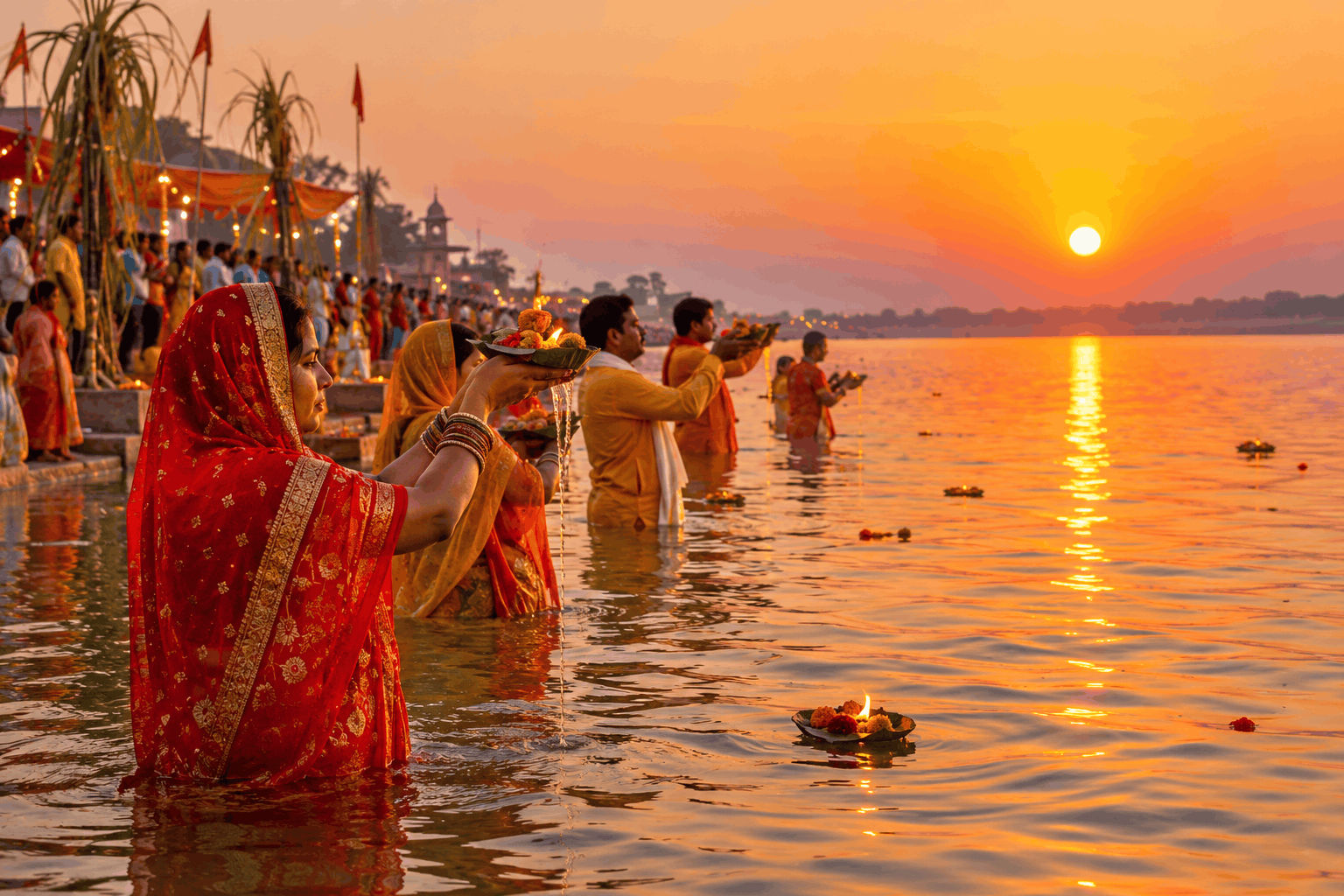
Before sunrise, Varanasi is already awake. Boats leave the riverbank, temple bells move through narrow lanes, and pilgrims descend towards the Ganga. The most meaningful Places to Visit In Varanasi become easier to understand when you follow this daily sequence rather than a crowded checklist.
A useful visit requires decisions about temple queues, boat timing, cremation-ghat etiquette, food hygiene, walking distance, and whether Sarnath belongs on the same day. This guide organises the city around its natural rhythm while helping families, pilgrims, and cultural travellers plan realistically.
Places to Visit In Varanasi for Ghats, Temples, Food, and Living Heritage
Varanasi, also known as Kashi and Banaras, stands on the banks of the Ganga in Uttar Pradesh. Its identity combines Hindu pilgrimage, Buddhist history, classical music, silk weaving, temple traditions, river rituals, old neighbourhoods, and a food culture shaped by its narrow lanes.
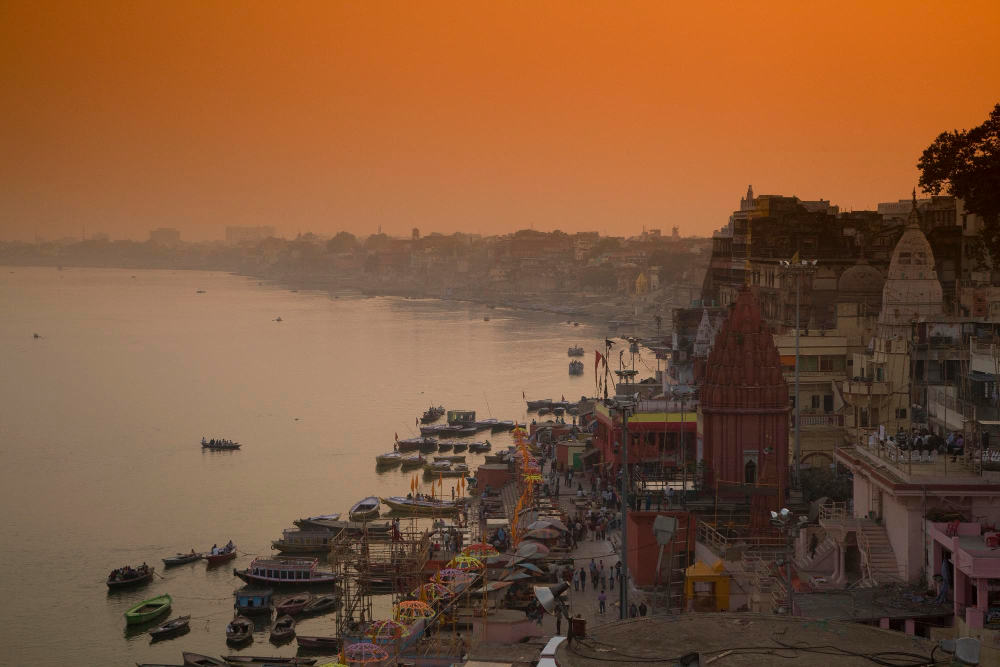
The district administration records 88 riverfront ghats, most connected with bathing and worship, while two are used specifically for cremation. This physical sweep of ghats forms the city’s central orientation and is best understood from the river at dawn.
How to Choose Places to Visit In Varanasi
The best route depends on whether the trip is primarily religious, cultural, food-focused, or introductory. Temple visitors need early queues and fewer belongings. Cultural travellers should reserve time for Sarnath and Bharat Kala Bhavan, while first-time visitors should protect both sunrise and sunset.
| Experience | Best Place or Activity | Time to Keep | Most Suitable For |
| Sunrise river experience | Assi Ghat and boat ride | 1.5 to 2.5 hours | First-time visitors |
| Evening river ritual | Dashashwamedh Ghat | 1.5 to 2.5 hours | Pilgrims and families |
| Main Shiva pilgrimage | Kashi Vishwanath Temple | 2 to 4 hours | Religious travellers |
| Old-city temple circuit | Annapurna and Vishalakshi temples | 1.5 to 3 hours | Pilgrims |
| Cremation tradition and reflection | Manikarnika Ghat | 30 to 60 minutes | Respectful cultural visitors |
| Buddhist heritage | Sarnath | Half day | History and spiritual travellers |
| Art and textiles | Bharat Kala Bhavan | 1.5 to 2.5 hours | Museum visitors |
| Fort and royal collection | Ramnagar Fort | Half day | History enthusiasts |
| Food exploration | Godowlia and old-city lanes | 2 to 3 hours | Food-focused travellers |
| Shopping | Chowk and silk stores | 1.5 to 3 hours | Textile and craft buyers |
The best way to organise Places to Visit In Varanasi is by time of day. Keep sunrise for the river, the cooler morning for temples, midday for Sarnath or museums, and the final light for the evening Aarti or an unhurried ghat walk.
Begin With the Varanasi Ghats Before Sunrise
A dawn visit provides the clearest introduction to Varanasi ghats. The river is usually calmer, temperatures are easier, and the city’s bathing, prayer, yoga, boat, and market routines become visible before the heaviest visitor movement begins.
Assi Ghat
Assi Ghat lies towards the southern end of the central riverfront and is closely associated with Subah-e-Banaras, a morning programme involving prayer, Vedic chanting, music, and yoga. It is generally easier to navigate than the tight lanes around Dashashwamedh.
Arrive before sunrise and keep enough time to sit after the programme instead of leaving immediately. Nearby cafés and breakfast shops make Assi a practical starting point for travellers who want a gentler first morning.
The ghat remains a religious space even when yoga, music, and photography are taking place. Keep pathways clear, avoid interrupting ceremonies, and ask before taking close photographs of priests, bathers, or families conducting rituals.
Sunrise Boat Ride
A sunrise boat ride is one of the strongest things to do in Varanasi because it reveals the scale and sequence of the riverfront. The district tourism material describes the approximately six-kilometre ghat sweep as particularly distinctive in the first light.
Confirm the boarding point, route length, whether the boat is shared or private, life-jacket availability, and the agreed return location. Water levels, fog, rain, official restrictions, and river conditions can alter normal operations.
A route beginning near Assi and moving towards Dashashwamedh provides a broad view of temples, palaces, bathing ghats, residential buildings, and cremation areas. Avoid treating every point as a separate photograph. The value lies in understanding how the riverfront functions as one continuous landscape.
Dashashwamedh Ghat
Dashashwamedh Ghat is one of Varanasi’s principal ghats and the main setting for the evening Ganga Aarti. Incredible India identifies it as a major ritual riverfront connected with long-standing religious traditions and large daily gatherings.
During the morning, the ghat feels different from its evening identity. Boats, pilgrims, priests, flower sellers, and walkers share the steps without the formal Aarti arrangement dominating the space.
The surrounding lanes connect towards Godowlia, Kashi Vishwanath Temple, Annapurna Temple, and the older market areas. This makes the ghat a practical transition point between river sightseeing and the temple circuit.
Manikarnika Ghat
Manikarnika Ghat is one of Varanasi’s most sacred cremation grounds and remains an active site for Hindu funeral rites. It is located between Dashashwamedh and Scindia Ghat and carries deep religious importance connected with death, liberation, and pilgrimage.
Visit only with restraint. Do not photograph cremations, grieving families, bodies, workers, or private rituals. Avoid commentary, posing, filming, or treating the site as entertainment.
Remain at a respectful distance and follow local instructions. Travellers uncomfortable with witnessing cremation should skip the visit rather than forcing themselves through an experience they are not prepared to approach appropriately.
Scindia Ghat
Scindia Ghat lies near Manikarnika and is recognised for its partially submerged Shiva temple close to the river. The area also connects with smaller shrines and old lanes that feel less organised around large visitor groups.
The ghat works best as part of a guided or carefully mapped riverside walk. Narrow passages can be confusing, and mobile navigation may not identify every entrance, staircase, or temporary obstruction accurately.
Plan Ganga Aarti Varanasi Around Crowd Movement
The evening ceremony at Dashashwamedh is one of the most searched experiences in the city, but the quality of the visit depends heavily on arrival time and viewing position. The ritual takes place around sunset, with seasonal variation rather than one permanent clock time.
Reach at least 60 minutes early on an ordinary day. Religious festivals, weekends, Dev Deepavali, Kartik dates, and major pilgrimage periods may require a much larger buffer.
You can watch from the ghat steps or from a boat positioned on the river, subject to current regulations and water conditions. A boat may provide a wider view, while the steps place you closer to the chants, lamps, and congregation.
Avoid purchasing the first boat or seat offered without confirming the price, duration, return point, and whether the operator is authorised. Keep children and elderly relatives close because crowd movement becomes dense when the ceremony ends.
Build the Temple Circuit Around Access Rules
The temples in Varanasi are not ordinary sightseeing buildings. Many remain active throughout the day, with separate ritual periods, security checks, queue systems, restricted items, and changing festival arrangements.
Carry only essential identification and money. Dress modestly, wear footwear that can be removed easily, and check official instructions before carrying phones, cameras, bags, leather items, or electronic devices.
Kashi Vishwanath Temple
Kashi Vishwanath Temple is dedicated to Lord Shiva and is among the city’s most important pilgrimage sites. The official temple portal provides information and bookings for selected Aartis, poojas, and darshan services, subject to availability and administrative approval.
The temple trust’s published guidance states that electronic and other restricted items are not allowed inside the premises. Current procedures should always be checked before arrival because lockers, gates, darshan routes, and security arrangements may change.
Special days can substantially alter the normal process. During Shravan, Mahashivratri, and other major occasions, ticket services, privileged access, touching the shrine, opening hours, and queue routes may be suspended or changed for crowd management.
Use only the official portal, temple helpdesk, or recognised counters for paid services. Decline anyone in surrounding lanes who promises guaranteed entry, shortened queues, or unauthorised access in exchange for cash.
Maa Annapurna Temple
Maa Annapurna Temple stands near Kashi Vishwanath Temple and is dedicated to the goddess associated with nourishment and food. The district administration includes it among Varanasi’s temples of importance.
Because of its location, it fits naturally into the same old-city pilgrimage circuit. Queue and entry arrangements may be influenced by movement around the Kashi Vishwanath corridor, so keep the schedule flexible.
Vishalakshi Temple
Vishalakshi Temple lies close to Manikarnika Ghat and is an important shrine dedicated to Goddess Vishalakshi. Incredible India identifies it as a significant Shakti shrine within the religious geography of Kashi.
The temple is reached through old-city lanes rather than a broad vehicle-access road. Travellers with limited mobility should ask about the final walking distance before adding it to an already demanding temple day.
Kaal Bhairav Temple
Kaal Bhairav Temple is traditionally associated with the protective deity of Kashi and appears on the district administration’s list of important temples. Many pilgrims consider it part of a wider Kashi darshan rather than an optional architectural stop.
The temple lies outside the immediate Kashi Vishwanath cluster, so include local transport and queue time. Avoid attempting every significant shrine in one morning, particularly with older travellers.
Sankat Mochan Hanuman Temple
Sankat Mochan Hanuman Temple is one of the city’s principal Hanuman shrines and lies closer to the southern temple and university circuit. Security arrangements can be strict, and electronic items may be restricted.
Combine it geographically with Durga Kund, Tulsi Manas Temple, or Banaras Hindu University rather than returning through old-city traffic several times.
Durga Kund Temple
Durga Kund Temple is dedicated to Goddess Durga and stands near a rectangular sacred tank. The site belongs to the southern temple cluster and is often combined with Tulsi Manas Temple and Sankat Mochan.
Festivals such as Navratri bring heavier pilgrimage movement. Visit during quieter morning hours when mobility or crowd exposure is a concern.
Tulsi Manas Temple
Tulsi Manas Temple is a marble temple located close to Durga Kund. Incredible India notes that the complex includes a museum with manuscripts and artefacts and connects the site with the cultural legacy of the Ramcharitmanas.
The temple offers a calmer visit than the old-city shrine circuit and may suit families seeking religious context without the same intensity of queues and narrow lanes.
New Vishwanath Temple
The New Vishwanath Temple stands within the Banaras Hindu University campus and is distinct from the Kashi Vishwanath Temple in the old city. This distinction should be made clear when communicating with drivers or searching maps.
It fits naturally with Bharat Kala Bhavan and the wider university area. Confirm campus access and current temple timings before visiting.
Give Sarnath a Separate Half Day
Sarnath lies approximately 10 km from central Varanasi and is associated with the Buddha’s first sermon after enlightenment. The site contains archaeological remains, stupas, monasteries, temples, and a museum, making it far more than a quick roadside addition.
A proper visit requires at least half a day, including transport. Museum and archaeological-site schedules may differ, so check weekly closures and ticket timings before leaving Varanasi.
Dhamek Stupa
Dhamek Stupa is one of Sarnath’s main monuments and marks the Buddhist heritage connected with the first teaching. The current structure dates from around the fifth or sixth century and replaced an earlier Ashokan monument at the site.
Walk slowly around the archaeological complex and read the interpretation rather than viewing the stupa only as a large stone structure. Keep voices low because pilgrims from several Buddhist traditions use the area for prayer and reflection.
Sarnath Museum
Sarnath Museum houses archaeological material from the site and broader Buddhist and Indian art traditions. It should be treated as a separate visit with its own opening arrangements rather than assumed to follow the archaeological park’s schedule.
Check whether bags, cameras, and phones are allowed. Museum closures can affect an otherwise well-planned Sarnath trip, particularly when the visit falls on a weekly holiday.
Chaukhandi Stupa
Chaukhandi Stupa is associated with the meeting between the Buddha and his first disciples near Sarnath. The site developed through several historical phases and remains an important part of the wider Buddhist circuit.
It sits apart from the main Dhamek complex, so include transport rather than assuming every Sarnath monument lies inside one enclosed campus.
Add Museums and Forts When the Trip Extends Beyond Two Days
Travellers staying three days can move beyond the principal ghats and temples into Varanasi’s art, academic, royal, and archaeological history.
Bharat Kala Bhavan
Bharat Kala Bhavan is located within Banaras Hindu University and contains collections involving paintings, sculpture, textiles, costumes, archaeology, and Indian cultural history. Incredible India identifies it as one of the city’s major museum institutions.
The museum is particularly useful for travellers interested in Banarasi textiles and visual culture beyond the shops. Confirm current opening days, campus access, and photography rules before visiting.
Ramnagar Fort
Ramnagar Fort stands across the Ganga from central Varanasi. The district administration places it approximately 14 km from the city and notes that its museum collection includes royal palanquins, vintage cars, weapons, ivory work, and old clocks.
Road travel can take longer than the distance suggests because of traffic and bridge movement. Keep half a day and verify museum access before setting out.
The fort’s condition and museum presentation may feel less polished than major national monuments. Visit for its relationship with the Kashi royal family and the river landscape rather than expecting a fully restored palace experience.
Rajghat
Rajghat lies towards the northern edge of the city near the confluence of the Ganga and Varuna rivers. Archaeological mounds in the area represent ancient settlement layers investigated during twentieth-century excavations.
It suits visitors with a specific interest in early urban history. It should not replace the principal riverfront for first-time travellers with limited time.
Eat Street Food in Varanasi in the Right Sequence
Street food in Varanasi is easiest to appreciate when dishes are spread across the day. Begin with kachori sabzi, keep chaat for the afternoon, try malaiyo only in the appropriate winter season, and finish with lassi or paan rather than combining everything before temple queues.
Incredible India highlights kachori sabzi, chena dahi vada, litti chokha, dahi chutney golgappe, chooda matar, tamatar chaat, thandai, and lassi among the city’s recognised food experiences.
Kachori Sabzi
Kachori sabzi is a classic Banaras breakfast, usually pairing fried kachori with a spiced potato preparation. Eat it fresh from a shop with steady turnover rather than choosing only by social-media popularity.
Portions are filling. One plate before a long temple queue is generally more practical than combining it immediately with several sweets and dairy drinks.
Jalebi
Fresh jalebi is commonly eaten with breakfast or as a separate sweet stop. Choose a shop frying small batches and eat it immediately, since the crisp texture reduces as it sits.
Tamatar Chaat
Tamatar chaat is one of the best-known local snacks and uses cooked tomato, spices, potato, chutneys, and crunchy toppings. Incredible India includes it among the city’s characteristic food experiences.
It is generally eaten later in the day rather than as an early breakfast. Ask for a lower spice level when travelling with children or anyone with a sensitive stomach.
Chooda Matar
Chooda matar combines flattened rice with green peas, spices, and seasonal accompaniments. It is particularly associated with cooler months when fresh peas are readily available.
Do not assume every shop serves it throughout the year. Seasonal availability is part of the dish rather than a service failure.
Malaiyo
Malaiyo is an airy milk-based winter sweet traditionally prepared during cold weather. Its texture depends on low temperatures, so it should not be marketed as a reliable summer dish.
Choose a clean, established seller and consume it fresh because dairy-based street foods require greater attention to handling and temperature.
Lassi and Thandai
Lassi and thandai are widely associated with Banaras. Lassi can be very thick and filling, while thandai recipes vary considerably between sellers.
Ask clearly about ingredients before ordering thandai because some preparations may contain bhang. Families, drivers, people taking medication, and anyone who does not want intoxicating ingredients should confirm this explicitly.
Banarasi Paan
Banarasi paan is a long-standing part of the city’s food identity. Sweet paan can work as an after-meal choice, while tobacco-containing preparations carry significant health risks and are best avoided.
Ask for a plain sweet preparation without tobacco, supari, or unfamiliar additives when that is your preference.
Shop for Banarasi Silk With Verification
Banarasi silk sarees, brocade, zari work, wooden toys, metalwork, and stone craft belong to the city’s wider artisan identity. Incredible India highlights Banarasi silk and handmade crafts as central to Varanasi’s cultural economy.
Ask whether a textile is handloom, power-loom, pure silk, blended fabric, or machine-produced. Request fabric details and a proper bill before making a high-value purchase.
Do not interpret a shop visit arranged by a driver, guide, or hotel as proof of authenticity. Compare products, prices, weave quality, and certification before deciding.
Match Varanasi to the People Travelling With You
The city can be physically demanding. Stone steps, crowds, security restrictions, narrow lanes, uneven surfaces, early mornings, and limited vehicle access affect families and senior travellers more than the map suggests.
Varanasi With Family
Varanasi with family works best with one demanding activity per half day. Use sunrise for the boat, late morning for one temple cluster, afternoon for rest or Sarnath, and evening for the Aarti.
Keep identification and emergency contact details with children. Choose an obvious meeting point before entering dense temple queues or the evening crowd at Dashashwamedh.
Senior Travellers
Senior travellers need hotel access, lift availability, ghat stair count, walking distance, and vehicle restrictions confirmed before booking. A property described as close to Kashi Vishwanath may still require a substantial walk through narrow lanes.
Use wheelchairs or official assistance where available, carry regular medicines, and avoid combining a dawn boat ride, long temple queue, Sarnath, and evening Aarti on one day.
Solo Travellers
Solo travellers can explore central ghats and active old-city lanes safely during normal visitor hours, but should avoid isolated river edges, poorly lit shortcuts, and remote walks late at night.
Keep accommodation details offline, share the day plan, use recognised transport, and avoid handing valuables to informal attendants.
Couples
Couples may prefer Assi Ghat at dawn, a quiet boat ride, cafés around the southern ghats, Sarnath, and slower walks beyond the busiest evening crowd.
Avoid treating cremation ghats or active rituals as romantic photography settings. Respectful behaviour remains essential regardless of the trip’s purpose.
Best Time to Visit Varanasi Depends on Walking and River Conditions
The best time to visit Varanasi for comfortable outdoor exploration is generally October to March. Cooler weather makes temple queues, ghat walking, Sarnath, markets, and boat rides easier, although December and January may bring fog and cold mornings.
October to March
October to March supports full sightseeing days and is the main period for first-time visitors. Kartik, Dev Deepavali, winter holidays, and major religious dates can create exceptional crowd pressure.
Book accommodation and transport early when travelling around a known festival. Confirm whether boats, roads, temple systems, or ghat access will operate differently.
April to June
April to June can be extremely hot, making exposed ghats, stone courtyards, queues, and old-city walking difficult by midday.
Start before sunrise, return to the hotel during the strongest heat, stay hydrated, and resume sightseeing in the late afternoon. Avoid forcing elderly travellers through long outdoor routes.
July to September
Monsoon can raise the Ganga significantly and partially submerge lower ghat steps. Boat operations, walking routes, and the location of the Aarti may be adjusted according to water levels and safety instructions.
Check local conditions each morning. Never cross barriers or descend wet steps because an older photograph shows normal access.
Shravan and Major Festivals
Shravan, Mahashivratri, Dev Deepavali, Kartik Purnima, and other major religious periods require specialised crowd planning. Temple access rules, road closures, luggage restrictions, and darshan systems may differ completely from ordinary days.
Travellers seeking a calm first visit should avoid the busiest dates unless attending the festival is the main purpose of the journey.
Build the Varanasi Itinerary Around Sunrise and Sunset
A useful Varanasi itinerary protects the two strongest river periods first. Everything else should fit around sunrise and the evening Aarti rather than forcing both experiences between several distant attractions.
| Trip Length | Morning | Afternoon | Evening |
| One day | Assi Ghat and sunrise boat | Kashi Vishwanath and old-city lanes | Dashashwamedh Aarti |
| Two days, Day 1 | Boat ride and ghats | Temple circuit and rest | Ganga Aarti |
| Two days, Day 2 | Sarnath | BHU or food walk | Assi Ghat |
| Three days, Day 3 | Bharat Kala Bhavan | Ramnagar Fort or Rajghat | Shopping and quieter ghat walk |
One day covers only the essential river and temple experience. Two days allow Sarnath and food without constant rushing. Three days provide enough time for museums, Ramnagar, textiles, and a slower understanding of the city.
How to Reach Varanasi
How to reach Varanasi depends on the starting city, available time, and preferred arrival zone. The district administration confirms that Varanasi is connected by road, rail, and air, with Lal Bahadur Shastri International Airport located at Babatpur outside the central city.
By Bus
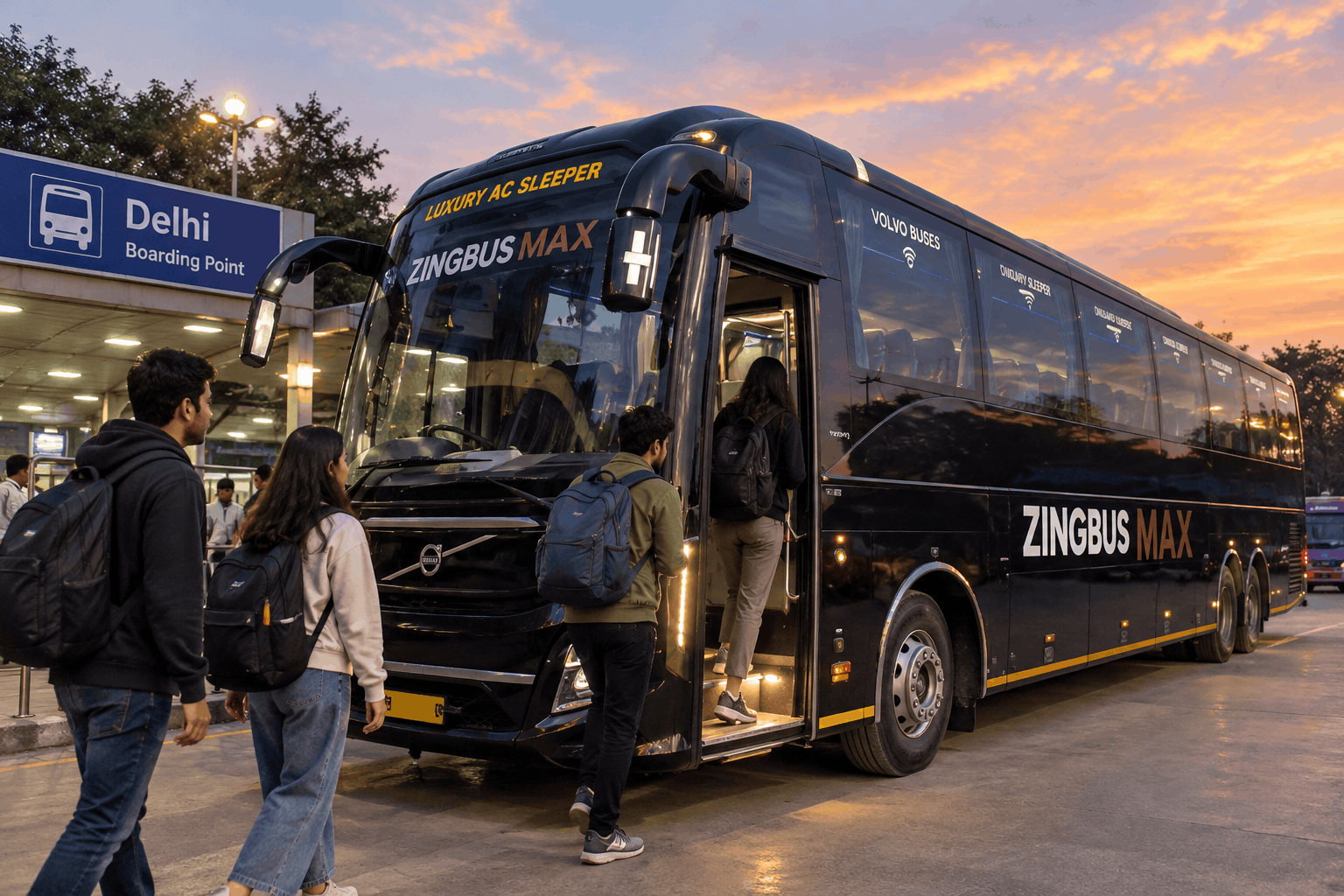
Travellers from the capital can check the verified Delhi to Varanasi bus route for current departure timing, fare, coach type, boarding location, and arrival details. Live date-specific results should override figures quoted in older articles.
Travellers from Uttar Pradesh can use the verified Lucknow to Varanasi bus route. The route currently provides several daily departures, although schedules and fares remain subject to the selected date.
The Varanasi bus booking page lists current city connections and broader route information. Check the exact drop point before booking because central ghats may still require an auto, taxi, or final walking segment.
By Train
Varanasi Cantt is the principal city railway station, while Banaras station, Kashi station, and Pandit Deen Dayal Upadhyaya Junction also serve different trains and routes.
Check the exact station name rather than assuming every ticket arrives at Varanasi Cantt. Transfers from DDU Junction or an outer station require additional road time.
By Air
Lal Bahadur Shastri International Airport at Babatpur is approximately 22 km from Varanasi according to the district administration. The airport is farther from Sarnath and the old-city ghats than the distance alone may suggest during traffic.
Arrange a recognised taxi or hotel pickup for late arrivals. Vehicles cannot reach every hotel entrance inside the oldest lanes, so confirm the final walking distance and luggage support.
Getting Around Varanasi
Autos, e-rickshaws, cycle rickshaws, taxis, boats, and walking cover different sections of the city. The old city is primarily explored on foot, while Sarnath, BHU, Ramnagar, and the airport require road transport.
Agree on fares before using an unmetered vehicle and confirm whether the driver is quoting per passenger or for the complete vehicle.
You Might Also Like
- Best Time to Visit Varanasi: Compare weather, river conditions, winter fog, summer heat, monsoon changes, festivals, and monthly travel suitability.
- Best Overnight Bus Routes in India: Understand how the Delhi to Varanasi corridor fits into longer overnight road journeys and arrival planning.
- Food on Bus by zingbus: Check how meals may be added on eligible Delhi to Varanasi journeys before reaching the city.
- Best Places to Visit in India: Compare Varanasi with other leading spiritual, historical, coastal, and mountain destinations.
Protect the Two Ends of the Day
Varanasi becomes harder when every hour is booked. Protect sunrise and evening first, then place temples, Sarnath, food, rest, and shopping between them according to energy and crowd conditions.
- Carry fewer belongings: Temple security, boats, ghats, and narrow lanes become difficult with large bags.
- Confirm temple rules: Use official portals and recognised helpdesks for current darshan, Aarti, locker, and restricted-item instructions.
- Respect cremation sites: Never photograph funerals, bodies, fires, workers, or grieving relatives.
- Verify boat details: Confirm price, duration, route, life jackets, boarding point, and return location before departure.
- Use practical footwear: Ghat steps, wet stone, temple queues, and old lanes require grip and easy removal.
- Eat in stages: Spread fried food, sweets, dairy drinks, and chaat across the day.
- Protect drinking water: Use sealed or reliably filtered water and carry oral rehydration support during hot weather.
- Plan the final walk: Hotels inside old lanes may not be reachable by car, auto, or e-rickshaw.
- Keep festival alternatives: Major religious dates can change roads, boats, temples, and crowd systems with limited notice.
Let Places to Visit In Varanasi Follow the River’s Clock
The strongest visit begins before sunrise, moves through the temple lanes after breakfast, slows during the afternoon, and returns to the Ganga before evening. Sarnath, museums, food, and shopping become more meaningful when they support this rhythm rather than compete with it.
Varanasi is not improved by covering twenty shrines or every ghat. Choose one dawn, one careful temple circuit, one proper food walk, and enough time to observe without interfering. The city rewards attention, restraint, and respect more than sightseeing speed.
Frequently Asked Questions
These questions reflect common searches about ghats, temple access, boat rides, Aarti timing, street food, trip duration, families, Sarnath, seasonality, stays, and transport.
What Are the Best Places to Visit in Varanasi?
The best Places to Visit In Varanasi are Assi Ghat, Dashashwamedh Ghat, Kashi Vishwanath Temple, Manikarnika Ghat, Sarnath, Bharat Kala Bhavan, Ramnagar Fort, Durga Kund Temple, and Tulsi Manas Temple.
How Many Days Are Enough for Varanasi?
Two days are enough for Varanasi’s principal ghats, Kashi Vishwanath Temple, Ganga Aarti, Sarnath, and a short food walk. Three days are better for museums, Ramnagar Fort, silk shopping, and slower exploration.
Is One Day Enough for Varanasi?
One day is enough only for a sunrise boat ride, the central ghats, Kashi Vishwanath Temple, and evening Aarti. Sarnath, BHU, Ramnagar Fort, and a proper food trail require additional time.
What Time Does Ganga Aarti Start in Varanasi?
Ganga Aarti in Varanasi starts around sunset, so the exact time changes by season. Reach Dashashwamedh Ghat at least one hour early and allow a larger buffer during weekends, festivals, and Kartik.
Is the Sunrise Boat Ride Worth It?
The sunrise boat ride is worth it because it provides the clearest view of the long ghat sequence, morning rituals, temples, palaces, and river activity before the heaviest crowds arrive.
Which Ghat Is Best for Sunrise?
Assi Ghat is best for sunrise when you want Subah-e-Banaras, easier access, cafés, and a calmer boarding experience. A longer boat route can then continue towards Dashashwamedh and the central ghats.
Can You Visit Manikarnika Ghat?
You can visit Manikarnika Ghat respectfully from an appropriate public area. Photography, filming, posing, close observation of grieving families, and treating cremations as a tourist performance must be avoided.
What Is the Best Time to Visit Kashi Vishwanath Temple?
The best time to visit Kashi Vishwanath Temple depends on the day, festival calendar, and desired ritual. Early mornings can be useful, but Shravan, Mondays, Mahashivratri, and special occasions may bring very long queues.
Are Mobile Phones Allowed Inside Kashi Vishwanath Temple?
Mobile phones and other electronic items are not allowed inside Kashi Vishwanath Temple according to the temple trust’s published visitor guidance. Check current authorised storage arrangements before joining the queue.
Is Sarnath Worth Visiting From Varanasi?
Sarnath is worth visiting from Varanasi for Dhamek Stupa, Buddhist archaeological remains, monasteries, temples, and the museum. Keep half a day and verify museum and site opening schedules separately.
What Food Is Varanasi Famous For?
Varanasi is famous for kachori sabzi, jalebi, tamatar chaat, chooda matar, malaiyo, lassi, thandai, chena dahi vada, and Banarasi paan. Some dishes, particularly malaiyo and chooda matar, are seasonal.
Is Varanasi Suitable for a Family Trip?
Varanasi is suitable for a family trip when temple queues, ghat stairs, early starts, meals, rest, and crowd movement are planned carefully. Families should avoid combining every major experience into one day.
Which Area Is Best to Stay in Varanasi?
Assi suits cafés and easier mornings, Godowlia suits old-city access, Cantonment suits road and railway convenience, and Sarnath suits quieter stays. Vehicle access and final walking distance should be checked before booking.
Can Varanasi and Ayodhya Be Covered Together?
Varanasi and Ayodhya can be covered together in four to five days. Keep at least two days for Varanasi, one travel segment, and one to two days for Ayodhya’s temples and riverfront.
What Should You Avoid in Varanasi?
You should avoid photographing cremations, carrying restricted temple items, using unofficial darshan agents, entering unsafe river water, booking unverified boats, buying expensive silk without documentation, and overloading each day.