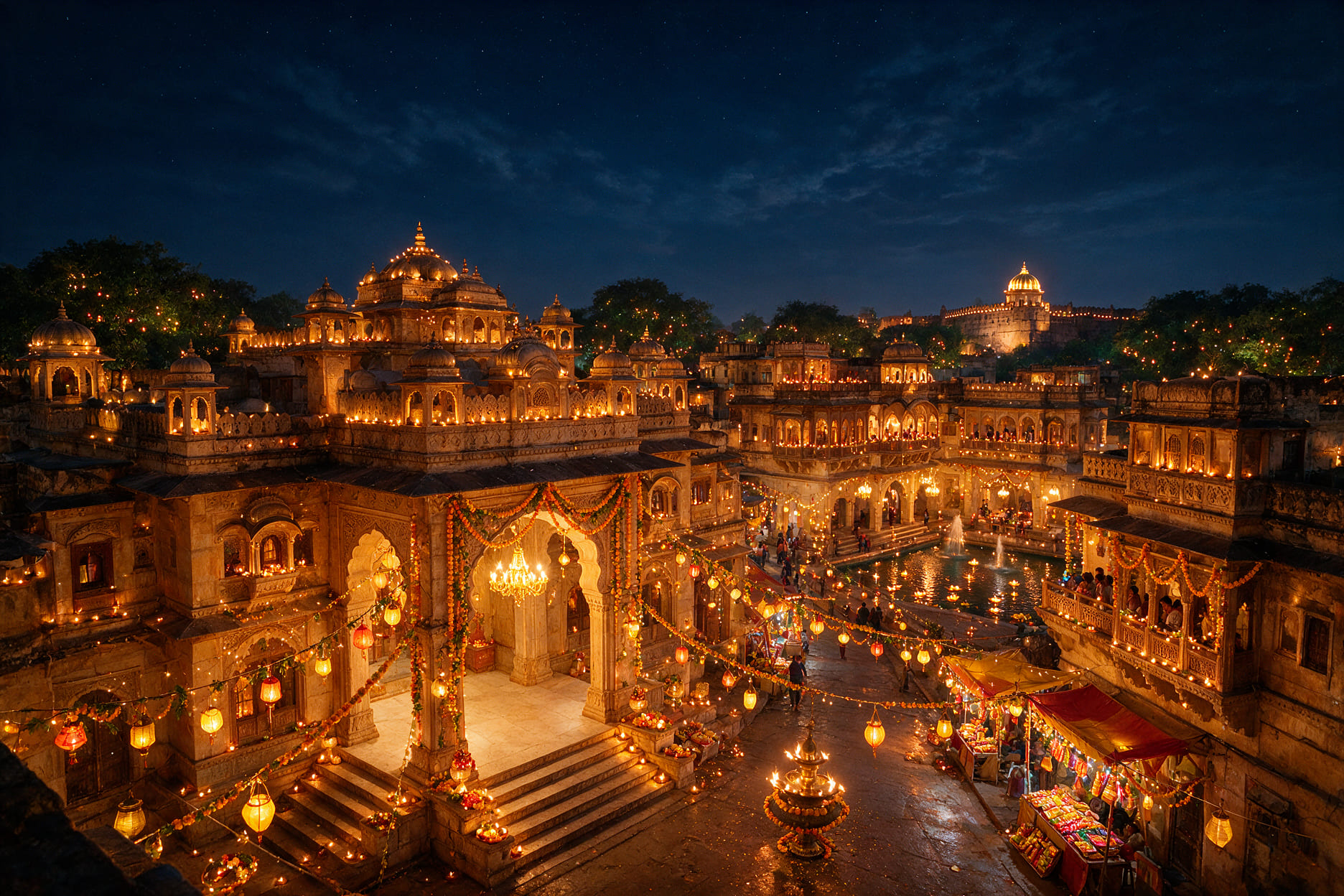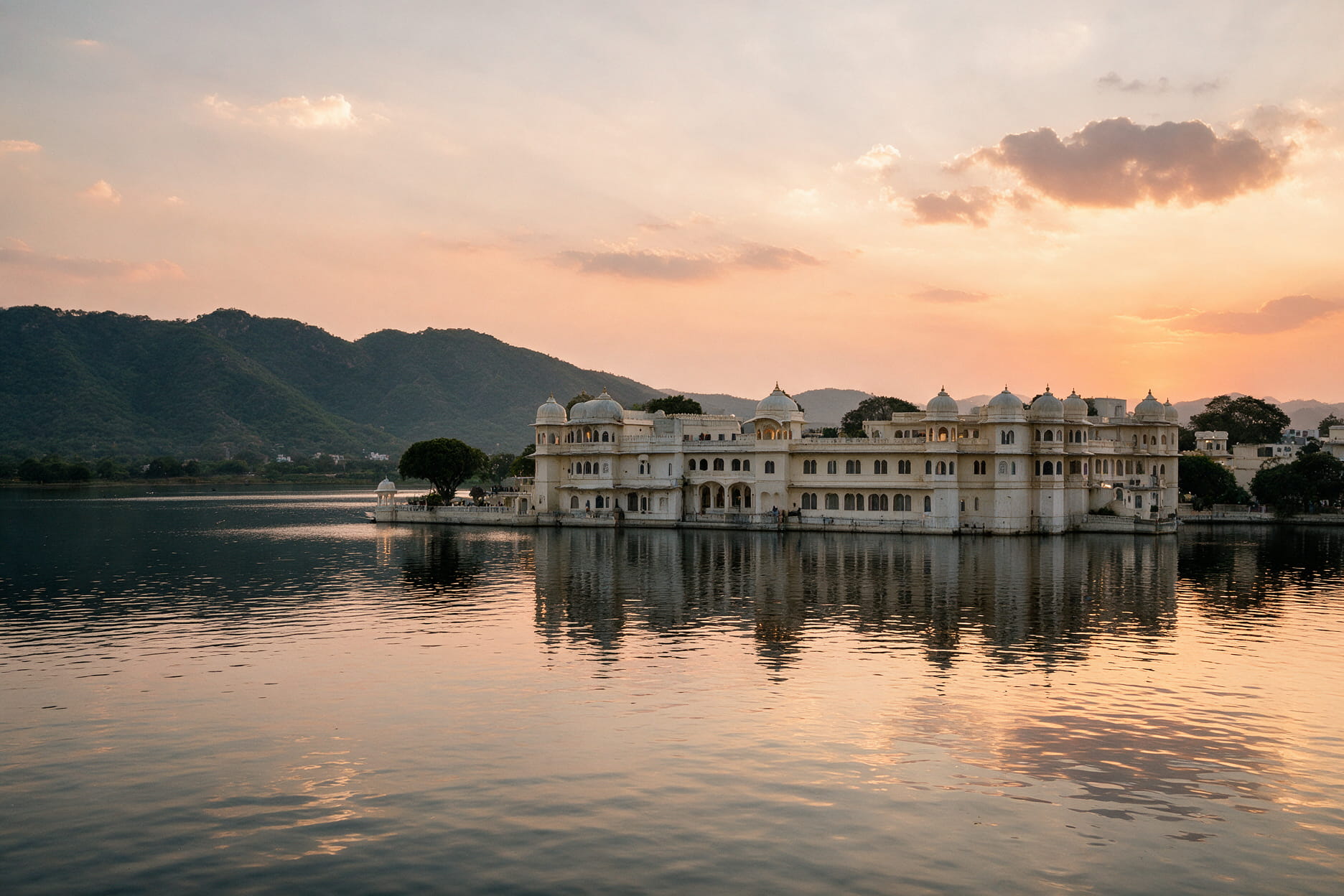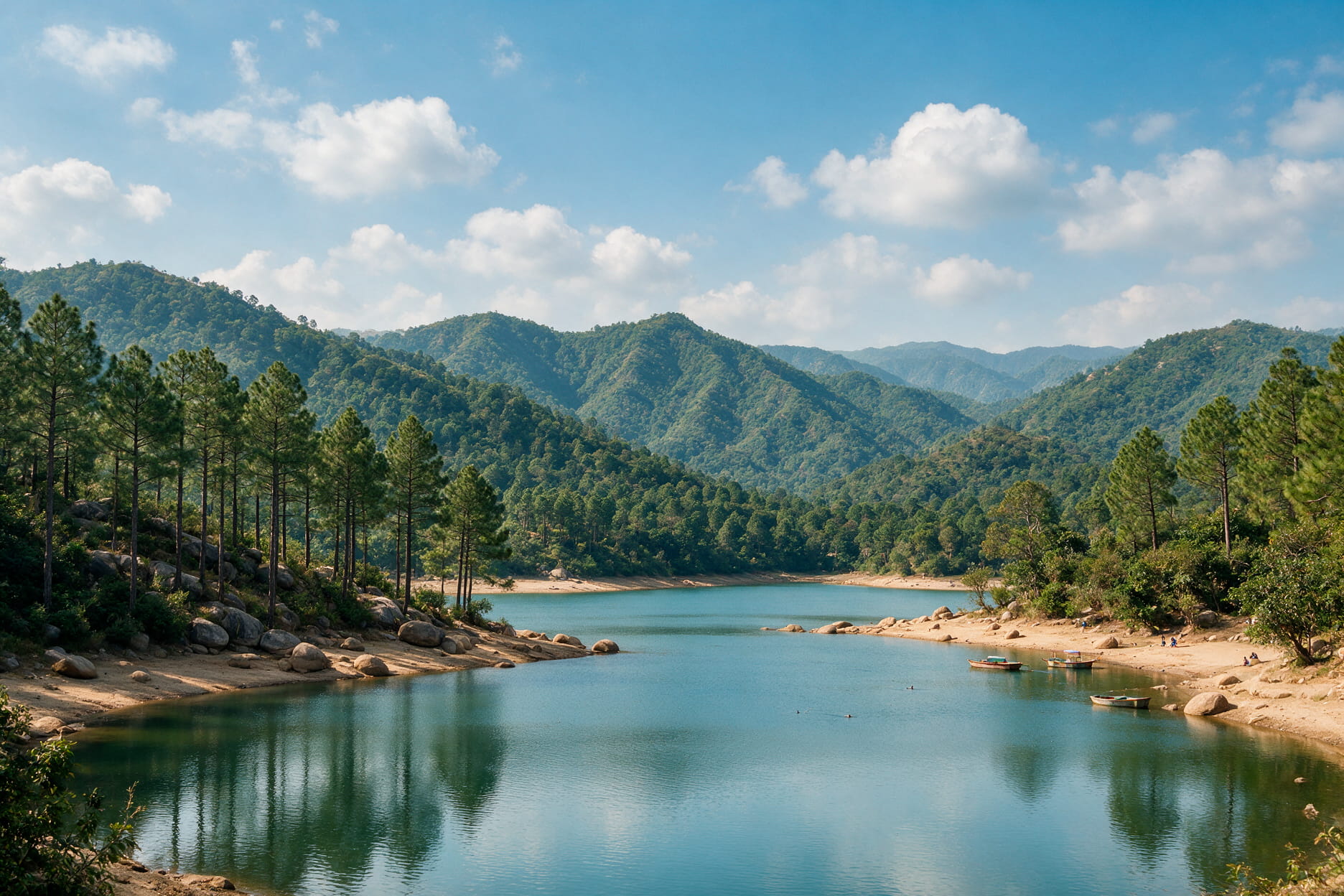
The 100 km range from Nagpur is day trip territory. The 200 km range asks for one overnight. At 300 km, the geography changes and so does what the trip requires of you. The places to visit near nagpur under 300 km include Kanha Tiger Reserve in Madhya Pradesh, Pachmarhi’s plateau, Chikhaldara’s hill forests, and Lonar Crater, and none of them give you what they have to offer in less than two nights.
This guide covers four destinations in the 200 to 300 km zone, each treated separately with what it takes, what it gives, and the right window to visit. For arriving in Nagpur before you drive further, book your Nagpur bus on the zingbus website or app first.
Places to Visit Near Nagpur Under 300 km
At 300 km from Nagpur, the map crosses into Madhya Pradesh and returns to parts of Maharashtra that are different in landscape and character from Vidarbha. The places to visit near nagpur under 300 km share one common requirement: they need a proper long weekend rather than a stretched day trip, and they reward the commitment differently. Kanha rewards patience in the forest. Pachmarhi rewards walking. Chikhaldara rewards the drive itself. Lonar rewards standing at the rim and thinking.
Kanha Tiger Reserve
Kanha is 260 to 280 km from Nagpur depending on the gate, and it is the reference standard against which other Central Indian tiger reserves are measured. Located in Madhya Pradesh’s Mandla and Balaghat districts, it covers 940 sq km of core area in a landscape of meadows, sal forest, bamboo groves, and river valleys. The meadow system, known locally as maidan, is actively maintained to support the Barasingha, the swamp deer that was brought back from the verge of extinction here decades ago. Seeing a Barasingha herd in Kanha’s morning meadow, with mist sitting on the grass, is one of those wildlife experiences with no equivalent in any other reserve in Central India.
Safari Zones and Gate Selection
Kanha has four main safari zones: Kanha, Kisli, Mukki, and Sarhi. The Khatia gate near the Kanha and Kisli zones is the recommended entry from Nagpur. It sits approximately 260 km from the city via NH44 through Seoni. Mukki gate, accessed from the south, is better suited for visitors arriving from Raipur or Jabalpur. The zones have individually documented tiger territories, and the naturalists at each gate know the current resident animals.
What Kanha Delivers
Tiger sightings at Kanha are consistent. The meadow zones near the Khatia entry hold resident adults that are habituated to safari vehicles over decades of managed tourism. The broader biodiversity includes leopards, dholes, sloth bears, gaur, chitals, and a bird count exceeding 300 species. The Barasingha recovery programme here, which brought the species from under 50 individuals in the 1970s to several hundred today, is one of Indian wildlife conservation’s genuine success stories and a specific reason to visit beyond general safari interest.
Planning a Kanha Trip
A minimum of two nights allows you to take two dawn safaris and one dusk safari. Three nights gives you a broader cross-section of zones and light conditions. The drive from Nagpur to Khatia takes five to six hours. Arriving by late Friday afternoon allows a dusk safari the same evening before the full weekend programme. Safari bookings open through Madhya Pradesh Tourism’s online portal 90 days in advance. Peak season months of February through May sell out well ahead of time. Kanha closes from July 1 through mid-October for monsoon.
Pachmarhi
Pachmarhi sits at 1,067 metres in the Satpura range, 277 km from Nagpur via Chhindwara or Betul. It is the only hill station in Madhya Pradesh. The town is contained within the Satpura National Park biosphere reserve and has not experienced the degree of commercialization that affects most hill stations of equivalent reputation. The roads into the town do not carry the resort infrastructure that usually accompanies a well-known hill destination at this distance from a major city.
The terrain is what makes Pachmarhi worth the drive. Sandstone formations rise through sal and teak forest. Ancient cave paintings at Mahadeo and Chauragarh have been dated to approximately 10,000 years. The Chauragarh trek climbs 1,300 steps to a summit temple with a ridge-line view over the Satpura range below. Bee Falls, accessible by vehicle, drops through a narrow gorge. Sunset Point and Jatashankar give the valley views that have made Pachmarhi a hill station for more than a century.
Some zones within the Satpura Biosphere Reserve require entry permits that are best arranged through the MPSTDC office on arrival. The permit requirement applies to specific viewpoints and forest sections. Check current requirements before planning which attractions to include. October to June is the accessible window; heavy monsoon from July through September restricts some road sections and trails.
Chikhaldara
Chikhaldara is approximately 225 to 235 km from Nagpur via Amravati and is the only hill station in Vidarbha, Maharashtra. At 1,115 metres, it sits marginally higher than Pachmarhi and borders the Melghat Tiger Reserve, which extends across 2,768 sq km of protected forest. The two are ecologically connected: driving into Chikhaldara means driving through the buffer landscape of one of India’s more remote tiger reserves.
What distinguishes Chikhaldara beyond its elevation is the specificity of what it has. Gavilgarh Fort, a 15th century fortification on the hill’s edge, gives a panoramic view of the Melghat valley below. The fort has held Mughal, Maratha, and British occupations across its history, and the layers are still visible in the architecture. Locally grown coffee, one of very few coffee-growing zones in Maharashtra, is available at small shops and homestays in the town. The birding at Chikhaldara and in the Melghat buffer is exceptional, with over 315 recorded species.
Accommodation in Chikhaldara is limited. The MTDC resort and a small number of private homestays are the main options. Book at least two weeks ahead on weekends. The drive from Nagpur runs via Amravati, which serves as a reliable midpoint for fuel, food, and rest before the final climb.
Lonar Crater
Lonar Crater, approximately 235 to 250 km from Nagpur in Buldhana district, is one of only four hyper-velocity meteorite impact craters in basaltic rock globally. The impact occurred approximately 52,000 years ago, producing a crater 1.8 km in diameter and 150 metres deep. The lake that formed over millennia is simultaneously saline and alkaline, a chemical combination found in very few places on earth. Seasonal flamingos use the lake. Microorganisms native to the extreme chemistry of the water have attracted research attention for decades.
Temples dot the crater rim and the inner wall: the Kamalja Devi Temple and a Shiva complex are among the older structures. The walk from the rim to the lake edge takes 30 to 40 minutes and requires comfortable shoes as the descent is uneven. Lonar is on India’s tentative UNESCO World Heritage list. The Archaeological Survey of India maintains the site. Entry is nominal. The best visit is in the cooler months between October and February, when the exposed descent is manageable.
The Under-200 km Layer
The 100 to 200 km range carries Tadoba Andhari Tiger Reserve, Nagzira Wildlife Sanctuary, and Chandrapur. These are covered in the under-200 km guide. The 100 km range carries the Pench and heritage day trip circuit. The 300 km guide focuses on what sits beyond that, where the terrain and investment are categorically different.
Season Planning for the 300 km Range
Each destination in the 200 to 300 km zone has its own optimal window.
- Kanha is best from October through June. February through May produces peak sightings but extreme heat in May. Kanha closes mid-June through mid-October.
- Pachmarhi is best from October through June. Monsoon brings heavy rain and restricted zone access from July through September.
- Chikhaldara is best from October through March. Road access in monsoon can be challenging in some approach sections.
- Lonar is best from October through February. The exposed crater descent is uncomfortable in summer heat.
All four destinations share October through March as the safest combined window for a multi-stop trip.
How to Reach Nagpur
zingbus connects Nagpur to Pune, Hyderabad, Mumbai, Aurangabad, Amravati, Bhopal, and Indore, among other cities. Most travellers flying or busing to Nagpur for a Kanha or Pachmarhi trip rent a vehicle from the city for the onward drive. Book your Nagpur bus on zingbus and plan the vehicle from there.
You Might Also Like
- Best Hill Stations to Visit in Summer in India: Pachmarhi and Chikhaldara sit within this national conversation; this blog covers them alongside other Indian hill destinations.
- How to Plan a Road Trip in India: Practical multi-day planning guidance directly applicable to the Kanha or Pachmarhi drive from Nagpur.
- Hidden and Unexplored Places in India to Visit in 2026: Lonar Crater fits squarely into this category as one of India’s most genuinely unusual natural sites.
Before You Book the Drive
Kanha and Pachmarhi both require advance safari and forest permit bookings. Confirm these before finalizing the hotel or the travel dates. The Kanha booking portal for Madhya Pradesh opens 90 days ahead. Pachmarhi’s permit arrangements are best handled on arrival through the MPSTDC office, but the accommodation in peak season books out fast.
The drive to Kanha from Nagpur runs on NH44, which passes through forest sections between Seoni and the park gate. No night driving on this stretch. Budget for an earlier start from Nagpur and factor in a one-hour buffer for the Seoni town traffic.
Chikhaldara’s accommodation is thin. If you are going on a weekend, book at least two to three weeks ahead regardless of season. The town’s popularity has grown in recent years and walk-in availability on weekends is unreliable.
Lonar has basic accommodation in the town. Most visitors combine it with a Buldhana or Jalgaon itinerary rather than a standalone Nagpur trip. If you are building a Nagpur to Lonar to Aurangabad circuit, Lonar sits well on the second day between a Nagpur departure and an Aurangabad arrival.
The Places to Visit Near Nagpur Under 300 km That Ask the Most and Give the Most
The places to visit near Nagpur under 300 km are not compatible with a rushed approach. Kanha’s meadows reveal themselves over multiple safaris, not one. Pachmarhi’s sandstone landscape rewards walking trails, not a single viewpoint drive. Chikhaldara’s appeal is partly the drive itself through Melghat forest. And Lonar only becomes fully legible once you have descended to the lake edge and looked back up at the rim above you.
None of these places to visit near Nagpur under 300 km require exotic planning. They require the specific commitment of leaving on a Thursday or Friday and returning on Sunday evening. That is the form the long weekend from Nagpur takes when the destination deserves it.
Frequently Asked Questions
What is the best place to visit near Nagpur within 300 km?
Kanha Tiger Reserve in Madhya Pradesh at 260 to 280 km is the headline destination, internationally recognized as one of India’s finest tiger reserves and the model for tiger conservation.
Is Kanha Tiger Reserve worth the drive from Nagpur?
Kanha is worth the five to six hour drive from Nagpur for its open meadow landscape, Barasingha herds, and consistent tiger sightings across well-documented resident territories.
Which gate of Kanha Tiger Reserve is closest to Nagpur?
Khatia Gate, accessing the Kanha and Kisli zones, is the closest from Nagpur at approximately 260 km via NH44 through Seoni.
Is Pachmarhi accessible from Nagpur as a weekend trip?
Pachmarhi at 277 km is accessible for a weekend trip, with a five-hour drive via Chhindwara; two nights allows you to cover the main viewpoints, the Chauragarh trek, and the cave paintings.
What is Chikhaldara near Nagpur?
Chikhaldara is Vidarbha’s only hill station at 1,115 metres, about 225 to 235 km from Nagpur, bordered by the Melghat Tiger Reserve and known for Gavilgarh Fort, exceptional birding, and locally grown coffee.
What is Lonar Crater near Nagpur?
Lonar Crater is a 52,000-year-old meteorite impact site in Buldhana district, about 235 to 250 km from Nagpur, forming one of only four hyper-velocity craters in basaltic rock globally.
When does Kanha Tiger Reserve close for the season?
Kanha Tiger Reserve closes from approximately July 1 through mid-October every year for monsoon; the best wildlife window is October through May with February through May as the peak.
How is Pachmarhi different from Chikhaldara as a hill station near Nagpur?
Pachmarhi at 277 km is in Madhya Pradesh with ancient cave paintings, forest viewpoints, and the Chauragarh trek, while Chikhaldara at 225 to 235 km is in Maharashtra with fort ruins, Melghat birding, and locally grown coffee.
Is Lonar Crater worth visiting from Nagpur?
Lonar Crater is worth the 235 to 250 km drive for its geological uniqueness; it is one of India’s most unusual natural sites and carries a UNESCO World Heritage tentative listing.
How many days should I plan for a Kanha trip from Nagpur?
A Kanha trip from Nagpur works best as a three-day, two-night plan: drive in on day one, two safaris on day two, and return on day three via a different route.
Does zingbus operate routes from Nagpur for the 300 km destinations?
zingbus connects Nagpur to major cities including Bhopal and Indore. For destinations like Kanha, Pachmarhi, and Chikhaldara within the 300 km range, a hired vehicle from Nagpur is the standard approach.
Can Lonar Crater and Chikhaldara be combined in one long weekend from Nagpur?
Lonar at 235 to 250 km and Chikhaldara at 225 to 235 km are in different directions from Nagpur, making them impractical to combine in a single weekend without very long drives; each works better as a separate trip.