Nobody leaves Delhi hungry. That is not a saying, it is just a fact about the city. The best street food in Delhi is not in any one lane or any one neighbourhood. It is layered across Old Delhi, south Delhi, the university belts, the late-night dhabas off ring road, and the chaat corners that have been feeding the same families for three generations.
This guide covers 50 must-try dishes with honest directions on where to actually find the good versions, not just the famous ones. Come empty and plan to walk.
Delhi Street Food at a Glance
| Category | Dishes | Best Area | Approx. Price Per Serving |
| Breakfast Classics | Chole Bhature, Paranthe, Bedai Aloo | Chandni Chowk, Karol Bagh | Rs 40 to Rs 120 |
| Chaat and Snacks | Golgappa, Dahi Bhalla, Papdi Chaat | Connaught Place, Lajpat Nagar | Rs 30 to Rs 80 |
| Kebabs and Grills | Seekh Kebab, Galouti, Kakori | Jama Masjid, Nizamuddin | Rs 60 to Rs 150 |
| Sweets and Desserts | Jalebi, Kulfi, Rabri, Kheer | Old Delhi, Chandni Chowk | Rs 30 to Rs 100 |
| Modern Street Eats | Momos, Rolls, Loaded Fries | Hauz Khas, Lajpat Nagar, CP | Rs 50 to Rs 150 |
| Rice and Mains | Biryani, Butter Chicken, Nihari | Old Delhi, Daryaganj | Rs 80 to Rs 200 |
Note: Prices are approximate street-level estimates as of early 2026 and will vary by vendor, portion size, and location. Always confirm with the vendor before ordering.
Breakfast: The Best Way to Start Any Delhi Food Trail
Delhi takes breakfast seriously. More seriously than most cities in India travel culture will tell you. The morning food window, roughly 7 AM to 11 AM, is when the best versions of the classics come out. Here is what you eat first.
Chole Bhature
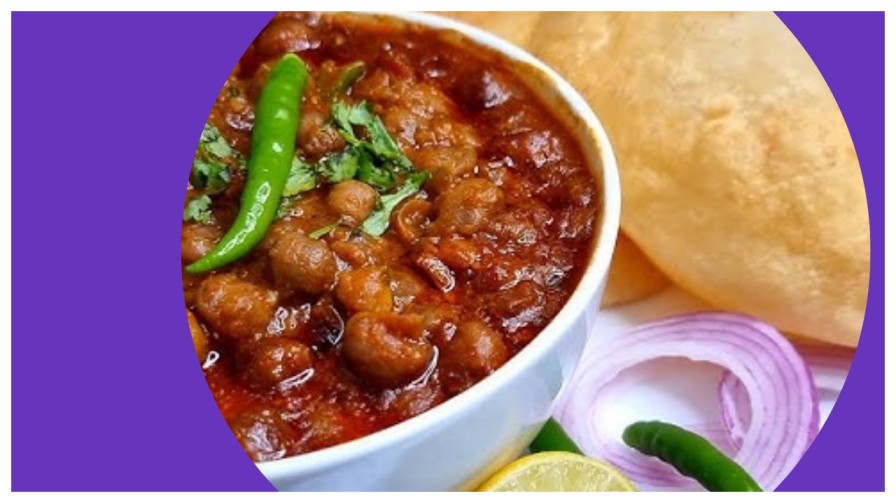
The non-negotiable. Spiced white chickpeas in a thick, tangy gravy with a puffed, slightly crisp bhatura that is fried to order. The best chole bhature in delhi is an argument that has no clean resolution, but the versions at Sita Ram Diwan Chand in Paharganj and Haldiram’s near Chandni Chowk are both worth the early morning effort. Eat it standing up. That is the correct approach.
Paranthe
Paranthewali Gali in chandni chowk is the obvious answer and it earns its reputation. Stuffed paranthe with fillings ranging from aloo and paneer to rabri and khoya have been coming out of those narrow lane kitchens for over a century. Order the aloo version first. Then the mooli if you are still hungry. White butter comes on top without asking. Do not wipe it off.
Away from the touristy end, the small parantha counters near Fatehpuri Masjid serve a simpler, thinner version with achaar and dahi that locals prefer. Rs 40 to Rs 60. No frills. Very good.
Bedai Aloo
Bedai is a deep-fried, slightly flaky puri made with urad dal in the dough, served with a spiced aloo sabzi and meethi chutney. It is an Old Delhi breakfast classic that most visitors miss entirely because it does not have the cultural marketing that chole bhature does. The counters near Lal Kuan Bazaar and the lanes off Chawri Bazaar metro serve it fresh from 7 AM. Worth finding.
Puri Sabzi
A simpler version of the above and widely available across Old Delhi and Karol Bagh. Thick, soft puri with a dry aloo sabzi. Rs 30 to Rs 50. This is what you eat at the dhaba counter before the city gets loud.
Kachori Sabzi
The kachori here is different from the Rajasthani version. Smaller, crispier, with a spiced lentil or pea filling. Served with an aloo curry that is loose and poured rather than spooned. The kachori counters near Sitaram Bazaar in Old Delhi are the most reliable. Eat two minimum.
Chaat: Delhi’s Greatest Contribution to Indian Food
Chaat is not a dish. It is an entire philosophy of eating. Sweet, sour, spicy, and crunchy all in the same bite. Delhi does chaat better than anywhere else in north india and these are the versions that matter.
Golgappa
Called pani puri elsewhere but golgappa here, and the Delhi version has its own character. The puri is thinner and crispier. The pani comes in two versions at good counters: the standard jeera and pudina water and a sweeter imli version. You get them one at a time, pop the whole thing in your mouth, and move to the next. The golgappa counters around Bengali Market and Lajpat Nagar are consistently good. So are the ones along the outer ring of Chandni Chowk metro station in the evening.
Fair warning: the spice level at Delhi golgappa counters is not the same as what they serve in other cities. Ask for a medium if you are not used to it.
Dahi Bhalla
Soft lentil dumplings soaked overnight in water, squeezed out, and drowned in cold, whisked dahi with tamarind chutney, green chutney, and a generous pinch of roasted cumin and red chilli powder. It is the most forgiving chaat on the list because the dahi cools everything down. Nathu’s in Bengali Market has been doing it for decades and the consistency holds.
Papdi Chaat
Crisp fried wafers layered with boiled potatoes, chickpeas, both chutneys, dahi, and sev. The papdi has to be freshly fried that day or it turns soft and the whole thing collapses in texture. Any counter where you can see them frying the papdi on site is worth trusting. The versions at the Lajpat Nagar central market in the evening are well above average.
Aloo Tikki
A spiced potato patty, pan fried in a shallow pool of oil until the outside is deeply golden. Served with ragda, chole, chutneys, and dahi depending on the vendor. The Aloo Tikki at Bengali Market Gol Gappa Stall and the counters near NDMC market in Connaught Place are both solid. Also available at every neighbourhood market in Delhi at varying quality levels.
Raj Kachori
One large, hollow, crispy kachori cracked open at the top and filled with potato, sprouts, dahi, chutneys, sev, and pomegranate. It looks theatrical and it tastes as good as it looks. Harder to find than standard chaat but the version at Evergreen Sweet House in Green Park and the chaat stalls near Kamla Nagar market are both worth seeking out.
Bhel Puri and Sev Puri
Lighter chaat options built on puffed rice and thin sev respectively. More common on the street counters near college areas like Kamla Nagar and Satya Niketan. Affordable, quick, and good for an afternoon snack between sightseeing stops.
Daulat Ki Chaat
This one is seasonal and specific to Old Delhi winters, but worth knowing about for travel between November and February. It is a whipped, airy cream made from milk and morning dew, topped with saffron and powdered sugar. It disappears before noon. Find it on carts near Chandni Chowk and Kinari Bazaar on winter mornings. There is genuinely nothing else like it.
Kebabs: Old Delhi After Dark
The kebab culture in Old Delhi is centred around the lanes near Jama Masjid and the Matia Mahal area. This is evening and night food. Go after 7 PM when the grills are properly hot and the smoke is rising.
Seekh Kebab
Minced mutton or chicken worked onto a flat iron skewer with onion, green chilli, and spices, then grilled over charcoal. The outside chars slightly and the inside stays juicy. Al Jawahar and Karim’s near Jama Masjid are famous names and they are famous for a reason. But the smaller street-side grill counters one lane in from the main road often have better seekh for less money.
Galouti Kebab
Originally from Lucknow but fully adopted by Old Delhi’s food scene. Minced mutton with dozens of spices, tenderised to the point where it melts before you chew it. Served on a flaky warqi paratha. This is a sit-down dish at most places that serve it properly but worth the minor upgrade in setting.
Kakori Kebab
Even softer than galouti, made with very finely minced mutton and raw papaya as a tenderiser. Grilled on thin skewers. The texture is closer to a very fine meatball than a traditional kebab. Find it at the kebab houses in the Jama Masjid area alongside the seekh options.
Tangri Kebab
Whole chicken drumsticks marinated in yogurt and spices, grilled on charcoal until the skin blisters. A north india standard that Delhi does particularly well. Available at most non-veg street counters and at the grills near Nizamuddin dargah on evenings.
Boti Kebab
Chunks of mutton on a skewer, charcoal grilled, served with sliced onion and green chutney. Simpler than the others but honest and satisfying. The boti counters near Turkman Gate and in Ballimaran serve it late into the night.
Rice and Mains: The Big Dishes
Biryani
Delhi biryani is a different animal from Hyderabadi or Kolkata versions. It tends to be less layered and more directly spiced, with the rice and meat cooked together rather than fully dum style. The biryani at Al Jawahar near Jama Masjid and the small biryani counters on Urdu Bazaar Road are the real thing. Mutton, not chicken, is the correct order here.
Butter Chicken and Dal Makhani
Butter chicken was invented in Delhi. The original version at Moti Mahal in Daryaganj is still operating and still serving the dish that started it all. The dal makhani here is equally important, slow cooked overnight with butter and cream until it turns into something else entirely. This is not cheap street food, but it is local food and it deserves a place on this list.
Nihari
A slow-cooked mutton stew eaten at breakfast in Old Delhi. The meat falls off the bone and the gravy is deep and spiced with a complexity that comes from eight to ten hours of cooking. Served with tandoori roti or a soft kulcha. The nihari counters near Jama Masjid open before 7 AM and run out by mid morning. Set an alarm.
Chole Kulche
Different from chole bhature in texture and mood. The kulcha here is softer, slightly leavened, baked in a tandoor, and served with a thinner, more tangy chole preparation. The counters near New Delhi railway station and the Ramjas area of Karol Bagh do this version well.
Delhi Sweets and Desserts Worth the Calories
Jalebi
Hot, freshly fried jalebi soaked in sugar syrup is available everywhere in Delhi but the version at Old Famous Jalebi Wala near Dariba Kalan in chandni chowk has been running since 1884. The jalebi here is thicker, crispier, and the syrup to crunch ratio is exactly right. Pair it with rabri if they have it that day.
Kulfi
Delhi kulfi is denser and less sweet than the ice cream versions sold elsewhere. The best versions are still made in the traditional earthen moulds and served on a stick with rose water or falooda. The kulfi counters near Chandni Chowk and the old kulfiwala near Gali Paranthe Wali are the ones to be found.
Rabri and Kheer
Slow reduced milk with sugar and cardamom. Rabri is thicker, served cold or at room temperature, with layers of cream skin on top. Kheer is more fluid and often has rice or vermicelli. The mithai shops in Old Delhi near Kinari Bazaar have consistently good rabri. So do the sweet shops near Jama Masjid.
Gajar Ka Halwa
A winter dish in theory but available year-round in Delhi at most mithai shops. Grated carrot slow cooked with ghee, sugar, and milk until it reduces into a dense, aromatic sweet. Best eaten warm. The version at Bikanervala near Connaught Place is reliable.
Shahi Tukda
Thick fried bread soaked in sugar syrup, topped with thickened milk and garnished with dry fruits. A Mughal-era dessert that survives in the Old Delhi sweet shops and the better mithai counters. Rich enough that one piece is usually enough.
Modern Street Food: What Delhi Eats Now
Momos
Tibetan-origin dumplings that Delhi has completely adopted and remixed. The standard version is steamed chicken or veg momos served with a fiery red chutney. The pan-fried version is better if you have the choice. The momo counters near Lajpat Nagar, Majnu Ka Tila, and the university areas around North Campus are consistently good. Momos at Rs 60 to Rs 100 a plate make them one of the best value local food options in the city.
Rolls and Frankie
A paratha or roomali roti rolled around spiced chicken or paneer with onion, chutney, and a squeeze of lime. Available at every market and food lane in Delhi. The rolls near Kamla Nagar and the counters outside Lajpat Nagar central market are the best at this price point.
Loaded Chaat Fries and Fusion Snacks
Delhi’s younger food scene has produced a generation of street stalls mixing golgappa water with vodka, topping fries with chaat masala and dahi, and doing open-faced sandwiches with chutney and sev. Hauz Khas village and the Satya Niketan food lane are where this version of the food trail lives. Not traditional, but genuinely delicious and very cheap by delhi ncr standards.
Where to Do a Delhi Food Trail: Area by Area
Old Delhi and Chandni Chowk is the anchor of any serious food trail. Spend a full morning here minimum. Paranthe, bedai, nihari, jalebi, kebabs in the evening. One full day is not too much.
Bengali Market and Connaught Place for the best chaat in central Delhi. The concentration of good dahi bhalla, golgappa, and aloo tikki counters within a 10 minute walk makes this the easiest food stop.
Lajpat Nagar and Defence Colony for south Delhi’s version of the classics. The market here is active till 10 PM and the food options cover everything from momos and rolls to proper sit-down butter chicken.
Hauz Khas Village for the modern food scene. Rooftop cafes, fusion street food, and the occasional excellent traditional snack counter mixed in between.
Nizamuddin and Jama Masjid belt for the kebab and biryani trail. Evening only. Plan to stay for two to three hours.
- For more on what to shop and eat near these areas, the cheapest markets in Delhi guide has the full breakdown on where to find the best deals.
- If you are visiting Sarojini Nagar on the same trip, check the Sarojini Nagar market timings guide before you go.
- And if you want to sit down properly with a coffee after all that street food, the best cafes in Connaught Place guide has what you need.
How to Reach Delhi for Your Food Trail
By Bus
Delhi is well connected by bus from across north india and beyond. zingbus operates routes from Jaipur, Agra, Haridwar, Rishikesh, Manali, and dozens of other cities with daily departures. If you are coming in from Gurgaon or a nearby city in Delhi NCR, the boarding points are convenient and the buses arrive at major drop points close to the city centre. Bus travel india style means you arrive rested, fed if you used Chyll onboard, and ready to eat your way through the city from day one.
By Train
New Delhi Railway Station and Hazrat Nizamuddin are the two main rail terminals. Both are well connected by metro to every part of the city and to the food areas on this guide.
By Air or Road
Indira Gandhi International Airport is in south-west Delhi with direct metro connection into the city centre via the Airport Express Line. Road connections from Jaipur via NH48 and from Agra via NH19 are smooth and well trafficked for those driving in.
You Might Also Like
Planning more of your Delhi trip around food, shopping and local experiences?
- Cheapest Markets in Delhi: Where to Shop on a Budget
- Sarojini Nagar Market: Timings, What to Buy and Tips
- Best Cafes in Connaught Place for Coffee and a Break
- Places to Visit in Delhi at Night
Tips Before You Go
- Start your food trail before 9 AM. The best breakfast food in Old Delhi sells out. Nihari is gone by 10. Fresh jalebi is best before the midday rush. The early start is not optional.
- Go on an empty stomach and pace yourself. Trying six dishes in an hour will overwhelm you quickly. Walk between stops. Give each thing its moment.
- Carry cash for street stalls. Most chandni chowk food vendors, small kebab counters, and chaat stalls are cash only. Keep Rs 500 to Rs 800 accessible.
- Do the Old Delhi trail on foot or cycle rickshaw. The lanes near Jama Masjid and Chandni Chowk are too narrow for cabs and too interesting to skip by taking an auto straight through.
- Avoid peak summer midday heat for outdoor food walks. May and June are brutal between 12 PM and 4 PM. Plan your Old Delhi trail for early morning and evening. Central Delhi food stops working better in the late afternoon.
- Hygiene check: look at the crowd, not the stall. A food stall with a line of local regulars is almost always safe and good. An empty stall in a busy food area is worth skipping.
- Water before and between everything. Delhi chaat spice levels are real and the summer heat compounds them. Stay hydrated or your food trail ends prematurely.
Wrapping Up
The best street food in Delhi is the kind of food that makes you rearrange your day around it. You planned to see a monument and now you are standing in Paranthewali Gali at 8 AM unable to leave. That is the correct outcome. Go with no fixed agenda beyond the list above, follow the steam and the smoke, and let the city feed you the way it has been feeding people for centuries.
Frequently Asked Questions
What is the best street food in Delhi that every first-timer must try?
Chole bhature, golgappa, seekh kebab, aloo tikki, and jalebi are the five absolute essentials. If you are in Old Delhi, add nihari for breakfast and dahi bhalla for the afternoon. These cover the full range of what makes Delhi food genuinely special and they are all available for under Rs 100 per dish on the street.
Where is the best place to eat street food in Delhi?
Chandni Chowk and the lanes around Jama Masjid are the undisputed centre of Delhi’s street food culture. Bengali Market is the best single stop for chaat. Lajpat Nagar central market covers south Delhi well. For momos and modern street food, the university belt around North Campus and Hauz Khas are the right areas.
Is street food in Delhi safe to eat?
Yes, with basic judgement applied. Eat at stalls with visible queues of local regulars. Avoid pre-cut fruit from open carts in summer. Opt for freshly cooked items over things sitting in trays. Thousands of visitors eat Delhi street food every day without issue. The food at established Chandni Chowk counters and the Old Delhi kebab houses has been feeding people reliably for generations.
How much does a street food trail in Delhi cost?
A full day of eating across multiple stops, covering breakfast chaat, a kebab lunch, afternoon snacks, and dessert, can be done for Rs 300 to Rs 600 per person depending on how many dishes you try and whether you include any sit-down spots. The chandni chowk food area specifically is very affordable with most items under Rs 80.
What are the must-try sweet dishes from Delhi street food?
Jalebi from Old Famous Jalebi Wala in Chandni Chowk, kulfi on a stick from the lanes near Kinari Bazaar, rabri at any of the old mithai shops near Jama Masjid, and gajar ka halwa in winter from the mithai counters near Connaught Place. Daulat ki chaat in Old Delhi between November and February is the most seasonal and special of the lot.
Can I do a Delhi food trail while travelling by bus from another city?
Yes, and it works well. zingbus routes connect Delhi from Jaipur, Haridwar, Rishikesh, Agra, and many other north india cities with overnight and early morning slots. You can arrive in Delhi by morning, start the food trail in Old Delhi by 8 AM, and cover Chandni Chowk, Bengali Market, and the evening kebab run in a single day before heading back on a late night bus.
What is the difference between Delhi chaat and chaat from other cities?
Delhi chaat is generally more aggressively spiced and uses more tamarind chutney than the versions from Mumbai or Kolkata. The golgappa water here is sharper and spicier. Aloo tikki is crispier and served with more toppings. Dahi bhalla uses a tangier dahi base. The overall character is bolder and less sweet compared to western or eastern Indian chaat styles.