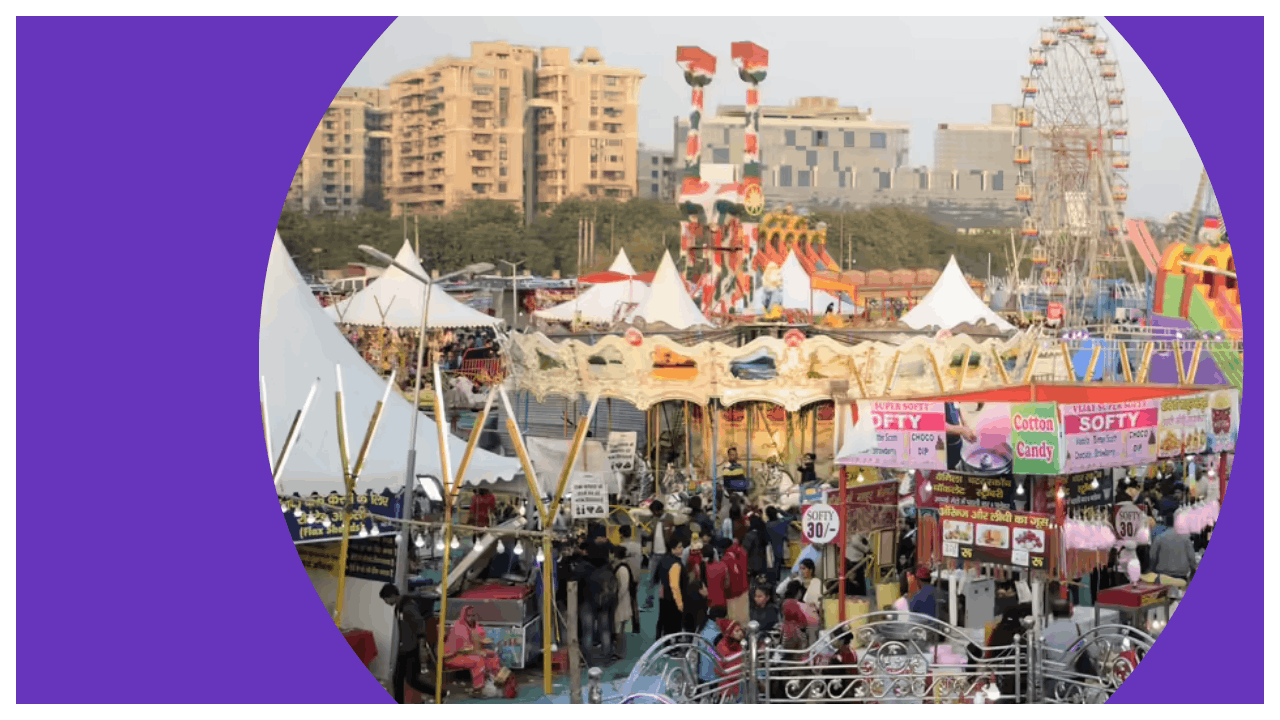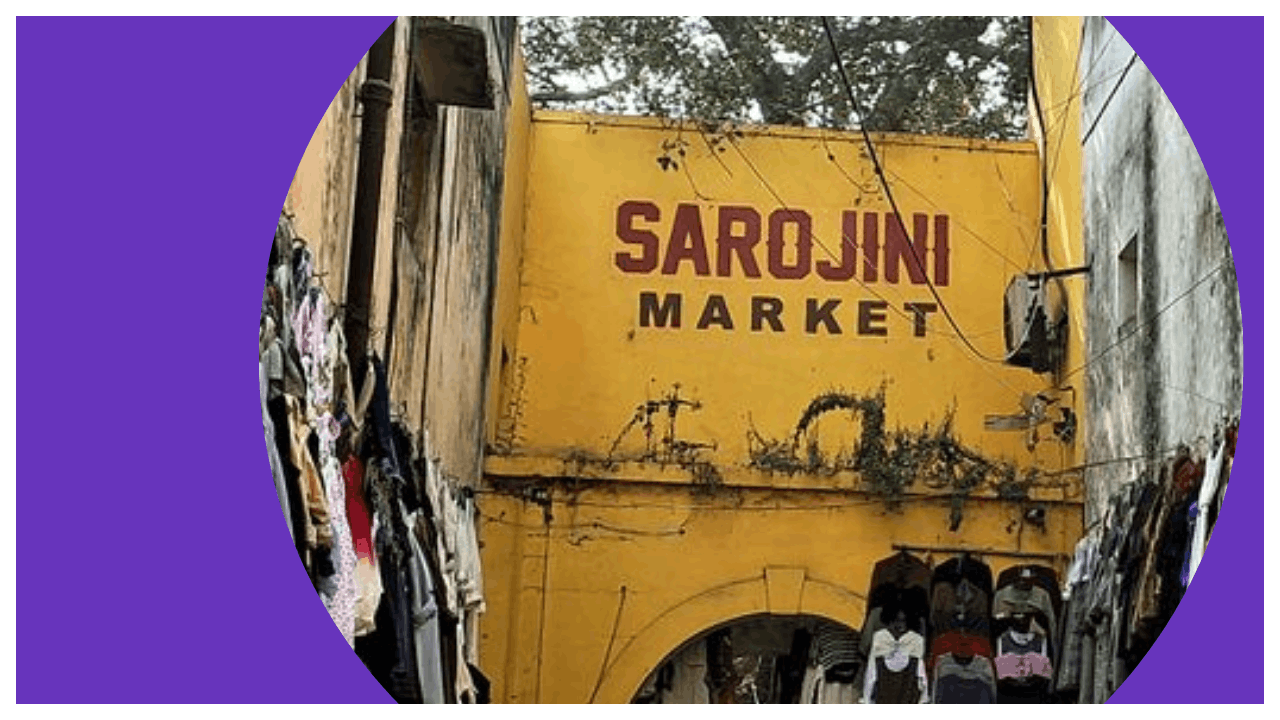
Sarojini Nagar Market, named after the renowned freedom fighter Sarojini Naidu; the “Nightingale of India”; remains Delhi’s most accessible shopping destination. Located in South Delhi near Safdarjung Enclave, this sprawling street market attracts thousands of shoppers daily.
Quick Market Overview:
- Named after Sarojini Naidu, famous independence activist and poet
- Originally developed in the 1950s as residential colony
- Known locally as SN Market among regular shoppers
- Features circular market layout with four notional sections
- Primarily family-owned shops (90% of businesses)
- Attracts fashion bloggers, budget shoppers, and style enthusiasts
The market’s transformation from government employee housing to a thriving commercial hub demonstrates remarkable development. What began as local shops serving residents evolved into India’s premier fashion hub for export surplus goods.
Sarojini Nagar Market Operating Hours
| Day | Operating Hours | Special Notes |
| Monday | CLOSED | Weekly inventory restocking day |
| Tuesday | 10:00 AM – 9:00 PM | Fresh stock day, good bargaining |
| Wednesday | 10:00 AM – 9:00 PM | Mid-week refresh, new arrivals |
| Thursday | 10:00 AM – 9:00 PM | “Discount Thursday” special markdowns |
| Friday | 10:00 AM – 9:00 PM | Post-lunch crowds lighter than weekends |
| Saturday | 10:00 AM – 9:00 PM | Weekend rush begins, afternoon crowded |
| Sunday | 10:00 AM – 9:00 PM | Peak footfall, evening extremely congested |
The market opens consistently at 10:00 AM daily (except Mondays). Most vendors begin setup from 9:30 AM, allowing early arrivals to browse fresh merchandise systematically.
Time-Specific Shopping Details:
- 10:00-11:30 AM: Sparse crowds, vendors most attentive, best for inspecting merchandise
- 11:30 AM-2:00 PM: Moderate crowds, manageable negotiation, lunch hour lull
- 2:00-5:00 PM: Post-lunch shopping, reduced vendor pressure on pricing
- 5:00-9:00 PM: Evening rush begins, increasing crowds, harder negotiations
- Sunday evening: Avoid completely (peak chaos period)
Weekly Off Day: Monday Closure
Monday functions as the official weekly off day across Sarojini Nagar Market. All major shops remain completely closed throughout the day.
Why Monday Matters for Visitors:
- Shop owners restock merchandise completely
- Damaged or outdated items are systematically removed
- New supplier shipments get organized and displayed
- Accounting and administrative tasks occur Monday exclusively
- Staff members receive mandatory weekly rest day
- Perfect time to plan your shopping list before Tuesday arrival
Planning Around Monday:
- Visit Tuesday onwards for maximum product variety
- Wednesday marks mid-week refreshment with new arrivals becoming visible
- Thursday often features “Discount Thursday” when vendors offer additional markdowns
- Plan advance itineraries understanding this closure completely
Understanding Monday closure helps you optimize shopping schedules intelligently. Many repeat shoppers intentionally visit Thursday onwards to catch newest discounts available.
Optimal Shopping Timing Strategy
| Visit Type | Best Day | Best Hours | Expected Experience |
| Maximum Bargaining | Thursday | 10:30 AM-1:00 PM | Low crowds, discount-oriented vendors |
| Fresh Stock Viewing | Tuesday-Wednesday | 10:00-11:30 AM | New arrivals on prominent display |
| Relaxed Shopping | Tuesday-Friday | 2:00-4:00 PM | Afternoon lull with attentive vendors |
| Least Crowded | Wednesday | 11:00 AM-1:00 PM | Mid-week quiet period, peaceful exploration |
| Family Shopping | Saturday Morning | 10:00-12:00 PM | Manageable crowds before afternoon rush |
| AVOID Completely | Sunday | 5:00-9:00 PM | Peak chaos, impossible navigation |
Strategic Shopping Benefits:
- Early arrivals (10:00-11:00 AM) receive noticeably better vendor attention
- Stock rotation happens Tuesday-Thursday with visibly fresh inventory
- Thursday specializes in additional discounts across multiple shop categories
- Midday hours (11:00 AM-2:00 PM) offer perfect crowd balance
- Late afternoon (3:00-5:00 PM) sees less bargaining pressure on prices
Weekend shopping requires strategic planning. Saturday mornings work reasonably well. Sunday afternoons become nearly inaccessible with overwhelming crowds. Most experienced shoppers intentionally avoid Sunday evenings regardless of urgency.
Market History and Development Timeline
| Era | Development | Significance |
| 1940s | British government develops residential colony | Created to house government officials |
| 1947-1950s | Post-independence growth with refugee influx | Area population increases significantly |
| 1950s | First commercial shops open serving locals | Market begins formal emergence |
| 1970 | Renamed from “Vinay Nagar” to Sarojini Nagar | Honor to Sarojini Naidu’s legacy |
| 1980s-1990s | Export surplus trading becomes dominant | Market attains national recognition |
| 2000s-Present | Digital payment adoption begins | Modern changes while maintaining tradition |
The market’s foundation rests on post-independence development when the British-built colony transitioned into residential space. When partition caused refugee influx into Delhi, Sarojini Nagar became a hub for local commerce. The 1970 renaming honored Sarojini Naidu’s contributions to India’s freedom struggle permanently.
By the 1980s, the market established itself through export surplus trading; a unique business model still driving success. Today, family-owned shops with names like “Lala ji ki Dukaan,” “Chacha Sarees,” and “Keval ki Toy Shop” continue operating across generations.
Seasonal and Annual Shopping Patterns
Weather-Based Shopping Strategy:
October-March (Best Period):
- Pleasant weather ideal for extended market exploration
- Most comfortable walking conditions available
- Lower humidity makes shopping enjoyable
- Perfect for both Indian and international tourists
January-February (Winter Shopping):
- Heavy discounts on winter clothing throughout market
- Jackets, sweaters, thermal wear at steepest discounts
- Previous season inventory gets cleared rapidly
- New spring collections begin arriving mid-February
March-April (Spring Transition):
- Lightweight clothing and summer wear discounts increase
- Winter inventory liquidation in full swing
- New spring/summer collections become visible
- Ideal for budget-conscious seasonal shoppers
April-June (Summer Challenge):
- Reduced crowd numbers compared to other seasons
- Extremely hot conditions (45-48°C) make shopping difficult
- Lower customer traffic means less vendor negotiation pressure
- Least recommended for comfort-focused shoppers
July-September (Monsoon Avoidance):
- Water accumulation makes lane navigation dangerous
- Heavy rains disrupt market operations unpredictably
- Shops may close temporarily due to weather
- Most travelers avoid this period entirely
- Least favorable conditions for pleasant shopping
How to Reach Sarojini Nagar Market
By Metro (Most Convenient Option)
Sarojini Nagar Metro Station on Delhi’s Pink Line sits directly adjacent to the market. This requires just 5-10 minutes walking from platform to market entrance.
From Other Metro Lines:
- Transfer to Pink Line at any interchange station (INA is closest)
- Alight at Sarojini Nagar Metro Station directly
- Exit from main gate and walk toward market entrance
- Avoid traffic congestion and parking hassles completely
- Most economical transportation option throughout Delhi
If Coming via Yellow Line:
- Option 1: Transfer at INA Metro Station to Pink Line
- Option 2: Exit at INA and take shared e-Rikshaw (₹10 per person)
- Option 3: Exit at INA and take private auto-rickshaw (₹30 per ride)
- Option 4: Walk 2.5 km from INA if time permits
By Bus (Economical Alternative)
Delhi Transport Corporation operates numerous routes through Sarojini Nagar. Regional bus services also serve market vicinity for intercity travelers.
Bus Travel Advantages:
- Most economical fares compared to cabs or auto services
- Direct routes from major Delhi bus terminals available
- Neighboring cities (Noida, Ghaziabad) offer direct connections
- Designated bus stops near market provide convenient access
- Frequent service throughout operating hours
By Cab or Auto-Rickshaw
Multiple cab services connect from various Delhi locations. Auto-rickshaws provide convenient last-mile connectivity from metro stations.
Key Distance References:
- From IGI Airport Terminal 3: 14 km (45-60 minutes)
- From New Delhi Railway Station: 10 km (30-40 minutes)
- From Kashmiri Gate Bus Stand: 16 km (approximately 1 hour)
- From INA Metro Station: 2.5 km (10-15 minutes walking)
- From Safdarjung Enclave: 2 km (10 minutes by auto)
Personal Vehicle Parking
Parking availability exists though spaces fill quickly during peak shopping hours. Weekday mornings offer better parking accessibility than weekends.
Market Layout and Sections
The market features circular layout creating four distinct sections shoppers navigate systematically:
| Market Section | Primary Focus | Character |
| Babu Market | Garment shops, fashion items | Most crowded section, narrow lanes |
| Subzi (Vegetable) Market | Fresh produce, vegetables | Open-air market atmosphere |
| Central Market | Mixed merchandise, variety | Diverse product range available |
| Mandir (Temple) Side Market | Traditional items, religious goods | Quieter section, fewer crowds |
| Export Surplus Bazaar | Premium export surplus clothing | Rear section, best brands, prices |
Understanding this layout helps optimize shopping routes. Most shoppers naturally navigate through Babu Market first, then explore other sections. The export surplus bazaar at rear houses premium items with highest-quality goods available.
Pro Tip: Start exploration at rear export surplus bazaar when crowds are sparse, then work toward busier sections as comfort increases.
What Makes Sarojini Nagar Market Special
Understanding Export Surplus Model
Sarojini Nagar Market distinguishes itself through export surplus clothing; items produced in excess by major international brands’ manufacturing partners.
Export Surplus Explained:
- International brands order specific quantities from suppliers
- Suppliers typically manufacture 3-5% extra quantities automatically
- Excess units cannot be returned to brand owners
- These surplus items reach Sarojini Nagar at significantly reduced prices
- Quality remains pristine since production follows original brand standards
- Pricing reflects surplus status, not quality defects whatsoever
Inventory Category Breakdown:
- Export surplus items (pristine quality): 50% of inventory
- Factory rejects with minor imperfections: 20% of inventory
- Brand overstock from previous seasons: 15% of inventory
- Wholesale liquidation inventory: 10% of inventory
- International brand collaborations and limited editions: 5% of inventory
This unique supply model creates pricing that bears absolutely no resemblance to mainstream retail channels. Branded merchandise becomes accessible to budget-conscious shoppers without quality compromise.
Price Comparison Analysis
| Product Category | Sarojini Nagar | Typical Retail Markup | Savings % |
| Branded T-Shirts | ₹100-250 | ₹400-600 | 60-75% |
| Winter Jackets | ₹300-850 | ₹1,500-3,000 | 70-80% |
| Premium Jeans | ₹200-600 | ₹800-1,500 | 60-75% |
| Designer Dresses | ₹300-500 | ₹1,500-3,000 | 75-83% |
| Statement Jewelry | ₹100-300 | ₹500-1,500 | 80-85% |
| Quality Handbags | ₹100-500 | ₹800-2,000 | 75-87% |
| Premium Footwear | ₹150-600 | ₹800-2,000 | 70-85% |
This affordability attracts multiple shopper categories; fashion enthusiasts, budget travelers, clothing resellers, and style-conscious professionals nationwide.
Comprehensive Shopping Categories
Fashion Apparel (Largest Selection)
The market showcases extraordinary range covering diverse clothing needs. Options include t-shirts, jeans, dresses, sarees, winter wear, and seasonal outfits systematically.
Available Fashion Items:
- Casual t-shirts and polo shirts in all sizes
- Party wear gowns and formal occasion dresses
- Jeans, trousers, and casual bottoms regularly stocked
- Winter jackets, sweaters, thermal wear extensively
- Sarees, kurtas, and traditional Indian clothing
- Seasonal apparel rotating based on supplier inventory
- International brand merchandise from major manufacturers
- Sportswear and activewear collections
Winter season (January-February) features heavy jackets, woolen sweaters, and thermal wear at steep discounts ranging ₹300-1,000 typically. Summer months bring lightweight clothing at equally impressive reductions.
Brand Categories Found:
- European brands (H&M, Zara, Marks & Spencer, Vero Moda)
- American brands (Tommy Hilfiger, American Eagle, Forever New)
- Indian brands (Biba, Westside, Only, Stalk Buy Love)
- International collaborations and designer pieces
- Mix of contemporary and classic styles
Accessories and Jewelry Section
Earrings, necklaces, rings, bangles, scarves, and hair accessories occupy dedicated market sections. Shop No. 2A area specializes exclusively in costume jewelry.
Accessory Price Structure:
- Individual earrings: ₹10-30 per piece
- Complete necklace sets: ₹50-150 depending on materials
- Bangles (plastic/metal): ₹20-100 per set
- Designer scarves and stoles: ₹50-200 each
- Hair clips and bands: ₹10-50 per item
- Statement jewelry pieces: ₹100-300 per set
- Sunglasses (basic to premium): ₹150-300 each
Quality varies significantly within price ranges. Examine each piece carefully before purchasing. Many shops allow exchange if items break within 2-3 weeks.
Footwear Selection
Boots, heels, ballerinas, sneakers, and casual shoes fill multiple dedicated sections. Brand quality remains consistent despite heavily discounted pricing significantly.
Footwear Categories and Pricing:
- Casual flats and loafers: ₹150-250 per pair
- Sneakers and sports shoes: ₹200-400 per pair
- Heels and formal wear: ₹300-600 per pair
- Winter and casual boots: ₹300-700 per pair
- Designer and premium footwear: ₹400-800 per pair
Quality proves reliable for casual wear lasting 10-15 uses minimum. Designer footwear occasionally features international brand provenance verifiable through labels.
Handbags and Luggage Inventory
Tote bags, sling bags, backpacks, and travel luggage represent exceptional value. Shop No. 115 specializes in boho-style bags starting ₹100.
Bag Categories and Pricing:
- Casual tote bags: ₹100-200 each
- Sling bags and crossbody styles: ₹150-300 each
- Backpacks (casual/travel): ₹200-500 each
- Leather handbags: ₹250-600 each
- Boho and decorative bags: ₹100-400 each
- Travel luggage pieces: ₹500-1,500 per item
Old Tree store near market center offers quality leather and suede bags at comparable pricing with guaranteed durability. Exchange policies vary by shop.
Home Décor and Lifestyle
Cushion covers, wall hangings, showpieces, lamps, vases, frames, and decorative items transform living spaces affordably. Shop No. 197 features unique cushion covers and festive decorations.
Home Décor Items Available:
- Cushion covers and decorative pillows
- Wall hangings and decorative tapestries
- Showpieces and decorative figurines
- Table and floor lamps with various designs
- Flower vases and decorative pottery
- Picture frames and wall art pieces
- Decorative mirrors and wall clocks
- Bed sheets and curtains
Prices typically start ₹50-200 for most items. Higher-end decorative pieces reach ₹500-1,000 for premium materials.
Kitchen and Dining Essentials
Ceramic dishes, serving sets, mason jars, and coffee mugs available from ₹50 onwards. Crockery Shop No. 143 offers comprehensive kitchenware with home delivery within 5 km radius.
Kitchen Items Available:
- Ceramic dishes and dinner sets: ₹50-150
- Mason jars and storage containers: ₹40-100
- Coffee mugs and teacups: ₹30-80
- Serving bowls and decorative platters: ₹60-150
- Decorative spoons and utensils: ₹20-50
- Dining sets (multiple pieces): ₹300-800
P.S. Crockery Shop specifically offers convenient home delivery within 5 km radius; valuable for heavy items.
Men’s Fashion Section
While historically female-centric, Sarojini Nagar increasingly stocks quality menswear in dedicated sections. Shops like Find Stalk Love, Hasho, and Anvit Garments offer branded merchandise.
Menswear Categories:
- Casual t-shirts and polo shirts: ₹100-250
- Formal shirts and blazers: ₹300-500
- Premium jeans and trousers: ₹200-400
- Boxers and quality innerwear: ₹50-100
- Belts and leather accessories: ₹50-150
- Winter wear for men: ₹300-700
- Sports and activewear: ₹200-400
Specific shop numbers (170, 174, lane adjacent to ICICI Bank) specialize in menswear exclusively with expert staff guidance.
Dining and Food Options Throughout Market
Shopping at Sarojini Nagar works best when combined with planned meal breaks. Multiple dining establishments serve market vicinity throughout operating hours.
Major Food Venues Available:
| Venue | Location | Speciality | Price Range |
| DLF South Square Mall | Adjacent to market | Diverse cuisines, restaurants | ₹200-600 per meal |
| Haldirams | Inside DLF Mall | Indian sweets, snacks | ₹100-300 per item |
| Café Coffee Day | Inside DLF Mall | Coffee, beverages, pastries | ₹150-300 per drink |
| McDonald’s | Inside DLF Mall | Fast food burgers, fries | ₹150-350 per meal |
| Sagar Ratna | Inside DLF Mall | South Indian cuisine | ₹200-400 per meal |
| Street Food Vendors | Market lanes | Chaat, snacks, local specialties | ₹20-50 per item |
| Amar Jyoti Café | Local neighborhood | Local Delhi cuisine | ₹100-250 per meal |
| Kwik Bite Café | Local neighborhood | Quick snacks, sandwiches | ₹80-200 per item |
Street food vendors scattered throughout offer authentic Delhi experiences. Chaat, corn, fresh sugarcane juice, chai, and coffee provide quick refreshment without formal seating requirements.
Street Food Specialties:
- Chaat varieties (gol gappas, chole bhature): ₹20-50
- Fresh roasted corn with butter and spices: ₹30-60
- Fresh sugarcane juice (seasonal availability): ₹30-50
- Chai from local tea vendors: ₹10-20
- Coffee and filter coffee: ₹20-40
- Samosas and pakoras (fried snacks): ₹10-30
- Tikki and Kulfi (traditional dessert): ₹20-40
Many experienced shoppers plan visits strategically combining extended market exploration with meal breaks at these venues systematically.
Smart Shopping Tactics and Negotiation Strategy
Cash Management Strategy
While digital payments increasingly get accepted, many shop owners prefer cash transactions. ATM queues during peak hours can become unnecessarily long and time-consuming.
Cash Strategy Implementation:
- Carry sufficient cash to avoid ATM dependence throughout day
- Identify ATM locations before arrival for contingencies
- Some vendors offer marginal discounts (2-5%) for cash payments
- Digital payments increasingly accepted but not universal everywhere
- Keep emergency cash separated from shopping budget
- Withdrawal during off-peak hours (early morning) recommended
Advanced Negotiation Techniques
Price tags often represent starting points rather than fixed final rates. Effective negotiation requires confidence, patience, and strategic planning.
Effective Negotiation Framework:
- Start negotiations at 30-40% below asking price consistently
- Remain calm and respectful throughout discussions
- Expect counteroffers and make reasonable compromises
- Shop owners expect negotiation as integral market culture
- Firmness combined with politeness yields better reductions
- Know your maximum price beforehand and adhere strictly
- Don’t reveal excessive enthusiasm about specific items
- Be willing to walk away from unfavorable deals
- Compare prices across multiple shops before final purchase
Negotiation Don’ts:
- Never bargain where “FIXED PRICE” sign appears
- Avoid showing excessive excitement about items
- Don’t mention how much cash you’re carrying
- Never compare unfavorably with other shops
- Avoid aggressive or disrespectful tone
- Don’t bargain with first shopkeeper if unsure
- Never reveal your maximum budget willingly
Dress Code Strategy
Modest clothing helps create positive shopkeeper impressions significantly. Dressing conservatively demonstrates respect for local culture.
Strategic Dressing Recommendations:
- Avoid excessive jewelry and brand name display
- Dress modestly to create positive vendor impressions
- Wear clothes covering legs below knees minimum
- Wear shirts/tops covering shoulders appropriately
- Avoid western beach wear or overly casual attire
- Professional appearance helps attract quality vendor attention
- Carry scarf for potential temple visits
- Comfortable footwear essential for narrow lane navigation
Product Inspection Checklist
Quality varies significantly even within export surplus categories. Thorough inspection before purchase prevents regrets.
Comprehensive Inspection Protocol:
- Check seams and stitching quality thoroughly
- Examine zippers and buttons for proper functionality
- Look carefully for stains, tears, or color inconsistencies
- Check fabric condition and material texture
- Verify authentic care labels and brand authenticity
- Ask specifically about return policies before purchasing
- Factory rejects may have disclosed minor flaws only
- Test zippers, buttons, and closures multiple times
- Check color matching in different lighting
- Compare similar items across multiple shops
Hydration and Comfort
Carry water bottle to remain hydrated throughout shopping journey in crowded market conditions constantly.
Shopping Comfort Optimization:
- Bring water bottle for regular hydration breaks
- Wear comfortable shoes for navigating narrow lanes
- Carry small backpack for purchased items safely
- Take rest breaks at mall or café venues periodically
- Use restrooms at DLF South Square Mall facilities
- Avoid shopping during hottest hours (2:00-5:00 PM) in summer
- Wear light-colored, breathable clothing
- Apply sunscreen before visiting
Nearby Attractions and Extended Itinerary
Pottery Market (10-minute walk)
Located close to Sarojini Nagar Bus Depot on AK Roy Marg, this pottery market offers unique clay items.
Pottery Market Features:
- Earthen pots and decorative pottery items
- Wind chimes and handmade showpieces
- Clay lamps and decorative items start at ₹10
- Artistic arrangements and aesthetic displays
- Excellent quality and unique merchandise
- Perfect complement to market shopping
- Authentic artisan experiences available
Dilli Haat, INA (2.5 km away)
Quality handicraft items from across Indian states available here exclusively.
Dilli Haat Attractions:
- Banarasi dupattas and silk products
- Wooden handicraft items from various regions
- Ethnic jewelry and traditional ornaments
- Organic food products from different states
- Regular nukkad natak (street performances)
- Special festivals and events (Mango, Bihar, Comic-Con)
- Food counters representing each Indian state
- Cultural immersion and shopping combination
Nehru Park (less than 2 km)
One of Delhi’s biggest and cleanest parks perfect for relaxation after shopping.
Nehru Park Activities:
- 80-acre green space with peaceful environment
- Evening walks and jogging paths
- Picnic-friendly grounds and seating areas
- Regular fests like ArtFest and Maggie Fest
- Photography opportunities with nature
- Rest and relaxation from busy shopping
Safdarjung Tomb (4.5 km away)
One of Delhi’s most offbeat monuments with ornate architecture.
Safdarjung Tomb Details:
- Mausoleum of Nawab Safdarjung (built 1754)
- Resembles Humayun’s Tomb (architectural cousin)
- Five-face facade with opulent design
- Hidden stairway for photography enthusiasts
- Arabic inscriptions about bravery surrounding monument
- Four square-shaped gardens with intricate layouts
- Entry fee and photography opportunities available
Many visitors combine Sarojini Nagar shopping with Safdarjung Tomb visits for complete Delhi experience.
Safety Guidance for All Visitor Categories
General Safety Principles
Before Visiting:
- Check recent weather reports and conditions
- Inform family about your shopping plans
- Research specific sections if first-time visitor
- Identify safe ATM locations in advance
- Note nearest police assistance points
During Your Visit:
- Stay alert in crowded sections always
- Keep valuables secure in backpack or bag
- Avoid displaying large cash amounts openly
- Stick to main shopping lanes during peak hours
- Travel in groups when possible for added security
- Keep phone charged and accessible for navigation
- Inform someone about expected return time
Pickpocket and Theft Prevention:
- Carry minimum required cash only
- Keep credit/debit cards separate from cash
- Use anti-theft backpack with hidden compartments
- Avoid keeping phone in back pockets
- Be extra vigilant in extremely crowded sections
- Don’t accept drinks or food from strangers
- Watch belongings in café/mall areas carefully
Solo Female Travelers
Sarojini Nagar caters extensively to female shoppers and remains generally safe for solo female travelers with basic precautions.
Specific Guidance for Women:
- Visit during daylight hours consistently
- Wear modest clothing covering legs and shoulders
- Avoid visiting after 8:00 PM, especially alone
- Stick to main market sections with crowds
- Travel in groups when possible for better experience
- Avoid isolated lane sections if uncomfortable
- Be assertive and confident rather than hesitant
- Trust your intuition about uncomfortable situations
- Seek help immediately if harassed or threatened
- Carry whistle or noise maker for emergencies
What Local Women Do:
- Shopping groups of 2-3 are most common
- Morning visits (10:00-1:00 PM) considered safest
- Peak shopping hours (when crowded) actually safer
- Regular women shoppers navigate with confidence
- Local presence and familiarity builds security feeling
Family Shopping Considerations
Families should plan visits strategically for optimal experience.
Family-Friendly Shopping Approach:
- Visit during less crowded times (weekdays)
- Bring adequate water for children
- Plan breaks at DLF South Square Mall
- Start with less crowded sections initially
- Supervise young children closely in crowds
- Avoid visiting with very small children (under 5)
- Plan shorter shopping duration than individual visits
- Take rest breaks regularly throughout visit
Elderly Visitors
Sarojini Nagar requires physical endurance due to narrow lanes and crowds.
Accommodations for Elderly:
- Visit during weekday morning hours exclusively
- Plan shorter shopping sessions (1-2 hours maximum)
- Rest frequently at mall or café facilities
- Bring walking stick or support if needed
- Wear comfortable, supportive footwear
- Bring essential medications and water
- Consider accompanied visits rather than solo
- Focus on specific shops rather than extensive exploration
Frequently Asked Questions About Sarojini Nagar Market
Q1: What exactly is export surplus merchandise?
Ans: Export surplus represents excess production made by suppliers beyond original brand orders. Quality equals brand standards since production uses identical processes and materials.
Q2: What are the best items to buy at Sarojini Nagar?
Ans: Branded clothing (t-shirts, jeans, dresses), winter wear, footwear, accessories, handbags, and home décor offer exceptional value compared to retail prices consistently.
Q3: What payment methods does the market accept?
Ans: Cash dominates the market. Digital payments (Google Pay, PhonePe) increasingly accepted. Some vendors offer small discounts for cash transactions specifically.
Q4: What is Sarojini Naidu’s significance for the market?
Ans: Sarojini Naidu was a renowned freedom fighter, poet, and political leader. The market renamed in 1970 to honor her contributions to India’s independence struggle.
Q5: What should I bring when visiting the market?
Ans: Carry cash, water bottle, comfortable shoes, small backpack, reusable bag for purchases. Bring ID proof for metro/transportation if needed.
Q6: When is the best time to visit Sarojini Nagar?
Ans: Weekdays (Tuesday-Friday) between 10:30 AM-2:00 PM offer optimal conditions. Thursday provides additional discounts. Avoid Sunday evenings completely.
Q7: When did Sarojini Nagar Market develop as a shopping destination?
Ans: The market emerged in 1950s as shops opened serving residential colony residents. It became recognized nationally as export surplus hub during 1980s-1990s.
Q8: When are new items added to the market?
Ans: Stock rotates Tuesday-Thursday with fresh arrivals visible. Seasonal changes happen spring (March-April) and winter (October-February) primarily.
Q9: When should solo females avoid visiting?
Ans: Avoid evening hours after 8:00 PM and late night visits entirely. Sunday afternoons become overcrowded. Stick to weekday morning/early afternoon slots.
Q10: When do most shops offer discounts?
Ans: Thursday features “Discount Thursday” with additional markdowns. Post-season clearances happen March-April and August-September. Mid-week offers better bargaining opportunities.
Q11: Where exactly is Sarojini Nagar Market located?
Ans: Located in South Delhi near Safdarjung Enclave, Ring Road Block G-I area. Sarojini Nagar Metro Station (Pink Line) provides direct access to market.
Q12: Where can I find the best bargains?
Ans: Export surplus bazaar at market rear offers premium items at steep discounts. Thursday shopping across market sections yields best bargaining results consistently.
Q13: Where should I get cash before visiting?
Ans: Locate nearby ATM before arrival. INA Metro Station area has ATM facilities. DLF South Square Mall ATMs available during shopping breaks.
Q14: Where can I eat near the market?
Ans: DLF South Square Mall houses multiple restaurants (Haldirams, CCD, McDonald’s, Sagar Ratna). Street food vendors throughout market offer affordable quick meals.
Q15: Where are the best shops for specific products?
Ans: Shop No. 115 (boho bags), Shop No. 197 (cushion covers), P.S. Crockery Shop No. 143 (kitchenware), Old Tree (leather bags), Find Stalk Love (menswear).
Q16: Why is Sarojini Nagar so affordable?
Ans: Export surplus model eliminates middlemen and retail markups. Direct factory-to-market distribution keeps prices 40-60% below retail rates consistently.
Q17: Why is Monday closed?
Ans: Monday allows shop owners to restock merchandise, remove damaged items, organize new supplier shipments, and conduct administrative work comprehensively.
Q18: Why does the market get crowded on weekends?
Ans: Weekend visitors include office workers, tourists, and families seeking affordable shopping. Sunday becomes especially overcrowded due to extended free time.
Q19: Why should I visit Sarojini Nagar instead of malls?
Ans: Direct access to brand merchandise at 40-60% discounts, cultural experience, bargaining opportunities, wider variety, and complete shopping adventure atmosphere.
Q20: Why is negotiation important here?
Ans: Price tags represent starting points following market culture. Negotiation is expected, respected practice. Vendors anticipate 20-30% discounts during standard negotiations.
Q21: How do I reach Sarojini Nagar Market?
Ans: Take Pink Line metro directly to Sarojini Nagar Station. Or reach INA Station (Yellow Line) and transfer to Pink Line. Auto-rickshaw and cabs also available.
Q22: How much should I budget for shopping?
Ans: Budget ₹500-1,000 for complete outfit. Budget ₹3,000-5,000 for multiple branded pieces. Flexible spending depending on items and quantity purchased.
Q23: How effective is bargaining here?
Ans: Expect to achieve 20-30% discounts off asking prices through confident negotiation. Firm, respectful approach yields better results than aggressive tactics.
Q24: How long does typical shopping take?
Ans: Plan 2-3 hours for thorough browsing. Quick shopping takes 1-2 hours. Extended exploration with multiple shops requires 3-4 hours minimum.
Q25: How safe is Sarojini Nagar for solo travelers?
Ans: Generally safe with basic precautions. Visit during day, avoid late evenings, stay in crowded sections, watch belongings. Hundreds visit solo safely daily.
Q26: Can I try clothes before purchasing?
Ans: Trial rooms availability varies by shop. Many shops allow trying in-store. Some vendors permit limited changing. Always ask permission before trying.
Q27: What if clothes don’t fit?
Ans: Many vendors offer exchange policies. Return items within 2-3 weeks and exchange for different size. Policy varies by shop; confirm before purchasing.
Q28: Are clothes brand new or used?
Ans: Export surplus items are completely brand new. Factory rejects are also new but with minor imperfections. Some seasonal stock may show minimal wear.
Q29: Can I return or exchange items?
Ans: Exchange policies exist at many shops. Typically allowed within 2-3 weeks. Returns vary by vendor. Always confirm return policy before final purchase.
Q30: Is Sarojini Nagar better than online shopping?
Ans: Offers advantages including immediate product inspection, negotiation possibilities, trying items, supporting local economy. Disadvantages include crowds, limited inventory.
Q31: Are there clothes for all body types?
Ans: Yes, market stocks sizes from 2 to 20 accommodating diverse body types. Specific shops focus on different size ranges. Carry measuring tape for accuracy.
Q32: How should I measure for correct sizing?
Ans: Bring inch tape or measuring tape. Measure chest, waist, length without relying on tags. Different brands vary significantly in sizing; measure each item.
Q33: Do shops provide size guides?
Ans: Most vendors provide measurement references. Always ask vendor for specific brand sizing. European brands often run smaller than Indian sizes.
Q34: What if I’m unsure about sizing?
Ans: Ask vendor for your exact measurements needed. Try items whenever possible. Compare with similar items across shops. Many vendors are honest about sizing.
Q35: Are there children’s clothing sections?
Ans: Yes, dedicated children’s clothing shops operate throughout market. Find appropriate sizes for kids from 2 to 16 years. Prices remain budget-friendly for families.
Q36: Are clothes brand genuine?
Ans: Export surplus and overstock items are completely genuine. Factory rejects are also genuine with disclosed imperfections. Verify labels and quality authenticity.
Q37: Can I find international brands?
Ans: Yes, major international brands available including H&M, Zara, Marks & Spencer, Tommy Hilfiger, American Eagle, Vero Moda, Forever New, and many others.
Q38: How do I verify product authenticity?
Ans: Check care labels, brand tags, stitching quality. Examine merchandise closely. Ask vendor about product origin. Compare with similar items. Trust your inspection instinct.
Q39: Why do factory rejects cost less?
Ans: Minor imperfections (loose threads, slight color variation, minor stitching issues) justify reduced prices. Quality remains usable and wearable despite flaws.
Q40: Can I get warranty on items?
Ans: Warranty not typically offered. Some vendors provide exchange guarantees. Protection depends on individual shop policies. Ask about coverage before purchasing.
Q41: Is winter the best shopping season?
Ans: Yes, winter discounts on seasonal wear are steepest. Heavy jackets, sweaters, thermal wear heavily discounted January-February. New spring collections begin arriving simultaneously.
Q42: When should I avoid visiting?
Ans: Avoid June-July (peak heat), August-September (monsoon), Sunday evenings (peak crowds). Best times remain October-March for weather and shopping conditions.
Q43: Do prices change seasonally?
Ans: Yes, seasonal items get discounted heavily when seasons change. Winter wear costs less in January-February. Summer clothing discounts happen April-June. Stock rotation follows seasons.
Q44: Should I plan advance shopping list?
Ans: Yes, planning specific items needed helps optimize shopping. But flexibility matters since inventory constantly rotates. Be willing to discover unexpected items.
Q45: Is it worth multiple visits?
Ans: Yes, regular shoppers visit monthly discovering new inventory. Stock rotation Tuesday-Thursday ensures fresh merchandise. Multiple visits discover variety single visits miss.
Expert Shopping Timeline For You
Ideal 3-Hour Shopping Session:
- 10:00-10:30 AM: Market entry, browsing export surplus bazaar, inspecting new arrivals
- 10:30-11:30 AM: Targeted shopping for specific items needed, trying clothes, price comparing
- 11:30 AM-12:00 PM: Negotiation and purchase decisions, gathering items
- 12:00-12:30 PM: Break at DLF South Square Mall, hydration, rest
- 12:30-1:30 PM: Resume shopping in less crowded post-lunch period
- 1:30-2:00 PM: Final purchases, payment finalization, bag packing
This timeline optimizes crowds, vendor attention, and personal comfort systematically.
Final Shopping Advice
Sarojini Nagar Market represents Delhi’s most accessible and affordable fashion shopping destination. Understanding operating hours, weekly closures, and optimal shopping windows significantly enhances your market experience considerably.
Key Success Factors:
- Visit weekday mornings (Tuesday-Friday, 10:30 AM-1:00 PM)
- Market closes Mondays for restocking
- Export surplus model delivers brands at 40-60% discounts
- Negotiation forms integral part of shopping culture
- Early morning visits ensure manageable crowds
- Carry cash and inspect merchandise carefully
- Dress modestly and show confidence
- Plan 2-3 hours for comfortable shopping
- Nearby Safdarjung Tomb and Dilli Haat enhance trip
Whether you’re fashion-conscious, budget-conscious, or seeking unique Delhi cultural immersion experiences, Sarojini Nagar Market delivers incomparable shopping value. Plan your weekday visit strategically, carry negotiation confidence, inspect merchandise carefully, and experience why generations of Delhi shoppers consider Sarojini Nagar their preferred fashion destination year-round.