Booking a bus ticket in India almost always comes down to one decision before anything else. Sleeper or seater. The destination matters, the operator matters, but this single choice shapes how the entire journey actually feels, whether you arrive rested or stiff, whether you sleep through the night or stay half awake the whole way.
Sleeper bus vs AC seater isn’t a question with one correct answer for everyone. It depends on how long you’re travelling, what the route looks like, and a few practical things about your own comfort that most people only figure out the hard way. This guide breaks the decision down clearly, so you know which one fits your next trip before you book.
Sleeper Bus vs AC Seater: The Core Difference
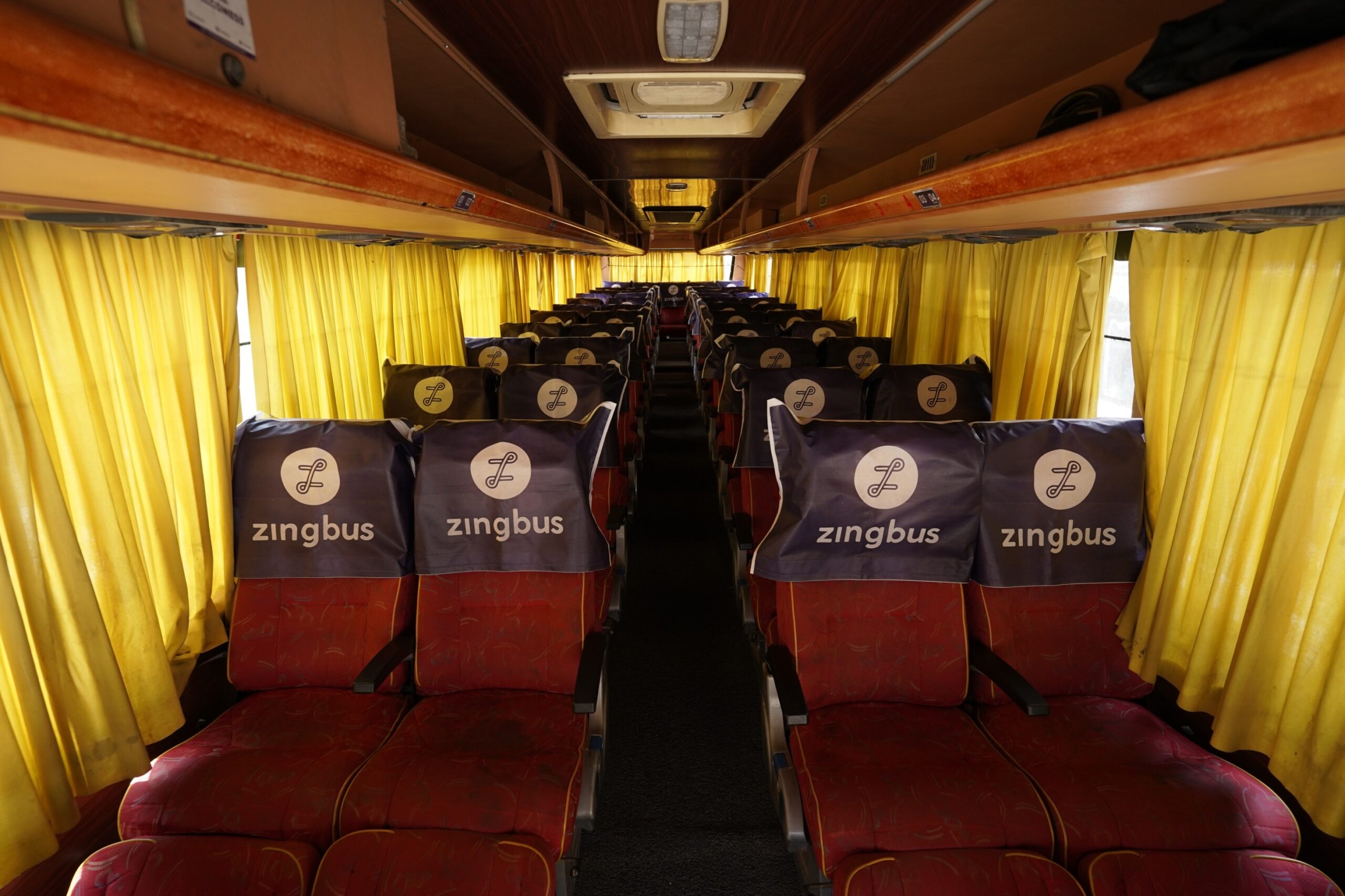
An AC seater bus gives you an upright or reclining seat, similar to what you’d find on a flight, arranged in a 2×2 layout across the aisle. It’s built for sitting through the journey, with varying degrees of recline depending on whether it’s a standard seater or an AC semi-sleeper with added footrests and deeper recline.
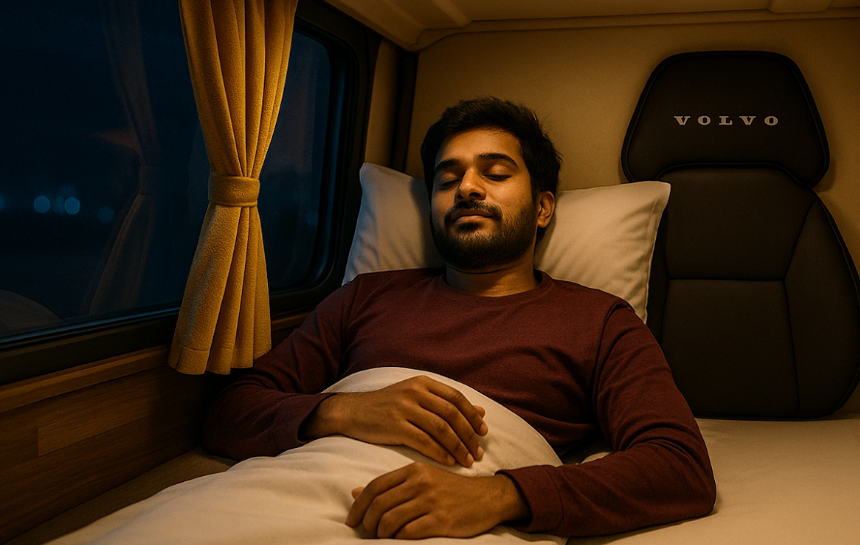
A sleeper bus replaces seats with actual berths, arranged in a 2+1 layout, double berths on one side of the aisle and single berths on the other. You lie down for the entire journey rather than sit, which makes a real difference once a trip crosses six to seven hours.
| Factor | AC Seater | Sleeper Bus |
| Seating Layout | 2×2 reclining seats | 2+1 berths, upper and lower |
| Best Journey Length | Under 5 to 6 hours | Above 6 to 8 hours, especially overnight |
| Sleep Quality | Limited, partial recline only | Full lie-down rest |
| Privacy | Low, open seating | Higher, especially single upper berths |
| Suitability for Height | Better for taller travellers | Can feel tight above 5’10” |
| Typical Price | Generally lower | Generally higher for the same route |
Note: Layouts and pricing vary by operator and bus model.
When an AC Seater Makes More Sense
For journeys under five to six hours, an AC seater is usually the more practical choice. You’re not losing meaningful sleep time either way, and the seat’s recline is often enough to stay comfortable without paying the premium that sleeper berths usually carry.
Daytime and Short Routes
Daytime travel naturally suits a seater bus better, since you’re awake and likely want to look outside, work on your phone, or simply sit upright rather than lie down.
Business travellers moving between nearby cities for same-day meetings also tend to prefer seaters, since the upright posture works better for staying alert before arrival.
Taller Travellers
Sleeper berths are generally built to a standard length that can feel tight for travellers above 5 ’10”, particularly in upper berths where headroom is more limited.
An AC seater with a good recline angle often ends up more comfortable than a cramped sleeper berth for taller passengers, even on longer routes.
When a Sleeper Bus Is the Better Choice
Once a journey stretches past seven or eight hours, especially overnight, a sleeper bus generally wins on comfort. The ability to lie flat changes how rested you feel on arrival, which matters more the longer the trip runs.
Overnight and Long-Distance Routes
Routes like Delhi to Manali or Mumbai to Goa are built around the idea of sleeping through the journey and arriving the next morning ready for the day.
A sleeper berth makes that genuinely possible in a way a reclining seat can’t fully replicate, since even the best recline still keeps your spine in a seated position through the night.
Solo Travellers Wanting Privacy
Single upper berths on a sleeper bus offer a level of personal space that seater buses simply don’t have.
If privacy during the journey matters to you, particularly for solo travel, this is one of the clearer advantages sleeper buses hold over any seater configuration.
Understanding the 2+1 Sleeper Layout
A common point of confusion when booking is what the 2+1 layout actually means. In a sleeper bus, two berths sit together on one side of the aisle, usually stacked as upper and lower, while a single berth sits alone on the other side. This gives solo travellers, particularly women travelling alone, the option of a private single berth without sharing the adjacent space with a stranger.
AC seater sleeper 2+1 buses follow a similar logic but apply it to seating rather than full berths, with two reclining seats on one side and a single reclining seat on the other. This hybrid configuration has become common on mid-range operators who want to offer some of the privacy benefits of a sleeper layout without the higher cost of full berths.
How Many People Can Travel in an AC Sleeper Bus
A standard 12-metre AC sleeper bus typically carries around 30 berths in the 2+1 layout, while longer 13.5-metre buses can hold closer to 36.
Premium services with a reduced-capacity layout, designed purely for comfort over volume, carry significantly fewer passengers, sometimes under 15, in exchange for noticeably more space per berth.
Is a Sleeper Bus Risky
This question comes up often, and the honest answer depends far more on the operator than on sleeper buses as a category. The structural design of stacked berths means an accident at higher speed carries different risks compared to a seated configuration, which is a fair concern.
That said, quality operators address this directly through GPS tracking, verified driver checks, two-driver rotation on routes exceeding six hours, and properly maintained vehicles with regular fitness checks.
The risk profile of a sleeper bus comes down almost entirely to whether the operator follows these standards consistently, rather than the sleeper format itself being inherently unsafe.
Terrain Matters as Much as Duration
A flat highway route covering eight hours feels very different from a hill route covering the same distance.
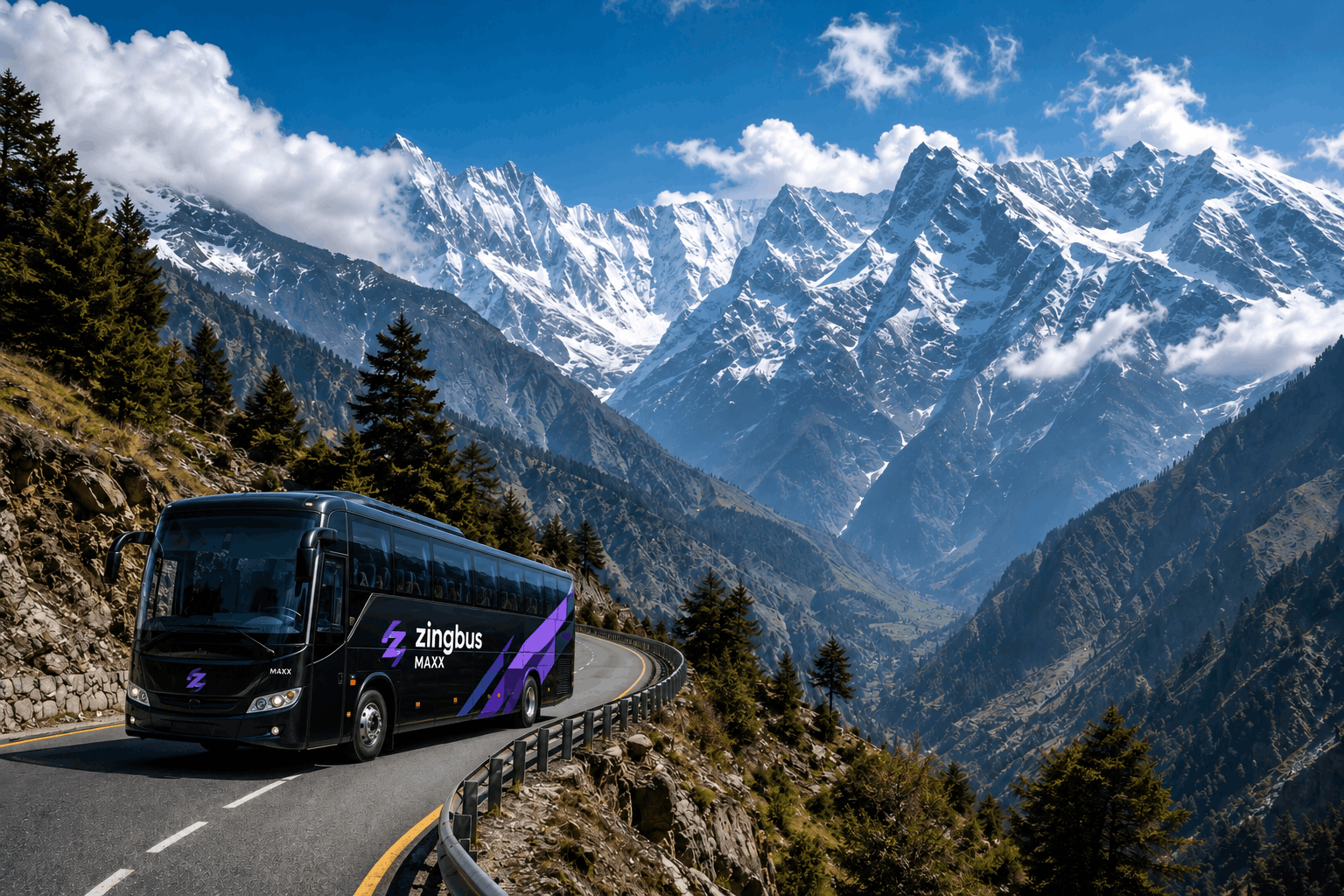
Winding mountain roads, like those on Delhi to Manali or Delhi to Dharamshala, involve constant movement that affects sleeper berths more noticeably than seater buses, since lying flat through repeated turns takes some adjustment.
For hill routes specifically, a lower berth in the middle section of the bus tends to handle the curves better than an upper berth, where sway is felt more strongly. If you’ve already decided on a sleeper bus for a mountain route, picking the right berth position becomes the next important decision.
A Simple Way to Decide
- Under 5 to 6 hours, daytime: AC seater is usually the better fit, especially for short business or day trips.
- Over 7 to 8 hours, overnight: Sleeper bus generally wins on rest quality and arrival freshness.
- Travelling solo and wanting privacy: A single upper berth on a sleeper bus offers the most personal space.
- Taller than 5’10”: Consider an AC seater with strong recline, or check berth dimensions carefully before booking a sleeper.
- Hill or winding routes: Lower berth on a sleeper bus, or a semi-sleeper seater if you prefer to stay upright through the curves.
Booking the Right Bus Type
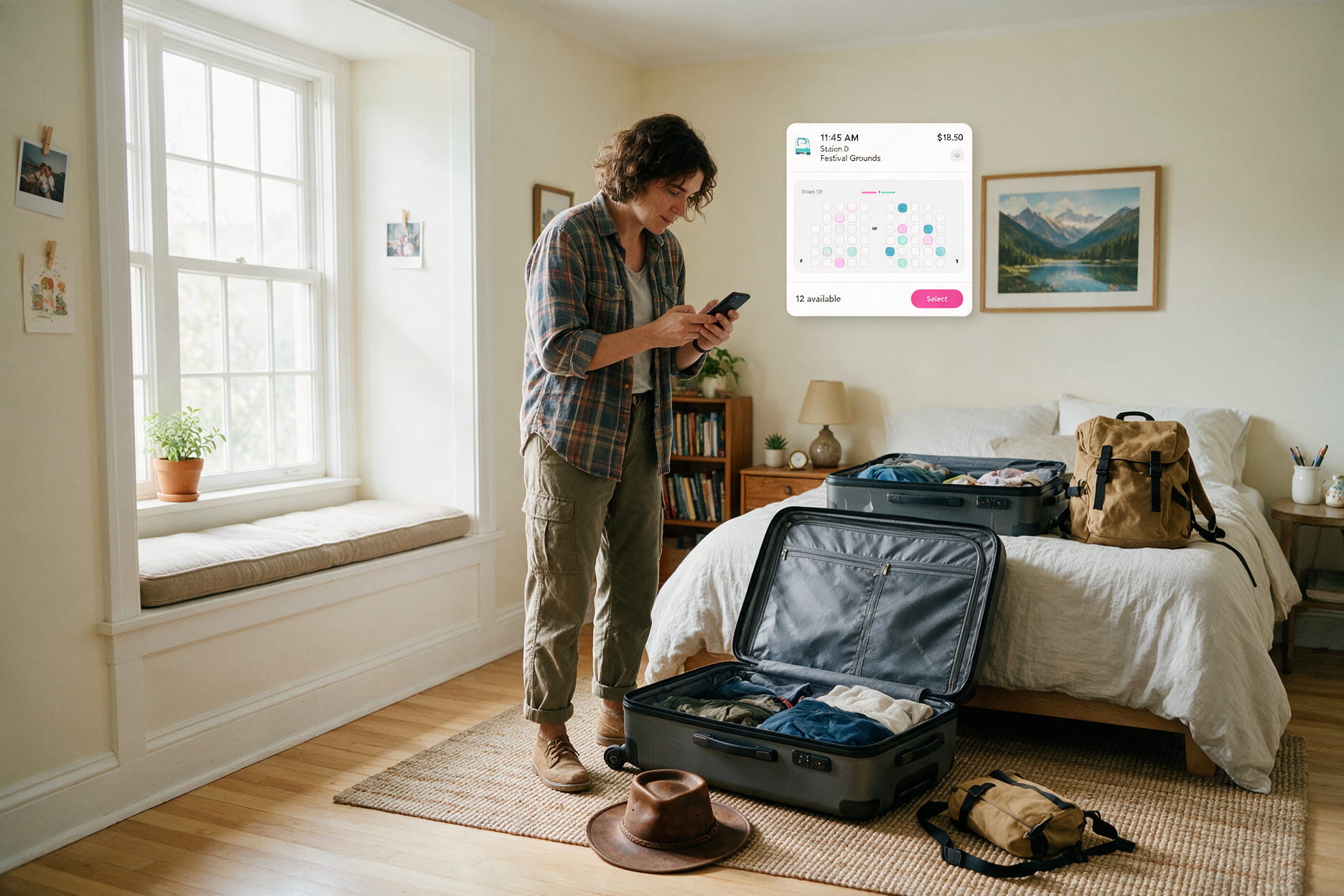
Once you’ve decided between sleeper and seater, checking the actual seat map before booking helps avoid surprises. The zingbus app shows berth and seat layouts for each bus, so you can confirm whether a specific service offers the 2+1 configuration you’re looking for before locking in your ticket.
Explore More
- Best Seat in a Bus: Front vs Back vs Middle: Once you’ve picked sleeper or seater, this guide covers exactly where to sit within that bus type for the smoothest ride.
- Overnight Sleeper Buses in India: Benefits and Booking Guide: A deeper look at sleeper bus configurations and what to expect on a full overnight journey.
- Trusted Bus Service in India: 10 Things Smart Travellers Check Before Booking: Useful if operator safety standards are part of your decision between sleeper and seater.
Choosing What Actually Fits Your Trip
There’s no single right answer in the sleeper bus vs AC seater debate, only the option that fits your specific journey.
A short daytime hop calls for a different choice than an overnight haul across two states, and your own height, travel companions, and the terrain ahead all factor into which one will actually feel comfortable.
Match the bus type to the trip rather than the other way around, and the rest of the booking becomes straightforward.
Frequently Asked Questions
Which Seat Should I Choose in a Sleeper Bus?
A lower berth in the middle section of the bus generally offers the most stability, while a single upper berth works best for travellers who prioritise privacy over easy access.
Which Seat Is Best to Sit in a Bus?
For most journeys, a middle-section seat handles bumps and turns better than the front or back, regardless of whether you’re in a seater or sleeper configuration.
Is a Sleeper Bus Risky?
Sleeper buses carry some structural differences compared to seated buses, but the actual risk depends largely on the operator’s safety standards, including driver checks, GPS tracking, and vehicle maintenance.
How Many People Can Sleep in an AC Sleeper Bus?
A standard 12-metre AC sleeper bus typically holds around 30 berths, while longer 13.5-metre buses can accommodate up to 36 in a 2+1 layout.
What Does AC Seater Sleeper 2+1 Mean in a Bus?
A 2+1 layout means two seats or berths sit on one side of the aisle and a single seat or berth sits alone on the other, giving solo travellers a more private option.
Which Seat Is Best in a Sleeper Bus, Upper or Lower?
Lower berths feel more stable and are easier to access, while upper berths offer more privacy and less noise from people moving through the aisle.
Is a Sleeper Bus or AC Seater Better for Long Travel?
For journeys over seven to eight hours, especially overnight, a sleeper bus generally offers better rest. For shorter daytime trips, an AC seater is usually sufficient.
Are Sleeper Buses Comfortable for Tall Travellers?
Sleeper berths can feel tight for travellers above 5 ’10”, particularly in upper berths, making a well-reclining AC seater a more comfortable option in some cases.
Do Sleeper Buses Work Well on Hill Routes?
Lower berths in the middle section handle winding hill routes better than upper berths, which feel more sway during sharp turns.
Is It Worth Paying More for a Sleeper Bus Over a Seater?
For overnight or long-distance journeys, the higher price is generally worth it for the improved rest quality, though shorter daytime trips rarely need the upgrade.