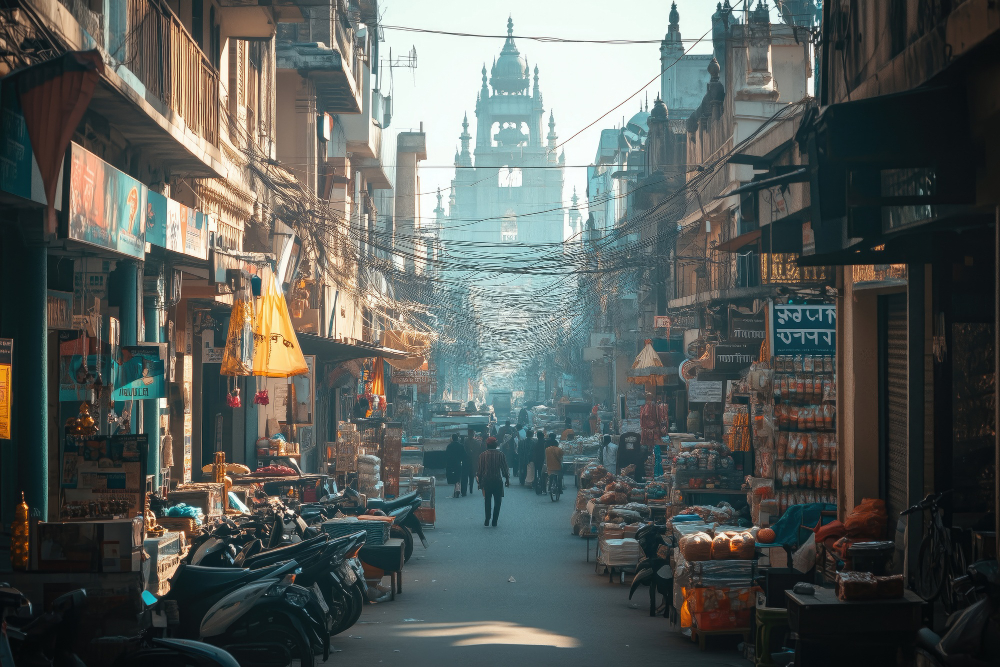
Some markets are organised. Chandni Chowk is not one of them.
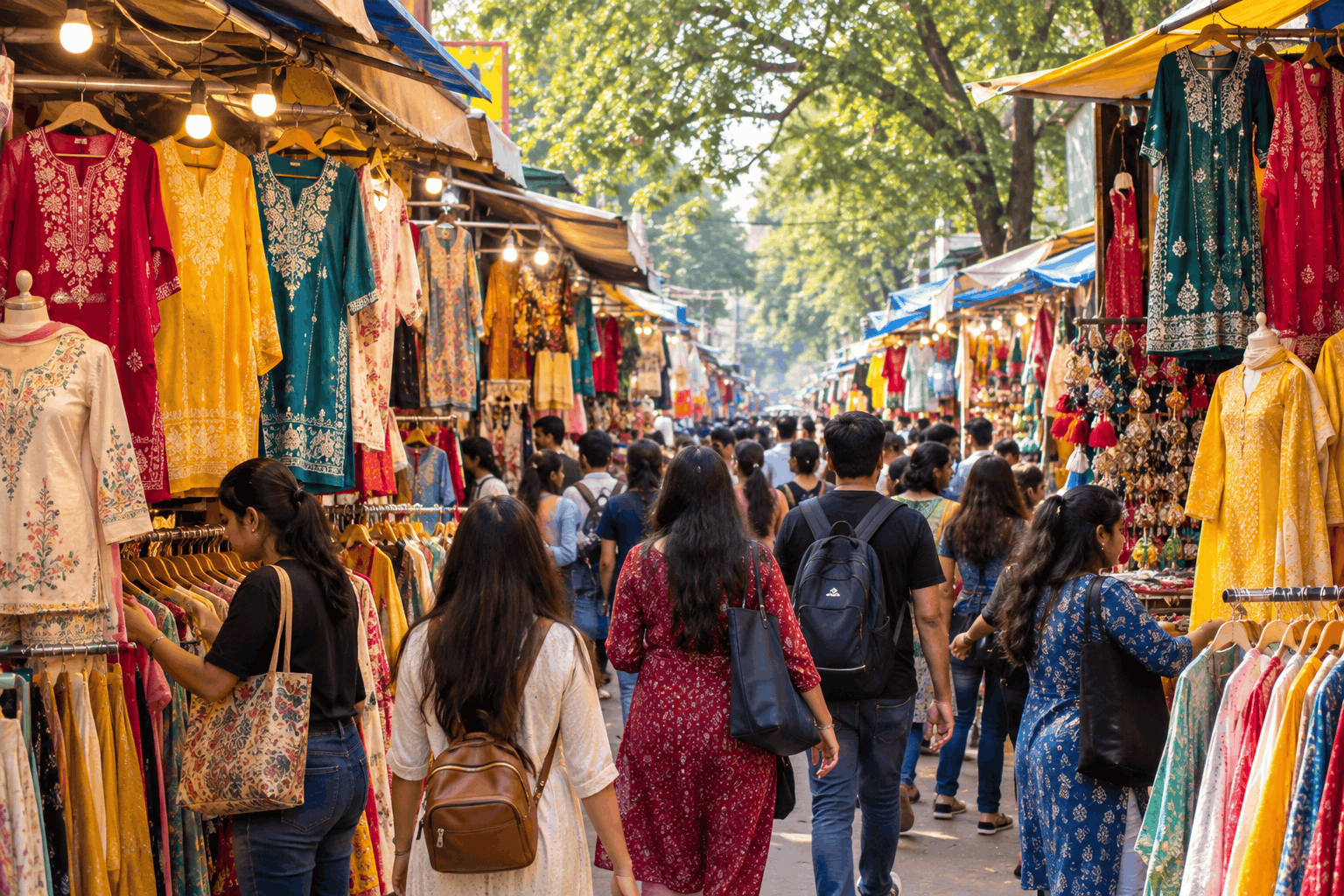
It is loud, narrow, ancient, and stitched together from a dozen smaller bazaars that all spill into each other. You enter through a metro gate and a minute later you are surrounded by zari trims, sacks of spices, brass utensils, shouting rickshaw pullers, the smell of frying jalebi, and a wedding party trying to push past you with three suitcases of fabric. This is what 400 years of continuous trade looks like in one street.
But behind the chaos, the place works on a clear logic. Every lane has a job. Kinari Bazaar handles wedding trims. Dariba Kalan does silver. Khari Baoli sells more spice than anywhere else in Asia. Nai Sarak runs on books. Bhagirath Palace controls electronics and lighting. Once you know which lane sells what, the maze starts to make sense.
This guide covers the practical details before your visit. Chandni chowk market timings, the closed day, the nearest metro, what to buy from each lane, where to eat, and how to plan a day without losing your phone, your patience, or your way out.
Chandni Chowk Market Delhi: Timings and Closed Day
The market opens around 10:00 AM and most shops shut by 8:00 PM. Some food joints and the busier lanes stay active until 9:00 PM, especially during festival weeks.
The main market is closed on Sundays. Most shops in Kinari Bazaar, Dariba Kalan, Bhagirath Palace, and Nai Sarak are shut. A small number of individual shops also take their weekly off on Monday, but the majority of the market is open Monday to Saturday.
| Detail | Info |
| Opening time | 10:00 AM |
| Closing time | 8:00 PM (some lanes till 9:00 PM) |
| Closed day | Sunday (main market). A few shops also closed Monday. |
| Nearest metro | Chandni Chowk Metro Station (Yellow Line) |
| Best time to visit | Tuesday to Friday, 11:00 AM to 2:00 PM |
| Entry | Free |
| Payment | UPI accepted at most shops. Carry cash for the oldest stalls. |
For the calmest experience, go on a weekday morning. Weekend evenings and the days leading up to Diwali, Eid, or wedding season are the worst for crowd density. The lanes become almost impossible to walk through after 4 PM on Saturdays.
How to Reach Chandni Chowk
The market is small in area but the surrounding traffic is brutal. The metro is the only sensible way to reach it.
By Metro
The Chandni Chowk Metro Station (Yellow Line) is the closest stop and drops you right at the edge of the market. Exit toward the Old Delhi Railway Station side. Within 2 minutes of walking out, you are inside the bazaar.
The Yellow Line connects Chandni Chowk to HUDA City Centre, Rajiv Chowk, New Delhi station, and Samaypur Badli. From any part of the city, you can reach it in under 45 minutes by metro.
By Auto, Cab or Rickshaw
App-based cabs and autos work for the drop-off but the lanes are too narrow for vehicles to enter. The driver will leave you at the Lal Quila or Fatehpuri Mosque end of the market. Walking or taking a cycle rickshaw inside is the only option.
E-rickshaws now operate within parts of Chandni Chowk after the recent pedestrianisation work. A short ride within the market costs Rs 20 to Rs 50.
For Travellers Arriving in Delhi from Other Cities
If you are coming into Delhi from another city to visit Chandni Chowk, the Delhi to Jaipur by Bus, Delhi to Chandigarh by Bus, or Delhi to Manali by Bus corridors all serve travellers arriving at Kashmeri Gate ISBT. From Kashmeri Gate, the Yellow Line metro to Chandni Chowk is just 2 stops. You can be inside the market within 15 minutes of arriving in Delhi.
The Lanes of Chandni Chowk: What to Buy Where
Chandni Chowk is not a single market. It is roughly six sub-markets stitched together. Each lane specialises in something specific. Knowing the layout saves hours.
Kinari Bazaar
The wedding trim lane. Gota, zari, lace, sequins, beadwork, embroidered borders, dupatta edgings, and bridal accessories. If you are getting married or shopping for someone who is, this is where every wedding stylist in Delhi NCR comes for the trims and trinkets.
Prices start at Rs 50 per metre for basic gota. Bridal sets run into thousands. Bargaining works on bulk purchases but is harder on single-piece items.
Dariba Kalan
The silver and jewellery lane. Silver jewellery, antique pieces, oxidised sets, and traditional Indian designs. The lane has been a jewellery hub since the Mughal era and several family-run shops here are over 100 years old.
If you are buying silver, ask for the BIS hallmark. Prices are based on weight plus making charges. Bargaining on making charges is acceptable. Bargaining on silver weight is not.
Khari Baoli
Asia’s largest wholesale spice market. Sacks of chilli, cardamom, turmeric, cumin, dried fruits, nuts, and herbs line both sides of the road. The colours and the smell hit you before you even enter the lane. Bring a handkerchief or mask if you are sensitive to spice dust.
This is where Delhi’s restaurants, hotels, and home cooks come for bulk spices. Retail purchases are welcomed but you may need to walk further into the lane for smaller quantities at fair prices.
Nai Sarak
The book and stationery lane. Textbooks, novels, second-hand books, exam guides, art supplies, office stationery, and wholesale paper. The lane especially comes alive before the start of school sessions in April and June.
Most shops offer a flat 10 to 30% discount on books. Some second-hand bookshops sell English literature, school sets, and reference books for less than half the original price.
Bhagirath Palace
The electronics and lighting hub. Decorative lights, fairy lights, electrical fittings, medical equipment, surgical supplies, and small electronics. Especially busy during Diwali season when Delhi households shop here for festive lighting.
Prices are wholesale-tilted, so a bulk purchase saves more than retail buying. For a single lighting setup for one home, the savings are still worth the visit.
Chawri Bazaar
Hardware, paper goods, and brass items. Less famous than the other lanes but useful for specific shopping. Brass utensils, copper kitchenware, and traditional Indian cookware can be found here at significantly better prices than mainstream retail.
Other Lanes Worth Knowing
- Katra Neel: Fabric and saree wholesale lane
- Ballimaran: Sunglasses, shoes, and the historic Mirza Ghalib Haveli
- Moti Bazaar: Shawls, pearls, and woollen wear
- Kucha Choudhary: Cameras and camera accessories
- Tilak Bazaar: Chemicals and pharmaceutical supplies
The Food: Where to Eat in Chandni Chowk
The market is as famous for its food as for its shopping. Most of these spots have been operating for over a century.
Paranthe Wali Gali
The most famous food lane in Old Delhi. Three to four shops here have been serving stuffed parathas since the 1870s. Pandit Gaya Prasad Shiv Charan is the most famous one, founded in 1872. Choose from over 20 fillings including aloo, paneer, gobhi, methi, dal, and even rabri.
A meal of 2 parathas with sides costs Rs 150 to Rs 250.
Old Famous Jalebi Wala
Located at the corner of Dariba Kalan, this 100-year-old shop makes jalebis in pure desi ghee. Hot, crisp, sweet, and considered some of the best in India. Rs 100 to Rs 200 buys a generous serving.
Natraj Dahi Bhalla
A small counter near the Town Hall, selling dahi bhalla and aloo tikki since 1947. The dahi bhalla here is creamy, sweet, and topped with imli chutney. Rs 80 to Rs 120 per plate. Plan to stand because there is no seating.
Karim’s
The legendary Mughlai restaurant near Jama Masjid (a 10 minute walk from Chandni Chowk). Mutton korma, chicken jahangiri, mutton burra, and seekh kebabs. Rs 300 to Rs 700 per person for a full meal.
Daulat Ki Chaat
A winter-only specialty. From November to February, small carts in the market sell this delicate, frothy milk-based sweet, dusted with saffron and pistachio. Rs 50 to Rs 100 per serving. If you are visiting in winter, do not skip it.
Kuremal Mohan Lal Kulfiwale
Located near Sitaram Bazaar, this 100-year-old kulfi shop makes fruit-stuffed kulfis in flavours you won’t find elsewhere: jamun, paan, mango, anaar, and more. Rs 60 to Rs 150 per kulfi.
Bargaining and Payment Tips
The market runs on bargaining but it is not chaotic. There are rules.
- Textiles, trims, and accessories (Kinari Bazaar, Katra Neel, Ballimaran): The opening ask can usually be brought down 30 to 50%. Start at 50% of the quoted price and settle around 60 to 70%.
- Jewellery and silver (Dariba Kalan): Bargain on making charges, not on weight. The metal price is fixed by the daily market rate.
- Spices (Khari Baoli): Less room to bargain. Prices are already wholesale. Buy in larger quantities for better unit prices.
- Books (Nai Sarak): Discounts are mostly fixed. Most shops offer 10 to 30%. Second-hand books are negotiable.
- Electronics and lighting (Bhagirath Palace): Bargain on bulk purchases. Single-piece prices are closer to fixed.
Payment: UPI is now accepted at most shops across all lanes. Cash is still preferred at the oldest shops, especially in Khari Baoli and Dariba Kalan. Carry Rs 1,500 to Rs 2,000 in smaller notes. Card payment is rare.
A Half Day Plan for First-Time Visitors
If you are visiting Chandni Chowk for the first time and want to cover the highlights without getting overwhelmed, this rough plan works for a 4 to 5 hour trip.
| Time | Where | What to Do |
| 10:30 AM | Chandni Chowk Metro Exit | Start at the metro gate, walk into the main street |
| 10:45 AM | Paranthe Wali Gali | Breakfast: 2 parathas with sides |
| 11:30 AM | Kinari Bazaar | Browse wedding trims and embroidery |
| 12:30 PM | Dariba Kalan | Silver shopping and jewellery |
| 1:30 PM | Old Famous Jalebi Wala | Dessert break: hot jalebi |
| 2:00 PM | Khari Baoli | Spice market walk |
| 3:00 PM | Natraj Dahi Bhalla | Lunch: dahi bhalla and aloo tikki |
| 3:30 PM | Karim’s near Jama Masjid | Optional Mughlai meal if still hungry |
| 4:30 PM | Exit via Lal Quila side | End the day with a Red Fort view |
This plan covers food, fabric, jewellery, and spices in one trip. Add Nai Sarak or Bhagirath Palace only if you have a specific purchase planned.
Tips Before You Visit Chandni Chowk
A few practical reminders that make the trip easier.
- Wear comfortable flat shoes. The lanes have uneven stone surfaces and you will walk more than you expect.
- Carry a cross-body bag, not a backpack. The lanes are narrow and a backpack will get bumped constantly. Cross-body keeps your hands free and valuables visible.
- Visit on Tuesday, Wednesday, or Thursday between 11 AM and 2 PM. Weekend afternoons are unmanageable.
- Keep cash in small notes (Rs 1,500 to Rs 2,000) for the oldest shops. UPI works at most places now.
- Avoid the monsoon. Open lanes flood quickly after sharp showers, especially in July and August.
- Eat hot, fresh food only. Skip anything sitting in open containers, especially in summer.
- Set a meeting point if you are in a group. Phone networks get patchy in the deeper lanes and finding each other again becomes difficult.
- Pack light. Less to carry, less to lose, less to worry about.
Why This Old Market Still Works in 2026
Chandni Chowk has survived Mughal emperors, British rule, Partition, satellite malls, online shopping, and a complete redevelopment of the main street that wrapped up only a few years ago. It is still here. Still busy. Still profitable. And still selling the same things it has always sold, to the same people who keep coming back generation after generation.
There is a reason for that. Malls give you everything in one place but nothing with a story behind it. Chandni Chowk gives you the opposite. A spice from a shop that has been in the same family for 150 years. A silver bangle from a Mughal-era jeweller’s lane. A paratha from a counter that has not changed its recipe since the 1870s. The market is not chaos. It is continuity, layered on top of itself for four centuries.
Take the Yellow Line. Exit at Chandni Chowk. Walk into the noise. And let Old Delhi do what it has been doing since 1650. Sell you something you did not know you needed, at a price you have to earn, in a lane that smells like ten different things at once.