


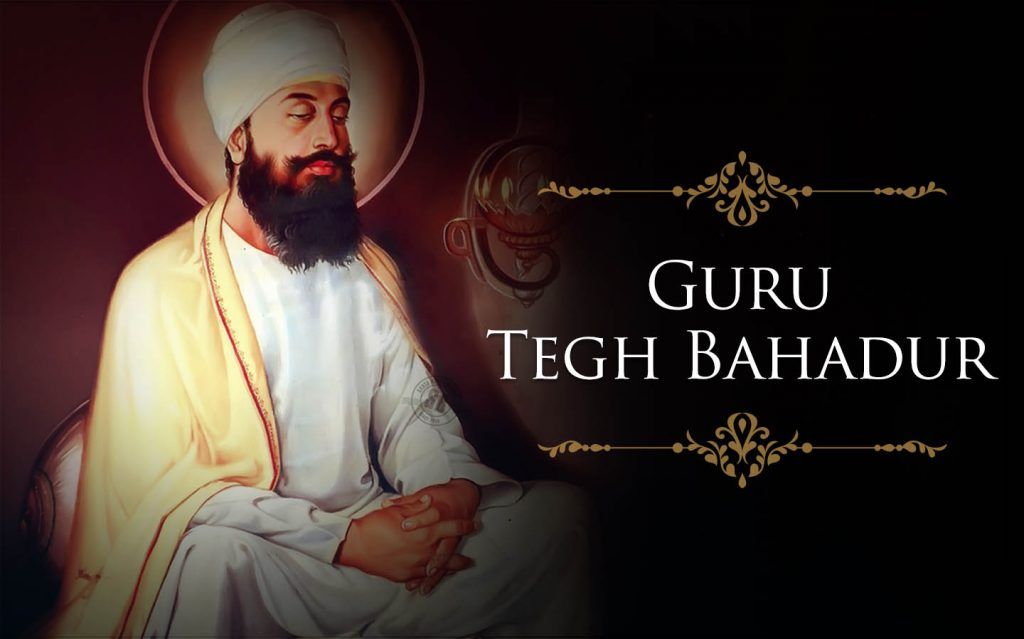
On his 350th martyrdom day, Guru Tegh Bahadur Ji is remembered across India as Hind Di Chadar, the shield of India, who gave his life to defend freedom of conscience. Guru Tegh Bahadur Ji, the ninth Sikh Guru, chose execution in Delhi rather than accept forced religious conversion, and his stand still shapes how people understand human rights and religious freedom today.
In 2025, governments in Delhi and several states have announced public programmes and holidays on or around 25 November to mark the 350th Shaheedi Diwas of Guru Tegh Bahadur Ji. As a result, many devotees are planning yatras to Delhi, from Delhi and through Delhi, connecting historic gurdwaras linked with the life and martyrdom of Guru Tegh BahadurJi. For many, these journeys will happen by intercity bus, connecting Delhi with Amritsar, Chandigarh, Ambala, Agra and beyond.
Guru Tegh Bahadur Ji: Life And Legacy
Guru Tegh Bahadur Ji was born in 1621 in Amritsar as Tyag Mal, the youngest son of Guru Hargobind and Mata Nanaki. From childhood he was trained in Sikh teachings, Indian scriptures and martial arts, and he later earned the name Guru Tegh Bahadur, brave sword, for his courage in battle.
Before his martyrdom, Guru Tegh Bahadur Ji
- Lived a deeply meditative life, with a strong emphasis on kirtan and inner discipline.
- Travelled widely across North and East India, spreading the teachings of the Sikh Gurus on oneness of God, equality and honest living.
- Composed hymns that are now part of the Guru Granth Sahib, focusing on fearlessness, non attachment and dignity in the face of suffering.
- Founded Anandpur Sahib, which later became the centre of the Khalsa under Guru Gobind Singh.
Because of this, Guru Tegh Bahadur Ji is remembered not only as a martyr, but also as a spiritual scholar, poet and city builder. The 350th anniversary gives devotees a chance to revisit all these aspects of his life, not just the moment of his death.
Martyrdom Of Guru Tegh Bahadur Ji And Shaheedi Diwas
Guru Tegh Bahadur Ji’s martyrdom took place during the reign of Mughal emperor Aurangzeb, at a time when some communities reported pressure to convert and restrictions on their religious practices. Historical and Sikh sources describe how a delegation of Kashmiri Pandits came to Guru Tegh Bahadur Ji at Anandpur Sahib, asking for help against religious persecution.

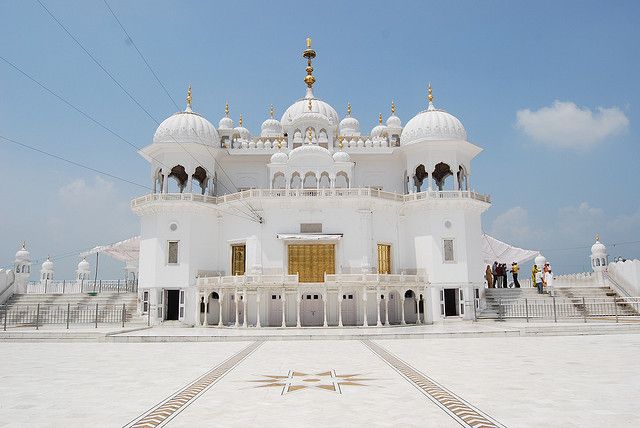
Guru Tegh Bahadur Ji decided that a clear and public stand was needed. He left Anandpur Sahib for Delhi, knowing that the decision could cost him his life. After his arrest, he was imprisoned, pressured to convert and forced to witness the brutal executions of his devoted companions Bhai Mati Das, Bhai Sati Das and Bhai Dayal Das. Still, Guru Tegh Bahadur Ji refused to abandon his principles.
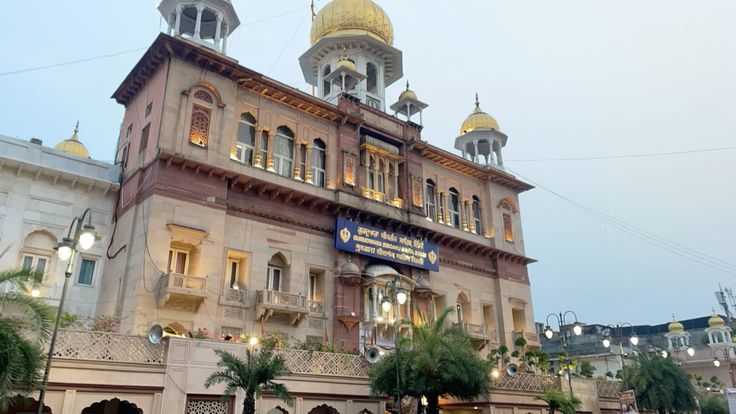
On 11 November 1675, Guru Tegh Bahadur Ji was publicly beheaded in Chandni Chowk in Delhi. The site where he was executed is now marked by Gurdwara Sis Ganj Sahib. Bhai Lakhi Shah Vanjara is believed to have taken the body and secretly cremated it at his home, which is remembered in Gurdwara Rakab Ganj Sahib. The severed head of Guru Tegh Bahadur Ji was carried from Delhi to Anandpur Sahib by Bhai Jaita, later Bhai Jivan Singh, who travelled by little used routes to avoid capture.
Every year his martyrdom is commemorated as Guru Tegh Bahadur Ji Shaheedi Diwas on 24 or 25 November, and in 2025 the 350th martyrdom day is being marked with major events in Delhi and Punjab, including kirtan darbars, light and sound shows and large gatherings at Anandpur Sahib.

Sacred Places Linked To Guru Tegh Bahadur
Devotees planning a yatra to honour Guru Tegh Bahadur Ji can focus on these key gurdwaras that preserve his memory and the story of his last days.
| City | Gurdwara | Connection To Guru Tegh Bahadur |
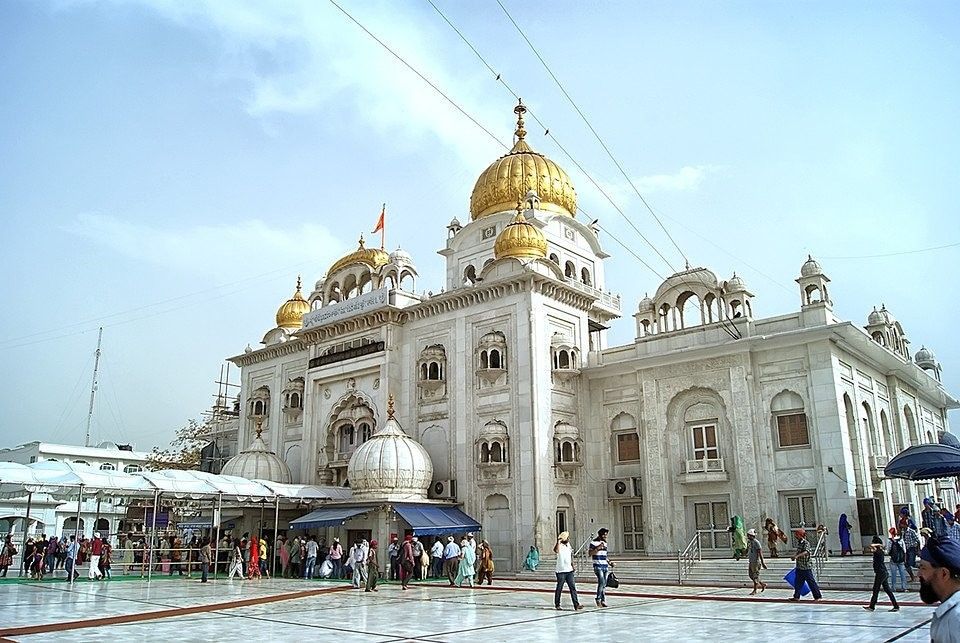
| Delhi | Gurdwara Sis Ganj Sahib, Chandni Chowk | Site of the beheading of Guru Tegh Bahadur Ji in 1675, and a central place for Shaheedi Diwas programmes. |
| Delhi | Gurdwara Rakab Ganj Sahib | The site where Bhai Lakhi Shah Vanjara is believed to have cremated the body of Guru Tegh Bahadur Ji by setting his own house on fire. |
| Anandpur Sahib (Punjab) | Gurdwara Sri Sis Ganj Sahib and related shrines | The town was founded by Guru Tegh Bahadur Ji, where the severed head that Bhai Jaita carried from Delhi was received and given final rites. |
| Near Zirakpur (Punjab) | Gurdwara Nabha Sahib | Associated with halts on Bhai Jaita’s journey while carrying the head of Guru Tegh Bahadur Ji from Delhi towards Anandpur Sahib. |
| Agra (Uttar Pradesh) | Gurdwara Guru Ka Taal | Historical Sikh pilgrimage site near Sikandra, where Guru Tegh Bahadur Ji is believed to have offered himself for arrest. |
For the 350th martyrdom day, many yatras will connect these places using Delhi as a hub, travelling both to Delhi and from Delhi across a few days.

Pilgrimage Routes To And From Delhi
Because Delhi holds two of the most important gurdwaras related to the martyrdom of Guru Tegh Bahadur Ji, it is common to start or end a yatra in the capital. Intercity buses allow devotees to link Delhi with major Sikh centres in Punjab and Uttar Pradesh in a comfortable and affordable way.
Here are some important routes that help connect the story of Guru Tegh Bahadur Ji across regions, along with booking links where zingbus operates services on those sectors.
| Route | Purpose For Pilgrims | Booking Link |
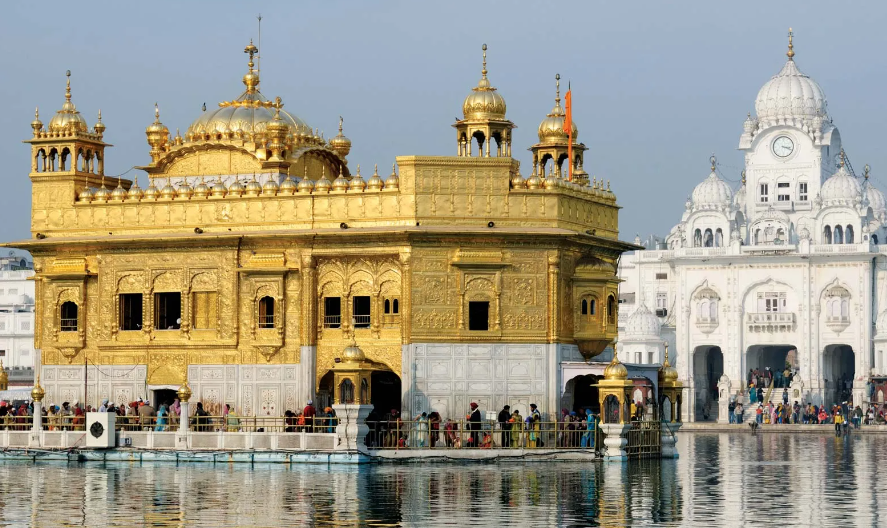
| Delhi to Amritsar and Amritsar to Delhi | Connects Delhi gurdwaras related to Guru Tegh Bahadur Ji with Sri Harmandir Sahib and other historic shrines in Amritsar. Good for a combined Sis Ganj Sahib and Golden Temple yatra. | Delhi to Amritsar |
| Delhi to Chandigarh and Chandigarh to Delhi | Chandigarh and Zirakpur act as gateways to Anandpur Sahib and Nabha Sahib, central locations in the journey of Guru Tegh Bahadur Ji’s head from Delhi. | Delhi to Chandigarh |
| Delhi to Ambala and Ambala to Delhi | Ambala lies on important travel corridors between Delhi and Punjab. It is a convenient base to reach several gurdwaras that recall the routes linked with the Guru. | Delhi to Ambala |
| Delhi to Agra and Agra to Delhi | Connects Delhi gurdwaras with Gurdwara Guru Ka Taal in Agra, another key site in the story of Guru Tegh Bahadur Ji. Suitable for a short, focused one day trip. | Delhi to Agra |
When planning your own itinerary, it is useful to think in loops that start from Delhi, visit one or two cities such as Amritsar or Chandigarh, and then return to Delhi in time for local Shaheedi Diwas programmes at Gurdwara Sis Ganj Sahib and Gurdwara Rakab Ganj Sahib.

How To Book Intercity Buses For Guru Tegh Bahadur Ji Shaheedi Diwas
Using The zingbus Website
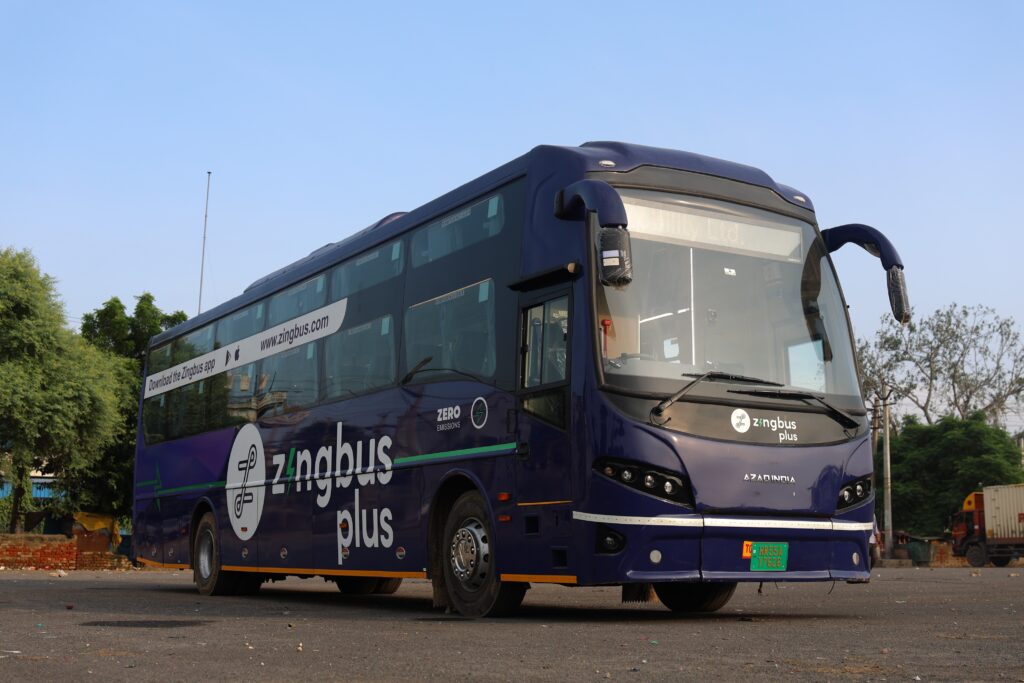
For many pilgrims, the simplest way to plan travel to and from Delhi is through the zingbus.com website. The steps are straightforward:
- Open the homepage and enter your origin and destination, for example Delhi and Amritsar, or Amritsar and Delhi if you are returning.
- Select your travel dates around the 350th martyrdom day of Guru Tegh Bahadur Ji, keeping some buffer in case you want to stay longer at a shrine.
- Compare the available buses by timing, boarding point, drop point, ratings and amenities such as AC, sleeper berths or washroom equipped coaches.
- Pick your preferred service, choose seats for yourself and your family, and pay using UPI, cards or other available options.
You can repeat the same process for routes such as Delhi to Chandigarh, Delhi to Ambala and Delhi to Agra, planning both onward and return legs so that your yatra flows smoothly.
Using The zingbus Android App
If you prefer to manage everything on your phone, the zingbus Android app makes it easy to plan and track journeys linked to Guru Tegh Bahadur Shaheedi Diwas:
- Save frequent routes such as Delhi to Amritsar or Chandigarh to Delhi, so searches are only one tap away.
- Store passenger profiles for parents, grandparents and children, which speeds up booking when you are arranging group travel.
- Use live tracking on the day of travel to see exactly where your bus is and to share your location with relatives waiting at gurdwaras.
- Receive notifications if there are timing changes, traffic delays or boarding point clarifications, which is especially useful during crowded Shaheedi Diwas periods.
Using the app means that all your tickets, invoices and route details for your Guru Tegh Bahadur Ji yatra are in one place, even if you are visiting multiple cities from Delhi and returning on different days.


Travel Tips For A Respectful And Comfortable Yatra
Planning a journey to honour Guru Tegh Bahadur Ji on his 350th martyrdom day involves both spiritual intention and practical care. These suggestions can help you combine the two.
- Match Bus Timings With Gurdwara Programmes
Try to learn the approximate timings of major kirtan, ardas and special events at Gurdwara Sis Ganj Sahib, Gurdwara Rakab Ganj Sahib, Anandpur Sahib and Amritsar. Choose departures that give you enough time for unhurried darshan instead of rushing straight from bus to programme.
- Think About Both Directions, Not Only Outbound
When you plan routes such as Delhi to Amritsar, also fix your return sector from Amritsar to Delhi so that you reach the capital in time for local Shaheedi Diwas observances linked with Guru Tegh Bahadur. The same applies for circuits involving Chandigarh, Ambala or Agra.
- Prioritise Comfort For Elders And Children
If you are travelling with senior citizens or young children, consider AC sleeper buses on overnight sectors, or day time buses for shorter hops. Choosing appropriate seats and timings can make a big difference, especially during winter, when the martyrdom day of Guru Tegh Bahadur Ji is observed.
- Pack With Both Weather And Maryada In Mind
Late November in North India can be cold, particularly at night and early morning. Carry warm layers, head coverings and comfortable footwear that is easy to remove and wear again at gurdwaras. A simple list that covers clothing, medicines and basic toiletries will keep the focus on the spiritual side of the journey.
- Use Live Tracking To Coordinate Sangat
If friends and family are travelling in different groups to Delhi and from Delhi, tracking links from the zingbus Android app help everyone meet at agreed points, such as gates near Gurdwara Sis Ganj Sahib or near hotels and dharamshalas.
- Carry The Spirit Of Guru Tegh Bahadur Ji Into Your Behaviour
Remember that a yatra for Guru Tegh Bahadur Ji is not only about reaching holy places. Patience in crowds, fairness in queues, care for vulnerable travellers and calm speech in stressful situations all mirror the values that Guru Tegh Bahadur Ji lived and died for. In this sense, how you travel to and from Delhi is part of the tribute.
Closing Reflection
The 350th martyrdom day of Guru Tegh Bahadur Ji is a moment to remember a Guru who combined deep meditation, poetic insight and fearless resistance to injustice. From Delhi’s Gurdwara Sis Ganj Sahib and Gurdwara Rakab Ganj Sahib to Anandpur Sahib, Nabha Sahib and Guru Ka Taal in Agra, each place connected with Guru Tegh Bahadur tells part of the story of a man who chose death rather than abandon the defence of others. Intercity bus routes linking Delhi with Amritsar, Chandigarh, Ambala and Agra make it possible for modern devotees to retrace these paths with relative ease.


With thoughtful planning and a spirit that reflects the courage of Guru Tegh Bahadur, each journey to and from Delhi in this 350th year can become more than a trip. It can become a living act of remembrance.






Leave a Reply Cancel reply