


Your phone buzzes. Again. The notification count increases. Deadlines pile up. And somewhere between scrolling and stressing, you realize something fundamental is missing. Not success. Not even happiness. But peace. The kind that doesn’t depend on external validation or weekend escapes.
Welcome to spiritual wellness travel india 2025, where ancient wisdom meets modern exhaustion, and journeys outward become pathways inward. This isn’t about escaping reality. It’s about confronting it with tools that actually work when life’s complexity threatens to overwhelm.
The spiritual wellness tourism market in India is projected to reach $59 billion by 2028, growing at rates that surprise economists but don’t shock anyone who’s actually traveled these routes. People aren’t seeking religion. They’re seeking relief. And India’s spiritual traditions, tested across millennia, offer something contemporary psychology is only beginning to understand.
Why Spiritual Wellness Became 2025’s Smartest Travel Choice
Something broke. Maybe it was pandemic isolation revealing how hollow busy-ness feels. Maybe it was endless scrolling showing everyone else’s curated joy while your own life felt increasingly fragile. Whatever the trigger, the effect is undeniable. Over 60% of domestic Indian travel now incorporates spiritual or wellness elements, according to recent industry data.
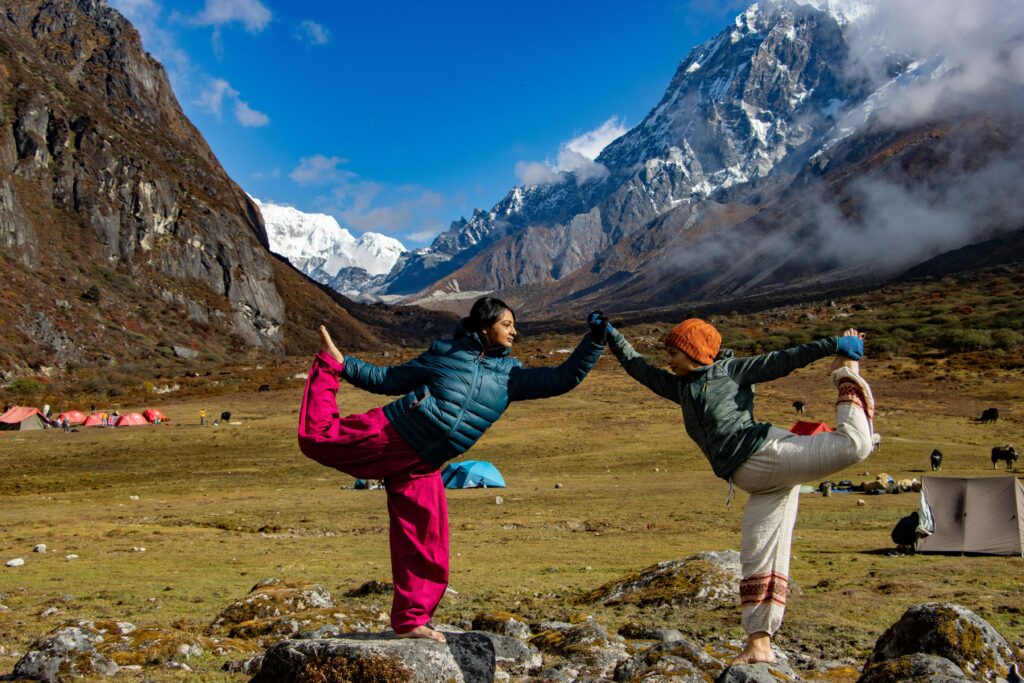
But 2025’s spiritual wellness travel differs fundamentally from traditional pilgrimage tourism. It’s not about visiting temples to fulfill obligations or collecting religious merit. It’s about learning practices that improve daily life. Meditation that actually reduces anxiety. Yoga that fixes chronic pain. And philosophies that make modern existence feel less chaotic.
The global wellness tourism market, which includes sleep tourism and restorative experiences, is projected to reach $1.3 trillion by 2025. India, with thousands of years head start in these practices, sits perfectly positioned to serve this need authentically rather than through westernized imitations.
Rishikesh: Where Ganges Flows and Stress Dissolves
The Yoga Capital’s Evolution
Rishikesh’s reputation as the “Yoga Capital of the World” is both accurate and limiting. Yes, you’ll find more yoga schools per square kilometer than anywhere else. But reducing Rishikesh to yoga misses the river’s spiritual energy, the evening Ganga Aarti that moves even skeptics, and the community of seekers creating something between tourism and pilgrimage.
The Delhi to Rishikesh bus route covers just 240 kilometers in 6-7 hours. This proximity makes Rishikesh perfect for varying stay durations. Weekend immersions. Week-long intensive courses. Month-long transformation programs. The infrastructure accommodates all approaches.
What changed in 2025 is sophistication. Gone are days when “spiritual” meant uncomfortable and “wellness” meant pseudoscience. Today’s Rishikesh offers yoga teacher training certified internationally, meditation courses backed by neuroscience research, and ayurvedic treatments combining traditional knowledge with modern safety standards.

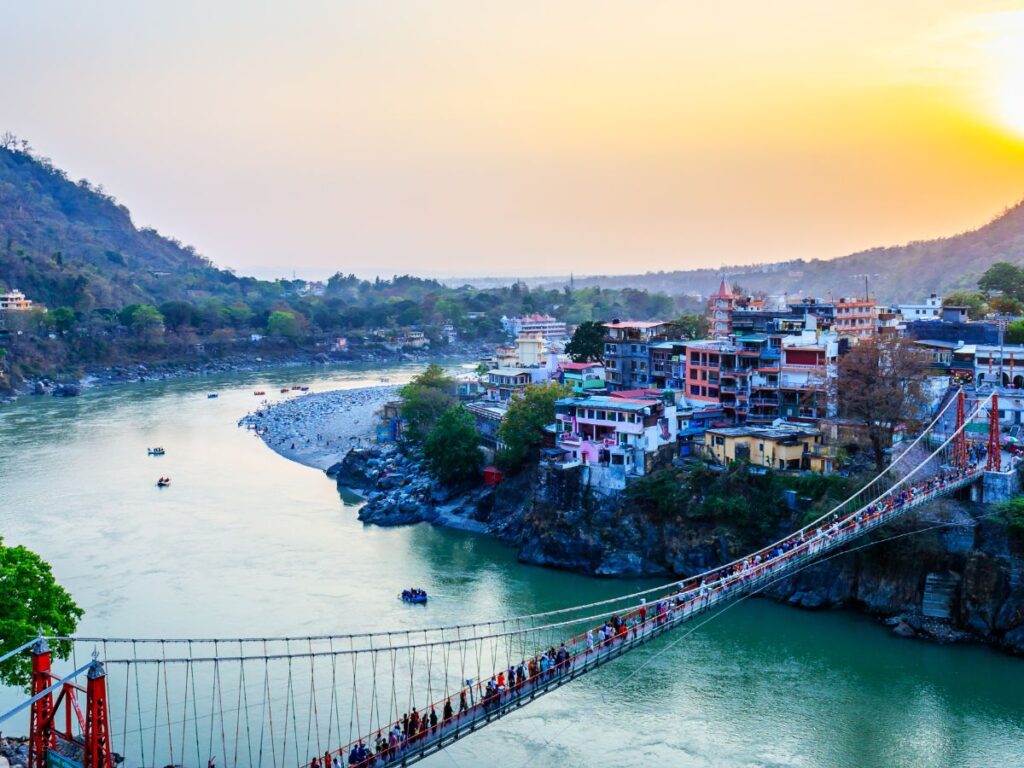
Table 1: Rishikesh Spiritual Wellness Options
| Experience Type | Duration | Cost Range | Best For |
| Yoga Drop-In Classes | Single session | ₹300-₹800 | Beginners, short stays |
| 7-Day Meditation Retreat | 1 week | ₹15,000-₹45,000 | Stress reduction |
| 200-Hour Yoga TTC | 3-4 weeks | ₹60,000-₹1,50,000 | Serious practitioners |
| Ayurvedic Panchakarma | 2-3 weeks | ₹50,000-₹2,00,000 | Deep detoxification |
Beyond Asanas: The Real Work
Morning in Rishikesh begins before sunrise. You wake without alarms, body naturally syncing to rhythms that cities override. The 6 AM yoga class on the rooftop overlooks the Ganges as mist rises from water. The practice isn’t about flexibility. It’s about breathing while uncomfortable, finding stillness within movement, and discovering that peace isn’t something you achieve but something you uncover.
Afternoons bring philosophy classes. Not abstract theories, but practical applications. How does non-attachment (vairagya) translate to modern relationships? What does yoga philosophy say about ambition and contentment’s balance? And how do ancient texts address anxiety that smartphones amplify but didn’t create?
The evening Ganga Aarti ceremony at Parmarth Niketan or Triveni Ghat creates collective spiritual experiences increasingly rare in individualistic modern life. Hundreds of people, diverse backgrounds, united in moments of devotion to a river they recognize as sacred. The synchronized lamps, the rising hymns, the river flowing past, it creates something greater than any individual’s belief system.
The Rishikesh You Don’t See on Instagram
Tapovan’s quiet cafes host conversations between spiritual seekers that would be impossible elsewhere. The German backpacker discussing Advaita Vedanta with an Indian software engineer. The American yoga teacher learning Hindi from a local shop owner. These intersections create communities temporarily but meaningfully.
Neelkanth Mahadev trek, 32 kilometers round trip, offers solitude impossible in town. The trail follows mountain paths where monkeys swing overhead and occasional sadhus materialize from forest depths like characters from old stories. The destination, an ancient Shiva temple, matters less than the journey forcing disconnection from digital noise.
The Rishikesh to Delhi route operates multiple times daily, providing flexibility for return journeys. Some people stay days. Others stay months. The buses don’t judge either choice.
Dharamshala & McLeodganj: Where Tibetan Buddhism Meets Modern Seekers
The Dalai Lama’s Refuge Becomes Everyone’s Sanctuary
When Tibet’s political situation forced the Dalai Lama into exile in 1959, Dharamshala became Tibetan Buddhism’s unlikely headquarters. Sixty-five years later, it’s evolved into something extraordinary: a place where ancient Tibetan Buddhist practices remain accessible to anyone curious enough to attend teachings, participate in debates, or simply observe how refugee communities rebuilt entire cultures from memory.
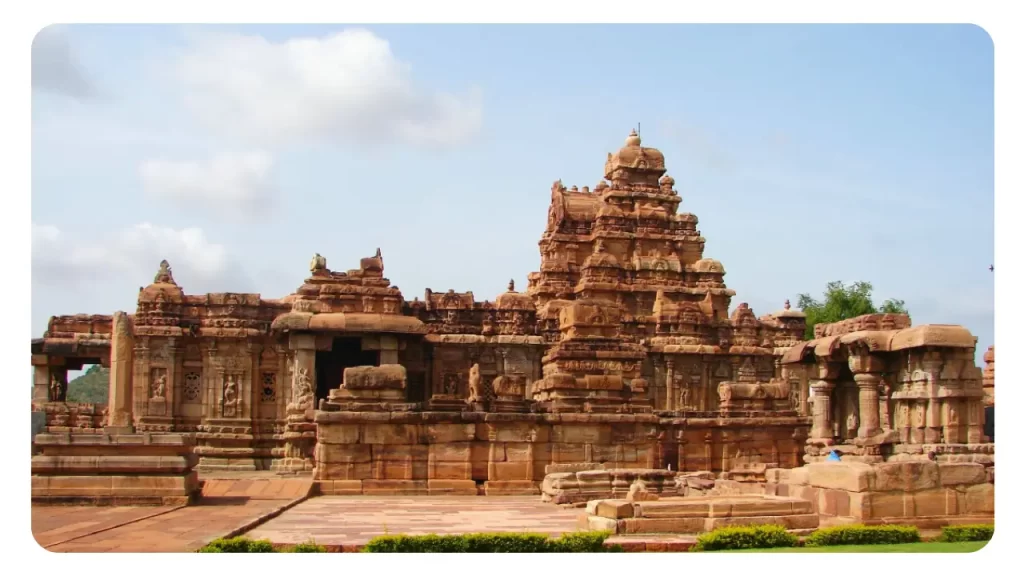
The Delhi to Dharamshala bus route covers approximately 475 kilometers through changing landscapes that prepare minds for the shift ahead. The journey from plains to mountains mirrors internal movements from chaos to clarity, making travel itself part of the spiritual practice.
Learning from Living Tradition
McLeodganj’s Tushita Meditation Centre offers 10-day residential courses in Tibetan Buddhism. The schedule is rigorous: 5 AM wake-up, hours of meditation, teachings on Buddhist philosophy, and evenings in silence. Yet hundreds eagerly join because the alternative, continuing without tools to handle modern life’s stresses, feels more difficult than any retreat schedule.
What makes Tibetan Buddhist teachings particularly relevant for 2025’s spiritual wellness travel is their emphasis on practical compassion. Loving-kindness meditation (metta) isn’t abstract philosophy. It’s a specific practice with measurable impacts on stress reduction, relationship improvement, and overall well-being.
The monasteries (Namgyal Monastery, Gyuto Monastery) welcome visitors for teachings given by senior monks, often translated into English. These aren’t performances for tourists. They’re genuine transmission of knowledge, the same teachings that sustained Tibetan culture through unimaginable hardship.
Triund Trek: Physical Challenge, Mental Clarity
The 9-kilometer trek to Triund offers Dharamshala’s clearest physical metaphor for spiritual journeys. It starts easy, becomes challenging, rewards persistence with spectacular views, and teaches that arriving matters less than how you arrived.
At 2,850 meters, camping under stars so clear they seem painted on darkness, conversations around campfires turn philosophical without anyone forcing them. The altitude, exhaustion, and absence of distractions create openness rare in sea-level lives.
Varanasi: Where Death and Life Dance Together
The Eternal City’s Eternal Lessons
Varanasi operates on different logic than other cities. Here, death isn’t hidden in hospitals. It’s public, ritualized, and strangely peaceful. Watching cremations at Manikarnika Ghat confronts mortality in ways modern life carefully avoids. The effect isn’t morbid. It’s clarifying.
The Delhi to Varanasi bus route covers 807 kilometers in 12-13 hours. The overnight journey allows processing complex emotions these experiences generate. You board in one mental state, arrive in another, and the time between provides necessary transition.

Morning Boat Rides: Life’s Greatest Philosophy Class
Sunrise boat rides on the Ganges show Varanasi’s soul. The ghats awaken with morning prayers, yogis practicing ancient asanas, pilgrims bathing in holy waters believed to wash away sins, and life continuing in patterns essentially unchanged for centuries.
What makes this spiritual wellness travel rather than tourism is the realization it prompts. In a city where people come to die, where bodies burn on riverbanks, life itself becomes meditation on what matters. Career anxieties seem smaller. Relationship dramas feel temporary. And the peace you’re seeking reveals itself not as achievement but perspective.
Smaller Spiritual Centers: Where Crowds Haven’t Discovered Yet
Khajuraho Beyond Temples
Everyone knows Khajuraho for erotic temple sculptures. Few know it hosts Satyanand Yoga Ashram, offering traditional yoga in surroundings where ancient India’s comfort with human complexity (including sexuality) becomes apparent. The teachings combine physical practice with philosophical depth, exploring how pleasure and spirituality needn’t conflict.
Bodh Gaya’s Quiet Power
Where Buddha attained enlightenment, the Mahabodhi Temple draws pilgrims worldwide. But Bodh Gaya’s real gift isn’t the temple. It’s the international monasteries (Thai, Bhutanese, Japanese) where different Buddhist traditions coexist peacefully, demonstrating that spiritual truths translate across cultures.
Haridwar’s Evening Aartis
While smaller than Varanasi, Haridwar’s Har Ki Pauri evening aarti offers similar spiritual intensity with less overwhelming crowds. The synchronized lamps, Vedic chants, and Ganges flowing powerfully create immersive experiences impossible to replicate elsewhere.
Figure 1: Spiritual Destination Comparison
| Destination | Primary Focus | Intensity Level | Best Duration |
| Rishikesh | Yoga, Meditation | Moderate-High | 7-30 days |
| Dharamshala | Tibetan Buddhism | Moderate | 5-21 days |
| Varanasi | Philosophy, Ritual | Very High | 3-7 days |
| Bodh Gaya | Buddhist Practice | Moderate | 3-10 days |
The Science Behind Spiritual Practices
Modern research increasingly validates what yogis knew millennia ago. Meditation measurably reduces cortisol levels. Yoga improves flexibility while addressing chronic pain. Pranayama (breathing practices) regulates nervous systems disrupted by constant stress.
Studies show participants in 10-day meditation retreats display lasting changes in brain structure, particularly in areas governing attention and emotional regulation. The practices aren’t placebo. They’re technology, refined across centuries, for optimizing human wellbeing.
This scientific validation matters because it removes barriers skeptics face. You don’t need to believe in reincarnation to benefit from meditation. You don’t require faith in Krishna to find yoga helpful. The practices work independently of belief systems, making them accessible to anyone willing to try.
Making Spiritual Wellness Travel Work
Start Where You Are
Spiritual journeys needn’t begin with month-long ashram stays. Weekend trips to Rishikesh via comfortable bus services introduce practices before major commitments. Attend drop-in classes. Try different teachers. And recognize that “not feeling it” with one approach doesn’t mean the entire path is wrong, just that path isn’t yours currently.
Expectations vs. Reality
Spiritual practices don’t eliminate problems. They change your relationship with problems. You’ll still face deadlines, difficult relationships, and life’s inherent uncertainty. But yoga, meditation, and philosophy provide tools for navigating these challenges without being overwhelmed by them.
Integration Matters Most
The true test isn’t what happens during retreats but what continues after. Can you maintain morning meditation in city apartments? Does yoga practice survive work schedule chaos? And do philosophical insights translate into actual behavioral changes?
The bus routes that bring you to spiritual destinations also return you to regular life. This cyclical movement, between spiritual intensity and daily routine, creates integration impossible through single journeys.
The Transformation You’re Actually Seeking
Spiritual wellness travel india 2025 ultimately isn’t about reaching destinations. It’s about using destinations to reach yourself. The practices you learn, connections you make, and insights you gain become tools for life rather than memories of exceptional moments.
India’s spiritual traditions survived thousands of years because they work. Not in magical ways. In practical ways. They help people handle suffering inherent to existence. They provide meaning when contemporary culture offers mostly distraction. And they create communities of seekers who recognize that life’s deepest questions deserve more than social media platitudes.
The infrastructure exists. The teachers wait. The practices remain effective. And the journey begins whenever you’re ready to prioritize peace over productivity, inner work over Instagram aesthetics.
The only question is: When will you book that ticket?








Leave a Reply Cancel reply