


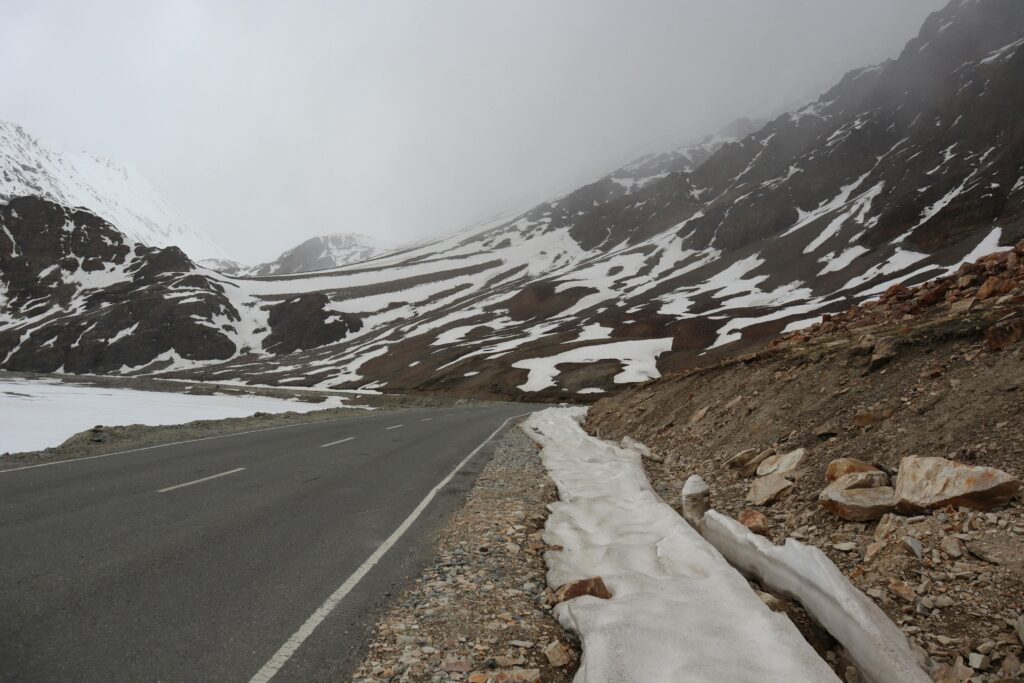
The Instagram feed looks the same. Another photo at India Gate. Someone else’s Taj Mahal selfie. The hundredth Jaipur palace check-in. You scroll, feeling a strange emptiness. These places are beautiful, yes. But they’re also crowded, predictable, and somehow lacking the magic travel promises.
Here’s what most travel guides won’t tell you. India’s real treasures aren’t fighting for space on tourist maps. They’re quietly existing in valleys where roads barely reach, in villages where tourism remains a concept rather than an industry, and in landscapes so pristine you’ll question if you’re still in the same country.
The offbeat destinations india 2025 movement isn’t about being different for difference’s sake. It’s about rediscovering what travel meant before it became a checklist. Authentic interactions over posed photographs. Genuine culture over staged performances. And peace over popularity.
Why Offbeat Travel Became 2025’s Defining Trend
Something shifted in Indian travelers. Maybe it was pandemic-induced introspection. Maybe social media saturation made people crave experiences that couldn’t be replicated with filters. Whatever the cause, the effect is clear. Over 45% of Indian travelers now actively seek destinations that mainstream tourism hasn’t discovered yet.
This isn’t just millennials chasing novelty. Families want their children experiencing India’s diversity beyond textbook monuments. Corporate professionals seek relaxation impossible in selfie-crowded spots. And solo travelers desire places where locals still display curiosity rather than commerce when outsiders arrive.
The government’s Swadesh Darshan 2.0 scheme has invested over ₹3,295 crores developing infrastructure in unexplored regions. New homestay regulations make rural tourism economically viable for locals. And improved bus connectivity, particularly through services expanding to tier-2 and tier-3 destinations, makes these hidden gems accessible without requiring multiple flight connections or owning vehicles.

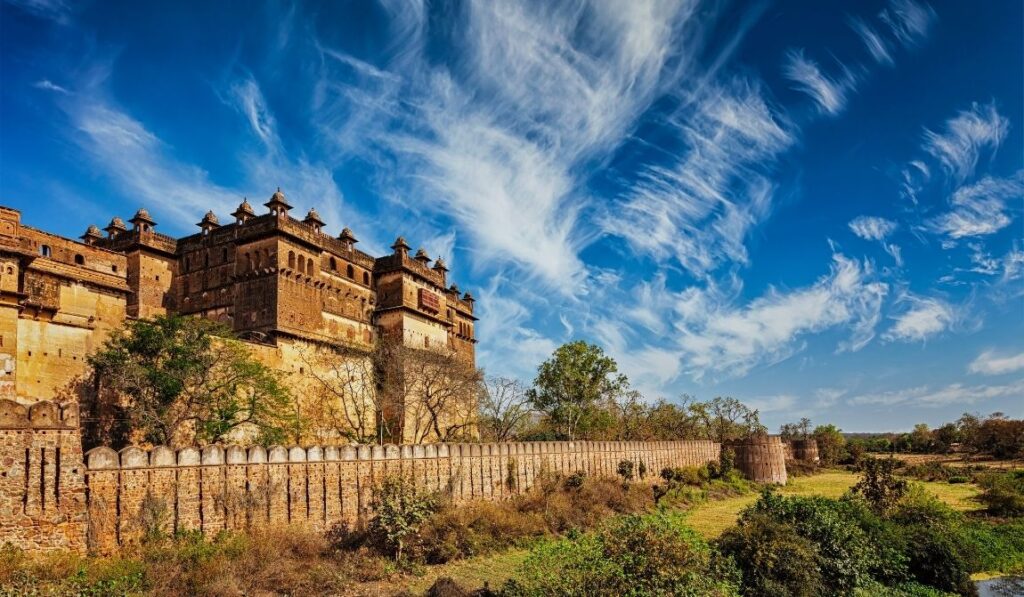
The Himachal Hidden Circuit: Beyond Manali and Shimla
Jibhi & Tirthan Valley: Where Himachal Hides Its Best Secret
While tourists clog Manali’s Mall Road, 50 kilometers away, Jibhi remains blissfully unaware of the chaos. This tiny village in Banjar Valley showcases Himachal as it existed before tourism transformed it into an industry.
Wooden houses with slate roofs dot hillsides. Apple orchards provide natural boundaries between properties. The Tirthan River, crystal clear and cold, flows through the valley creating natural pools where locals still fish using traditional methods. And the only sounds competing for attention are birdsong and flowing water.
The valley is part of the Great Himalayan National Park, a UNESCO World Heritage Site, which means development stays controlled, nature remains protected, and the experience stays authentic. Treks from Jibhi lead to hidden waterfalls like Chehni Kothi, a 1,500-year-old tower offering panoramic valley views.
Getting there requires strategy. The Delhi to Manali bus route brings you to Aut, the junction town approximately 520 kilometers from Delhi. From Aut, local taxis or buses cover the remaining 15 kilometers to Jibhi. The journey becomes part of the adventure as the road narrows, vehicles decrease, and mountains close in around you.

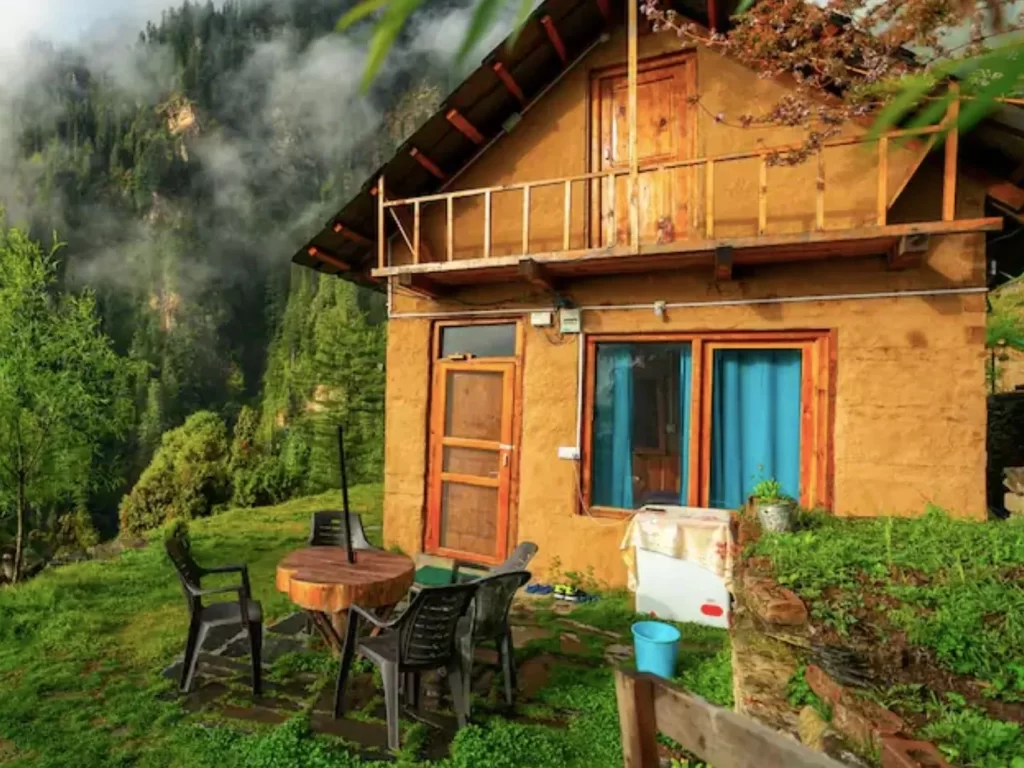
Jibhi Experience Breakdown:
Table 1: What Makes Jibhi Special
| Aspect | Experience | Cost Range |
| Accommodation | Wooden homestays, riverside cottages | ₹1,000-₹2,500/night |
| Food | Home-cooked Himachali cuisine | ₹300-₹600/day |
| Activities | Trekking, fishing, village walks | Free-₹500 |
| Crowd Factor | Minimal (10-15% of Manali) | N/A |
| Best Season | March-June, September-November | N/A |
Bir & Billing: Soar Above Mainstream Tourism
Bir gained fame as a paragliding destination, but that reputation obscures its deeper appeal. Yes, flying over Himalayas offers incredible thrills. But the Tibetan monasteries, village homestays, and cafe culture create something more substantial than adrenaline-fueled day trips.
The Tibetan influence is strong. Prayer flags flutter from every building. Monks in maroon robes walk unpaved paths between monasteries. Small cafes serve momos that taste like someone’s grandmother made them, probably because she did.
The Delhi to Dharamshala route serves as the gateway, covering approximately 475 kilometers. From Dharamshala, Bir is 60 kilometers away, accessible via local buses or shared taxis. The journey takes you through terraced fields and pine forests, each turn revealing landscapes more spectacular than the last.
Chitkul: India’s Last Village
The sign is simple: “Last village of India. Last dhaba before Tibet border.” Standing there, you realize how rare it is to reach somewhere that’s genuinely the end of a road, the final point where civilization pauses before geography takes over.
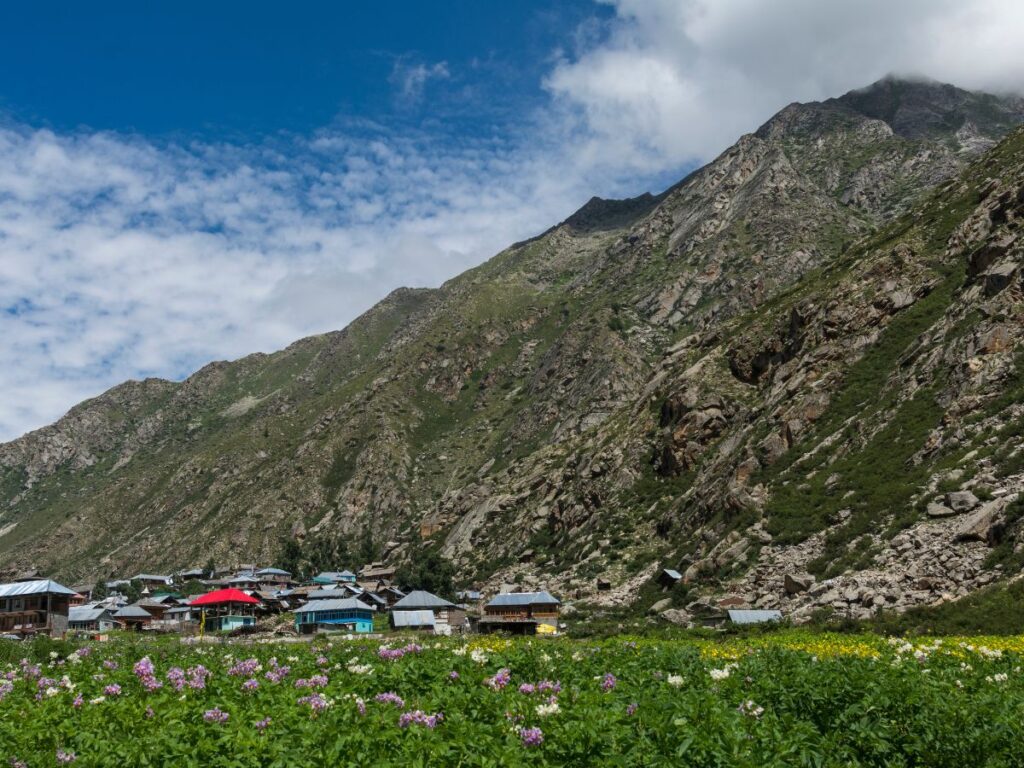
Chitkul sits at 3,450 meters in Kinnaur district, where the Baspa River flows cold and clear, where wooden houses with intricate carvings showcase Kinnauri architecture, and where every resident seems to know every other resident. Population? Barely 600.
The journey involves taking buses toward Shimla, then navigating through Kinnaur’s dramatic landscapes. While direct bus connectivity remains limited, the Delhi to Shimla routes offer starting points for further exploration via local transport.
Northeast India: Where Tourism Forgot to Arrive
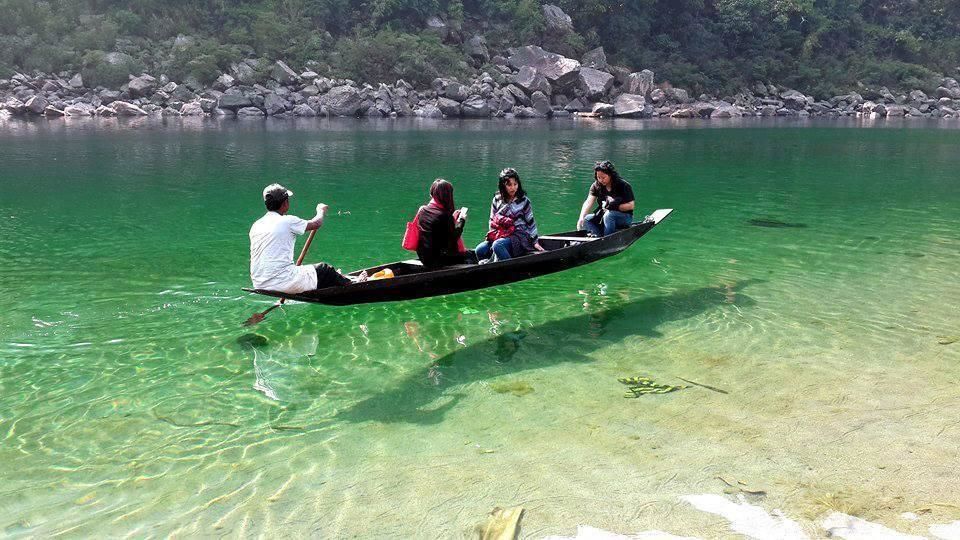
Mawlynnong: The World’s Cleanest Village
Meghalaya’s Mawlynnong made global headlines for being Asia’s cleanest village. But cleanliness is just the most obvious virtue. The real magic lies in a community that collectively decided tourism wouldn’t compromise their way of life.
Bamboo dustbins dot every path. Local women sweep streets as daily ritual, not tourism performance. Houses feature gardens so meticulously maintained that calling them “pretty” feels inadequate. And the famous living root bridges, formed over decades by training tree roots across streams, demonstrate human patience modern life forgets exists.
The Sky View platform offers panoramic views into Bangladesh, visible on clear days. The walk there passes through forest trails where every tree seems purposefully positioned for maximum aesthetic impact, though really, nature did the work. Humans just had the wisdom not to interfere.
Reaching Mawlynnong requires flying or training to Guwahati, then navigating through Shillong. The infrastructure for direct bus services from Delhi is developing, but currently involves multiple connections. However, the Assam-Meghalaya corridor is seeing increased connectivity, making 2025 an excellent year to visit before crowds discover it.

Ziro Valley: Where Music Meets Mountains
Arunachal Pradesh’s Ziro Valley gained fame hosting an annual music festival, but reducing it to that one event misses the point entirely. The Apatani tribe’s unique culture, the rice fields stretching between pine-covered hills, and the valley’s positioning between mountains create experiences no festival can replicate.
The Apatani people practice wet rice cultivation with a sophistication that agricultural experts study. Their houses, built entirely from bamboo, exemplify sustainable architecture. And their facial tattoos (now discontinued but visible on older women) tell stories of beauty standards that evolved independently from mainstream Indian culture.
Inner Line Permits (ILPs) are required for Arunachal Pradesh, but the online application process has simplified tremendously. From Guwahati, buses and shared taxis cover the journey to Ziro, though the route’s condition varies seasonally.

Majuli: The Vanishing River Island
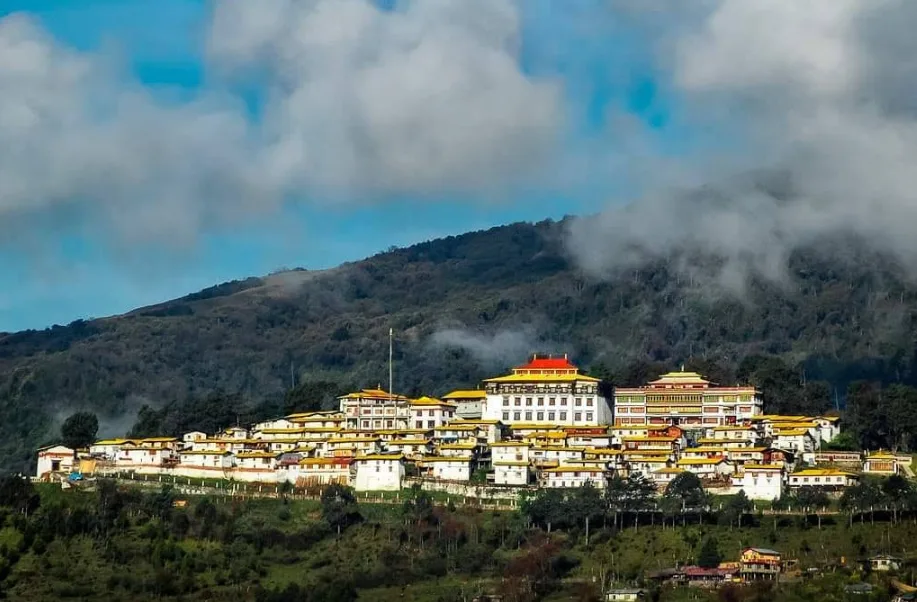
Majuli is the world’s largest river island, sitting in Assam’s Brahmaputra River. It’s also slowly disappearing, eroded by the same river that created it. This impermanence adds poignancy to every visit. You’re not just seeing a place. You’re witnessing something that might not exist for your children to experience.
The island spans 340 square kilometers (reduced from 480 in the 1950s), hosting unique satras (Vaishnavite monasteries), mask-making traditions, and festivals celebrating harvests with dances that predate colonialism. The Mising tribe’s architecture uses bamboo and thatch in ways that withstand annual floods while maintaining breathability in humid weather.
Ferry services connect Majuli to Jorhat on the mainland. The journey itself offers perspectives, watching the mighty Brahmaputra up close, understanding how water shapes land, and appreciating communities that build lives on geography’s whims.
Unexplored South India: Beyond Beaches and Temples
Gokarna: The Beach Town That Refuses to Become Goa
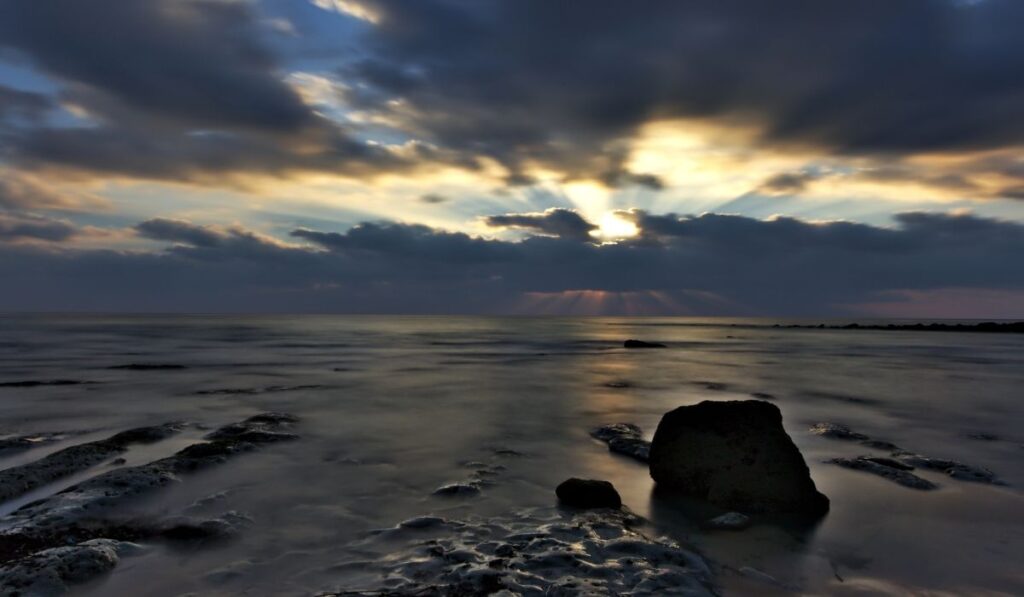
Karnataka’s Gokarna has beaches rivaling Goa’s beauty without Goa’s chaos. Om Beach, shaped like the sacred Om symbol, offers calm waters for swimming. Paradise Beach, accessible only by boat or trekking, lives up to its name with pristine sand and minimal crowds. And Gokarna Beach itself hosts the Mahabaleshwar Temple, creating an unusual mix of spiritual significance and coastal beauty.
What sets Gokarna apart is conscious resistance to over-commercialization. No giant resorts line the shore. Beach shacks serve food but maintain local character. And the town’s religious importance (one of seven important Hindu pilgrimage sites) ensures certain standards persist.
The Bangalore to Goa routes operated by various providers often pass near Gokarna, making it accessible as a stopover or destination. Alternatively, buses from Bangalore to Karwar (60 km from Gokarna) run regularly.
Hampi: The Forgotten Empire’s Ruins
Hampi technically isn’t unknown. But most visitors see just 10-15% of the UNESCO World Heritage Site, missing hidden temples, boulder landscapes, and ruins that reveal Vijayanagara Empire’s sophistication. Moving beyond the tourist circuit unlocks Hampi’s real magic.
Rent a bicycle or scooter. Explore during sunrise when golden light transforms stone ruins into living history. Cross the river to Anegundi, Hampi’s less-visited side, where village life continues among ancient structures. And climb Matanga Hill for sunset views that photographers dream about but few experience.
Table 2: Offbeat South India Destinations
| Destination | Unique Feature | Best Time | Accessibility |
| Gokarna | Spiritual beaches | Oct-March | Good bus connectivity |
| Hampi | Living ruins | Oct-Feb | Excellent |
| Wayanad | Wildlife + culture | Oct-May | Moderate |
| Coorg | Coffee estates | Sept-March | Very good |
Rajasthan Beyond Palaces: The Desert’s Hidden Stories
Jawai: Where Leopards Live Among Humans
Rajasthan’s Jawai region presents something extraordinary. Wild leopards living in proximity to villages, rocky outcrops where big cats rest while goats graze nearby, and a ecosystem where predator-human coexistence works through mutual respect rather than barriers.
Leopard safaris here differ fundamentally from national park experiences. The animals aren’t confined or distant. They’re part of the landscape, visible on rocky hills at sunset, occasionally crossing paths with villagers who’ve learned to coexist without conflict. The Rabari shepherd community considers leopards neighbors rather than threats, an attitude that creates one of India’s unique wildlife experiences.
The Delhi to Jaipur bus route (280 km, 5-6 hours) connects you to Rajasthan’s capital. From Jaipur, buses and trains serve Falna or Rani, towns closest to Jawai (approximately 140-160 km from Jaipur), with local transport covering final distances.

Bundi: The Blue City That Nobody Visits
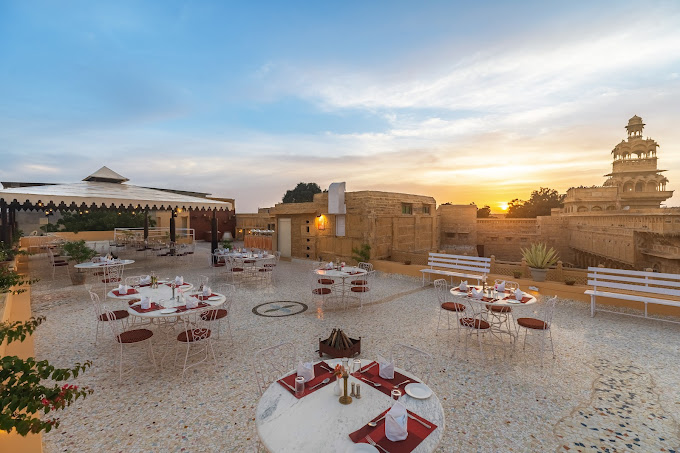
Everyone knows Jodhpur as Rajasthan’s blue city. Hardly anyone knows Bundi, equally blue but peacefully uncrowded. The town cascades down hillsides in shades of blue, crowned by Taragarh Fort offering 360-degree views of landscapes that inspired Rudyard Kipling.
Bundi’s stepwells represent architectural genius. The Queen’s Stepwell (Rani Ji Ki Baori) descends 46 meters with intricate carvings adorning every level, creating spaces that are functional water sources, artistic masterpieces, and cool refuges from Rajasthan heat simultaneously.
The pace here operates differently. Shopkeepers don’t aggressively pursue sales. Guides offer information without pressure. And evenings see locals gathering at chai stalls, welcoming conversations with curious travelers without making everything transactional.
Making Offbeat Travel Work: Practical Wisdom
Connectivity: The Real Question
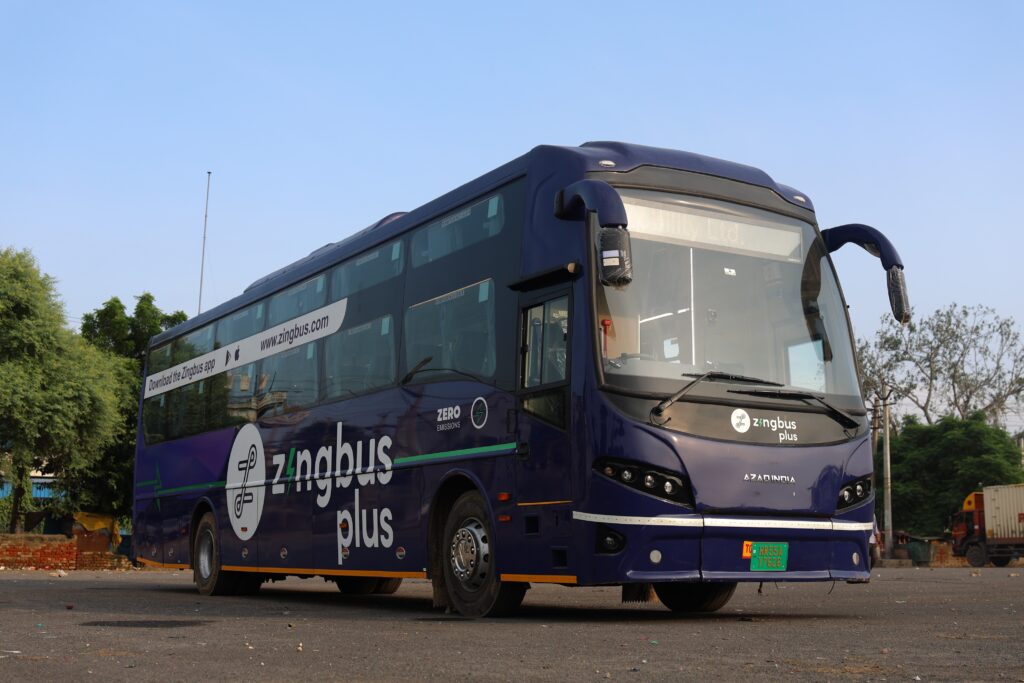
Before celebrating any offbeat destination, verify connectivity. How do you actually reach there? The zingbus network increasingly covers tier-2 towns and cities that serve as gateways to remote destinations. From these hubs, local transport (state buses, shared taxis, bikes) covers remaining distances.
Research doesn’t mean endless planning. It means understanding basic access routes, knowing which towns have bus stands or railway stations serving your chosen destination, and having backup plans for typical delays.
Respect Local Culture
Offbeat destinations often mean traditional communities encountering limited tourism. Dress modestly. Learn basic local language phrases. Ask permission before photographing people. And understand that your tourism spend impacts these communities more significantly than in commercialized areas. Choose homestays over hotels. Buy local. And tip service providers fairly.
Best Seasons Matter More
Popular destinations manage tourism year-round. Offbeat places often don’t. Monsoons might make roads impassable. Winters can shut mountain regions entirely. Research seasonal variations seriously. The “best time to visit” isn’t arbitrary. It’s the difference between magical experiences and disappointing struggles.
Figure 1: Seasonal Planning Guide
| Region | Best Months | Avoid Period | Why |
| Himalayan Offbeat | March-June, Sept-Nov | July-August, Dec-Feb | Monsoon damage, snow closure |
| Northeast | Oct-April | May-Sept | Heavy monsoons |
| South India | Oct-March | April-June | Intense heat |
| Rajasthan Rural | Oct-March | April-August | Extreme temperatures |
Book Through Official Channels
The online bus booking revolution makes reaching gateway cities convenient and reliable. For onward journeys into remote areas, state transport corporations usually prove more reliable than obscure private operators. Their schedules might be less flexible, but they run regardless of passenger numbers.
The Unexpected Benefits
Offbeat destinations india 2025 offer returns beyond beautiful photos. You’ll taste food that cookbooks don’t document because it never commercialized. You’ll learn local histories directly from people who lived them, unfiltered by tourism industry narratives. And you’ll experience hospitality that’s generous rather than calculated, because you’re still a guest, not yet a customer.
The environmental impact matters too. Distributing tourism across more destinations reduces pressure on overburdened hotspots. Your visit provides income to communities where economic opportunities remain limited, potentially preventing urban migration that erodes traditional cultures.
What Makes a Destination Truly Offbeat
Popularity doesn’t disqualify places. Some destinations remain offbeat despite decades of tourism because they resist mainstream transformation. Others start unknown and might not stay that way. The key is finding places that still prioritize authenticity over tourism revenue, where locals control development rather than external investors, and where your presence adds value without extracting culture.


The infrastructure exists. The bus routes expand regularly, reaching smaller towns that serve as gateways to unexplored regions. Accommodation options span budgets from basic homestays to boutique properties. And local communities increasingly recognize tourism’s economic potential while maintaining cultural integrity.
The only question is: Which hidden gem will you discover before everyone else does?







Leave a Reply Cancel reply