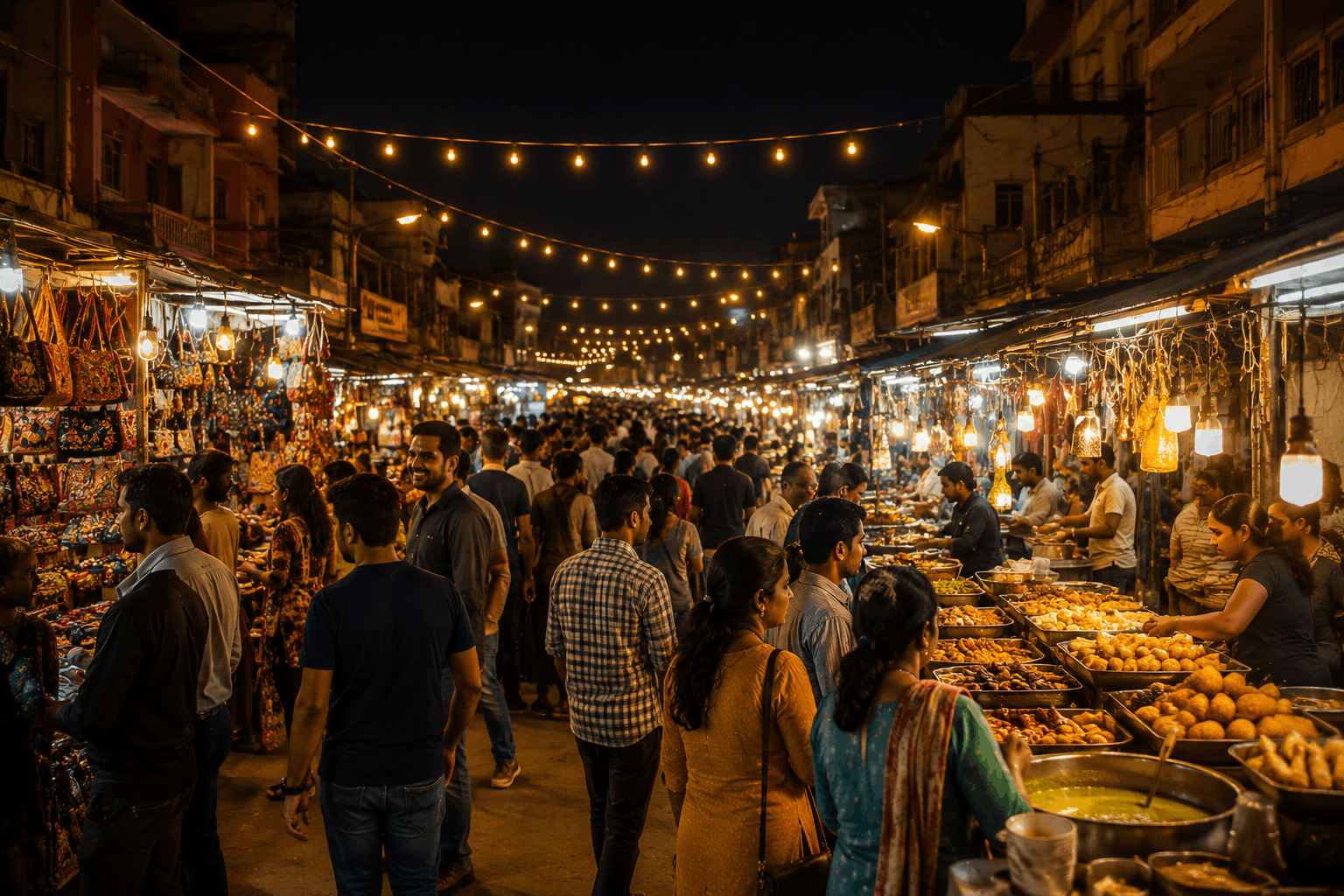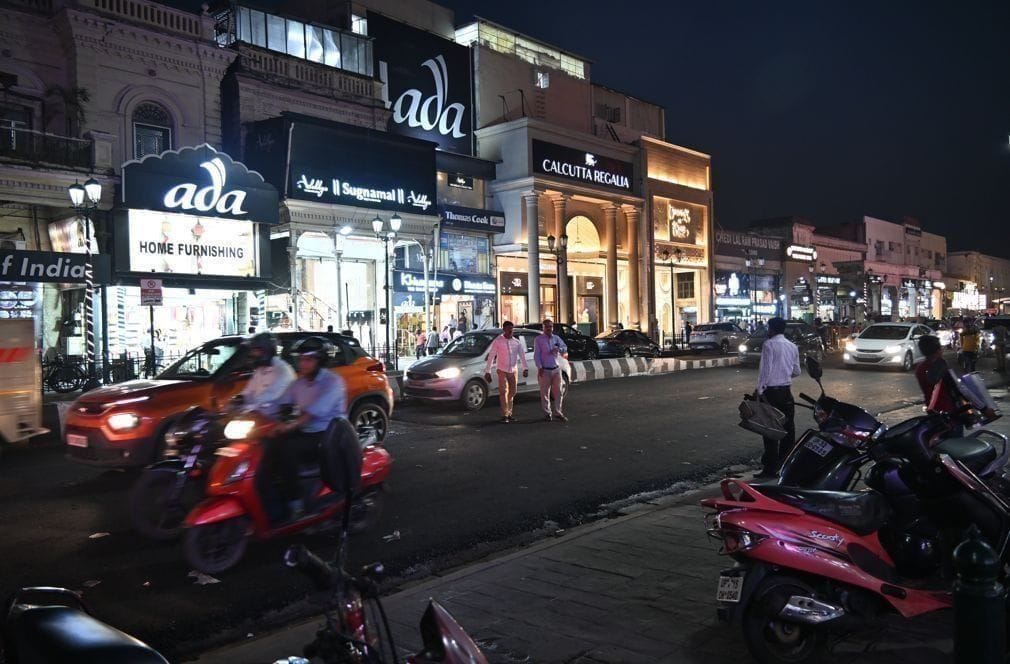
Aminabad has been Lucknow’s trading heart since the Nawabs shifted their capital from Faizabad, and it still runs on the same crowded, bargain driven energy today. Knowing when it is open and what each lane specialises in turns a confusing first visit into an easy one.
What This Guide Covers
Aminabad sits close to the city centre and pairs naturally with a wider Lucknow trip. Anyone arriving by road can check current options on the Lucknow bus booking page.
What follows covers the market’s actual opening pattern, its layout by lane, what is worth buying, where to eat nearby, and how to reach it without wasting time on a closed day.
Aminabad Lucknow Market Timings and How the Bazaar Runs
Getting the Aminabad Lucknow market timings right matters more here than at most markets, because the one weekly closure catches a large share of first time visitors off guard.
Opening Hours and the Thursday Closure
The market generally runs from around 11 AM to 10 PM across the rest of the week, though individual shop hours vary and the inner lanes often open a little later than the main road frontage.
Aminabad is closed on Thursdays. This is the one fact worth double checking before you plan a special trip, since a Thursday visit means walking into largely shuttered lanes.
| Day and time | What to expect |
| Weekday mornings, 11 AM to 2 PM | Calmest hours, easiest browsing, shops still setting up in the inner lanes |
| Weekday evenings, 6 PM onward | Peak crowd, best atmosphere, slower movement through the lanes |
| Friday to Sunday afternoons | The busiest stretch of the week, best avoided if you dislike crowds |
| Thursday | Market closed, most shops shuttered |
Note: Prices are approximate and may vary based on season, demand, and availability.
A Market That Has Traded Since the Time of the Nawabs
Aminabad’s history reaches back to before the Nawabs of Awadh moved their court to Lucknow, when the ground here belonged to Rani Jai Kunwar Pandey and first became a trading ground. It grew into a proper bazaar through the following century, alongside Chowk and Hazratganj as one of the city’s original commercial centres.
The market as it stands today was formally renovated and inaugurated in 1911. That history is part of why Aminabad still feels dense and organic rather than planned, with lanes that specialise by trade the way old city markets across north India often do.
Finding Your Way: How the Lanes Are Organised
First time visitors usually get turned around here, and that disorientation is part of the market’s character rather than a sign you are doing something wrong.
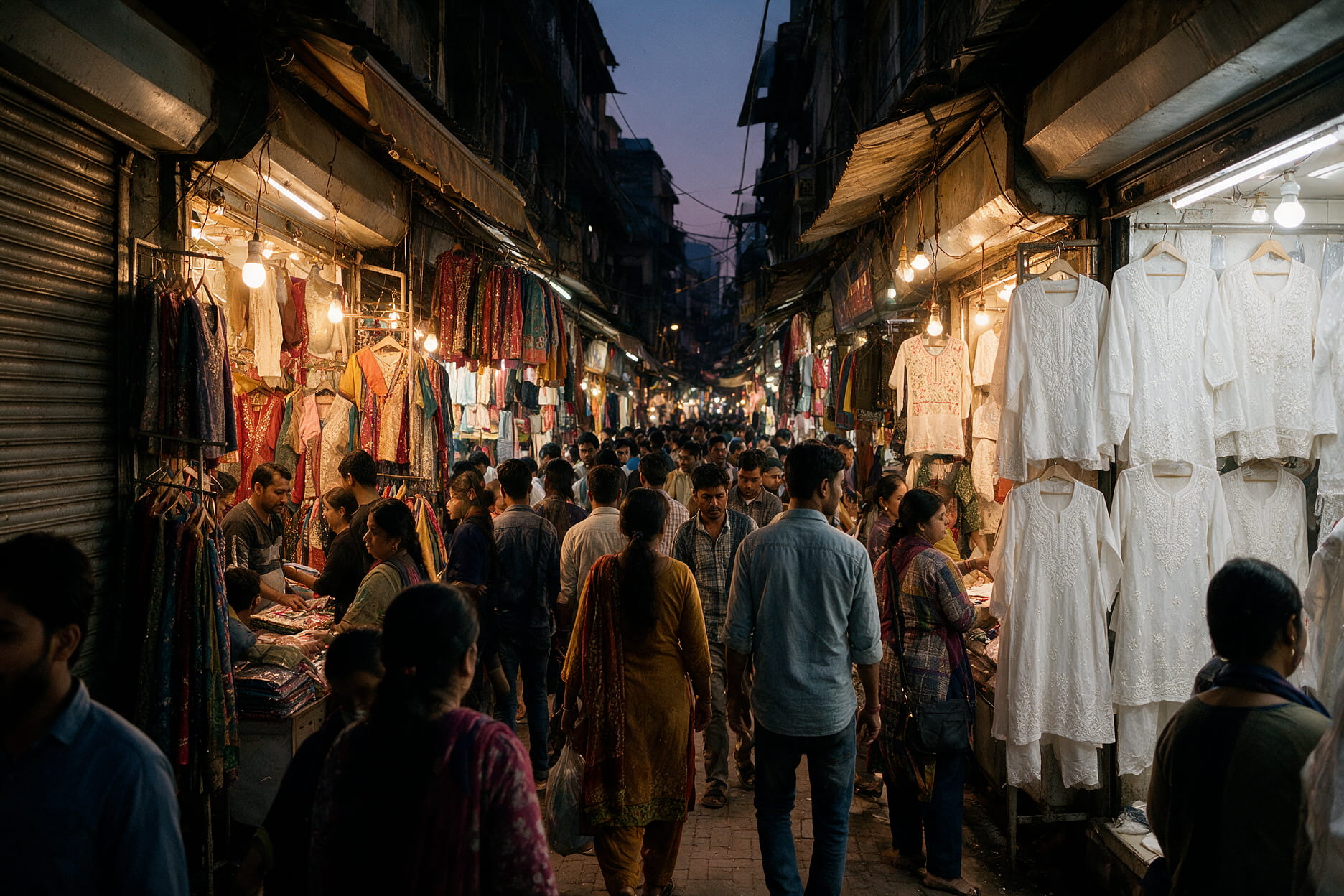
- Textile lanes: chikankari kurtas, dupattas and dress material, alongside general fabric shops selling cotton, silk and georgette.
- Jewellery lanes: artificial and silver jewellery in a dense cluster of small shops, useful for wedding season shopping on a budget.
- Footwear and accessories: a concentrated stretch of shoe shops and general accessories, often the loudest and most crowded part of the market.
- Books and stationery: a quieter corner popular with students and long standing Lucknow residents rather than visitors.
Some of the market’s oldest established shops, including several long running saree and cloth houses, sit along the main lanes and are useful landmarks if you lose your bearings.
What Aminabad Is Actually Known For
Chikankari is the headline reason most visitors come. The embroidery work here spans everyday kurtas through to wedding wear, and prices sit well below what the same craft costs in a branded boutique elsewhere in the city.
Beyond textiles, the market is a genuine one stop stretch for cosmetics, footwear, artificial jewellery, dry snacks and general household items. It functions as both a wholesale and retail hub, which is part of why prices run lower than in Lucknow’s more polished shopping districts.
Bargaining Is Expected, Not Optional
Marked prices in Aminabad are usually a starting point rather than a final one, particularly in the textile and footwear lanes. A reasonable approach is to check two or three shops for the same item before settling, which also helps you judge quality across sellers.
Patience matters as much as the negotiation itself. The lanes are narrow and the crowds constant, so haggling here takes longer than it would in a fixed price store, and that slower pace is part of the experience rather than a flaw in it.
Eating in and Around the Market
Aminabad’s food stalls are as much a reason to visit as the shopping. Tunday Kebabi is the name most associated with the area, known for its minced kebabs, and Prakash Kulfi is the long-standing dessert stop for anyone finishing a hot afternoon of shopping.
Wahid Biryani and a scatter of smaller bread and kebab stalls fill out the food options, alongside sweet shops and paan counters that line the main lanes. None of these need advance planning, since they are woven directly into the market rather than set apart from it.
Getting to Aminabad
The market sits close to the city centre, roughly 3 km from Lucknow Junction railway station and about 1 km from the Kaiserbagh bus station, both easily covered by auto rickshaw. Anyone arriving into the city on an intercity bus can factor a short local transfer into the plan.
Public transport options thin out after around 9:30 PM, so a return trip planned late in the evening is easier arranged in advance rather than found on the spot. Cash is worth carrying, since digital payments are inconsistent across the smaller inner lane stalls.
The Best Time to Plan a Visit
October through March is the more comfortable window for a longer walking trip through the market, avoiding Lucknow’s harsh May and June heat. Within any given week, weekday mornings or early afternoons on Tuesday and Wednesday offer the calmest browsing.
If atmosphere matters more to you than ease of movement, an evening visit from around 6 PM captures Aminabad at its liveliest, with the trade off of thicker crowds and slower progress through the lanes.
Planning Around the Aminabad Lucknow Market Timings
A well planned Aminabad trip really comes down to two decisions: avoiding Thursday, and choosing between a calm weekday morning or a busy evening depending on what kind of visit you want. Everything else, from the bargaining to the food stops, tends to sort itself out once you are in the lanes.
Pair the market with a wider look at the city if you have the time, since Lucknow’s older quarters reward a slower, walking based visit rather than a rushed one.
You Might Also Like
Upcoming Festivals in India 2026: Complete Guide
Handy if you are timing a Lucknow shopping trip around a specific festival or long weekend.
How to Book a Bus Online in India: First Timer’s Guide
A walkthrough of the booking process for anyone new to travelling into Lucknow by bus.
Frequently Asked Questions
What are the Aminabad Lucknow market timings?
Aminabad Lucknow market timings generally run from about 11 AM to 10 PM, though individual shop hours vary across the different lanes.
Is Aminabad market open on Thursdays?
Aminabad market is closed on Thursdays, which is worth checking before planning a visit since most shops stay shuttered that day.
What is the best time to visit Aminabad market?
Weekday mornings between 11 AM and 2 PM offer the calmest browsing, while evenings from 6 PM onward bring the liveliest but busiest atmosphere.
What should I buy at Aminabad market?
Chikankari kurtas and dupattas are the standout buy, alongside affordable jewellery, footwear, cosmetics and general household items across the lanes.
Is bargaining expected at Aminabad?
Bargaining is expected at Aminabad, particularly in the textile and footwear lanes, where marked prices are usually a starting point.
What food is Aminabad known for?
Aminabad is known for Tunday Kebabi, Prakash Kulfi and Wahid Biryani, alongside smaller bread, kebab and sweet stalls throughout the lanes.
How do I get to Aminabad market?
Aminabad sits about 3 km from Lucknow Junction railway station and roughly 1 km from Kaiserbagh bus station, both reachable by auto rickshaw.
How old is Aminabad market?
Aminabad has traded since before the Nawabs of Awadh moved to Lucknow, with the market as it stands today renovated and inaugurated in 1911.
Does Aminabad accept digital payments?
Digital payments are inconsistent across the smaller inner lane stalls, so carrying cash is advisable for a smooth shopping trip.
Is Aminabad the same as Hazratganj?
Aminabad and Hazratganj are different markets, with Aminabad known for bargain shopping and Hazratganj offering a more polished, fixed price experience.
Which season is best for visiting Aminabad?
October through March is the more comfortable season for visiting Aminabad, avoiding Lucknow’s harsh summer heat during a longer walking trip.
Is Aminabad safe for solo shoppers?
Aminabad is a busy, well trafficked market that is generally safe for solo shoppers, though the narrow crowded lanes need patience and awareness.