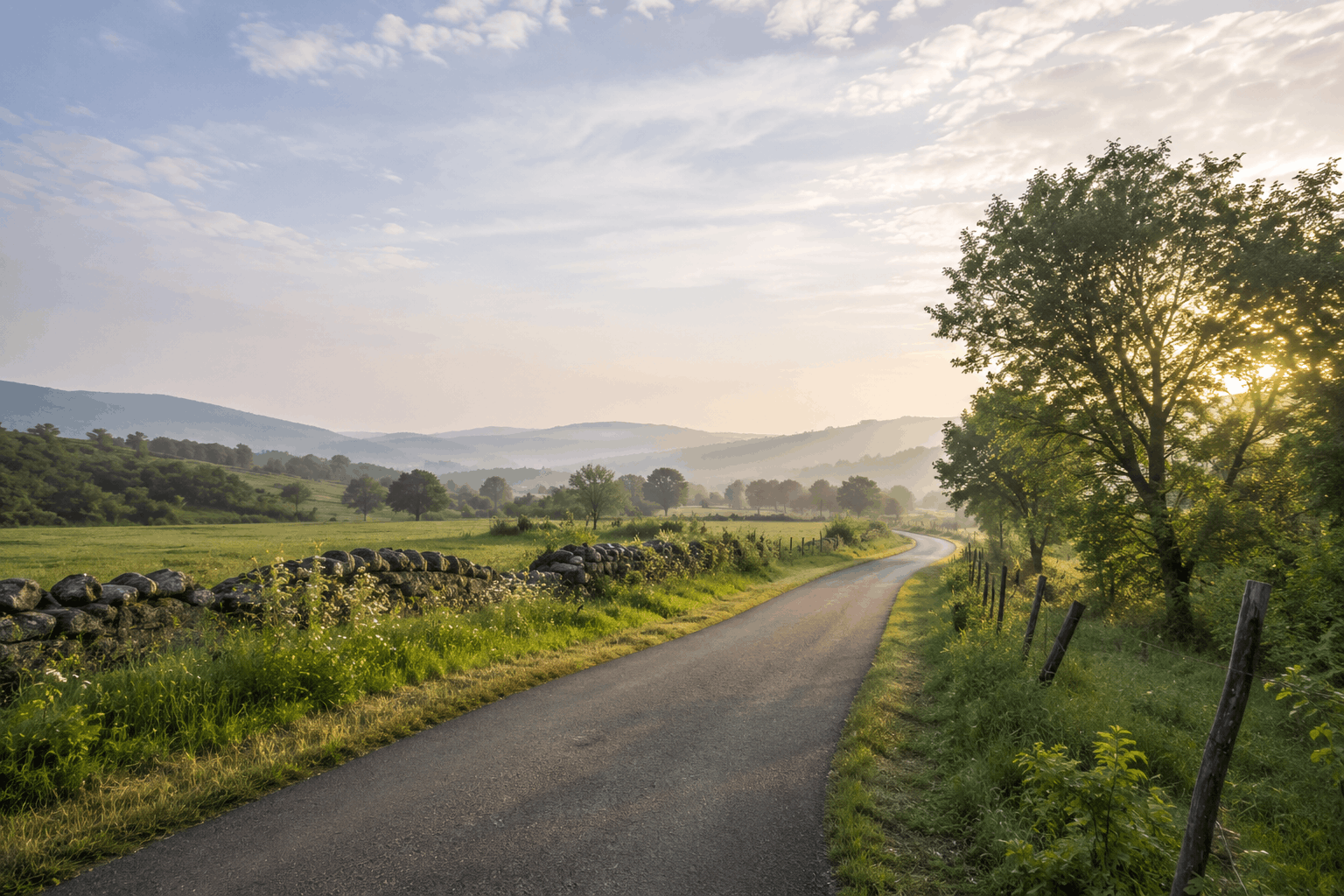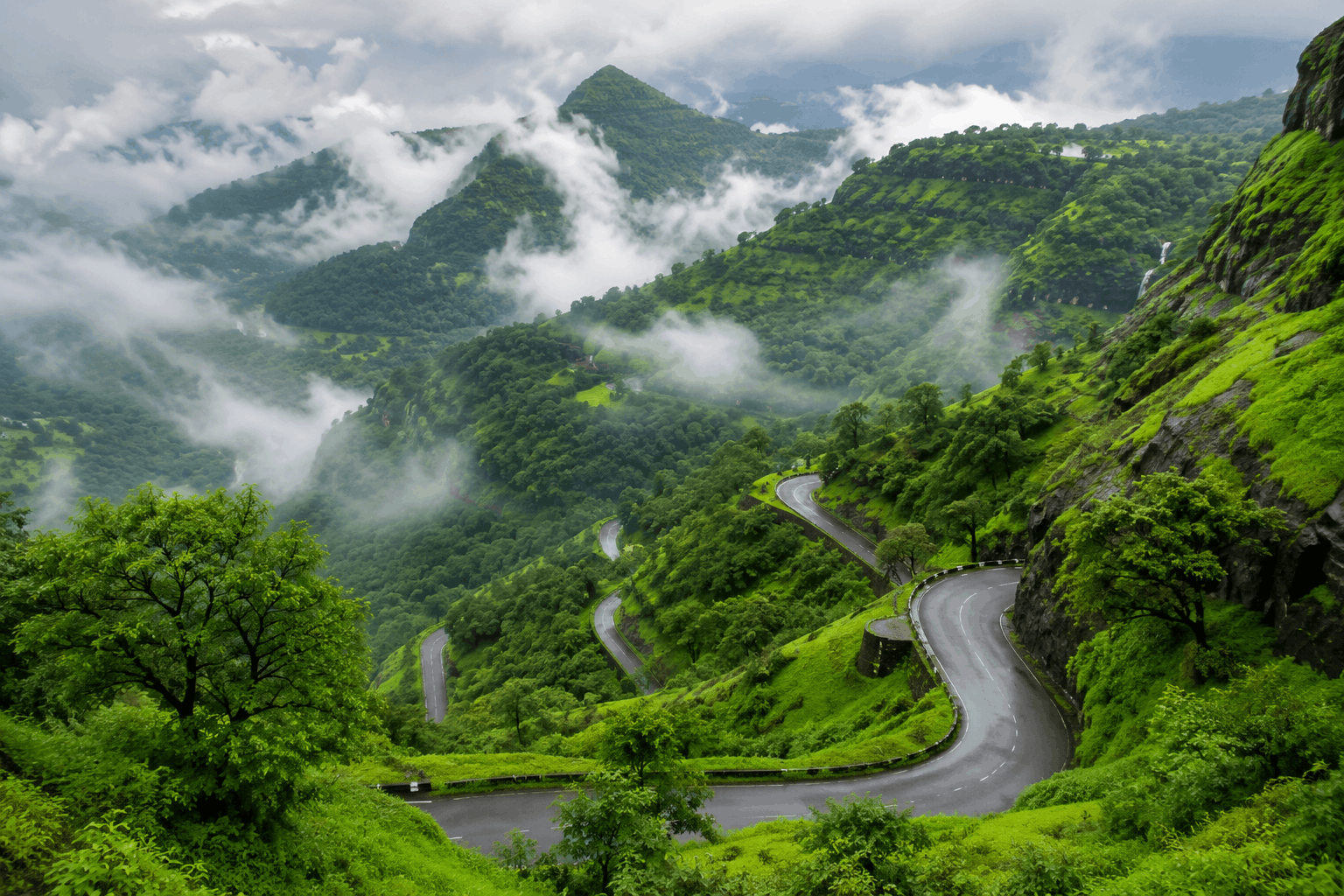
October is one of the best months to be in Udaipur. The lakes are at their fullest after the monsoon, the Aravallis around the city have the residual green that only September rains produce, and the temperatures have not yet dropped to the cold winter nights but have moved convincingly away from the summer heat.
The City of Lakes in October sits in a specific meteorological and scenic moment: full of water, clear skied, and warm enough to walk the lake promenade at 7 in the morning without a jacket. Everything on this list of places to visit in Udaipur is better for it.
Places to Visit in Udaipur: What This Guide Covers
This guide covers the most worthwhile places to visit in Udaipur from an honest, practical perspective: what each attraction actually is, why it is worth your time, when it is best experienced, and how long you genuinely need there. It also includes a two-day itinerary structure and guidance on reaching Udaipur by bus from major cities. For bus schedules and booking, the Udaipur bus booking page has current options.
Udaipur was founded in 1559 by Maharana Udai Singh II after he chose this valley between the Aravallis as the new capital of the Sisodia Rajput kingdom. The city grew around a series of lakes, beginning with Lake Pichola, and the palace complex built over the subsequent centuries sits on its eastern shore. This historical foundation gives Udaipur its character: almost everything worth seeing in the city connects back to the lake or the palace, which makes it unusually coherent as a destination compared to cities where the attractions are scattered without a thematic link.
Best Places to Visit in Udaipur: City of Lakes Guide
Udaipur’s places of interest divide naturally into three categories: the lake and water-adjacent attractions, the hilltop viewpoints and palaces, and the religious and cultural sites. The organisation below follows this logic rather than a simple list, because it helps with practical itinerary planning.
City Palace: The Largest Palace Complex in Rajasthan
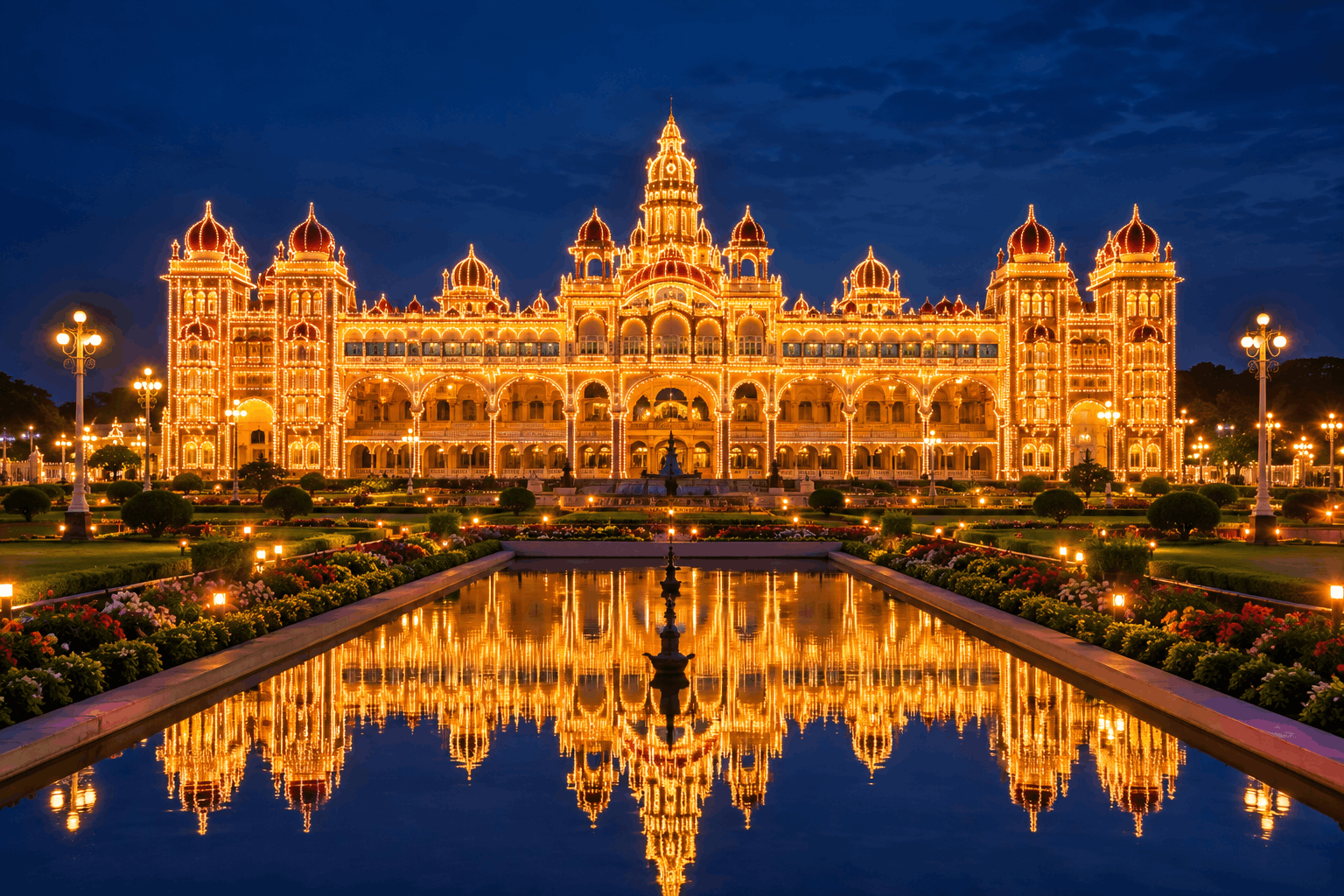
City Palace is the essential starting point for any visit to Udaipur. Built over roughly four centuries from 1559 to the 20th century by successive Maharanas of Mewar, it is the largest palace complex in Rajasthan. The complex is not a single building but a collection of palaces, courtyards, pavilions, and museums built and extended by different rulers across 450 years.
The museum section, which is the primary access point for visitors, houses royal artefacts, miniature paintings from the Mewar school (considered one of the finest traditions of Indian miniature painting), glass and mirror work, and royal regalia. The architecture within the palace varies dramatically as you move from the oldest sections toward the newer wings, which creates a genuinely educational spatial experience of how the complex accumulated over time.
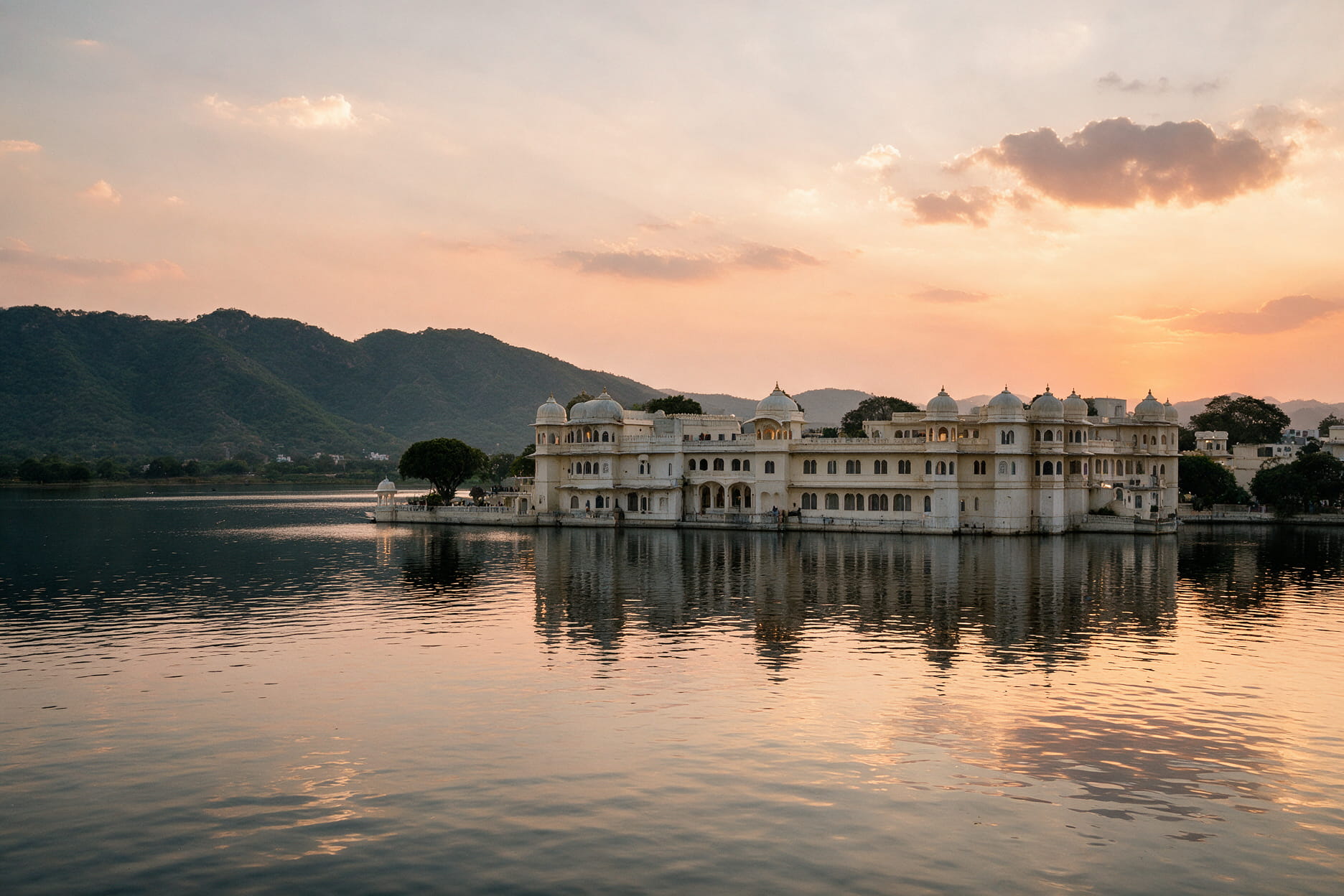
The view from the upper terraces of the City Palace over Lake Pichola, with Jag Mandir palace visible on the island and the Aravalli hills behind it, is one of the most frequently reproduced images associated with Rajasthan. It is not overrated.
Allow 2 to 3 hours for the City Palace museum. The palace opens early in the morning, and visiting before 10 AM significantly reduces the crowd density. The entry fee covers most sections; some galleries are separately ticketed.
Lake Pichola and Jag Mandir
Lake Pichola was created in 1362 CE by a tribal chief named Pichhu Banjara, who built a small earthen dam across the drainage of the Aravalli hills. The lake was subsequently enlarged and deepened by successive Maharanas. At maximum capacity after the monsoon, it covers approximately 4 square kilometres and is the defining geographical feature of Udaipur.
Jag Mandir, the island palace on Lake Pichola, was begun in 1551 under Maharana Amar Singh and completed later. The palace is historically significant as the place where the Mughal prince Shah Jahan, before he became emperor, took refuge in 1623 while rebelling against his father Jahangir. The hospitality extended to him here is said to have influenced the architecture of buildings he later commissioned, including elements visible in the Taj Mahal.
Boat rides from the City Palace jetty cover Lake Pichola and include a stop at Jag Mandir. The evening boat ride, departing around sunset, gives the best light on both the palace and the surrounding water. Book through the authorised Mewar Tourism counters at the jetty rather than from unauthorised vendors.
Fateh Sagar Lake: The Second Lake
Fateh Sagar Lake, about 2.5 km north of Lake Pichola, was originally built in 1678 by Maharana Jai Singh and later repaired and expanded after a dam break. At approximately 2.4 square kilometres, it is slightly smaller than Pichola but equally scenic. The lake has three islands: Nehru Island (an amusement park), a public boat club island, and Fateh Sagar Solar Observatory on the third island.
The promenade along Fateh Sagar’s eastern shore is where Udaipur residents walk in the evenings. It is less touristic than the Lake Pichola waterfront and gives a different, quieter version of the lake character. The Motimagri Hill at the southern end of the lake, with the statue of Maharana Pratap on horseback, is a short climb that gives a combined view of both Fateh Sagar and the surrounding city.
Sajjangarh (Monsoon Palace): The Hilltop Sunset Viewpoint
Sajjangarh Palace, built by Maharana Sajjan Singh in 1884 on a 944-metre hilltop above the city, is known popularly as the Monsoon Palace. The original purpose was to observe the monsoon clouds approaching from the plains below; the building was never fully completed after the Maharana died in 1884, and it sat in partial ruin until restoration work began.
The palace itself is a white structure with turrets visible from most parts of the city. The main draw is the view from the hilltop: Udaipur’s lakes and rooflines spread below, the Aravallis extending in multiple directions, and on clear evenings the sunset that puts the sky behind the city in a light that explains why the Monsoon Palace is one of the most photographed spots in Rajasthan.
Access is by car or taxi from the city (around 8 to 10 km from the old city centre). The Udaipur wildlife sanctuary begins at the base of the hill, and the drive up passes through forest. The palace is administered as a heritage site; entry fee and vehicle charges apply. Arrive 45 minutes before sunset for a good position.
Jagdish Temple: The Active Heart of the Old City
Jagdish Temple, built in 1651 by Maharana Jagat Singh, sits at the top of a wide flight of stairs in the old city about 150 metres north of the City Palace entrance. It is a large, active Indo-Aryan style temple dedicated to Lord Vishnu (specifically Vishnu as Jagannath), and unlike many heritage temple complexes, it functions primarily as a working religious space rather than a tourist attraction with heritage overlay.
The temple’s exterior is covered in detailed sculpted panels; the interior courtyard is active with daily worship. The evening aarti at Jagdish Temple, which runs around 7 to 8 PM, is attended more by local devotees than tourists and is quieter and more atmospherically honest than the more touristic evening programmes elsewhere in the city.
Non-Hindu visitors are respectfully welcome at Jagdish Temple. Standard temple etiquette applies: footwear off at the entrance, modest clothing.
Saheliyon Ki Bari: The Garden of the Maidens
Saheliyon Ki Bari (Garden of the Maidens) is a formal garden complex built in the 18th century as a leisure space for the royal ladies of the Mewar court. The gardens are laid out around a central pool with marble elephants, a lotus pool, and a row of fountains that operate on the original pressure-fed system when the water level is sufficient.
The garden is not large but it is well-maintained and genuinely pleasant, particularly in the morning when the light is soft and the crowds are manageable. It is best combined with a Fateh Sagar walk or a morning in the old city rather than as a standalone destination requiring a full trip.
A Two-Day Udaipur Itinerary
This structure uses the city’s natural geography to reduce unnecessary transit.
Day 1
- City Palace at opening (before 9 AM to beat the crowd), then the Jagdish Temple immediately adjacent, then a walk through the old city bazaar lanes (Bada Bazaar, Hathi Pol) for lunch and local crafts.
- Afternoon: Lake Pichola boat ride including Jag Mandir, departing around 4 PM for the best light.
- Evening: Gangaur Ghat or Lal Ghat on the lake shore for the Udaipur waterfront experience at dusk.
Day 2
- Morning walk along Fateh Sagar promenade before 8 AM (quietest and most local). Saheliyon Ki Bari by mid-morning.
- Afternoon: drive to Sajjangarh, arriving 60 to 90 minutes before sunset.
- Return to the city for dinner in the old city restaurant rooftops with the City Palace visible.
- Depart Udaipur the following morning.
Best Time to Visit Udaipur
October through March is the ideal season. October has full lakes from the monsoon, comfortable daytime temperatures, and clear skies. November through February is the peak tourist season; popular hotels and restaurants see high occupancy, and the famous boat rides on Lake Pichola can have longer queues. For those with travel flexibility, October or March offers close to peak conditions with more manageable crowds.
How to Reach Udaipur by Bus
Udaipur is well connected by AC bus from Delhi and other major North Indian cities. The Delhi to Udaipur corridor is approximately 650 km, typically covered in 12 to 14 hours as an overnight journey. Check current schedules and availability on the Udaipur bus booking info.
Booking the bus at least 5 to 7 days ahead, and booking both directions simultaneously, is practical for the October and winter travel season when the Rajasthan corridor sees consistent demand.
You Might Also Like
- Honeymoon Places from Delhi by Bus: Udaipur is among the top romantic bus destinations from Delhi; this guide covers the full planning picture.
- Best Places to Visit in October in India 2026: October travel across India with Rajasthan as a featured destination for the post-monsoon season.
- Best Road Trips in India by Bus: The Delhi to Rajasthan overnight bus corridor with Udaipur, Jaipur, and Jodhpur covered.
Frequently Asked Questions
What are the best places to visit in Udaipur?
The best places to visit in Udaipur are the City Palace (the largest palace complex in Rajasthan, built from 1559 onwards), Lake Pichola with the Jag Mandir island palace, Fateh Sagar Lake and its promenade, Sajjangarh (Monsoon Palace) for the sunset view, Jagdish Temple in the old city, and Saheliyon Ki Bari garden.
How many days are needed to visit Udaipur properly?
Two full days is sufficient to cover the main places to visit in Udaipur; the City Palace, Lake Pichola, Fateh Sagar, Sajjangarh, and Jagdish Temple are all accessible within two days with early morning starts.
What is the best time to visit Udaipur?
The best time to visit Udaipur is October through March; October has the lakes at their fullest from the monsoon with comfortable temperatures, while November through February is peak tourist season with higher hotel demand.
What is special about Jag Mandir palace in Udaipur?
Jag Mandir is an island palace on Lake Pichola begun in 1551; it is historically significant as the place where the Mughal prince Shah Jahan took refuge in 1623 during his rebellion against his father, and the hospitality of the Mewar royal family is said to have influenced architectural details he later used in buildings including the Taj Mahal.
How was Lake Pichola created?
Lake Pichola was created in 1362 CE when a tribal chief named Pichhu Banjara built an earthen dam across the natural drainage of the Aravalli hills; it was subsequently enlarged and deepened by successive Maharanas of Mewar over the following centuries.
What is Sajjangarh and why is it called the Monsoon Palace?
Sajjangarh, built in 1884 by Maharana Sajjan Singh on a 944-metre hilltop, was named the Monsoon Palace because the original intention was to build an observatory from which to watch monsoon clouds approaching from the plains; the palace was never completed after the Maharana died in 1884 and is now a heritage viewpoint famous for its sunset panorama.
When is Jagdish Temple aarti in Udaipur?
The evening aarti at Jagdish Temple in Udaipur runs approximately from 7 to 8 PM; it is attended primarily by local devotees and is one of the more authentic evening temple experiences in the city.
How do I reach Udaipur by bus from Delhi?
The Delhi to Udaipur bus journey covers approximately 650 km and takes 12 to 14 hours as an overnight service; buses are available through zingbus with current schedules and AC options on the Udaipur bus booking page.
What is the City Palace in Udaipur and how long does it take to visit?
City Palace in Udaipur is the largest palace complex in Rajasthan, built from 1559 to the 20th century by successive Maharanas of Mewar; visiting the museum sections thoroughly takes 2 to 3 hours, and arriving before 10 AM significantly reduces crowd density.
Is Udaipur good to visit in October?
Yes, October is one of the best months for places to visit in Udaipur; the lakes are at their fullest from the monsoon, temperatures are comfortable for sightseeing, skies are generally clear, and the tourist pressure has not yet reached the peak December-January level.
What is the boat ride experience on Lake Pichola in Udaipur?
Boat rides on Lake Pichola depart from the City Palace jetty and typically include a stop at Jag Mandir island palace; the evening boat ride around sunset provides the best light for both the palace facade and the surrounding water, and booking through the authorised Mewar Tourism counters at the jetty is the recommended approach.