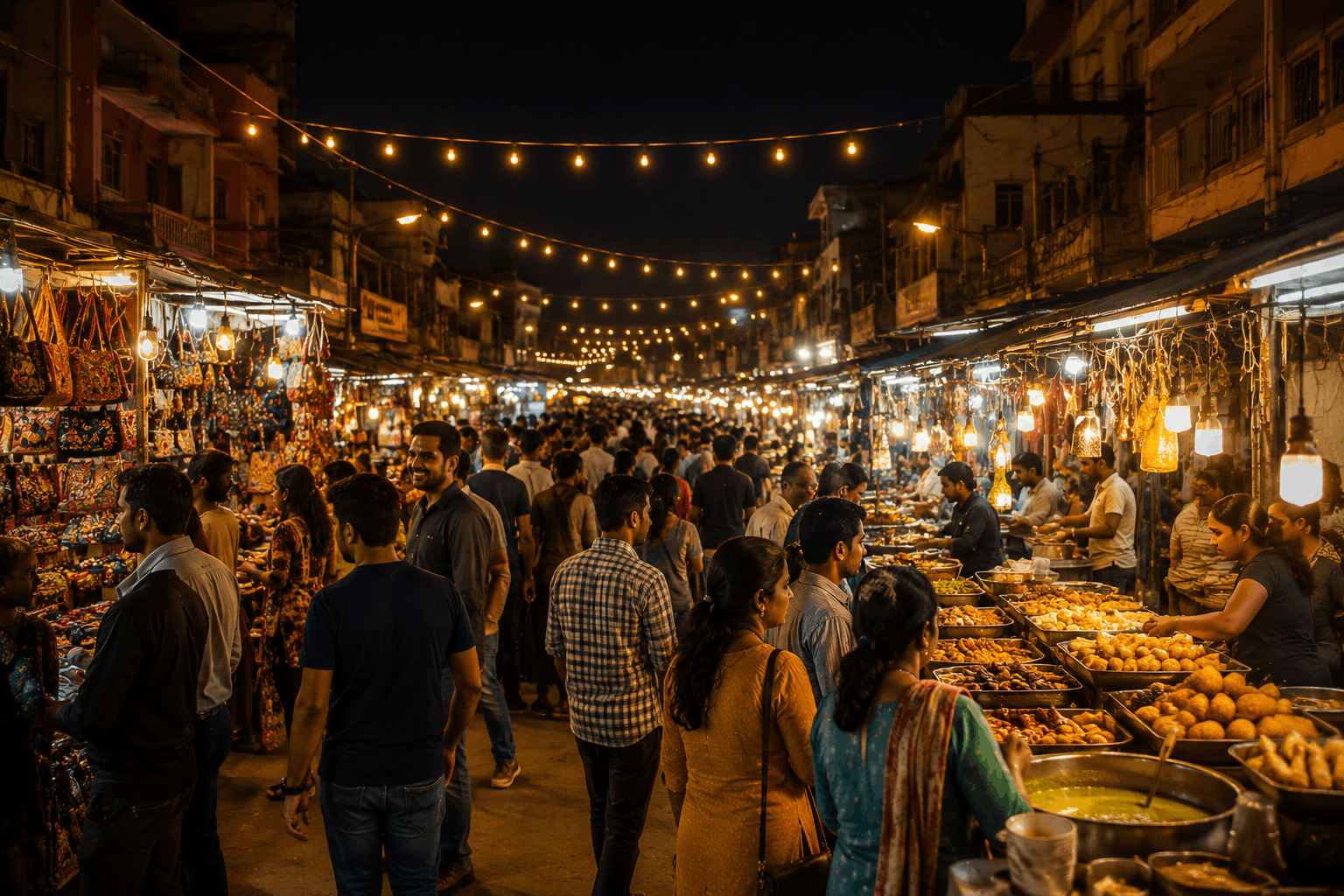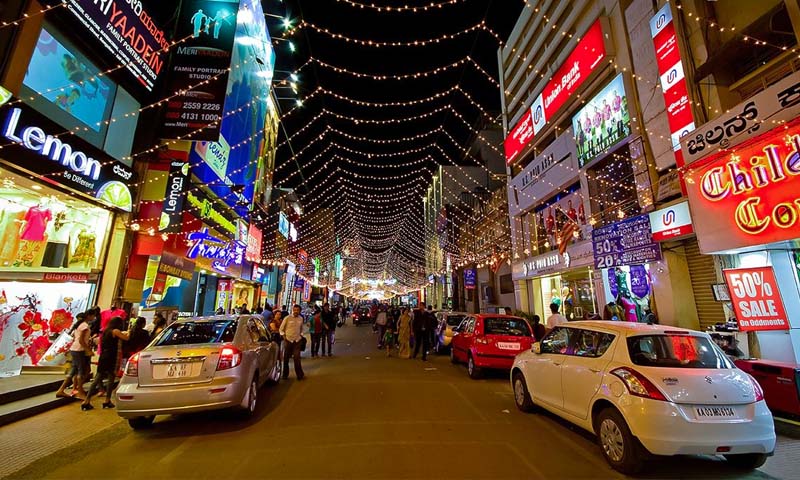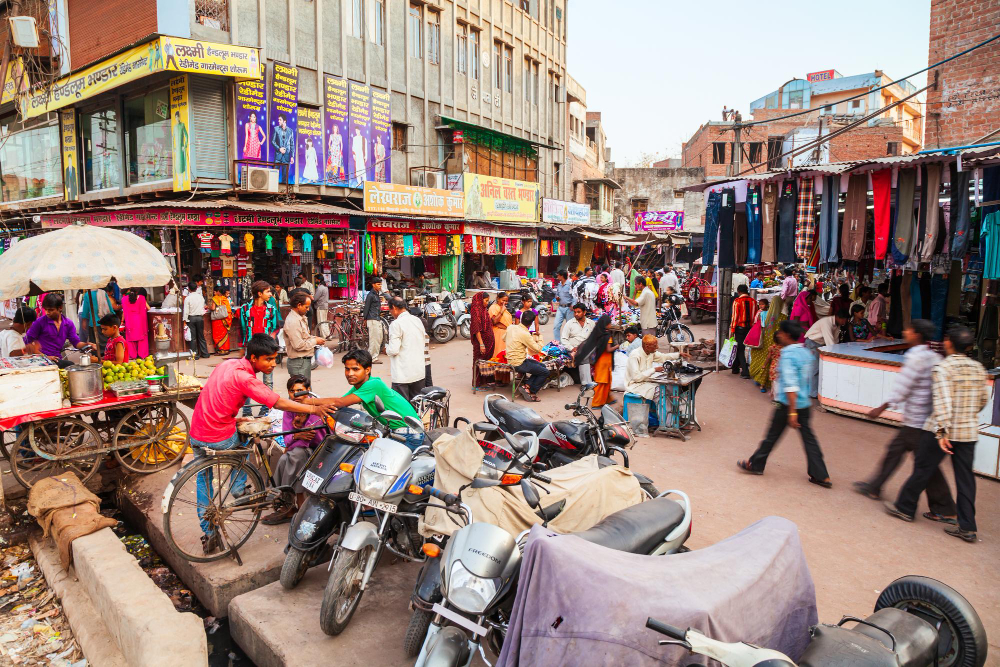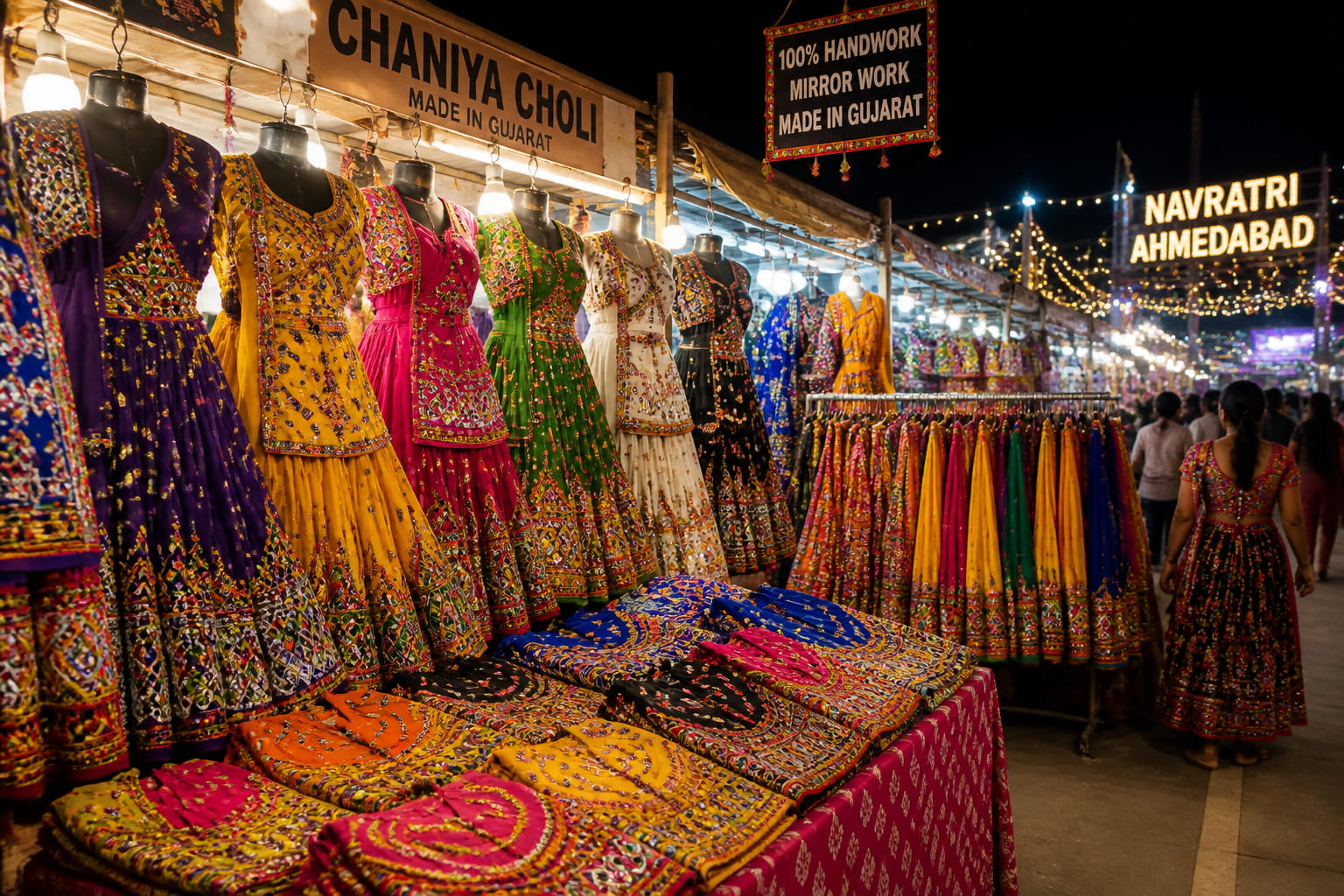
Every year in the weeks before Navratri, Ahmedabad’s market lanes undergo a visible transformation. The same streets that sell everyday textiles and household goods shift their inventory almost entirely to chaniya cholis, mirror-work dupattas, bandhani fabric, oxidised jewellery, and kediyu sets for men. The city of about 8 million people produces most of India’s organised Navratri Garba events, and the shopping ecosystem that supports nine nights of nightly dancing is correspondingly large and specific. Ahmedabad markets navratri shopping is not a casual category. It is a seasonal industry.
Ahmedabad Markets for Navratri Shopping: What This Guide Covers
This guide covers the main markets in Ahmedabad where Navratri shopping actually happens, what each market is best for, the price ranges to expect, what to buy and where, and practical tips for navigating the crowds and getting the best deals before Navratri 2026 begins on October 11. For travellers coming to Ahmedabad from other cities for Navratri, the Ahmedabad bus booking page has zingbus schedules and AC options for the journey.
Navratri 2026 runs from Sunday October 11 to Tuesday October 20. The nine nights of Garba in Gujarat, which received UNESCO recognition as Intangible Cultural Heritage in December 2023, draw participants from across India and the Gujarati diaspora globally. Shopping for the right outfit before the festival begins is part of the preparation, and the week before October 11 is when Ahmedabad’s markets are at their most intense.
Best Markets in Ahmedabad for Navratri Shopping: The Complete Guide
The Ahmedabad navratri shopping experience divides across four distinct market areas, each with its own specialty, price point, and character. Understanding which market serves which purpose before you go saves time and reduces decision fatigue in what are genuinely crowded and sensory-heavy environments.
Law Garden Night Market: Navratri Central
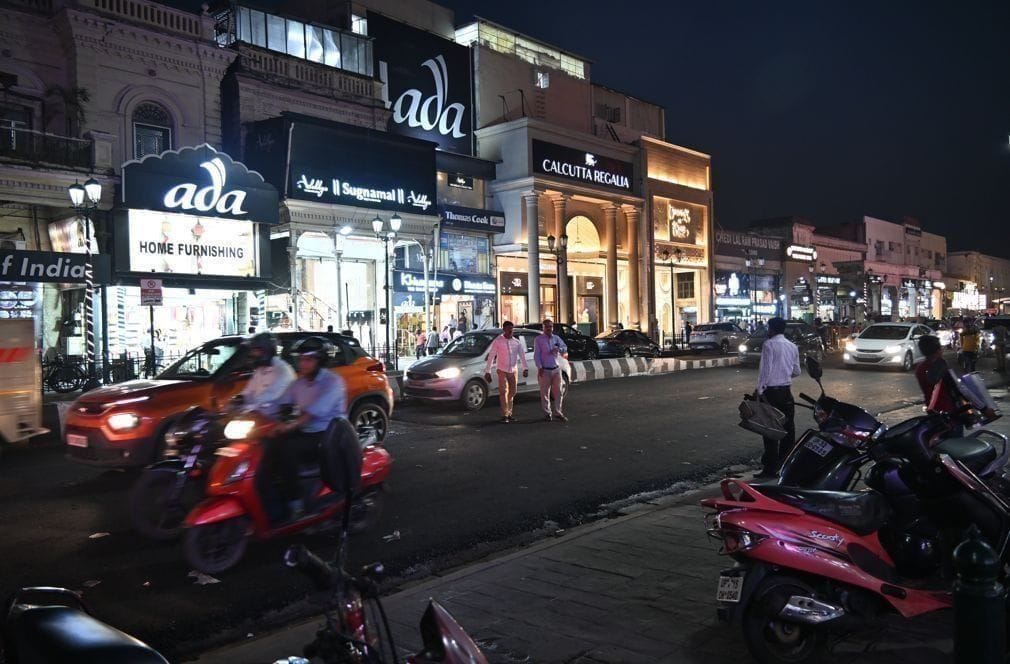
Law Garden on Netaji Road in the Ellisbridge area is the name most associated with Navratri shopping in Ahmedabad, and the reputation is earned. The market operates year-round as a street shopping strip, but in the weeks before Navratri it shifts its entire character toward festival wear. By the time October arrives, every stall along the stretch is selling chaniya cholis, mirror-work jackets, bandhej dupattas, oxidised jewellery, and matching accessories.
The best time to visit is after 6 PM, when the stalls are fully set up and the atmosphere is most active. The market stays busy until 9 to 10 PM during the pre-Navratri season. Arriving before 6 PM gives you more browsing space if crowds are a concern; arriving closer to 7 PM gives you the full Navratri market energy.
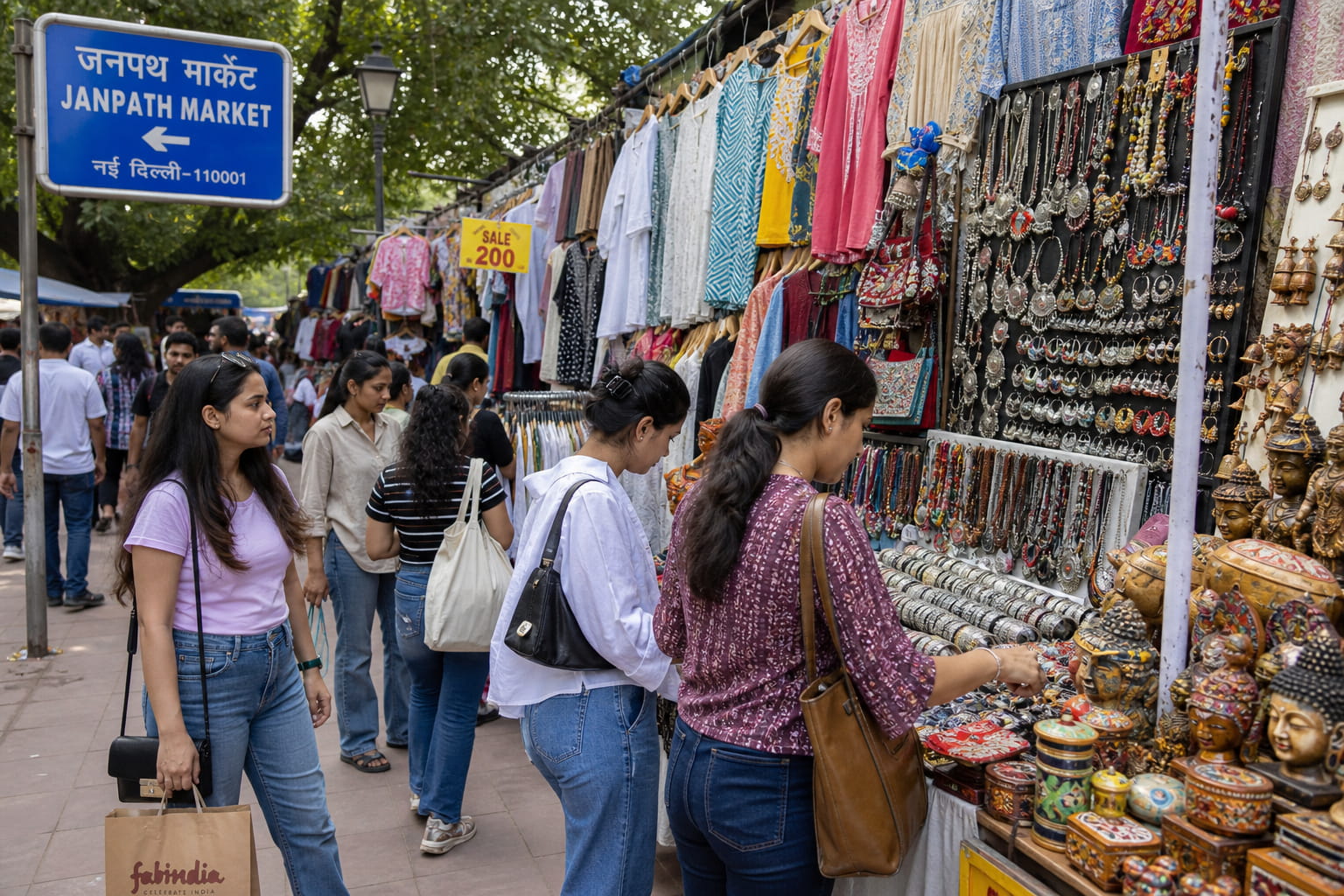
What Law Garden does best: full chaniya choli sets in a huge range of styles from simple cotton at Rs 500 to Rs 1,000 for a single ghagra, up to heavily embroidered or silk sets at Rs 2,500 to Rs 5,000 and above. Mirror work, Kutchi embroidery, and the particular aesthetic that reads as Garba-appropriate at Ahmedabad’s major venues is the speciality. Oxidised silver jewellery, matching bangles, and fabric dupattas are the supporting shopping categories.
Bargaining is standard at Law Garden. The opening price from stall owners is not the final price. Negotiations of 20 to 40% off the quoted amount are routine, and the vendors are accustomed to it. Cash is preferred at most stalls, though UPI payment is increasingly available.
Rani no Hajiro: The Heritage Market for Traditional Outfits
Rani no Hajiro in the Old City near Manek Chowk is a market with a historical character that Law Garden lacks. The name refers to the tomb of queens from the Mughal period that once stood in this area. The market that grew around it specialises in traditional chaniya cholis, Ajrakh-print and cotton versions, jamawar fabric, mirror-work accessories, and traditional jewellery including silver pieces, chunky bangles, and statement earrings.
The textile approach at Rani no Hajiro leans more traditional than the fashion-forward Law Garden selection. Buyers who want handwoven, handblock-printed, or more authentically Gujarati textile traditions find better options here than in the tourist-oriented Law Garden stalls. Fabric sold by the metre for custom chaniya choli construction is a specific Rani no Hajiro specialty that Law Garden does not match.
The surrounding area of Manek Chowk is Ahmedabad’s most famous street food destination, making a Rani no Hajiro shopping visit naturally extendable into a broader Old City evening. The distance between the two is walkable.
Dhalgarwad: Budget Navratri Shopping Near Teen Darwaza
Dhalgarwad, near the Teen Darwaza in the Old City, is the most budget-accessible of the main Navratri shopping markets. The stalls here carry dress materials, chaniya cholis, sarees, patola fabric, bandhani textiles, and festive accessories at prices that consistently undercut both Law Garden and Rani no Hajiro.
The trade-off for the lower prices is that Dhalgarwad is the least curated of the three markets. The selection is wide but not edited, which means more time is required to find specific things among the general inventory. For shoppers with a clear idea of what they need and a willingness to search, it is the right market. For those who want an easier browsing experience, Law Garden or Rani no Hajiro is more efficient.
The market is best visited in the morning when it is less crowded than the evening sessions. Unlike Law Garden, which comes alive after 6 PM, Dhalgarwad runs business hours through the afternoon.
Ahmedabad Haat, Vastrapur: The Kutchi Market
Ahmedabad Haat in the Vastrapur area is a cultural craft market that runs specific themed events. During Navratri season, the Kutchi market at Ahmedabad Haat draws artisans from the Kutch district who bring regional craft traditions: Ajrakh block-print textiles, Rogan art, traditional silver jewellery from Kutchi communities, and handloom fabric that is not commonly available in the urban market stalls.
For buyers who specifically want authentic regional craft rather than mass-produced Navratri fashion, Ahmedabad Haat is the right destination. The prices reflect the craftsmanship involved, and the variety is narrower than Law Garden, but the quality distinction is genuine.
What to Buy and What to Expect on Price
The core purchase for most Navratri shoppers in Ahmedabad is a complete chaniya choli set: ghagra (the flared skirt), choli (blouse), and dupatta. At Law Garden, simple cotton or printed sets start around Rs 1,200 to Rs 2,000 for the complete ensemble. Heavily embroidered, mirror-work, or silk versions range from Rs 3,000 to Rs 8,000 or more. Individual pieces sell separately at lower prices if you want to mix and match from different stalls.
For men, the kediyu (traditional Garba top) and dhoti or churidar combination ranges from Rs 1,200 to Rs 2,000 for standard versions. The gender-neutral kediyu-ghagra sets that have become popular in recent years start around Rs 1,200.
Jewellery at Law Garden: oxidised silver earrings, necklaces, and bangles range from Rs 100 to Rs 500 per piece at the street stalls. More elaborate statement pieces are Rs 500 to Rs 1,500.
Note: Prices at all markets are indicative based on current season data. Navratri pricing varies by vendor, negotiation, and the timing of your visit relative to the festival date.
Shopping Tips for Ahmedabad Navratri Markets
The markets get genuinely crowded in the week before Navratri. Visiting 10 to 14 days before the festival (the last week of September or very early October for Navratri 2026) gives you the full selection before the best pieces are gone, without the worst of the crowd pressure.
Carrying cash is practical. While UPI is available at many stalls, cash negotiations tend to work better for bargaining, and smaller stalls may not have reliable digital payment setups.
The first quoted price at Law Garden and similar street markets is a negotiating starting point. A calm, reasonable approach to bargaining is expected and does not cause offence.
Comfort footwear matters more than it seems. These markets involve significant walking on uneven surfaces, often in evening crowds.
You Might Also Like
Best Places to Visit in October in India 2026: October destinations across India including Rajasthan, Kerala, and Goa for the Navratri and Dussehra season.
Frequently Asked Questions
What are the best markets for Navratri shopping in Ahmedabad?
The best markets for Navratri shopping in Ahmedabad are Law Garden on Netaji Road (the primary destination for chaniya choli and Garba wear), Rani no Hajiro in the Old City (traditional textiles and silver jewellery), Dhalgarwad near Teen Darwaza (most affordable options), and Ahmedabad Haat at Vastrapur (authentic Kutchi craft market).
What is the best time to visit Law Garden for Navratri shopping in Ahmedabad?
The best time to visit Law Garden for Navratri shopping is after 6 PM, when all stalls are set up and the market atmosphere is at its most active; arriving 10 to 14 days before Navratri gives the widest selection before peak pieces sell out.
How much does a chaniya choli cost at Law Garden Ahmedabad?
Chaniya choli prices at Law Garden Ahmedabad range from approximately Rs 500 to Rs 1,000 for basic cotton ghagras, Rs 1,200 to Rs 2,500 for complete standard sets, and Rs 3,000 to Rs 8,000 or more for heavily embroidered or silk versions; prices are approximate and subject to bargaining.
When is Navratri 2026 in Ahmedabad?
Navratri 2026 runs from Sunday October 11 to Tuesday October 20 in Ahmedabad and across Gujarat; the ahmedabad markets navratri shopping season peaks in the two weeks before October 11.
Is bargaining expected at Ahmedabad Navratri markets?
Yes, bargaining is standard and expected at Law Garden and most street market stalls in Ahmedabad; quoted prices are typically the starting point for negotiations, and reductions of 20 to 40% from the opening price are common.
Where do I find authentic Kutchi textiles and jewellery in Ahmedabad for Navratri?
Ahmedabad Haat at Vastrapur and Rani no Hajiro in the Old City carry authentic Kutchi textiles, Ajrakh block-print fabric, and traditional silver jewellery from Kutch artisans; these are more authentic than the fashion-forward Law Garden selection.
What is Rani no Hajiro market known for?
Rani no Hajiro, located near Manek Chowk in Ahmedabad’s Old City, is known for traditional chaniya cholis, Ajrakh-print fabrics, mirror-work accessories, and traditional jewellery; it also sells fabric by the metre for custom chaniya choli tailoring, which is less common at Law Garden.
Should I pay in cash or use UPI at Ahmedabad Navratri markets?
Cash is preferred and recommended for bargaining at most street market stalls in Ahmedabad; UPI payment is available at many stalls but cash negotiations tend to result in better prices, and smaller vendors may not have reliable digital payment setups.
What should men buy for Navratri in Ahmedabad markets?
Men’s Navratri attire available at Ahmedabad markets includes the kediyu (traditional Garba top paired with dhoti or churidar) starting around Rs 1,200 to Rs 2,000, as well as the newer kediyu-ghagra sets that have become popular for gender-neutral Garba dressing.
Is Dhalgarwad market good for Navratri shopping in Ahmedabad?
Dhalgarwad market near Teen Darwaza is the most budget-accessible Navratri shopping option in Ahmedabad, with lower prices on dress materials, chaniya cholis, bandhani textiles, and accessories than Law Garden or Rani no Hajiro; it requires more browsing time to find specific pieces but offers genuine savings.
How is Garba in Gujarat connected to UNESCO recognition?
The Garba of Gujarat was inscribed on UNESCO’s Representative List of Intangible Cultural Heritage of Humanity in December 2023, recognising the tradition’s cultural significance as a communal devotional practice; this recognition has increased national and international interest in Gujarat Navratri, including in the associated shopping culture of Ahmedabad markets.