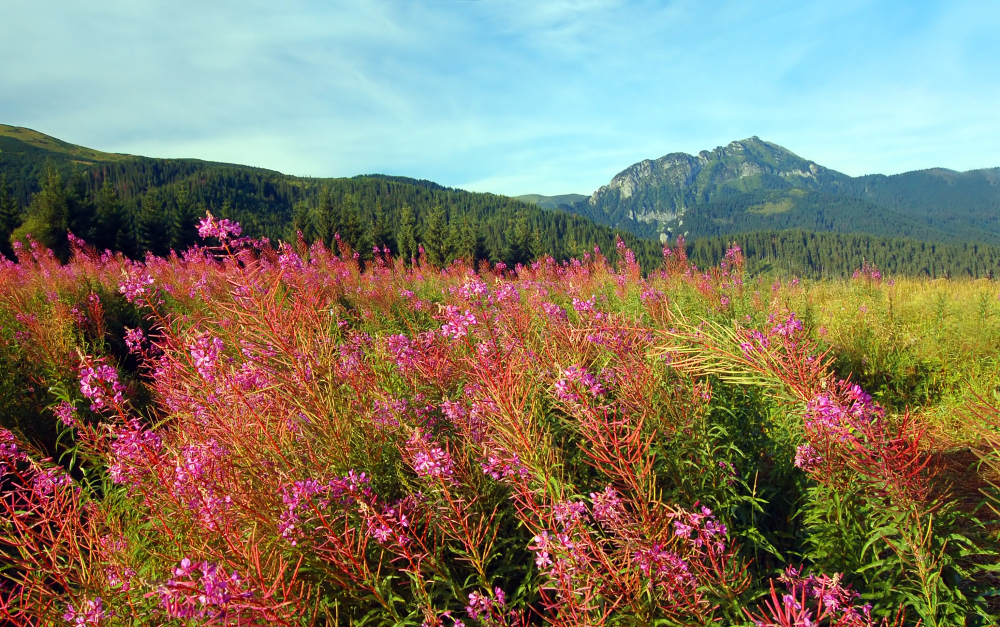
Every year the Valley of Flowers Trek turns a high Himalayan basin in Chamoli, Uttarakhand into a carpet of monsoon blooms, mist and streams, making it one of India’s most sought after UNESCO listed nature treks for first time and experienced trekkers alike.
This 2026 guide helps you plan the Valley of Flowers Trek step by step, from choosing the right month and getting permits to building a realistic itinerary, budgeting, packing for rain and altitude, and deciding whether to add Hemkund Sahib or Badrinath to your journey.
Valley of Flowers Trek: Why Valley of Flowers Is A UNESCO World Heritage Site
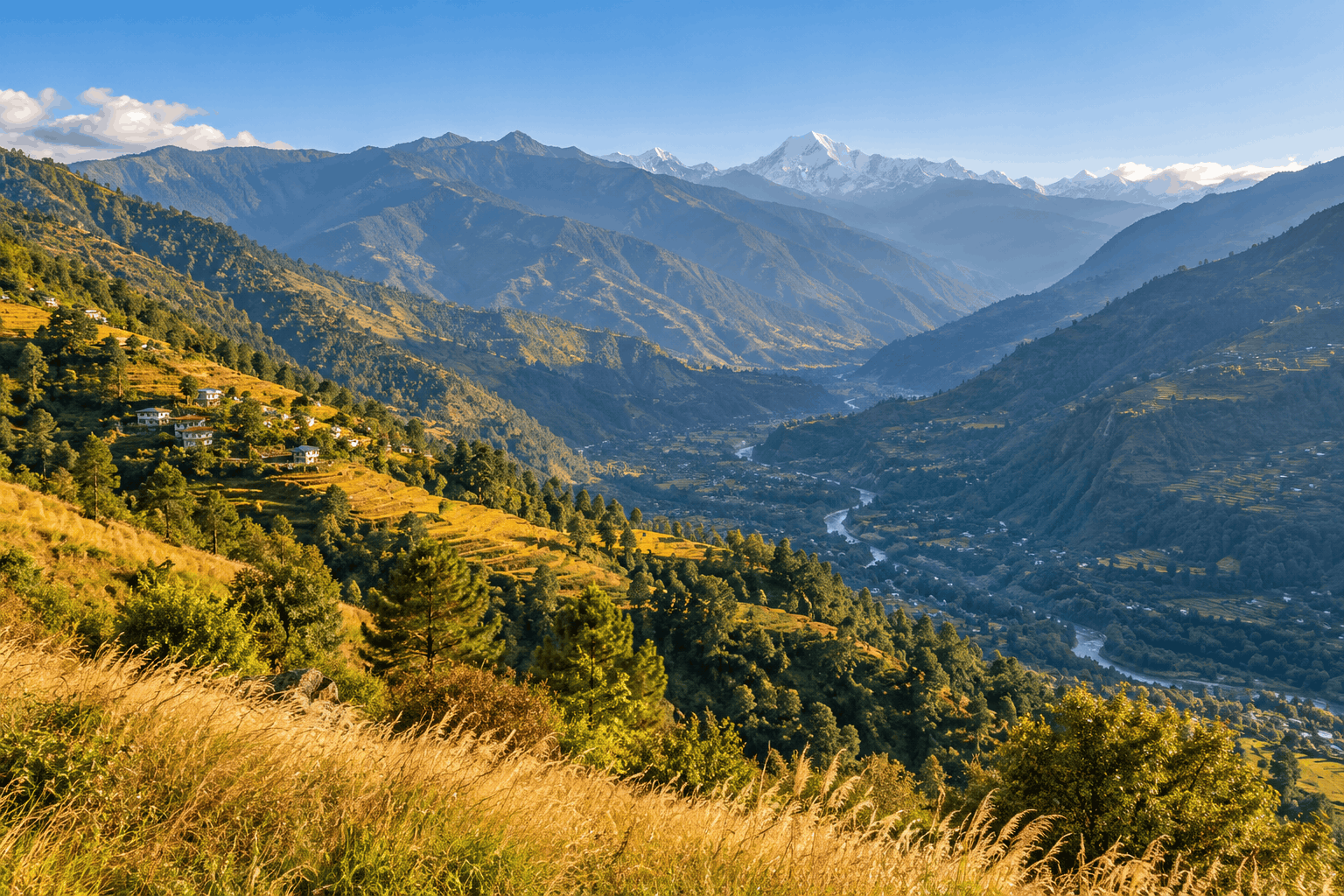
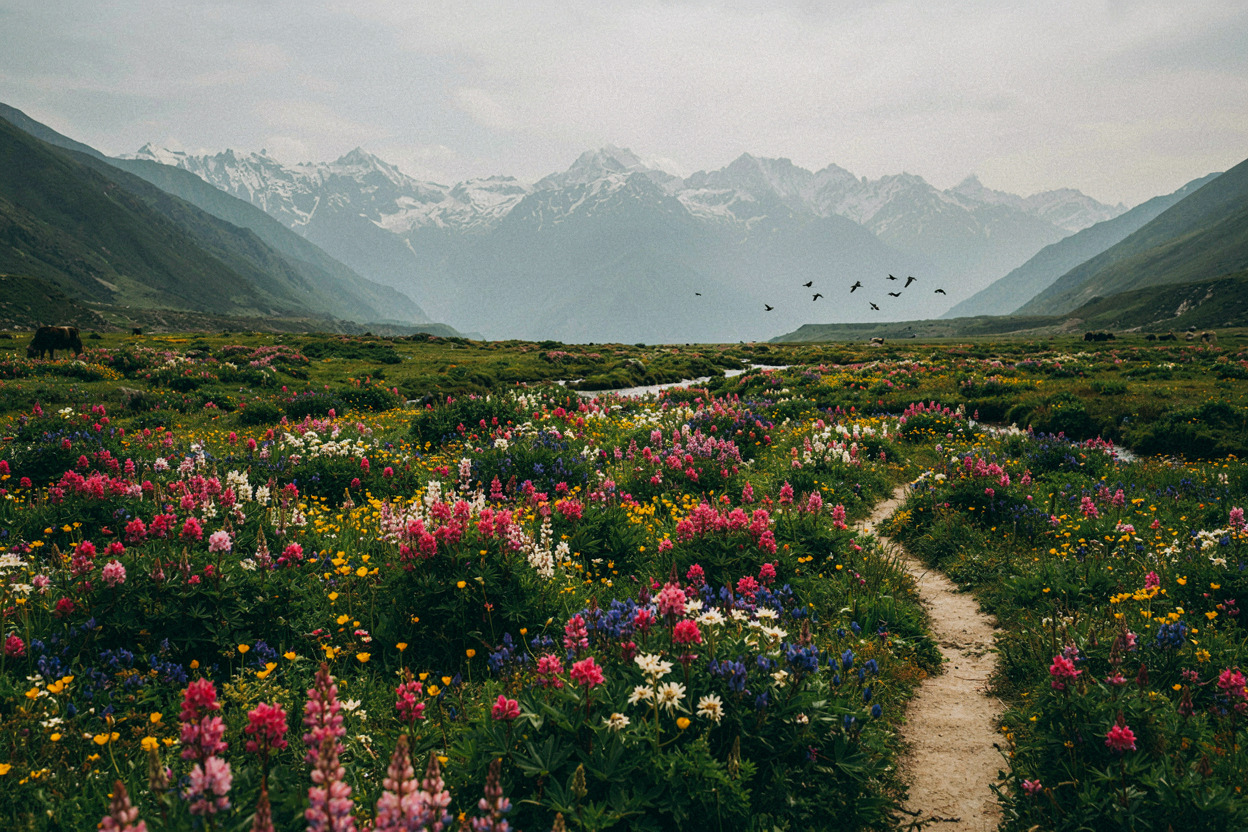
The Valley of Flowers lies inside the Nanda Devi Biosphere Reserve and is recognised by UNESCO for its unique alpine ecosystem and exceptional biodiversity at high altitude in the Garhwal Himalayas.
More than five hundred to six hundred species of alpine plants and flowers bloom here during the short monsoon window, including orchids, primulas, blue poppies and the rare Brahma Kamal, which makes the trek more about immersion in nature than technical summiting.
The landscape combines meadows, glacial streams, waterfalls and surrounding peaks at over three thousand meters, and sightings of Himalayan wildlife such as musk deer and Himalayan black bear are occasionally reported, though visitors mainly come for the valley itself.
Best Time To Do The Valley of Flowers Trek In 2026
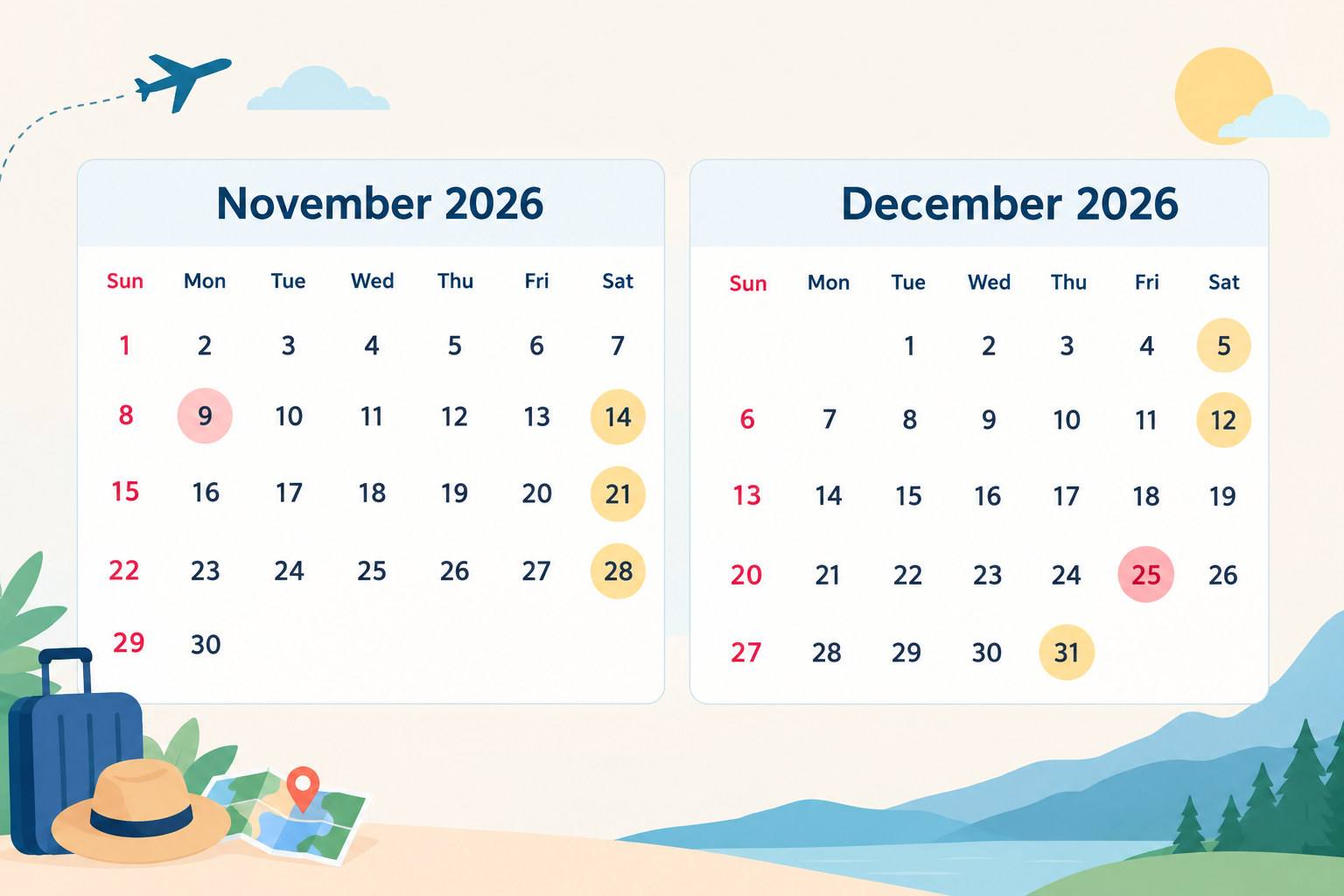
The Valley of Flowers Trek runs on a tightly defined seasonal window, with the park expected to open from 1 June 2026 and close around 31 October 2026, subject to confirmation by the Uttarakhand Forest Department. Always recheck dates before booking.
Flower bloom and trek experience change month by month. Early June feels closer to late spring with fewer flowers and cooler conditions, July brings greener meadows and increasing variety, mid July to mid August usually offers the densest floral bloom and most colourful valley views.
By September the Valley of Flowers Trek turns more about quiet trails, thinning flowers and clearer post monsoon mountain views, which suits trekkers who prefer fewer crowds and calmer weather rather than peak bloom intensity.
Opening, Closing And Daily Timings of Valley of Flowers Trek
For 2026, multiple trek operators and travel guides expect the Valley of Flowers National Park to open around 1 June 2026 and close by 31 October 2026, but final dates can shift slightly based on snow clearance and trail conditions.
Entry is restricted to daytime, with typical gate timings allowing entry from about 7:00 AM to early afternoon and exit deadlines around 4:00 PM to 5:00 PM so that all trekkers return to Ghangaria the same day and overnight stays inside the valley remain prohibited.
Always verify the exact opening date, closing date and same day entry timing with local forest authorities or your trek organiser a few weeks before travel, since heavy rain or landslides can lead to temporary access changes.
Valley of Flowers Trek Distance, Altitude And Difficulty
The Valley of Flowers Trek is considered easy to moderate, making it suitable for first time Himalayan trekkers who have basic fitness and are comfortable with repeated days of walking on a defined trail in monsoon conditions.
Most sources place the total Valley of Flowers Trek distance around thirty eight to forty kilometres for a complete circuit including Govindghat, Ghangaria, Valley of Flowers and optionally Hemkund Sahib, spread across four to six days depending on pace and add ons.
The valley floor itself sits around three thousand six hundred to three thousand seven hundred metres above sea level, while Hemkund Sahib reaches roughly fourteen thousand one hundred feet, so altitude is noticeable but manageable with a gradual itinerary and careful pacing.
Valley of Flowers Trek Itinerary For 4–6 Days
A flexible Valley of Flowers Trek plan works better than a rigid schedule, since monsoon weather and road conditions can change quickly in Uttarakhand’s high mountains.
Sample 5 Day Valley of Flowers Trek Plan
Day 1: Reach Govindghat via Rishikesh or Haridwar
Arrive in Rishikesh or Haridwar by bus, train or flight, then continue by road to Joshimath or Govindghat, a drive of roughly 270 to 300 kilometres that can take 10 to 12 hours depending on traffic and roadworks.
Day 2: Govindghat to Ghangaria base village
Travel a short distance by shared jeep or local vehicle from Govindghat to Pulna, then trek around nine to thirteen kilometres to Ghangaria, gaining altitude steadily along the river and sharing the path with mule traffic in peak season.
Day 3: Ghangaria to Valley of Flowers and back
Start early, cross the forest department checkpoint near Ghangaria, and trek about three to four kilometres into the Valley of Flowers, spending several hours exploring side trails and meadows before returning to Ghangaria by late afternoon.
Day 4: Optional Hemkund Sahib trek
From Ghangaria, trek roughly six kilometres on a steep, stone paved path to Hemkund Sahib, a high altitude Sikh pilgrimage site beside a glacial lake, then descend back to Ghangaria the same day, which can take six to eight hours for most trekkers.
Day 5: Return to Govindghat and onward
Trek back down from Ghangaria to Govindghat, then continue by road towards Joshimath, Rishikesh or Haridwar, adjusting the plan to fit onward connections or extra days you may want to spend in nearby destinations.
Alternative 6 Day Valley of Flowers Trek Itinerary
A six day Valley of Flowers Trek allows slower pacing, extra time in the valley and built in buffer for bad weather.
- Day 1: Delhi or another major city to Rishikesh or Haridwar by overnight bus or train.
- Day 2: Rishikesh or Haridwar to Govindghat or Joshimath by road, halt for the night.
- Day 3: Govindghat to Ghangaria trek, settle into accommodation and rest.
- Day 4: Full day Valley of Flowers Trek, return to Ghangaria.
- Day 5: Hemkund Sahib trek or a second Valley of Flowers visit, then overnight at Ghangaria.
- Day 6: Trek back to Govindghat and drive towards Rishikesh, Haridwar or Dehradun for your return journey.
Route From Delhi To Valley of Flowers
Reaching the Valley of Flowers Trek involves three stages, starting with plains travel to Rishikesh, Haridwar or Dehradun, then a mountain drive to Govindghat and finally the trek itself.
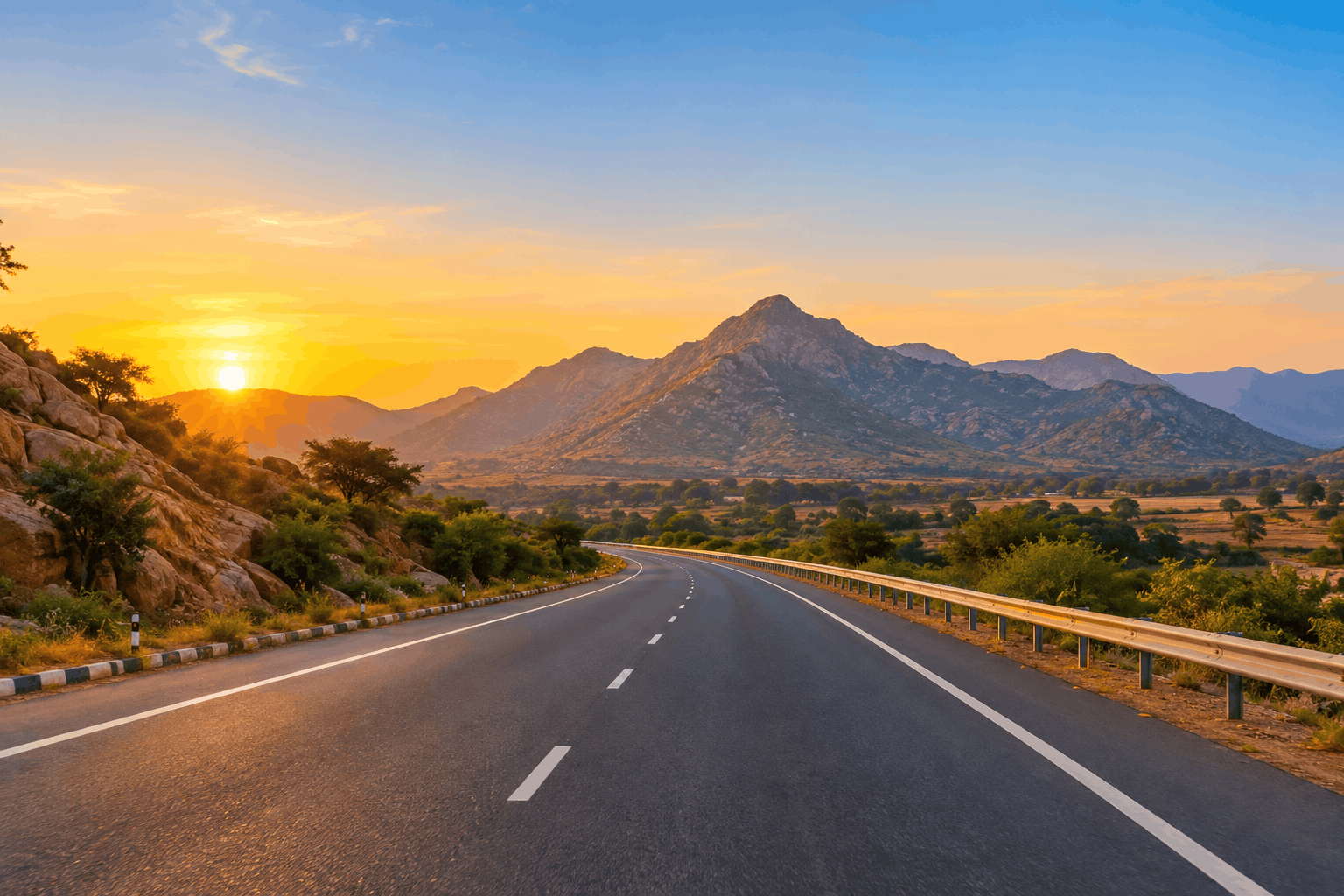
Travellers from Delhi commonly take an overnight bus or train to Haridwar or Rishikesh, then continue by road along NH7 towards Devprayag, Srinagar, Rudraprayag and Joshimath before reaching Govindghat, a journey of approximately 270 to 300 kilometres that can easily take a full day.
From Govindghat, shared jeeps or local vehicles cover the short distance to Pulna, after which the Valley of Flowers Trek formally begins with the walk to Ghangaria and onwards into the national park.
Travellers from cities like Jaipur, Chandigarh or Lucknow can follow the same logic, first booking reliable intercity buses or trains to Haridwar, Rishikesh or Dehradun, then joining a road journey or group trek onwards to Govindghat rather than attempting to piece together mountain transport at the last minute.
Valley of Flowers Trek Permits, Entry Fee And Rules
Entry to the Valley of Flowers National Park requires a forest permit that is checked at the gate near Ghangaria, with fees collected per person and validity typically spanning three consecutive days for repeat visits.
Recent guidance places the Valley of Flowers Trek permit cost for Indian citizens around ₹150 to ₹200 per person, while foreign visitors may pay between ₹600 and ₹800 per person, with discounted rates sometimes available for students, senior citizens and differently abled travellers.
Photography and filming inside the park carry separate camera fees if using high zoom lenses or commercial setups, and drones are not allowed, so trekkers should confirm current rules and carry enough cash for permits at the checkpoint.
Key regulations include no overnight camping inside the valley, strict bans on flower plucking and littering, and daily exit cutoffs that require visitors to start their return trek well before late afternoon, which helps protect the fragile alpine ecosystem.
Note Prices and permit rules are approximate and may change based on season, demand and government policies. Always verify current fees and timings with local authorities or your trek organiser before travel.
Valley of Flowers Trek Budget Breakdown
Costs for the Valley of Flowers Trek vary widely depending on whether you travel independently or join a fixed departure group, how many days you spend on the route, and the standard of accommodation and transport you choose.
Transport:
Return travel from Delhi to Rishikesh or Haridwar by bus or train, plus road transfers to Govindghat and back, can range roughly from ₹3,000 to ₹6,000 per person depending on class and whether you share cabs or use group transport.
Stay:
Basic guesthouses and hotels in Govindghat, Joshimath and Ghangaria usually cost around ₹800 to ₹2,500 per night per room, with simple dorms or camps sometimes cheaper and premium options higher in peak bloom weeks.
Food:
Daily food expenses on the Valley of Flowers Trek, including simple meals along the route and at base villages, often sit between ₹600 and ₹1,000 per person per day, higher if you prefer more frequent cafe stops or packaged snacks.
Permits And Tickets:
Forest entry fees for the Valley of Flowers Trek and any related camera charges usually add ₹200 to ₹500 per person over a multi day visit, unless your guided package includes permits in its overall price.
Guide And Porter:
Hiring a local trekking guide can cost roughly ₹2,000 to ₹2,500 per day, while porter or mule services from Govindghat to Ghangaria may charge about ₹1,000 to ₹1,500 for standard loads, with helicopter seats significantly more expensive.
Miscellaneous:
Buffer around ₹2,000 to ₹4,000 per person for contingencies, local sightseeing, extra snacks, rain gear bought on the route, or additional nights stayed due to weather delays, since monsoon treks carry genuine flexibility needs.
Overall, independent Valley of Flowers Trek budgets commonly fall between roughly ₹8,000 and ₹12,000 per person, while organised group packages that include transport, permits and stays can range from about ₹12,000 to ₹20,000 or more.
Note Prices are approximate and may change based on season, demand and availability. Always cross check recent package rates, permit fees and transport costs before finalising your plan.
Accommodation In Govindghat And Ghangaria
Govindghat sits on the main road between Joshimath and Badrinath and offers a mix of basic hotels, small lodges and dharamshala style stays, which are functional rather than luxury focused but adequate for one night halts before or after the Valley of Flowers Trek.
Ghangaria, also called Govind Dham, serves as the base village for both Valley of Flowers and Hemkund Sahib, with simple guesthouses, budget hotels and Swiss tent style camps that provide hot meals, limited electricity and drying space for wet clothes and shoes.
Rooms in Ghangaria can feel compact and basic, especially during peak bloom months when demand is high, so first time trekkers should set expectations realistically and prioritise clean bedding, hot food and functional washrooms over decor or modern amenities.
What To Pack For The Monsoon Valley of Flowers Trek
Packing smart for the Valley of Flowers Trek in monsoon is as important as route planning, since trails are often wet and temperatures can swing quickly between day and night.
Core clothing:
Quick dry trekking t shirts, a warm mid layer such as a fleece, a light down or synthetic jacket, and trekking pants that resist water better than denim or heavy cotton, plus thermal inner layers for those sensitive to cold.
Rain protection:
A sturdy waterproof jacket or poncho, backpack rain cover, and ideally dry bags for electronics help keep your essentials safe during sudden showers on the Valley of Flowers Trek.
Footwear:
High grip trekking shoes with ankle support, multiple pairs of quick dry socks, and optional gaiters reduce discomfort on muddy and rocky sections between Govindghat, Ghangaria and the valley.
Accessories:
A trekking pole, cap, gloves, personal medication, headlamp, and basic first aid kit are strongly recommended, along with high energy snacks like nuts, energy bars and glucose, especially for longer days or Hemkund Sahib add ons.
Keep total pack weight low enough that you can comfortably carry it for several hours, or plan for porter or mule support if you prefer to trek with only a small daypack during the Valley of Flowers Trek.
Weather, Safety And Monsoon Precautions
The Valley of Flowers Trek is a true monsoon trek, which means rain, clouds and occasional landslide related delays are part of the experience rather than exceptions.
Daytime temperatures in the valley often range roughly between 12 and 20 degrees Celsius, while nights can drop near 4 to 10 degrees, so trekkers must be ready for cool, damp conditions and chilly evenings in Ghangaria and Govindghat.
Trails can turn slippery, streams may swell, and road journeys can take longer than expected, so building buffer days into your Valley of Flowers Trek plan, starting early each morning, and following local advice on weather windows are all important safety habits.
Altitude effects such as mild headache, breathlessness or fatigue can appear once you cross three thousand metres, making slow pacing, regular water intake, and avoiding sudden sprinting or heavy loads key to staying comfortable.
Travel insurance that covers high altitude trekking and trip delays is wise, and first time trekkers should share their plan with family and keep emergency contacts handy, especially if trekking independently rather than with a guided group.
Fitness Requirements And Tips For First-Time Trekkers
The Valley of Flowers Trek works well as a first Himalayan trek if you prepare for continued walking on consecutive days and for the added effort of altitude and rain.
Aim to build the ability to comfortably walk eight to ten kilometres on varied terrain before your trip, including some stair climbing or hill workouts that simulate the gradual ascents you will face between Govindghat, Ghangaria and the valley.
Basic strengthening for legs and core, along with flexibility work, reduces knee strain and improves balance on uneven paths, making the Valley of Flowers Trek feel more enjoyable rather than exhausting.
Families can consider the trek for children above roughly ten years who are used to walking and following instructions, while senior citizens should assess fitness and altitude tolerance with their doctor before confirming plans.
First time trekkers often find guided groups helpful for pace setting, motivation and logistics, but confident travellers can complete the Valley of Flowers Trek independently if they stay alert to trail markers and daily weather updates.
Nearby Attractions: Hemkund Sahib, Badrinath And Joshimath
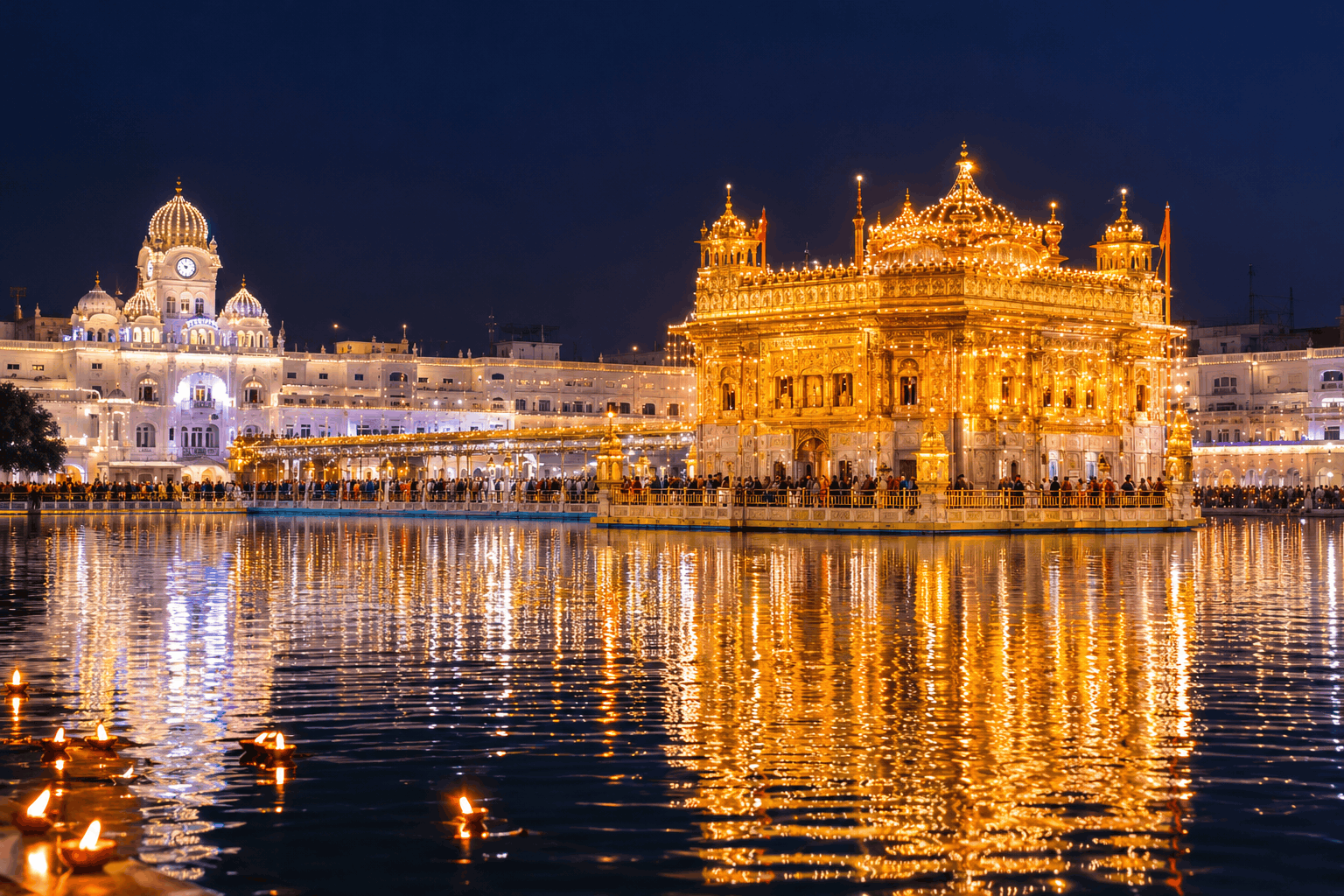
Hemkund Sahib is the most common add on to the Valley of Flowers Trek, sitting at around fourteen thousand one hundred feet beside a glacial lake reached by a steep stone path from Ghangaria, and offering a powerful combination of spiritual and natural experience.
Badrinath, one of the Char Dham pilgrimage towns, lies further up the road from Joshimath and Govindghat, and many trekkers add a short visit to the temple and surrounding viewpoints if their schedule allows.
Joshimath itself acts as a major rest and transit hub, with better facilities than small villages, and nearby Auli offers cable car access and wide Himalayan panoramas that work well as a relaxed post trek extension for those who wish to stay longer.
Smart Monsoon Trekking Tips For Valley Of Flowers
Practical preparation often matters more than gear brands on the Valley of Flowers Trek, especially in peak monsoon months.
Travel with waterproof packing for your phone, documents and cash, carry at least one spare set of completely dry clothes, and avoid cotton layers that stay wet and cold for long periods.
Start trek days early so you reach key points like the valley entrance or Hemkund Sahib before afternoon clouds and showers intensify, and listen actively to local guides and forest staff about any current landslide or stream crossing concerns.
Plan your Valley of Flowers Trek so that long road journeys, such as Delhi to Rishikesh and Rishikesh to Govindghat, are not scheduled back to back without adequate rest, since fatigue and motion sickness are both more likely during monsoon in the mountains.
You Might Also Like
These related travel and bus journey guides can help you prepare more comfortably for reaching Uttarakhand and travelling overnight before your Valley of Flowers Trek.
- How to Choose the Best Seat in Bus for a Safe and Comfortable Journey, a guide to seat selection for longer rides.
- What To Pack For An Overnight Bus Journey: Complete Checklist, covering sleep essentials, clothing and hygiene for overnight bus travel.
- How to Sleep on Overnight Bus: 9 Tips That Actually Work, with practical fixes for cold, noise and posture on long routes.
- Trusted Bus Service In India: 10 Things To Check Before Booking, a checklist for evaluating bus operators and safety before your trip.
Planning Your Valley of Flowers Trek 2026
Planning the Valley of Flowers Trek for 2026 means matching the right month, itinerary length and budget with your fitness level and travel style so that the journey feels challenging but enjoyable.
By understanding why mid July to mid August delivers peak bloom, how permits, timings and rules work, and what monsoon and altitude really feel like on this route, first time trekkers can set realistic expectations and avoid common surprises.
Adding nearby places such as Hemkund Sahib, Badrinath and Auli turns the Valley of Flowers Trek into a fuller Himalayan experience, as long as you keep buffer days for weather and avoid overloading the schedule.
Frequently Asked Questions About Valley of Flowers Trek
Is permit required for Valley of Flowers Trek?
The permit required for the Valley of Flowers Trek is a forest entry pass checked at the gate near Ghangaria, and without it visitors are not allowed to enter the national park during the daily trekking window.
What are the Valley of Flowers Trek opening and closing dates in 2026?
The Valley of Flowers Trek is expected to open around 1 June 2026 and close near 31 October 2026, but final dates depend on snow clearance, trail safety and official forest department notifications, so always verify just before travel.
Which month is best for the Valley of Flowers Trek?
The best month for the Valley of Flowers Trek is usually late July or early August, when the monsoon has triggered maximum bloom and meadows are at their most colourful, although September suits travellers who prefer quieter trails and fewer crowds.
How long is the Valley of Flowers Trek?
The Valley of Flowers Trek is approximately thirty eight to forty kilometres in total when you include Govindghat, Ghangaria, Valley of Flowers and an optional Hemkund Sahib visit, and most itineraries spread this across four to six days.
What is the altitude of the Valley of Flowers?
The Valley of Flowers sits around three thousand six hundred to three thousand seven hundred metres above sea level, while nearby Hemkund Sahib reaches roughly fourteen thousand one hundred feet, so trekkers must respect altitude and pace themselves sensibly.
Is the Valley of Flowers Trek suitable for beginners?
The Valley of Flowers Trek is suitable for beginners who have basic fitness, can walk several kilometres a day, and are prepared for monsoon rain, slippery paths and altitude, making it one of the most beginner friendly Himalayan treks with proper preparation.
Are guides compulsory for Valley of Flowers Trek?
Guides are not compulsory for the Valley of Flowers Trek, but first time trekkers and solo travellers often find local guides helpful for navigation, pace management, safety decisions in bad weather and understanding flora and trail nuances.
Is Valley of Flowers safe during monsoon?
The Valley of Flowers is generally safe during monsoon when trekkers respect weather updates, start early, avoid risky stream crossings and accept possible road or trail delays due to landslides, making flexibility and caution essential to a smooth experience.
Is Valley of Flowers Trek recommended for solo travellers?
The Valley of Flowers Trek can work for solo travellers who are confident with multi day trekking, comfortable arranging their own transport and stays, and ready to join local groups on the trail when needed, but shared treks usually feel safer and more social.
Can children do the Valley of Flowers Trek?
Children above around ten years who are used to walking and can follow instructions may do the Valley of Flowers Trek, whereas very young kids are usually not recommended due to distance, altitude and the need to keep pace with daily trail timings.
Is Valley of Flowers Trek suitable for senior citizens?
The Valley of Flowers Trek may be suitable for senior citizens who maintain good cardiovascular health, have prior walking experience, and obtain medical clearance for altitude, but those with knee, heart or respiratory issues should plan cautiously or choose gentler trips.
What about network connectivity and ATMs on the Valley of Flowers Trek?
Network connectivity and ATMs on the Valley of Flowers Trek are limited beyond towns like Joshimath, so trekkers should carry adequate cash, expect patchy signal in Ghangaria, and inform family that their phone may not work consistently during trail days.
Are ATMs available near Govindghat and Ghangaria?
ATMs are more reliably available in larger towns such as Joshimath and not in Ghangaria itself, so Valley of Flowers Trek travellers should withdraw sufficient cash before leaving the main road and carry emergency reserves for permits, stays and food.
Is the Valley of Flowers Trek doable without Hemkund Sahib?
The Valley of Flowers Trek is absolutely doable without Hemkund Sahib, and many travellers choose to focus only on the valley to keep difficulty moderate, especially if they are new to high altitude or prefer shorter steep ascents.
Do I need a guide for Valley of Flowers Trek as a first-time trekker?
First time trekkers on the Valley of Flowers Trek do not strictly need a guide, but hiring one or joining a guided group can simplify permits, logistics and safety decisions, particularly during sudden weather changes or on days with long road transfers.