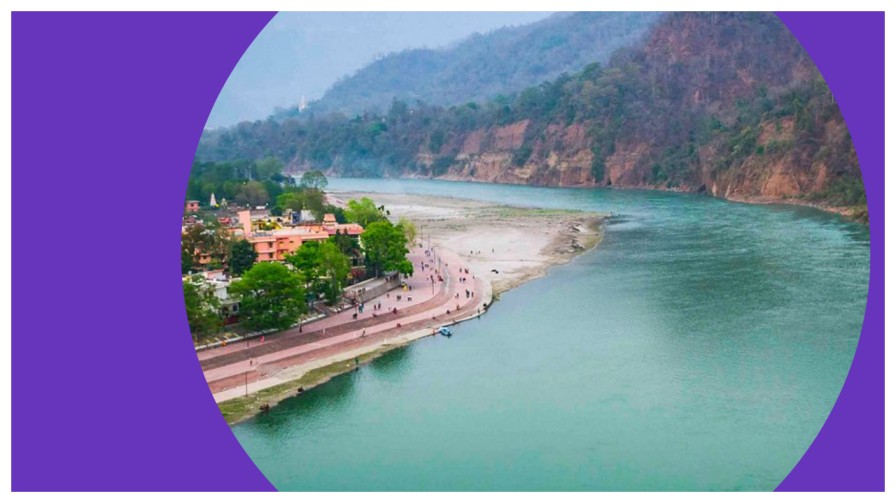
Rishikesh doesn’t pick a lane. It’s a holy city where you’ll find yoga ashrams next to bungee jumping platforms and riverside camping sites 10 minutes from ancient temples. That contradiction is exactly what makes it work. This rishikesh travel guide is for anyone heading here from Delhi, Gurgaon, or anywhere in north india who wants the real picture. Rafting, cafes, Lakshman Jhula, Triveni Ghat, camping under stars, and all the practical details nobody puts in one place.
Whether you’ve got a weekend or a full week, Rishikesh has a way of giving you exactly what you came looking for. And sometimes a few things you didn’t expect.
Adventure in Rishikesh: Where the Adrenaline Lives
Rafting
River rafting on the Ganga is the thing Rishikesh is most famous for, and honestly, it earns that reputation. The rapids between Shivpuri and Rishikesh cover roughly 16 km of Grade III and Grade IV stretches. The water is cold, the drops are real, and the guides know exactly when to let you panic and when to calm you down.
September to November and March to May are the best rafting months. Monsoon shuts it down completely due to dangerous water levels. Morning slots are less crowded and the water is calmer, which works better for first timers and families with older kids.
| Rafting Stretch | Distance | Grade | Duration | Approx Price |
| Brahmapuri to Rishikesh | 9 km | I to II | 1.5 hours | Rs 600 to Rs 900 |
| Shivpuri to Rishikesh | 16 km | III to IV | 3 to 4 hours | Rs 1,000 to Rs 1,500 |
| Marine Drive to Rishikesh | 24 km | III to IV | 4 to 5 hours | Rs 1,500 to Rs 2,000 |
Note: Prices are approximate and may change based on season, demand, and availability.
- Shivpuri stretch is the most popular for serious adventure seekers.
- Brahmapuri works for beginners and families with younger kids.
- Always book through licensed operators with proper safety equipment.
Bungee Jumping
The bungee jumping platform at Jumpin Heights near Mohan Chatti is India’s highest commercial bungee at 83 metres. The jump itself lasts about 5 seconds but the walk to the edge feels like 5 minutes. The setup is professionally managed with equipment imported from New Zealand and safety standards that match international levels.
Here’s the thing about the bungee. Everyone says they’ll do it until they’re standing on the platform looking down. The staff won’t push you. They count to three and you jump on your own. That decision is a real adventure. Book your slot online because walk ins often face 2 to 3 hour waits, especially on weekends.
- India’s highest commercial bungee jump at 83 metres.
- Giant swing and flying fox also available at Jumpin Heights.
- Online booking is recommended to avoid long weekend queues.
Camping
Camping in Rishikesh is not the roughing it kind. Most camps along the Ganga between Shivpuri and Rishikesh are fully set up with proper tents, beds, attached bathrooms, bonfire areas, and meal packages. You fall asleep to the sound of the river and wake up to mountains. It’s that simple and that good.
The camps at Shivpuri and Ghattughat are the most popular. Most offer combo packages that include camping, rafting, and meals for around Rs 1,500 to Rs 3,000 per person. Avoid the camps right next to the highway. The ones set 500 metres deeper towards the river are quieter and have much better views.
- Shivpuri and Ghattughat for the best riverside camping spots.
- Combo packages with rafting and meals offer the best value.
- November to March nights get cold so carry warm layers always.
Yoga and Spirituality: The Other Side of Rishikesh
Yoga Ashrams
Rishikesh is the yoga capital of the world. That’s not marketing. It’s the place where serious practitioners come to study, train, and teach. Parmarth Niketan on the banks of the Ganga is the largest ashram in town and offers daily yoga sessions open to visitors. The evening Ganga aarti here is one of the most powerful experiences you’ll have in the city.
For deeper immersion, Sivananda Ashram and Phool Chatti Ashram offer residential programmes ranging from a few days to full months. These aren’t luxury retreats. Expect early mornings, simple meals, shared rooms, and serious discipline. That’s the point. If you’re coming to Rishikesh for yoga, come ready to actually practice.
- Parmarth Niketan for daily open sessions and evening aarti.
- Sivananda Ashram for residential yoga training programmes.
- Phool Chatti Ashram for traditional immersive yoga retreats.
Beatles Ashram
The Beatles Ashram, officially Maharishi Mahesh Yogi’s ashram in the Rajaji Tiger Reserve area, is where John, Paul, George, and Ringo came to meditate in 1968. The ashram was abandoned for decades and turned into an open air gallery with graffiti murals covering every wall. It’s one of the most photographed spots in all of Rishikesh.
Most guides tell you to spend 30 minutes here. Ignore that. Give it at least an hour. The meditation cells, the rooftop of the main hall, and the deeper forest trails behind the buildings are where the real atmosphere lives. The entry fee is approximately Rs 150 for Indians and the place closes by 4 PM.
- Graffiti covered meditation cells make for unique photography.
- Allow at least one hour for a proper unhurried visit.
- Entry closes by 4 PM so plan an early afternoon visit.
Triveni Ghat
Triveni Ghat is where three holy rivers meet, and the evening aarti here is quieter and more intimate than the one at Haridwar. Locals come for their daily rituals, and visitors sit on the steps watching the oil lamps float on the water as chanting fills the air. This is the spiritual heart of Rishikesh, and it costs nothing to experience.
Lakshman Jhula, Ram Jhula, and the Riverside
Lakshman Jhula
Lakshman Jhula was the iconic suspension bridge that defined every Rishikesh postcard. The original bridge has been closed due to structural concerns, but a new one has been built nearby. The area around it remains one of the most popular sightseeing zones with temples, shops, and cafes lining both banks of the Ganga.
Walk across in the evening when the temple bells start ringing on both sides. The bridge sways gently. The river below catches the last light. And the chai stall on the far end serves kulhad chai that tastes better than it has any right to for Rs 20.
- New bridge near the original Lakshman Jhula location is open for crossing.
- Evening walks offer the best light and temple bell atmosphere.
- Cafes and shops on both riverbanks for food and souvenirs.
Ram Jhula
Ram Jhula is the other suspension bridge, about 3 km upstream from Lakshman Jhula. It’s slightly less touristy and connects directly to Swarg Ashram and Sivananda Ashram on the other side. The walk between Ram Jhula and Lakshman Jhula along the river road is one of the most pleasant stretches in north India. Takes about 40 minutes with stops for chai and photography.
Best Cafes in Rishikesh
The cafe culture in Rishikesh deserves its own section in any rishikesh travel guide. These aren’t just coffee shops. They’re riverside hangouts where you eat Israeli shakshuka for breakfast, sip lemon ginger tea while watching the Ganga, and meet people from 15 different countries before lunch.
Little Buddha Cafe near Lakshman Jhula has one of the best river views from any cafe in India. The Beatles Cafe plays vinyl records and serves surprisingly good pasta. Freedom Cafe in Tapovan is quieter, smaller, and perfect for journaling or reading with a mountain view. Prices across most cafes range from Rs 150 to Rs 400 per person for a meal.
| Cafe | Location | Known For | Approx Meal Cost |
| Little Buddha Cafe | Near Lakshman Jhula | River view, Israeli food | Rs 200 to Rs 400 |
| Beatles Cafe | Lakshman Jhula area | Vinyl music, pasta, coffee | Rs 150 to Rs 350 |
| Freedom Cafe | Tapovan | Mountain view, quiet atmosphere | Rs 200 to Rs 350 |
| Bistro Nirvana | Tapovan | Healthy bowls, smoothies | Rs 250 to Rs 400 |
Note: Prices are approximate and may change based on season, demand, and availability.
The corner table at Little Buddha facing the river gets taken by 9 AM every single day. If you want it, show up at opening time. Order the shakshuka and a mint lemonade. That’s the breakfast Rishikesh was made for.
Rishikesh Itinerary: How to Spend 3 Days
This itinerary balances adventure, yoga, sightseeing, and downtime. Adjust based on your pace and priorities.
| Day | Morning | Afternoon | Evening |
| Day 1 | Arrive, check in, explore Lakshman Jhula | Beatles Ashram visit and cafe hopping | Triveni Ghat aarti and riverside walk |
| Day 2 | Shivpuri rafting (16 km stretch) | Bungee jumping or free time at camp | Camping with bonfire and dinner by the Ganga |
| Day 3 | Yoga session at Parmarth Niketan | Ram Jhula walk and souvenir shopping | Departure or sunset at a Tapovan cafe |
Day 2 is the big adventure day. If you’re doing both rafting and bungee jumping, start early because both activities take 3 to 4 hours each including travel. Camping overnight on Day 2 keeps the itinerary flowing naturally without rushing back to town.
Rishikesh Budget Breakdown for 2026
Rishikesh is one of the most budget friendly tourist places in north india. Accommodation is cheap, food is affordable, and many of the best experiences like the aarti, river walks, and bridge crossings cost nothing at all.
| Category | Budget Range (Per Day) |
| Hostel or Guesthouse | Rs 400 to Rs 1,000 |
| Mid Range Hotel | Rs 1,500 to Rs 3,500 |
| Meals (3 per day at cafes or dhabas) | Rs 400 to Rs 800 |
| Rafting (one session) | Rs 600 to Rs 1,500 |
| Bungee Jumping | Rs 3,500 to Rs 4,000 |
| Camping (per night with meals) | Rs 1,500 to Rs 3,000 |
A 3 day trip covering adventure, cafes, yoga, and basic stay costs approximately Rs 5,000 to Rs 12,000 per person. Add the bungee if you want. It’s a one time cost that honestly pays for itself in bragging rights alone.
Note: Prices are approximate and may change based on season, demand, and availability. Check the zingbus app or website for current bus fares.
Best Time to Visit Rishikesh
| Season | Months | Weather | Best For |
| Peak | September to November | Cool, clear, post monsoon | Rafting, camping, all activities open |
| Winter | December to February | Cold, crisp mornings and evenings | Yoga retreats, quiet sightseeing |
| Summer | March to May | Warm days, pleasant evenings | Rafting, bungee, cafe culture |
| Monsoon | July to August | Heavy rain, river dangerous | Avoid. Most activities shut down |
October and November are the sweet spots. Rafting is at its best, the weather is perfect for camping, and the town hasn’t hit peak tourism crowd levels yet. Avoid monsoon travel entirely because the Ganga swells dangerously and rafting operators shut down.
How to Reach Rishikesh
By Bus
This is the most practical route for anyone coming from Delhi, Gurgaon, or Delhi NCR. The Delhi to Rishikesh bus route runs daily and covers the journey in approximately 6 to 7 hours. zingbus operates AC buses on this corridor with GPS tracking and onboard crew. The distance from Delhi to Rishikesh is roughly 230 km.
Bus travel india on the Delhi to Haridwar corridor also works because Haridwar is just 20 km from Rishikesh. You can book a Delhi to Haridwar bus and then take a local auto or shared taxi onward. Both zingbus routes offer departures through the day and overnight options for early morning arrivals.
By Train
Haridwar Junction is the nearest major railway station, about 20 km from Rishikesh. Trains from New Delhi, Mumbai, Kolkata, and other major cities stop here regularly. From Haridwar station, shared autos to Rishikesh cost around Rs 30 to Rs 50 per person. The Shatabdi Express from New Delhi reaches Haridwar in about 4.5 hours.
By Air or Road
Jolly Grant Airport in Dehradun is the nearest airport, about 35 km from Rishikesh. Flights from Delhi take under an hour. From the airport, pre booked cabs take approximately 45 minutes to reach town. If driving from Delhi or Delhi travel routes, take NH58 through Meerut and Haridwar. The road is well maintained and the drive takes about 6 to 7 hours depending on traffic.
You Might Also Like
- zingbus Maxx: 7 Star Luxury Bus Travel in India
- Overnight Sleeper Buses: Everything You Need to Know
- How to Choose the Best Seat in a Bus for a Safe and Comfortable Journey
Tips Before You Go
- Book rafting and bungee slots online at least a week ahead.
- Carry waterproof bags for phones and wallets during rafting sessions.
- Wear quick dry clothes on adventure day because you will get soaked.
- Avoid monsoon months entirely because most activities shut down.
- Cash is essential in Tapovan and smaller cafes near Lakshman Jhula.
- Pack warm layers even in summer for camping nights by the river.
- Start early on Day 1 to beat tourist crowds at popular spots.
The River, the Mountains, and That First Rapid
This rishikesh travel guide covered everything from the rapids at Shivpuri to the quiet steps of Triveni Ghat. Rishikesh gives you adventure and stillness in the same day, sometimes in the same hour. That’s what makes it one of the most complete india travel destinations in the country. Whether you came for the yoga or the bungee, you’ll leave with both.
The smart way to get here from Delhi or Gurgaon is an early morning or overnight bus on zingbus. Six hours on the road and you’re standing by the Ganga before lunch. The cafes are open. The rapids are waiting. And someone at Little Buddha already took your corner table. Better hurry.
Frequently Asked Questions
What Is the Best Time to Visit Rishikesh for Rafting?
September to November offers the best rapids. March to May is also good with slightly warmer water conditions.
How Far Is Rishikesh from Delhi by Bus?
Approximately 230 km. Buses from Delhi take about 6 to 7 hours depending on traffic and road conditions.
Is Bungee Jumping in Rishikesh Safe for Beginners?
Yes. Jumpin Heights uses international grade equipment and trained staff. No prior experience is needed at all.
Can I Do Yoga and Adventure in the Same Trip?
Absolutely. Morning yoga sessions and afternoon rafting or camping is a common and popular combination in Rishikesh.
How Much Does a 3 Day Rishikesh Trip Cost?
Approximately Rs 5,000 to Rs 12,000 per person covering stay, food, rafting, cafes, and basic sightseeing expenses.
Is Camping in Rishikesh Comfortable for Families?
Yes. Most camps have proper tents, beds, attached washrooms, meals, and bonfire setups suitable for all ages.
Are Cafes in Rishikesh Expensive?
Not at all. Most cafes serve full meals for Rs 150 to Rs 400 per person. Tapovan and Lakshman Jhula area are affordable.