


Let’s be honest; Diwali in metro cities has become less about lights and more about smog. When the Air Quality Index creeps past 400, breathing feels like a chore, and the festive spirit gets suffocated under a blanket of smoke. But here’s the thing: you don’t have to endure it.
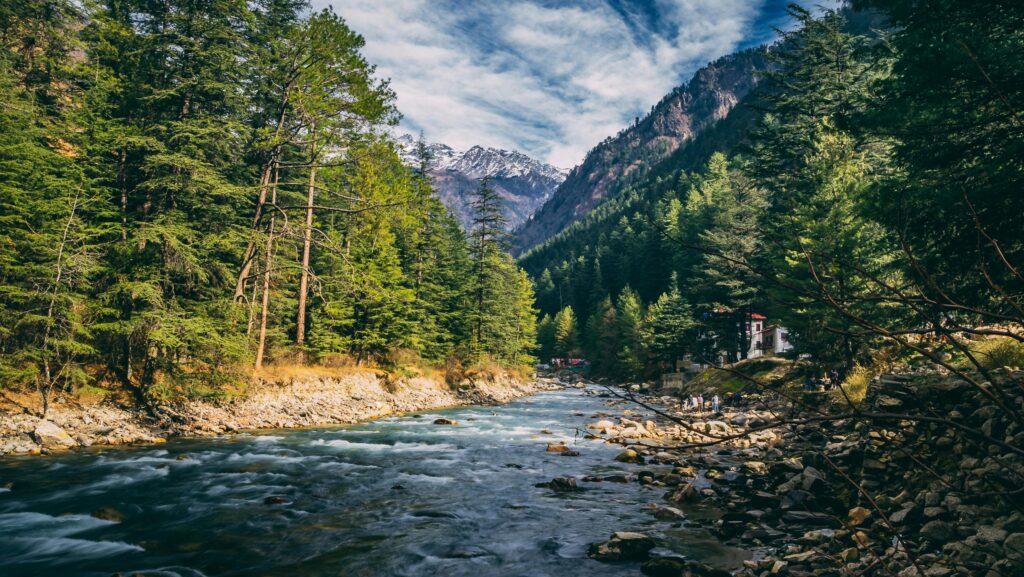
This year, what if your Diwali looked different? What if instead of closing windows and wearing masks indoors, you woke up to mountain air so crisp it tingled in your lungs? Or walked barefoot on a beach where the only crackers were the sound of waves breaking?
It’s not a dream. It’s just a bus ride away.
Why Staying Put During Diwali Doesn’t Make Sense Anymore
Remember when Diwali meant diyas, not dust particles? When you could actually see the stars after the festivities? Those days might be fading in cities, but they’re still alive in quieter corners of India. And getting there doesn’t require flight tickets or endless highway drives.
The pollution spike during Diwali isn’t a myth. Studies show AQI levels in Delhi, Mumbai, and other metros often cross hazardous marks, especially in the days following the festival. For people with asthma, children, elderly family members, or anyone who just values their health, this isn’t just uncomfortable; it’s dangerous.
But here’s where it gets interesting. While cities choke, places just a few hundred kilometers away are breathing easy. Hill stations, spiritual towns, heritage cities, and coastal escapes remain largely unaffected. The air is cleaner. The celebrations are calmer. And the experience? Infinitely more memorable.
The shift from “surviving Diwali” to “celebrating Diwali differently” starts with one decision: leaving the smoke behind.
The Himalayan Escape: Where Mountains Meet Fresh Air
If there’s one route that defines pollution-free Diwali travel, it’s the journey from Delhi to the Himalayas. And nothing beats the Delhi to Manali experience.
Picture this: you board an overnight bus from Delhi, leaving behind the smog-filled streets. While you sleep comfortably in a reclining seat, the bus climbs through winding mountain roads. When you wake up, you’re surrounded by pine forests and snow-dusted peaks. The air? So pure you’ll want to bottle it.
Manali during Diwali is a different world. The town celebrates, yes, but with lanterns and bonfires, not deafening crackers. You can trek to nearby villages, sip chai at hillside cafes, or simply sit by the Beas River watching the water dance over rocks. The AQI here hovers between 50-80 during Diwali, compared to Delhi’s 400+. That’s not just a number; it’s the difference between wheezing and breathing.
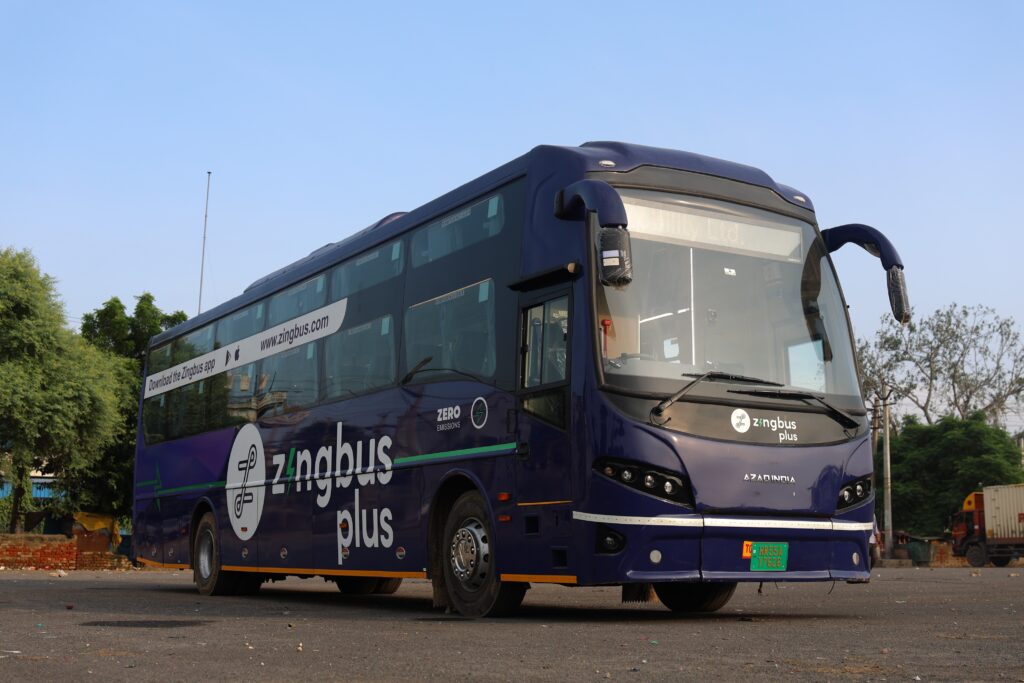
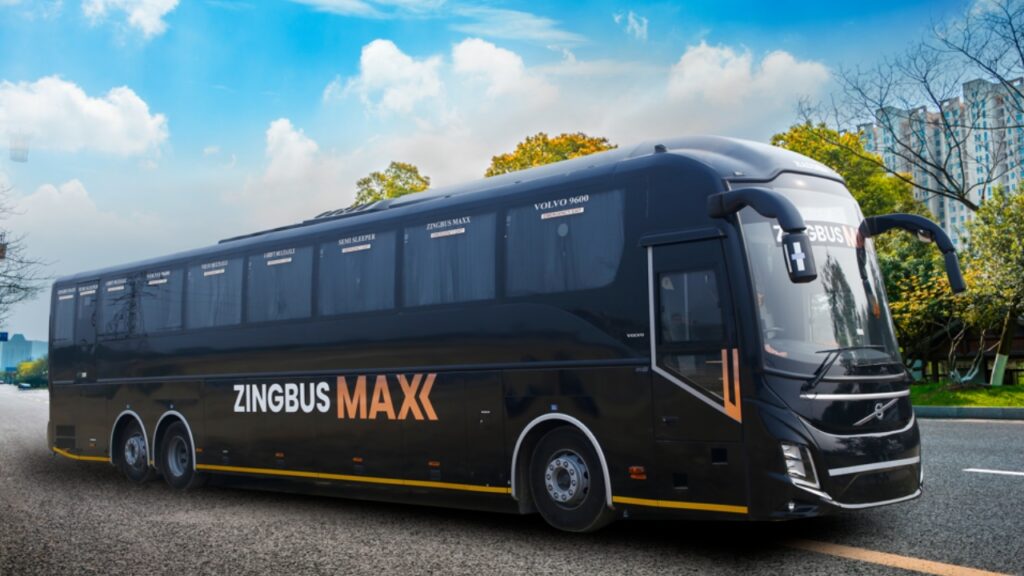
What makes this route special isn’t just the destination. The zingbus Maxx 7-star service on this route transforms travel into an experience. Leather recliners that stretch almost flat, personal entertainment screens, gourmet meals served onboard; it’s luxury at 2,500 meters above sea level. Even the journey becomes part of your Diwali story.
For those seeking spirituality over scenery, the Delhi to Rishikesh route offers something equally special. Rishikesh doesn’t do crackers. It does Ganga Aarti. As the sun sets and priests chant mantras, hundreds of diyas float down the river, creating a carpet of light on water. No smoke. No noise. Just devotion and peace.
The best part? Rishikesh is barely six hours from Delhi. You can leave in the evening, reach by midnight, and wake up to yoga by the river. Spend your Diwali morning in meditation, your afternoon rafting down the Ganges, and your evening at the ghats. Then return refreshed, having celebrated without compromising your lungs.
Heritage Routes: Culture Without Chaos
Not everyone wants mountains. Some prefer palaces. And for them, the Delhi to Jaipur bus route delivers heritage without the hazardous air.
Yes, Jaipur is a city. But it’s not Delhi. The pollution levels during Diwali are significantly lower, partly because of better air circulation and partly because the celebrations lean more traditional than explosive. You’ll find the Pink City’s forts and palaces beautifully lit, markets buzzing with shoppers, and rooftop restaurants offering views unmarred by thick smog.
The five-hour journey from Delhi gives you enough time to disconnect from the chaos without feeling like you’ve traveled too far. You can book morning buses, reach Jaipur by lunch, explore Amber Fort in the afternoon, watch the sunset from Nahargarh, and still make it to the City Palace for their special Diwali evening illumination.
What’s interesting about Jaipur during Diwali is how it balances festivity with breathability. The locals celebrate, but there’s a conscious effort toward eco-friendly practices. You’ll see earthen lamps more than electric strings, rangolis made with flower petals, and fewer crackers than you’d expect. It’s Diwali with culture intact and air quality manageable.
Plus, the return journey is just as convenient. The Jaipur to Delhi route runs frequently, so you can extend your stay if the clean air convinces you to linger a day longer.
Southern Sojourns: Beach Therapy for Smog-Weary Souls
While North India hogs the Diwali travel spotlight, South India quietly offers some of the best pollution-free diwali escapes. Take the Pune to Goa route, for instance.
Goa during Diwali is magical for one simple reason: the state’s Christian-majority population means celebrations are different. There are lights, yes. Parties, absolutely. But the air doesn’t turn grey. You can celebrate on the beach without inhaling toxins. You can watch fireworks (where permitted) from a safe distance over the ocean, where the smoke disperses naturally.
The overnight bus from Pune drops you in Goa just as the sun rises over the Arabian Sea. Imagine starting your Diwali morning with a swim in the ocean, not an inhaler in hand. Spend your days exploring spice plantations, Portuguese churches, and beach shacks. Spend your evenings watching the sunset paint the sky; actually seeing colors, not haze.
For the more cosmopolitan escape, the Hyderabad to Bangalore route offers something unique. Bangalore, India’s garden city, lives up to its name even during Diwali. The abundance of trees and parks means better air quality. The tech-savvy, globally-minded population means quieter, more eco-conscious celebrations.
You’re not fleeing to the wilderness here. You’re shifting from one city to another, but gaining lungs that work better, sleep that comes easier, and a Diwali experience that doesn’t feel like punishment. Bangalore’s cafes, bookstores, breweries, and green spaces offer a different kind of festive joy; one that doesn’t assault your senses.
Making the Move: From Decision to Departure
Here’s where most people get stuck. The idea sounds great, but execution feels complicated. Booking tickets, packing bags, coordinating with family, ensuring comfort during travel; it all seems overwhelming.
Except it’s not. Not anymore.
Booking your bus ticket takes exactly three minutes. You select your route, pick your seat (window or aisle, your call), choose your boarding point, and pay. Done. No airport security lines. No baggage weight restrictions. No arriving two hours early.
The buses themselves have evolved dramatically. Gone are the days of cramped seats and dubious hygiene. Modern bus travel, especially with operators focused on premium experiences, rivals business class flights in comfort. Think charging ports for your devices, individual reading lights, clean washrooms, and enough legroom to stretch out. On overnight routes, the seats recline so far back you’ll sleep better than in many hotel beds.
And if you’re worried about safety, the live tracking feature lets your family know exactly where you are, any time. Customer support is available 24/7. The buses are insured. The drivers are verified and experienced on mountain routes.
What Your Pollution-Free Diwali Getaways Actually Looks Like
Let’s paint the picture clearly. You book your tickets two weeks before Diwali. As the festival approaches, while your neighbors stockpile masks and air purifiers, you pack light woolens for mountains or breezy cottons for beaches.
On Diwali evening, instead of locking yourself indoors with air purifiers running, you’re at a hillside cafe in Manali, watching the valley lights twinkle below. Or you’re at a Goa beach shack, grilling fresh catch with new friends. Or you’re at the Rishikesh ghats, floating diyas on the Ganges, feeling deeply connected to the festival’s original spirit.
You breathe deeply without coughing. You sleep through the night without waking to firecracker explosions. You return home refreshed, not recuperating.
Here’s the comparison that matters:
| Traditional City Diwali Getaway | Pollution-Free Diwali Getaway |
| AQI: 400+ (Hazardous) | AQI: 50-100 (Moderate to Good) |
| Constant noise pollution | Natural sounds, peaceful nights |
| Indoor celebrations with closed windows | Open-air festivities |
| Masks indoors and out | Breathing freely everywhere |
| Cleaning up firecracker debris | Trekking mountain trails |
| Post-Diwali health issues | Returning rejuvenated |
The math is simple. The choice is obvious.
Routes That Work for Every Travel Style
Not everyone travels the same way. Some want adventure, others want rest. Some travel solo, others move with extended families. The beauty of bus travel is how flexible it becomes based on your needs.
- For solo travelers: The Delhi bus routes to various hill stations offer the safest, most convenient way to explore without driving alone through mountain roads at night.
- For families: The spacious sleeper buses on longer routes let parents travel with kids comfortably. Everyone gets their own space, and the overnight journey means children sleep through most of it.
- For budget-conscious travelers: Bus travel costs a fraction of flight tickets, leaving more budget for experiences at the destination. A round trip to Manali might cost what a single flight to Delhi would.
- For eco-conscious travelers: Buses carry 40-50 passengers in the space a few cars would occupy. The carbon footprint per person is significantly lower than driving or flying.
- For convenience seekers: Multiple boarding points across cities mean you don’t cross half the city to catch your bus. You board near home, sleep through transit, and wake up at your destination.
The Real Reason People Don’t Leave During Diwali
“But it’s Diwali. We celebrate with family.”
This is the most common reason people stay put despite the pollution. And it’s valid. Except, who says pollution-free Diwali means abandoning family?
Take them with you.
Imagine this alternative: instead of everyone gathering in someone’s apartment, inhaling smoke all evening, the whole family books buses to a hill station. You rent a cottage with a view. You celebrate together, but surrounded by mountains instead of smog. The diyas still light up. The sweets still taste amazing. The family is still together.
But now, the kids aren’t coughing. The elders aren’t struggling with breathing. And the memories? They’re about the trip, not about which air purifier worked best.
Family traditions can evolve. Maybe this year, the tradition becomes “our annual Diwali escape” instead of “our annual indoor lockdown.”
Booking Smart: Beyond Just Picking a Date
The difference between a good trip and a great one often comes down to timing and planning. For Diwali travel, certain strategies make all the difference.
Book early. Popular routes fill up fast during festival season. Booking 3-4 weeks ahead gives you a choice of seats, preferred timings, and better deals.
Choose overnight travel for longer routes. You save a hotel night’s cost, wake up at your destination refreshed, and maximize your time there.
Pick the right bus type. The premium bus services with added comfort features make sense for journeys over 8 hours.
Check the return policy. Plans change. Life happens. Knowing you can reschedule or cancel without losing everything matters.
Consider the boarding point carefully. Being close to home means less pre-journey stress. Some routes offer 10+ boarding points across a city; use it to your advantage.
What You’re Really Choosing
This isn’t just about escaping pollution. It’s about redefining what Diwali means to you.
For decades, we’ve accepted that festivals come with certain downsides. Noise. Smoke. Chaos. Health impacts. We’ve normalized not being able to breathe freely for days. We’ve made peace with sore throats and burning eyes being “part of the celebration.”
But what if they don’t have to be?
What if Diwali could be about actual joy? About actually seeing the lights because the air is clear? About feeling energized instead of exhausted? About creating memories you want to repeat, not endure?
The pollution-free getaway isn’t running away from Diwali. It’s running toward a better version of it. One where your lungs thank you. Where your kids remember adventures, not antihistamines. Where you return feeling like you actually celebrated something meaningful.
The routes exist. The buses run. The destinations are waiting. The only question is: which route will you choose for your pollution-free Diwali?
Because this year, breathing deeply shouldn’t be a luxury. It should be your Diwali plan.







Leave a Reply Cancel reply