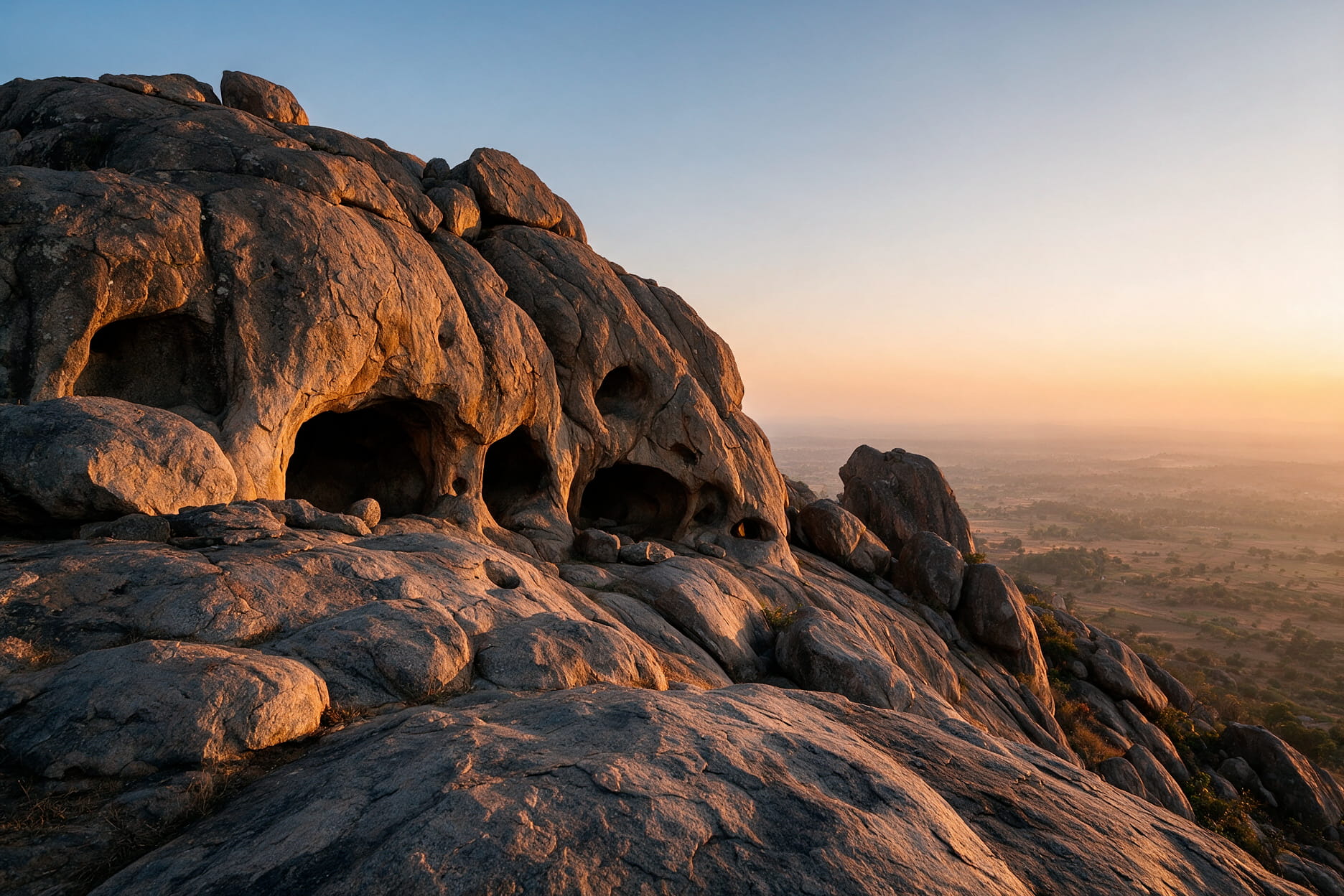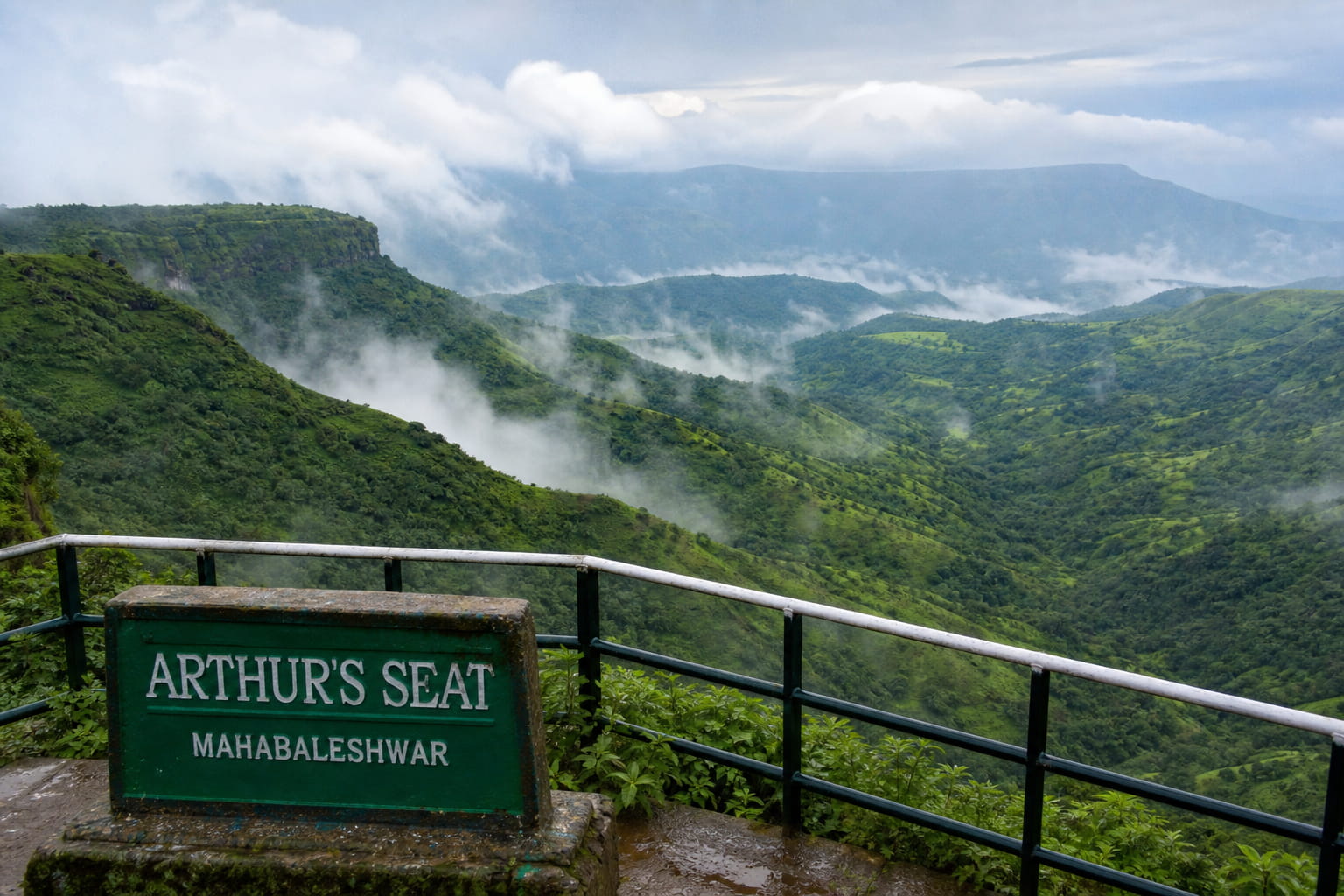
No other hill station in India has a viewpoint circuit quite like Mahabaleshwar. Arthur’s Seat, Wilson Point, Kate’s Point, Elephant’s Head Point, Bombay Point, Elphinstone Point — the town has given individual names to more than a dozen distinct lookouts across its plateau edge. Each faces a different direction over the Sahyadri valleys. That is the places to visit in Mahabaleshwar experience at its core.
The places to visit in Mahabaleshwar extend beyond the viewpoints: a 400-year-old fort where Shivaji Maharaj turned the tide of a crucial battle, a strawberry-growing region that supplies most of Maharashtra’s production, the source of the Krishna River, and nearby Panchgani with the second largest elevated plateau in Asia. Book your Mahabaleshwar bus on zingbus and plan at least two full days.
Places to Visit in Mahabaleshwar: The Complete Hill Station Guide
Mahabaleshwar sits at roughly 1,350 metres in the Satara district of Maharashtra, 120 km from Pune and 260 km from Mumbai. It was the summer capital of the Bombay Presidency during the British Raj, a role that shaped its infrastructure: wide scenic drives, named viewpoints along the plateau edge, and the kind of deliberate leisure-circuit layout that most Indian hill stations have lost. The town retains that layout and the viewpoints remain the primary way most visitors experience it.
The Viewpoints Circuit: What Mahabaleshwar Does Best
The viewpoints around Mahabaleshwar sit at the rim of the plateau, looking out over the Deccan on one side and the Konkan coast on the other. Most are accessible by road with a short walk to the actual viewing edge. Visit in the early morning for the best light and thinner crowds.
Arthur’s Seat
Arthur’s Seat, at 1,470 metres, is the highest and most dramatic viewpoint in Mahabaleshwar. It is referred to locally as the Queen of All Points and carries six named sub-points along the same ridge: Arthur’s Seat Point, Window Point, Tiger Sprint Point, Malcolm Point, Hunter Point, and Echo Point.
From the main Arthur’s Seat viewpoint you can see the Savitri Valley on one side and the verdant plateau on the other. The view captures the geological divide between the Deccan plateau terrain and the Konkan coastal descent. On clear winter days, the horizon extends to the Arabian Sea.
There is a specific physics phenomenon here that most visitors test: light objects thrown into the valley return upward, caught by the strong thermal updrafts rising from the warmer Konkan below. Throw a dry leaf or a bottle cap into the valley and watch it float back.
Getting there involves a 30-minute walk from the parking area along a stone-stepped path. The walk passes food stalls and is shaded in stretches. Not difficult.
Entry: Free.
Timings: 9 AM to 8 PM.
Distance from town: Approximately 13 km.
Wilson Point (Sunrise Point)
Wilson Point is the first stop for most Mahabaleshwar visitors and the correct answer to the question of where to be at dawn. At 1,439 metres, it is technically below Arthur’s Seat in elevation but offers the most reliable and unobstructed sunrise view. The sun rises over the Sahyadri range and the light on the valley below changes through orange, pink, and gold in rapid succession.
Arrive by 5:30 AM in winter and by 5 AM in summer. Bring a jacket regardless of season; the point is cold and exposed in the early morning. The drive from the main road is short and the parking is close to the viewing platform.
Distance from town: Approximately 3 km.
Elephant’s Head Point and Kate’s Point
Elephant’s Head Point, 7 km from town, is a rock formation on the plateau edge that resembles an elephant’s trunk and face when viewed from the approach path. The viewpoint overlooks a deep valley and the visual of the shaped rock against the drop below it is the specific reason to come.
Kate’s Point, 8 km from town, faces the Dhom and Balakwadi reservoirs to the north. The view from Kate’s Point is different in character from Arthur’s Seat — more horizontal, over reservoir water and agricultural land in the foothills below. It works well as a second stop after Wilson Point in a morning circuit.
Bombay Point (Sunset Point) and Elphinstone Point
Bombay Point on the western edge of the plateau is where the Bombay Presidency’s administrators watched the sun set over the direction of their capital. It is still the standard sunset stop in Mahabaleshwar and the drive there passes through one of the more pleasant forested stretches near the town.
Elphinstone Point is the origin of the Savitri River and gives views across the Koyna Valley toward Pratapgad Fort. It is less visited than Arthur’s Seat and worth adding on a day when the more famous points are crowded.
Venna Lake
Venna Lake, 2 km from the bus stand, was constructed in 1842 by Appa Saheb Maharaja, the ruler of Satara. It covers 28 acres and is fed by multiple springs. The lake is the social centre of Mahabaleshwar — the lakeside walkway, the rowing boats, the food stalls along the bank, and the horse rides on the surrounding paths make it the most animated place in the town.
Rowboats are available for hire at approximately ₹500 per hour. Horse rides run along the paths around the lake and into the nearby forest area. Pratap Singh Garden, a well-maintained colonial-era garden, sits directly on the banks.
The lake is at its most pleasant in the early morning and late afternoon. Midday in summer can feel crowded and warm. Sunset from the lake’s eastern edge is a quieter version of the Bombay Point experience.
Entry: Free.
Timings: 10 AM to 5 PM.
Lingmala Waterfall
Lingmala Waterfall, 6 km from Mahabaleshwar town, runs at its most powerful during and immediately after monsoon, from July through October. The waterfall drops in two tiers through dense forest and the trail from the entry gate passes through the forest cover before opening to the viewing area.
There is a lower viewpoint accessible to all visitors and an upper viewpoint that requires a steeper walk on uneven ground. The lower viewpoint gives the classic face-on view of the falls. The upper section gives a view from beside the top tier for those who make the additional climb.
Entry: ₹20 per person, ₹10 for camera.
Timings: 8 AM to 5:30 PM.
Best time: July to October for full flow; the waterfall reduces significantly from November onward.
Pratapgad Fort
Pratapgad Fort sits 24 km from Mahabaleshwar at approximately 3,500 feet and is the most historically significant destination in this guide. It was the site of the Battle of Pratapgad in 1659, where Shivaji Maharaj met the Bijapur Sultanate general Afzal Khan under a flag of truce and killed him, reversing the political tide of the Deccan Sultanate-Maratha conflict. The battle is one of the defining moments of Maratha history and the fort is built around that narrative.
The fort itself is large and well-preserved by the standards of Sahyadri hill forts. The main entrance gate, the Bhavani Temple at the summit, and the statue of Shivaji Maharaj at the base are the three key elements. The climb from the base to the fort gate takes about 30 minutes on wide stone steps.
The view from Pratapgad’s ramparts takes in the Koyna valley on one side and the Sahyadri ridgeline on the other. On clear days, the valley below is visible all the way to the Koyna reservoir.
Entry: Nominal Archaeological Survey fee; verify at the gate.
Timings: Generally 6 AM to 6 PM, but confirm locally.
Note: Combine this with Elphinstone Point on the return drive for a good half-day in that direction.
The Old Mahabaleshwar Area: Temple and River Origins
Old Mahabaleshwar, about 6 km from the main town, is the original settlement and holds the religious core of the area.
The Mahabaleshwar Temple is an ancient Shiva temple and the spiritual reason the town exists at all. From the mouth of the multi-headed deity inside the temple flow the five rivers of the region: Krishna, Koyna, Savitri, Venna, and Gayatri. The temple is active, free to enter, and considerably quieter than the viewpoints.
The Panchganga Temple, adjacent to the main temple, is where visitors observe the confluence of these five river origins in a small kund (sacred pool). The ritual of seeing the rivers emerge in one place before spreading across Maharashtra and beyond is the specific pilgrimage purpose of Mahabaleshwar.
The old town has none of the commercial development of the main market area and is worth the short drive for a different pace.
Mapro Garden and the Strawberry Experience
Mapro Garden is 11 km from Mahabaleshwar on the Panchgani road at Gureghar. Founded in 1959 by Kishore Vora, Mapro is the brand most associated with Mahabaleshwar’s strawberry agriculture and has a retail outlet, chocolate factory, garden, restaurant, and children’s play area at this location.
The product range covers strawberry crush, jam, jelly, wine, and a wide variety of fruit-based processed foods. Prices at the Mapro outlet are fixed and reliable; the same products elsewhere in the market carry variable pricing. The chocolate factory section inside the premises is open to watch.
Fresh strawberries are available from November through May, with the peak season from January through March. Mahabaleshwar produces approximately 85 percent of Maharashtra’s strawberry crop and is often called the Strawberry Capital of India.
The Strawberry Festival is held annually, usually in March, at Mapro Garden. It draws large numbers of visitors from Pune and Mumbai over the festival weekend.
Panchgani: The Day Trip Next Door
Panchgani is 19 km from Mahabaleshwar and is almost always combined into the same trip. Its defining feature is Table Land, described as the second largest volcanic plateau in Asia, a flat-topped basalt ridge that rises above the town with panoramic views on three sides.
Table Land is accessible by walking from the market area or by horse (₹750 for 45 minutes). The flat, elevated surface with the valley views below it is a landscape that does not resemble anything else in the Sahyadri range.
Rajpuri Caves and Devil’s Kitchen cave are within the Table Land area. The town of Panchgani itself has a colonial boarding school atmosphere, with St. Peter’s School (established 1904) and other institutions giving it a different character from Mahabaleshwar’s more tourist-oriented main bazaar.
How Long Do You Need in Mahabaleshwar?
One day covers the main viewpoints and Venna Lake comfortably. Two days adds Pratapgad Fort, Lingmala Falls, Old Mahabaleshwar, and Mapro Garden. Three days includes Panchgani properly, a morning strawberry farm visit, and a slower pace at each viewpoint.
Most visitors underestimate the number of places spread across the town. The driving distances between viewpoints add up: Arthur’s Seat is 13 km from town, Pratapgad is 24 km, Mapro is 11 km in a different direction. A two-day plan is more realistic than a single rushed day.
Best Time to Visit Mahabaleshwar
February to June is the peak season. The weather is pleasant (cooler than the Pune plains), strawberries are in season, and viewpoints are clear. April and May see the highest visitor numbers.
October to January is the most comfortable period for outdoor activity. The post-monsoon Sahyadri is green, the waterfalls are still running from September rainfall, and the crowds are thinner than the February-May peak.
Monsoon (July to September) makes the waterfalls at their most powerful and the landscape its most vivid green. The viewpoints are often fogged in, which can mean the famous views are not visible. Some approach roads become difficult. Many visitors specifically choose monsoon for the dramatic rain experience; others specifically avoid it for the fog.
How to Reach Mahabaleshwar
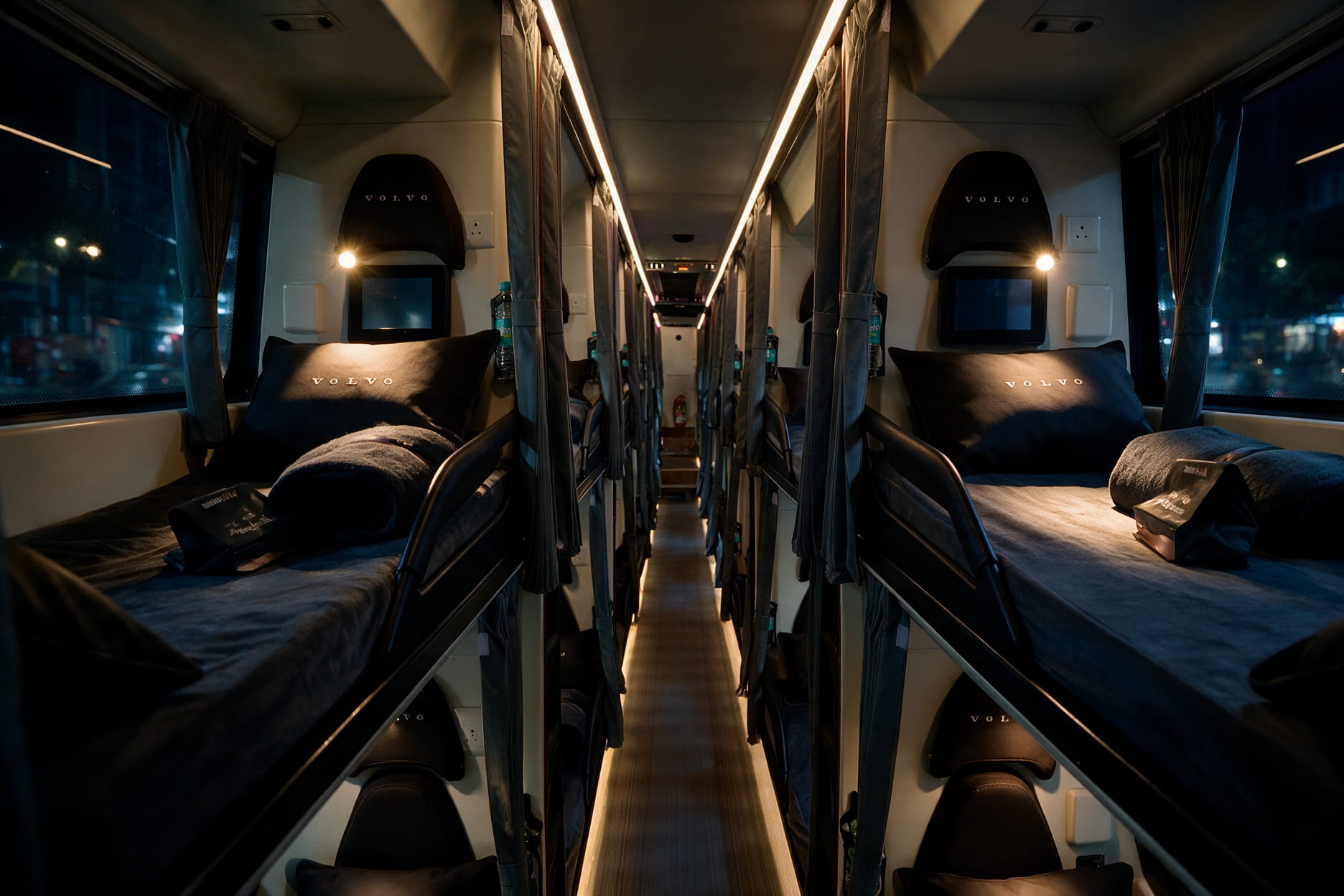
zingbus operates AC buses on the Mahabaleshwar corridor. From Pune, the journey covers approximately 120 km and takes around 3 to 4 hours through the Sahyadri ghat roads. Check return schedules and book the Mahabaleshwar to Pune bus on zingbus in advance.
For visitors coming from Mumbai (260 km), change at Pune and continue by bus to Mahabaleshwar. Check all available Pune routes on the zingbus app to plan the connection.
The Mahabaleshwar Bus Stand is approximately 2 km from the main market area. Local transport within the town includes share jeeps, auto-rickshaws, and taxi services for the viewpoints circuit.
Book Mahabaleshwar buses at least 3 to 5 days in advance for weekends and 7 days ahead during long holiday periods and the strawberry festival season.
You Might Also Like
- Places to Visit Near Pune Under 200 km: Mahabaleshwar is one of the most recommended destinations in this broader Pune weekend escapes guide.
- Best Hill Stations to Visit in Summer in India: Mahabaleshwar features in this national hill station reference alongside other summer escapes from major Indian cities.
- How to Plan a Road Trip in India: Practical multi-destination planning guidance for anyone building a Pune-Mahabaleshwar-Panchgani-Satara circuit.
Tips for Visiting Mahabaleshwar
- Arrive at Wilson Point by 5:30 AM for sunrise. The difference between a clear sunrise and a cloudy one at this viewpoint is visible but unpredictable. Go early regardless.
- Arthur’s Seat is best on weekday mornings. Weekend crowds at Arthur’s Seat are very large by 10 AM. The 30-minute walk to the viewpoint becomes crowded mid-morning on Saturdays.
- Throw something light into the valley at Arthur’s Seat. The updraft is real.
- Buy Mapro products at the Mapro Garden outlet, not at the town market stalls. Prices are fixed and quality is consistent.
- Fresh strawberries do not travel well. Eat them in Mahabaleshwar rather than carrying them back. Buy Mapro jam, crush, or wine for a reliable take-home product.
- The ghat roads into Mahabaleshwar, especially the section from Panchgani, can be foggy and slippery in monsoon. If driving, go slowly and use headlights.
- Mahabaleshwar has a vehicle entry tax collected at the town entrance. Factor this into costs if you are arriving by private vehicle.
- Horse rides at Venna Lake and on the viewpoint roads are a longstanding part of the Mahabaleshwar experience but prices and condition vary widely. Negotiate before agreeing.
- Old Mahabaleshwar is 6 km from the main town and almost always missed. The temple complex and the river origin are worth the short drive.
- Panchgani deserves half a day minimum. Table Land is not something you rush through; the scale of the plateau only becomes clear once you are on it.
Mahabaleshwar Is More Than Its Viewpoints
The viewpoints are the reason most people come, and they justify the trip. But the places to visit in Mahabaleshwar include a fort where one battle changed the course of the Deccan; a temple where one of India’s longest rivers begins as a trickle from a stone deity’s mouth; and a plateau town next door where the landscape looks completely different. Plan for two days and the whole picture becomes available.
The places to visit in Mahabaleshwar stay interesting across multiple visits because the light at Arthur’s Seat is different in February from October, and the strawberry season adds a dimension that no other Indian hill station has. It is a destination that earns its reputation and then offers more than that reputation suggests.
Frequently Asked Questions
What are the best places to visit in Mahabaleshwar?
The best places to visit in Mahabaleshwar include Arthur’s Seat, Wilson Point, Venna Lake, Lingmala Waterfall, Pratapgad Fort, Old Mahabaleshwar Temple, Mapro Garden, and the nearby town of Panchgani with its Table Land plateau.
What is Arthur’s Seat famous for in Mahabaleshwar?
Arthur’s Seat at 1,470 metres is the highest and most dramatic viewpoint in Mahabaleshwar, known for its views across the Savitri Valley and the unusual thermal updraft that causes light objects thrown into the valley to float back upward.
What is the best time to visit Mahabaleshwar?
February to June is the most popular season with pleasant weather and strawberries in peak production; October to January is the most comfortable period with clear skies; monsoon from July to September brings full waterfalls and vivid green but frequent fog at the viewpoints.
How far is Pratapgad Fort from Mahabaleshwar?
Pratapgad Fort is approximately 24 km from Mahabaleshwar town; it was the site of the Battle of Pratapgad in 1659 where Shivaji Maharaj defeated the Bijapur general Afzal Khan, one of the defining events of Maratha history.
What is Mapro Garden in Mahabaleshwar?
Mapro Garden is a strawberry farm, retail outlet, and food park 11 km from Mahabaleshwar, founded in 1959, selling strawberry-based products including jam, crush, wine, and chocolates; it hosts the annual Strawberry Festival usually in March.
How far is Panchgani from Mahabaleshwar and is it worth visiting?
Panchgani is 19 km from Mahabaleshwar and is worth a half to full day; its main attraction is Table Land, described as the second largest volcanic plateau in Asia, with panoramic valley views and an unusual flat landscape that contrasts with everything else in the Sahyadri range.
What is the entry fee for Lingmala Waterfall?
Lingmala Waterfall charges ₹20 per person for entry and ₹10 additionally for a camera; it is open from 8 AM to 5:30 PM and is best visited from July to October when water flow is at its highest.
How long should I plan for a Mahabaleshwar trip?
Two days covers the main viewpoints, Venna Lake, Pratapgad Fort, Mapro Garden, and Old Mahabaleshwar at a reasonable pace; three days adds Panchgani properly and a more unhurried experience at each stop.