Chaitra Navratri in 2026 runs from March 29 to April 6, and if you have ever wanted to experience one of India’s most spiritually charged nine days at a proper temple, this is the year to plan it right. The festival marks the start of the Hindu new year in the Vikram Samvat calendar, and the energy at major chaitra navratri temples across north India during this period is genuinely unlike anything else in the annual festival calendar.
This guide covers the best temples to visit during Navratri, what to expect at each one, and how to get there without the last-minute scramble.
Chaitra Navratri 2026: Temple Guide at a Glance
| Temple | Location | Deity | Distance from Delhi | Best For |
| Vaishno Devi | Katra, J&K | Maa Vaishno Devi | 650 km | Pilgrimage, Trekking |
| Durga Temple Varanasi | Varanasi, UP | Maa Durga | 820 km | Aarti, Spiritual depth |
| Mansa Devi | Haridwar, UK | Maa Mansa Devi | 220 km | Ganga, Festival atmosphere |
| Chandi Devi | Haridwar, UK | Maa Chandi | 220 km | Ropeway, Scenic darshan |
| Jwalamukhi Temple | Kangra, HP | Maa Jwalamukhi | 490 km | Flame miracle, Hills |
| Katyayani Devi | Vrindavan, UP | Maa Katyayani | 160 km | Day trip, Braj bhumi |
| Kalka Mandir | New Delhi | Maa Kali | 0 km | City darshan, Navratri pooja |
| Sheetla Mata | Gurgaon | Maa Sheetla | 30 km | Delhi NCR, Accessible |
Note: Distances are approximate from Delhi. Travel times vary based on route, season, and road conditions. Always confirm temple darshan timings on their official websites before visiting during festival days.
What Is Chaitra Navratri and Why It Matters Every Year
Navratri happens twice a year in the mainstream Hindu calendar. The Sharad Navratri in October gets more attention because of the Dandiya and the big public celebrations in Gujarat and Mumbai. But chaitra navratri, the spring edition, is the one that serious devotees consider more spiritually significant. It falls in the first month of the Hindu new year and each of the nine days is dedicated to one of the nine forms of Goddess Durga.
In 2026, Chaitra Navratri begins on March 29 with Ghatasthapana, the ritual installation of the kalash, and concludes on April 6 with Ram Navami, which marks the birth of Lord Ram and gives the festival its other layer of significance. The overlap of Navratri and Ram Navami in the same nine days makes this edition particularly important for both Shakti and Vaishnava traditions. Dates shift slightly each year based on the lunar calendar, so always confirm the current year’s schedule before planning your temple visits.
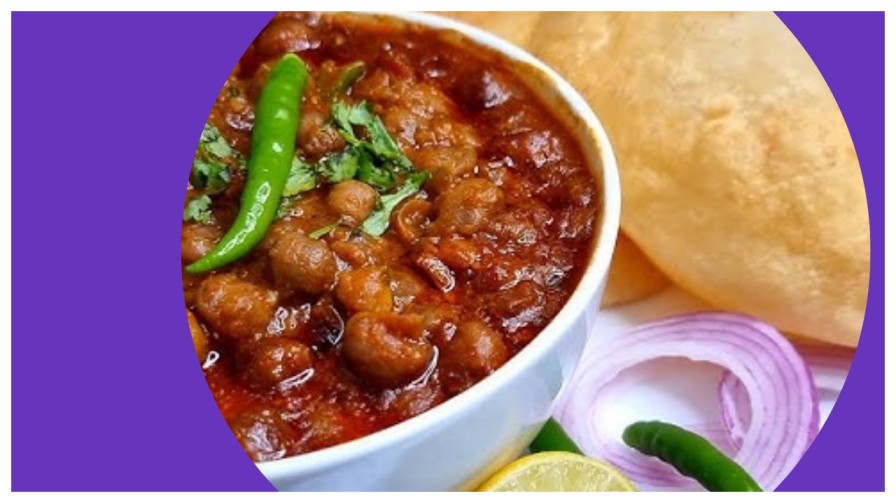
The fasting practices during these nine days vary by region and by family tradition. The most common form involves avoiding grains and non-vegetarian food, eating only fruits, sabudana, and kuttu ka atta preparations. The food at temple towns during chaitra navratri reflects this completely. Every dhaba and stall near a major temple switches to fasting menus for the full nine days.
Best Chaitra Navratri Temples to Visit in 2026
Vaishno Devi, Katra
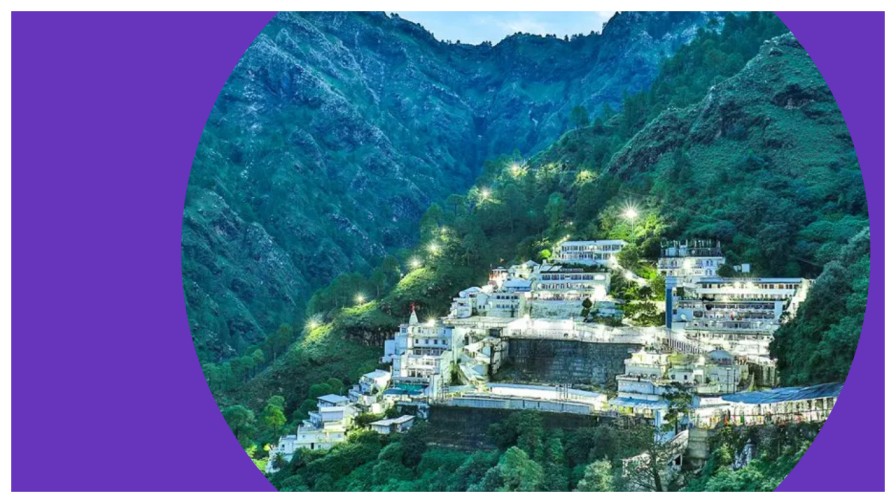
Vaishno Devi in the Trikuta Hills above Katra is the most visited goddess temple in India by annual footfall, and Navratri is its peak season every year. The 13 km trek from the base camp at Banganga to the main shrine passes through mountain forest and takes most people between 4 and 6 hours one way. The cave shrine houses three natural rock formations called pindis representing Maha Kali, Maha Lakshmi, and Maha Saraswati and darshan at one of India’s most revered chaitra navratri temples carries enormous significance for devotees across north India.
Book your yatra slip online through the Shri Mata Vaishno Devi Shrine Board website well in advance of your visit. Slots fill up within hours of opening during Navratri. Helicopter service from Katra to Sanjichhatt is available but also books out fast. The base camp at Katra has guesthouses at every price point, from Rs 400 dormitories to proper hotels, but everything requires advance booking in the weeks before the festival.
The crowd during Chaitra Navratri is substantial but managed. Night trekking is popular, cooler, and often less crowded than the daytime push. If you are physically able to do it, the 2 AM start from Katra is the version that most experienced pilgrims recommend.
Durga Temple, Varanasi
Varanasi during Navratri operates at a frequency that is hard to describe without sounding like an exaggeration. The Durga Temple near Durgakund, also known as the Monkey Temple locally, is one of the oldest Shakti shrines in the city and the chaitra navratri celebrations here run through the night on several of the nine days. The temple turns deep red from the sindoor offerings, the aarti bells layer over the sounds of the ghats, and the whole neighbourhood around Durgakund comes alive in a way that feels genuinely ancient.
Combine the Durga Temple visit with the Ganga aarti at Dashashwamedh Ghat in the evening. The aarti during Navratri is more elaborate than the standard evening ceremony and the number of priests and the scale of the ritual both increase for the festival period. Arrive at the ghat by 6 PM for a standing spot near the front.
Varanasi is also where you will find some of the best fasting food in north India during these nine days. The sabudana khichdi and kuttu ki puri at the small stalls near the Vishwanath Gali area are genuinely good and very affordable.
Mansa Devi and Chandi Devi, Haridwar
Haridwar during Navratri is the most accessible major pilgrimage experience from Delhi and it delivers completely every single year. The Mansa Devi temple sits on Bilwa Parvat and is reached by ropeway or by a steep footpath that takes about 40 minutes on foot. The view over Haridwar and the Ganga from the temple courtyard during the morning aarti, with the whole city below you still half in mist, is one of those moments that stays.
Chandi Devi temple sits across the river on Neel Parvat and is also accessible by ropeway from the Chandi Ghat side. The combination of both chaitra navratri temples in a single day, connected by the bridge over the Ganga, is the standard Haridwar Navratri pilgrimage circuit.
The Har Ki Pauri aarti at sunset during Navratri is worth planning around. The diyas floating on the Ganga after the aarti, with the temple lights on the ghats reflected in the water, is a scene that justifies the entire journey. Go on any of the odd-numbered days of Navratri when the crowds, though large, carry a particular energy.
Jwalamukhi Temple, Kangra
Jwalamukhi is the flame temple. There is no idol here. Instead, natural gas flames emerge from the earth through cracks in the rock and these are worshipped as manifestations of the goddess. It is one of the 51 Shakti Peethas and the fact that the flames have been burning without any external fuel source since ancient times gives the place a quality that photographs cannot capture. During chaitra navratri the temple complex is lit with oil lamps and the permanent flame takes on a deeper significance for visiting devotees.
The temple is in the Kangra district of Himachal Pradesh, about 490 km from Delhi. The journey takes 9 to 10 hours by road and combines well with a Himachal trip if you are planning a longer holiday. The town of Jwalamukhi is small and accommodation is basic but sufficient for an overnight stay. Visit early morning on one of the Navratri days for the full aarti experience before the crowd builds.
Katyayani Devi, Vrindavan
The Katyayani Devi temple in Vrindavan is one of the 51 Shakti Peethas and sits at the intersection of the Navratri goddess tradition and the Braj bhumi associated with Krishna. It is the closest major Shakti Peetha to Delhi at around 160 km and works well as a day trip during the festival days. The temple sees significant footfall during chaitra navratri because Vrindavan and Mathura are already prominent pilgrimage centres and the combined energy during spring festival season here is considerable.
The ISKCON Vrindavan campus is nearby and worth including in the visit. The havan and cultural events during Navratri at ISKCON Vrindavan are open to visitors and offer a different but equally sincere engagement with the festival traditions.
Kalka Mandir, New Delhi
For delhi tourism residents and visitors who cannot travel far, Kalka Mandir in the Lodhi area of Central Delhi is one of the most active chaitra navratri temples in the city. The Maa Kali temple here sees continuous lines of devotees through all nine days, the temple premises are decorated extensively, and the evening aarti on Ashtami and Navami is accompanied by community celebrations in the surrounding lanes. The neighbourhood comes alive in a way you would not expect from a central Delhi location.
The Navratri pooja schedule here runs from early morning through late night and entry is free. Reach by metro via Jor Bagh or by auto from anywhere in south and central Delhi.
Sheetla Mata Mandir, Gurgaon
The Sheetla Mata temple in Gurgaon is the anchor goddess temple for the entire Delhi NCR region and Navratri here draws lakhs of devotees across the nine days every year. The temple complex on the main Sheetla Mata Road is accessible from multiple points across Gurgaon and is well connected by auto and DTC bus from the border areas of Delhi. For families with elderly members or those who want a spiritually complete chaitra navratri temple experience without long-distance travel, Sheetla Mata is the most practical choice in the region.
How to Reach These Temples During Navratri
By Bus
Bus travel India style is the most practical option for Navratri temple travel from Delhi, especially for destinations like Haridwar, Varanasi, and Lucknow.
- You can book a Delhi to Haridwar bus through zingbus with multiple departure slots that get you there overnight or in time for morning darshan.
- For Varanasi, the Delhi to Varanasi bus runs daily from Delhi NCR and Gurgaon and is the most affordable way to make the journey.
- The Delhi to Lucknow bus is useful if you are combining a Navratri trip with UP temple visits along the way.
Book at least a week ahead for any of these routes during the Navratri period. Festival season demand is real and buses fill up fast, particularly for the Ashtami and Navami weekend.
Note: Bus fares are approximate and vary by date, seat type, and availability. Check current pricing on the zingbus app or website before booking.
By Train
Varanasi, Haridwar, and Katra are all well connected by train from New Delhi Railway Station and Hazrat Nizamuddin. The Vande Bharat to Varanasi and the Jan Shatabdi to Haridwar are the fastest and most comfortable options. For Katra, the Vande Bharat and several Jammu-bound expresses stop at Katra station directly. Train tickets during Navratri book out weeks in advance. Check IRCTC as soon as dates are confirmed and book the moment the tatkal window opens if you are booking late.
By Air or Road
Varanasi has Lal Bahadur Shastri Airport with daily flights from Delhi. Jammu Airport serves as the nearest air hub for Vaishno Devi, with Katra about 50 km from Jammu. For Haridwar, road travel from Delhi is smooth on NH58 and takes about 5 to 6 hours. Self drive or a hired cab for Haridwar during Navratri is manageable, though parking near the ghats requires patience.
You Might Also Like
Planning more around Indian festival travel and spiritual trips?
- Upcoming Festivals in India: Complete Guide
- Best Places to Visit Near Delhi Within 200 km
- Overnight Sleeper Buses: What to Expect and How to Prepare
- zingPrime Membership: Discounts and Travel Insurance for Every Trip
Tips Before You Go
- Book everything at least 10 days ahead. Navratri is peak pilgrimage season every year without exception. Yatra slips for Vaishno Devi, bus tickets, and temple town accommodation all go fast. Do not treat this like a regular weekend plan.
- Dress appropriately for all temple visits. Covered shoulders and covered legs are expected at most Shakti temples. Carry a dupatta or a light scarf as a backup.
- Fasting food is widely available near major temples but confirm in advance. Smaller dhabas on highway routes may not switch menus. If you are fasting strictly, carry kuttu biscuits or dry fruits for the journey.
- Start darshan early on Ashtami and Navami. The eighth and ninth days of Navratri are the most crowded at every chaitra navratri temple on this list. Reaching by 5:30 or 6 AM is the only way to avoid a two to three hour queue.
- Remove footwear well before the temple gate. Most Shakti temples have dedicated footwear areas a fair distance from the sanctum. Wear slip-on chappals to avoid managing laces in a crowd.
- Kanya puja falls on Ashtami or Navami. If you are visiting a temple town on these days, the streets will have kanya puja celebrations alongside regular darshan. Plan extra time in your schedule.
- Keep the zingbus app handy for live seat availability. During Navratri, extra buses on the Haridwar and Varanasi routes get updated in real time on the app.
Wrapping Up
The chaitra navratri temples across north India offer some of the most immersive spiritual travel experiences the country has to offer, and 2026 is a particularly well-timed edition with the festival falling in the last week of March when the weather is still manageable. Whether you are going for a full nine-day fast and pilgrimage or a single day of darshan at the nearest Shakti temple, the experience during this period is worth the planning. Dates shift slightly each year with the lunar calendar, so always check the current schedule before booking. Get your bus seat early, confirm temple timings before you leave, and go with the kind of pace that festival travel rewards.
Frequently Asked Questions
When is Chaitra Navratri celebrated and how long does it last?
Chaitra Navratri is a nine-day Hindu festival celebrated in the month of Chaitra, which typically falls in March or April each year. In 2026, it runs from March 29 to April 6. The dates shift slightly each year based on the lunar calendar, so always confirm the current year’s schedule before planning your temple visit.
Which are the best chaitra navratri temples to visit from Delhi?
Vaishno Devi in Katra is the most significant pilgrimage but requires advance planning and a physical trek. For closer options, Mansa Devi and Chandi Devi in Haridwar offer a complete Navratri experience within 220 km of Delhi. Within the city, Kalka Mandir in Central Delhi and Sheetla Mata in Gurgaon are the most active and accessible choices for delhi ncr residents.
How do I book the Vaishno Devi yatra for Chaitra Navratri?
Yatra slips for Vaishno Devi must be booked through the official Shri Mata Vaishno Devi Shrine Board website at maavaishnodevi.org. Slots for Navratri open weeks in advance and fill up within hours. Helicopter service from Katra is also ticketed online through the same portal. Book as early as possible once that year’s slots open.
What are the fasting rules during Chaitra Navratri?
Fasting traditions vary by family and region but the most common form involves avoiding grains, non-vegetarian food, onion, and garlic for some or all of the nine days. Permitted foods include fruits, milk, sabudana, kuttu ka atta, singhare ka atta, and rock salt. Most temple towns fully switch their food offerings to fasting menus during Navratri so finding appropriate food near major temples is not a problem.
Is it safe to travel to Varanasi and Haridwar during Navratri?
Yes. Both cities handle very large Navratri crowds every year with established systems for crowd management, extra police presence, and dedicated pilgrimage infrastructure. The experience is intense, particularly on Ashtami and Navami, but it is well managed. Standard travel precautions apply: keep your belongings secure, stay with your group, and arrive at chaitra navratri temples early to avoid the peak afternoon rush.
Can I visit a Navratri temple from Delhi in a single day?
For Haridwar, a single long day is possible with a very early departure, though an overnight stay is more comfortable and lets you attend both the morning aarti and the evening Har Ki Pauri celebrations. For Mathura and Vrindavan, a day trip is fully practical. Vaishno Devi, Varanasi, and Jwalamukhi all require at least one overnight stay given the distances and time needed at each temple.
How does zingbus help with Navratri temple travel from Delhi?
zingbus runs daily routes from Delhi NCR and Gurgaon to Haridwar, Varanasi, and Lucknow, which are the main pilgrimage corridors for chaitra navratri temples. Multiple departure times, clean coaches, and live seat tracking on the app make it straightforward to plan your temple travel every year without last-minute uncertainty. For frequent travellers doing multiple pilgrimage trips across the festival season, the zingPrime membership offers flat discounts and travel insurance on every booking.