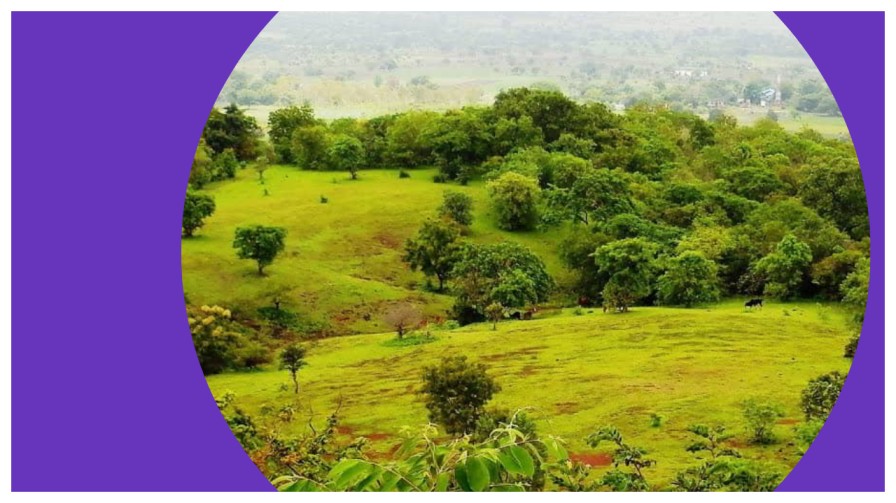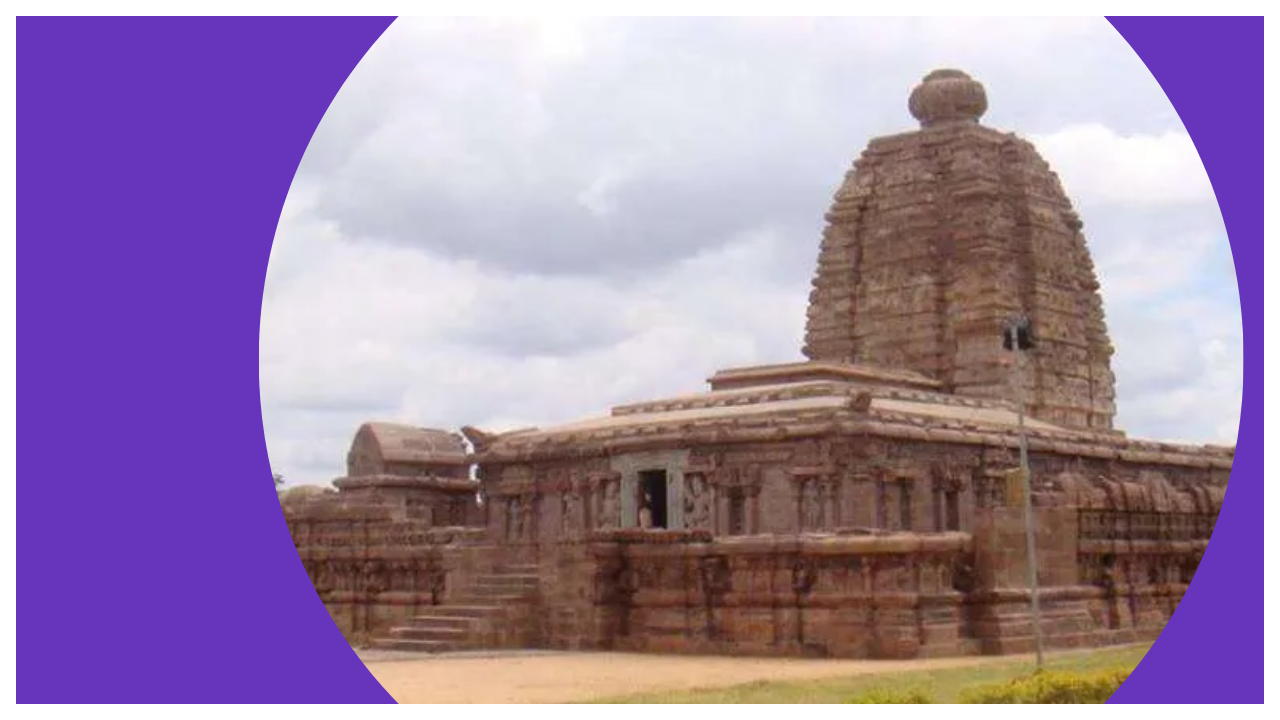
Alampur Jogulamba Temple stands as one of India’s eighteen most sacred Shakti Peethas, drawing countless devotees annually seeking divine blessings. Located in Gadwal district of Telangana, this ancient shrine sits where the Tungabhadra and Krishna rivers meet. Temple timings span 7:00 AM to 1:00 PM and 2:00 PM to 8:30 PM daily without exception.
This comprehensive guide provides everything needed to plan a meaningful pilgrimage to Alampur Jogulamba Temple. Current 2026 travel details, accommodation options, historical context, and practical information combine here to support your spiritual journey. From 220-kilometer distance calculations from Hyderabad to temple worship rituals, this resource ensures thorough preparation for your Alampur visit.
Understanding Alampur Jogulamba Temple’s Sacred Significance
Alampur Jogulamba Temple represents one of India’s most revered pilgrimage destinations due to its Shakti Peetha classification. Shakti Peethas rank among the holiest shrines in Hindu tradition, particularly in Shaktism. Only eighteen such temples exist across the Indian subcontinent, making Alampur’s designation exceptionally significant.
The temple’s spiritual importance stems from Hindu mythology and centuries of veneration. Goddess Jogulamba embodies a fierce manifestation of divine feminine energy, granting special blessings to devout worshippers. Pilgrims visit seeking spiritual transformation, blessing solicitation, and connection with divine consciousness. Understanding these aspects deepens appreciation for Alampur’s cultural and religious position.
Jogulamba Temple History: From Badami Chalukyas to Modern Era
The original Alampur Jogulamba Temple construction dates to the sixth century CE during Badami Chalukya dynasty rule. Archaeological evidence and inscriptions confirm seventh-century temple presence across the Alampur complex. Badami Chalukya rulers prioritized architectural development in this sacred region along the Tungabhadra River.
The temple experienced significant destruction during 1390 CE when Bahamani Sultan invasions devastated the region. Muslim sultanate forces attacked temples systematically during the fourteenth to seventeenth centuries, destroying irreplaceable architecture and sculptures. Vijayanagara emperors subsequently fortified temple complexes to prevent further attacks. The main deity idol was relocated to nearby Bala Brahmeswara Temple within Navabrahma temple group for protection.
Subsequent restoration and reconstruction efforts under various rulers preserved the temple’s spiritual essence despite physical destruction. The Archaeological Survey of India undertook major restoration work post-1980, reconstructing damaged sections and recovering sculptures. The temple received additional PRASAD scheme support from the Indian government in 2019, enhancing facilities and pilgrimage infrastructure. Modern renovations completed in 2005 restored the temple to functioning status while honoring ancient architectural traditions.
The 18 Shakti Peethas: Alampur’s Sacred Context
Eighteen Shakti Peethas exist across India according to Hindu sacred texts. These temples commemorate body parts of Goddess Sati that fell when Lord Shiva performed tandava after her death. Each Peetha holds unique significance and attracts devoted followers seeking divine communion.
Alampur ranks as the fifth Shakti Peetha in traditional order. Here, Sati’s upper teeth fell according to Hindu legend, establishing the temple’s foundational spiritual narrative. This mythological connection explains the extraordinary devotion Alampur receives from pilgrims nationwide. Devotees specifically seeking Shakti worship often prioritize visiting all eighteen temples, with Alampur representing a crucial pilgrimage station on this sacred journey.
Goddess Jogulamba: Fierce Manifestation of Shakti
Goddess Jogulamba represents a fierce, powerful manifestation of divine feminine energy known in Hindu tradition as Ugra Rupa (fierce form). The deity appears in distinct iconography within the temple sanctum sanctorum. Devotees observe Jogulamba seated upon a corpse, adorned with scorpion, frog, and lizard imagery crowning her head. This fearsome presentation intentionally represents supreme power over death and destruction.
The name “Jogulamba” derives from the Telugu word “Yogula Amma” meaning “Mother of Yogis.” This linguistic origin reflects the goddess’s association with spiritual seekers, mystics, and practitioners pursuing enlightenment through yoga and meditation. Jogulamba grants spiritual siddhis (powers) and advancement on the yogic path to sincere devotees. Many spiritual practitioners specifically visit to seek blessings for their meditation and yoga practices.
Jogulamba simultaneously embodies “Gruha Chandi,” the fierce home-protecting deity safeguarding families and devotees. This dual aspect combines transcendent spiritual power with practical earthly protection. Worshippers seek her blessings for both spiritual advancement and material security simultaneously.
Temple Darshan Timings and Planning Your Visit
Temple darshan timings operate consistently throughout the week without exceptions. Morning sessions run from 7:00 AM to 1:00 PM with a lunch break occurring at 1:00 PM precisely. Afternoon sessions resume at 2:00 PM and continue until 8:30 PM. This schedule remains unchanged on weekdays, weekends, and most holidays.
Optimal visiting moments vary by personal preference and crowd tolerance. Early morning sessions from 6:30 AM to 8:00 AM attract fewer visitors, offering peaceful darshan experiences. Midday periods between 12:00 PM and 1:00 PM experience reduced crowds as pilgrims take meal breaks. Post-afternoon sessions from 5:00 PM to 7:00 PM attract moderate crowds without overwhelming congestion.
Festival periods dramatically increase visitor numbers. Special aartis during Navratri, Mahashivratri, and Dussehra create festive atmosphere but generate substantial queues. Planning visits around non-festival periods provides more comfortable darshan access. Checking local festival calendars before travel ensures you schedule around major celebrations if crowd avoidance matters to your pilgrimage experience.
Getting to Alampur: Transportation Options from Hyderabad
Alampur Jogulamba Temple distance from Hyderabad measures approximately 220 kilometers, requiring 3.5 to 5 hours travel depending on transportation mode and traffic conditions. Multiple transport options exist, each offering distinct advantages regarding cost, comfort, and convenience levels.
- Bus travel represents the most economical option for budget-conscious pilgrims. TGSRTC operates daily services from Hyderabad to Alampur with journey times approximately 5 hours. Bus fares start around ₹670-₹1,000 for standard coaches and reach ₹1,200-₹1,500 for premium services. Private operators provide additional options with varied comfort standards and pricing. Direct booking through travel websites ensures secure seat reservation and reliable service.
- Train travel provides moderate-cost alternatives with reasonable comfort levels. Nearest railway station Alampur Road lies approximately 9 kilometers from the temple. Various trains operate this route daily with journey times around 4.5-5 hours from Hyderabad. Train travel often ranks cheaper than private buses while providing better comfort than public coaches.
- Private taxi or personal vehicle rental offers maximum flexibility for customized itineraries. Hyderabad to Alampur driving time averages 3-4 hours via well-maintained highways. Drivers familiar with NH44 highway routes ensure efficient navigation. Private transport suits groups and families prioritizing comfort and schedule control.
Kurnool Gateway: Alternative Access Route
For travelers already in Kurnool district, Alampur offers a convenient pilgrimage option located merely 22-25 kilometers away. Kurnool to Alampur journey requires approximately 30-45 minutes by any transportation mode. This proximity makes Alampur ideal for Kurnool visitors seeking spiritual experiences without substantial additional travel.
Local taxi services operate regularly between Kurnool Bus Stand and Alampur. Standard taxi fare approximates ₹300-₹500 for a complete journey. Shared auto-rickshaws cost ₹80-₹150 per person, suiting budget travelers. These services run frequently throughout daylight hours, offering flexibility for spontaneous visits.
Regular bus services between Kurnool and Alampur provide affordable transit. Journey duration remains under one hour regardless of traffic. Numerous daily departures ensure minimal waiting periods. Kurnool base location advantages visitors who wish to explore Telangana’s historical sites efficiently before proceeding to Alampur.
Accommodations in Alampur: Budget to Comfort Options
Multiple accommodation options serve Alampur visitors with varying budget requirements and comfort expectations. Budget-conscious pilgrims find excellent value options within walking distance of the temple. Mid-range hotels provide enhanced amenities without excessive expenditure. Premium accommodations cater to visitors prioritizing luxury and comprehensive service.
| Hotel Option | AC/Non-AC | Distance from Temple | Price per Night | Amenities |
| Haritha Hotel | Both | 500m away | ₹700-1,680 | WiFi, LCD TV, Parking |
| BRS Grand Luxury Lodge | Both | 750m away | ₹1,344-1,568 | CCTV, Parking, Mattresses |
| Durga Pride Residency | AC | 12.9 km | ₹1,100 | Cooperative staff, Homely |
| The Mourya Inn | AC | 11.8 km | ₹3,300 | Good food, Friendly staff |
Haritha Hotel operates as the official government tourism hotel, located merely 500 meters from the main temple. This prime location minimizes travel distance for morning and evening darshan sessions. Non-AC rooms cost approximately ₹700 per night while AC rooms reach ₹1,680. Facilities include television, WiFi internet access, and convenient parking for vehicles. The hotel guarantees comfortable stays for all budget levels with clean, well-maintained rooms.
BRS Grand Luxury Lodge provides an excellent mid-range option positioned 750 meters from the main bus stand. Two-bed AC rooms cost ₹1,568 per night while non-AC variants reach ₹1,344. The lodge offers free WiFi, CCTV security, hot water, and vehicle parking. Check-in and check-out times extend to 24 hours, providing flexibility for pilgrims with varied travel schedules.
Extended-Range Options for travelers avoiding Alampur overnight include Kurnool, located 22 kilometers away. Kurnool hotels range from budget ₹500-₹1,000 per night to luxury ₹3,000-₹5,000 daily. Day trip possibilities allow Alampur temple visits while maintaining Kurnool base accommodations if desired.
Understanding Pooja Services and Spiritual Rituals
Temple authorities offer structured pooja services enabling pilgrims to participate in ritualistic worship aligned with personal spiritual preferences. Various ritual options accommodate different devotional intensities and budget constraints.
| Ritual Service | Cost |
| Sri Jogulamba Seva | ₹50 |
| Kum Kum Archana | ₹50 |
| Sahastra Namarchana | ₹216 |
| Friday Vishesha Pooja | ₹150 |
| Chandi Homam | ₹750 |
| Maasa Kum Kum Pooja | ₹1,200 |
| Vehicle Pooja (2-wheeler) | ₹50 |
| Vehicle Pooja (4-wheeler) | ₹100 |
- Sri Jogulamba Seva represents the most basic offering at ₹50, providing direct temple worship facilitation.
- Kum Kum Archana at identical pricing enables participants to receive blessed vermillion powder.
- Sahastra Namarchana (₹216) involves thousand-fold recitation of goddess names, deepening spiritual connection.
- Friday Vishesha Pooja (₹150) specifically occurs on Fridays with enhanced ritual procedures.
- Chandi Homam (₹750) comprises elaborate fire rituals invoking supreme feminine divine power.
- Maasa Kum Kum Pooja (₹1,200) represents a monthly special ritual ensuring year-round spiritual connection.
Vehicle poojas bless automobiles for safe travel. Two-wheeler blessing costs ₹50 while four-wheeler blessing reaches ₹100. Pilgrims driving to Alampur frequently perform vehicle poojas seeking travel protection and divine blessings for journeys ahead.
Navabrahma Temples: The Nine Sacred Shrines Complex
Alampur temple complex extends beyond Jogulamba Temple to encompass nine distinct Navabrahma temples dedicated to various Shiva manifestations. These nine temples represent architectural excellence and spiritual significance from the seventh to ninth centuries.
Nine temples comprise the complete Navabrahma group: Swarga Brahma, Padma Brahma, Vishva Brahma, Arka Brahma, Bala Brahma, Kumara Brahma, Garuda Brahma, Taraka Brahma, and Vira Brahma. Bala Brahmeswara Temple ranks as the most significant among these, containing the primary Shiva idol relocated from Jogulamba Temple for protection during invasions. This shrine houses magnificent sculptures in exceptional preservation.
The nine temples demonstrate the early Nagara architectural style typical of northern Indian tradition. Intricate stone carvings throughout the temples depict scenes from Hindu epics, religious narratives, and celestial beings. Circumambulatory paths surrounding each shrine enable clockwise devotional circumnavigation. The temple complex was declared a UNESCO archaeological site recognition pending formal inscription.
Nearby Attractions Enhancing Your Spiritual Journey
Sangameshwara Temple stands at the Krishna-Tungabhadra river confluence, creating sacred geography for pilgrims. This shrine dedication to Shiva at the rivers’ union point adds a spiritual dimension to Alampur visits.
Pushkar Ghat along the Tungabhadra River offers a peaceful atmosphere for meditation and reflection. Sunset viewing from the ghat provides a spiritually enriching experience with panoramic temple and river vistas. Coracle boating opportunities enable pilgrims to experience sacred waters intimately.
Alampur Archaeological Museum houses sculptures and artifacts recovered from temple complexes spanning centuries. The museum displays exceptional stone work, inscriptions, and historical documentation explaining regional religious evolution. This educational resource enriches understanding of Alampur’s historical and archaeological importance.
Best Time to Visit Alampur Jogulamba Temple
October through March represents the ideal visitation period for Alampur pilgrims. Telangana’s cool winter climate enables comfortable temple visits without excessive heat or weather challenges. September-October and January-February mark peak seasons with optimal conditions combining pleasant temperatures and manageable crowds.
- Monsoon season (June-August) brings substantial rainfall, challenging pilgrims through slippery paths and reduced accessibility.
- Summer months (April-May) experience extreme heat exceeding 40°C regularly.
These periods warrant avoidance unless spiritual dedication overrides comfort considerations.
Festival celebrations significantly enhance pilgrimage experiences during specific periods.
- Navratri (September-October) features special aartis and elaborate decorations.
- Mahashivratri (February-March) celebrates Lord Shiva with extended prayer sessions.
- Dussehra marks the triumph of good over evil.
Pilgrims scheduling visits during these festivals witness enhanced spiritual atmosphere and festive celebrations.
Planning Your Pilgrimage: Day Trip Versus Extended Visit
Day trips prove feasible for Hyderabad-based travelers or those combining Alampur with other Telangana destinations. Early morning bus departure at 6:00 AM reaches Alampur by 11:00-11:30 AM. This permits temple darshan, lunch, and shopping before the evening return journey. Day trip packages typically return to Hyderabad by 9:00-10:00 PM.
Extended visits spanning 2-3 days enable deeper spiritual immersion and complete Navabrahma temple exploration. Overnight stays in Alampur accommodate morning and evening temple sessions, multiple pooja services, and adjacent site visits. Extended visits suit devotees prioritizing comprehensive pilgrimage experiences over efficiency.
Combination itineraries incorporating Srisailam and other religious sites benefit from Alampur’s western gateway location. Srisailam Jyotirlinga temple lies 200 kilometers away, creating logical multi-site pilgrimage circuits. Three to four-day itineraries accommodate Alampur, Srisailam, and intermediate attractions efficiently.
Travel to Alampur: Choosing Your Transport Method
Budget travelers maximize savings through TGSRTC public buses charging ₹670-₹1,000 fares. Standard coaches provide basic comfort with guaranteed safety and reliability. Group bookings enable discounted rates and coordinated departure schedules.
Mid-range travelers prefer private bus operators balancing cost efficiency with enhanced comfort. Air-conditioned coaches, reclining seats, and refreshment services justify slightly higher fares of ₹1,000-₹1,500. Premium service levels accommodate various comfort preferences.
Group pilgrims frequently charter dedicated buses, taxi fleets, or organized tour packages. Group arrangements enable shared costs, coordinated itinerary planning, and collective spiritual experience. Tour operators include meals, accommodations, and guided services in comprehensive packages.
Practical Tips for Alampur Temple Pilgrims
Arrive early for morning sessions to minimize darshan queues and enjoy a peaceful temple atmosphere. Bring appropriate clothing respecting Hindu temple traditions—avoid revealing garments and remove shoes at designated locations. Carry sufficient cash, as many vendors and temple services accept only currency, not digital payments.
Photography restrictions exist within inner sanctums protecting sacred spaces. Respect these limitations showing reverence for the spiritual environment. Maintain behavioral discipline within temple premises, speaking quietly and moving respectfully. Avoid disruptive activities or disturbances to other pilgrims’ worship experiences.
Participate in ablution practices at designated areas before temple entry. Ritual bathing in river waters represents spiritual purification preceding worship. Temple authorities facilitate water access through managed ghat areas. Weather and seasonal conditions affect water availability and accessibility.
Planning Accessibility for Elderly and Differently-Abled Visitors
Alampur temple complex accommodates varied physical abilities through developed infrastructure. Paved pathways connect main temples, though some sections remain uneven. Wheelchair accessibility varies across different temple structures, with primary sanctums accessible through assistance.
Temple authorities provide rest areas and seating facilities for elderly pilgrims. Water distribution and refreshment stations serve visitors throughout the complex. Female-designated facilities ensure gender-specific privacy and comfort. Inform temple staff of special requirements for accommodation assistance.
Your Alampur Pilgrimage Awaits
Alampur Jogulamba Temple offers transformative spiritual experiences rooted in centuries of Hindu tradition and devotional practice. Whether seeking Shakti blessings, completing sacred pilgrimage circuits, or exploring ancient religious architecture, Alampur satisfies diverse pilgrimage objectives. Well-organized travel planning, accommodation selection, and ritual participation maximize spiritual rewards from your temple visit.
Plan your Alampur journey during optimal seasons from October through March. Book buses through reliable operators ensuring safe, comfortable travel. Stay in accommodations matching your budget and comfort preferences. Participate in pooja services deepening your spiritual connection. Experience the sacred confluence of Tungabhadra and Krishna rivers. Witness ancient Navabrahma temple architecture. Receive blessings from Goddess Jogulamba’s fierce divine power. Your pilgrimage transforms through meaningful Alampur engagement.
Frequently Asked Questions
Ques: What are the exact Alampur Jogulamba Temple timings?
Ans: Temple opens 7:00 AM to 1:00 PM, then 2:00 PM to 8:30 PM daily without exceptions. These timings remain consistent throughout the year including weekends and holidays.
Ques: How far is Alampur from Hyderabad exactly?
Ans: Alampur Jogulamba Temple distance from Hyderabad measures approximately 220 kilometers requiring 3.5-5 hours travel via bus depending on traffic conditions.
Ques: Which is the closest major city to Alampur besides Hyderabad?
Ans: Kurnool city lies 22-25 kilometers from Alampur, requiring 30-45 minutes travel. Kurnool serves as a convenient gateway for temple access from nearby regions.
Ques: Is Alampur considered a Shakti Peetha temple?
Ans: Yes, Alampur Jogulamba Temple ranks as the fifth Shakti Peetha among eighteen sacred shrines. Here Sati Devi’s upper teeth fell according to Hindu mythology.
Ques: What is the entry fee for Alampur Jogulamba Temple?
Ans: Entry to Alampur temple remains completely free. Only optional pooja services are charged separately ranging ₹50-₹1,200 depending on ritual selection.
Ques: What are accommodation options in Alampur?
Ans: Haritha Hotel provides budget options ₹700-₹1,680 near the temple. BRS Grand Lodge costs ₹1,344-₹1,568. Multiple options exist in Kurnool 22km away.
Ques: What transportation should I book from Hyderabad to Alampur?
Ans: TGSRTC buses cost ₹670-₹1,000. Private operators charge ₹1,000-₹1,500. Trains cost approximately ₹600-₹900. zingbus provides affordable, comfortable travel options.
Ques: Can I visit Alampur as a day trip from Hyderabad?
Ans: Yes, day trips are feasible. Early morning departure allows darshan and return by evening. Extended 2-3 day visits permit deeper temple exploration and pooja participation.
Ques: What is the best time to visit Alampur Jogulamba Temple?
Ans: October through March offers ideal conditions with cool weather and moderate crowds. Peak seasons include September-October and January-February specifically.
Ques: What are the famous festivals celebrated at Alampur?
Ans: Navratri, Mahashivratri, and Dussehra attract special celebrations with enhanced aartis and decorations. Regular lunar observation days also include special rituals.
Ques: Are nearby Navabrahma temples worth visiting during Alampur pilgrimage?
Ans: Yes, nine Navabrahma temples comprise a complete complex worth exploring. Bala Brahmeswara Temple particularly merits attention for exceptional sculpture preservation.
Ques: How can I book bus tickets to Alampur from Hyderabad?
Ans: Reserve through TGSRTC, private operators, or zingbus for affordable, reliable travel. Online booking platforms provide seat selection, real-time tracking, and confirmed reservations.