


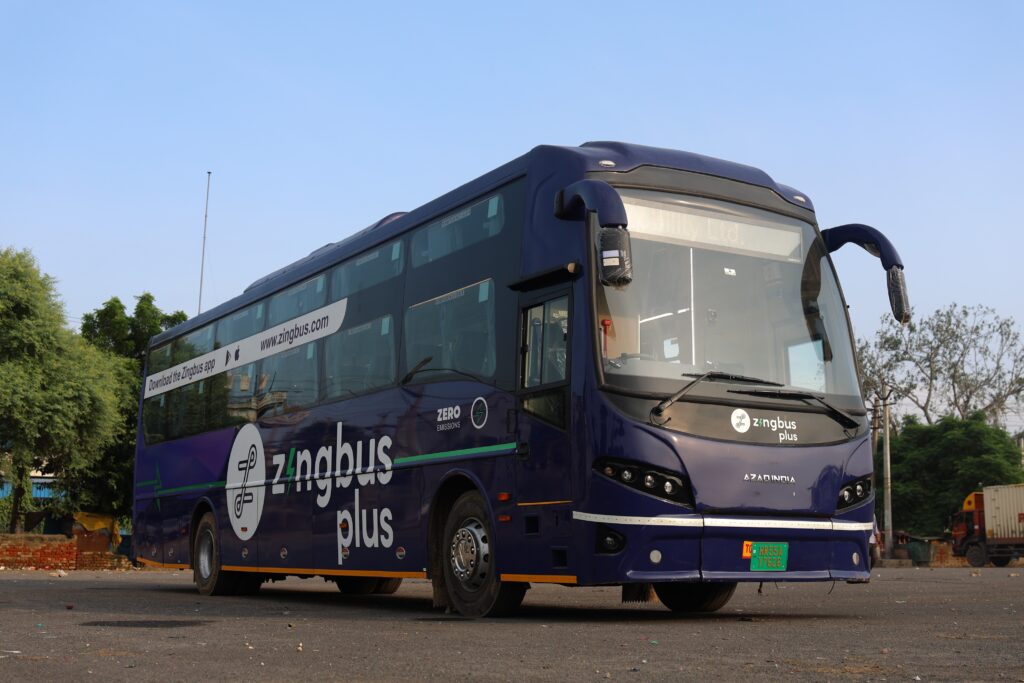
Here’s something that’s happening right now across India, and it’s actually pretty significant. Electric buses aren’t just rolling through city streets anymore. They’re taking over intercity routes, which basically means they’re transforming how long-distance travel actually works. When you think about intercity travel, you typically imagine those diesel-powered coaches chugging along highways. But that’s changing fast.
The shift toward intercity electric buses represents more than just a technological upgrade. It’s actually a response to some pretty serious problems. For years, diesel-fueled intercity coaches contributed massively to air pollution, particularly in states like Delhi, Maharashtra, and Karnataka. These buses were efficient for moving people between cities, sure, but they left behind clouds of emissions and hefty fuel bills that eventually trickled down to passengers and operators alike.
What makes this transition interesting is that it’s not just environmentally driven. The economics actually work out better now. Electric buses have become cheaper to operate than their diesel equivalents when you factor in the total cost of ownership over a 12-year lifespan. That’s roughly 2 million rupees in savings compared to diesel coaches, which doesn’t hurt for operators trying to keep fares reasonable while maintaining service quality.
How Electric Buses Work For Intercity Routes
Let’s be real about the technical side without getting too complicated. Intercity electric buses run on lithium-ion battery technology, which has come a long way in recent years. These aren’t your basic batteries. The systems in modern electric buses are engineered specifically to handle long routes without constant recharging, and most can cover between 200 to 300 kilometers on a single charge depending on the model and route conditions.
The charging infrastructure part is crucial here. Unlike city buses that return to depots regularly, intercity buses need strategic charging stations placed along major corridors. Fast-charging technology has become pretty solid, typically allowing a complete charge within two to three hours. Partnerships between companies and charging networks like Jio-bp make this system work on a practical level across North and South India.
Energy management systems in these buses are pretty sophisticated. They monitor and optimize power consumption based on driving conditions, speed, altitude, and passenger load. This means the bus automatically adjusts its energy usage without any intervention from the driver. Temperature control systems are smart enough to work differently based on climate, so buses operating in hot regions handle cooling more efficiently than standard systems.
Real-world performance data shows something encouraging: Intercity electric buses by zingbus maintains reliability rates above 95 percent uptime across multiple states, which basically means they’re as dependable as their diesel counterparts but with significantly fewer moving parts that can break down.
The Environmental Impact That Actually Matters
This is where the numbers get pretty compelling. Replacing a single diesel bus with an electric alternative over its 12-year operational lifespan eliminates approximately 1,690 tonnes of CO₂ emissions. That’s roughly equivalent to removing 27 gasoline-powered cars from the road permanently.
Electric buses are around 70 percent more energy-efficient than diesel models. This efficiency translates into a 19 percent reduction in greenhouse gas emissions across the entire operational lifetime of the vehicle. For intercity routes stretching across states, this compounds quickly when you consider that multiple buses operate on the same corridors daily.
The air quality improvements aren’t theoretical. Cities that have expanded their electric bus networks have reported measurable drops in particulate matter and nitrogen oxides. Delhi, with its growing intercity electric fleet, has seen tangible improvements in air quality metrics, particularly on routes connecting to surrounding cities.
Noise reduction is another benefit that often gets overlooked. Electric buses run nearly silently compared to diesel coaches, which is kind of remarkable when you’re used to the rumble of traditional buses. This matters not just for passenger comfort during long journeys but also for communities along major travel corridors that no longer experience constant noise pollution from passing buses.
Cost Savings That Make Sense For Everyone
Let’s talk about money because pricing matters for both operators and travelers. Electricity costs significantly less than diesel fuel, typically around 3 to 5 times cheaper depending on regional electricity rates and diesel prices at any given time. For operators running multiple buses on intercity routes, this difference compounds into substantial savings annually.
Maintenance costs for electric buses are genuinely lower. These vehicles have fewer moving parts than diesel engines. There’s no oil to change regularly, no complex fuel injection systems to service, and regenerative braking means brake pads last considerably longer. Mechanics spend less time on major repairs and more time on routine checks.
For passengers, these operational savings sometimes translate into reasonable fares without compromising on comfort and service quality. Companies like zingbus are already passing some of these benefits forward through their intercity electric services at competitive rates.
Insurance companies are increasingly offering better premiums for electric vehicles too, recognizing their lower maintenance profiles and reduced safety risks associated with fuel-related incidents.
The Government Support That’s Making This Possible
India isn’t just casually adopting electric buses. Government initiatives are actively pushing this transition forward. The PM E-DRIVE scheme approved in September 2024 allocated 109 billion rupees specifically to encourage electric vehicle adoption, including 14,028 electric buses across the country by 2026. This isn’t small stuff.
The FAME II scheme continues to provide substantial subsidies, typically covering 30 to 40 percent of electric bus costs for operators. This financial support makes the upfront investment manageable for state transport corporations and private operators who might otherwise stick with proven diesel technology.
Several states are offering additional incentives beyond federal schemes. Road tax exemptions and registration fee waivers reduce the initial purchase burden further. Some states have also introduced priority lane access for electric buses on major highways, improving operational efficiency and reducing travel times on busy routes.
The PM eBus Sewa Scheme extends beyond one-time purchase assistance. It supports operational costs for 10 years through public-private partnerships, which basically removes a major barrier that was previously holding back adoption.
What Modern Intercity Electric Buses Actually Offer Passengers
Here’s what makes intercity electric buses genuinely appealing beyond the environmental angle:
Modern electric coaches like the zingbus Plus Electric service maintain the premium comfort standards you’d expect from intercity travel. These aren’t stripped-down, economy-focused vehicles. They include spacious seating with proper legroom, climate control systems that work well even in Indian summer heat, and smooth rides thanks to electric drivetrains that eliminate gear shifting and vibration associated with diesel engines.

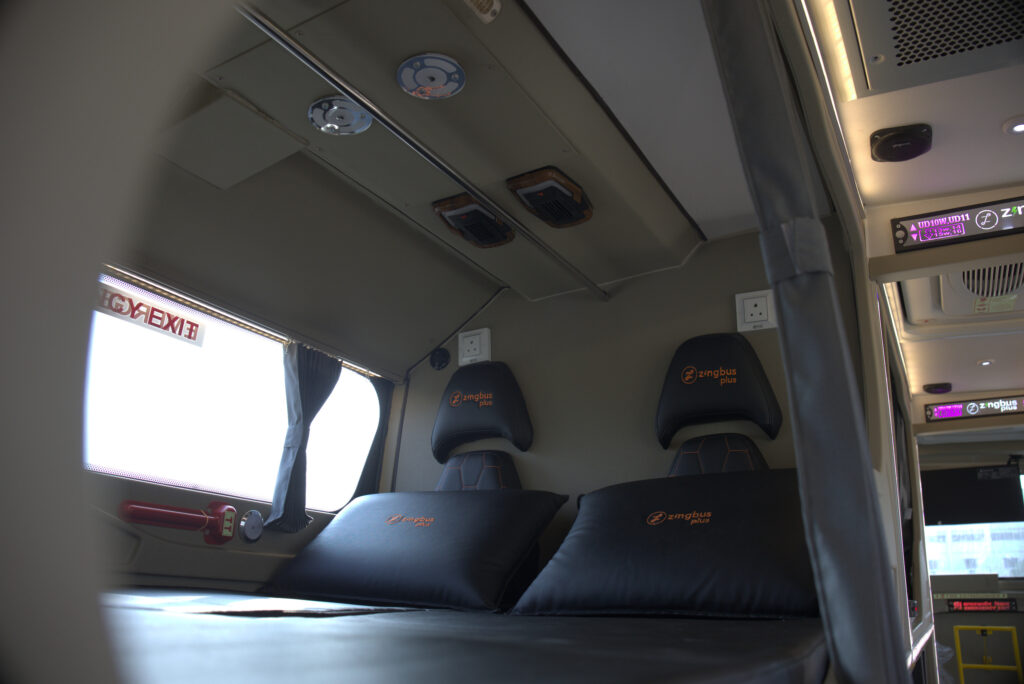
Passenger information systems display real-time journey updates, including expected arrival times, current location, and upcoming stops. Safety features have become standard, with CCTV monitoring, emergency communication systems, panic buttons, and automatic vehicle location tracking that keeps both passengers and families informed.
Wi-Fi connectivity and device charging points have become pretty standard offerings on premium intercity electric buses, which matters for travelers working remotely or needing to stay connected during journeys. Ride quality genuinely improves because electric motors provide consistent, smooth acceleration without the jerky gear changes of traditional buses.
Key Routes Driving The Electric Transition
zingbus launched its Plus Electric service on Delhi to Dehradun route, which happens to be one of the most traveled intercity corridors in North India. This choice makes sense strategically because the route has consistent demand and relatively predictable charging infrastructure requirements.
The company plans to expand across multiple corridors, targeting routes connecting major cities in North and South India. Routes typically chosen for electric expansion tend to have reliable electricity infrastructure, consistent passenger demand, and clear economic viability. Cities like Delhi, Bengaluru, Mumbai, and Ahmedabad are natural hubs for electric bus networks because they have better charging infrastructure and higher environmental consciousness among passengers.
Routes from Delhi connect to nearby states through several corridors where electric buses are becoming increasingly common. The Delhi-Agra route, for instance, is perfect for electric buses because of the distance and established charging stations. Similarly, routes connecting Delhi to Chandigarh or Delhi to Lucknow represent high-volume corridors where electric adoption improves air quality for millions of people.
The Technology Behind Reliable Long-Distance Performance
Modern intercity electric buses use what’s called a modular battery approach. Rather than depending on a single massive battery pack, these systems distribute battery modules throughout the chassis, which improves weight distribution, cooling efficiency, and overall safety. If one module requires maintenance, the entire bus doesn’t need to be taken offline.
Regenerative braking technology captures energy that would typically be lost during deceleration and feeds it back into the battery pack. On long intercity routes with multiple stops and speed variations, this system can extend range by 15 to 20 percent without any passenger-noticeable changes to braking performance.
Thermal management systems actively monitor battery temperature and adjust cooling based on current conditions. This becomes particularly important on long intercity routes where buses operate continuously during peak travel seasons. High temperatures can degrade battery performance, so smart cooling prevents efficiency loss during demanding operational periods.
Driver monitoring systems track fatigue and vehicle performance, generating alerts if driving patterns suggest the operator needs a break. For intercity routes spanning 8 to 12 hours, this technology improves safety considerably.
Challenges That Are Getting Addressed
Charging infrastructure gaps still exist, particularly on less-traveled intercity routes and in smaller cities. However, the problem is actively being solved. Private companies are installing charging stations along major corridors, and government incentives are accelerating this infrastructure expansion. The focus currently targets routes with proven high volume and passenger demand.
Battery cost remains slightly higher than diesel engine costs, though this gap narrows every year as battery manufacturing scales up in India and internationally. Government subsidies currently bridge most of this cost difference for operators.
Range anxiety, which was a legitimate concern a few years ago, has become pretty manageable now. Modern buses reliably cover intercity distances, and charging stations are positioned strategically along major routes. Passengers generally don’t experience travel delays caused by charging requirements when using established corridors.
Cold weather performance was initially concerning but has been largely resolved through improved battery chemistry and thermal management systems. Electric buses operate normally in winter conditions across Indian cities and hill stations.
People Also Search For…
Wondering about specific aspects of intercity electric buses? Here are some topics related readers frequently explore:
- How electric buses are revolutionizing sustainable mobility in India with zingbus services
- Electric bus revolution in India and what’s next for eco-friendly travel
- Real-world applications of EV buses in India with zero-emission benefits
What’s The Future Looking Like?
India’s electric bus market is expanding at a pace that genuinely caught many observers off guard. Battery technology continues improving, which means future buses will travel farther on a single charge with faster charging times. Hydrogen fuel cell technology is also being researched for specific applications, though battery-electric buses currently dominate and will likely continue doing so for the foreseeable future.
Autonomous technology integration is in early stages for electric buses, particularly on long-distance routes. Self-driving capabilities combined with electric powertrains could further reduce operational costs and improve safety, though regulatory frameworks still need to catch up with technology development.
Vehicle-to-grid technology represents an interesting emerging application. Buses could return energy to local electricity grids during off-peak hours, essentially turning the fleet into distributed energy storage. This hasn’t been widely deployed yet but holds significant potential for the future.
Smart charging systems will become increasingly sophisticated, optimizing charging schedules based on route demands, electricity pricing, and grid load management. This technology already exists but will become standard across fleets within the next few years.
Download The zingbus App For Your Next Electric Bus Journey
Ready to experience intercity travel on premium electric buses? zingbus makes booking straightforward through their official Android app, where you can check real-time availability, compare comfort levels, and secure flexible booking options with travel insurance included.
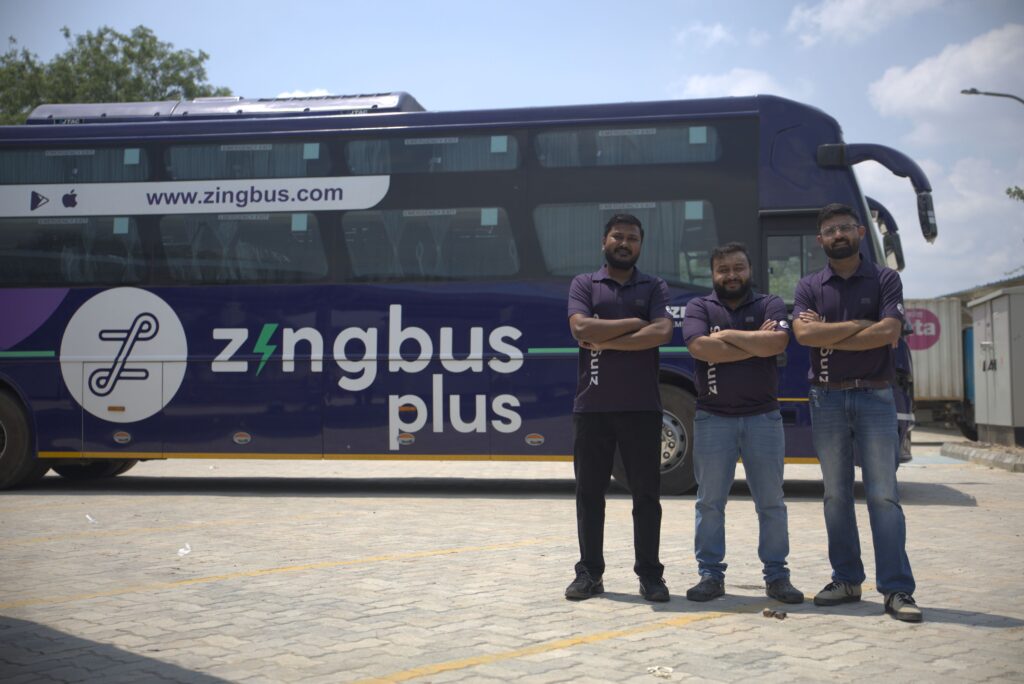
The app provides transparent pricing, instant confirmation, and round-the-clock customer support. zingbus Pass users can book intercity electric services at just 299 rupees, making sustainable travel genuinely affordable.







Leave a Reply Cancel reply