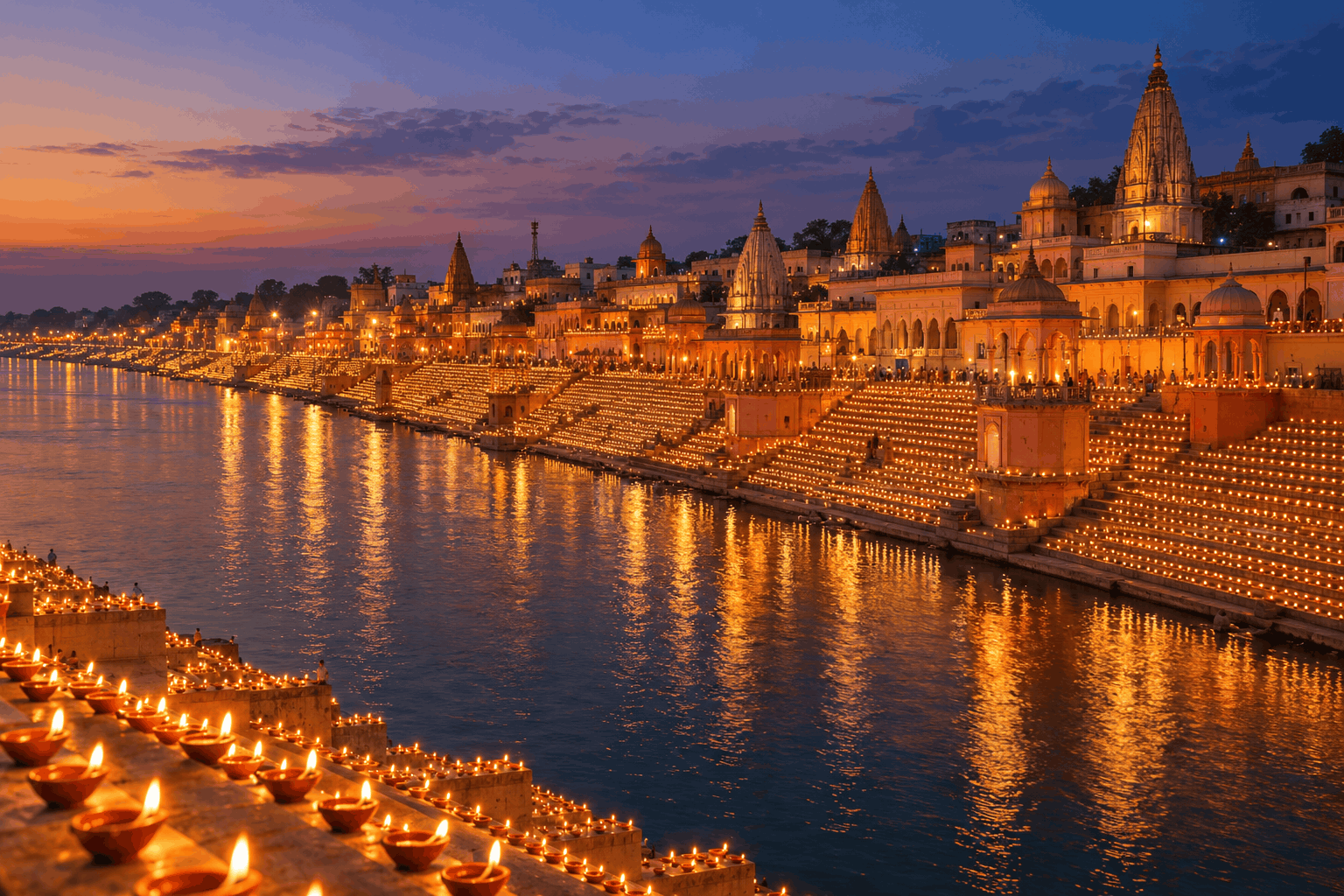
The numbers are real. The 2025 Deepotsav set a Guinness World Record with 22.23 lakh diyas lit simultaneously on the Saryu riverfront. The 2026 edition, the 10th Deepotsav, is planned with 33 lakh earthen lamps across Ram Ki Paidi and the surrounding ghats. The three-day celebration runs from November 5 to November 7, with the main lamp-lighting on the evening of November 7, one day before Diwali on November 8.
But the spectacle is only part of the story. Reaching the viewing area, working around the crowd control, finding accommodation in a city that fills completely during the festival, and understanding what is pass-controlled versus publicly accessible are the practical challenges that most guides skip. This article covers those.
How Deepotsav Works in Practice
Diwali in ayodhya 2026 is not a walk-in-and-watch event. The ghat zone where the diyas are lit is access-controlled. The public watches from designated areas. The roads into the ghat zone close from the afternoon. Getting this wrong means missing the main event.
Diwali in Ayodhya 2026: Deepotsav Dates, Ghat Access and Complete Travel Guide
The guide is structured around the sequence of decisions a traveller needs to make: dates, access, viewing, accommodation, and transport.
Deepotsav 2026 Dates and Schedule
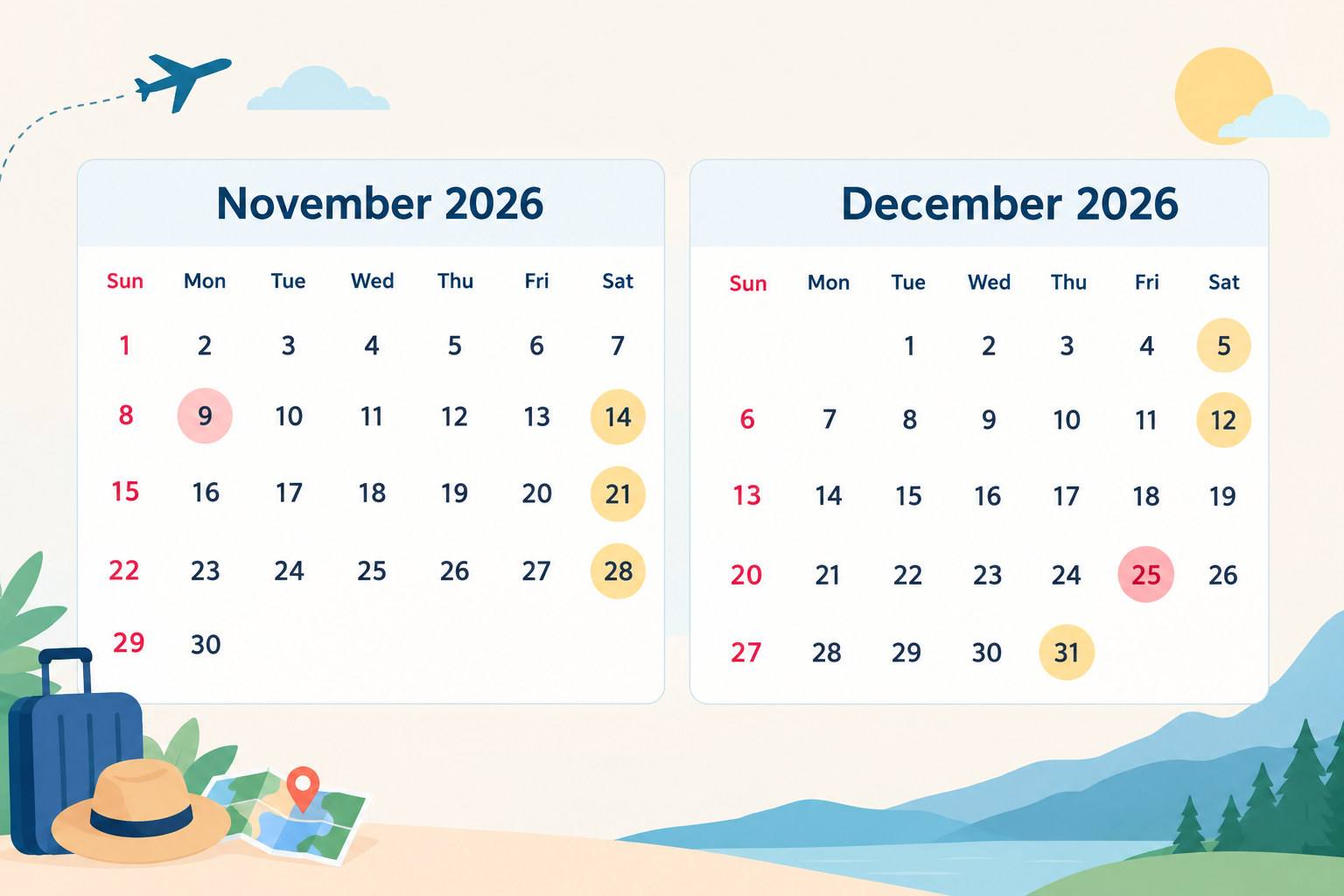
The 10th edition of Deepotsav runs November 5 to November 7, 2026.
- November 5, Day 1. Cultural programming begins at Ram Katha Park. Ram Leela performances. Folk music and dance from districts across Uttar Pradesh.
- November 6, Day 2. Continued cultural programming. Saryu Aarti in the evening. Preparations at Ram Ki Paidi for the main event.
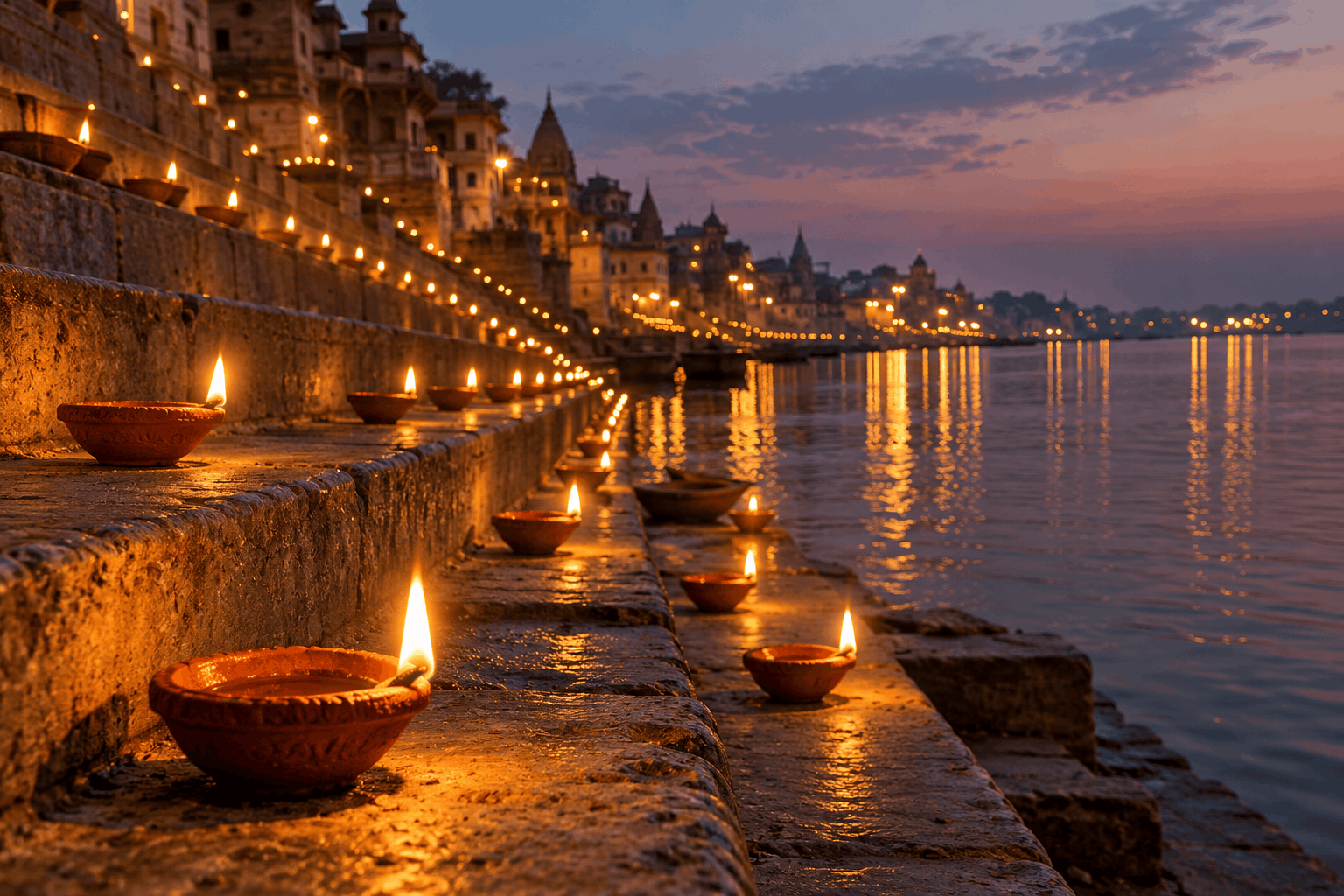
- November 7, Day 3, the main Deepotsav evening. The lamp-lighting at Ram Ki Paidi and the Saryu riverfront. A laser and drone show over the river follows. This is the evening that draws the largest crowd and the global media coverage.
- November 8, Diwali day. Diwali itself in Ayodhya, with the city already decorated from Deepotsav. Ram Mandir darshan on Diwali carries extremely heavy footfall.
Where the Diyas Are Lit: Ram Ki Paidi
Ram Ki Paidi is a series of stepped ghats along the Saryu River in the heart of Ayodhya. The ghats descend to the water in a wide arc, and during Deepotsav, the diyas are placed across every step, creating the illuminated riverfront that defines the event.
The lamp-lighting itself is coordinated across the ghats by approximately 34,000 volunteers. Each volunteer is assigned a section and lights the diyas within a timed window so that the entire riverfront illuminates in sequence.
How to Watch: Viewing Access
The ghats where the diyas are lit are pass-controlled. General public access is not available directly on the ghat steps during the main event.
The public watches from the Naya Ghat side, which sits across the Saryu and looks directly at the illuminated Ram Ki Paidi frontage. The Saryu bridge also offers elevated views. Ghats downstream from Ram Ki Paidi provide additional public viewing positions.
Arrive early. Roads into the ghat zone close from the afternoon on November 7. The police close access to viewing areas once capacity is reached, and on Deepotsav night that happens before the lamps are lit. Plan to be at your viewing position by mid-afternoon at the latest.
Auto-rickshaws and private vehicles are parked at designated parking zones outside the closed perimeter. The last 2 to 4 kilometres to the viewing areas are covered on foot.
Ram Mandir and Other Sites
The Ram Janmabhoomi Temple, inaugurated in January 2024, is the primary temple site in Ayodhya. During Deepotsav and Diwali week, the temple sees its highest footfall of the year. VIP darshan arrangements are announced separately.
Other sites that fit around a Deepotsav visit include Hanuman Garhi (a hilltop temple with views across the city), Kanak Bhawan (known for its decorated idols of Ram and Sita), Dashrath Mahal, and the Saryu ghats themselves during the quieter daylight hours.
Accommodation
Ayodhya’s hotel inventory has expanded since the Ram Mandir opening, but Deepotsav week still fills the city. Book at least 3 to 4 weeks in advance.
Many visitors stay in Lucknow, about 135 km away, and travel to Ayodhya for the evening of November 7 specifically. This is a practical approach if Ayodhya accommodation is unavailable, but it requires early morning departure from Lucknow and a late-night return, with the road back carrying heavy post-event traffic.
Faizabad, now officially renamed Ayodhya district, has additional lodging options slightly outside the main temple zone.
How to Reach Ayodhya
By Air
The Maharshi Valmiki International Airport at Ayodhya (Ayodhya Dham Airport) handles flights from Delhi, Mumbai, Bangalore and other cities. The airport is about 10 km from the city centre.
By Rail
Ayodhya Dham Junction (formerly Ayodhya Junction) and Ayodhya Cantt are the two main railway stations. Direct trains connect to Delhi, Lucknow, Varanasi and other major cities.
By Road from Lucknow
About 135 km, roughly 3 hours. The Delhi to Lucknow bus corridor connects to this route.
By Road from Varanasi
About 200 km, roughly 4 to 5 hours.
What to Carry
November evenings in Ayodhya sit between 14 and 22 degrees Celsius. Carry a jacket or warm layer for the evening hours at the ghats. Comfortable walking shoes are essential for the 2 to 4 km walk from the parking zone to the viewing area.
Carry water and snacks. Once inside the controlled perimeter, food vendors may be limited, and exiting and re-entering is not always possible.
A power bank is useful. Phone batteries drain fast during photography in cold conditions, and charging points are not available at the ghats.
The Scale in Context
The progression tells the story. The 2019 Deepotsav lit 5.51 lakh diyas. The 2023 edition lit 22.23 lakh and set a Guinness record. The 2026 target is 33 lakh. Each year, the Uttar Pradesh government has increased the ambition, and the event has grown from a state celebration to a nationally covered spectacle.
Note: Prices are approximate and may vary based on season, demand, and availability.
Common Questions About Diwali in Ayodhya 2026
When is Deepotsav in Ayodhya 2026?
Ayodhya Deepotsav 2026 runs November 5 to 7, with the main lamp-lighting on the evening of November 7, one day before Diwali.
How many diyas are planned for Deepotsav 2026?
The 2026 edition targets 33 lakh earthen diyas at Ram Ki Paidi and the Saryu riverfront, up from the 22.23 lakh record in 2025.
Can I watch Deepotsav from the ghats directly?
The lit ghats are pass-controlled. The public watches from the Naya Ghat side, the Saryu bridge and downstream ghats outside the controlled zone.
How early should I arrive at the viewing area?
Roads close from the afternoon on November 7 and viewing positions fill before the lamps are lit. Arrive by mid-afternoon at the latest.
Where should I stay for diwali in ayodhya 2026?
Book Ayodhya hotels 3 to 4 weeks ahead. If unavailable, Lucknow at 135 km is the practical backup with a same-day road trip.
Is there an airport at Ayodhya?
The Maharshi Valmiki International Airport at Ayodhya Dham handles flights from Delhi, Mumbai, Bangalore and other cities. It is about 10 km from the centre.
Can I visit Ram Mandir during Deepotsav week?
Ram Mandir is open during Deepotsav but sees its highest footfall of the year. VIP darshan arrangements are announced separately.
What is the best way to reach Ayodhya from Delhi?
Fly directly to Ayodhya Dham Airport, or take the bus to Lucknow and connect by road, about 135 km and 3 hours from Lucknow.
What should I carry for Deepotsav evening?
A warm jacket for November evenings, comfortable walking shoes, water, snacks, a power bank and a fully charged phone for photography.
How many volunteers light the diyas during Deepotsav?
Approximately 34,000 volunteers are deployed to light the diyas in coordinated sections across the Ram Ki Paidi ghats.
You Might Also Like
- Explore Upcoming Festivals in India 2026: Full Guide: The complete festival calendar for every major Indian celebration in 2026 with dates and travel context.
- Chandni Chowk Market: Timings, What to Buy and How to Reach: The Old Delhi market guide covering Diwali shopping, sweets and festive preparations.