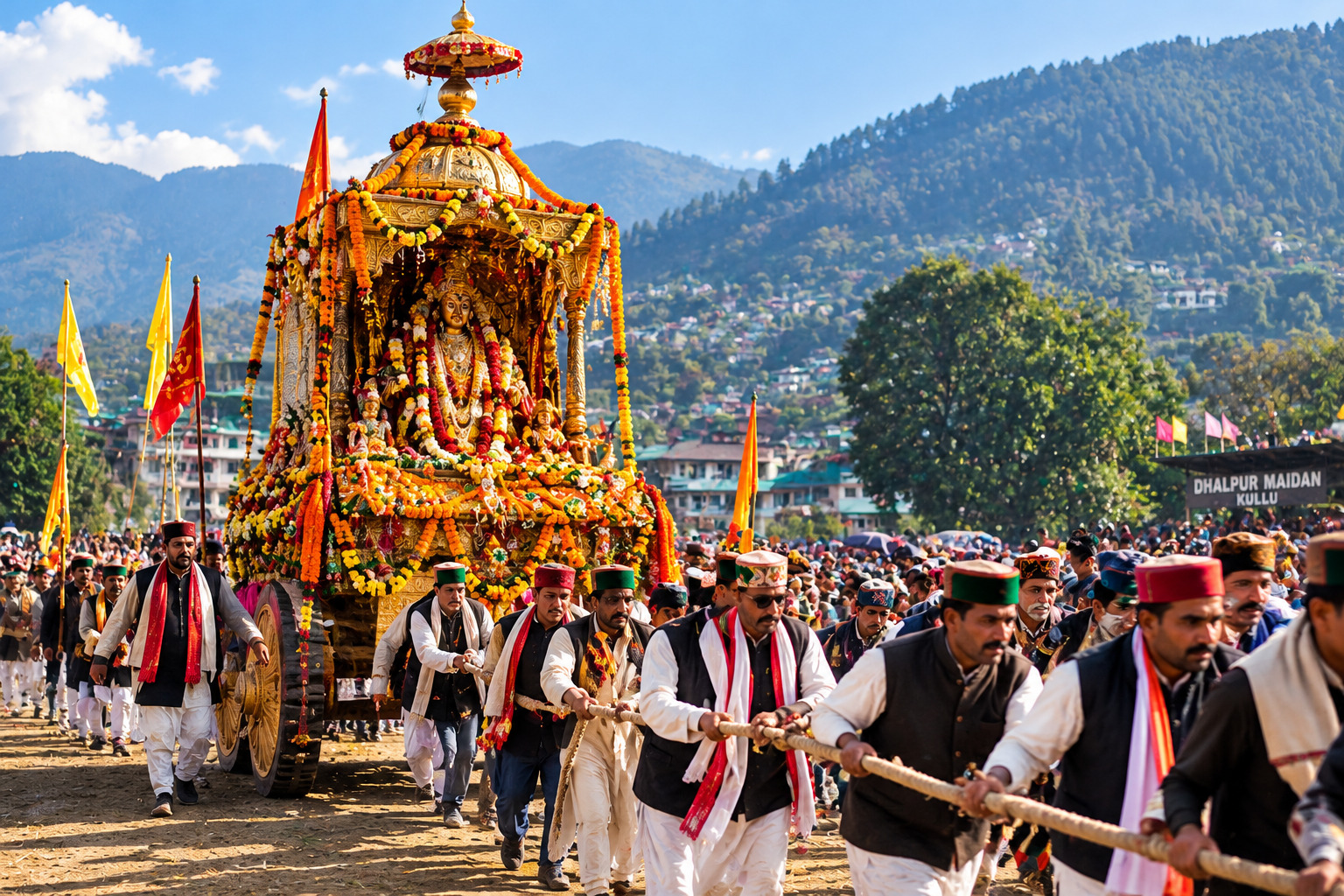
Most people think of Dussehra as the day Ravana effigies burn at sunset. That image applies to maybe half the country. In Kullu, there is no Ravana effigy at all. In Mysore, the celebration runs 11 days and centres on an elephant procession carrying a golden howdah. In Bastar, the festival lasts 75 days and follows tribal traditions that predate most of the mythology associated with Dussehra elsewhere.
Dussehra 2026 falls on Tuesday, October 20. But depending on where you choose to celebrate, the festival looks, sounds and means something entirely different.
How Dussehra Is Celebrated Differently Across India
The dussehra celebration in india 2026 is not a single event. It is at least four structurally distinct festivals that happen to share a calendar date. Understanding the differences is what makes choosing between them possible.
Dussehra 2026: Four Celebrations, Four Cities, Four Completely Different Experiences
Each city below is covered on what specifically makes its Dussehra distinct, what the 2026 dates look like, and what a traveller needs to know to plan a visit.
Kullu Dussehra: The Only Dussehra That Begins on Vijayadashami
This is the single most important fact about Kullu Dussehra and the reason it stands apart from every other celebration in India. Everywhere else, Dussehra ends on Vijayadashami. In Kullu, it begins.
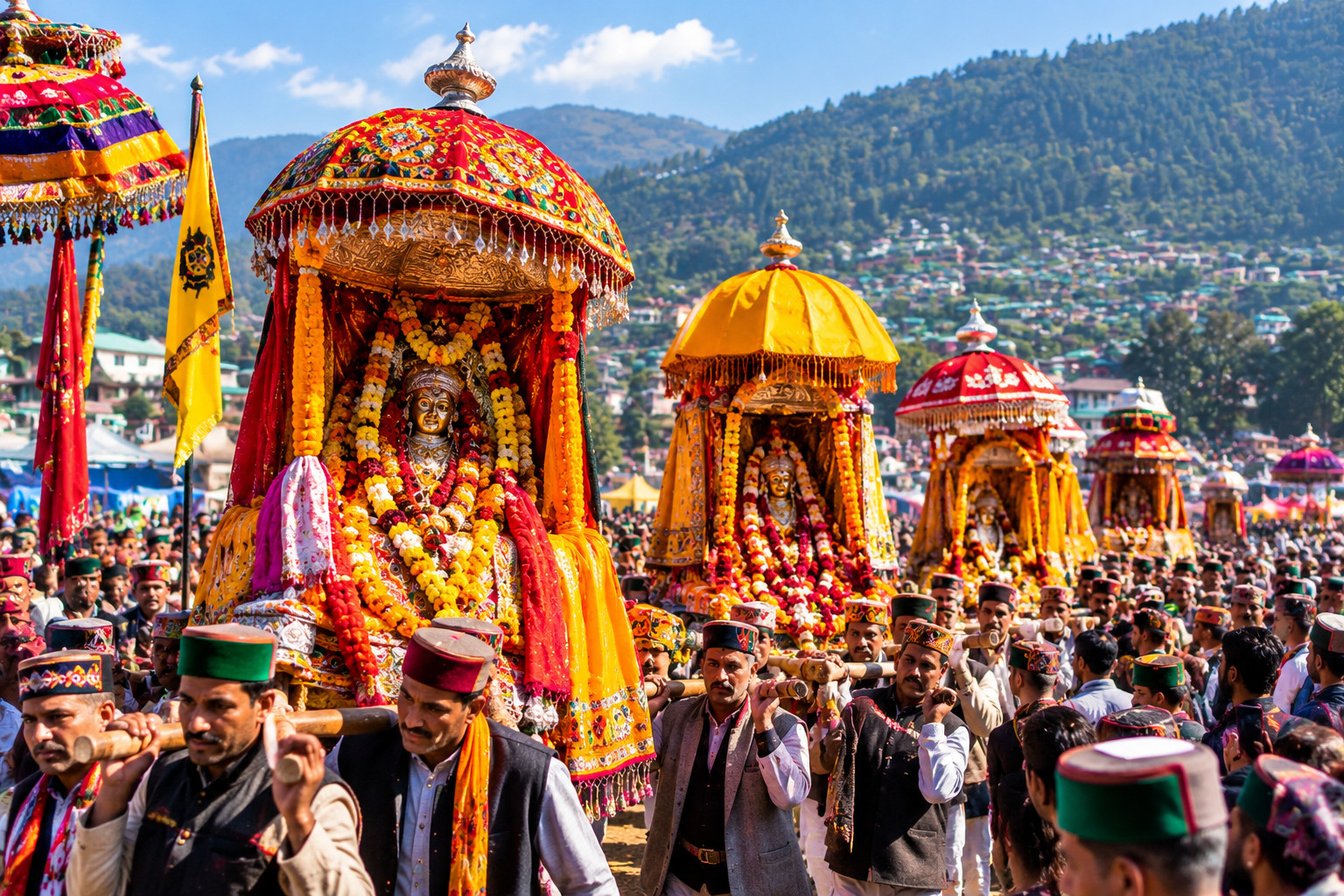
Kullu Dussehra 2026 runs from October 20 to October 26. The festival was declared an International Festival in 1972 and centres on Lord Raghunath, the presiding deity of the Kullu valley since the 17th century.
On the first day, over 200 village deities arrive at Dhalpur Maidan in Kullu, each carried on a wooden palanquin by devotees from their respective villages. The palanquins are accompanied by their own drumming bands, and the arrival sequence can take hours as each deity makes its way through the valley. Lord Raghunath’s chariot is pulled by hand through the town from the Sultanpur temple to the ground.
The next five days are the fair. The deities remain in their camps on the ground, and a market, folk performances and cultural programming run each day and evening. On the final day, the procession goes to the banks of the Beas River for Lanka Dahan, and the deities begin their return journeys on foot to their home villages.
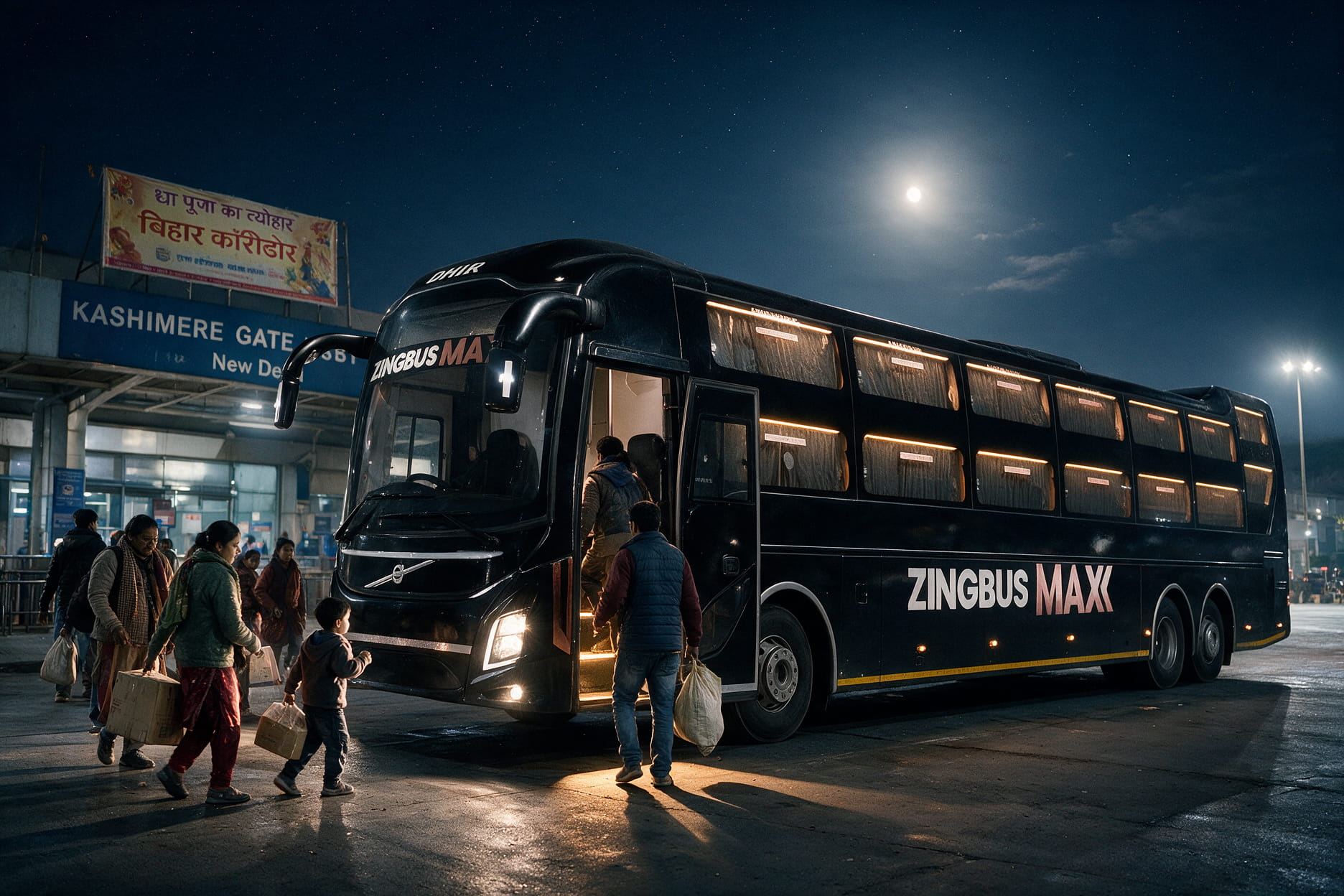
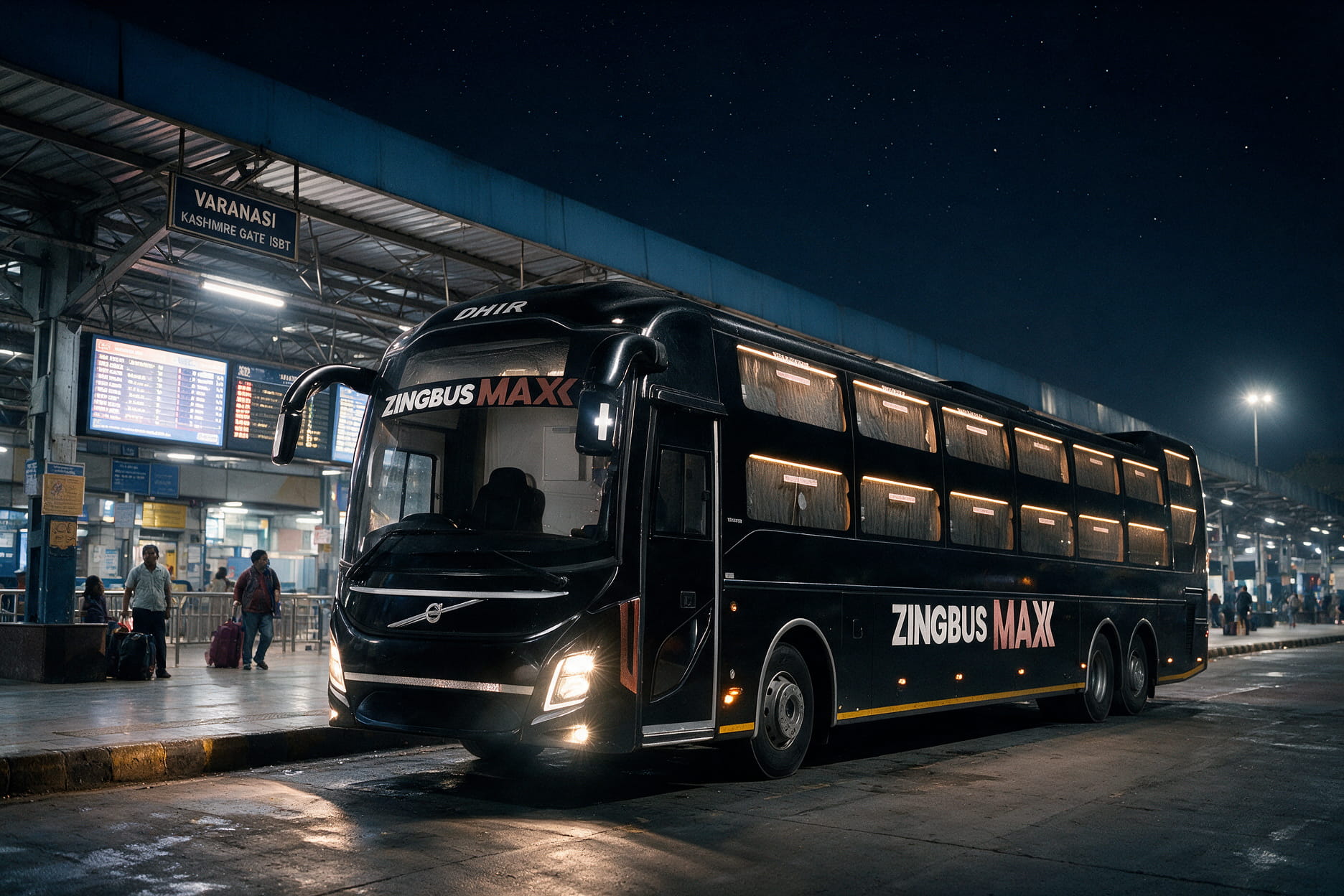
Kullu sits about 40 km south of Manali, at an elevation of roughly 1,200 metres. The nearest airport is Bhuntar, about 10 km away. Travellers from Delhi typically take the overnight bus to Manali and connect to Kullu, or drive via Chandigarh. The Delhi to Manali bus route covers the corridor. Book accommodation early; Dussehra week fills the valley’s hotels.
Mysore Dasara: 11 Days of Palace Illumination and the Jamboo Savari
Mysore Dasara 2026 runs from October 11 to October 21. The Jamboo Savari procession falls on Wednesday, October 21, which in Mysore’s calendar is the Vijayadashami date rather than the pan-India date of October 20.
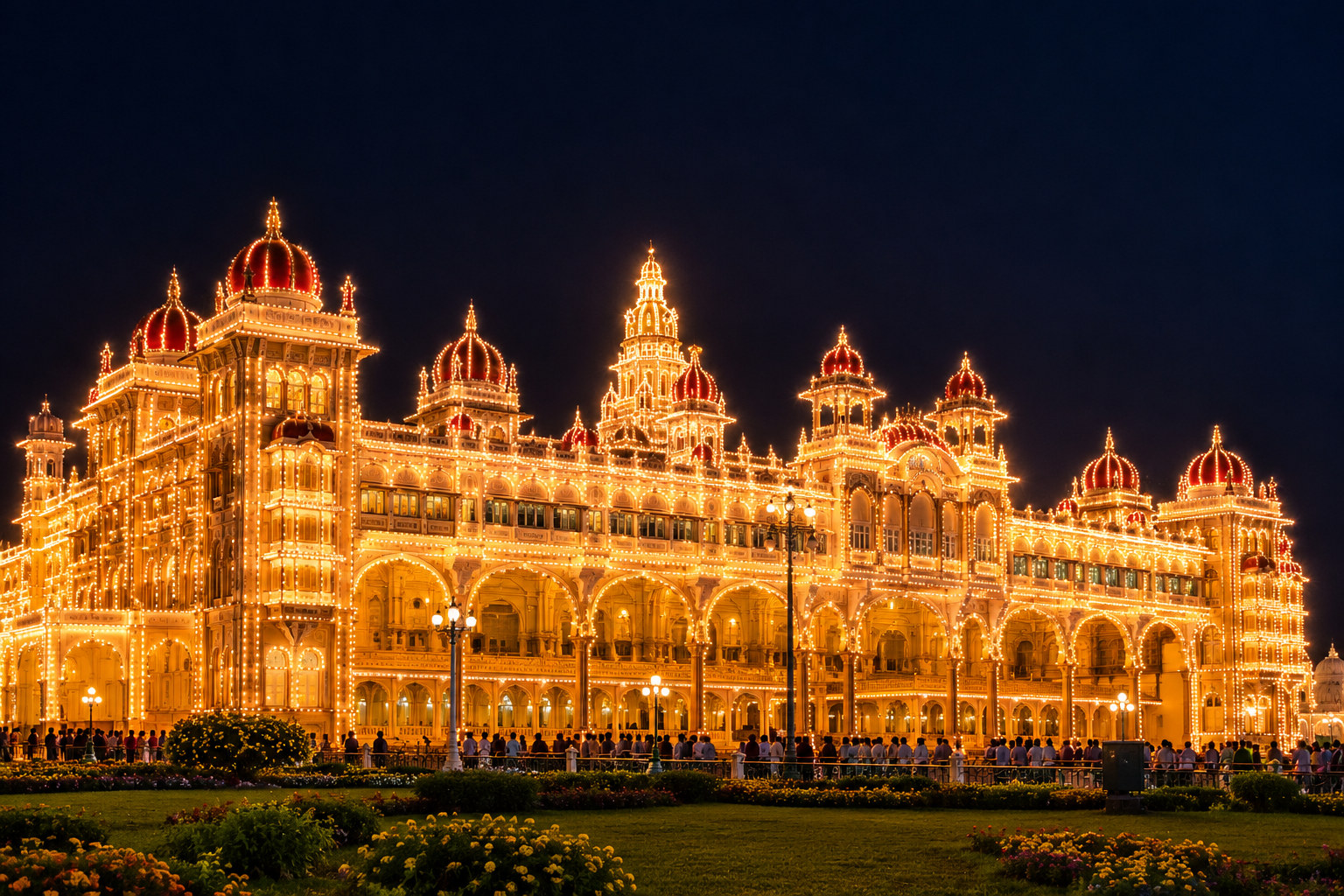
The Mysore Palace is illuminated with approximately 97,000 LEDs every evening during the festival, visible from the palace grounds without a ticket. The illumination runs from roughly 7:00 to 7:45 PM each night and is one of the most photographed sights in Karnataka.
The Jamboo Savari is the final day procession. An idol of Goddess Chamundeshwari is placed in a 750-kilogram golden howdah on a decorated elephant. The procession moves from the Mysore Palace to Bannimantap, about 5 kilometres away, accompanied by approximately 25 decorated elephants, 30 music bands, folk troupes and decorated tableaux.
The Dasara Exhibition at Doddakere Maidan runs from around the festival start through December and is a mix of trade stalls, rides and food courts. The Torchlight Parade, held the night before or after the Jamboo Savari, is a separate event that draws its own crowd.
Mysore is about 140 km from Bangalore, roughly 3 hours by road. The Bangalore to Mysore road trip covers the route.
Delhi Ramlila: The Effigies and the Theatrical Tradition
Delhi’s Dussehra is the effigy version. Ravana, Kumbhkarna and Meghnath are burned at multiple grounds across the city on the evening of October 20.
The largest and most prominent event is at the Red Fort grounds, where the effigies historically reach 60 to 80 feet in height. The Lav Kush Ramlila at the Red Fort is the most established of the Delhi Ramlila committees, and the burning ceremony draws senior government representatives each year.
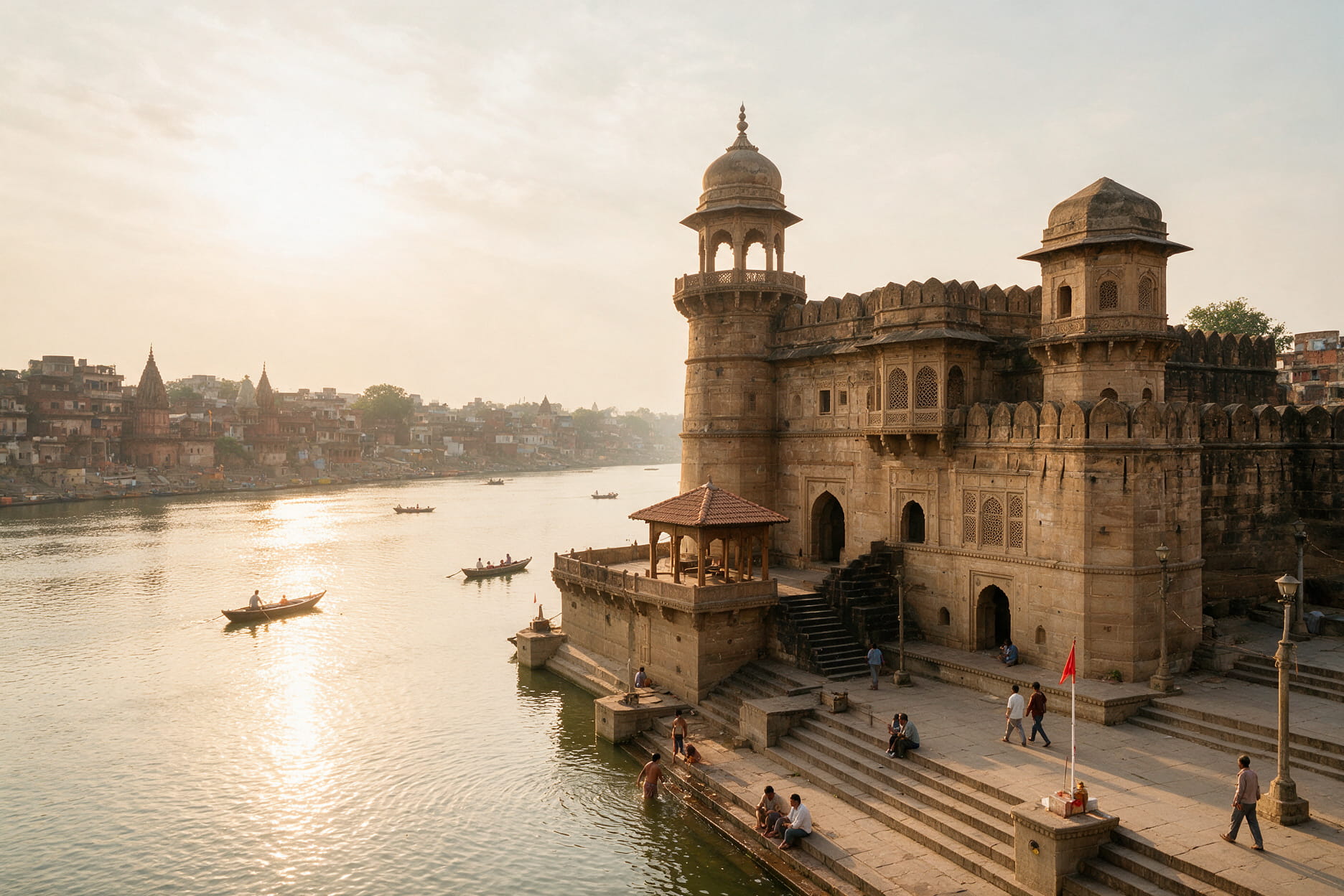
Beyond the effigy burning, the theatrical Ramlila tradition is the deeper layer. Ramlila performances run throughout Navratri at multiple grounds across Old Delhi and NCR. The Ramlila of Ramnagar in Varanasi, performed across a month with a moving audience that follows the performance through the town, is a UNESCO Intangible Cultural Heritage entry since 2008, and it is worth distinguishing this form from the Delhi version.
Delhi’s Dussehra is the easiest to access for NCR residents. No ticket is required for the public effigy burnings. Arrive early for the Red Fort event, as crowds build from late afternoon.
Bastar Dussehra: 75 Days and a Tribal Tradition Older Than the Mythology
Bastar Dussehra in Chhattisgarh is structurally unlike everything else on this list. The festival runs approximately 75 days, making it the longest Dussehra celebration in India. It follows the traditions of the Bastar tribal communities and centres on Goddess Danteshwari rather than the Rama-Ravana narrative.
The celebration does not involve Ramlila, effigies, or the standard Dussehra mythology. The rituals include bringing the goddess’s idol from the Danteshwari temple in Jagdalpur to a temporary pavilion, the rath yatra through Jagdalpur, and a series of rituals that mark the agricultural and spiritual calendar of the Bastar region.
Jagdalpur, the headquarters of Bastar district, is the centre of the celebrations. It is about 300 km from Raipur and connected by road through forested terrain. This is a genuinely remote destination compared to the other three, and travel planning should account for limited accommodation and transport infrastructure.
Choosing Between the Four
The decision comes down to what kind of experience you want.
For a living procession of village deities in a Himalayan valley, Kullu is the only option. For royal pageantry, palace illumination and an elephant procession, Mysore is the destination. For the standard effigy-burning spectacle with easy access, Delhi is the practical choice. For something that exists outside the conventional Dussehra framework entirely, Bastar.
Kullu and Mysore both require advance booking and dedicated travel. Delhi is accessible immediately. Bastar requires genuine trip planning.
Practical Planning Notes
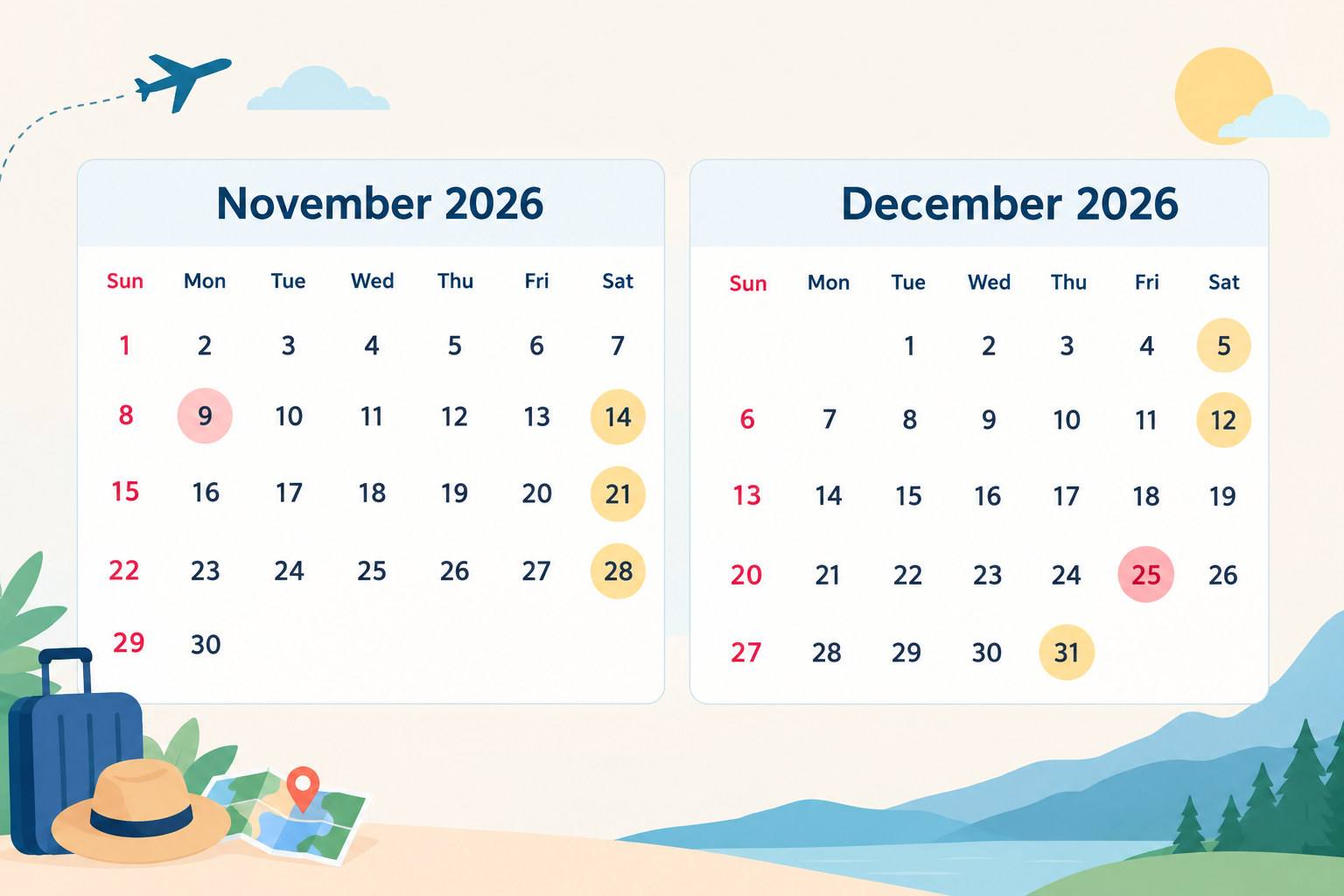
Kullu Dussehra runs October 20 to 26. Mysore Dasara runs October 11 to 21. Delhi Ramlila culminates on October 20. Each has a different window, and combining Kullu with Mysore in a single trip is not feasible.
For bus route options, check the Jaipur bus booking page for Rajasthan connections, or the Delhi to Manali corridor for Kullu access.
Note: Prices are approximate and may vary based on season, demand, and availability.
Common Questions About Dussehra 2026
When is Dussehra 2026?
Dussehra falls on Tuesday, October 20, 2026, which is Vijayadashami marking the end of the nine-night Navratri period.
Why does Kullu Dussehra start on Vijayadashami instead of ending?
Kullu Dussehra begins on the day other cities finish, running seven days with over 200 village deities gathering at Dhalpur Maidan.
When is the Mysore Jamboo Savari in 2026?
The Jamboo Savari procession in Mysore is scheduled for Wednesday, October 21, 2026, the day after the pan-India Dussehra date.
Is the Mysore Palace illumination free to watch?
The palace illumination is visible from the palace grounds without a ticket, running from roughly 7 to 7:45 PM each evening during Dasara.
What makes Bastar Dussehra different from other celebrations?
Bastar Dussehra runs approximately 75 days, follows tribal traditions centred on Goddess Danteshwari, and does not include the Rama effigy burning.
How do I reach Kullu for Dussehra?
Kullu is about 40 km from Manali, reachable by overnight bus from Delhi via the Manali corridor or by flight to Bhuntar airport.
Is Delhi Dussehra free to attend?
The public effigy burning events across Delhi are free. Arrive early for the Red Fort event as afternoon crowds build quickly.
Can I visit both Kullu and Mysore Dussehra in one trip?
The distances make combining them impractical. Kullu runs Oct 20 to 26, while Mysore Dasara ends on Oct 21 with the Jamboo Savari.
What is the UNESCO recognised Ramlila tradition?
The Ramlila of Ramnagar in Varanasi was inscribed as UNESCO Intangible Cultural Heritage in 2008 for its month-long moving performance format.
How early should I book for Kullu Dussehra?
Book accommodation at least 2 weeks before the festival, as Kullu valley hotels fill quickly during the seven-day Dussehra period.
You Might Also Like
- Explore Upcoming Festivals in India 2026: Full Guide: The complete festival calendar for India in 2026 with dates and travel context.
- Bangalore to Mysore Road Trip: Route, Stops and What to See: The detailed route guide for the Bangalore to Mysore corridor, useful for Mysore Dasara travel planning.