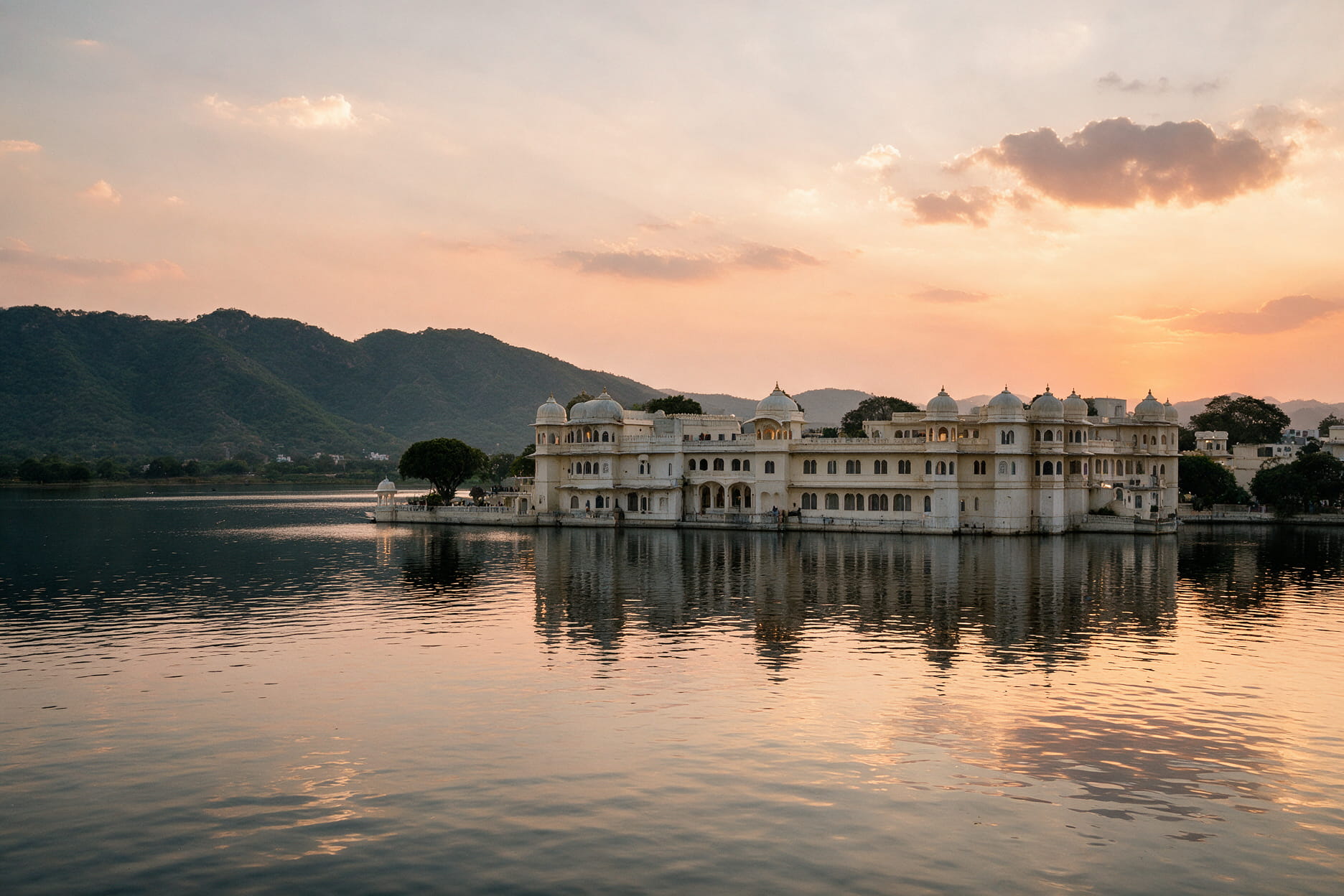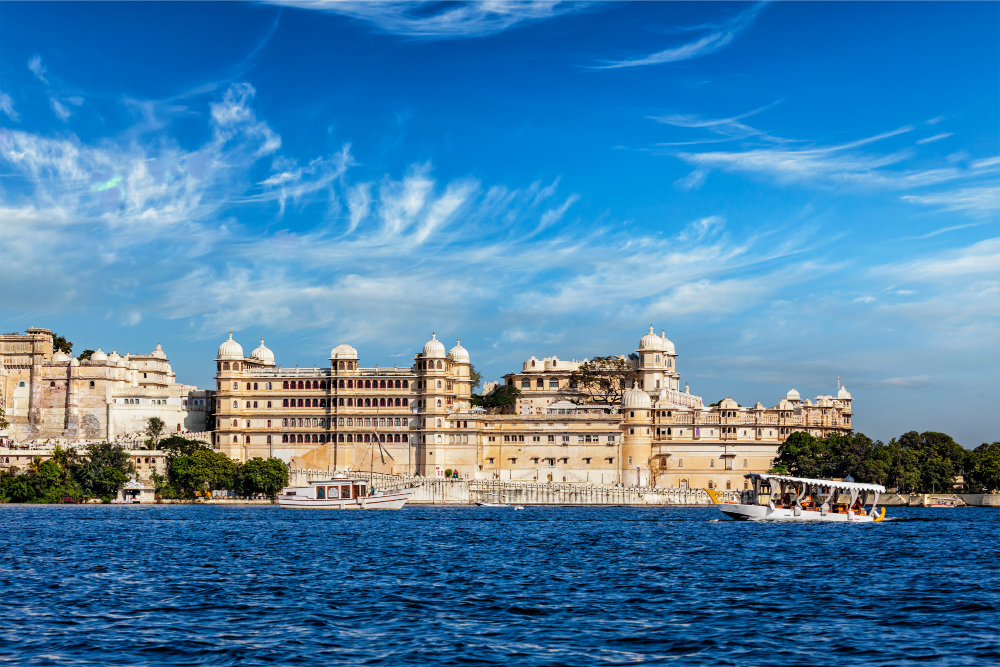
Most travellers arrive in Udaipur after dark, and that turns out to be the right way in. The places to visit in Udaipur appear first as lake reflections, palace windows lit against the Aravalli hills, the Jagdish Temple tower glowing quietly above the old city.
Udaipur rewards travellers who give it more than a day. This guide covers the iconic sites and the quieter ones, helps you plan by traveller type and season, and explains exactly how to get here from Delhi or from Jaipur without last-minute confusion.
Places to Visit in Udaipur: A City Built for the Long Look
Udaipur was founded in 1559 by Maharana Udai Singh II after the fall of Chittorgarh, and the city was built with the lakes and the Aravallis as deliberate strategic features. That same geography is what makes the places to visit in Udaipur so distinct from anywhere else in Rajasthan. Water, stone, and hill exist here not as backdrop but as architecture.
This guide is organised by experience type rather than by day, so you can pick your own sequence based on how much time you have and what kind of traveller you are. Book your Udaipur bus in advance if you are travelling in peak season.
The Palace Circuit: Where Udaipur’s Udaipur Sightseeing Begins
The palace circuit covers some of the most historically concentrated places to visit in Udaipur, and most first-timers start here correctly. Udaipur’s palaces are not museum pieces kept behind glass. People still marry here, festivals still fill the temple courtyards, and the architecture spans 400 years of decisions made by different rulers with different visions of the same city.
City Palace
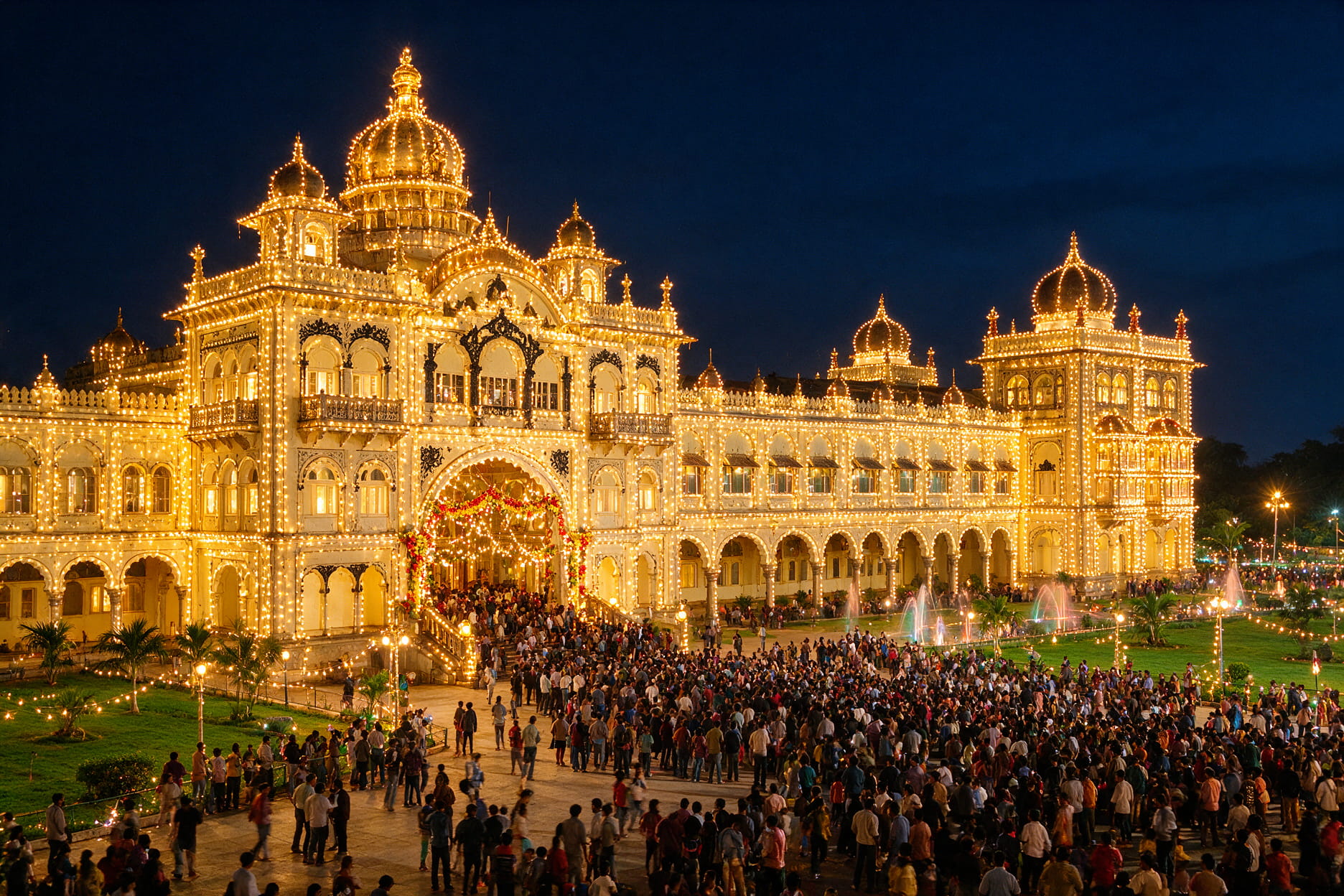
City Palace is the single most important stop on any Udaipur sightseeing list. Built over roughly 400 years by successive Maharanas of Mewar, the complex rises from the east bank of Lake Pichola and functions as part royal residence, part museum, and part living historical document.
The interiors include Mor Chowk, where 5,000 glass mosaic tiles create peacock designs across three walls, and the Dilkusha Mahal, painted in European blue and white that reflects the era of cross-cultural influence. Multiple corridors display royal miniatures, ceremonial armour, and painted ceilings. Entry for the museum section is separate from entry to the broader complex.
Entry hours: 9:30 AM to 5:30 PM daily.
Tip: Arriving before 10 AM avoids the thickest crowds and gives you the best light for photography inside the courtyard.
Jagdish Temple
A five-minute walk north of City Palace, Jagdish Temple is one of the finest examples of Indo-Aryan temple architecture in Rajasthan. Maharana Jagat Singh commissioned the temple in 1651, dedicating it to Lord Vishnu, and the structure rises nearly 24 metres from its stone platform.
Every exterior surface carries carved figures — celestial dancers, elephants, soldiers, and mythological scenes stacked in precise horizontal bands. The temple remains active throughout the day. The early-morning aarti draws a mix of local devotees and curious visitors, and the atmosphere is more genuine than at most tourist-facing temple sites.
Note: Remove footwear before entering and dress modestly. Shoulders and knees should be covered.
Bagore Ki Haveli
Bagore Ki Haveli stands directly on the Gangaur Ghat waterfront and was built in the 18th century as the residence of Amir Chand Badwa, a minister of the Mewar court. The building now works as a museum with over 100 rooms displaying turbans, glasswork, royal utensils, and miniature paintings from across the Mewar period.
The evening cultural show held here is the most accessible folk performance in Udaipur. The one-hour programme includes Rajasthani folk dance, puppet shows, and regional music. Most shows run daily at around 7 PM, but confirm timing at the ticket counter on the day.
Tip: Combine a haveli visit with a sunset walk along Gangaur Ghat for a natural evening sequence.
The Lake Loop: Pichola, Fateh Sagar, and the Water That Shapes the City
Udaipur’s identity is inseparable from its lakes. Lake Pichola gives you the postcard view and the palace islands. Fateh Sagar gives you the local rhythm and the quieter northern end of the city. Understanding both is essential to any Udaipur travel guide, and seeing only one means missing half of what makes the city function the way it does.
Lake Pichola and Boat Rides
Lake Pichola is an artificial freshwater lake created in 1362 AD, and it remains the central visual reference for Udaipur’s entire urban layout. City Palace dominates the east bank. The west bank holds quieter residential neighbourhoods and the main jetty for boat rides to both island palaces.
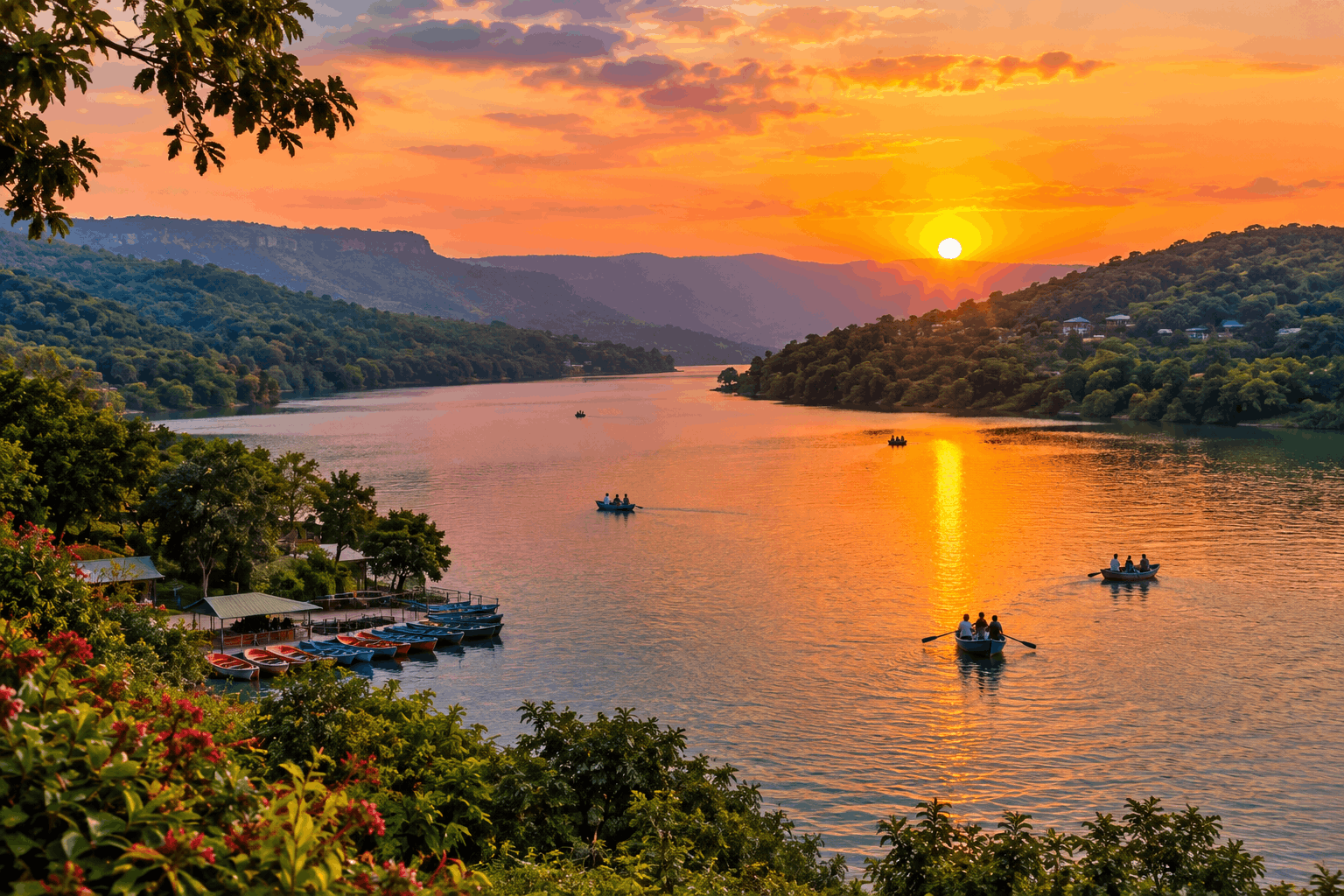
Public motor boats run from the jetty near City Palace. The one-hour ride covers the lake perimeter and passes both Jag Mandir and the Lake Palace hotel, which floats on its own island to the south. Sunrise and late-afternoon departures offer the best light, and the difference between a midday ride and a 5 PM ride is genuinely significant.
Note: Prices are approximate and may change based on season, demand, and availability.
Jag Mandir Palace
Jag Mandir is a three-storeyed marble palace built on an island in Lake Pichola. Construction began in 1551 and the palace was completed in 1652. Mughal prince Shah Jahan took refuge at Jag Mandir during a revolt against his father, and historians have noted architectural similarities between Jag Mandir’s central pavilion and elements of the Taj Mahal, which Shah Jahan built decades later.
The palace gardens are open to visitors who pay the boat entry. The elephant statues at the waterside jetty and the Gul Mahal pavilion with its arched marble screens are the main photographic stops. The boat ride from the main City Palace jetty takes about 15 minutes each way.
Fateh Sagar Lake
Where Lake Pichola draws tourists, Fateh Sagar Lake draws Udaipur’s own people on weekend mornings. Built originally by Maharana Jai Singh and later expanded by Maharana Fateh Singh, this artificial lake sits north of the city and connects to Pichola through a canal.
The lake has three islands. Nehru Island has a garden and a small café. The northernmost island hosts the Udaipur Solar Observatory, the only floating solar observatory in India, designed on the pattern of the Big Bear Lake observatory in California. A toy train runs along the lakeside promenade on evenings and weekends, which makes Fateh Sagar a natural stop for family travel in Udaipur.
Saheliyon Ki Bari
Saheliyon Ki Bari, the Garden of the Maidens, was designed in the 18th century by Maharana Sangram Singh as a retreat for royal ladies-in-waiting and their companions. The garden sits on the north bank of Fateh Sagar Lake and contains lotus pools, marble terraces, elephant fountains, and kiosk pavilions set in a formal Rajput garden layout.
The complex is small enough to see in 45 minutes and rewards a slow walk rather than a quick pass-through. Arrive before 9 AM to experience the fountains without the tour group buses. An evening light and sound show runs here on most nights during the winter season.
Hilltops, Ghats, and the Quieter Corners of Udaipur
Not every worthwhile spot on a Udaipur sightseeing list is a famous palace or a lake jetty. The city has a second layer of places that most first-time visitors skip past and most returning visitors seek out first.
Sajjangarh Monsoon Palace
Sajjangarh Palace sits atop the Bansdara mountain, about 5 km from the city centre, and was built by Maharana Sajjan Singh in 1884. The original plan was to construct an astronomical tower high enough to watch monsoon clouds building over the Aravallis. The observatory was never completed, but the views from the hilltop are exactly what the Maharana imagined.
Reaching Sajjangarh requires a vehicle as the road is steep and not walkable from the base. The timing that works best is one hour before sunset, when the Aravalli range turns gold and the lakes below reflect it upward. The Sajjangarh Wildlife Sanctuary wraps around the hill’s base and covers over 5 sq km of forested terrain with leopards, deer, and migratory birds.
Ambrai Ghat
Ambrai Ghat, on the western shore of Lake Pichola, gives you a direct and unobstructed view across the water toward City Palace and the floating Lake Palace. It is the best free viewpoint in Udaipur and one of the most reliable spots for golden hour photography, when both palaces are lit by low western sun from behind you.
Several restaurants and cafes sit along the ghat. Rooftop tables fill up quickly after 5 PM, and if you want a sunset seat with this view, arriving 30 minutes early is necessary.
Shilpgram
Shilpgram is a crafts village located about 3 km west of the city centre, built to preserve and showcase traditional rural arts and lifestyles from Rajasthan, Gujarat, Goa, and Maharashtra. The complex includes 26 huts designed to replicate rural homes from across these states, with live demonstrations of weaving, pottery, and painting running through the day.
The most important time to visit Shilpgram is the last week of December, when the Shilpgram Utsav brings artisans from across India for a 10-day open fair. Craftspeople sell directly, and the range of genuine handmade goods at Shilpgram Utsav is difficult to match in any Rajasthan market.
Badi Lake
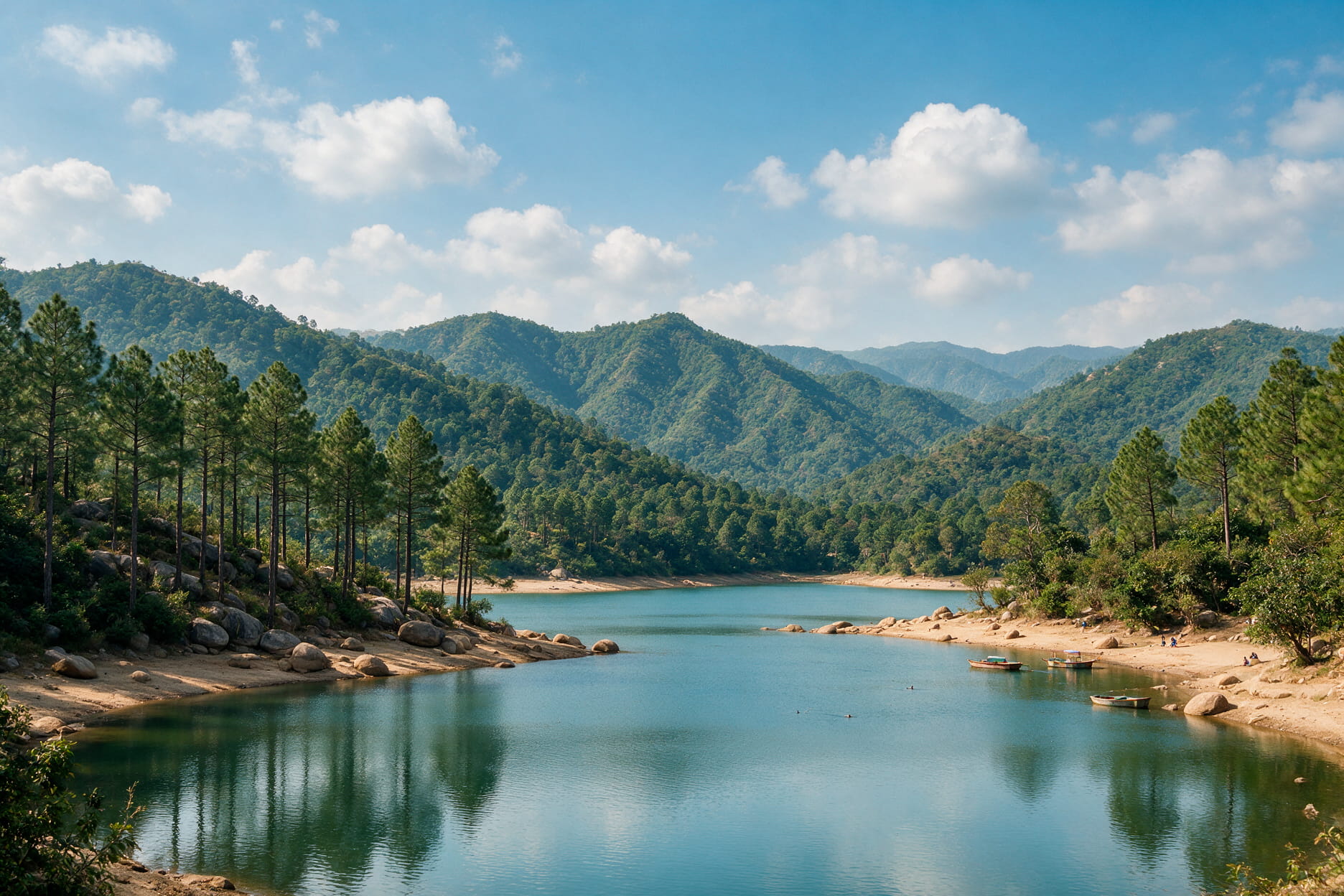
Badi Lake sits about 12 km from the city centre, past the village of Badi, and receives a fraction of the foot traffic of Lake Pichola despite being considerably more peaceful. Maharana Raj Singh I built the lake in the 17th century to counter the effects of a severe regional famine, and the structure covers an area of approximately 155 sq km.
Three carved stone chhatris stand at the water’s edge. There are no ticket counters, no vendor rows, and no organised boat rides. It is simply a large, calm body of water enclosed by low Aravalli hills. For solo travellers and photographers, Badi Lake is one of the more underrated places to visit in Udaipur.
Udaipur Day Trips: Three Forts Worth the Drive
Udaipur sits at the centre of one of Rajasthan’s most historically concentrated zones. Three day trips are worth adding extra days for, and all three are accessible by road from the city.
Kumbhalgarh Fort
Kumbhalgarh Fort is located approximately 85 km north of Udaipur and is known internationally for its perimeter wall, the second-longest continuous wall in the world after the Great Wall of China. Maharana Kumbha built the fort in the 15th century, and it was never taken by direct assault throughout its operational history.
The drive from Udaipur passes through Aravalli hill terrain and takes approximately 2.5 hours. The fort complex contains over 360 temples, the original palace of Maharana Kumbha, and wide sections of the perimeter wall that are walkable. A light and sound show runs on most evenings between October and March.
Ranakpur Jain Temples
The Ranakpur Jain temples, approximately 100 km from Udaipur, represent one of the most significant examples of Jain temple architecture in India. The main Chaturmukha temple, built in the 15th century, contains 1,444 individually carved marble pillars, none of which are identical in design.
Morning visits are strongly recommended as temple interiors cool down quickly and the marble work photographs better in softer morning light. These are active places of worship, so dress codes and photography guidelines posted at the entrance are mandatory for all visitors. The Ranakpur drive combines well with Kumbhalgarh if you have a full day and a hired vehicle.
Chittorgarh Fort
Chittorgarh Fort sits about 115 km east of Udaipur and is one of the largest fort complexes in India. Built on a plateau rising 180 metres above the plains, the fort covers nearly 700 acres and contains palaces, water reservoirs, temples, and memorials. The fort is directly connected to the history of the Mewar kingdom from which Udaipur itself was later established.
Vijay Stambha, the Tower of Victory built by Maharana Kumbha after a military campaign in 1448, stands 37 metres tall and is the most photographed structure in the complex. Allow four to five hours minimum at the fort, as rushing through it means missing entire sections.
Markets, Food, and Udaipur After Dark
Udaipur’s evenings deserve proper time. The old city around Hathi Pol and Bada Bazaar stays active until late and is better experienced at a slow walk than with a shopping checklist.
- Hathi Pol Bazaar: Known for leather juttis, colourful textiles, and carved wooden items. The narrow lane is photogenic and relatively low-pressure compared to some Rajasthan markets. This is one of the better things to do in Udaipur if you want authentic crafts without the hard sell.
- Bada Bazaar: Wider range of goods including silver jewellery, Rajasthani miniature paintings, marble work, and block-printed textiles. Bargaining is standard, and fixed-price stalls are marked.
For food, Udaipur sits within a cuisine tradition that is worth understanding before you order:
- Dal Baati Churma: The defining Rajasthani meal. Hard wheat balls baked in a clay oven, served with lentil gravy and sweet crushed wheat. Found at both street stalls and sit-down restaurants throughout the old city.
- Gatte Ki Sabzi: Gram flour dumplings cooked in a spiced yoghurt gravy. A milder, everyday dish and a good introduction to Rajasthani home cooking.
- Laal Maas: A fiery red mutton curry cooked with Mathania chillies from the Jodhpur region. Available at most non-vegetarian restaurants in the old city and distinctly different from anything available in North Indian dhabas.
Rooftop restaurants along Lal Ghat and around Gangaur Ghat fill quickly after 6 PM in the winter months. If you have a specific restaurant in mind for sunset, arriving at 5:30 PM and ordering early saves you the wait.
Best Time to Visit Udaipur: Season by Season
| Season | Months | Temperature Range | Best For |
| Winter | October to March | 11°C to 26°C | Sightseeing, festivals, outdoor activities |
| Monsoon | July to September | 25°C to 35°C, humid | Landscape photography, budget travel |
| Summer | April to June | 35°C to 45°C | Indoor attractions, off-season hotel rates |
The best time to visit Udaipur for most travellers is between October and March. The weather is comfortable throughout the day, boat rides and hilltop trips are practical at any hour, and two of Rajasthan’s most attended events fall within this window.
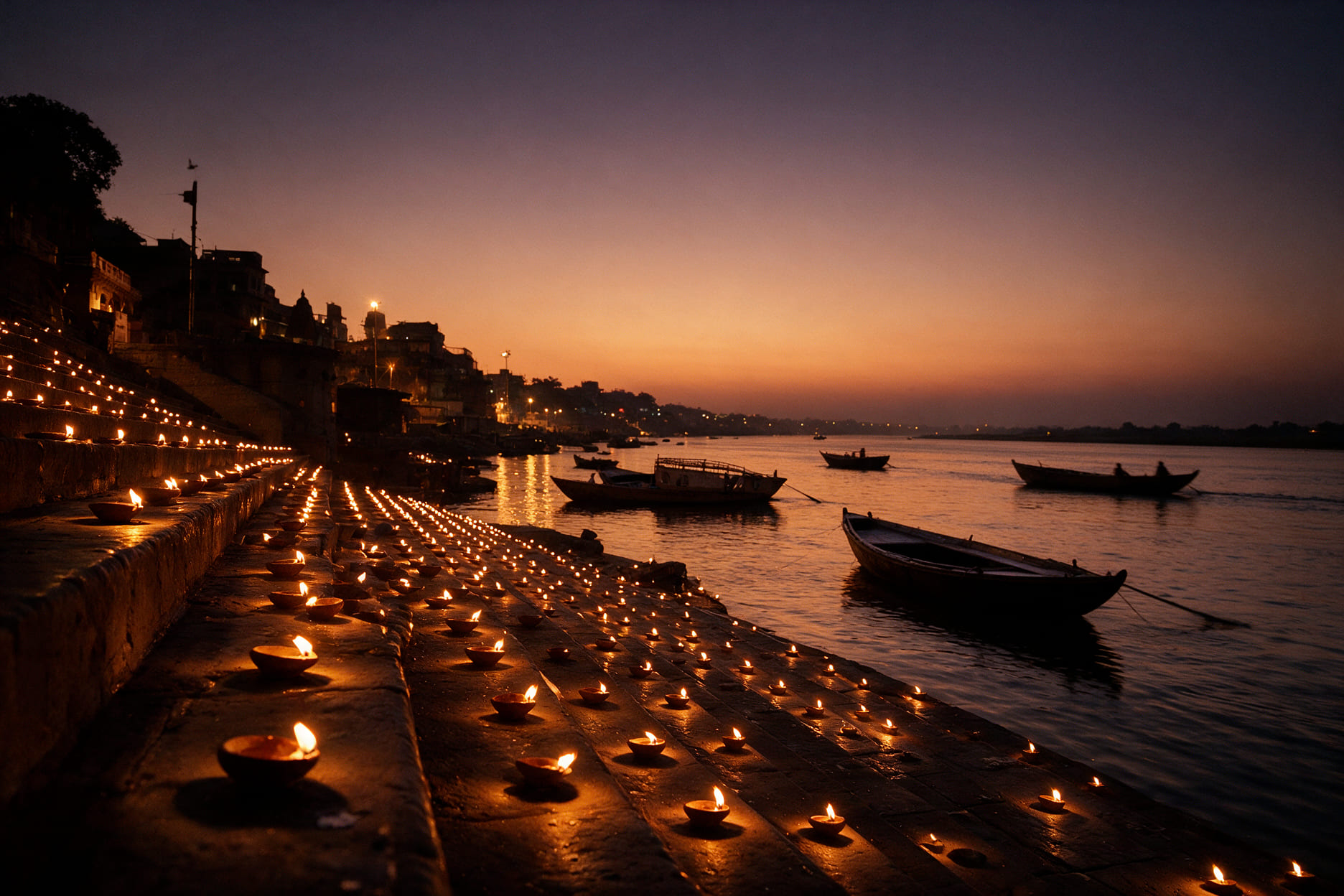
The Mewar Festival in March brings classical music performances, boat processions on Lake Pichola with lit earthen lamps, and active participation from the royal family in riverside ceremonies. The Shilpgram Utsav in the last week of December runs for 10 days and draws artisans from across the country in one of the most concentrated craft fair experiences in the region.
Monsoon, from July to September, fills the lakes to their edges and turns the Aravallis intensely green. Sajjangarh earns its name during this season as monsoon clouds gather visibly from the hilltop. Rain interrupts outdoor plans unpredictably, but hotel rates drop by 30 to 50 percent and the city is far less crowded.
Summer, from April to June, is hot. Afternoon temperatures regularly exceed 40°C, and outdoor Udaipur sightseeing becomes impractical between 11 AM and 4 PM. The tradeoff is meaningfully lower accommodation prices and uncrowded access to sites that are genuinely difficult to photograph during peak season.
How to Reach Udaipur by Bus
From Delhi
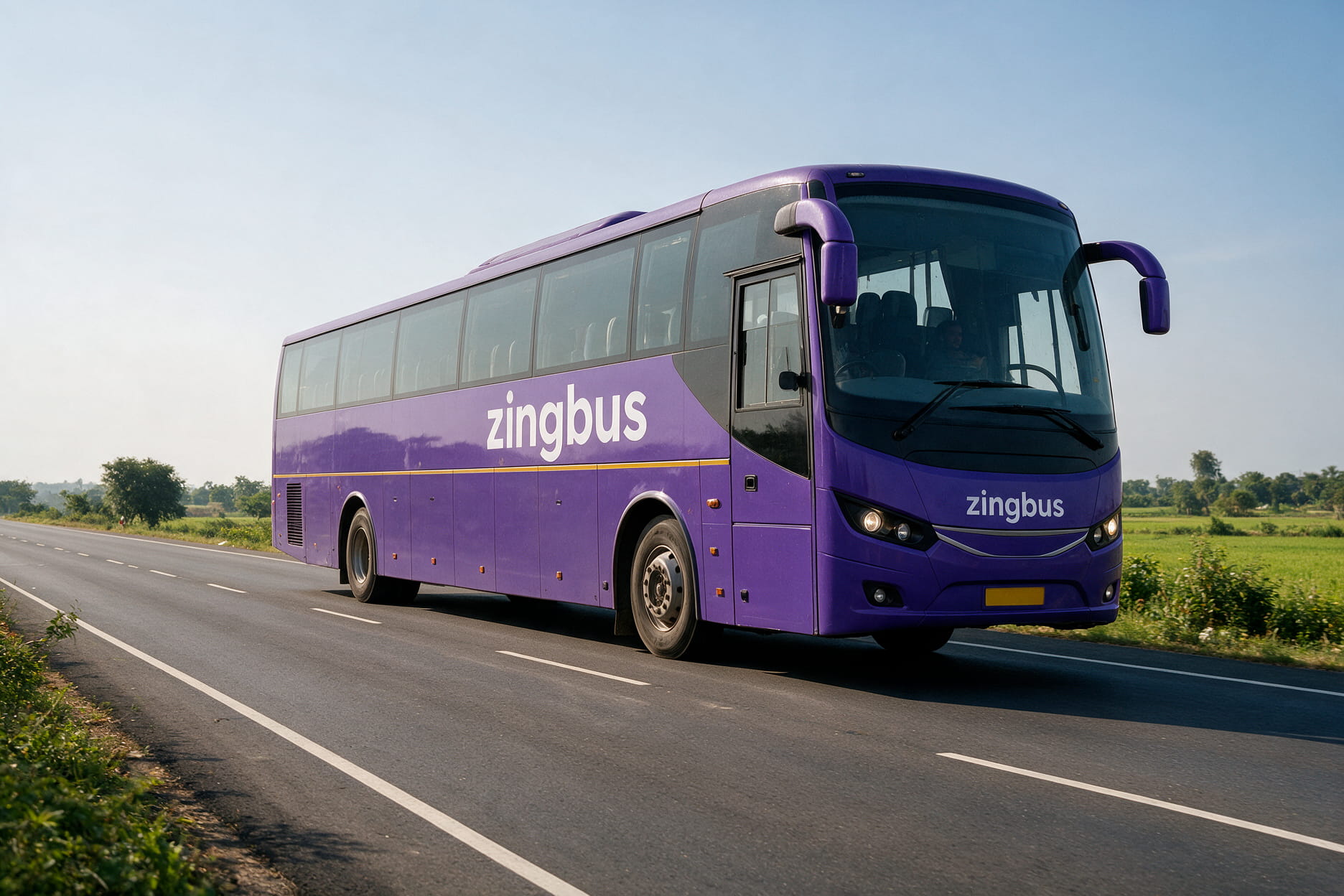
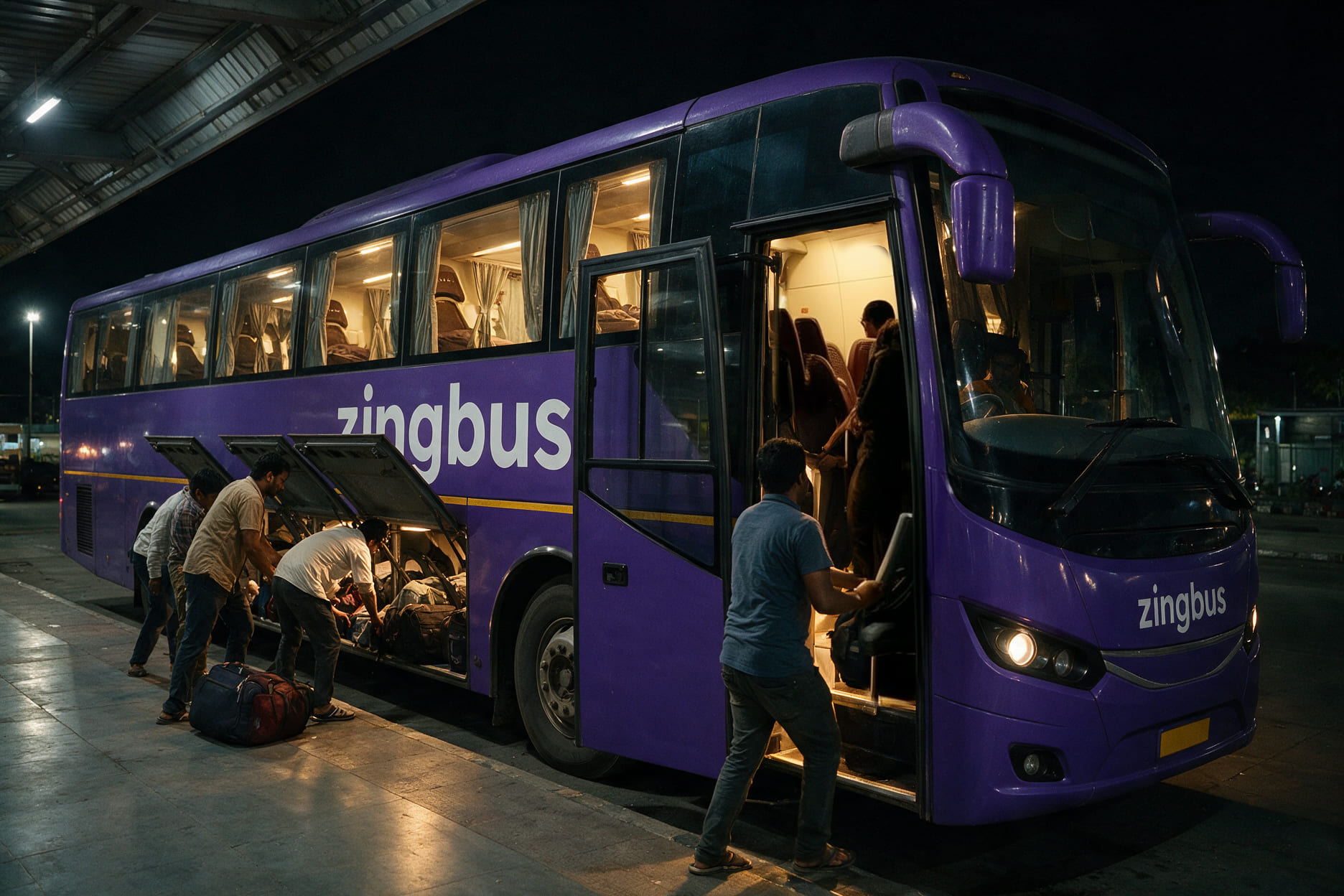
The most comfortable way to reach Udaipur from Delhi is by overnight bus. zingbus operates AC sleeper buses on the Delhi to Udaipur route, covering approximately 650 km with evening departure options. An overnight journey means you arrive in Udaipur in the morning with a full sightseeing day ahead and no hotel night lost to transit.
zingbus buses on this route include GPS live tracking, CCTV, verified drivers, and a two-driver rotation policy on longer overnight journeys. Fares vary by bus type, date, and seat selection.
Note: Prices are approximate and may change based on season, demand, and availability.
From Jaipur
The Jaipur to Udaipur route connects Rajasthan’s two most visited cities and is a natural leg of any state circuit. The route covers approximately 400 km and takes 6 to 8 hours depending on road and traffic conditions. Travelling between Jaipur and Udaipur by bus rather than flying keeps you on the ground through some of the more interesting Aravalli terrain.
Booking Your Seat
Check live seat availability and book your Udaipur bus through the zingbus app or website. The October to March peak season fills up quickly, particularly around the Mewar Festival in March and during the December holiday period. Booking a week in advance is the minimum for these windows.
You Might Also Like
- Jodhpur Blue City 2026 Guide: Forts, Food and Photography — Udaipur and Jodhpur make a natural two-city Rajasthan combination, and this guide covers everything on the Blue City side of the trip.
- Places to Visit Near Jaipur Under 200 km — For travellers building a Rajasthan circuit from Jaipur before heading to Udaipur, this guide covers Ajmer, Pushkar, Shekhawati, and Ranthambore.
Before You Pack: What Every Udaipur Traveller Should Know
- Dress for religious sites: Jagdish Temple and the Ranakpur Jain temples both require covered shoulders and knees. A light scarf or dupatta solves this for most travellers.
- Footwear logic: You will remove and put on footwear frequently at temples and ghats. Sandals or slip-ons are more practical than lace-up shoes or boots.
- Carry cash for markets: Hathi Pol and Bada Bazaar run largely on cash. UPI is accepted at mid-range and upmarket restaurants, but small notes matter for street food, auto-rickshaws, and ghat stalls.
- Boat ride timing: Lake Pichola boat rides before 8 AM or after 4 PM give the best light for photographs and avoid the midday heat on open water.
- Auto fare protocol: Agree on a fare before boarding any auto-rickshaw. Point-to-point trips within the old city run approximately Rs 50 to Rs 100 for most routes. Metered autos are rare in Udaipur.
- Day trips need early starts: For Kumbhalgarh, Ranakpur, or Chittorgarh, leaving Udaipur by 7 AM allows four to five hours at the site and a return to the city by evening. None of the three can be rushed into a half-day.
- Camera fees: City Palace and Bagore Ki Haveli have separate fee structures for DSLR cameras. Mobile phone photography is generally permitted unless signs indicate otherwise.
- Festival booking: During the Mewar Festival in March and the Shilpgram Utsav in December, hotel availability tightens significantly. Book accommodation at least two to three weeks in advance for these periods.
Note: Prices are approximate and may change based on season, demand, and availability.
What Udaipur Keeps After You Leave
Udaipur is not a city that shrinks in memory. Most travellers who visit come back, often with someone they want to show the lake to at dusk or the City Palace to in the morning before the crowds form. The places to visit in Udaipur range from 400-year-old palace museums and carved marble temples to a quiet artificial lake 12 km from the city where the only sound is water and the Aravallis.
A two- or three-day window covers the core comfortably. A fourth day opens Kumbhalgarh or Ranakpur at a proper pace rather than a rushed one. Plan your bus journey to Udaipur in advance so the first thing you encounter when you arrive is a city full of lake reflections and not a sold-out ticket on your screen.
Frequently Asked Questions About Udaipur
What Is the Best Time to Visit Udaipur?
The best time to visit Udaipur is between October and March, when temperatures stay between 11°C and 26°C, sightseeing is comfortable all day, and both the Mewar Festival and Shilpgram Utsav fall within this window.
How Many Days Are Enough to Visit Udaipur?
Two days cover the main places to visit in Udaipur comfortably, and a third or fourth day opens Kumbhalgarh, Ranakpur, or Chittorgarh at a proper, unhurried pace.
How Far Is Udaipur from Delhi?
The road distance from Delhi to Udaipur is approximately 650 km, covered in 10 to 14 hours by overnight sleeper bus without losing any daytime hours in the city.
What Is Udaipur Famous For?
Udaipur is famous for its ring of freshwater lakes, the Mewar kingdom’s royal palaces, and landmarks like City Palace, Lake Pichola, and Sajjangarh Monsoon Palace that define its international identity.
What Are Udaipur’s Nicknames?
Udaipur is known as the City of Lakes for its network of interconnected lakes, and the Venice of the East for the way its palaces, havelis, and ghats rise directly from the water.
Can You Swim in Lake Pichola?
Swimming is not permitted in Lake Pichola or Fateh Sagar Lake, though public boat rides from the main jetty near City Palace cover the full perimeter including both island palaces.
Is Udaipur Safe for Solo Female Travellers?
Udaipur is generally considered safe for solo female travellers, particularly within the old city, around the lake ghats, and at major historical sites, with verified cab and auto services recommended after dark.
What Is the Entry Fee for City Palace Udaipur?
The City Palace Museum entry fee for Indian visitors is approximately Rs 30 for the main museum, with separate tickets for the crystal gallery and inner palace sections, though rates are updated periodically and should be confirmed at the counter.
Note: Prices are approximate and may change based on season, demand, and availability.
What Is the Best Way to Experience Lake Pichola?
The best way to experience Lake Pichola is by public motor boat from the main jetty near City Palace, ideally departing between 4 PM and 5:30 PM for the most rewarding light on both island palaces.
How Do I Reach Udaipur from Delhi by Bus?
Book an overnight AC sleeper on the Delhi to Udaipur route via zingbus, with evening departures arriving the following morning after covering 650 km, and book well in advance for the October to March peak season.
What Are the Best Day Trips from Udaipur?
The best Udaipur day trips are Kumbhalgarh Fort (85 km), Ranakpur Jain Temples (100 km), and Chittorgarh Fort (115 km), all requiring a full day and a hired vehicle.
What Traditional Food Should You Try in Udaipur?
Dal Baati Churma, Gatte Ki Sabzi, and Laal Maas are the three dishes most central to the Rajasthani cooking tradition in Udaipur, available at most restaurants across the old city.
Is Udaipur Worth Visiting for Couples?
Udaipur is consistently rated one of the most romantic destinations in India, with Lake Pichola sunset boat rides, rooftop restaurants over the water, and the Bagore Ki Haveli evening show making it a strong choice for couples across most budgets.