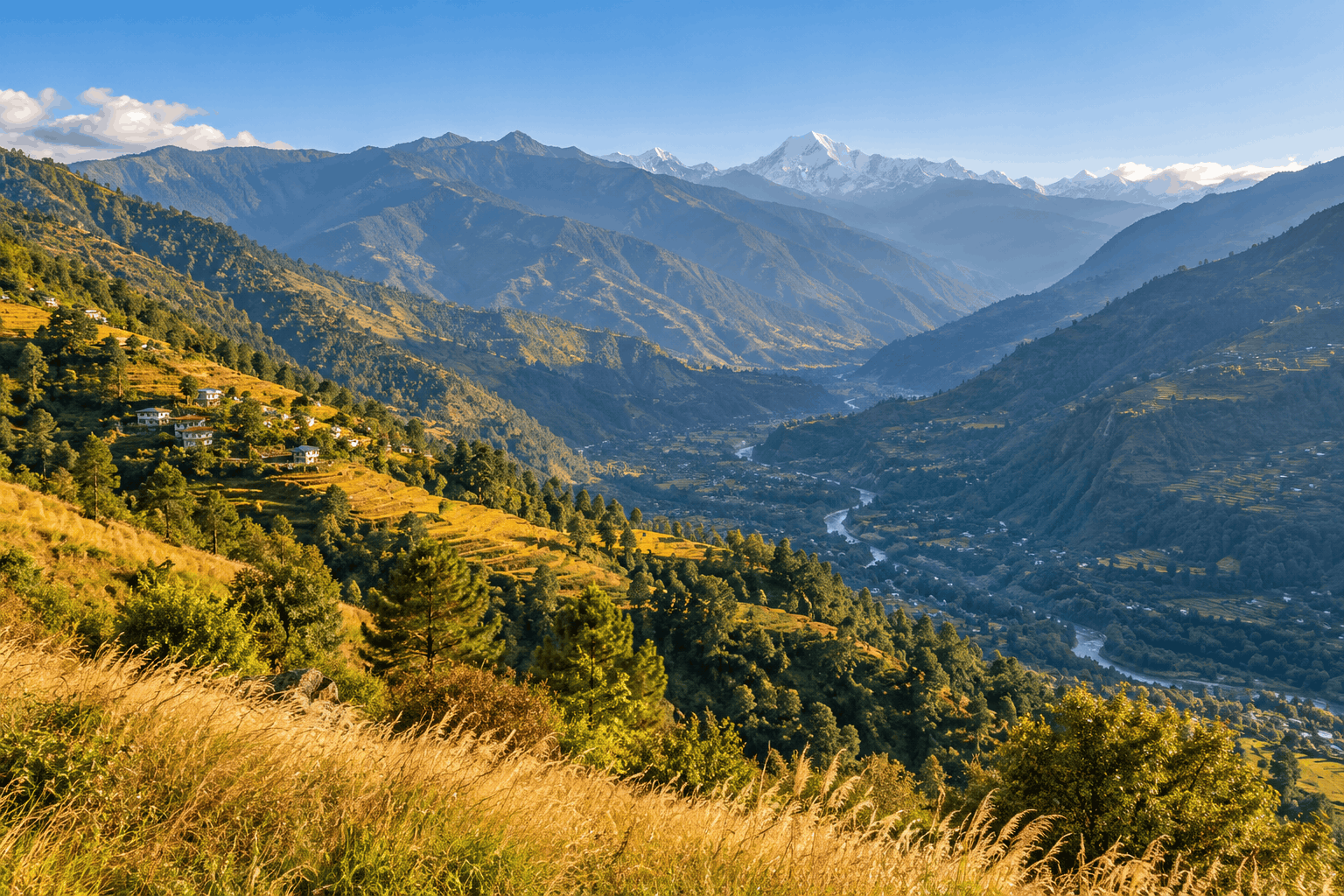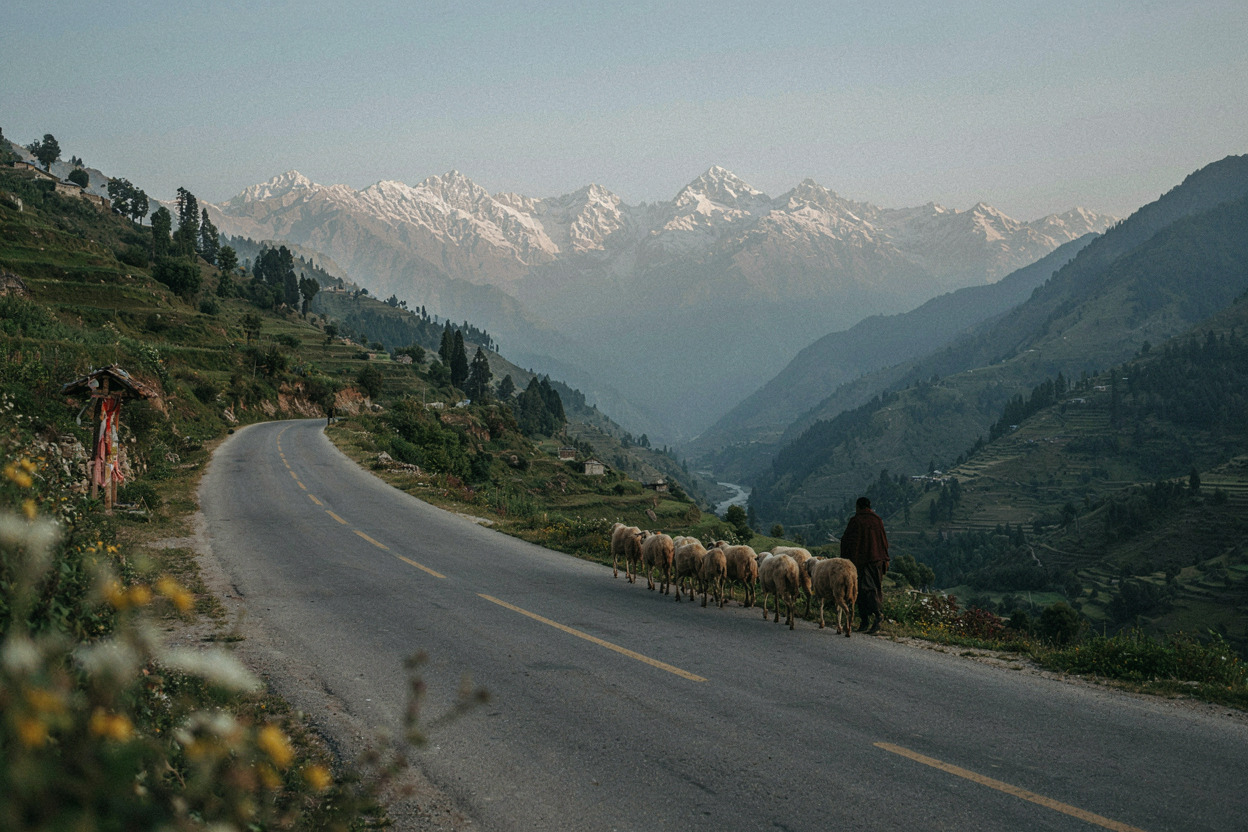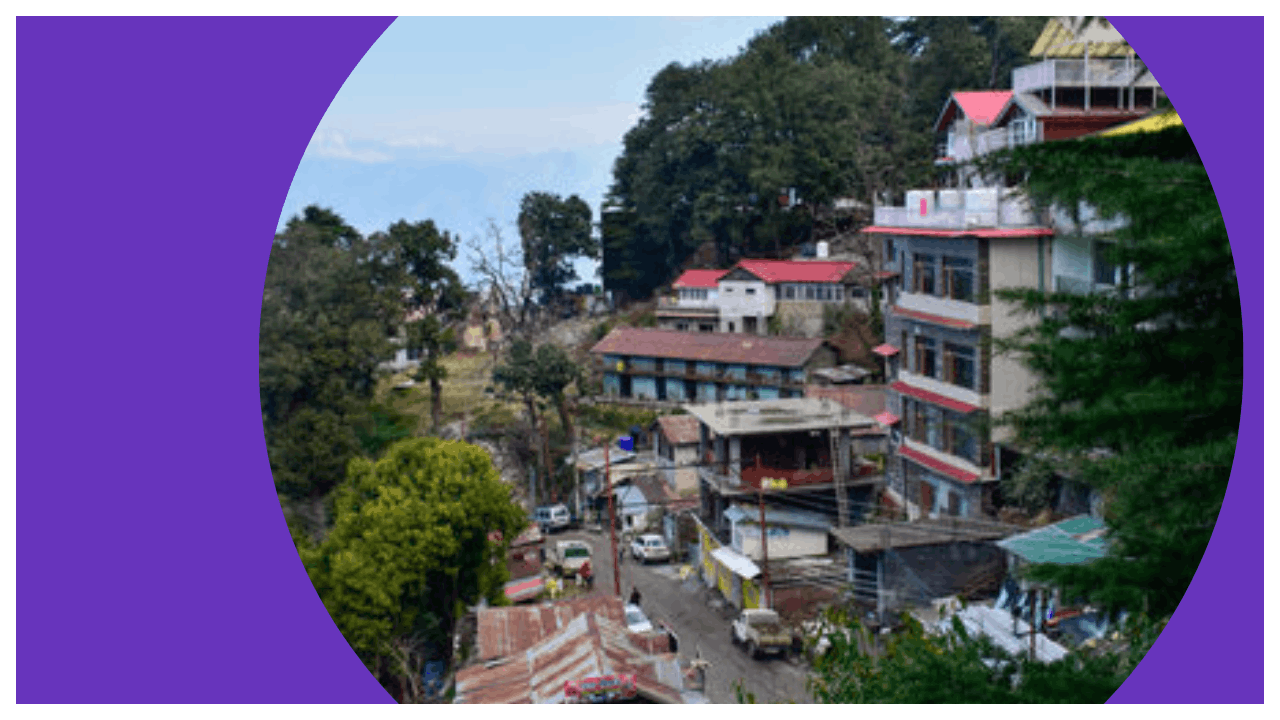
Dalhousie is one of India’s most loved hill stations, and it’s easy to understand why. Tucked away in the Himalayas at elevations between 5,500 and 9,000 feet, this small town in Himachal Pradesh attracts travelers with its stunning views, colonial charm, and peaceful atmosphere. Whether you’re looking for mountain walks, adventure activities, or a quiet getaway, there are plenty of places to visit in Dalhousie that suit every kind of traveler.
There’s an old saying in Hindi about Dalhousie: “If you haven’t been to Dalhousie, it’s as if you haven’t left your home.” That’s how much this place means to people who visit.
The Story Behind Dalhousie
Dalhousie was founded in 1854 as a cool retreat during India’s hot summers. The British named it after Lord Dalhousie, the governor general of India at that time. They chose five hills from the Chamba district, Bhangra, Bakrota, Terah (also called Moti Tibba), Potreyn, and Kathalagh, to create this pleasant hill station. The local ruler at the time, Maharaja Shri Singh of Chamba, accepted the arrangement by negotiating reasonable tax terms with the British.
Dalhousie gained historical significance when freedom fighter Subhash Chandra Bose stayed here in 1937 while recovering from tuberculosis. He loved the place so much that he wrote about it in his magazine “The Tribune”.
“He said, “I hope that after independence, our water bodies and health resorts would be developed properly as health centers, so we don’t need to go abroad for health.” When Dalhousie celebrated 100 years of existence, Bose returned and declared it the most beautiful hill station in India for its natural beauty, climate, and pleasant surroundings.
Other famous visitors included Rabindranath Tagore and Rudyard Kipling, both of whom were deeply impressed by Dalhousie’s appeal.
Culture and Living in Dalhousie
Dalhousie is a place where different cultures and beliefs coexist peacefully. Hinduism is the main religion, but you’ll also find Christianity, Sikhism, and Islam practiced here. While Hindi is commonly spoken, locals frequently use Pahari language, which is unique to this region and different from other hill stations.
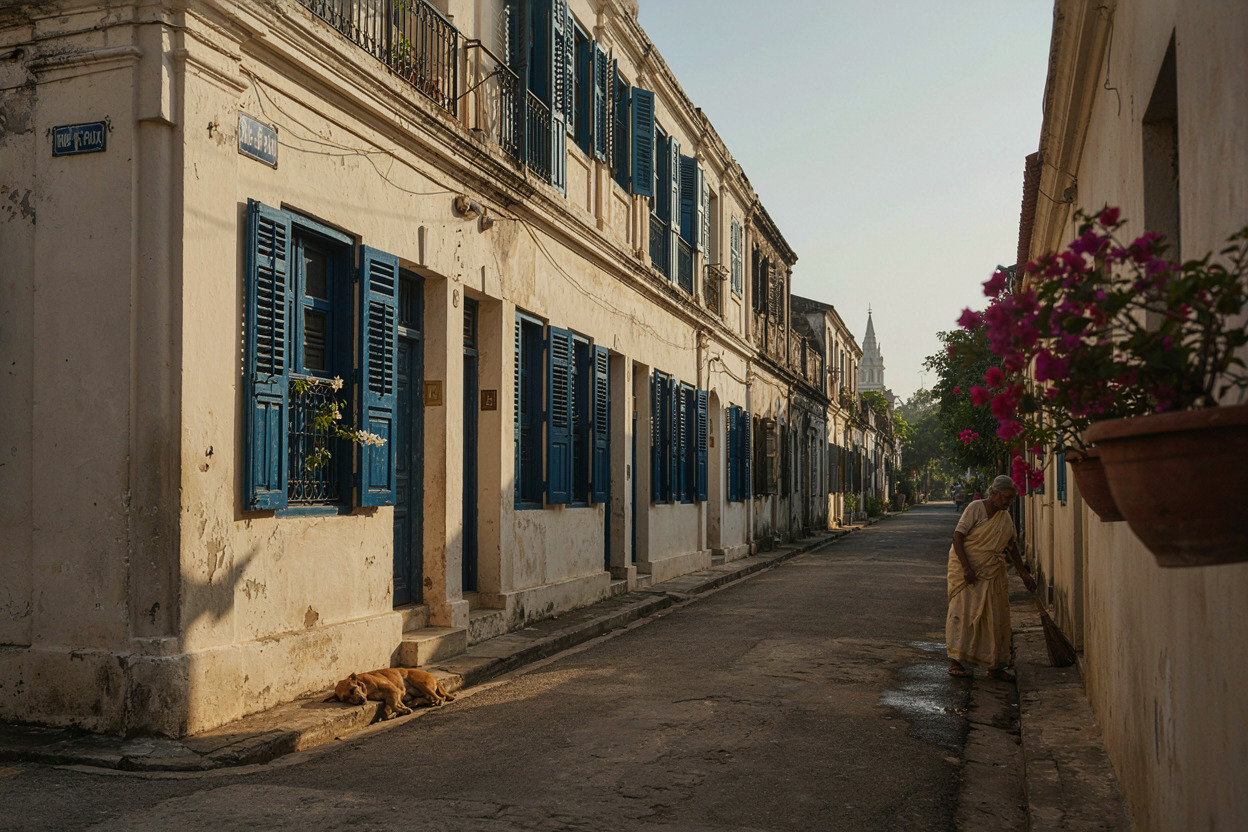
The cultural character of Dalhousie is visible everywhere. You’ll see old churches and temples built in colonial style, traditional handicrafts that have been preserved for centuries, and local artisans keeping these crafts alive. Walking through the town means encountering beautiful old buildings, detailed wood carvings inside churches, and traditional craftspeople working on items like wood carvings and woven fabrics.
Best Time to Visit Dalhousie
Dalhousie has pleasant weather most of the year, but the experience changes with each season.
- March to June: The Ideal Season
The best time to visit is between March and June when temperatures stay between 18 degrees Celsius to 29 degrees Celsius. The weather is comfortable, perfect for hiking, sightseeing, and outdoor activities. The hills are green, the air is fresh, and you can see far into the distance.
- July to September: Monsoon Months
From July to September, temperatures drop between 11 and 23 degrees Celsius, and the area gets regular rainfall. The landscape becomes even more green, but landslides can happen, making travel less safe during this period.
- October to February: Winter Season
Winters bring cold nights, snow, and sometimes hail. Temperatures range from 1 to 10 degrees Celsius, sometimes dropping lower. Snow covers the peaks and creates beautiful views, but travel becomes harder due to weather.
Top Places to Visit in Dalhousie
- Khajjiar: India’s Mini Switzerland
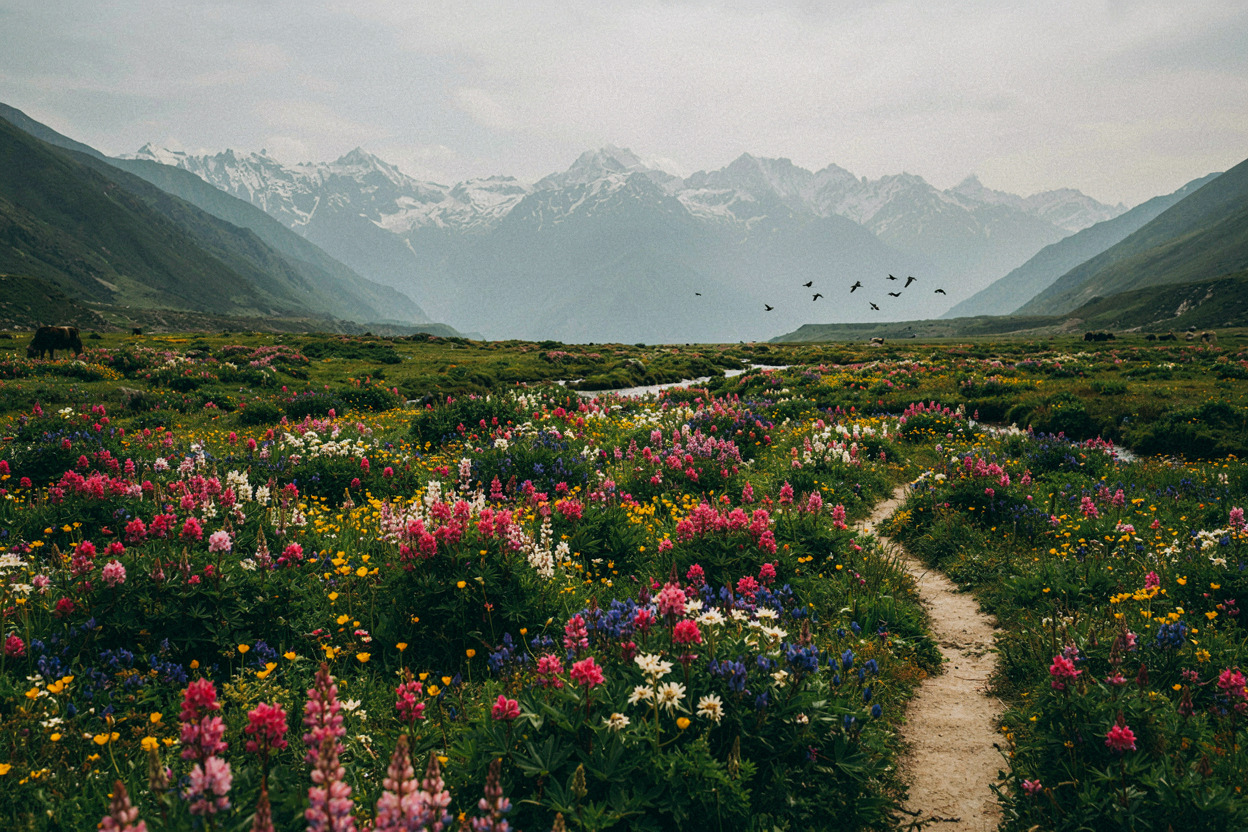
About 24 kilometers from Dalhousie town, you’ll find Khajjiar at a height of 6,500 feet. It’s known as the Mini Switzerland of India because of its open green meadows, grazing cows, forests around the edges, and mountain views.
This is one of the best places to visit in Dalhousie for picnics, photography, and relaxed walks. The beauty is especially stunning from May to July when it’s warm enough to spend time outdoors. Temperatures during summer are pleasant, between 10 and 25 degrees Celsius. Many people come here for paragliding, which has become quite popular in recent years. Families, couples, and solo travelers all find something to enjoy at Khajjiar.
- Chamera Lake: Mountains and Water
Chamera Lake is an artificial lake created by a dam built across the Ravi River for hydroelectric power. Despite being man made, it’s surrounded by natural beauty. Mountains surround the lake on all sides, and you can see the Pir Panjal mountain range in the distance.
The lake is about 60 kilometers from Dalhousie town. People come here for water activities like boating and kayaking, or just to sit by the water and enjoy the quiet surroundings. Summer is the most popular time to visit, but winter mornings with mist over the water create their own kind of beauty. The lake is a good option if you want to combine relaxation with some light adventure.
- Ganji Pahari: A Rocky Hilltop with Big Views
Ganji Pahari means “bald hill” because it has very little vegetation. It’s a small rocky hill just a few kilometers from Dalhousie’s center. What makes it special is the view. From the top, you can see snow covered peaks, distant mountains, and valleys spreading out below like a silver sheet.
The hike up is easy and doesn’t take long, so it works for most fitness levels. It’s an excellent place to watch the sunrise or sunset if you bring a camera. The lack of trees actually helps you see the mountain scenery without any blocking. Many visitors come here for evening views, take photos, and then head back to town for dinner.
- Garam Sadak: A Walk Among Trees
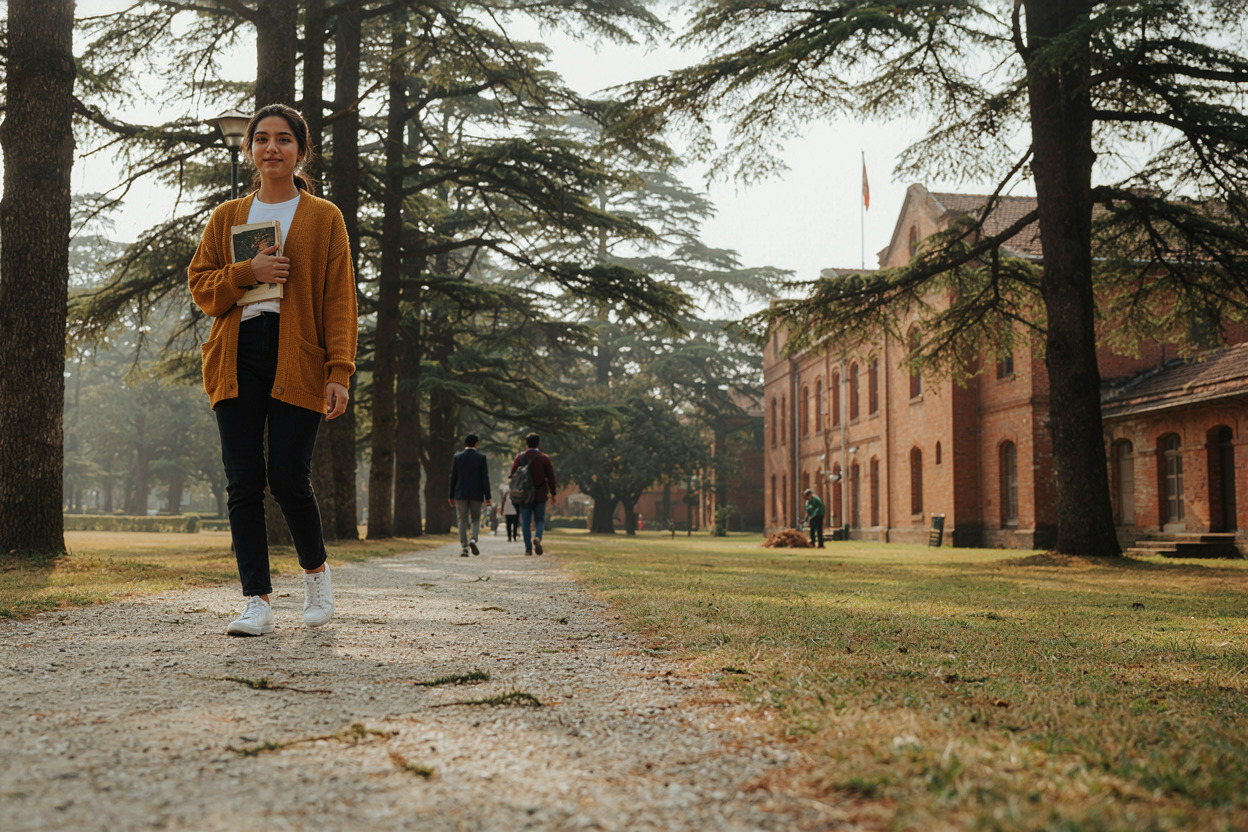
Garam Sadak translates to “warm way” and it’s the most famous walking path in Dalhousie. It runs parallel to Gandhi Chowk and Subhash Chowk, offering a peaceful route through nature and tree lined streets.
The path is covered by large trees overhead that create a nice shade, but still let light come through. The name comes from the fact that this particular stretch stays warmer than the rest of Dalhousie because it gets direct sunlight throughout the day. This makes it comfortable even on cooler days. It’s the perfect place for an evening walk where you can breathe fresh mountain air and enjoy the surroundings. You’ll also find local shops and cafes nearby where you can stop for tea or snacks.
- Kalatop Wildlife Sanctuary: Nature and Animals
Kalatop Wildlife Sanctuary covers a large area and is one of the important wildlife reserves in Himachal Pradesh. It was officially created in 1958 to protect the forest and animals living there. The sanctuary is home to Himalayan black bears, barking deer, and many bird species.
The forest inside is mostly deodar and fir trees with green meadows and the Ravi River running through it. The landscape changes with altitude, creating different habitats for different animals. The best time to visit is March to June when the weather is good and you have a better chance of seeing wildlife. Winter is also good if you don’t mind cold weather, sometimes with snow in the forest. Guided walks are recommended because a guide can help you spot animals and explain what you’re seeing.
- Chamba: History and Handicrafts
Just beyond Dalhousie town, Chamba is a place where you can experience a different side of Himachal Pradesh. It has old temples, a living culture, and traditional crafts made by local people. Chamba is famous for its Minjar Fair held every year in August where the whole town celebrates with colorful processions and cultural events.
The town is known for Pahari paintings, which is a traditional art style from this region, and hand woven fabrics that represent hundreds of years of craftwork. There are several historic temples here, with the Lakshmi Narayan Temple being particularly notable because of its beautiful Shikhara style architecture. Chamba feels less busy than major hill stations, so it’s a good place to experience real local culture and talk to the craftspeople who make things by hand.
Other Worth Visiting Places Around Dalhousie
Besides the six main spots, there are more interesting places in and around Dalhousie.
- Panchpula Waterfall is located just 4 kilometers from town. The name means “five bridges” because five mountain streams meet here and create waterfalls. There are small wooden bridges crossing the water. It’s a nice spot for a picnic and taking photos.
- Dainkund Peak is the highest point near Dalhousie at 2,770 meters elevation. It’s also called Singing Hill because of the whistling sound the wind makes here. Hiking to the top takes time but rewards you with views of surrounding hills, valleys, and snow covered peaks stretching far away.
- Subhash Baoli is a natural hot spring surrounded by thick pine forests. The water is warm and comes from natural springs underground. People visit here believing the water has healing properties, and the peaceful forest setting adds to the experience.
- Satdhara Falls consists of seven small waterfalls flowing down rocks. The name means “seven streams.” The water is believed to have healing qualities. The waterfall looks especially beautiful during the monsoon months when more water flows down.
- Bakrota Hills offer wide views of snow covered mountains and forested valleys below. The Bakrota Mall, a cobblestone street, is particularly beautiful in winter when snow covers the slopes and you can see far into the distance.
How to Reach Dalhousie by Road
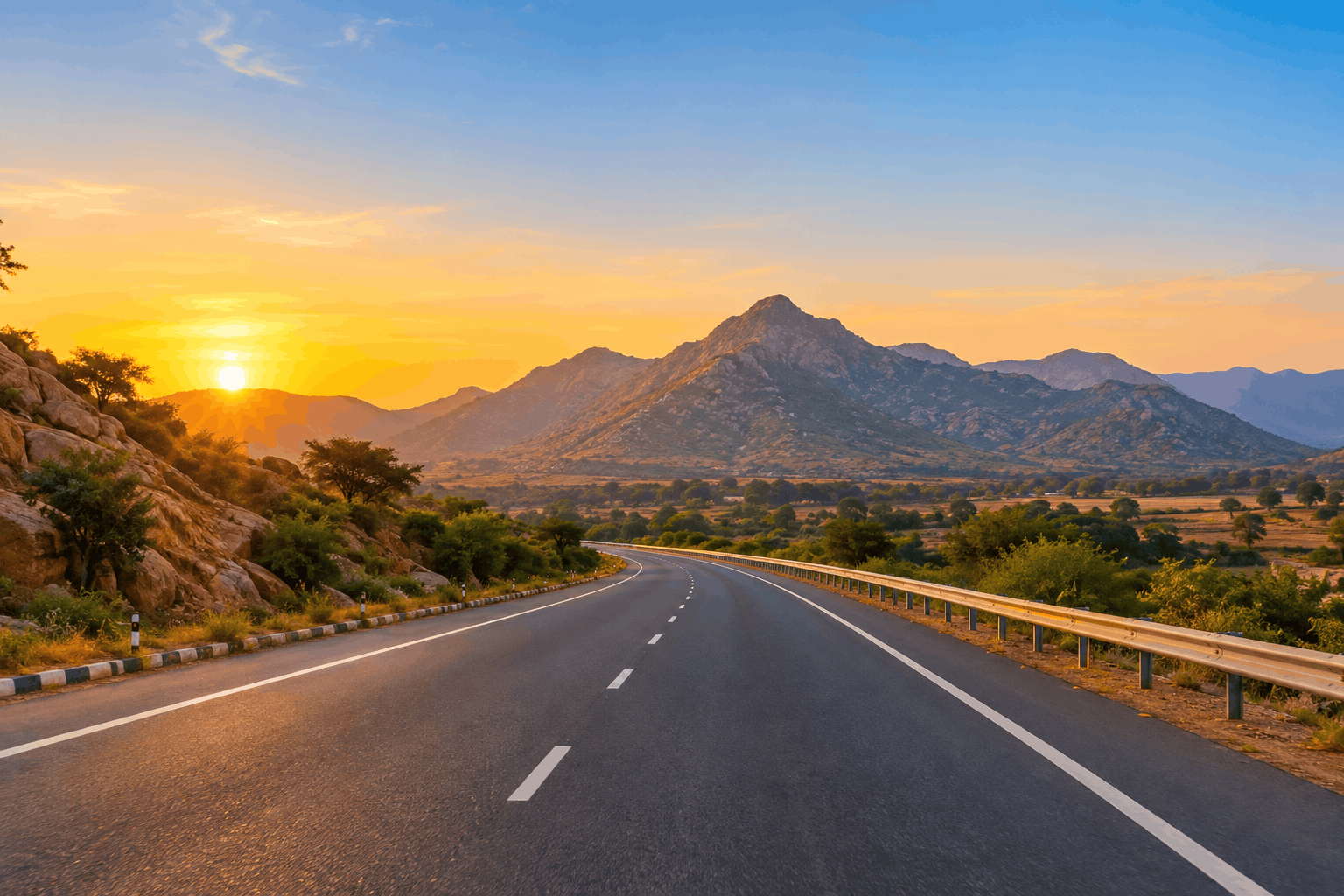
If you’re coming from Delhi or other cities, traveling by bus is a good choice for reaching Dalhousie. It’s convenient, affordable, and gives you nice mountain views along the way.
From Delhi to Dalhousie
The distance from Delhi is approximately 520 kilometers, and the journey takes around 10 to 11 hours by road. Daily bus services run between Delhi and Dalhousie with different options depending on your preference and budget. You can choose a standard coach, an AC bus, or a sleeper coach based on your comfort level.
Booking your bus ticket is simple and easy through zingbus. On the zingbus website or mobile app, you can select your travel date, browse available buses, and pick your preferred seat. The booking process takes just a few minutes. Whether you prefer traveling early morning or at night, there are different departure times to suit your schedule. You can visit zingbus.com to book your tickets online, or download the zingbus app for quick bookings on the go.
Why Travel by Bus
Traveling by bus to Dalhousie comes with several benefits. The journey itself is scenic, taking you through beautiful Himalayan roads. It’s much more affordable compared to flying. You don’t have layovers or complicated connections like flights. Bus timings are flexible with multiple departures throughout the day and night. Buses offer varying comfort levels from basic seats to sleeper berths. If you book through zingbus, you get real time tracking and can know exactly where your bus is.
Travel time can vary depending on traffic conditions and weather, especially during monsoon or winter seasons when roads might be blocked temporarily. It’s wise to book your bus tickets ahead of time, particularly during busy travel seasons from March to June and October to November when many people visit Himachal Pradesh.
Planning Your Dalhousie Visit
A 2 to 3 Day Plan
If you have limited time, here’s a basic plan for a Dalhousie trip.
Day 1: Arrive at Dalhousie, explore Garam Sadak, walk around Gandhi Chowk area, and relax at a local cafe with tea and snacks.
Day 2: Visit Khajjiar in the morning for the green meadows, and if time permits, go to Dainkund Peak for sunset views.
Day 3: Explore Kalatop Wildlife Sanctuary with a guide in the morning, and visit Chamba town for cultural and handicraft experiences.
Accommodation and Expenses
Dalhousie is budget friendly for travelers. Guesthouses and small hotels are affordable. Mid range hotels offer good comfort at reasonable prices. Luxury resorts are available if you prefer more amenities. Food in local restaurants is inexpensive. Most attractions don’t charge entry fees. Activities like water sports at Chamera Lake and guided tours in Kalatop have reasonable charges. (Prices can vary based on season and local conditions.)
What to Bring
Comfortable hiking shoes are essential for walking and trekking. Lightweight layers work best because temperatures change throughout the day. Sunscreen and a hat protect you from strong mountain sun. A waterproof jacket is important, especially during monsoon months. A good camera helps capture the beautiful scenery. Basic medicines and first aid supplies are useful to have.
Making Your Visit Memorable
Dalhousie offers something for every kind of traveler. If you like adventure, there are treks and outdoor activities. If you’re interested in culture and history, the temples, churches, and handicrafts tell fascinating stories. If you want to see wildlife, Kalatop Sanctuary is worth the visit. If you simply want peace and quiet surrounded by mountains and forests, Dalhousie delivers that too.
The real appeal of places to visit in Dalhousie isn’t just about the locations themselves. It’s about the feeling you get when you’re there. The clean air, the quiet mornings, the mountain views, the friendly people, and the sense of connection to nature and history. This is why people remember Dalhousie for years after visiting, and why they come back again and again.
Plan your Dalhousie trip, book your bus tickets through zingbus.com, and discover why this hill station has captured hearts for over 150 years. Whether your first time or a return visit, Dalhousie has something new to show you each time you come.