


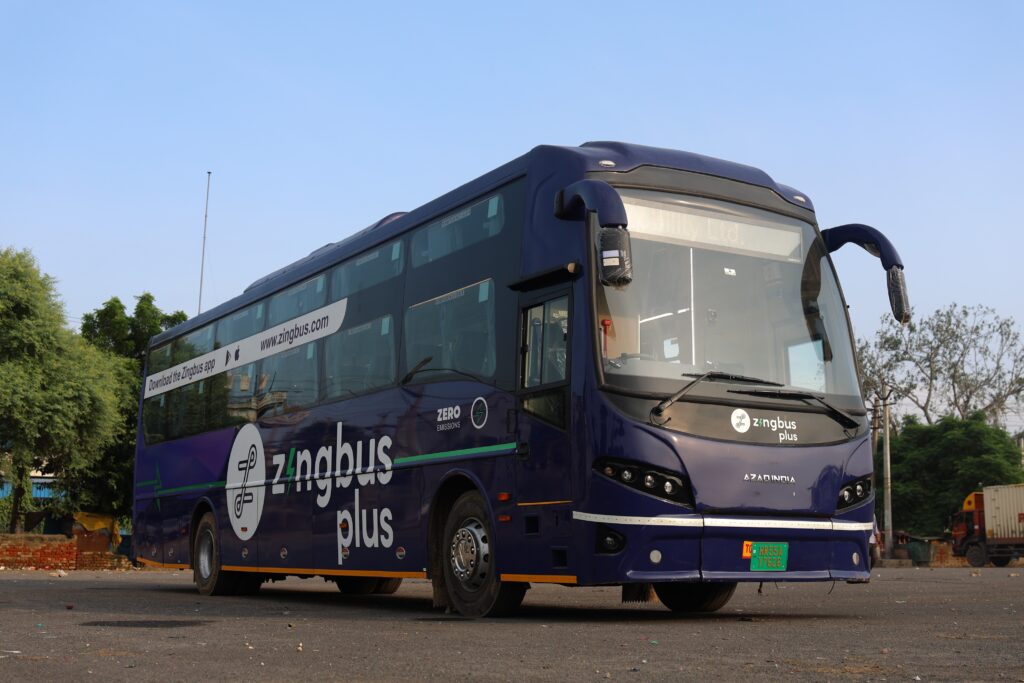
The way we travel between cities is undergoing a massive transformation, and it’s happening quieter than you might expect. Electric buses aren’t just a concept anymore; they are actively reshaping the Indian travel landscape. For decades, intercity travel meant dealing with engine noise, vibration, and the undeniable environmental cost of diesel fuel. That era is rapidly fading as modern electric mobility takes center stage.
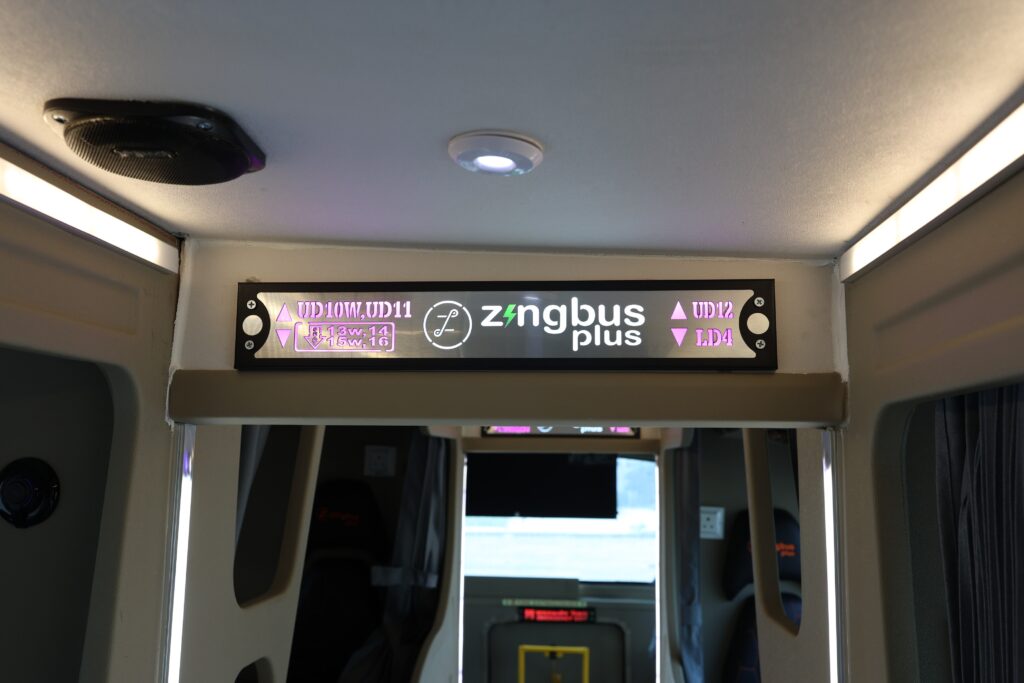
This shift isn’t just about being “green”, it’s about a superior passenger experience. When you step onto a zingbus electric bus, the first thing you notice is the silence. There’s no engine rumble, no vibration under your seat, and absolutely no exhaust smell. It feels less like a bus ride and more like gliding to your destination. This difference fundamentally changes how fresh you feel after a long journey.
- Zero Emissions: Every trip you take effectively removes the carbon footprint equivalent to 20+ cars.
- Silent Cabin: The absence of an internal combustion engine means a peaceful environment for sleeping or working.
- Smoother Ride: Electric drivetrains provide instant torque and seamless acceleration without jerky gear shifts.
Table of Contents
Real-World Benefits You Actually Feel
Talking about environmental stats is great, but what does it actually mean for you as a traveler? The benefits of electric buses translate directly into better comfort and reliability. Traditional diesel engines generate heat and vibration that travel through the bus chassis, contributing to travel fatigue. Electric motors eliminate this entirely.
Operational efficiency also means better affordability. Because electric buses have significantly lower running costs, electricity is cheaper than diesel, and maintenance is simpler, these savings can be passed down to passengers. You get a premium travel experience often at a price point competitive with, or sometimes even lower than, standard luxury coaches.
- Reduced Travel Fatigue: Less vibration and noise means you arrive at your destination feeling energetic.
- Consistent Climate Control: Electric systems manage cabin temperature more efficiently, especially in Indian summers.
- Lower Ticket Costs: Operational savings often translate to more affordable ticket prices for premium seats.
zingbus Plus Electric: Premium Meets Sustainability
zingbus has taken electric mobility a step further with its “Plus Electric” service. This isn’t just an electric bus; it’s a curated travel experience designed for the modern Indian traveler. We’ve combined the environmental benefits of electric mobility with the high service standards you expect from a premium operator.
The service is currently operating on key high-traffic corridors like the Delhi to Dehradun bus route, proving that electric buses can handle demanding intercity schedules with ease. These buses are equipped with fast-charging capabilities that fit perfectly into natural rest stop patterns, ensuring your journey remains seamless and punctual.

- Strategic Routes: Operational on major corridors like Delhi-Dehradun and expanding to Agra and Jaipur.
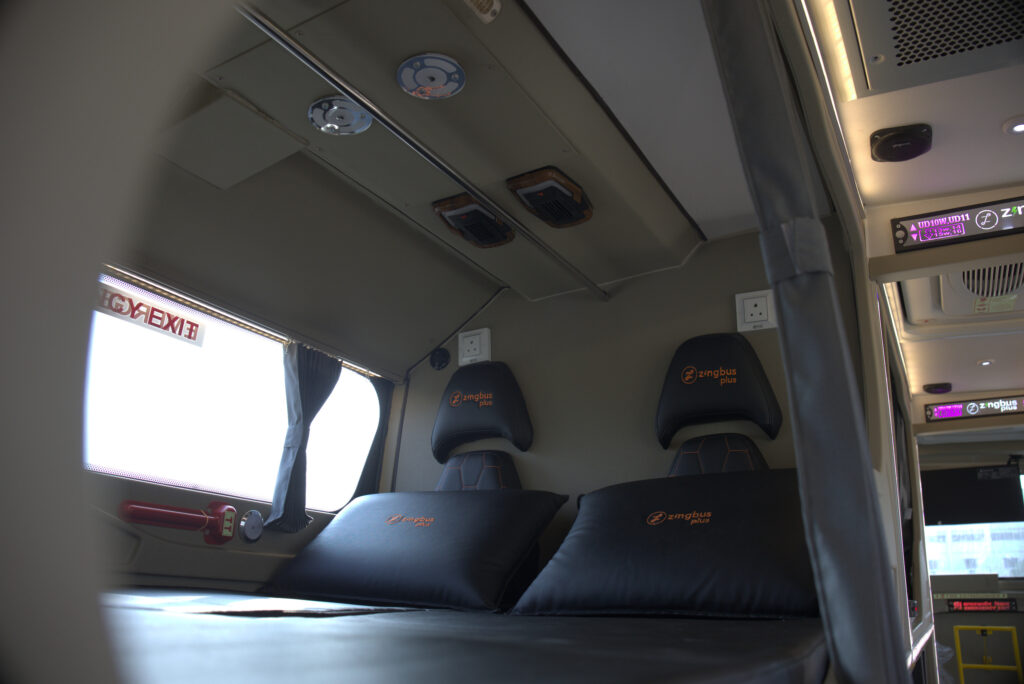
- Premium Interiors: Features extra legroom, ergonomic seating, and premium upholstery standard on Plus services.
- Verified Reliability: Maintains a 95%+ on-time performance record, comparable to or beating diesel alternatives.
Note: Currently, Zingbus’s electric bus service is operational only on the Delhi to Dehradun route. Additional routes, including Delhi to Agra and Delhi to Jaipur, may launch soon as part of zingbus’s upcoming electric expansion plan.
Technology That Powers Your Journey
Under the hood, well, under the floor, of a zingbus electric bus sits some serious engineering. These vehicles utilize advanced Lithium-ion battery packs that are rigorously tested for Indian road conditions and temperature extremes. Unlike early EVs, today’s intercity electric buses have ranges that comfortably cover long distances between strategic charging points.
Safety is integrated into every aspect of the design. The batteries feature sophisticated thermal management systems that keep them at optimal temperatures, whether it’s a scorching afternoon in Delhi or a chilly morning in Manali. Regenerative braking technology also captures energy when the bus slows down, feeding it back into the battery to extend range.
- Smart Battery Management: Active thermal cooling ensures safety and performance in all weather conditions.
- Regenerative Braking: Converts braking energy into power, increasing efficiency on hilly routes.
- Real-Time Telematics: 24/7 monitoring of bus health, battery status, and location for absolute safety.
The Economics: Why Electric Buses Cost Less
It might seem counterintuitive that a newer, more advanced technology could be cheaper, but the math is solid. An electric bus has far fewer moving parts than a diesel engine, no pistons, spark plugs, or complex transmission gears to wear out. This drastically reduces maintenance costs and downtime.
Fuel costs are another major factor. Electricity prices are far more stable and lower per kilometre than diesel prices. This economic advantage is crucial because it makes sustainable travel financially sustainable too. It ensures that “going green” doesn’t have to mean “paying more.”

- Low Maintenance: ~40% lower maintenance costs compared to diesel buses due to fewer moving parts.
- Stable Fuel Costs: Shielded from volatile global oil price fluctuations, keeping ticket prices stable.
- Longer Lifespan: Electric powertrains often outlast diesel engines, providing value over millions of kilometers.
Key Routes for Your Electric Journey
Currently, you can experience the electric revolution on specific high-demand routes. The Delhi to Agra bus route and Delhi to Jaipur corridors are prime examples where electric buses thrive. The flat terrain and excellent highway infrastructure allow these buses to maximize range and efficiency.
Expanding into hill routes is the next frontier. Electric buses actually perform exceptionally well in hills due to torque availability and regenerative braking on descents. We are actively testing and deploying units for routes like Delhi to Manali, ensuring infrastructure is ready to support seamless mountain travel.
- Delhi – Dehradun: A popular corridor perfect for a quiet, emission-free weekend getaway.
- Delhi – Agra: High-speed expressway travel where electric buses cruise silently and efficiently.
- Upcoming Routes: Plans are underway to electrify routes to Jaipur, Chandigarh, and beyond.
Note: Currently, Zingbus’s electric bus service is operational only on the Delhi to Dehradun route. Additional routes, including Delhi to Agra and Delhi to Jaipur, may launch soon as part of zingbus’s upcoming electric expansion plan.
How to Book Your zingbus Electric Seat
Booking a ride on a zingbus electric bus is as simple as booking any other ticket, but with the satisfaction of making a responsible choice. You can find these specific services marked clearly on our platform. We believe in transparency, so you’ll know exactly what kind of bus you’re boarding before you pay.
For the best experience, we recommend using the official zingbus Android App. The app gives you exclusive access to electric bus schedules, special green travel discounts, and real-time tracking that’s specifically calibrated for our electric fleet.
- Clear Identification: Look for the “Electric” or “Eco-Friendly” tag when searching for buses.
- App-Exclusive Deals: often find better rates for electric bus seats directly on the app.
- ZingPrime Advantage: Use your ZingPrime membership for further discounts on premium electric services.
FAQs: Everything You Need to Know About zingbus Electric Buses
General Electric Bus Queries
1. What is an electric bus?
A: An electric bus runs entirely on battery power, using an electric motor instead of a diesel engine, producing zero tailpipe emissions.
2. Are electric buses safe?
A: Yes, they undergo rigorous safety testing, including fire safety standards for batteries and advanced monitoring systems for real-time protection.
3. Do electric buses have AC?
A: Absolutely. All zingbus electric buses come with powerful, electrically driven air conditioning systems that maintain cabin temperature perfectly.
4. How fast can electric buses go?
A: They are speed-governed like all commercial vehicles but can easily maintain highway speeds of 80-100 km/h smoothly.
5. Are electric buses quieter?
A: Yes, significantly. Without a combustion engine, cabin noise is reduced by over 50%, making for a very peaceful journey.
6. Do electric buses stop more for charging?
A: Not necessarily. On standard intercity routes like Delhi-Agra, they can often complete the trip on a single charge or with one quick stop.
7. Is the ticket price higher for electric buses?
A: Generally, no. Lower operating costs allow operators like zingbus to price electric bus tickets competitively with standard AC buses.
8. Can electric buses climb hills?
A: Yes, electric motors provide instant torque, making them excellent for climbing gradients, often better than diesel buses.
9. How long does an electric bus battery last?
A: Modern bus batteries are designed to last for thousands of cycles, typically covering the vehicle’s entire primary service life.
10. What happens if the battery runs out mid-way?
A: This is extremely rare. Buses have advanced range estimation software and reserve power buffers to reach the nearest charging point safely.
Booking & Operations
11. How do I book a zingbus electric bus?
A: Simply use the zingbus app or website and look for the “Electric” tag on the bus listing for your route.
12. Are electric buses available every day?
A: Yes, on designated routes like Delhi-Dehradun, electric bus services operate daily schedules just like regular fleets.
13. Can I track my electric bus?
A: Yes, real-time tracking is available via the zingbus app, allowing you to share your live location with family.
14. Do electric buses have sleeper seats?
A: Yes, electric buses are available in both seater and sleeper configurations depending on the specific route and bus model.
15. Is there Wi-Fi on electric buses?
A: No, zingbus electric buses don’t have Wi-Fi. The focus is on conserving battery power and maintaining system efficiency before adding non-essential features like onboard connectivity.
16. Can I charge my phone on the bus?
A: Yes, every seat is equipped with USB charging ports so your devices stay powered up just like the bus.
17. Are electric buses cleaner?
A: Yes, beyond zero emissions, the lack of engine soot and oil means the bus interiors and exteriors stay cleaner longer.
18. Do electric buses have toilets?
A: This depends on the specific bus model configuration, but they stop at premium rest stops with clean facilities.
19. What is the range of an electric bus?
A: Most intercity electric buses in India have a real-world range of 250-300 km on a single charge.
20. How long does it take to charge the bus?
A: Fast charging technology allows these buses to recharge significantly (up to 80%) in just 45-60 minutes during rest stops.
Route Specifics
21. Is there an electric bus from Delhi to Jaipur?
A: Yes, electric bus services are increasingly available on this popular route due to good highway infrastructure.
22. Are electric buses running to Manali?
A: Trials and limited services operate on hill routes; check the zingbus app for the latest availability on Delhi-Manali.
23. Can I take an electric bus to Agra?
A: Yes, the Yamuna Expressway is perfect for electric buses, and services are frequently available for Delhi-Agra travel.
24. Are there electric buses in South India?
A: Yes, routes connecting major hubs like Bangalore, Chennai, and Hyderabad are seeing more electric bus deployments.
25. Is the ride bumpy on electric buses?
A: No, the heavy battery pack creates a low center of gravity, making the bus more stable and less bumpy than diesel ones.
Note: Currently, zingbus’s electric bus service is operational only on the Delhi to Dehradun route. Additional routes, including Delhi to Agra and Delhi to Jaipur, may launch soon as part of zingbus’s upcoming electric expansion plan.
Environmental Impact
26. How much CO2 does an electric bus save?
A: A single electric bus can save over 1,000 tons of CO2 emissions over its lifespan compared to a diesel bus.
27. Are electric bus batteries recyclable?
A: Yes, lithium-ion batteries can be repurposed for energy storage or recycled to recover valuable metals like lithium and cobalt.
28. Is electricity for buses clean energy?
A: It depends on the grid, but even on a coal grid, EVs are cleaner than diesel. As the grid gets greener, so do the buses.
29. Do electric buses reduce noise pollution?
A: Drastically. They eliminate the loud engine idling noise at bus stops and terminals, making cities quieter.
30. What is “Regenerative Braking”?
A: It’s a system where the electric motor acts as a generator when slowing down, recharging the battery and saving energy.
Comparisons
31. Electric bus vs. Diesel bus cost?
A: Electric buses have higher upfront costs but much lower daily running and maintenance costs than diesel buses.
32. Is an electric bus faster than a train?
A: On routes like Delhi-Agra, it can be comparable door-to-door, but trains are generally faster over very long distances.
33. Are electric buses better than CNG buses?
A: Yes, electric buses have zero tailpipe emissions, whereas CNG buses still emit CO2 and other pollutants.
34. Do electric buses vibrate less?
A: Yes, the lack of internal combustion explosions means almost zero vibration is transmitted to the passenger cabin.
35. Which is more comfortable, Volvo or Electric?
A: Many electric buses are built on premium platforms (like Volvo or similar), offering equal or superior comfort levels.
Technical & Future
36. Who manufactures electric buses in India?
A: Major players include Tata Motors, Ashok Leyland (Switch Mobility), Olectra Greentech, and JBM Auto.
37. What is the battery capacity of a bus?
A: Intercity electric buses typically have battery capacities ranging from 250 kWh to over 400 kWh.
38. Are hydrogen buses better?
A: Hydrogen is promising for very long ranges, but battery electric buses are currently more mature and cost-effective.
39. Will all buses become electric?
A: Government goals aim for a high percentage of electrification by 2030, so the transition is inevitable and accelerating.
40. Can electric buses drive in rain?
A: Yes, all high-voltage systems are sealed and waterproof (IP67 rated), making them perfectly safe in monsoon conditions.
41. Do electric buses have gears?
A: Most electric buses use a direct drive or single-speed transmission, so there are no traditional gears to shift.
42. What is the life of an electric bus?
A: An electric bus is designed to last 12-15 years, with the battery often having a warranty for a significant portion of that.
43. How many electric buses are in India?
A: There are thousands of electric buses currently operating across various state transport undertakings and private fleets.
44. Does zingbus own the charging stations?
A: zingbus partners with charge point operators and sets up strategic charging points to ensure seamless network coverage.
45. Can I drive an electric bus?
A: It requires a heavy vehicle license and specialized training to manage the instant torque and regenerative braking systems.
46. Is there a government subsidy for electric buses?
A: Yes, the FAME II scheme and PM E-Drive initiative provide subsidies to accelerate electric bus adoption in India.
Also Explore:
People Also Search For…
Curious to dive deeper for zingbus electric bus? Here are some related reads from our blogs:
- How zingbus is Revolutionizing Sustainable e-Mobility in India
- Electric Bus Revolution: What’s Next for Eco Travel?
- Real-World Applications of EV Buses in India







Leave a Reply Cancel reply