


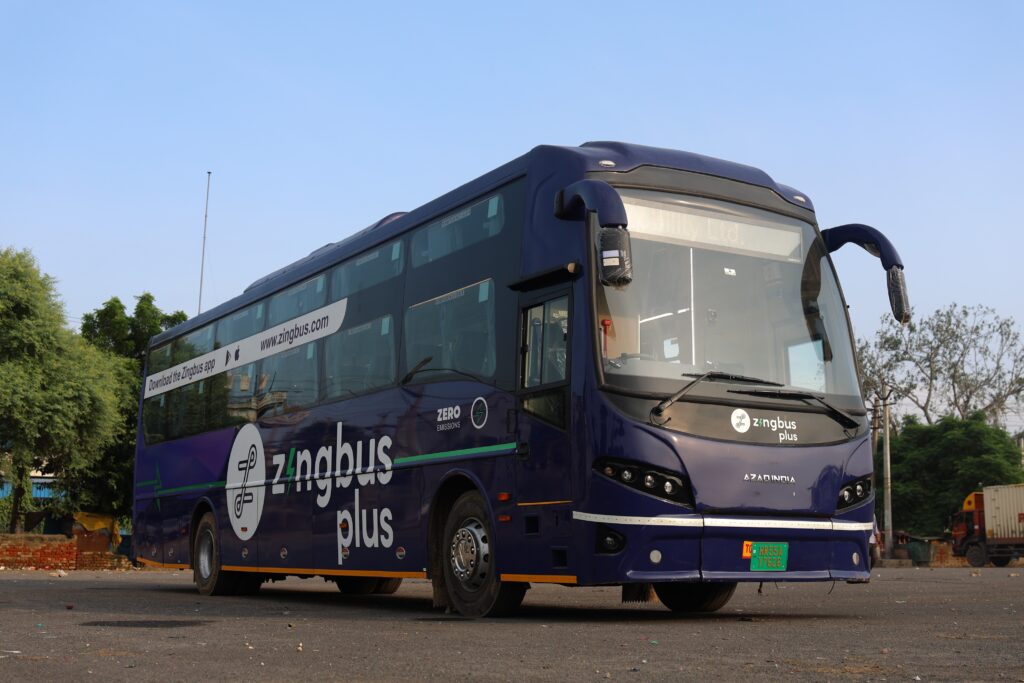
Are you ready to see a greener, cleaner future for public transport? The buzz around electric buses is growing louder in India, and it’s no surprise why! As cities like Delhi, Mumbai, Bengaluru, and Guwahati are already leading the way, electric buses are fast becoming a vital part of the country’s public transport revolution. With the government pushing for cleaner energy, electric buses are showing us that change is possible. But what’s next for electric buses in India?
In this blog, let’s take a deep dive into India’s electric bus boom; what’s driving it, the challenges, and what might be in store for the future of public transport in India, especially with exciting developments ahead.
The Growth of Electric Buses in India – A Glimpse into the Future
India has made remarkable strides toward adopting electric vehicles, and electric buses are at the forefront of this change. As of 2024, over 3,616 electric buses are running on Indian roads, a small but growing percentage of the more than 41,000 diesel buses still in operation. Yet, this change is already having a significant impact on the environment and urban mobility.
What’s Driving This Shift?
- Government Initiatives: Policies like the PM eDrive and FAME II are providing much-needed subsidies, making electric buses more affordable for city transport services. These initiatives are set to support the introduction of 14,028 electric buses by 2025.
- Urban Demand for Clean Air: Cities are desperate for solutions to reduce pollution, and electric buses offer a cleaner, quieter alternative to diesel-powered vehicles.
- Cost Savings: Electric buses have much lower running costs due to cheaper electricity prices compared to diesel fuel, making them increasingly attractive for state transport undertakings (STUs).
Top Electric Bus Manufacturers – Leading the Charge in India
When it comes to electric buses, a few key players are driving the industry forward. While Tata Motors leads the charge with over 1,400 electric buses, others like Olectra Greentech, JBM Auto, and PMI Electro Mobility are not far behind.
Who’s Leading the Way?
- Tata Motors: Dominating the market with 40% share, Tata Motors has been the go-to brand for many state transport services.
- Olectra Greentech: With over 600 buses on the road, Olectra is making a significant impact with their eco-friendly solutions.
- JBM Auto & PMI Electro: These companies are also helping to shape the electric bus future, offering cutting-edge technology and full fleet management solutions.
How Electric Buses Are Changing Urban Transport
Electric buses are making a difference in cities across India. Not only are they contributing to reduced emissions, but they’re also revolutionizing public transport systems.
Advantages of Electric Buses:
- Cleaner Environment: No tailpipe emissions help cut down on air pollution, making cities cleaner for everyone.
- Lower Operating Costs: Electric buses are cheaper to maintain and fuel compared to diesel-powered buses.
- Noise Reduction: These buses are significantly quieter than diesel ones, improving the overall quality of life for city dwellers.
What About the Challenges?
Despite their benefits, there are challenges that need to be tackled:
- Initial Costs: Though subsidies help, the upfront costs of electric buses are still higher than traditional buses.
- Charging Infrastructure: In many cities, charging stations are sparse, creating a logistical challenge for widespread adoption.
- Battery Technology: While battery tech is improving, there’s still work to be done to make them more efficient and affordable.
What’s Next for Electric Buses in India?
Looking forward, the electric bus market in India is set to grow exponentially. Experts predict that by 2032, the electric bus sector could reach a market size of over $1.7 billion. The introduction of more policies, better infrastructure, and rising demand for clean transport solutions will drive this change.
Exciting Developments on the Horizon:
- Government Incentives: Programs like FAME II and PM eDrive will continue to provide subsidies, making electric buses more affordable.
- Growing Infrastructure: As cities work to improve their charging infrastructure, electric buses will become more viable for mass adoption.
- Battery Advancements: With research into more efficient batteries, the range and charging speed of electric buses will keep improving.
FAQs about Electric Buses in India
1. What are the benefits of electric buses over diesel buses?
Ans. Electric buses offer a cleaner, quieter, and more cost-effective alternative to diesel buses. They reduce carbon emissions, lower fuel and maintenance costs, and contribute to a healthier urban environment.
2. Are electric buses more expensive to buy than diesel buses?
Ans. Yes, electric buses typically have a higher initial cost, but government subsidies and lower operating costs help make them a more viable long-term investment.
3. Will zingbus offer electric buses in the future?
Ans. While nothing is officially confirmed, zingbus is always exploring innovative solutions to improve travel options. Stay tuned for updates on potential future offerings!
4. What is the range of an electric bus?
Ans. The range can vary based on battery capacity and the route, but most electric buses on the market today can travel between 150-300 km on a full charge.
5. How long does it take to charge an electric bus?
Ans. Charging times can range from 2-4 hours depending on the charging infrastructure. Fast charging stations are helping to reduce these times.
6. Where are electric buses most commonly used in India?
Ans. Cities like Delhi, Mumbai, and Bengaluru are leading the way, with large fleets of electric buses already operational. Other cities are slowly following suit.
A Greener Future on the Horizon
The rise of electric buses in India is just the beginning of a greener, more sustainable future for public transport. With major players like Tata Motors leading the charge, and exciting government initiatives making the switch to electric more feasible, we’re on the brink of a major shift in how we travel.
Ready for a smoother, greener ride? Stay connected with zingbus for the latest updates on eco-friendly travel options. Download the zingbus app today and start planning your next journey!







Leave a Reply Cancel reply