


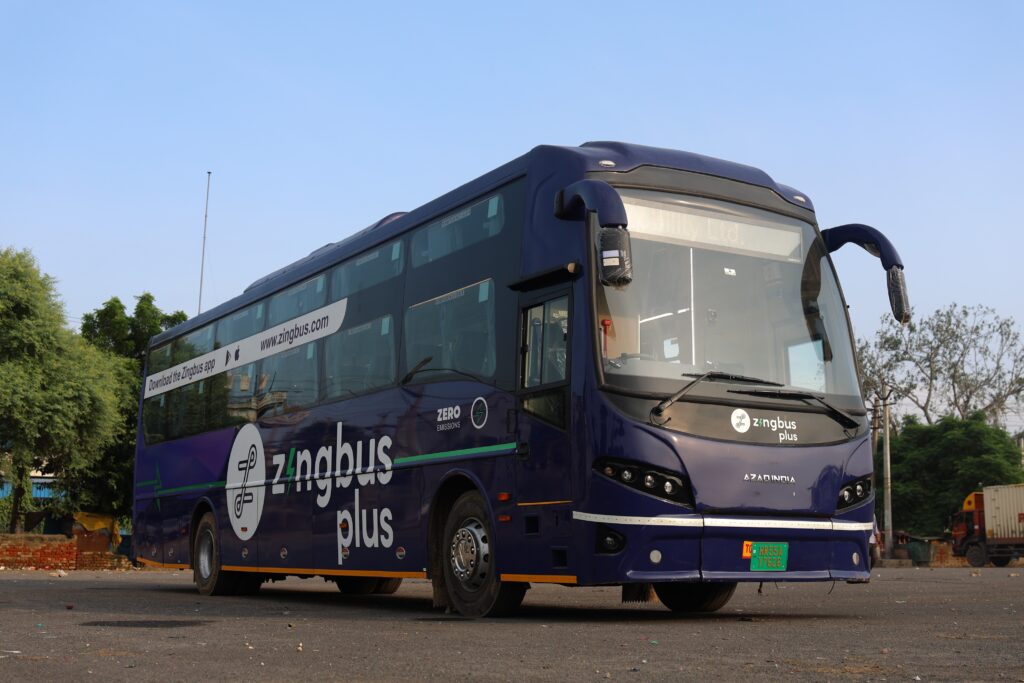
![zingbus Electric [EV]](https://www.zingbus.com/blog/wp-content/uploads/2024/09/IMG_7576-1-1024x683.jpg)
India stands at a pivotal moment in its transportation evolution. Electric buses are reshaping how cities manage mobility, reduce emissions, and build sustainable infrastructure. The adoption of e-buses represents more than progress; it reflects India’s commitment to cleaner urban environments and efficient public transit systems for millions of daily commuters.
Understanding the Electric Bus Market in India
The Indian electric bus sector has experienced remarkable growth. Major cities across the nation are transitioning from diesel-dependent fleets to electric powered alternatives. This shift addresses critical challenges including air pollution, traffic congestion, and environmental sustainability that plague urban centers.
You can observe this transformation across metropolitan areas where electric buses now operate on established routes. The integration of e-buses into public transportation networks demonstrates India’s serious commitment to reducing carbon footprints. Cities implementing electric bus fleets report improved air quality metrics and enhanced passenger experiences.
The market expansion reflects growing recognition that electric buses offer superior solutions compared to conventional diesel vehicles. These vehicles eliminate tailpipe emissions while reducing operational complexity in urban environments. The trend toward electric buses in India continues accelerating as technology improves and infrastructure develops.
Government Initiatives Supporting Electric Bus Adoption
The Indian government has implemented comprehensive policies to accelerate electric bus deployment across cities. Key initiatives include subsidies, tax incentives, and infrastructure support programs designed to make e-bus adoption economically viable for transportation authorities.
Government Support Mechanisms:
- Direct financial subsidies reducing upfront purchase costs for electric buses
- Extended tax benefits for manufacturers and operators
- Grants for charging infrastructure development
- Training programs for maintenance and operational personnel
- Integration with Smart Cities Mission objectives
The FAME (Faster Adoption and Manufacturing of Electric Vehicles) scheme continues supporting the electric bus segment with substantial financial assistance. State governments have introduced complementary policies addressing regional transportation needs and local urban mobility challenges.
You benefit from these initiatives through improved public transport access and affordability. Government support ensures that electric bus projects remain financially sustainable while maintaining reasonable ticket prices for commuters. These policies create an enabling environment where cities can modernize their transit fleets systematically.
Building Robust Charging Infrastructure
Effective electric bus deployment requires comprehensive charging infrastructure networks. Cities across India are investing in charging stations strategically located along major routes and at transit hubs. This infrastructure expansion ensures minimal service disruptions and optimum route efficiency.
Modern charging systems support rapid deployment of electric buses on challenging urban routes. You will find charging facilities at bus depots, transit points, and transfer stations. Infrastructure development includes both depot charging systems and opportunity chargers for en route energy replenishment.
Infrastructure Development Components:
| Infrastructure Element | Current Status 2025 | Future Outlook |
| Charging Stations | Rapidly expanding in major cities | Pan India coverage expected |
| Grid Integration | Smart grid systems implemented | Full integration with renewable energy |
| Maintenance Facilities | Specialized workshops operational | Regional hubs across states |
| Training Centers | Government and private centers active | Enhanced capacity building programs |
| Technology Systems | Real time monitoring deployed | AI powered predictive maintenance |
Major metropolitan areas now have comprehensive charging networks supporting hundreds of electric buses. Maintenance facilities have evolved to address specialized requirements of electric bus systems. You can expect continued expansion of this infrastructure supporting increased fleet sizes.
Transforming Urban Mobility Through Electric Buses
Electric buses fundamentally reshape how you experience urban commuting. These vehicles operate with minimal noise pollution, creating quieter urban environments. The smooth acceleration and responsive handling provide superior passenger comfort compared to traditional buses.
The integration of electric buses with smart city initiatives creates intelligent transportation ecosystems. Real time tracking systems, route optimization algorithms, and predictive maintenance technologies work seamlessly with e-bus fleets. You benefit from reliable schedules, reduced wait times, and improved service consistency.
Electric buses contribute to significant reduction in congestion when combined with optimized routing systems. Cities implementing comprehensive e-bus networks observe decreased private vehicle usage as public transit becomes more attractive and reliable. This modal shift improves overall traffic flow across urban areas.
Benefits You Experience:
- Reduced noise levels during commute hours and throughout neighborhoods
- Improved air quality supporting better respiratory health
- Reliable service schedules with minimal breakdowns
- Enhanced passenger comfort and safety features
- Integrated digital ticketing and journey planning systems
- Connection with broader smart city mobility platforms
The shift toward electric buses aligns perfectly with India’s larger urbanization strategy. As cities grow more compact and population density increases, efficient public transport becomes essential. Electric buses provide the scalable solution cities need for sustainable urban development.
Electric Buses and Environmental Sustainability
Electric buses deliver substantial environmental benefits through zero tailpipe emissions. You contribute to cleaner air and reduced greenhouse gas concentrations when using e-bus services. Cities with significant electric bus adoption report measurable improvements in air quality indices.
The environmental advantage extends beyond operational emissions. Manufacturing processes for electric buses continue becoming cleaner as renewable energy integration increases. Battery recycling and repurposing programs minimize environmental impact of fleet lifecycles.
Environmental Impact Metrics:
Electric buses eliminate local air pollution while supporting India’s climate commitments. Each bus transitioning from diesel to electric removes approximately fifteen to twenty tons of carbon dioxide from annual emissions. Cities with five hundred or more electric buses significantly impact regional air quality improvements.
You benefit directly through health improvements in communities served by electric bus networks. Reduced particulate matter and nitrogen oxide levels contribute to better respiratory outcomes across all age groups. Long term exposure to cleaner air improves overall public health statistics in urban areas.
The sustainability story extends to energy sourcing. Cities increasingly power charging infrastructure with renewable energy. Solar powered charging stations and wind energy integration make electric buses genuinely sustainable transportation solutions rather than simply shifting emission sources.
Operational Efficiency and Economic Advantages
Operating electric buses proves economically superior to diesel bus operations when examined over full vehicle lifecycles. You benefit from these cost efficiencies through stable transit fares and consistent service availability. Lower operational costs enable authorities to invest in expanded routes and improved frequency.
Cost Comparison Analysis:
| Operating Factor | Diesel Buses | Electric Buses |
| Fuel Cost Per km | Higher variable costs | Significantly lower energy costs |
| Maintenance Expenses | Frequent oil changes, filter replacements | Minimal wear on components |
| Downtime Incidents | Regular breakdowns common | Substantially reduced failures |
| Tire Wear | Accelerated due to engine vibration | Extended tire lifespan |
| Replacement Parts | Regular engine component replacements | Fewer moving parts to service |
| Labor Requirements | More intensive maintenance needs | Specialized but less frequent service |
Electric buses require significantly fewer moving parts compared to internal combustion engine vehicles. This mechanical simplicity translates to reduced maintenance demands and lower operational costs. You experience more reliable service as mechanical failures become uncommon occurrences.
The economic model supporting electric buses becomes increasingly attractive as battery costs continue declining. Cities can deploy larger fleets within fixed budgets as upfront vehicle costs decrease. This economic advantage accelerates fleet modernization across India’s urban centers.
Training and Workforce Development
Transitioning to electric buses requires developing specialized workforce capabilities. Operators, mechanics, and maintenance technicians need training specific to electric vehicle systems. India has established comprehensive training programs addressing these skill requirements.
Workforce Development Initiatives:
- Certification programs for electric bus operators
- Specialized maintenance technician training courses
- Battery management and diagnostics workshops
- Route optimization and smart system training
- Safety protocols for electric vehicle systems
- Supervisor and fleet management programs
You benefit from employment opportunities in this expanding sector. Training programs create pathways for career advancement in sustainable transportation. Government institutions and private training centers offer accessible programs across multiple cities.
The quality of service you receive improves as trained personnel manage electric bus operations. Skilled technicians ensure vehicles operate at peak efficiency. Well trained operators provide professional, reliable service that enhances your commuting experience.
Smart City Integration and Digital Innovation
Electric buses integrate seamlessly with smart city technology platforms. Real time passenger information systems, mobile ticketing, and digital journey planning enhance your transit experience significantly. Cities combining e-buses with smart infrastructure create cohesive mobility ecosystems.
Advanced telematics systems monitor vehicle performance, optimize routes, and predict maintenance needs. You benefit from more reliable schedules and improved service frequency. Integrated platforms coordinate multiple transportation modes for seamless connections across urban areas.
Future smart mobility systems will incorporate electric buses as core components. Autonomous driving capabilities under development will further enhance safety and efficiency. You can anticipate increasingly intelligent transportation networks powered by electric bus technology.
Challenges and Solutions in E-Bus Implementation
While electric bus adoption accelerates, implementation requires addressing practical challenges systematically. Cities manage these obstacles effectively through strategic planning and phased deployment approaches.
Common Implementation Challenges:
Charging infrastructure requires substantial capital investment initially, though costs decrease as networks expand. You see solutions emerging through public-private partnerships and innovative financing mechanisms. Government subsidies bridge funding gaps while private sector efficiency improves delivery timelines.
Route planning demands careful consideration of charging station placement and vehicle range capabilities. Modern electric buses provide impressive driving ranges, often exceeding three hundred kilometers per charge. You experience minimal route disruptions as infrastructure planning becomes more sophisticated.
Workforce transition from diesel to electric systems requires managed approach. Comprehensive training programs ensure current employees develop necessary skills for new technology. You benefit from experienced personnel transitioning their expertise to electric bus operations.
The Current State of Electric Buses in Indian Cities
Multiple cities have successfully deployed substantial electric bus fleets. Delhi, Bangalore, Mumbai, and Pune operate hundreds of electric buses on daily routes. You can observe this transformation through visible increases in e-buses on city streets.
City Level E-Bus Deployment 2025:
Leading Indian cities continue expanding electric bus networks. Delhi operates over one thousand electric buses with plans for significant additions. Bangalore, Hyderabad, and Chennai have established comprehensive e-bus corridors serving major commute routes. You witness continued growth as cities recognize e-bus benefits.
Secondary cities adopt e-buses at accelerating rates. Pune, Ahmedabad, and Jaipur implement fleet transitions supporting sustainable urban mobility. Medium tier cities increasingly integrate electric buses into modernization initiatives.
You can now utilize zingbus booking platforms to access information about electric bus availability and services. The integration of e-buses into mainstream transit options makes sustainable commuting accessible and convenient for daily travelers.
Future Trajectory of Electric Buses in India
The evolution of electric bus technology continues rapidly. Battery innovations promise extended range and faster charging capabilities. You can anticipate significant improvements in electric bus performance within coming years.
Autonomous electric buses represent the next frontier in sustainable urban mobility. Technology development proceeds steadily toward fully autonomous operations in controlled urban environments. You will experience increasingly autonomous capabilities integrated into public transport services over time.
The projected expansion shows electric buses becoming dominant in urban transit fleets across major Indian cities by 2030. Government targets and private sector investments support this trajectory. You can expect electric buses to become the normal choice for public transportation rather than exceptional option.
Why Your Transit Choice Matters
When you choose electric bus services, you support sustainable transportation development. Each commute using e-buses reinforces demand for continued infrastructure investment. Your patronage influences city planning decisions toward cleaner mobility solutions.
Sustainable transportation choices create multiplier effects across communities. Cleaner air improves public health outcomes for entire populations. Reduced noise pollution enhances quality of life throughout urban areas. You contribute to these improvements through consistent use of electric bus services.
Increased ridership on e-bus networks justifies expanded service frequency and route coverage. Popular routes receive additional buses and improved scheduling. You benefit from enhanced convenience and reliability when supporting electric bus adoption.
Moving Toward Sustainable Urban Transportation
India’s transition to electric buses represents genuine progress toward sustainable cities. You participate in this transformation through daily commuting choices. The combination of government support, infrastructure investment, and public adoption creates sustainable mobility reality.
Electric buses will increasingly define urban transportation across Indian cities. Technology improvements, infrastructure expansion, and cost reductions continue accelerating adoption rates. You will observe continued transformation of city transit systems throughout 2025 and beyond.
The future of public transportation in India is electric. By utilizing zingbus services and supporting electric bus networks, you contribute to building greener, healthier, and more livable urban environments. This collective commitment transforms transportation systems serving hundreds of millions of daily commuters across the nation.








Leave a Reply Cancel reply