


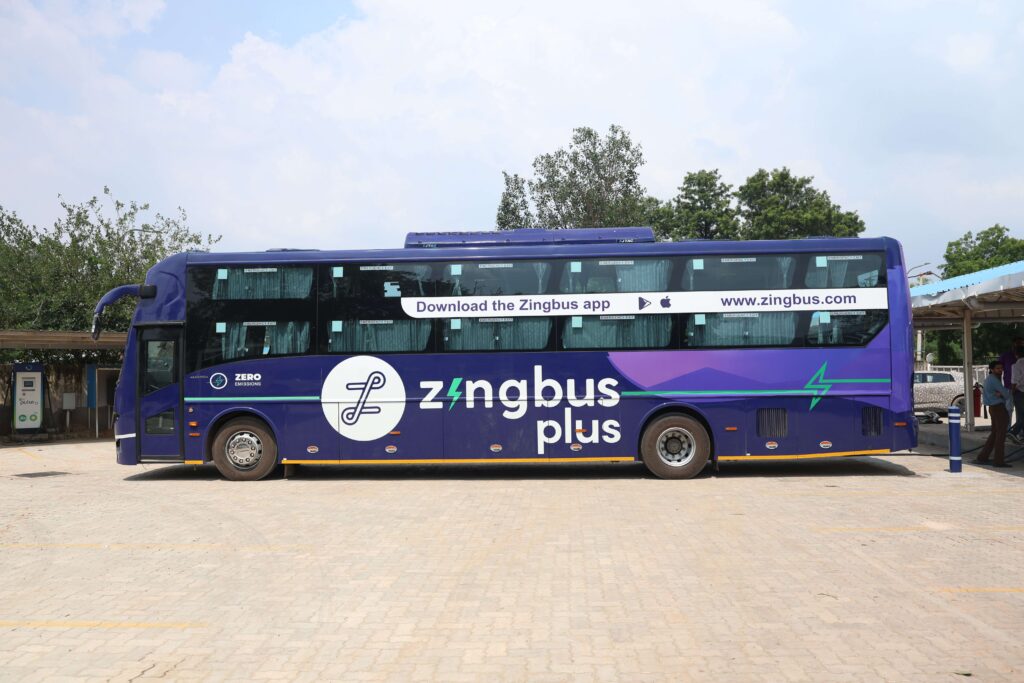
The future of transportation is moving toward electric vehicles, and electric buses for public transport are at the center of this shift. Cities and intercity routes across the world are testing cleaner fleets to cut pollution, reduce noise and improve the experience for daily travellers.
This change is driven by climate goals, falling battery costs and clear EV policies from governments. At the same time, it raises a new question for public finance. As buses and cars move away from diesel and petrol, fuel use falls and so do the fuel tax revenues that many governments depend on today.
The Rise of Electric Buses for Public Transport
Electric buses for public transport help cities cut tailpipe emissions on busy corridors where pollution is usually the worst. They also reduce noise and give passengers a smoother ride, which makes bus travel more comfortable and attractive.
Global numbers are rising quickly. Recent assessments show tens of thousands of new electric buses being added every year, and hundreds of thousands already in operation worldwide. For many countries, including India, these buses are becoming the backbone of sustainable public transport plans.
Why Fuel Taxes Matter for Public Transport
Fuel taxes have long been a simple way for governments to raise money from road users. The revenue helps pay for roads, bridges, city bus systems and other transport services that keep people moving. In some regions, fuel taxes are a major part of both national and state budgets.
Fuel taxes also shape behaviour. When fossil fuels are taxed, people and businesses have a reason to use less fuel, drive more efficient vehicles and choose public transport. This supports cleaner air, lower greenhouse gas emissions and better alignment with global climate targets.
| Aspect | With Conventional Fuel Use | As Electric Buses for Public Transport Grow |
|---|---|---|
| Revenue source | Tax per litre of petrol or diesel | Smaller fuel tax base per bus and per passenger |
| Environmental signal | Higher tax nudges users to shift to cleaner modes | Signal weakens unless new tools replace fuel taxes |
| Budget planning | Stable and predictable for many years | Becomes harder as EV share and efficiency increase |
As more electric buses for public transport enter service, the link between road use and fuel tax collection gets weaker. Buses still use energy, but it comes from the grid, where taxes and charges are structured very differently.
How Electric Buses Affect Fuel Tax Revenues
When public transport agencies switch large fleets from diesel to electric, they cut diesel consumption sharply. This is good for air quality and climate goals, but it also erodes part of the fuel tax base that supports transport budgets today.
If electric buses for public transport scale faster than expected, governments may face a gap between the funds they collect and the money needed for depots, charging, roads and stations. Planning ahead for this gap is crucial so that cleaner mobility does not weaken core services.
EV Policies and Subsidies Shaping This Transition
Many governments use EV policies to speed up the shift to clean mobility while managing short term costs. In India, programmes linked to FAME, new electric mobility schemes and the PM e Bus Sewa framework support procurement of thousands of electric buses and related infrastructure.
Alongside these demand side incentives, the Production Linked Incentive scheme for automotive and components supports domestic manufacturing of advanced EV technology. This helps build a local supply chain for batteries, motors and power electronics, keeping more value inside the country.
State EV policies add their own layer of support with extra subsidies, relaxed permit rules, or targets for electric buses in city fleets. Together, these measures make electric buses for public transport more affordable at the point of purchase and easier to operate at scale.
Key Policy Levers for Electric Buses in India
| Policy Lever | What It Does for Electric Buses for Public Transport |
|---|---|
| Central bus subsidy schemes | Reduce upfront cost per bus and support charging depots |
| Electric mobility promotion schemes | Extend incentives across buses, three wheelers and other shared mobility |
| PLI for auto and components | Build domestic supply chain for EV parts and lower long term costs |
| State EV policies | Add route level incentives, permits and city specific targets |
| PM e Bus Sewa and similar models | Support large tenders and secure payments for bus operators |
Rethinking Revenue When Fuel Taxes Decline
If fuel taxes become a weaker tool, governments will need a mix of new approaches that are fair, simple and linked to real road use. One option discussed globally is a road user charge where vehicles pay based on distance or time on the network.
Cities can also use congestion pricing, cleaner parking rules and local access fees for high demand zones. Properly designed, these tools can both manage traffic and create a new revenue base that does not depend on fossil fuels.
At the same time, it is important that any new charge does not punish early adopters of electric buses for public transport. Public fleets reduce emissions for everyone, so they should continue to receive clear support during this transition period.
Making Electric Buses Work at Scale
Scaling electric buses for public transport is not only about buying vehicles. It also requires smart planning for depots, chargers, power supply and daily operations. Bus agencies need clear schedules for charging, backup plans and staff training to keep fleets reliable.
Public private partnership models can help share risk between cities and operators. Under these models, one party might own and maintain the buses and charging systems, while another focuses on routes, tickets and passenger service. Good contracts and transparent performance metrics are key here.
Digital tools like real time telematics, fleet monitoring and energy management systems are becoming standard. They help operators improve uptime, extend battery life and manage costs as electric buses for public transport replace older diesel fleets.
Why Electric Buses for Public Transport Are a Good Deal
In many cases, the lifetime cost of electric buses is moving closer to, or even below, that of diesel buses, especially on high use routes. Electricity is usually cheaper per kilometre than fuel, and electric drive-trains have fewer moving parts to maintain.
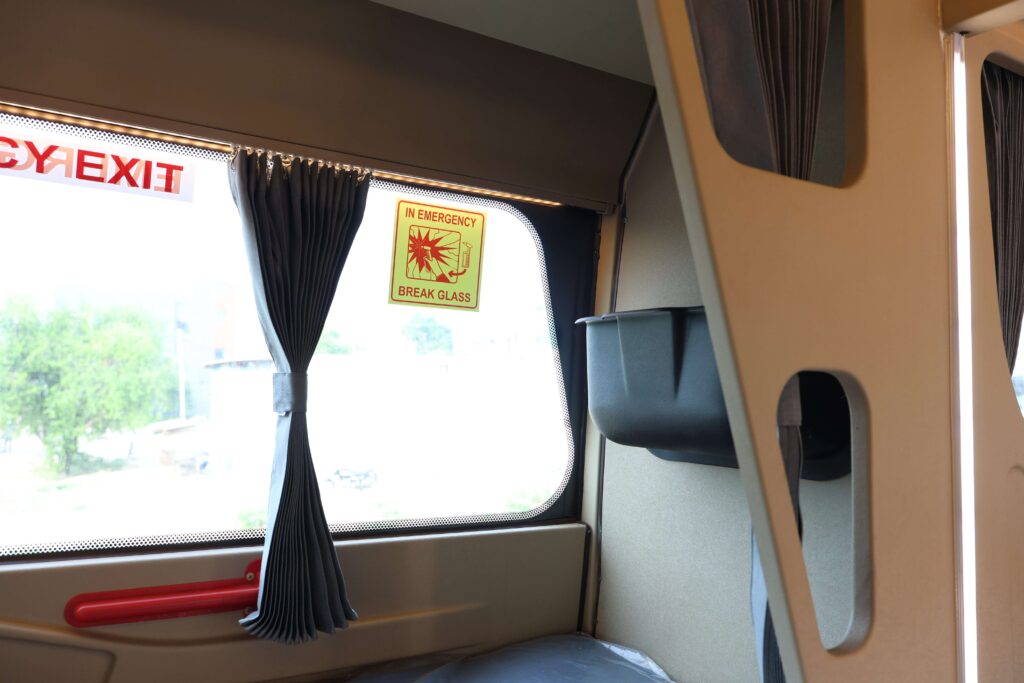
For passengers and cities, the benefits go beyond money:
- Cleaner air on main bus corridors
- Lower noise in dense neighbourhoods and at night
- Better image for public transport, which can attract new riders
When these gains are combined with stable funding models, electric buses for public transport become a strong long term investment.
The Road Ahead for Cities and Operators
Over the next decade, electric buses for public transport will move from pilot projects to the default choice in many networks. Some systems are already testing connected and automated features that can further improve safety and reliability.
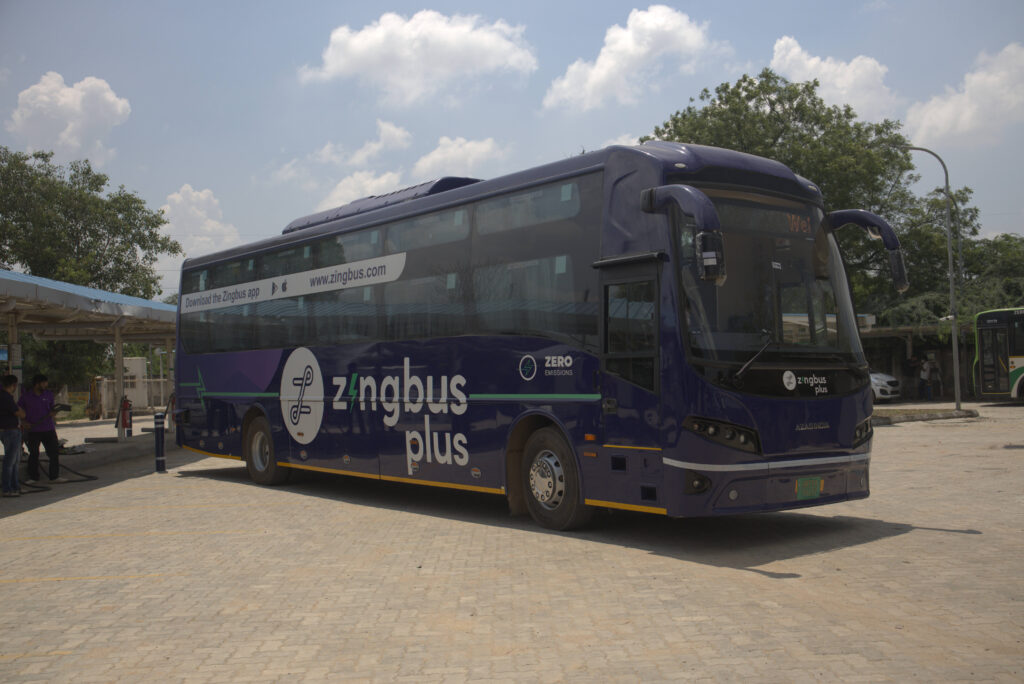
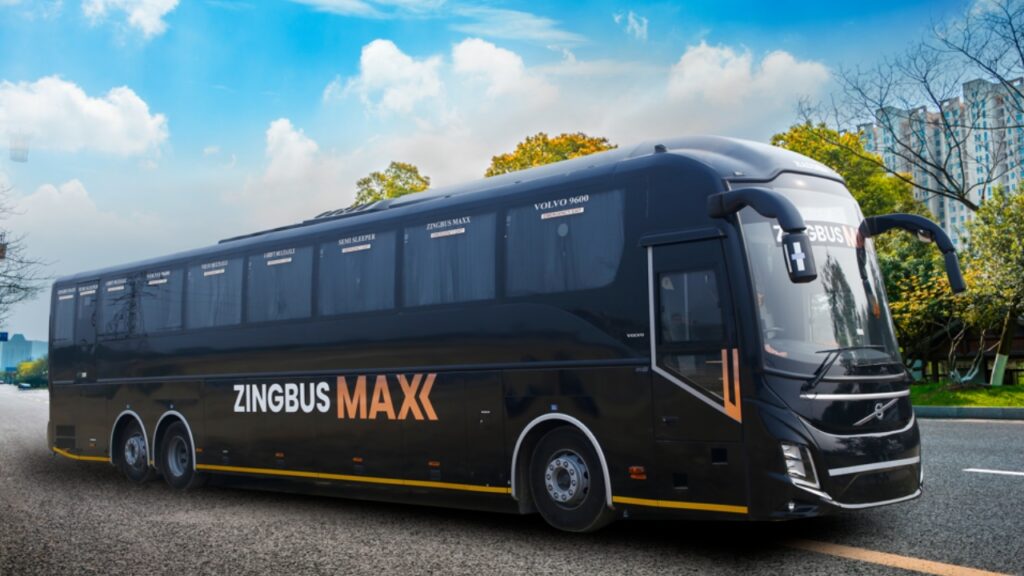
For operators like zingbus, this shift is also an opportunity to redesign intercity services around comfort, reliability and lower emissions. Thoughtful route selection, smart charging and good station design can turn electric travel into a clear upgrade for both regular and first time users.
Navigating the Road Ahead for Future Travel
Electric buses and the wider move to electric vehicles create both a challenge and an opportunity for governments and citizens. Falling fuel tax revenues will need new answers, but strong EV policies and clear investment in public transport electrification can bridge that gap.

If countries build stable revenue tools, support electric buses for public transport and keep riders at the center of planning, they can secure cleaner air, quieter streets and more reliable mobility for the long term.








Leave a Reply Cancel reply