


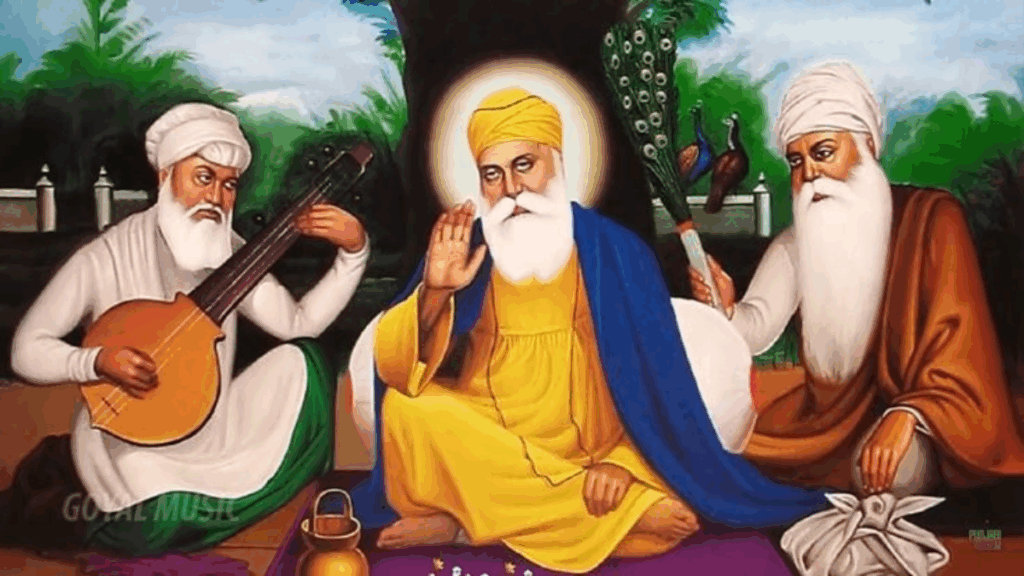
The pre-dawn darkness breaks with the sound of Gurbani. Thousands of devotees line the streets as the beautifully decorated palki carrying Guru Granth Sahib passes by, accompanied by martial artists performing Gatka, musicians playing traditional instruments, and voices united in devotional kirtan. This is Nagar Kirtan, and it signals that Guru Nanak Jayanti is here.
On November 5, 2025, Sikhs across India and the world will celebrate the 556th birth anniversary of Guru Nanak Dev Ji, the founder of Sikhism and the first of the ten Sikh Gurus. This isn’t just another festival marked on calendars. It’s a spiritual awakening that transcends religious boundaries, inviting people of all faiths to experience devotion, equality, and selfless service in their purest forms.
And if you’ve been searching for authentic spiritual experiences beyond the usual tourist trails, this guru nanak jayanti travel guide will show you how to witness one of India’s most profound celebrations.
Understanding Guru Nanak Jayanti: More Than Just a Birthday
Guru Nanak Dev Ji was born in 1469 in Rai Bhoi di Talwandi (now Nankana Sahib in Pakistan). From childhood, he questioned blind rituals, caste discrimination, and religious divisions. His revolutionary teachings centered on three core principles that remain relevant today: Naam Japo (meditate on God’s name), Kirat Karo (earn an honest living), and Vand Chakko (share with others).
Guru Nanak Jayanti, also called Gurpurab or Prakash Utsav, falls on Kartik Purnima, the full moon day of the Kartik month according to the Hindu lunar calendar. The celebrations span three days, creating an immersive spiritual experience unlike any other festival.
Table 1: Guru Nanak Jayanti 2025 Complete Celebration Timeline
| Date | Event | Significance | Best Time to Attend |
| Nov 3-4 | Akhand Path begins | 48-hour continuous reading of Guru Granth Sahib | Anytime during 48 hours |
| Nov 4 | Nagar Kirtan | Grand procession with palki, kirtan, Gatka | Early morning (5-9 AM) |
| Nov 5 | Main Gurpurab | Special prayers, kirtan, Langar | Dawn onwards (4 AM-midnight) |
The Akhand Path starts two days before the main celebration. For 48 hours straight, devotees take turns reciting the entire Guru Granth Sahib without pause. The dedication is astounding, and attending even a portion of this continuous recitation offers a meditative experience that calms the restless mind.
The day before Gurpurab features the spectacular Nagar Kirtan, early morning processions where the Guru Granth Sahib is carried in an ornately decorated palanquin. The Panj Pyare (Five Beloved Ones) lead the procession, followed by musicians, singers, and Gatka performers demonstrating Sikh martial arts. The streets come alive with devotion, and even skeptics find themselves moved by the collective energy.
The Golden Temple: Where Heaven Meets Earth
No guru nanak jayanti travel guide would be complete without highlighting the Golden Temple in Amritsar, the holiest shrine in Sikhism. But experiencing it during Guru Nanak Jayanti takes everything to another level entirely.
The temple complex, officially named Sri Harmandir Sahib, sits like a jewel in the center of the Amrit Sarovar (Pool of Nectar). During Gurpurab, the entire complex gets illuminated with thousands of lights, creating a reflection on the sacred pool that looks like the stars themselves have descended to earth.
The celebrations begin well before dawn. By 4 AM, devotees start gathering for the early morning prayers. The continuous kirtan fills the air with devotional hymns. The Akal Takht, the highest temporal authority in Sikhism located within the complex, becomes the focal point of special ceremonies.
What makes the Golden Temple extraordinary isn’t just its gold-plated architecture (though that’s breathtaking). It’s the Langar, the free community kitchen that serves over 100,000 people daily, and many more during Gurpurab. Everyone sits on the floor together, rich and poor, Hindu and Muslim, Sikh and non-Sikh, sharing a simple vegetarian meal. This is Guru Nanak’s teaching of equality manifested in the most practical, beautiful way possible.
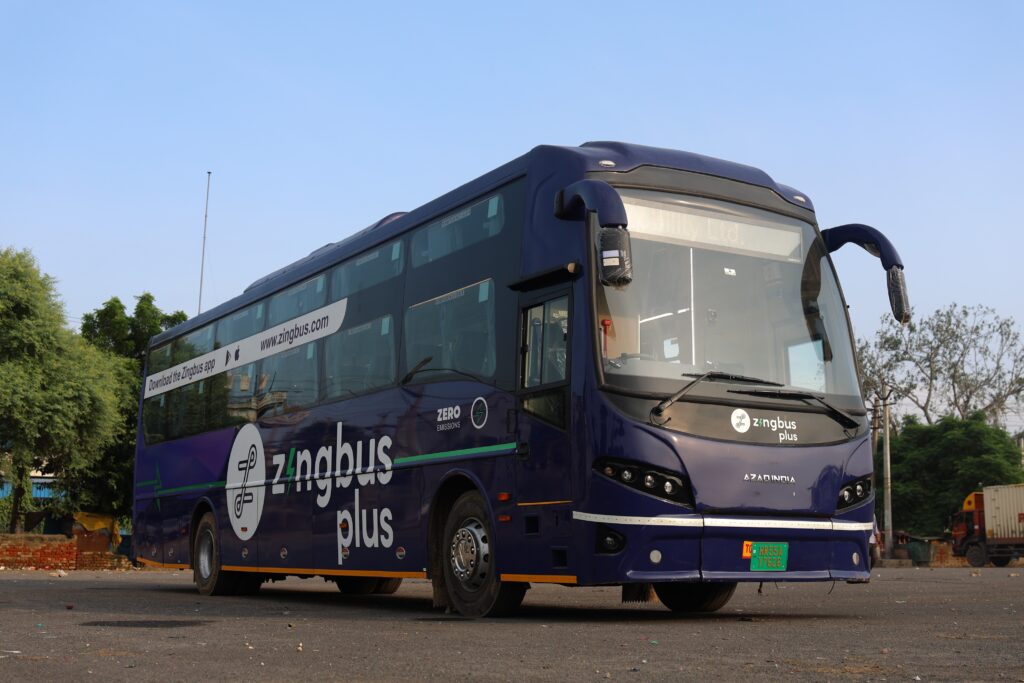
Getting to Amritsar has become remarkably convenient. The Delhi to Amritsar bus route covers approximately 464 kilometers in about 8 hours. Multiple AC sleeper buses depart daily, with services running from morning to late night. The overnight buses are particularly popular, allowing you to board around 10 PM, sleep through the journey, and arrive fresh in Amritsar by early morning, ready to experience the dawn prayers.
For those already in Punjab’s capital, the Chandigarh to Amritsar bus route covers 217 kilometers in approximately 3.5 hours, making it perfect for a same-day visit or weekend pilgrimage.
Delhi’s Spiritual Gems: Gurdwaras in the Capital
If traveling to Amritsar isn’t possible, Delhi offers its own spectacular Guru Nanak Jayanti celebrations at several historic gurdwaras.
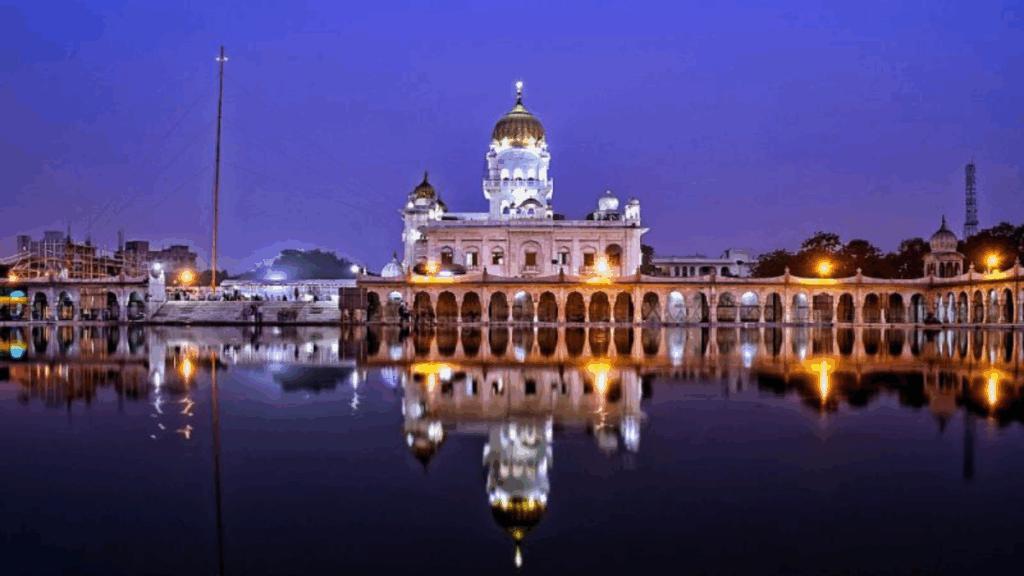
Gurdwara Bangla Sahib: Delhi’s Spiritual Crown Jewel
Located in the heart of Connaught Place, Gurdwara Bangla Sahib is one of the most prominent Sikh shrines in Delhi. The gurdwara is associated with the eighth Sikh Guru, Guru Har Krishan Dev Ji, who stayed here in the 17th century and served people during a smallpox epidemic.
The white marble structure with its distinctive golden dome becomes even more magnificent during Guru Nanak Jayanti. The Sarovar (holy pool) within the complex reflects the illuminated gurdwara, creating picture-perfect moments that photographers dream about. But more importantly, it offers a peaceful sanctuary in Delhi’s chaotic urban landscape.
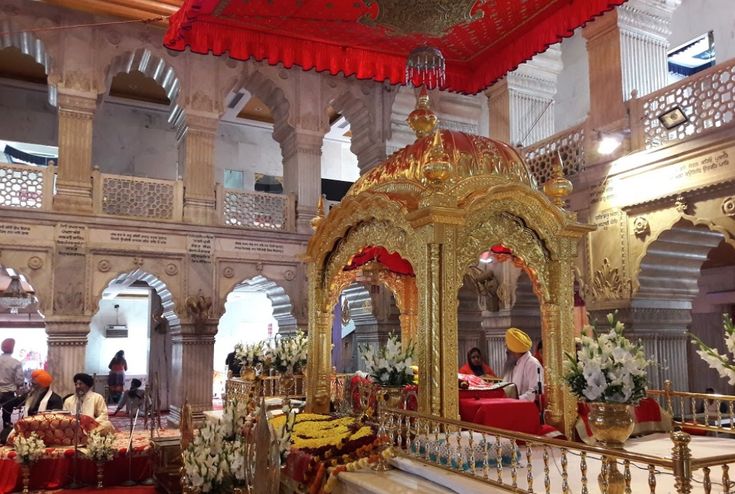
The Langar at Bangla Sahib operates round the clock, but during Gurpurab, the scale intensifies. Volunteers prepare thousands of meals, and the spirit of seva (selfless service) becomes palpable. Watching people from all walks of life cooking, serving, cleaning, and eating together demonstrates Guru Nanak’s vision of universal brotherhood better than any sermon could.
Gurdwara Sis Ganj Sahib: Where Sacrifice Meets Devotion
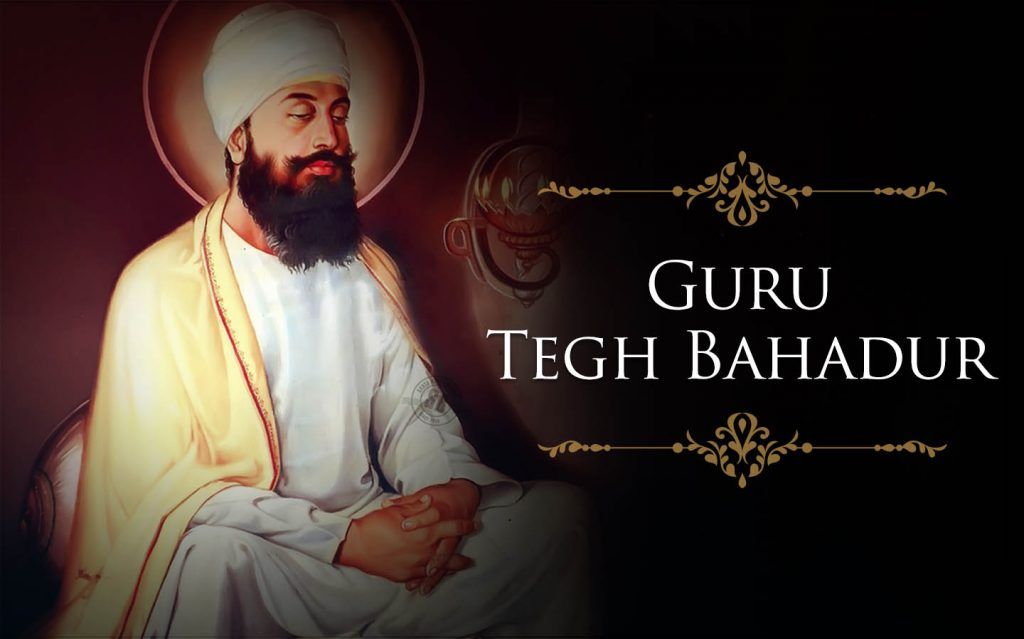
Located in the bustling Chandni Chowk area near the Red Fort, Gurdwara Sis Ganj Sahib marks the site where Guru Tegh Bahadur, the ninth Sikh Guru, was martyred in 1675 for refusing to convert to Islam. The historical significance adds profound depth to Guru Nanak Jayanti celebrations here.
The Nagar Kirtan procession from Sis Ganj through Chandni Chowk’s narrow lanes is spectacular. The combination of ancient architecture, vibrant market life, and spiritual procession creates an atmosphere that’s uniquely Delhi.
For travelers in the capital, visiting both these gurdwaras on Guru Nanak Jayanti offers a complete spiritual experience without leaving the city. The Delhi bus booking system connects you to the entire National Capital Region, making it easy to plan onward journeys to Punjab if desired.

Beyond the Main Shrines: Hidden Spiritual Treasures
While the Golden Temple and Delhi gurdwaras attract the largest crowds, several other locations offer equally authentic but less crowded Guru Nanak Jayanti experiences.
Anandpur Sahib in Punjab holds immense significance as the birthplace of the Khalsa, founded by Guru Gobind Singh in 1699. The Takht Sri Keshgarh Sahib here becomes a major pilgrimage site during Gurpurab. The town’s location at the foothills of the Himalayas adds natural beauty to spiritual depth.
Patna Sahib in Bihar, the birthplace of Guru Gobind Singh, sees grand celebrations. The Takht Sri Harmandir Sahib Patna becomes illuminated, and the combination of Sikh and Bihari culture creates unique festivities.
Hemkund Sahib in Uttarakhand, situated at over 15,000 feet, closes for winter by November, but lower-altitude gurdwaras in the region like those in Rishikesh celebrate with equal devotion.
The Three-Day Immersion: How to Experience It All
Day 1: Arrival and Akhand Path
Arrive at your chosen destination (Amritsar, Delhi, or elsewhere) by evening. After checking into accommodation, head to the gurdwara for the ongoing Akhand Path. Spend an hour or two listening to the continuous recitation. The rhythmic Gurbani has a meditative quality that helps you disconnect from everyday stress and connect with something deeper.
Day 2: Nagar Kirtan and Preparation
Wake up before dawn (around 4-5 AM) to witness the Prabhat Pheri and Nagar Kirtan. The early morning procession moves through streets lit with lanterns, creating an ethereal atmosphere. Follow the procession, participate in the kirtan, watch the Gatka performances. The energy is infectious.
Spend the afternoon resting or exploring the local area. In Amritsar, this means visiting Jallianwala Bagh and the Wagah Border. In Delhi, explore the historical areas around the gurdwaras.
Return to the gurdwara by evening for special prayers and kirtan. This is when the atmosphere intensifies, building anticipation for the main day.
Day 3: Gurpurab Main Celebration
The actual birthday celebration begins at midnight, though most devotees arrive by 4 AM for the early morning prayers. Participate in the Langar, not just as a recipient but as a volunteer if possible. Serving food, washing dishes, or cleaning the premises offers insights into Sikh philosophy that observing alone cannot provide.
Attend the special programs, listen to scholarly discourses on Guru Nanak’s teachings, and simply soak in the devotional atmosphere. The celebrations continue throughout the day and into the night with continuous kirtan.
Practical Wisdom for First-Time Visitors
Dress Appropriately: Both men and women must cover their heads before entering any gurdwara. Scarves are usually available at entrances, but bringing your own is preferable. Wear modest clothing that covers shoulders and knees. Remove shoes before entering, and socks are recommended for walking on marble floors.
Respect Sacred Spaces: Photography is generally allowed in gurdwara complexes but not always inside the main prayer halls. Never point your feet toward the Guru Granth Sahib. Sit on the floor with legs crossed or folded beneath you during prayers.
Participate in Langar Respectfully: When eating Langar, sit on the floor with everyone else. Accept what’s served without being fussy. If you want seconds, wait for servers to come around rather than helping yourself. After eating, take your utensils to the washing area. Better yet, volunteer to help wash dishes.
Transportation Timing: Book bus tickets at least 2-3 weeks in advance for Guru Nanak Jayanti weekend. The Amritsar to Delhi route operates 8 buses daily with departures from 7:15 AM to 10:00 PM, but expect higher demand during festival season.
What You’re Really Choosing
Guru Nanak Jayanti isn’t about checking off a religious festival from your travel list. It’s about experiencing values that seem increasingly rare in modern life. Equality without pretension. Service without expectation. Devotion without dogma. Community without exclusion.
When you sit in the langar hall eating simple dal and roti beside a CEO and a street vendor, both serving each other with equal respect, you understand what Guru Nanak taught 550 years ago. When you see Gatka performers dedicating their martial art to spiritual purposes, you understand that strength and spirituality aren’t opposites. When you hear kirtan filling the pre-dawn darkness, you understand that faith doesn’t need loudness, just sincerity.
The buses are running. The gurdwaras are being cleaned and decorated. The preparations for the 48-hour Akhand Path are underway. The question isn’t whether Guru Nanak Jayanti is worth experiencing.
The question is: which route will you take to witness it?






Leave a Reply Cancel reply